How a surfer and a rock legend saved Australia’s beaches

hero media
Australia’s National Surfing Reserves are hallowed ground when it comes to the beaches found along our coast, and not only for surfers.

Head down to the beach at daybreak, anywhere the swell is permitted to reach the shore, and you’ll see them. The wetsuit-clad meditators, the board shorts and bikini brigade, the groms and the silver-haired sea dogs with boards under arm, all gathered in their sandy place of worship.

Peeling towards rocky points, butting up against sandbars or curling around artificial reefs, waves break rhythmically on Australia’s coastline in all kinds of conditions. The surf calls to the soul of those who find solace duck-diving into its salty embrace. Those hooked on the indescribable feeling of riding a wave.
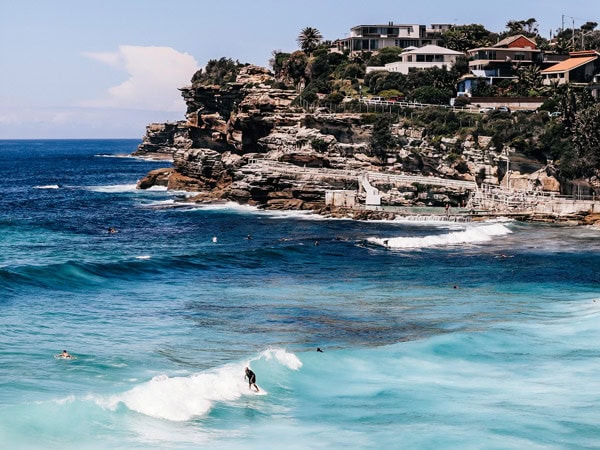
surfing in Bondi Beach
Bondi Beach is one of Australia’s most iconic surf spots. (Image: Elise Hassey)

When it comes to the quality of surf breaks, and the sheer number of them that ring the continent, Australia is indeed the lucky country. Surfing took off in Australia after being introduced by Hawaiian Duke Kahanamoku in 1915, its popularity never waning. Australia is renowned as one of the world’s premier surfing destinations and it’s inescapably intertwined in the coastal fabric.
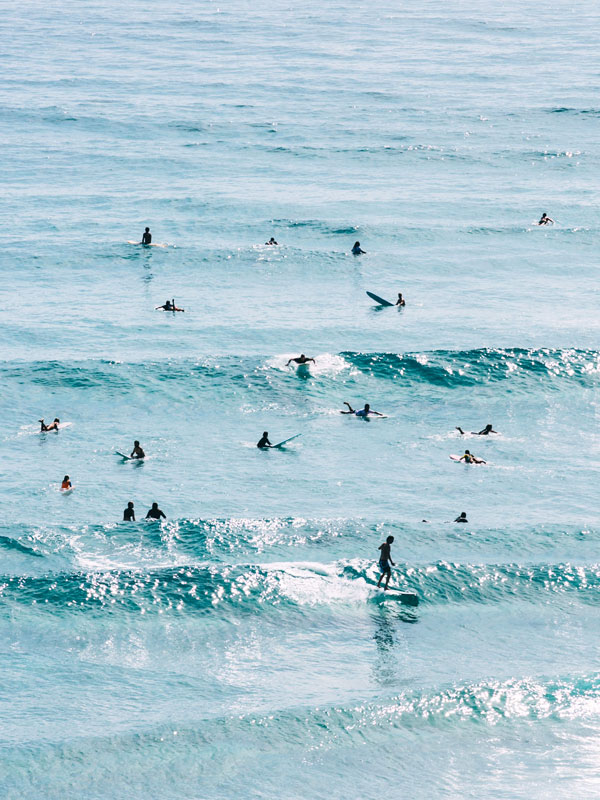
surfers hitting the waves
Australia’s surf breaks are the envy of the world. (Image: Elise Hassey)

“Surfing is much more than a sport," says conservationist Brad Farmer. “It’s a culture, it’s an art form, it’s a pastime, it’s a meditation. That’s why people go to the beach. Billions of visitors go there for this experience, which is really subjective and ephemeral."
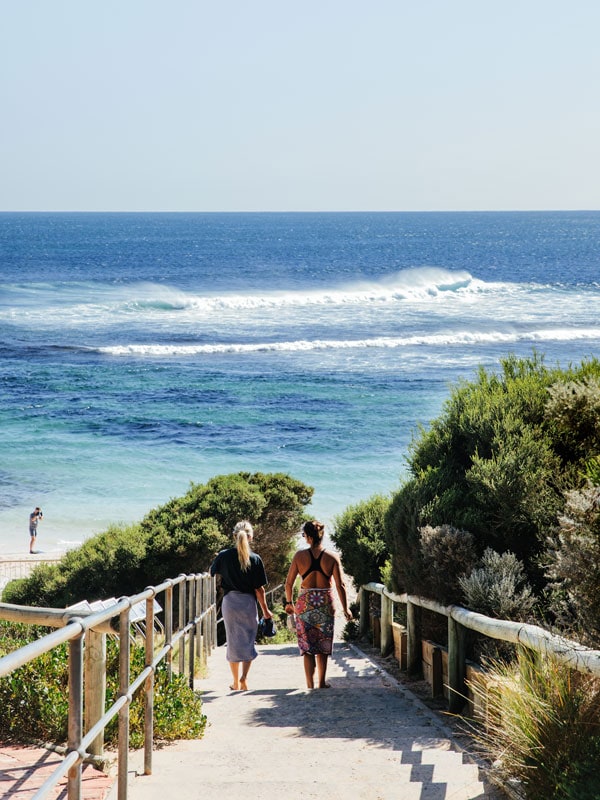
two women walking down the beach staircase at Yallingup Beach
Yallingup is paradise for surfers and sun worshippers. (Image: Elise Hassey)

If Farmer’s name rings a bell, it’s because he’s also the man responsible for declaring the top beaches in Australia each year as Tourism Australia’s Beach Ambassador – a title he’s held since publishing his book 101 Best Australian Beaches with co-author Professor Andy Short in 2013. The annual list is carefully curated to showcase the diversity of beaches Australia has to offer.
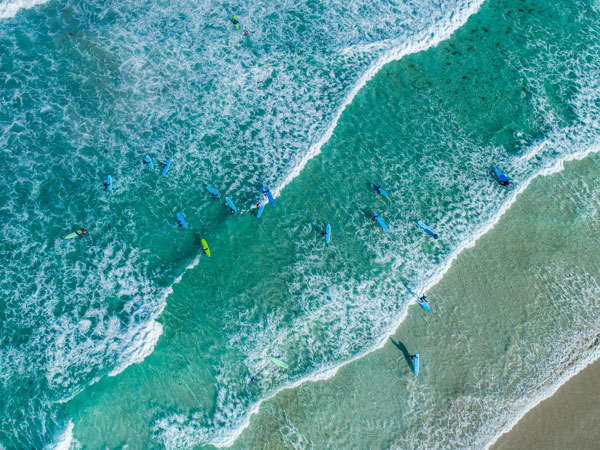
surfing at Margaret River
Margaret River Surf School runs private surf lessons for all ages. (Image: Tourism Australia)

As a surfer himself, Farmer comes at it with a long history of advocating for Australian beaches. He’s responsible for creating the non-profits Surfrider Foundation Australia and Ocean Care Day, and is working alongside indomitable pro-surfer Kelly Slater to develop a model for UNESCO to recognise significant coastal sites. But it was his work as the founder of National Surfing Reserves that has led to the most profound change in how we value Australia’s outstanding surf breaks and the lifestyle they afford.
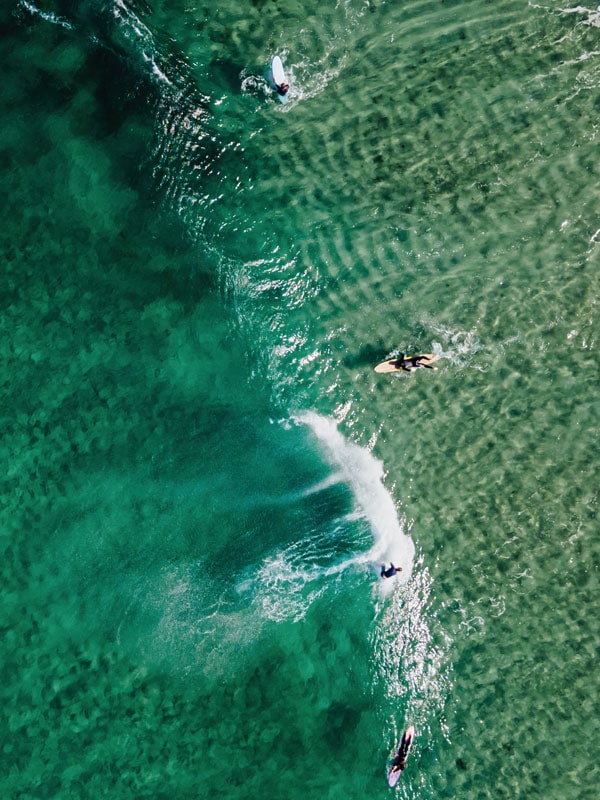
surfing at Margaret River
Margaret River is a swell magnet in the south-western corner of WA. (Image: Elise Hassey)

What are National Surfing Reserves?

The idea to protect surf breaks was seeded in 1973 when a group of local surfers created a ‘Surfing Recreation Reserve’ at Bells Beach, Victoria.
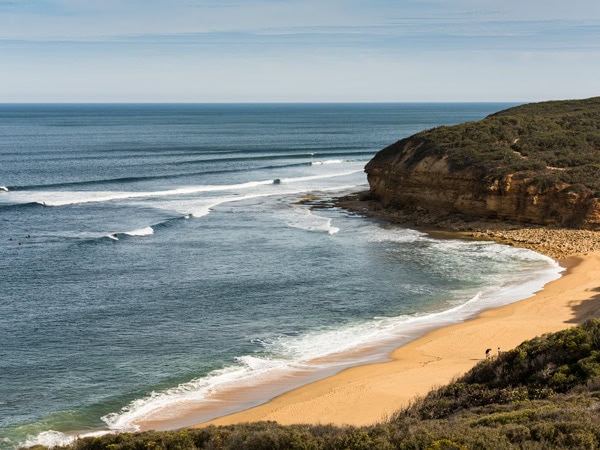
an aerial view of Bells Beach
Bells Beach is where pro Mick Fanning won his first-ever World Surf League tour. (Image: Robert Blackburn/Visit Victoria)

At the time, Australia’s surf culture was quickly gaining pace – it was the early days of Rip Curl and a time when shortboards were adopted to surf punchy beach breaks, as opposed to the longboards beloved in places like California. With our remote and untouched landscapes – and the advent of innovative gear such as wetsuits and board shorts that made the game a whole lot more enjoyable – Australia’s surf scene quickly became the envy of the world.
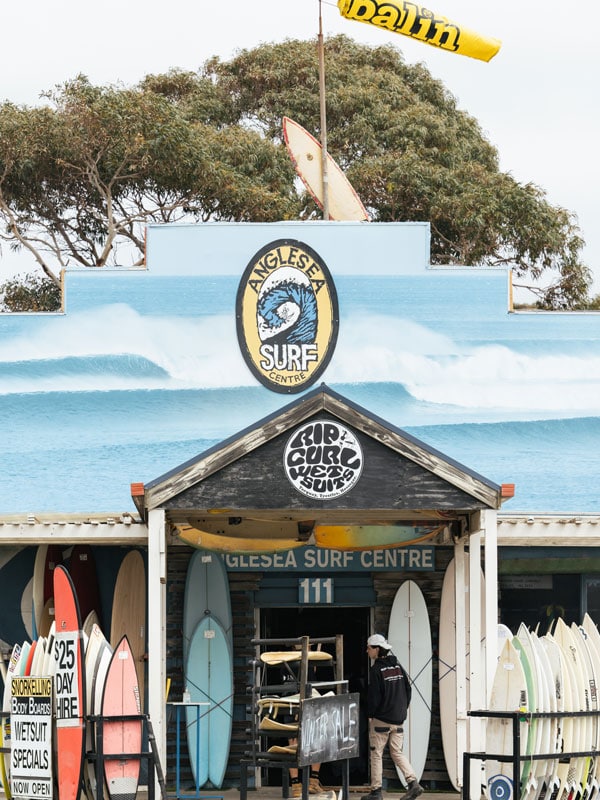
the Anglesea Surf Shop, Victoria
Pick up a secondhand surfboard from the old-school surf shop in Anglesea, Victoria. (Image: Elise Hassey)

Taking the concept of Bells and the power the reserve had held in the face of relentless coastal development, Farmer established the not-for-profit National Surfing Reserves in 2005 under the patronage of rock legend, environmentalist and then Federal Member of Parliament, Peter Garrett.

He had a list – the top surf spots found among about 1100 surfing beaches ringing Australia’s coast – and since Maroubra was declared as the first National Surfing Reserve in 2006, 18 more renowned breaks have been added to the list.

The criteria is strict and the application process can take anywhere from nine months to six years, but ultimately, each successful reserve is recognised as a place of “intrinsic environmental, heritage, sporting and cultural value to our nation".
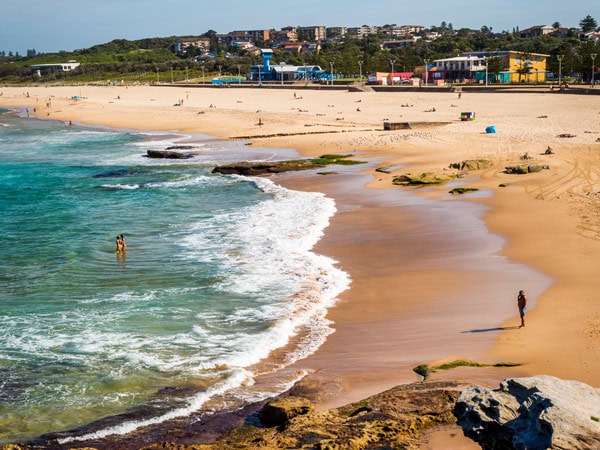
the Maroubra Beach National Surfing Reserve in Sydney
Sydney’s Maroubra Beach was Australia’s first National Surfing Reserve. (Image: Destination NSW/Anna Kucera)

In 2009, Farmer helped the non-governmental Save The Waves Coalition take the idea global with the launch of World Surfing Reserves, and in 2016, Regional Surfing Reserves were added, extending to “any local surf breaks that have good waves and the community feel a sense of pride."

“It’s as much about protecting these sandy spots of worship, as it is about the community around them," says Farmer. “Empowering those who love and use our beaches, with a say in how they’re managed," he says. “This is what we call a sacred site – similar to how Indigenous Australians would have a bora ring or midden. The community have a sense that this is a place of awe, there’s something sacred about this particular site, not only for the quality of its waves."
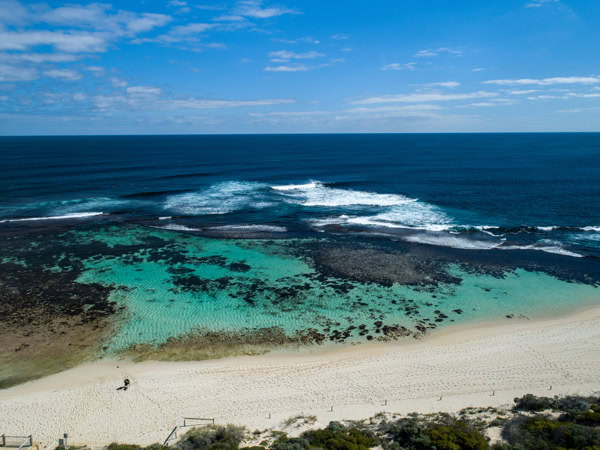
the Yallingup Beach in WA
Yallingup Beach is considered by many as the birthplace of boardriding in WA. (Image: Tourism Australia)

For Australia’s Saltwater people, the First Nations groups born and raised to understand and care for the coast and its waves like no other, the ocean is like family. Indigenous ex-pro and co-founder of the Royal Indigenous Surfing Association, Robbie Page, sees it similarly to Farmer. “Surfing’s a healing place," he said in the ABC documentary Changing Tides. “It’s got no prejudice, it teaches every human, welcomes every human."
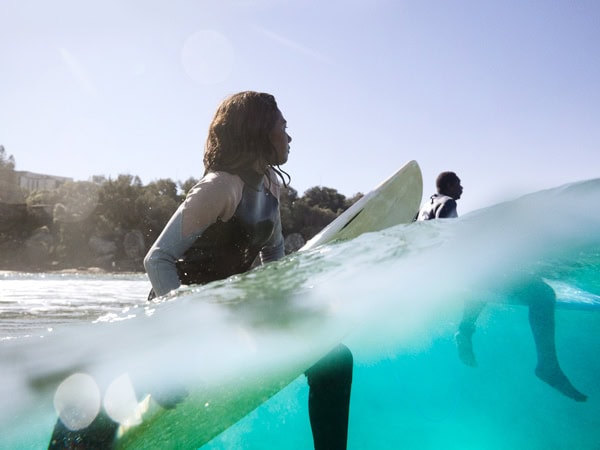
surfing at Freshwater Beach
Freshwater Beach has more than a century of surfing heritage. (Image: Destination NSW/Mark Clinton)

Need tips, more detail or itinerary ideas tailored to you? Ask AT.

AI Prompt

What do National Surfing Reserves protect?

National Surfing Reserves are essentially decreed so that all people can enjoy, understand and protect these special coastal environments. While the volunteer-led National Surfing Reserves has always had people power on its side – and likely the approval of tourism boards who use the reserves in their marketing efforts – until recently, it lacked legal sway.
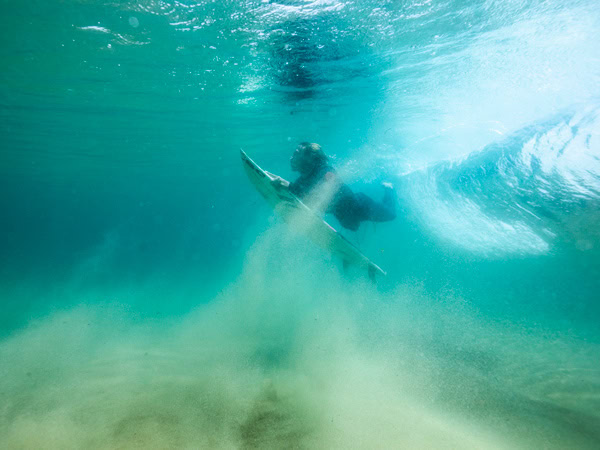
a surfer duck-diving under a wave at North Narrabeen Beach
A surfer ducks under a wave at North Narrabeen Beach. (Image: Destination NSW/Guy Williment)

The movement had been able to persuade the NSW government to gazette surfing reserves in 2007, formally recognising them in the Crown Lands Act. “It was the first time in the world that surfing and surfers had been recognised in any law in any country," says Farmer.

However, the reserves have since become a springboard for surf communities to read the riot act. Which is exactly what happened in 2020, when there was a threat of over-development at Killalea Regional Park – aka The Farm. “It was fought on the basis of surf reserves, and is now a [protected area] park," explains Farmer.
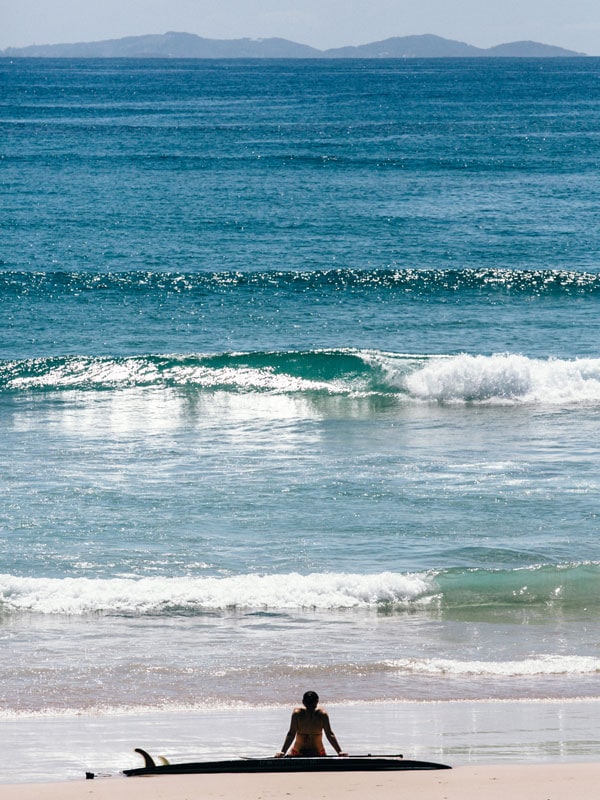
a surfer sitting on a surfboard on the shore while watching the waves
Surfers travel to Australia to find a magical break. (Image: Elise Hassey)

One of the key players in this fight was a local surfer called Chris Homer, the then-president of National Surfing Reserves. Leading a record-breaking paddle out to oppose the construction of a 200-seat function centre and 15 cabins inside Killalea Reserve, Homer’s passion and leadership saw him elected as mayor of Shellharbour soon after, even though he had no prior political experience.

“Whether in legislation, or lore, these places are sacrosanct and not to be touched, and the wording is such that surfers will have primacy in the decision-making process," says Farmer.
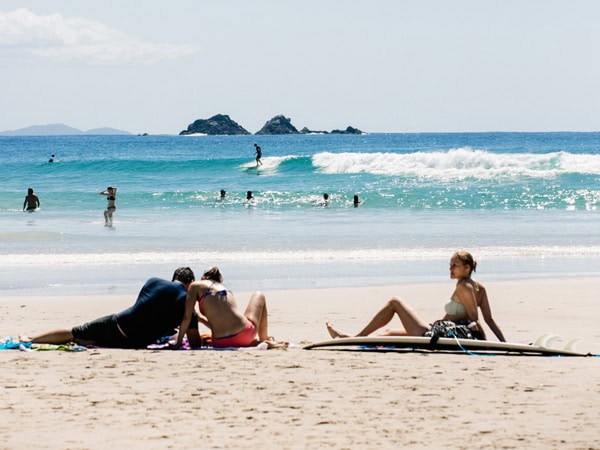
surfers sitting on the beach at Byron Bay
Byron Bay in NSW’s Northern Rivers is a wonderland for surfers. (Image: Elise Hassey)

In mid-2023, with a strong contingent of those surfers on the Central Coast, Norah Head National Surfing Reserve welcomed the news that a wind farm proposed off the coast of NSW would no longer include the surf spot. The original proposal had the potential to affect two iconic surf reserves, Norah Head and Merewether – both hotbeds of surfing talent.

Since then, more research has come to light on not only the importance of Australia’s surf breaks from an environmental point of view, but an economic one, too. Surfing is worth almost $3 billion annually to Australia’s economy, according to a recent study by the Australian National University, and that’s making more people in higher places sit up and pay attention.
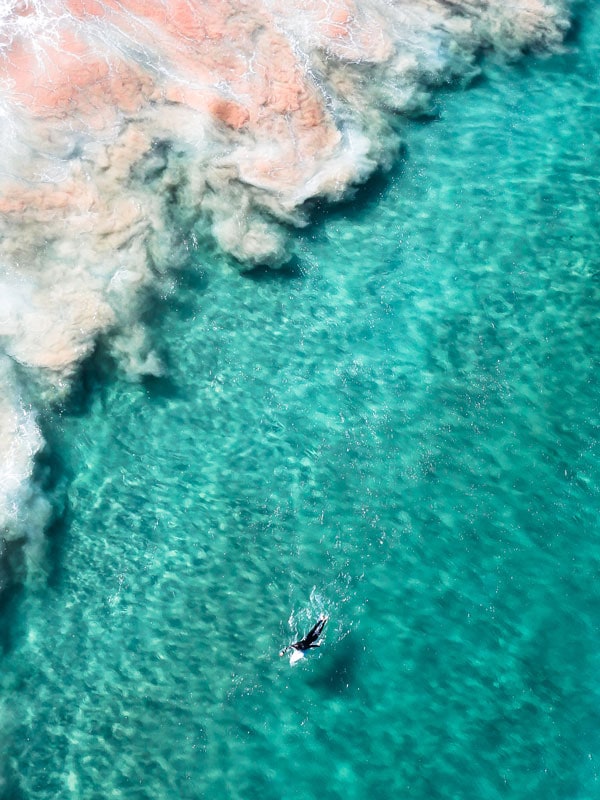
surfing at Freshwater Beach, Sydney
A surfer paddling at Freshwater Beach, Sydney. (Image: Destination NSW/Adam Krowitz)

Weekly travel news, experiences
insider tips, offers, and more.

How National Surfing Reserves are keeping surf culture alive

Another goal of National Surfing Reserves is to safeguard the continuum of surf culture. City of Gold Coast council even has a detailed Surf Management Plan, which includes programs to teach surf etiquette, to ensure visitors clearly understand local safety customs. Similarly, Noosa has a Surfer Code to reduce the chance of conflict and injury.
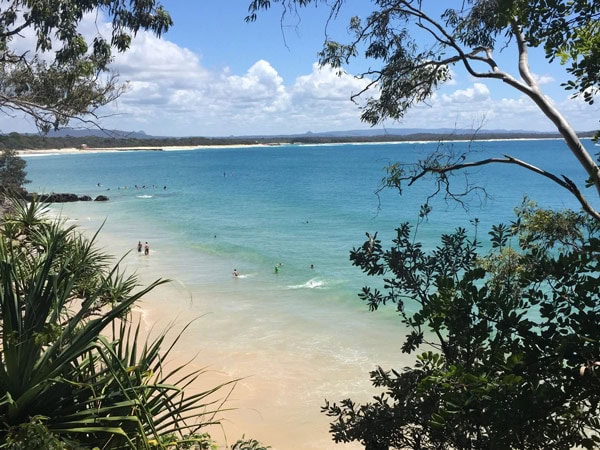
the Main Beach in Noosa
Noosa’s pristine Main Beach is a surfing hotspot. (Image: Tourism Australia/Glen Davis)

Surfers, after all, are not just those out riding the waves. The beauty, value and mental health benefits of surfing permeate the desirable beachside lifestyle so many Australians enjoy and visitors yearn to experience.
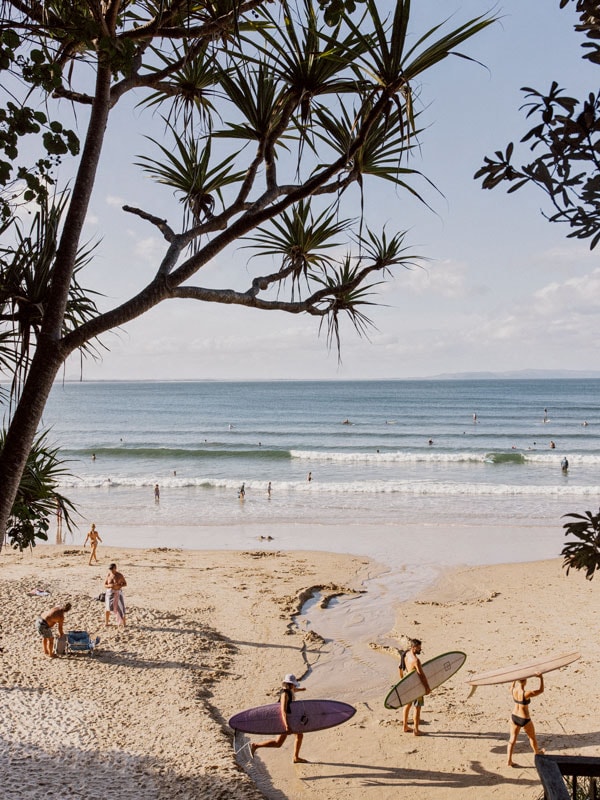
the surf culture in Noosa
Local community and surf culture, such as that found in Noosa, are a determining factor in what qualifies as a Surfing Reserve. (Image: Elise Hassey)

Ultimately, whether you’re a hardcore big-wave rider with saltwater in your veins or have no desire to go further than watching the waves with a coffee in hand, understanding and appreciating that these sites have seen quality waves being ridden consistently – in some places for more than 100 years – provides a sense of legacy.
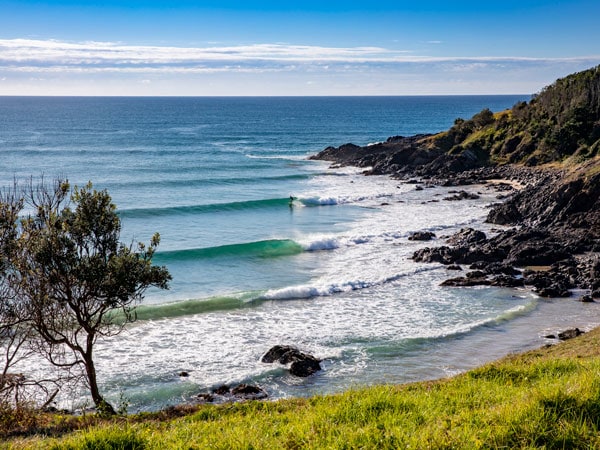
the surfing reserve at Crescent Head, NSW
Ride the waves at NSW’s Crescent Head. (Image: Destination NSW/Dallas Kilponen)

Years from now, Farmer believes, these surfing reserves will become akin to national parks and, he hopes, will be protected at all levels, not excluding UNESCO. “I will continue to argue that waves have absolutely unique qualities to humanity – not just to their enjoyment, but they’re a phenomena of nature … and they deserve to be recognised as such," says Farmer.
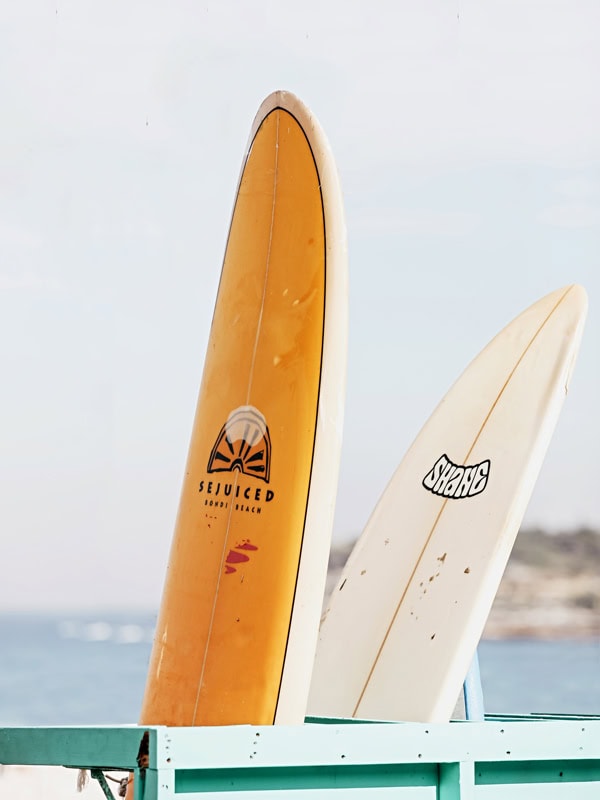
surfboards in Bondi Beach
Surfboards lined up at Bondi. (Image: Elise Hassey)

Australia’s National Surfing Reserves

  1. Maroubra, NSW, March 2006
  2. Angourie, NSW, January 2007
  3. Lennox Head, NSW, February 2008
  4. Crescent Head, NSW, June 2008
  5. Cronulla, NSW, September 2008
  6. Merewether, NSW, March 2009
  7. Killalea, NSW, June 2009
  8. North Narrabeen, NSW, October 2009
  9. Margaret River, WA, March 2010
  10. Kalbarri, WA, March 2010
  11. Manly-Freshwater, NSW, September 2010
  12. Yallingup, WA, December 2011
  13. Gold Coast (Burleigh Heads, Currumbin Alley, Snapper-Kirra), Qld, February 2012
  14. Daly Head, SA, January 2013
  15. Point Sinclair, SA, January 2013
  16. Phillip Island (Woolamai, Smiths Beach, Summerland, Cat Bay), Vic, March 2013
  17. Noosa, Qld, March 2015
  18. Bondi, NSW, December 2017
  19. Norah Head, NSW, November 2022
Celeste Mitchell
With visions of hosting Getaway, Celeste Mitchell graduated with a Bachelor of Journalism and entered the hard-hitting world of boy bands, puberty, and fashion, writing for magazines like Girlfriend, Total Girl, CLEO and TV Hits in the early noughties (there was a lot of Twilight references). Since switching gears to full-time freelancer in 2013, focused exclusively on travel, she’s criss-crossed the globe, opened a co-working space, lived in Mexico, and co-founded slow and sustainable site, Life Unhurried. The Sunshine Coast-based author (Life Unhurried & Ultimate Beaches Australia, Hardie Grant) and mum of two regularly pinches herself that she gets to explore new places and ask all the nosy questions she wants in the name of work.
View profile and articles
hero media

The Macedon Ranges is Victoria’s best-kept food and wine secret

    Emily McAuliffe Emily McAuliffe
    Located just an hour north-west of Melbourne, the largely undiscovered Macedon Ranges quietly pours some of Australia’s finest cool-climate wines and serves up some of Victoria’s best food.

    Mention the Macedon Ranges and most people will think of day spas and mineral springs around Daylesford, cosy weekends away in the countryside or the famous Hanging Rock (of enigmatic picnic fame). Or they won’t have heard of the Macedon Ranges at all.

    But this cool-climate destination has been inconspicuously building a profile as a high-quality food and wine region and is beginning to draw serious attention from oenophiles and epicureans alike.

    The rise of Macedon Ranges wine

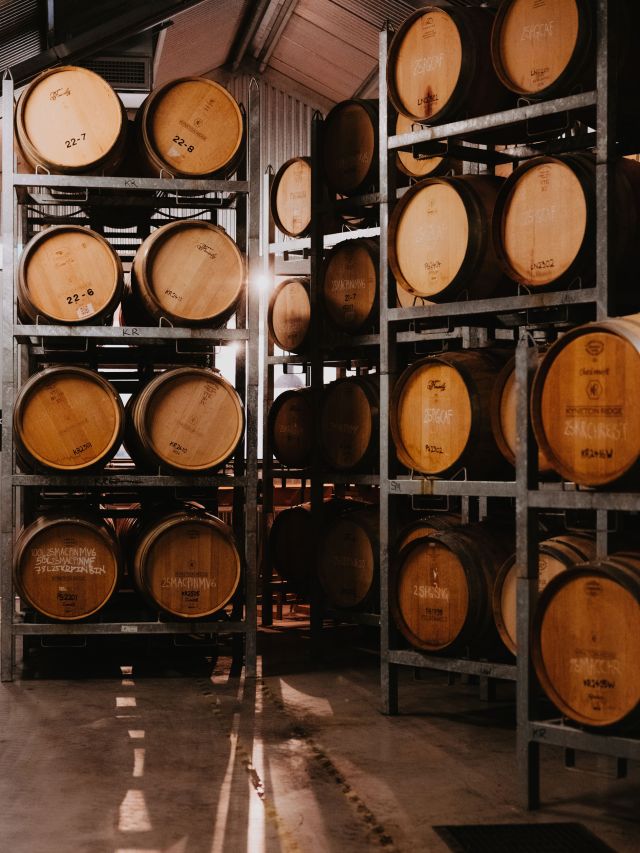
    liquid gold barrels at Kyneton Ridge Estate Winery
    Barrels of liquid gold at Kyneton Ridge Estate Winery. (Image: Chloe Smith Photography)

    With elevations ranging from 300 to 800 metres, Macedon Ranges vineyards are among the highest in the country. This altitude, combined with significant day/night temperature swings, makes for a slow ripening season, in turn nurturing wines that embody elegance and structure. Think crisp chardonnays, subtle yet complex pinot noirs and delicate sparkling wines, along with niche varietals, such as gamay and nebbiolo.

    Despite the region’s natural advantages – which vary from estate to estate, as each site embodies unique terroir depending on its position in relation to the Great Dividing Range, soil make-up and altitude – the Macedon Ranges has remained something of an insider’s secret. Unlike Victoria’s Yarra Valley or Mornington Peninsula, you won’t find large tour buses here and there’s no mass marketing drawing crowds.

    Many of the 40-odd wineries are family-run operations with modest yields, meaning the wineries maintain a personal touch (if you visit a cellar door, you’ll likely chat to the owner or winemaker themselves) and a tight sales circle that often doesn’t go far beyond said cellar door. And that’s part of the charm.

    Though wines from the Macedon Ranges are just starting to gain more widespread recognition in Australia, the first vines were planted in the 1860s, with a handful of operators then setting up business in the 1970s and ’80s. The industry surged again in the 1990s and early 2000s with the entry of wineries, such as Mount Towrong, which has an Italian slant in both its wine and food offering, and Curly Flat , now one of the largest estates.

    Meet the new generation of local winemakers

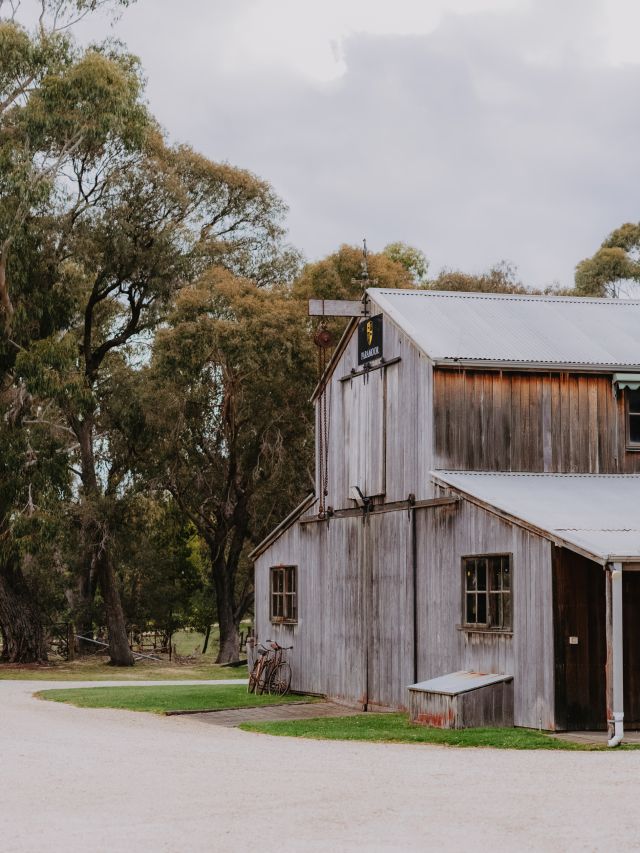
    the Clydesdale barn at Paramoor.
    The Clydesdale barn at Paramoor. (Image: Chloe Smith Photography)

    Then, within the last 15 years, a new crop of vignerons like Andrew Wood at Kyneton Ridge Estate , whose vineyard in 2024 was the first in the Macedon Ranges to be certified by Sustainable Winegrowing Australia; Geoff Plahn and Samantha Reid at Paramoor , who have an impressive cellar door with a roaring fire and studded leather couches in an old Clydesdale barn; and Ollie Rapson and Renata Morello at Lyons Will , who rapidly expanded a small vineyard to focus on top-shelf riesling, gamay, pinot noir and chardonnay, have taken ownership of local estates.

    Going back to the early days, Llew Knight’s family was one of the pioneers of the 1970s, replacing sheep with vines at Granite Hills when the wool industry dwindled. Knight is proud of the fact that all their wines are made with grapes from their estate, including a light, peppery shiraz (some Macedon wineries purchase fruit from nearby warmer areas, such as Heathcote, particularly to make shiraz) and a European-style grüner veltliner. And, as many other wineries in the region do, he relies on natural acid for balance, rather than an additive, which is often required in warmer regions. “It’s all about understanding and respecting your climate to get the best out of your wines,” he says.

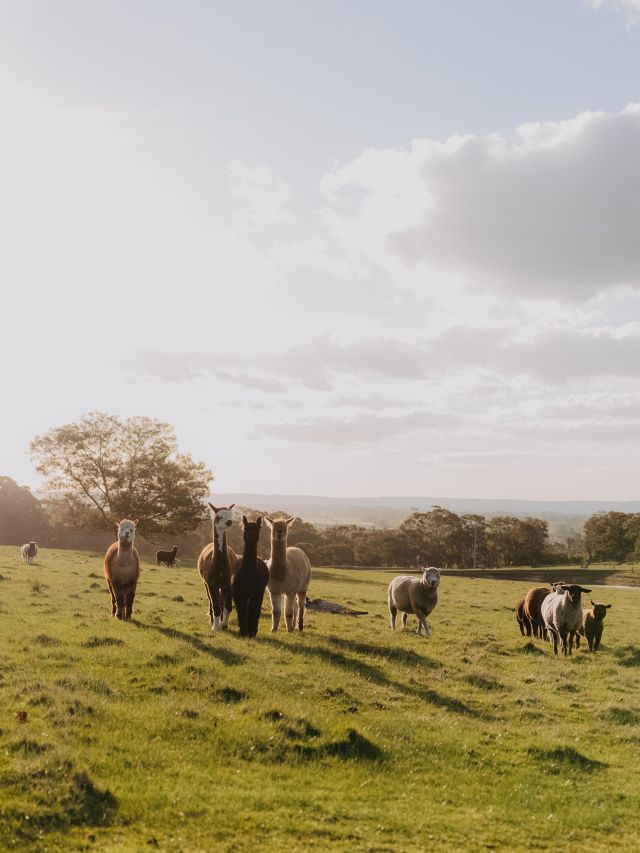
    farm animals atKyneton Ridge Estate
    Curious residents at Kyneton Ridge Estate. (Image: Chloe Smith Photography)

    Throughout the Macedon Ranges, there’s a growing focus on sustainability and natural and low-intervention wines, with producers, such as Brian Martin at Hunter Gatherer making waves in regenerative viticulture. Martin previously worked in senior roles at Australia’s largest sparkling winemaking facility, and now applies that expertise and his own nous to natural, hands‑off, wild-fermented wines, including pét‑nat, riesling and pinot noir. “Wild fermentation brings more complexity,” he says. “Instead of introducing one species of yeast, you can have thousands and they add different characteristics to the wine.”

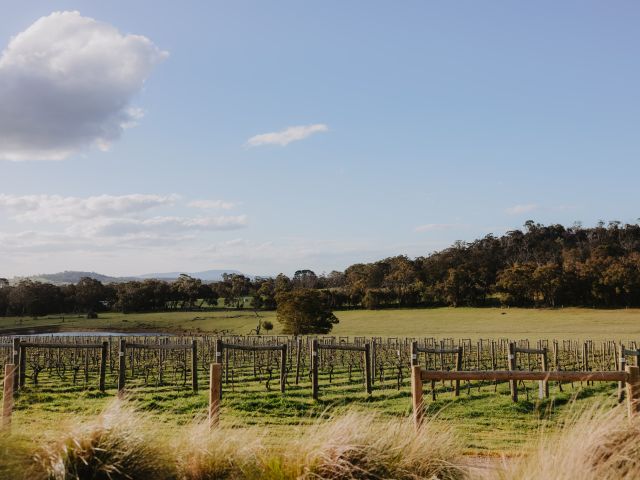
    the vineyard at Kyneton Ridge Estate Winery
    The estate’s vineyard, where cool-climate grapes are grown. (Image: Chloe Smith Photography)

    Most producers also focus on nurturing their grapes in-field and prune and pick by hand, thus avoiding the introduction of impurities and the need to meddle too much in the winery. “The better the quality of the fruit, the less you have to interfere with the natural winemaking process,” says Wood.

    Given the small yields, there’s also little room for error, meaning producers place immense focus on quality. “You’re never going to compete in the middle [in a small region] – you’ve got to aim for the top,” says Curly Flat owner Jeni Kolkka. “Big wineries try to do things as fast as possible, but we’re in no rush,” adds Troy Walsh, owner and winemaker at Attwoods . “We don’t use commercial yeasts; everything is hand-harvested and everything is bottled here, so we bottle only when we’re ready, not when a big truck arrives.” That’s why, when you do see a Macedon Ranges product on a restaurant wine list, it’s usually towards the pointy end.

    Come for the wine, stay for the food

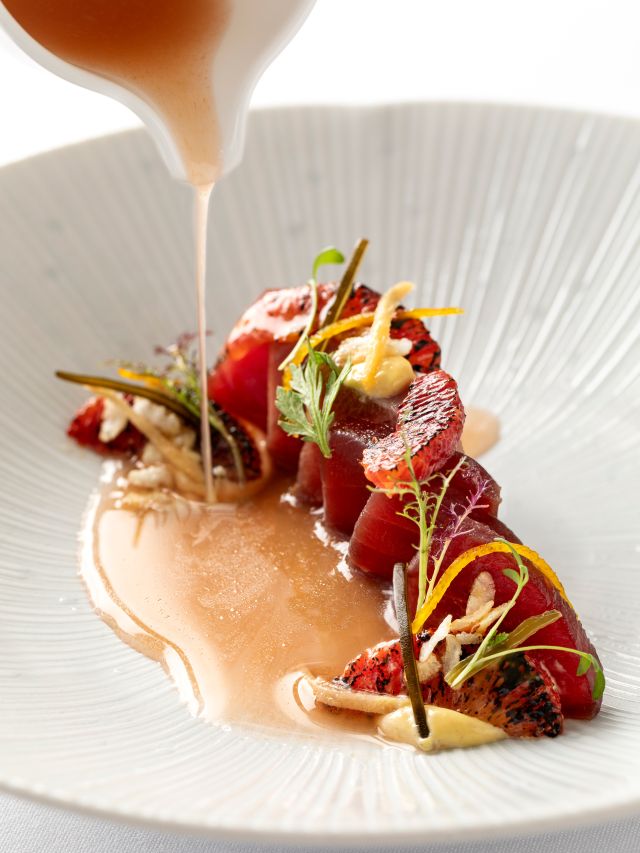
    pouring sauce onto a dish at Lake HouseDaylesford
    Dining at Lake House Daylesford is a treat. (Image: Chloe Smith Photography)

    If wine is the quiet achiever of the Macedon Ranges, then food is its not-so-secret weapon. In fact, the area has more hatted restaurants than any other region in Victoria. A pioneer of the area’s gourmet food movement is region cheerleader Alla Wolf-Tasker, culinary icon and founder of Daylesford’s Lake House.

    For more than three decades, Wolf-Tasker has championed local producers and helped define what regional fine dining can look like in Australia. Her influence is palpable, not just in the two-hatted Lake House kitchen, but in the broader ethos of the region’s dining scene, as a wave of high-quality restaurants have followed her lead to become true destination diners.

    the Midnight Starling restaurant in Kyneton Ridge Estate Winery
    The hatted Midnight Starling restaurant is located in Kyneton. (Image: Chloe Smith Photography)

    It’s easy to eat well, whether at other hatted restaurants, such as Midnight Starling in the quaint town of Kyneton, or at the wineries themselves, like Le Bouchon at Attwoods, where Walsh is inspired by his time working in France in both his food offering and winemaking.

    The beauty of dining and wine touring in the Macedon Ranges is that it feels intimate and unhurried. You’re likely to meet the winemaker, hear about the trials of the latest vintage firsthand, and taste wines that never make it to city shelves. And that’s worth getting out of the city for – even if it is just an hour down the road.

    dishes on the menu at Midnight Starling
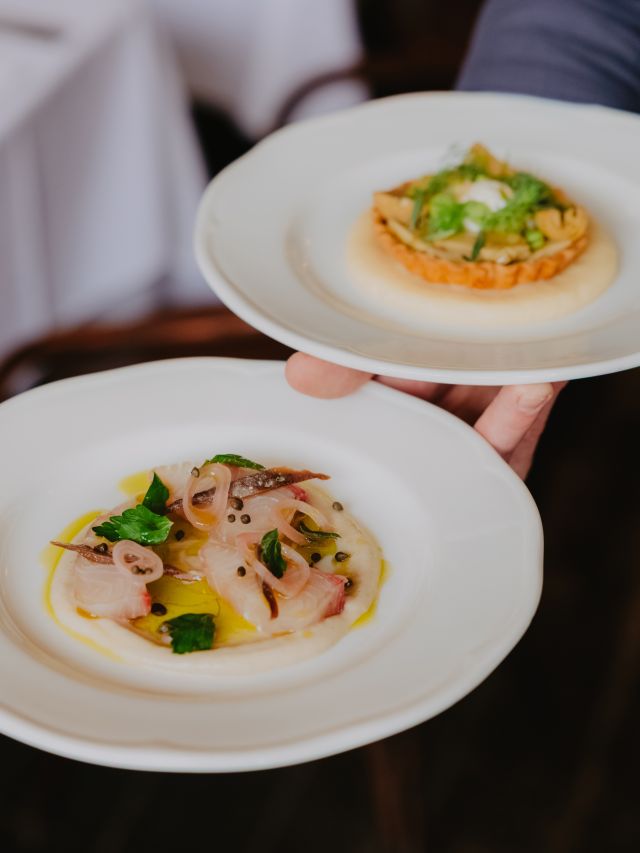
    Delicate dishes on the menu at Midnight Starling. (Image: Chloe Smith Photography)

    A traveller’s checklist

    Staying there

    the accommodation at Cleveland Estate, Macedon Ranges
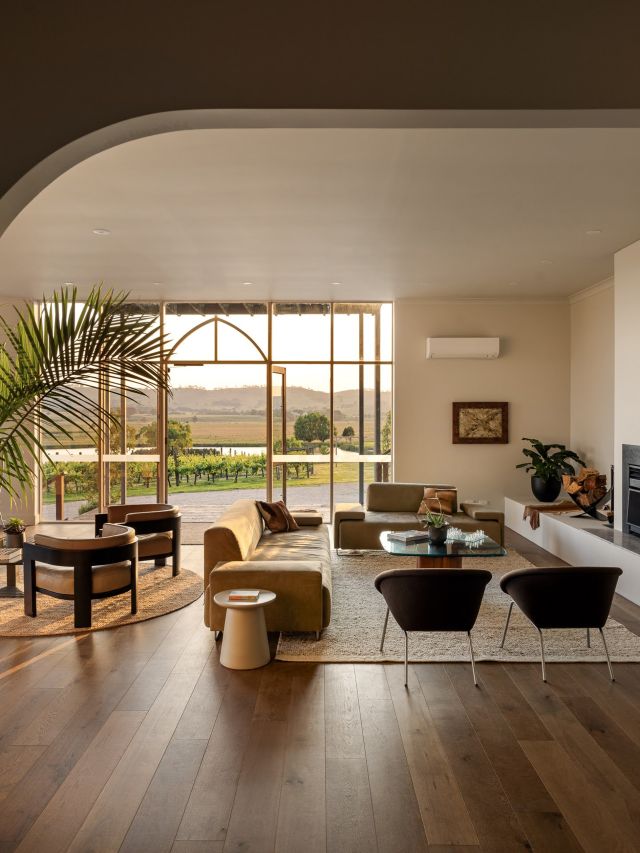
    Stay at the Cleveland Estate. (Image: Chloe Smith Photography)

    Soak up vineyard views from Cleveland Estate near Lancefield , embrace retro charm at Kyneton Springs Motel or indulge in lakeside luxury at the Lake House .

    Eating there

    Enjoy a four-course menu at the one-hatted Surly Goat in Hepburn Springs, Japanese-inspired fare at Kuzu in Woodend or unpretentious fine dining at Mount Monument , which also has a sculpture park.

    Drinking there

    wine tasting at PassingClouds Winery, Macedon Ranges
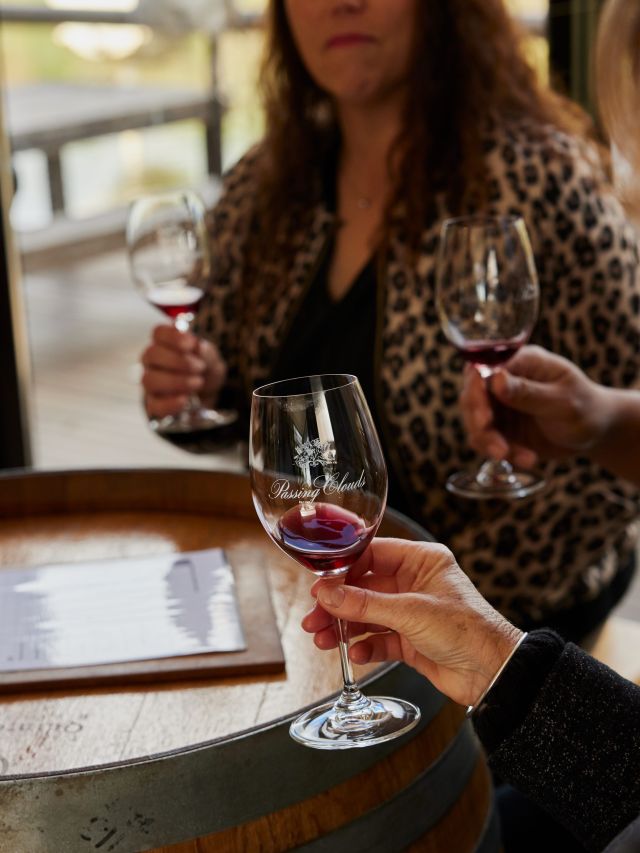
    A tasting at Passing Clouds Winery. (Image: Chloe Smith Photography)

    Settle in for a tasting at Boomtown in Castlemaine, sample local drops at the cosy Woodend Cellar & Bar or wine-hop around the many cellar doors, such as Passing Clouds .

    the Boomtown Winery and Cellar Bar signage
    Boomtown Winery and Cellar Bar. (Image: Chloe Smith Photography)

    Playing there

    a scenic river in Castlemaine
    Idyllic scenes at Castlemaine. (Image: Chloe Smith Photography)

    Wander through the seasonal splendour of Forest Glade Gardens , hike to the summit of Hanging Rock, or stroll around the tranquil Sanatorium Lake.

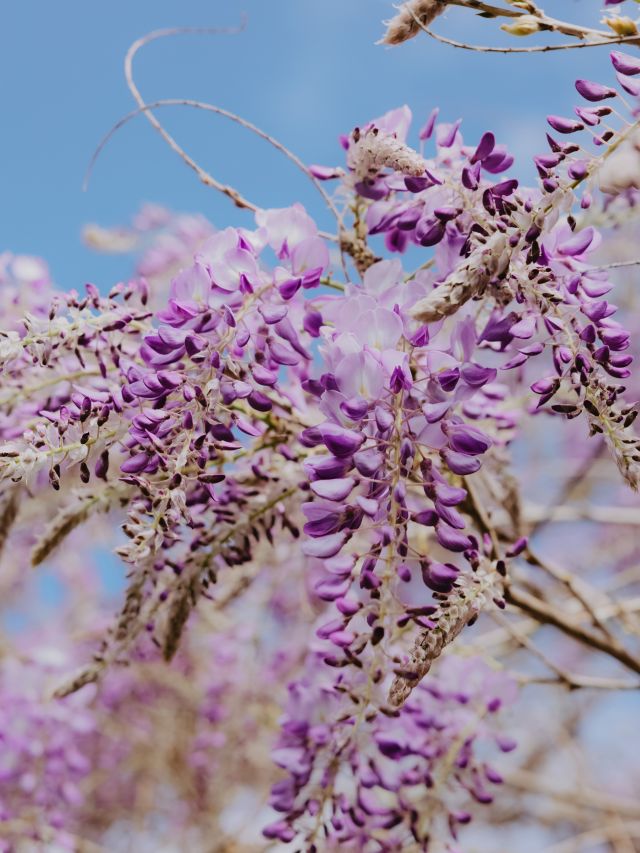
    purple flowers hanging from a tree
    Purple flowers hanging from a tree. (Image: Chloe Smith Photography)