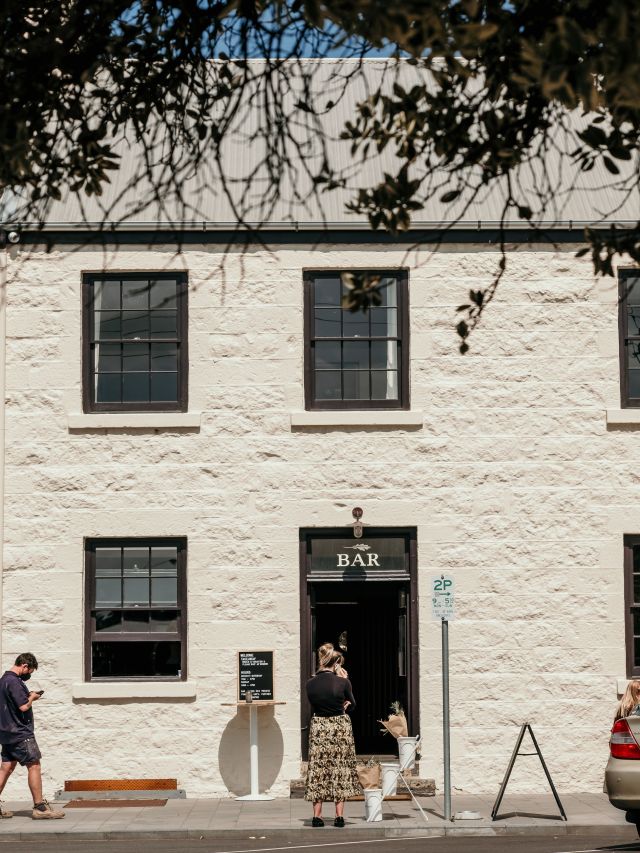
Discover the best coastal holidays in Australia – here is one to eight of the 100 ways to holiday here this year in a special edition of Australian Traveller.
1. Be revitalised on the Sapphire Coast, NSW
The residents of Tathra, Eden, Merimbula and their bracketing hamlets tend to find themselves in the right place at the right time more than your average human. Humpbacks hug the bays here in relatively prolific numbers, particularly abundant and frisky in the September-to-October migration and Lana Willis, co-owner of Eden-based Cat Balou Cruises , gets to introduce many of her patrons to whales for the first time. “We get a lot of tears. Some people have waited a long time to see whales; it can be a very emotional experience," says Lana.
But humpbacks aren’t the only reason to get out on the water. Head slightly inland from Eden to Kiah to join Kiah Wilderness Tours to explore the other watery wonders atop a kayak on the Towamba River. Spot sea eagles, kangaroos, plovers, ducks and azure kingfishers. “We’ve even had a huge alpha-male Australian fur seal laying around in the paddock for days," says owner Jenny Robb.
And if it’s the taste of the sea you’re after, there’s plenty of it to be enjoyed on NSW’s Far South Coast. Start by joining oyster farmer Brett ‘Sponge’ Weingarth on one of his two-hour Magical Oyster Tours . Then get Broadwater Oysters on Pambula Lake to shuck a bucket of them right in front of you. Don’t leave before dining nearby at Wheeler’s seafood restaurant.
Head further north to Fat Tony’s Bar & Grill in Tathra for well-considered lavish portions of fruit-of-the-sea-focused mod Oz. And for something other than seafood, stop in at The Wharf Local cafe for sublime sea views, sensational coffee and light, fresh and local land-bounties.
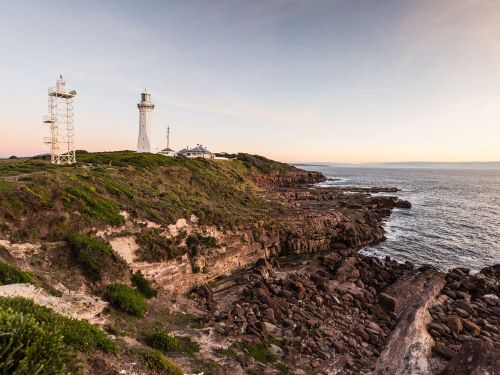
Accommodation by the water on the Sapphire Coast is in plentiful supply, but a night at one of the three agreeably restored gas-fireplace-warmed cottages at Green Cape Lightstation Keepers’ Cottages is something extra special. Alternatively, check into Tathra Beach House apartments or The Anchorage in Bermagui.
2. Sleep in style at Bon Sol in Burleigh Heads, Qld
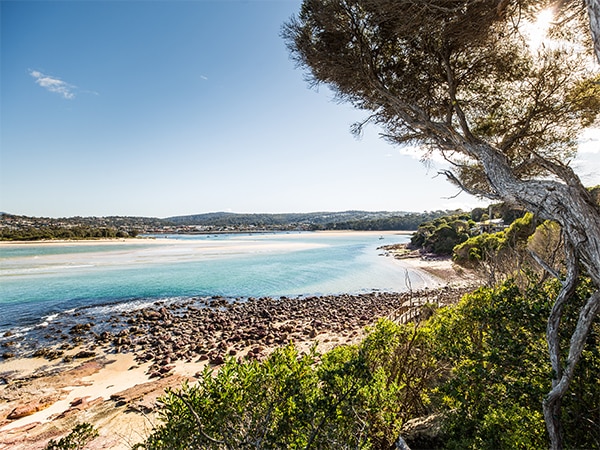
In a place like Burleigh Heads, which offers the saltwater attractions and beachside mellowness that many coastal escapes do, the quality of accommodation can be persuasive. Which is why the Anna Spiro-designed Bon Sol has been instrumental in putting it on the map.
As Australia’s doyenne of design, Spiro (the mastermind behind Halcyon House) knows how to distil the essence of place into the space between walls and forge an aesthetic worth travelling for. The sheer association of her name with a restaurant or hotel catapults an establishment to the top of the proverbial hot list.
Set in a brutish block of flats typical of the Gold Coast’s architectural vacuum of the 1960s–1970s, Bon Sol is an inconspicuous oasis. But inside, Spiro’s incomprehensible ease at blending diametrically opposed prints creates a mystifying serenity.
Bon Sol is attracting travellers to Burleigh in droves, but it’s the suburb’s burgeoning food and drink scene that is enticing them to stay longer.
Hatted Labart is a sleek bistro serving exceptionally executed fare in a beautifully inviting setting. Rick Shores offers absolute ocean-side dining that’s both polished and delicious, while the Burleigh Pavilion is bringing back the Gold Coast’s halcyon days in the restaurant space above it. And head to Rosella’s for imaginative cocktails, natural wines and fun, on-theme bites.
3. Stay at the Ship Inn Stanley, Tas
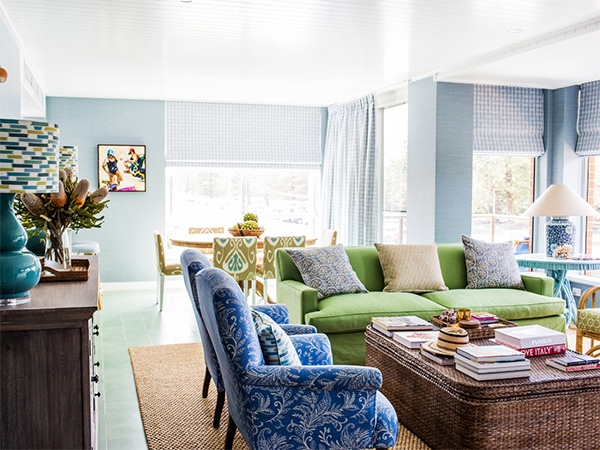
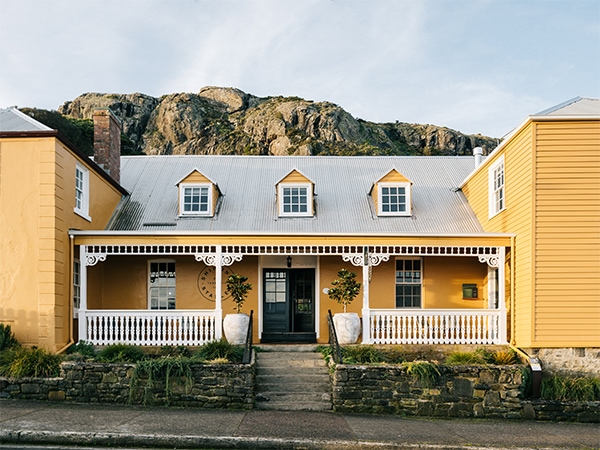
Once home to the headquarters of the Van Diemen’s Land Company, today Stanley attracts plenty of historians, but also bushwalkers exploring the nearby Tarkine wilderness, beachcombers and wildlife lovers out to spot fur seals and penguins on Tasmania’s north-west coast. Its streets are a chocolate-box collection of colonial buildings and quaint cottages, and a new boutique hotel set in an old sailors’ tavern has just created another reason to visit.
Built as a pub in 1849 by a prime minister’s grandfather, the Ship Inn Stanley is now a storytelling hotel that combines a boutique stay with the chance to be immersed in the area’s many layered history.
The stories are woven throughout each of the Ship Inn’s seven suites, which include: the Wild Wave, named after the tall ship that met its fate on the bay below; Lyons Retreat, which tells the tale of Joseph Lyons, Australia’s first Tasmanian-born prime minister who was born in the weatherboard cottage next door; and Bayview, once part of the pub’s old cabaret rooms. The stories alone will entice you back for another stay.
Need tips, more detail or itinerary ideas tailored to you? Ask AT.
AI Prompt
4. Have a vintage summer holiday on the Tweed Coast, NSW
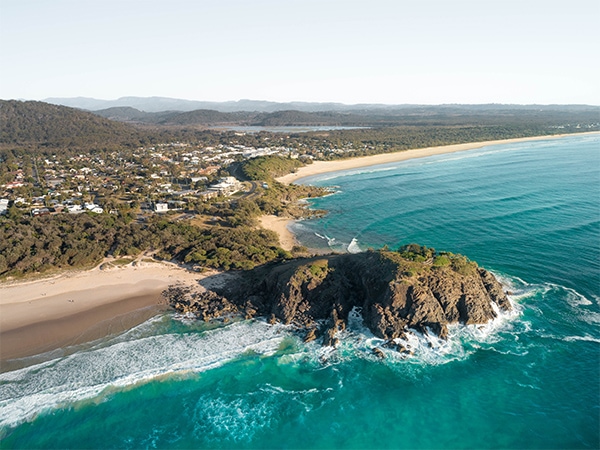
The Tweed Coast towns of Cabarita Beach, Hastings and Pottsville are the stuff of by-gone summer dreams. This cluster of sleepy seaside towns on the NSW Far North Coast have long been an under-the-radar treat for those in the know. Now the area is embracing its burgeoning hotspot reputation, but in a typically laid-back Tweed Coast kind of way.
It all started with the arrival in Cabarita Beach of Halcyon House, a former 1960s Besser Block motel that was transformed into a very chic boutique hotel by Brisbane sisters Elisha and Siobhan Bickle, with the help of design star Anna Spiro (see #2). Then came the recent opening of The Hideaway, a boho chic glamping site up the road from Halcyon, but a large majority of the holidaymakers still flock to the bustling caravan park in nearby Hastings Point, perfectly situated overlooking a stunning stretch of beach on one side and Cudgera Creek on the other.
From here it’s a few minutes’ drive to the cute town centre of Pottsville, where local chef Ben Devlin has taken up residency at Pipit . The modern Australian menu is produced from the best Northern Rivers produce, while the dining room has a pared-back yet welcoming Scandi vibe.
Then tick off a few foodie hotspots, starting with the Cubby Bakehouse in Chinderah for seriously good baguettes and a karaage chicken bahn mi. Pick up fresh produce at Farm & Co or dine at the paddock-to-plate cafe after a wander through the sunflower field. Follow it up with a rum and gin tasting at Husk Distillers ‘ cellar door. And finally, head to Taverna in Kingscliff for the Sunday night Chef’s Table banquet.
Work it all off with a surfing lesson at Tweed Coast Surf School or take an easy hike through the lush subtropical rainforest of the UNESCO World Heritage-listed Wollumbin National Park along the Lyrebird Track. And, there are plenty of other spots along the Tweed Coast to do endless hours of nothing in – try the beaches at Kingscliff, Casuarina and Fingal Head (Dreamtime Beach).
5. Explore the legacy of Cooktown, Qld
On a clear, breezy June night in 1770, the Great Barrier Reef’s coral talons tore into the hull of the HMS Endeavour forcing it ashore. The layover, intended to take mere days, would become one of the most momentous in the history of modern Australia.
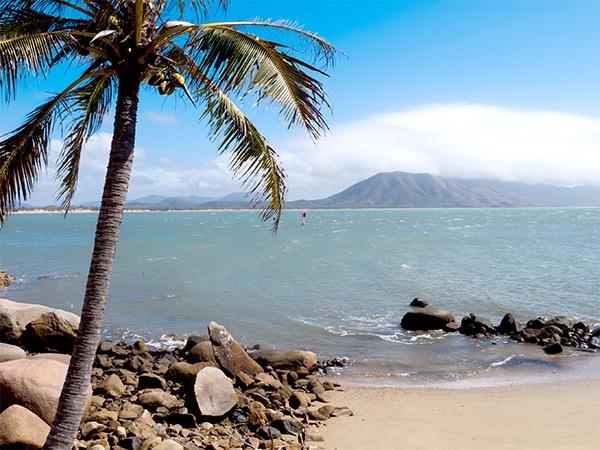
Today, Cooktown is a bustling, self-sustaining country town. Tourism is its bread and butter. There are long stretches of empty beaches, bushwalks in the nearby national parks, a thriving birdwatching scene, and world-class fishing – all totally independent of the Cook legacy. But with this year marking the 250th anniversary of James Cook’s arrival in Australia it’s a legacy that continues to divide Australians.
Cook has become a polarising figure in Australia: to some he’s a tool of empire and condemned the First Australians to a dark fate; to others he’s a hero and legend of naval lore. But as Nick Davidson, captain of a sunset river boat cruise with Riverbend Tours puts it, “We don’t romanticise what happened here," Nick says. “It’s just something to learn from."
And the learning continues at The James Cook Museum with a comprehensive and refreshing take on the Cook saga: a clear account from an Indigenous point of view. The museum also covers Cooktown’s subsequent history as a gold mining town, missionary zone, and strategic base against the Japanese advance during the Second World War.
At the Cooktown History Centre, Alberta Hornsby describes the Indigenous relationship with Cook as complex: “Many elders in my mob won’t talk about Cook, but I think we need to better understand what went on here."
When asked if she feels being tied so closely to Cook has obscured Cooktown’s identity, Alberta shakes her head. “If we stop talking about Cook, we’ll never move past the narrative that Indigenous people are surrounded by negatives," she says. “We aren’t."
In fact, 2020 might be the start of a second wind for the Cook conversation. “It’ll be the first anniversary where we can speak about our side of the story," Alberta says. If we’re ready to reevaluate the events of 1770, perhaps we can learn from Cooktown’s legacy as a site of peace and mutual respect.
Staying there: Hillcrest Guest House
Read the full story here
6. Do an empty Esky tour of Shoalhaven, NSW
Long summer’s days in the Shoalhaven region on the NSW South Coast normally pass in a sun-drenched parade of beach visits and drowsy, relaxing afternoons. But 2019/20 was the Shoalhaven’s lost summer, when the mammoth Currowan fires burned for a total of 74 days.
For the 49 towns and villages that stretch across the region, the fires were a collective tragedy: even if individual locations weren’t directly impacted by the flames, they all felt the pain. For an area that relies on the summer season to sustain businesses and the local economy through the quieter winter months, the effects were devastating. But now it’s finally time to join the Empty Esky movement and head south to shop up big.
First up, stop in Kangaroo Valley for tea and homemade scones at The General Cafe before grabbing a loaf of freshly baked bread at Kangaroo Valley Bakehouse and stocking up on sweet treats in the Kangaroo Valley Fudge House . And pie lovers won’t want to miss the chance to try Southern Pies’ cheeseburger version: an Angus beef burger, cheese and dill pickle encased in pastry.
Head to Nowra to shop at Nowra Farmers Market, filled with an array of fresh produce and locally made products including Daily Grind coffee , South Coast milk and Ravenous Food Company’s crunchy and sweet muesli.
If you are doing a day tour of Shoalhaven Heads, time it right so that you arrive for lunch at Bangalay Dining , where the menu is filled with local produce and wine. And if you are spending a few days here, book a room in one of the 16 luxury villas.
While it’s worth visiting the charming town of Berry for the Berry Donut Van alone, there is so much more to recommend it, from the twice-monthly produce markets and weekly farmers’ market to chocolate shops and Milkwood Bakery .
While you’re in the Shoalhaven area, you should also check out the towns of Ulladulla, Milton, Mollymook and Huskisson.
Weekly travel news, experiences
insider tips, offers, and more.
7. Swim with whale sharks in Ningaloo Reef, WA
The UNESCO World Heritage-listed Ningaloo Reef, sitting off the Western Australia coast at Exmouth, is the world’s largest fringing coral reef at 260 kilometres in length. It’s filled with a staggering rollcall of sea life: roughly 738 species of reef fish, more than 1000 species of marine algae, some 600 species of crustaceans, and 655 species of mollusc.
And then there are its most celebrated seasonal residents, the hulking yet graceful whale sharks, which congregate here from March to August each year to chow down on plankton. Growing anywhere up to 13 metres in length, the whale shark is not actually a whale but is, in fact, the world’s largest fish.
Whales make the scene here too, though, with humpbacks migrating through the Ningaloo Marine Park each year from July to October. You can see both of these (and turtles and manta rays) up close on one of the various eco tours that head out from Exmouth – Sail Ningaloo offers multi-day sailing adventures that allow for plenty of time on and under the water.
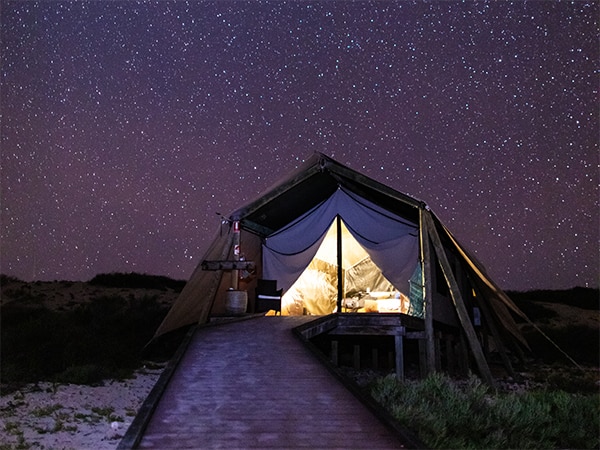
And, once you’re back on dry land, you can get another angle on the sprawling beauty of the reef and its surrounds from the deck in Sal Salis, the luxury safari camp in Cape Range National Park. Stay in one of the 15 eco tents perched in the dunes on the water’s edge.
8. Hike the Cape to Cape Track, WA
The allures of the Margaret River region, located in the south-west corner of Western Australia, are much celebrated, especially when it comes to food and wine (see #81). But the area is also home to one of the country’s most stunning coastal walks: the Cape to Cape.
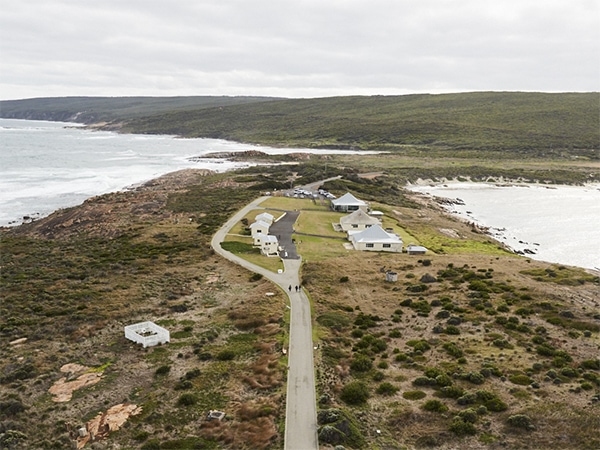
Stretching 123 kilometres and rated at moderate for difficulty, the walk starts at the historic Cape Naturaliste Lighthouse (13 kilometres from Dunsborough; open to the public) and weaves its way down the coast, before finishing at Cape Leeuwin Lighthouse (8.5 kilometres from Augusta; open to the public).
Along the way you’ll walk across pristine secluded beaches lapped by the Indian Ocean, spot kangaroos in the rugged clifftop landscape, see waterfalls and pass beachside hamlets the likes of Yallingup.
There are ample campsites along the way, many of which are free with no bookings required; plan to take seven days to complete the walk, which will set a good pace and allow for plenty of time to take in the mesmerising scenery. Alternatively, sign up for a boutique four-day guided walking tour with Walk into Luxury.
Find more places to escape to this year in our guide to the top 100 ways to holiday here this year.

Australian Traveller
View profile and articles