Saddle up: ‘Cowboy core’ is taking over travel in Australia

hero media
Travellers are getting in the saddle in search of ‘cowboy core’ vacations. We break down the trend here, as well as how you can experience a slice of stockman life. Giddy up.

Our culture has an enduring fascination with cowboys, from classic Clint Eastwood films to Beyonce’s Cowboy Carter album that took over the airwaves last year. And it’s not just an American thing – Australia has its distinct Akubra-wearing stockman archetype that has been canonised in films like The Man from Snowy River.

But our fascination isn’t just shaping how we dress, it’s translating to the ways we travel, too. Skyscanner named ‘cowboy core’ as a defining travel trend of 2025, reporting that 29% of Aussie travellers are fans of this style of travel, with this figure rising to 44% among 18-24-year-olds. The same report showed an 18% increase in hotel bookings offering horse riding over the past year, signalling a growing appetite for cowboy-style escapes. So what exactly is this trend, and how can you experience it in Australia?
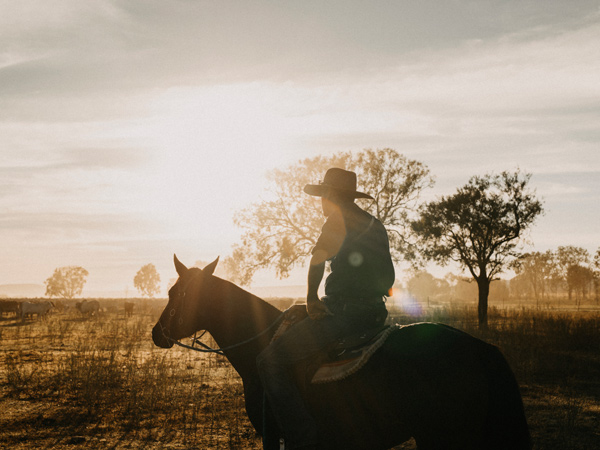
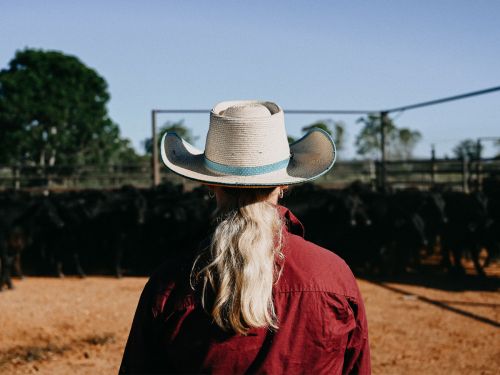
a ringer at Bullo River Station
Station stays like Bullo River Station are bringing cowboy core to the fore. (Image: Shot By Thom)

What is ‘cowboy core’ in travel?

In simple terms, a ‘core’ is something that captures a mood or theme, mostly through visual elements. And while ‘core’ is mostly applied to aesthetics and clothing, it can also refer to places and experiences. So in this sense, ‘cowboy core’ is anywhere you can don a wide brimmed hat and not look out of place: around a campfire, atop a horse, staying on a cattle station (or a ‘ranch’ as Americans would call it). Ultimately, it’s about experiencing a slice of life and stepping into someone elses shoes for a moment (or cowboy boots, so to speak). With the built-in romance of rugged terrain, pastoral bliss and inspiring landscapes, it’s no wonder travellers are keen to immerse themselves in stockman life.
Bullo river
Experience life on a cattle farm at stations like Bullo River Station.

Being a real drover might mean roughing it, but it doesn’t mean travellers have to. ‘Bush luxury’ is a category of accommodation unique to Australia that blends five-star comforts with immersive outback experiences. Think cattle stations that double as some of the country’s most coveted stays.

“There’s nothing like it, you know. [The nature] is just that vast nature that just grabs you up like a big hug, and the stars will just blow your socks off," says Edwina Shallcross, who owns and runs Bullara Station near Exmouth, WA alongside her husband Tim.

Bullara Station lets travellers stay on a working cattle property, with everything from unpowered campsites to glamping tents and design-forward lodges that exemplify bush luxury, as well as an outback bar and restaurant in a repurposed wool shed. Edwina says that the uptick in people arriving at the property surged after COVID, sparked by a renewed interest in domestic travel.
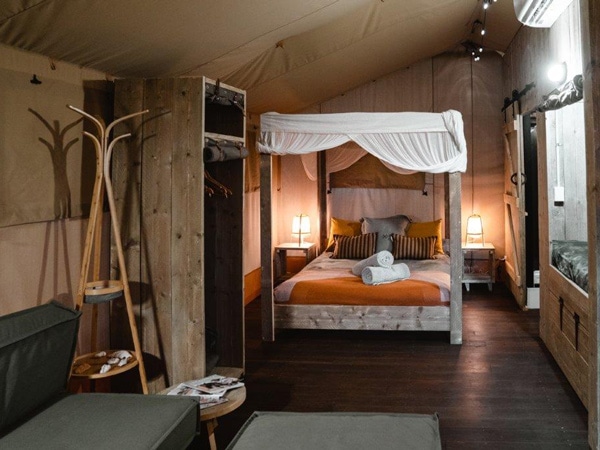
the interior of a safari hut at Bullara Station
Stay in a rustic safari hut at Bullara Station.

“COVID really shook everyone up in terms of them thinking ‘life is short, we need to get out on the open road,’ Shallcross says.  “I felt like we could offer was this really solid, reliable landscape that people were just so fascinated with. And people just wanted to immerse themselves in the authenticity of nature". 

This, coupled with a renewed focus in pop culture has given rise to an embrace of all things cowboy in everything from blue jeans to travel choices.

“I don’t know if it was Beyonce’s This Ain’t Texas, but I see the outfits of all these people coming in on a Friday night, and the girls have got the boots and they’re rocking the denim, just looking so country. We’ve had TV shows like Yellowstone and Territory that have a rural theme, so I think pop culture has kind of brought it back."

Need tips, more detail or itinerary ideas tailored to you? Ask AT.

AI Prompt

How to experience cowboy core vacations in Australia

The outback is home to some truly iconic station stays, and nothing says ‘cowboy’ like a night spent out on the ranch. In addition to Bullara Station, the ultra-luxe Bullo River Station in NT is an iconic stay, located where the Top End meets the vivid red and blues of the Kimberley (Australian Traveller recently checked in to check out this luxury lodge on a 400,000 acre cattle farm). But it’s far from the only accommodation of its kind, we’ve rounded up some of the best station stays around the country, too.
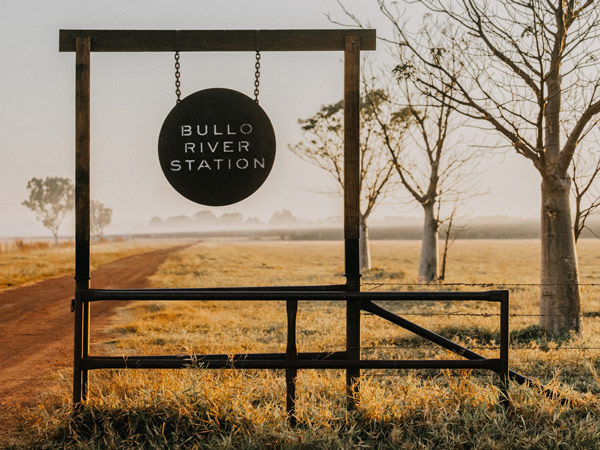
Bullo River Station, NY
Don your Akubra when you enter Bullo River Station. (Image: Elise Hassey)

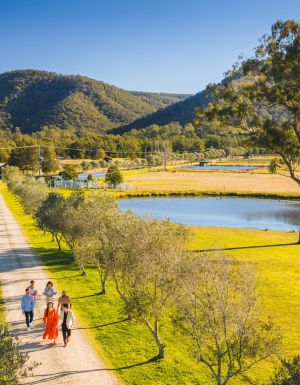
If you’re craving adventure, Australia has its very own calendar of rodeo events , with the Ord Valley Muster in the Kimberley being one of the biggest events of its kind. Or enjoy the solitude on a horse riding holiday, including on a multi-day adventure through the Snowy Mountains with Snowy River Horseback Adventures that will turn you into a bona fide Banjo Patterson.
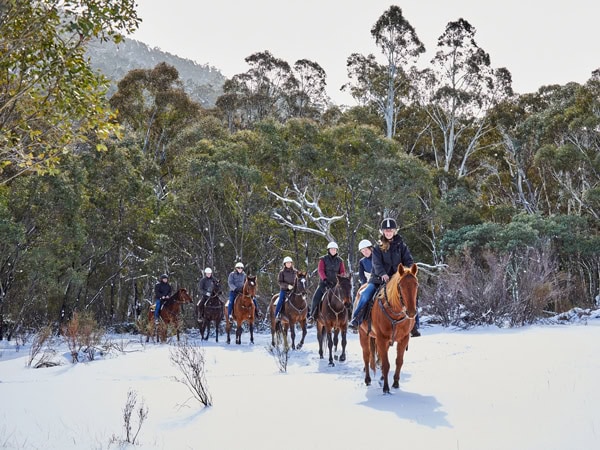
Thredbo Valley Horse Riding in NSW
Spend the day horse riding through the Snowy Mountains. (Image: Destination NSW)

But, truth be told, you don’t have to book a five-star luxury outback stay to experience cowboy core. It can be as simple as road tripping in a ute or heading out camping under the stars and gathering friends around a campfire (cowboy hat and harmonica optional). After all, it’s the simplicity of being in nature that makes it magical.


Elizabeth Whitehead
Elizabeth Whitehead is a writer obsessed with all things culture; doesn't matter if it's pop culture or cultures of the world. She graduated with a degree in History from the University of Sydney (after dropping out from Maths). Her bylines span AFAR, Lonely Planet, ELLE, Harper's BAZAAR and Refinery 29. Her work for Australian Traveller was shortlisted for single article of the year at the Mumbrella Publishing Awards 2024. She is very lucky in thrifting, very unlucky in UNO.
View profile and articles

This luxe trawler tour is redefining Victoria’s seafood experience

    Chloe Cann Chloe Cann
    Victoria’s ‘mussel capital’ is the source of exceptional shellfish used by top chefs far and wide. Step aboard a beautifully refurbished trawler to see how these plump and juicy bivalves are sustainably cultivated.

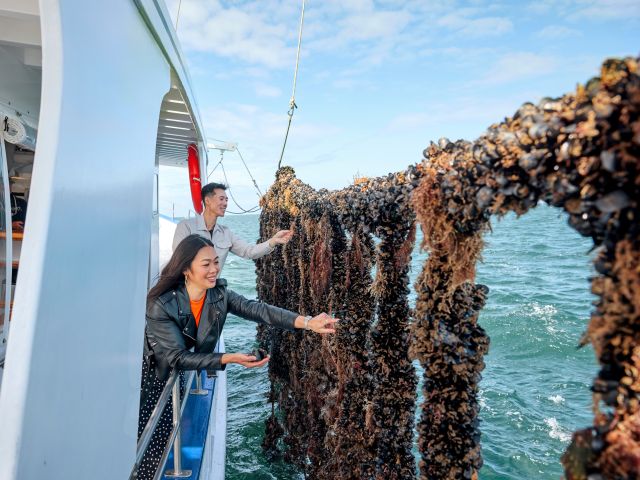
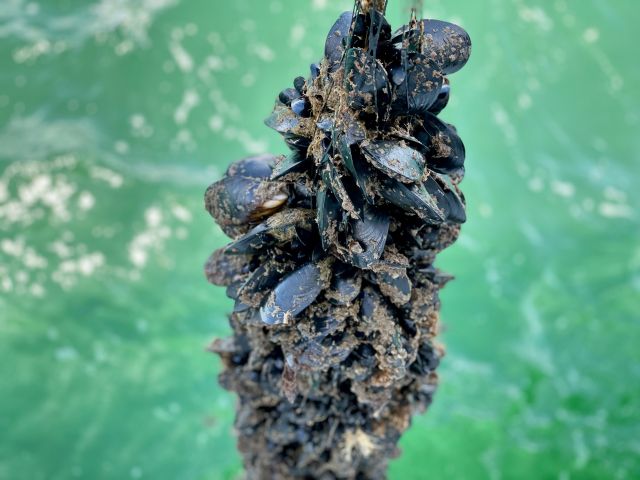
    A curtain is slowly winched from the placid, teal waters just off Portarlington , like a floating garland beside our boat. The ropes heave with blue mussels, the star attraction of our tour. But as we reach to pluck our own, it’s quickly clear they’re not alone; a mass of weird and wonderful creatures has colonised the ropes, turning them into a living tapestry. ‘Fairy’ oysters, jelly-like sea squirts, and tiny, wriggling skeleton shrimp all inhabit this underwater ecosystem.

    We prize our bivalve bounty from the ropes, and minutes later the mussels arrive split on a platter. The plump orange morsels are served raw, ready to be spritzed with wedges of lemon and a lick of chilli as we gaze out over the bay. They’re briny, tender and faintly sweet. “This wasn’t originally part of the tour,” explains Connie Trathen, who doubles as the boat’s cook, deckhand and guide. “But a chef [who came onboard] wanted to taste the mussels raw first, and it’s now become one of the key features.”

    A humble trawler turned Hamptons-style dreamboat

    inspecting bivalve bounty from the ropes
    Inspecting the bounty. (Image: Visit Victoria/Hannyn Shiggins)

    It’s a crisp, calm winter’s day, and the sun is pouring down upon Valerie, a restored Huon pine workhorse that was first launched in January 1980. In a previous life she trawled the turbulent Bass Strait. These days she takes jaunts into Port Phillip Bay under the helm of Lance Wiffen, a fourth-generation Bellarine farmer, and the owner of Portarlington Mussel Tours . While Lance has been involved in the fishing industry for 30-plus years, the company’s tour boat only debuted in 2023.

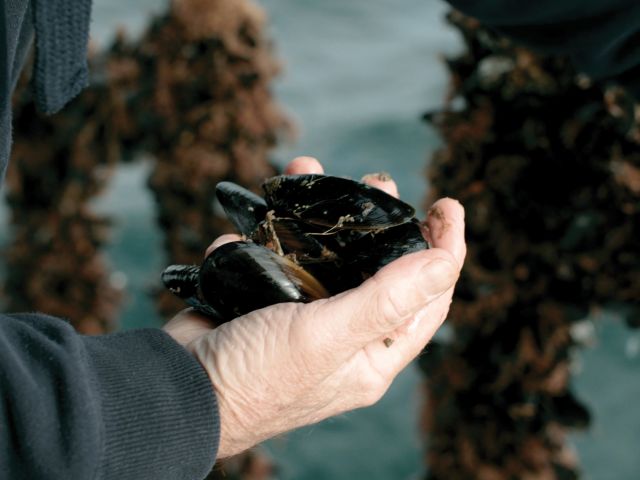
    holding Portarlington mussels
    See how these plump and juicy bivalves are sustainably cultivated.

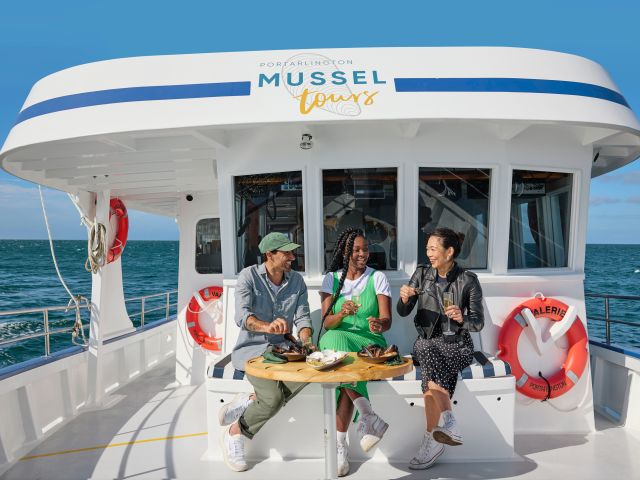
    It took more than three years to transform the former shark trawler into a dreamy, Hamptons-esque vessel, with little expense spared. Think muted green suede banquettes, white-washed walls, Breton-striped bench cushions, hardwood tables, bouquets of homegrown dahlias, and woollen blankets sourced from Waverley Mills, Australia’s oldest working textile mill. It’s intimate, too, welcoming 12 guests at most. And yet there’s nothing pretentious about the experience – just warm, down-to-earth Aussie hospitality.

    As we cruise out, we crack open a bottle of local bubbles and nibble on the most beautifully curated cheese platter, adorned with seashells and grey saltbush picked from the water’s edge that very morning. Australasian gannets soar overhead, and I’m told it’s not uncommon for guests to spot the odd seal, pod of dolphins, or even the occasional little penguin.

    The sustainable secret behind Victoria’s best mussels

    blue mussels off Portarlington
    Blue mussels sourced just off Portarlington.

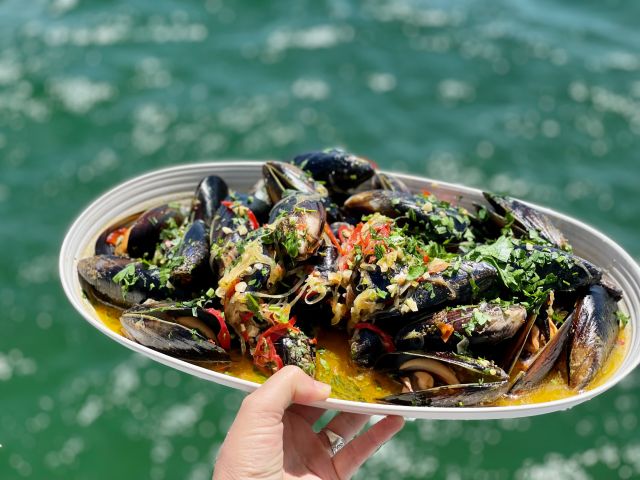
    Connie and Lance both extol the virtues of mussels. They’re delicious. A lean source of protein and packed with omega-3 fatty acids, vitamin B12, iron, selenium, and zinc. They’re cooked in a flash (Connie steams our fresh harvest with cider and onion jam). And they’re also widely regarded as one of the most sustainable foods in the world.

    Portarlington mussels with lemon and chilli
    Mussels served with lemon and chilli.

    “Aquaculture is [often] seen as destructive, so a lot of our guests are really surprised about how environmentally friendly and sustainable our industry is,” Lance says. “[Our mussels] would filter 1.4 billion litres of water a day,” he adds, explaining how mussels remove excess nitrogen and phosphorus from the water. “And through biomineralisation, we lock carbon into mussel shells.”

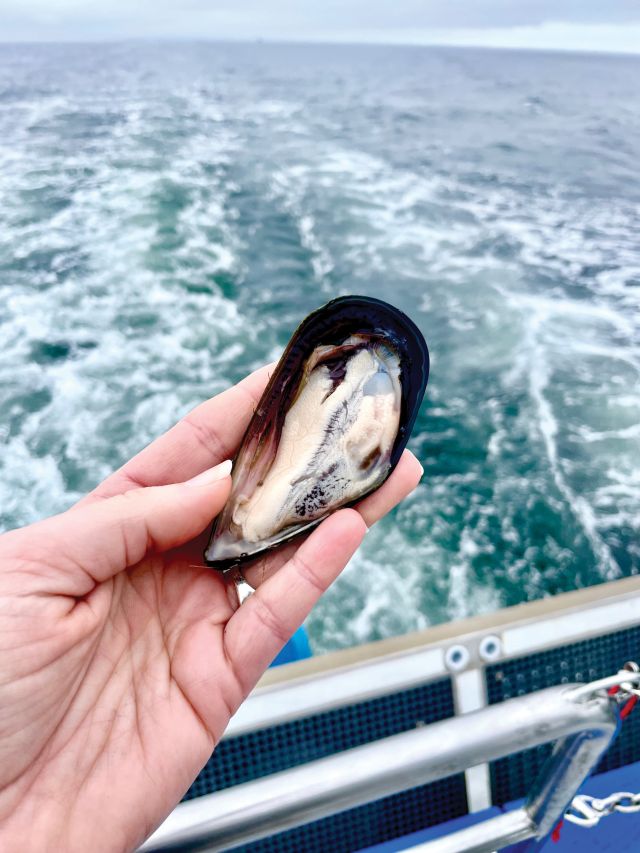
    a hand holding a Portarlington mussel
    Mussels are a sustainable food.

    Despite their glowing list of accolades, these molluscs have long been seen as the oysters’ poorer cousins. “It was a really slow start,” explains Lance, who says that in the early days of his career, “you could not sell mussels in Victoria”.

    But word has slowly caught on. Chefs as globally acclaimed as Attica’s Ben Shewry and even René Redzepi of Noma, Denmark, have travelled to these very waters just to try the shellfish at the source, sharing only the highest praise, and using Lance’s mussels in their restaurants.

    guests sampling Portarlington mussels onboard
    Sampling the goods onboard. (Image: Visit Victoria/Hannyn Shiggins)

    According to Lance there’s one obvious reason why the cool depths of Portarlington outshine other locations for mussel farming. “The water quality is second to none,” he says, noting how other regions are frequently rocked by harvest closures due to poor water quality. “We grow, without a doubt, some of the best shellfish in the world.” And with Lance’s bold claims backed up by some of the industry’s greatest names, perhaps it won’t be much longer until more Aussies uncover the appeal of Portarlington’s mussels.