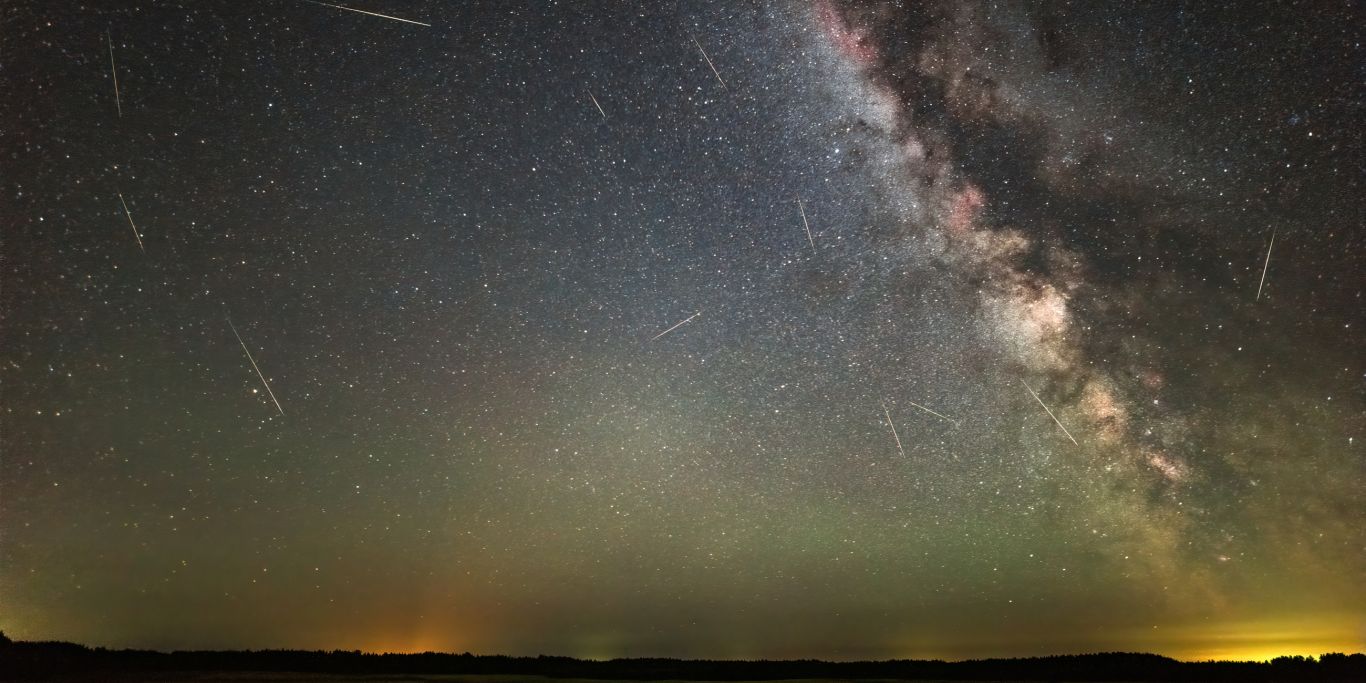


Two separate meteor showers are set to peak on the very same night this week. The catch? A very bright moon might crash the party.
Comets (and their leftover debris) have captivated humans for millennia. Halley’s Comet, for instance, is a hotly anticipated event when it returns every 76 years or so. This week, Australian skywatchers get something a little rarer: two separate meteor showers, caused by two entirely different parent objects, hitting their peak on the same night.
The headline act is the Southern Delta Aquariids, caused by debris from comet 96P/Machholz. Riding shotgun is the lesser-known Alpha Capricornids, a fainter shower but one famous for producing bright, slow fireballs that can outshine anything else in the sky that night. Both are active for weeks either side of their peak, but 30–31 July is when they’ll overlap. Here’s everything you need to know.
At a glance
Southern Delta Aquariids
Active: 12 July – 23 August 2026
Peak night: 30–31 July 2026
Best viewing window: Midnight to just before dawn
Moon conditions: Poor – 98 per cent waning gibbous, up most of the night
Known for: Steady, reliable activity over several weeks
Alpha Capricornids
Active: 12 July – 15 August 2026
Peak night: 30–31 July 2026
Best viewing window: Midnight to just before dawn
Moon conditions: Poor – 98 per cent waning gibbous, up most of the night
Known for: Slow-moving, dramatic fireballs
What is the Delta Aquariids meteor shower?
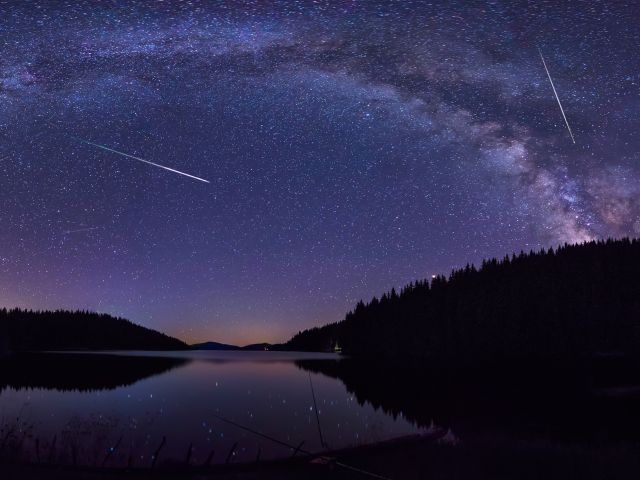
A meteor shower happens when the Earth passes through meteoroids (essentially, bits of rock and space dust) left behind by the path of a comet. When they hit the atmosphere, they burn up and produce a mesmerising light show that looks like dozens of shooting stars zipping about.
The Delta Aquariids meteor shower occurs every year as the Earth passes through meteoroids believed to be left behind by the path of comet 96P/Machholz. It’s the lesser-known cousin to the Eta Aquariids shower, which is caused by debris from Halley’s Comet. They share a name, “Aquariids," because the point in the sky where they appear to originate is near the Aquarius constellation.
Need tips, more detail or itinerary ideas tailored to you? Ask AT.
AI Prompt
Meet the second shower: the Alpha Capricornids
The Alpha Capricornids don’t put on a huge show in terms of numbers – expect only around five meteors an hour, well down on the Delta Aquariids’ 15 to 20. But what they lack in quantity, they make up for in drama. This shower is known for producing an outsized number of bright fireballs, slow and unmistakable streaks that are hard to miss even under less-than-perfect conditions.
Unlike the Delta Aquariids, which favour the southern hemisphere, the Alpha Capricornids are visible in roughly equal measure from both sides of the equator, radiating from a point near the Capricornus constellation, not far from Aquarius. Active from 12 July to 15 August, they build to a “plateau-like" maximum that, this year, lands on the same night as the Delta Aquariids’ peak: 30–31 July.
When to see the Delta Aquariids and Alpha Capricornids meteor showers in 2026
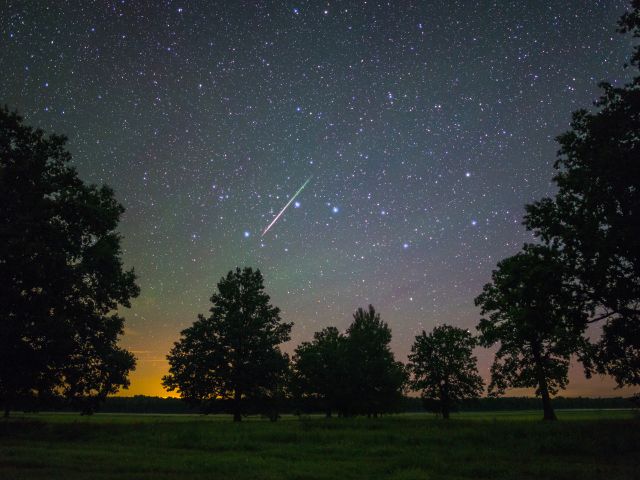
Both showers peak on the night of 30–31 July, but the timing is unlucky. The peak falls just a day after July’s full moon on 29 July, so a nearly full, waning gibbous moon (around 98 per cent illuminated) will be up for most of the night, washing out all but the brighter meteors from both showers. Under ideal, moon-free conditions the Delta Aquariids can produce 15 to 20 meteors an hour – expect noticeably fewer this year thanks to the moonlight. The Alpha Capricornids’ fireballs have a better chance of cutting through the glare, so keep an eye out for those even if the fainter Delta Aquariids are hard to spot.
If you want a better shot at genuinely dark skies, try heading out in the pre-dawn hours during the week before the peak, when the moon is less overwhelming.
How to see the meteor showers
The best way to view either shower is to head away from sources of light pollution. You’ll generally have the most luck just after midnight, once both radiants – Aquarius and Capricornus – have climbed higher into the sky, with the best window running until just before dawn.
A few tips for the best chance of spotting one:
- Get away from city lights and give your eyes at least 20–30 minutes to adjust to the dark.
- Skip the binoculars or telescope – your naked eye takes in the widest view of the sky, which is where you want it.
- Try to find a spot where a tree, building or hill blocks the moon directly, to cut down on glare.
- Look roughly 45 degrees away from the radiants (near Aquarius and Capricornus) rather than straight at them – meteors appear longer and easier to spot the further you look from that point.
Weekly travel news, experiences
insider tips, offers, and more.
Where to go: Australia’s best dark-sky spots
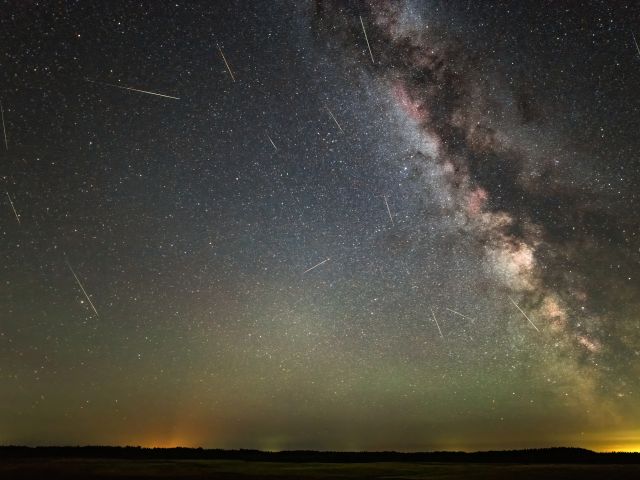
Given the moon glare this year, getting somewhere genuinely dark will make the biggest difference to how many meteors you actually see. A few standouts:
- Warrumbungle National Park, NSW – Australia’s first Dark Sky Park, near Coonabarabran. High altitude, low humidity and zero light pollution make it one of the most reliable stargazing spots in the country, and it sits right next to Siding Spring Observatory, home of the Anglo-Australian Telescope.
- Arkaroola, SA – Australia’s first International Dark Sky Sanctuary, deep in the Flinders Ranges. It’s remote enough that light pollution is essentially a non-issue.
- Cape Range National Park, WA – Near Exmouth on the Ningaloo coast, regularly cited as having some of the best night skies on the continent. Turquoise Bay is a solid free option.
- Palm Beach Headland, NSW – If a big regional trip isn’t on the cards, this is a workable dark-sky-adjacent option within reach of Sydney.
The Perseid meteor shower – set to peak in mid-August with a much darker, near-moonless sky – is also just around the corner, so it’s worth noting these spots down for a second trip.
Won’t be able to catch the Delta Aquariids this year, or find the moonlight too much competition? Don’t worry, it will return next year, as will the world’s oldest meteor shower, the Lyrids, and the Eta Aquariids.
Want to see more stories from Australian Traveller in your Google search results?
- Click here to set Australian Traveller as a preferred source.
- Tick the box next to "Australian Traveller". That's it.