hero media

The viral Japanese head spa trend has hit Australia – here’s where to try it

Credit: Getty Images/Isbjorn

Why is everyone obsessed with Japanese head spas? And what does it actually do? We cover the what, why, how and where of the world’s latest wellness trend.

In an age of chronic burnout and endless overstimulation, it’s no wonder wellness tourism is on the rise. Over the past few years, a range of viral trends have landed on Australian shores – from run clubs and silent retreats to juice cleanses and cold plunges – all promising optimisation and transformation.

While some are supported by science and others are driven purely by TikTok hype, the aim remains the same: peak relaxation with tangible results. In 2026, the latest trend is the Japanese head spa, a scalp-focused treatment designed to deliver a full body reset – and it actually works.

The Japanese head spa explained
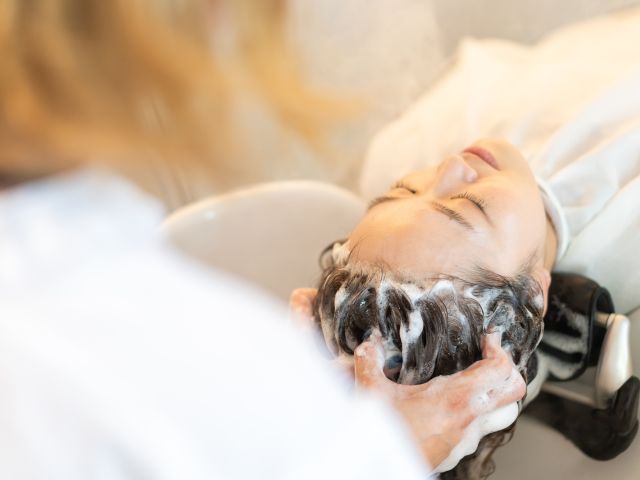
Woman getting a head massage
The treatment blends ancient medicine with modern technology. (Credit: Getty Images/Maroke)

Originating in Japan, head spa therapy is deeply rooted in holistic health care and personal well-being. And while it’s only recently become popular in contemporary Western culture, the practice dates back centuries. It’s derived from Anma, a traditional therapeutic massage that focuses on kneading deep tissue to improve circulation, reduce pain and promote relaxation.

Drawing on other cultural traditions like Indian Ayurveda and Balinese cream baths, Anma techniques were then specifically adapted for the head and scalp. The massage continued to evolve during Japan’s Meiji Restoration between 1868 and 1889, as modernisation efforts saw traditional practices incorporate Western influences.

Blending ancient medicine and modern technology, the Japanese head spa transformed into a 21st-century wellness experience, backed by over three decades of hands-on expertise and real-world application. Alongside massage techniques, additions like hair masks, exfoliating scrubs, Gua Sha combs and steam machines were also introduced to enhance the experience.
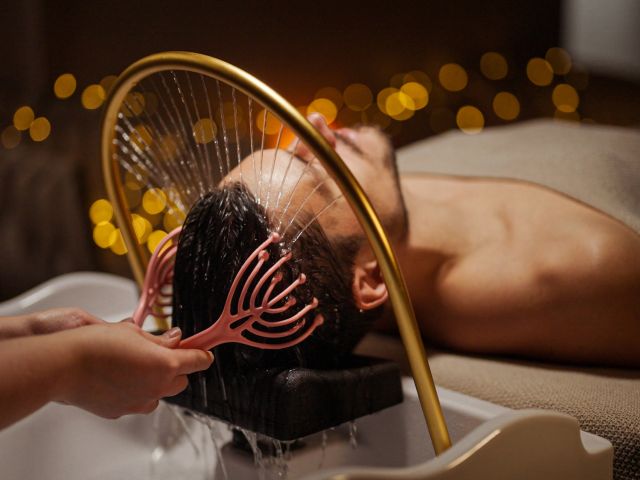
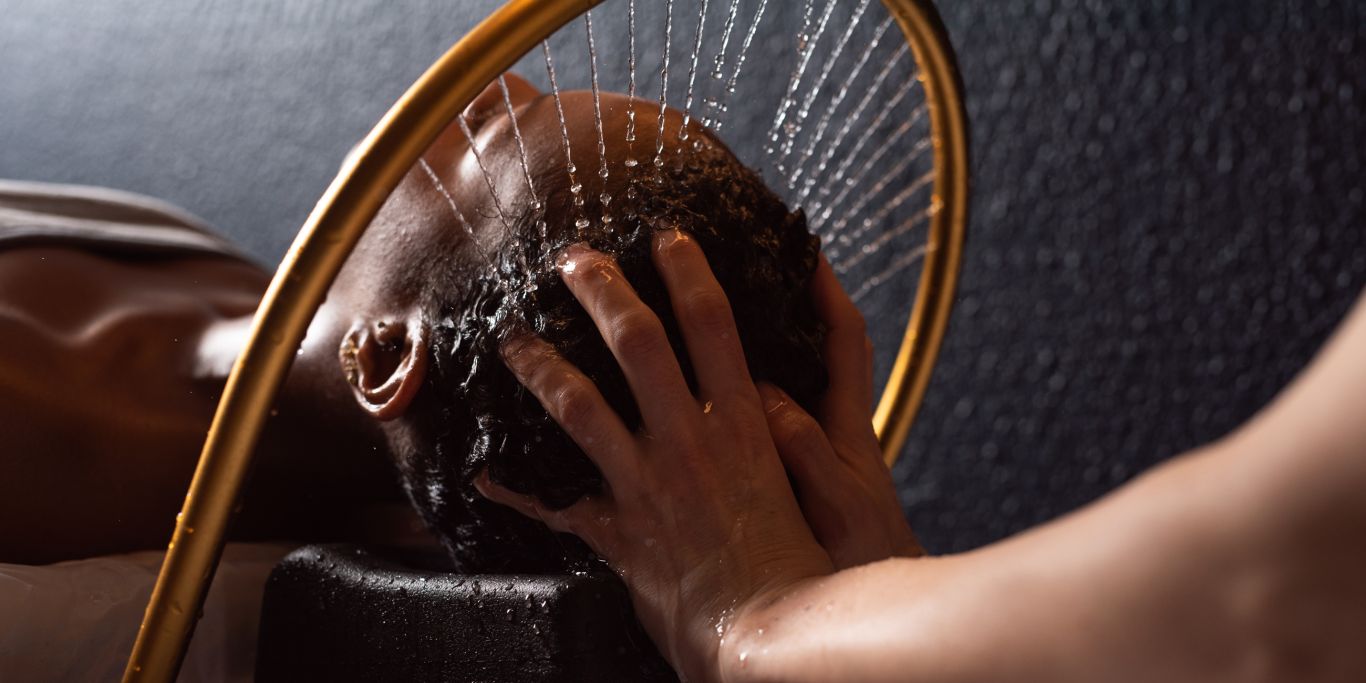
Man gets Japanese head spa treament with water halo in view
The water halo is an essential tool used in the treatment. (Credit: Getty Images/Marsell Gorska Gautier)

However, it’s the water halo that has become synonymous with Japanese head spas, a circular fixture that is secured above the head. Through a series of small holes, it releases a gentle yet constant stream of water onto the scalp, inducing a deep state of calm. It also resembles the sound of a babbling brook, which further amplifys the soothing ambience.

Today, the Japanese head spa is commonly referred to as ‘a facial for your scalp’ – but its benefits travel well beyond your noggin, too. Yes, your luscious locks are the main focus. The treatment provides a deep scalp detox, removing dead skin, drawing out product build-up, resetting sebaceous glands (responsible for oil production) and stimulating follicles to boost hair growth.

But the gains go even deeper. By engaging the head, spa therapists can encourage tension relief in the neck and shoulders, improved blood circulation, reduced facial swelling/puffiness and healthier skin. The deep relaxation it induces may also result in better sleep and increased mental clarity.

Need tips, more detail or itinerary ideas tailored to you? Ask AT.

AI Prompt

Where can you try it out?

To keep up with emerging trends and increased demand, wellness spaces across Australia have added the Japanese head spa to their offerings. From brand-new bathhouses in Byron Bay to Sydney’s best day spas, here are the top spots to experience it yourself.

Eden Retreat
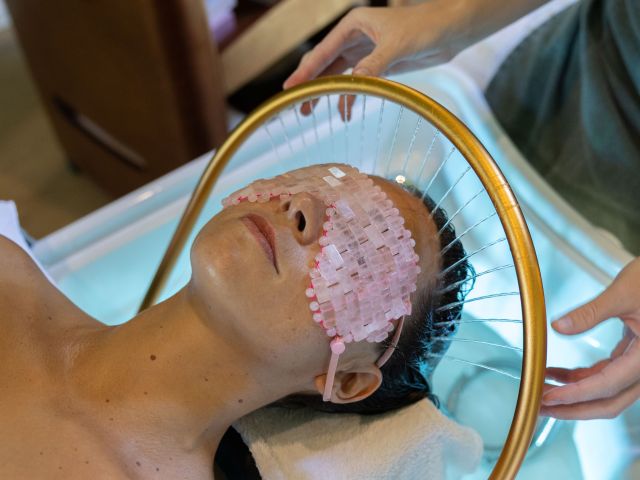
Woman gets Japanese head spa treatment at Eden Retreat
It’s the latest addition to the treatment menu at Eden Retreat.

Eden Retreat on the Gold Coast has recently introduced the Japanese head spa as a 55-minute or 85-minute treatment. Both include a purifying cleanse and shampoo, signature scalp massage, hair mask with steam and a refreshing rinse. Guests opting for the extended ritual also receive a mini facial.

Tokyo Headspa

Tokyo Headspa has firmly planted itself along Australia’s east coast, with three locations in Sydney, two in Brisbane and one in Melbourne. Every guest is well catered for, with everything from introductory offerings and deluxe rituals to hair-growth therapies and specific sessions for men.

The Scalp Spa
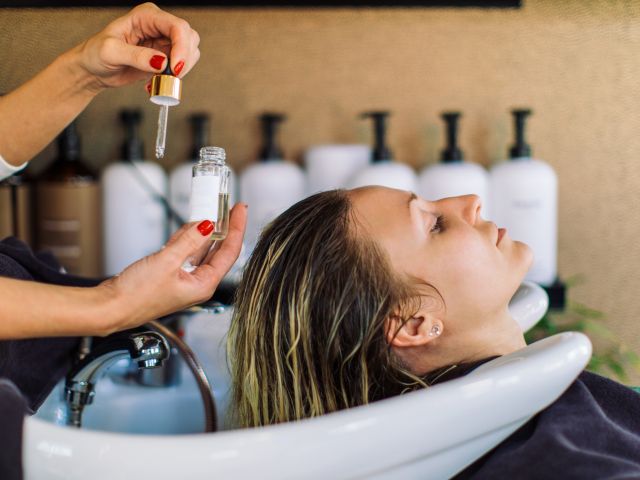
Woman getting warm oil massaged into scalp
Scalp analysis and warm oil therapy is part of the experience at some salons. (Credit: Getty Images/Miljko)

With branches in Sydney and Canberra, The Scalp Spa is renowned for its signature ‘Scalpcials’ – a portmanteau of scalp and facial. Treatments have been carefully designed to refresh and restore, leaving you feeling completely rejuvenated. The extensive menu even includes a warm oil therapy and scalp analysis.

Weekly travel news, experiences
insider tips, offers, and more.

The Head Spa Perth

The Head Spa Perth is the city’s first luxury head spa offering, and it’s setting the bar high. Dedicated entirely to scalp and hair care, guests can expect tailored treatments that promise quiet restoration. Whether you choose the two-hour Signature Head Spa or the full Bloom & Glow Ritual, you’re in for a blissful afternoon.

Peppy’s Face & Scalp Co.

The only holistic scalp therapist in Hobart, Peppy’s Face & Scalp Co. offers an extensive Japanese head spa treatment with a sustainable and non-toxic philosophy. The soothing experience includes over 20 different scalp brushes, herbal steam, aromatherapy, hair masks and waterfall therapy.

How to prepare for your appointment
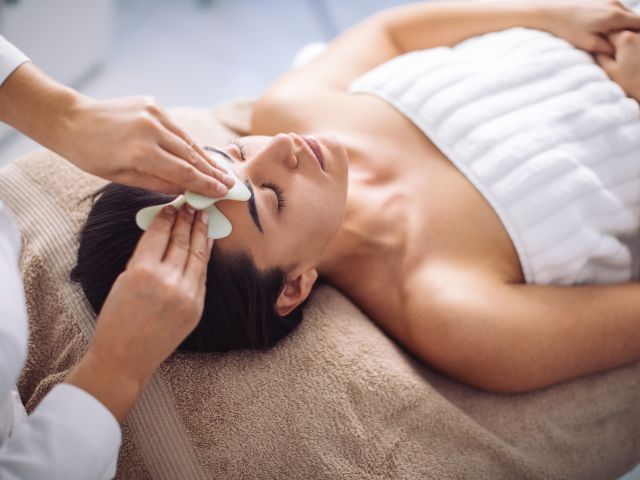
Woman receiving a head massage
Arrive without makeup as some salons include facial treatments as part of their offering. (Credit: Getty Images/Miljko)

If you’ve never experienced a Japanese head spa, you might be wondering what exactly to expect. Although individual offerings can vary, the practice is deeply rooted in Japanese tradition, meaning most venues adhere to a similar framework. First, opt for comfy clothes and leave the jewellery at home.

As tempting as it may be, avoid washing your hair beforehand. Arriving with your hair in its most natural state ensures the process can address its true condition. The treatment is designed to do the work –removing dead skin, product residue and build-up for you. Don’t worry about wearing make-up either, as facial cleansers and lotions may be used.

Be sure to arrive a little earlier than your appointment time, as you’ll most likely need to fill out a consultation form prior to treatment. This is the perfect opportunity to let the venue know of any questions, concerns, allergies and areas to avoid.

During the treatment, your spa therapist will ensure you’re completely comfortable, cocooning you in soft towels and protecting your eyes. Should you feel any discomfort, speak up. Otherwise, all that’s left to do is inhale, exhale and let go – the hype will all make sense when you’re under the halo.


Taylah Darnell
Taylah Darnell is Australian Traveller's Writer & Producer. She has been passionate about writing since she learnt to read, spending many hours either lost in the pages of books or attempting to write her own. This life-long love of words inspired her to study a Bachelor of Communication majoring in Creative Writing at the University of Technology Sydney, where she completed two editorial internships. She began her full-time career in publishing at Ocean Media before scoring her dream job with Australian Traveller. Now as Writer & Producer, Taylah passionately works across both digital platforms and print titles. When she's not wielding a red pen over magazine proofs, you can find Taylah among the aisles of a second-hand bookshop, following a good nature trail or cheering on her EPL team at 3am. While she's keen to visit places like Norway and New Zealand, her favourite place to explore will forever be her homeland.
View profile and articles
hero media

The road trips and trails you need to experience in Victoria now

    Kellie Floyd Kellie Floyd
    Wind through fern tunnels, stop for a wine in a tram bar, or chase giant murals across the wheatbelt. These drives and rides prove Victoria’s best stories are found off the straight and narrow. 

    There’s something unmistakably Australian about a road trip: car packed, playlist on, landscapes shifting. Travelling down the highway toward Healesville, in Victoria’s Yarra Valley , the mountains rise, flanking me on both sides. I feel its embrace, a silent invitation to explore what lies beyond.  

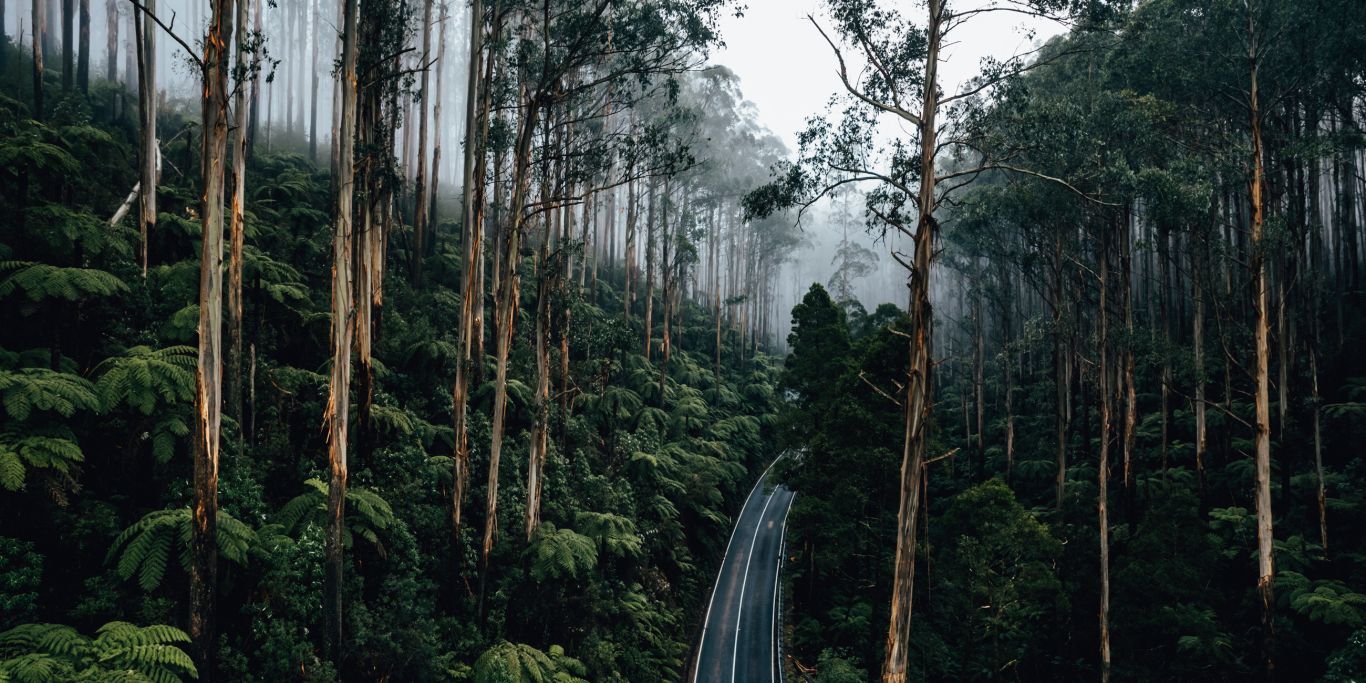
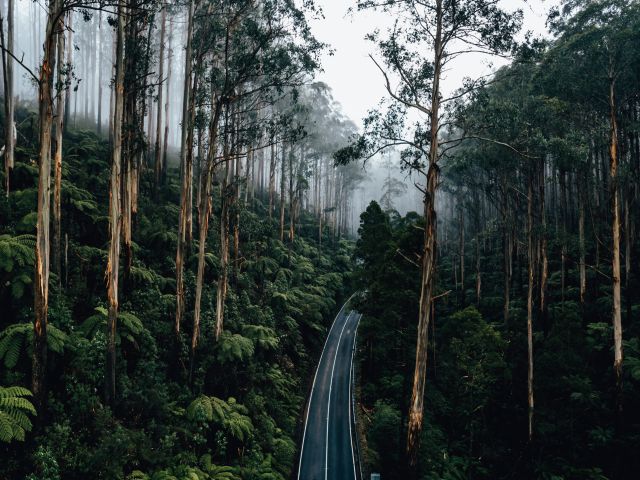
    Moss-covered embankments rise on either side, and towering mountain ash trees form a green tunnel overhead. Road signs warn of wombats and cyclists but with giant ferns lining the roadside, the landscape feels prehistoric, as if a dinosaur might suddenly emerge. This, the Black Spur , is one of my favourite road trips. 

    The Black Spur 

    The Black Spur drive
    Through the forested canopy of The Black Spur drive that winds from Healesville to Narbethong. (Image: Neisha Breen)

    Location: Yarra Ranges
    Duration: 30 kilometres / 30 minutes 

    The Black Spur is short compared to other Victorian road trips, just 30 kilometres, stretching from Healesville to Narbethong. But what it lacks in distance, it makes up for in scenery. Just outside Healesville, Maroondah Dam offers bushwalks and scenic views. However, if pressed for time, Selover’s Lookout is an easy roadside stop offering uninterrupted views of the dam.  

    In Narbethong, close to the Marysville’s snowfield, is the Black Spur Inn , a charming double-storey brick hotel that’s been welcoming travellers since 1863. Here, diners cosy up by the roaring fire or gaze through the floor-to-ceiling windows, imagining horse-drawn coaches carrying hopeful gold seekers to the eastern goldfields.   

    Victoria’s Silo Art Trail 

    Silo Art Trail
    The Silo Art Trail in the Wimmera Mallee region. (Image: Visit Victoria/Anne Morely)

    Location: Various towns across the Wimmera Mallee region
    Duration: More than 200 kilometres / 4–5 hours but best over a minimum of three days  

    What began as a way to draw travellers back into town bypassed by highways – places such as Nullawil, Sea Lake and Patchewollock – has grown into a celebrated outdoor art movement. The Silo Art Trail now includes 23 silos, each transformed with large-scale mural portraits sharing local stories, celebrating community heroes, Indigenous history, farming life, or regional identity.  

    The Nullawil silo, for example, is a portrait of a local farmer in a chequered flannelette shirt alongside his loyal kelpie, painted by artist Sam Bates (AKA Smug). And the silos at Albacutya in the Grampians, painted by artist Kitt Bennett, depict her joyful memories of growing up in the countryside. Many of the murals sit right in the heart of small towns, such as Rochester and St Arnaud , making them perfect spots to pause for a country pub meal or something sweet from a local bakery.   

    Metung to Mallacoota  

    Gippsland lakes
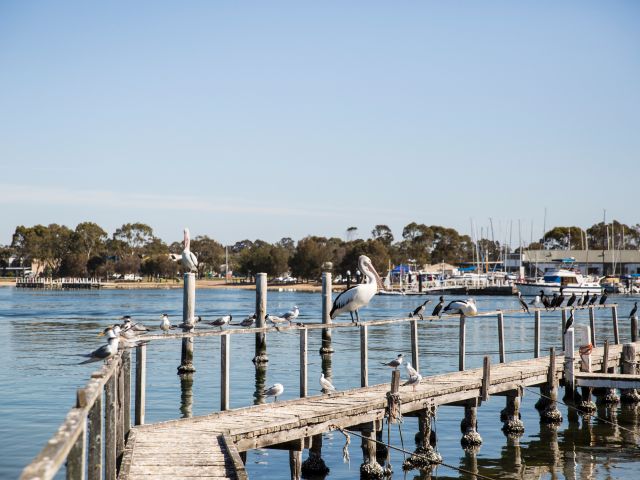
    Gippsland Lakes. (Image: Visit Victoria/Josie Withers)

    Location: Gippsland
    Duration: Approximately 220 kilometres / 4 hours  

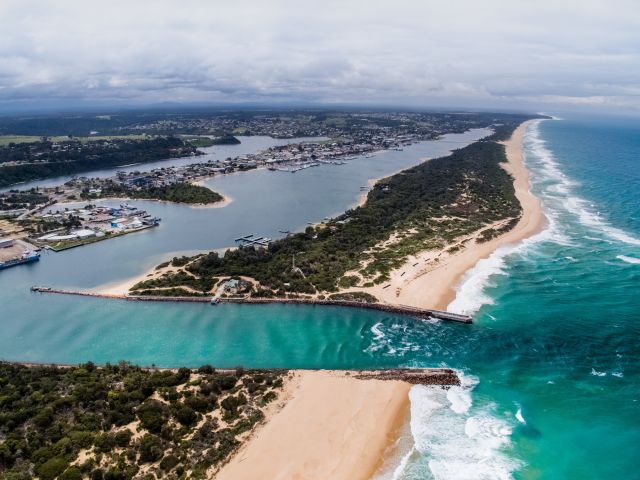
    The Gippsland Lakes are a much-loved holiday spot in Victoria, but road-tripping further east reveals much more. Begin in Metung and time your visit with the monthly farmers’ market, or simply linger over lunch on the lawn of the Metung Hotel. Twenty minutes away is Lakes Entrance , where you can watch the fishing boats return with their catch. 

    Lakes Entrance
    Lakes Entrance. (Image: Visit Victoria/Iluminaire Pictures)

    Continue to Marlo, where the Snowy River spills into the sea, and Cape Conran for its many beaches and walks. If needing to stretch your legs, Croajingolong National Park is home to the historic Point Hicks Lighthouse and the Wilderness Coast Walk. Birdwatching and rainforest trails near Bemm River are worth a pit stop before arriving in Mallacoota, where the forest meets the sea. 

    Great Ocean Road 

    12 Apostles on the Great Ocean Road
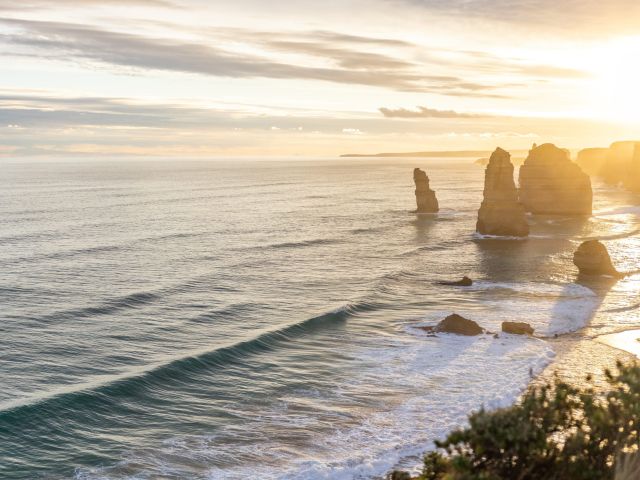
    The 12 Apostles on the Great Ocean Road. (Image: Tourism Australia/Two Palms/Harry Pope)

    Location: South-west Victoria, from Torquay to Allansford
    Duration: Approximately 250 kilometres / 4–5 hours but best over a minimum of three days  

    Victoria’s most famous road trip delivers it all: world-class surf breaks, rainforest walks, clifftop lookouts and wildlife encounters. The journey begins in Torquay, the state’s surf capital, then hugs the coast past Anglesea and Lorne to Apollo Bay, before curving inland through the lush rainforest of the Otways. Stop at Cape Otway Lightstation or take to the treetops at Otway Fly.  

    Between Cape Otway and Port Campbell lies the most photographed stretch – seven of the Twelve Apostles still standing, alongside the golden cliffs of Loch Ard Gorge. Further west, Warrnambool is a winter whale-watching hotspot, before the road winds to Port Fairy, a charming fishing village of whalers’ cottages, walking trails and offshore seal colonies further along the coast. 

    Bellarine Taste Trail 

    Terindah Estate
    Terindah Estate. (Image: Visit Victoria/Emily Godfrey)

    Location: Bellarine Peninsula
    Duration: Approximately 80 kilometres / 2–3 hours  

    The Bellarine Taste Trail is a feast for the senses, winding through coastal towns, past boutique wineries and artisan producers. It’s a choose-your-own-adventure style trail – simply grab a map and build your own delicious journey.  

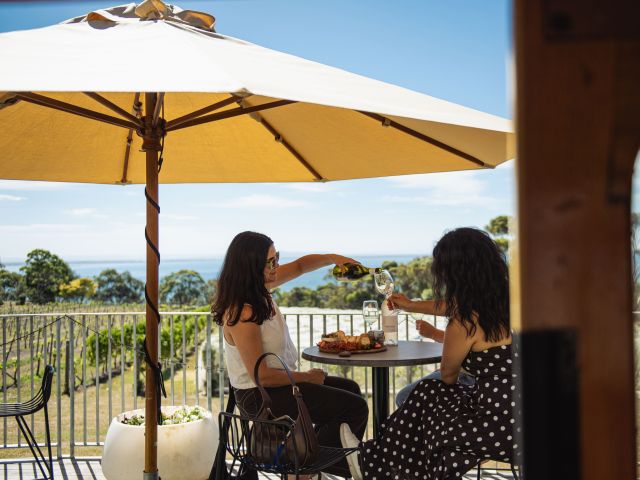
    You might wander historic, seafront Queenscliff, sip wine in a converted tram bar at Terindah Estate , sample a locally distilled whisky at The Whiskery in Drydale or pick up a jar of honey at Wattle Grove in Wallington. Seafood lovers can head to Portarlington, famous for its mussels. Eat them fresh at local restaurants or head out on the water with Portarlington Mussel Tours. 

    O’Keefe Rail Trail – Bendigo to Heathcote 

    Pink Cliffs Reserve
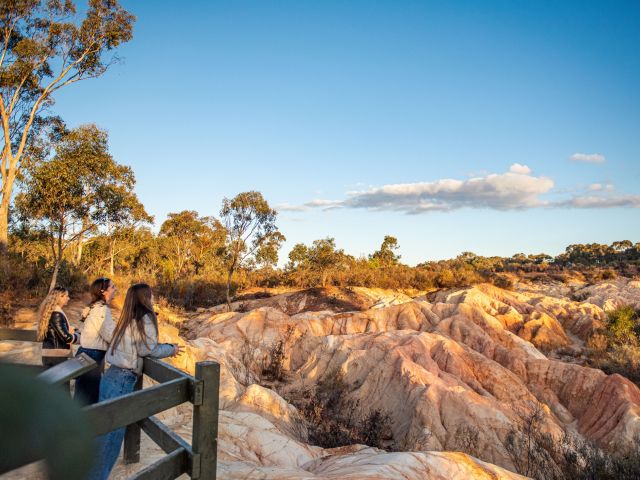
    Pink Cliffs Reserve in Heathcote can be seen on the O’Keefe Rail Trail. (Image: Visit Victoria/Emily Godfrey)

    Location: Central Victoria
    Duration: Approximately 50 kilometres / 4 hours cycling 

    Travellers first journeyed between Heathcote and Bendigo in 1888, when the railway line was built to link the towns. Trains stopped running in 1956, but today the route has a new life as the O’Keefe Rail Trail . The path is mostly level for easy riding, and along the way you’ll cycle past bushland, waterways and reserves. There are plenty of places to picnic, birdwatch, and if you’re lucky, spot a platypus.  

    The trail is well supported with water stations, bike repair points, shelters, and signage. Axedale makes a great halfway stop, with the pretty Campaspe River Reserve for a rest and local cafes for refuelling. Begin in Heathcote, known for its wineries and cafes, or in Bendigo, which is easily reached by train from Melbourne/Naarm. Shorter sections, such as Heathcote to Axedale, are also popular. 

    Goldfields Track – Ballarat to Bendigo 

    Location: Central Victoria
    Duration: Approximately 210 kilometres / 2–3 days cycling  

    The Goldfields Track traces a route once so rich in gold it made Melbourne one of the wealthiest cities in the world. Starting at Mt Buninyong, south of Ballarat, the trail leads mountain cyclists and walkers north through Creswick, Daylesford and Castlemaine before finishing in Bendigo. Along the way, you’ll encounter granite outcrops, eucalypt forests, rolling farmland and remnants of the region’s mining past.  

    As it passes through the lands of the Dja Dja Wurrung and Wadawurrung people, the track shares gold rush history and Indigenous stories brought to life by interpretive signs. Walk or ride the full trail or choose from one of its three distinct sections. With cosy stays, cafes and pubs, it’s easy to mix wilderness with comfort.