Australia is full of wonders, from icons to the lesser known. Here, we’ve curated 23 wonders from our 100 list that fall across multiple states and territories.
This article is part of our 100 Australian Wonders series. Throughout the series, we explore our nation’s wonders across culture, nature, food, islands and many more. We hope it inspires your own exploration of Australia’s many wonders.
1. The Ghan
Travelling with: Megan Arkinstall
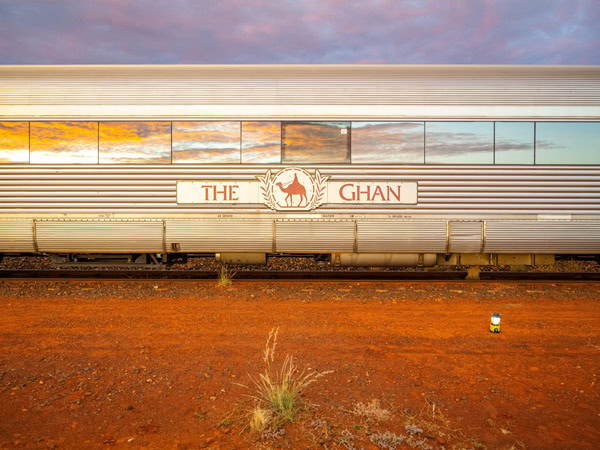
The Ghan , an enduring symbol of rail journeys in Australia, is celebrating 95 years of carrying passengers through the heart of the country.
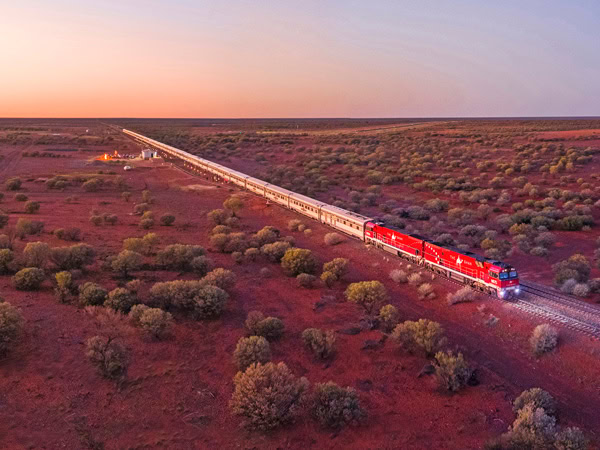
While hinging to the golden age of train travel, The Ghan – named after the 19th-century Afghan cameleers who helped build infrastructure in the outback – evolves with each milestone.
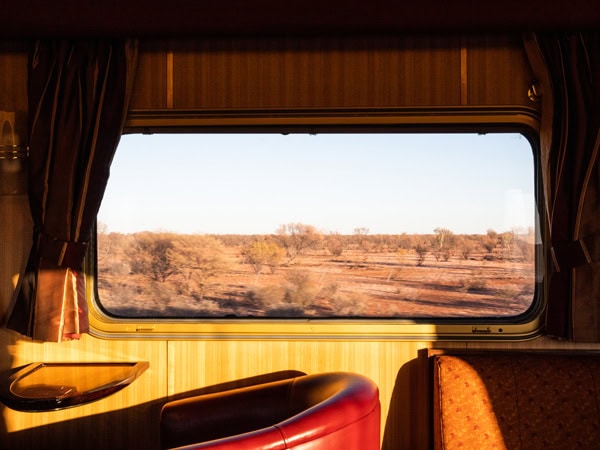
The recent launch of its newly designed Gold Premium product takes inspiration from the Aussie outback with neutral tones, soft curves and Indigenous Australian prints. There’s a sleek lounge area and Art Deco-style dining carriage where two-course lunches and four-course dinners centred around local produce are served and enjoyed with uninterrupted views of vast plains rolling by as you journey north to south between Darwin and Adelaide (or vice versa).
2. Indigenous art fairs
Travelling with: Carla Grossetti
Indigenous art fairs around Australia are designed to foster and nurture Aboriginal and Torres Strait Islander art, design and culture.

See First Nations culture and creativity take centre stage at the Darwin Aboriginal Art Fair – the largest of its kind – from 9-11 August. Sydney’s National Indigenous Art Fair will bring a stroke of colour to The Rocks 29-30 June and the annual Cairns Indigenous Art Fair will take place 24-28 July.
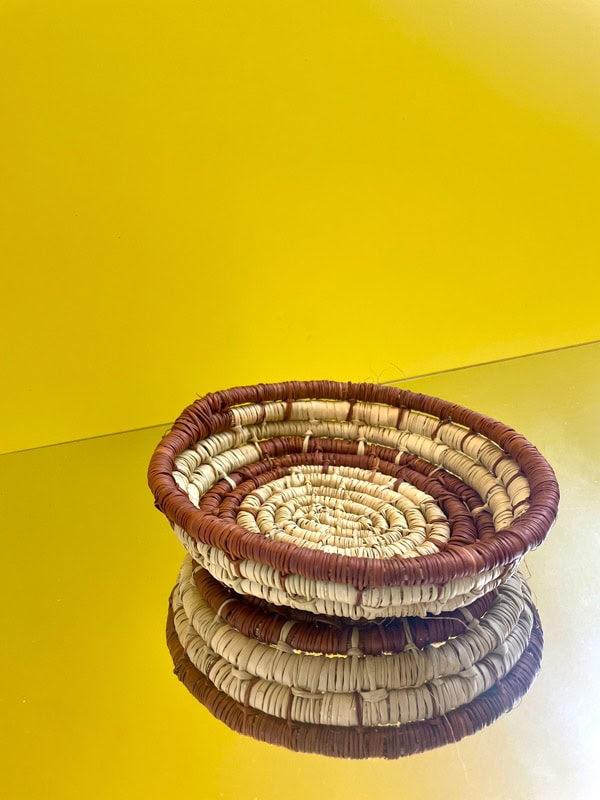
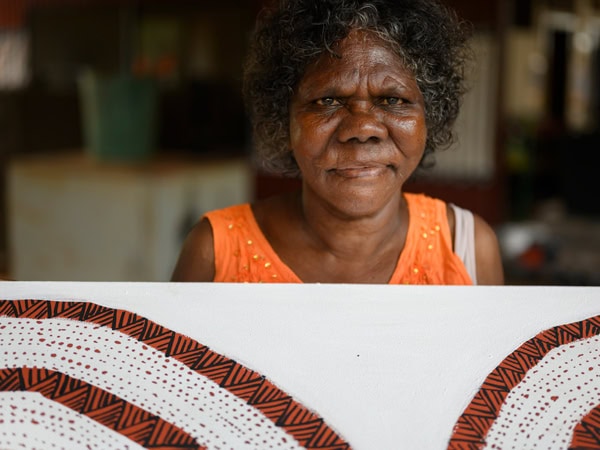
Expect the carefully curated programs to include everything from artist talks to hip-hop performances, weaving workshops, masterclasses and more. Visitors to the various Indigenous art fairs will also be given the opportunity to purchase one-of-a-kind ethically sourced artworks.
3. Norfolk Island
Travelling with: Steve Madgwick
Subtropical pine trees, obstinate cows and wild roosters. Elderly folks dawdling along serpentine B-roads in micro-cars. Deep-green paddocks next to sinister Georgian-era convict ruins. These images might paint the picture of Norfolk Island if you’ve never visited before. But they barely peel back a single layer of the cultural complexities of this 35-square-kilometre Australian external territory (1412 kilometres east of Evans Head).

A place profoundly entwined and defined by a population descending from the English and Tahitian mutineers of the Bounty, Fletcher Christian’s kin, who resettled on Norfolk when they outgrew the Pitcairn Islands. And from Heidi Bigg, who runs The Golden Orb Cafe, to the restaurateurs behind The Homestead, Kurt and Jill Menghetti, and to glass artist Jai Adams, whose work is on display at Norfolk Island Botanic Garden, to know the essence, quirks and jewels of 21st-century Norfolk Island is to know its people.
4. Australia’s hot springs
Travelling with: Carla Grossetti
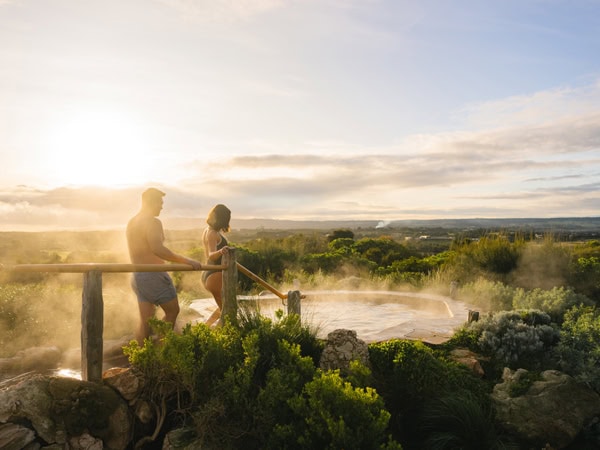
The healing benefits of bathing in hot springs – balneotherapy – have long been documented. In addition to the fact these thermal pools are likely to be at the edge of nature, with breathtaking backdrops, the actual act of soaking in mineral-rich waters serves to soothe aching muscles and calm busy minds.
Test the theory everywhere from Peninsula Hotsprings and the Mornington Peninsula’s newest sanctuary, Alba Thermal Springs & Spa , as part of a road trip along the new Great Victorian Bathing Trail.
And elsewhere in the country: from the warming waters of Talaroo Hot Springs in outback Queensland to Witjira-Dalhousie Springs in South Australia.
5. Climbing Lord Howe Island’s Mt Gower
Travelling with: Celeste Mitchell
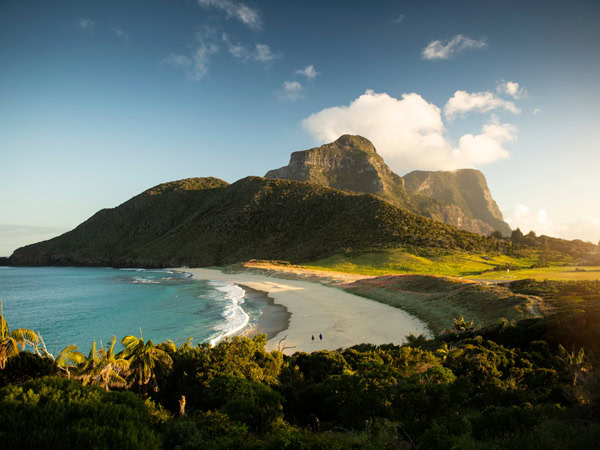
Heart in mouth, head in the clouds. Below, the iridescent coral lagoon that bracelets the island Sir David Attenborough once described as “so extraordinary it is almost unbelievable".
Above, a cloud forest where moss drips from the branches of mountain apples and providence petrels come thudding to the ground by your feet.
As one of Australia’s most iconic day hikes, climbing the primordial peak of Mt Gower on Lord Howe Island is a serious challenge, which delivers a huge amount of kudos upon completion. If you manage to score a clear view from the top, you’ll have even more bragging rights.
Wear the T-shirt that says “I climbed Mt Gower and survived" with pride.
6. Torres Strait in a day
Travelling with: Steve Magdwick
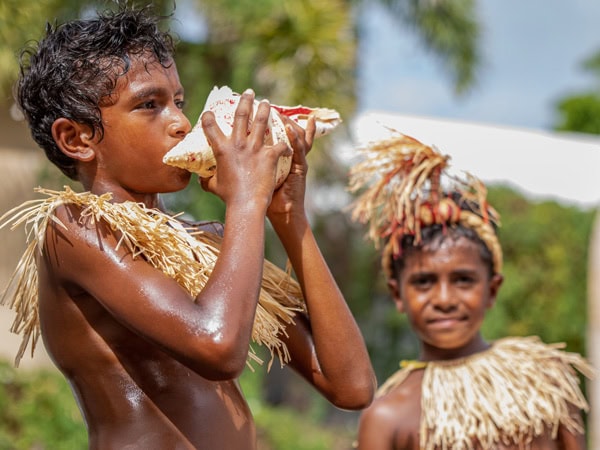
North of Cape York and with limited transport links, the Torres Strait was an unachievable dream for all but intrepid travellers until 2022 when Fraser Nai (Traditional Owner on Masig Island) co-founded Strait Experience.
It’s an ambitious day tour from Cairns, packing in cultural highlights of the archipelago’s ‘main’ islands, Ngurupai (Horn) and Waiben (Thursday).
Experience life in fast-forward on Zenadth Kes, as the Torres Strait is referred to locally, with everything from dance displays by Joey Laifoo’s Island Stars to a tour retracing Ngurupai’s intriguing Second World War history. A belly-stretching seafood buffet showcases the smorgasbord of flavours and cultures from Malay to Chinese.
It’s not a cheap day trip (thanks to charter flights) but it noticeably benefits these tiny island communities.
7. Cocos (Keeling) Islands
Travelling with: Emily Murphy
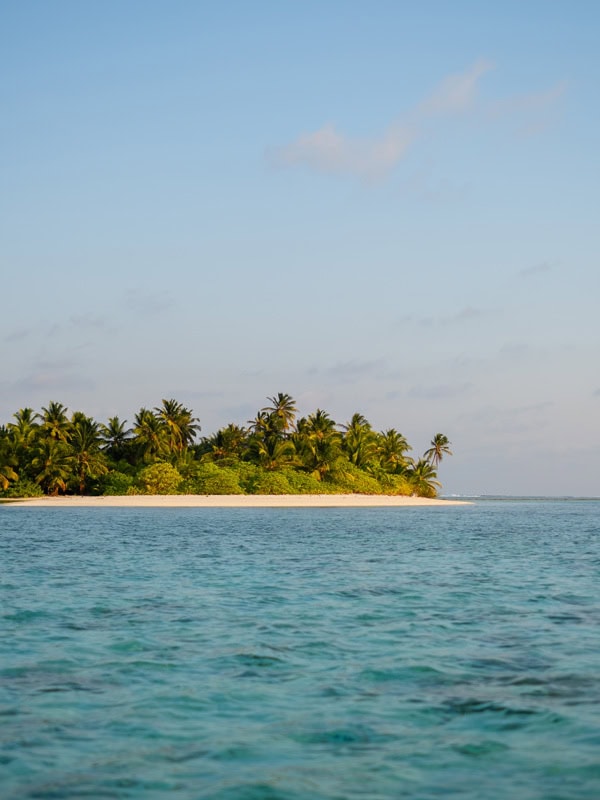
This remote pocket of paradise in the Indian Ocean is the very definition of utopia. Think beaches to yourself, water so clear it looks invisible, snorkelling with manta rays, dolphins and turtles.
But the Cocos (Keeling) Islands aren’t your typical tourist destination. A holiday here invites you to slow down, disconnect and embrace island time.
Visitors are few (only 144 visitors are allowed at once), there’s no mobile reception and locally run eateries can change their opening hours on a whim to go for a fish or a dive.
8. Australia’s waves
Travelling with: Celeste Mitchell
We all know Australia has a reputation for its pretty stellar surf breaks. Surf culture is ingrained in everything from our cafes to the local lingo, and breaks such as Bells, Snapper and Kalbarri offer more than just a place to catch a few sets.
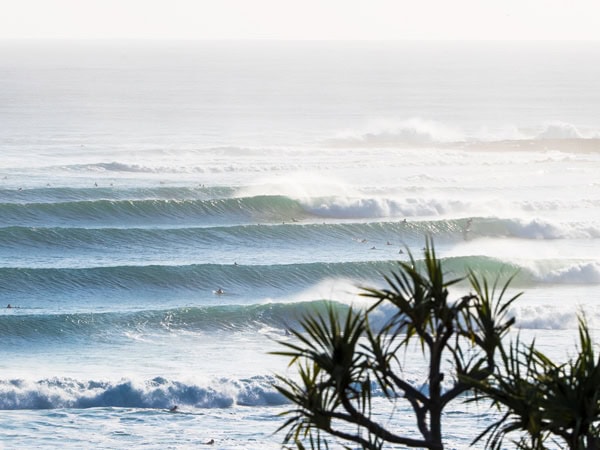
Which is why, over the last 30 years, 21 National Surfing Reserves have been declared in Australia as places of ‘intrinsic environmental, heritage, sporting and cultural value to our nation’. It’s as much about protecting these sandy spots of worship as it is about the community around them. It’s also empowering for those who love and use our beaches to have a say in how they’re managed.
Need tips, more detail or itinerary ideas tailored to you? Ask AT.
AI Prompt
9. Aussie oysters
Travelling with: Elizabeth Whitehead
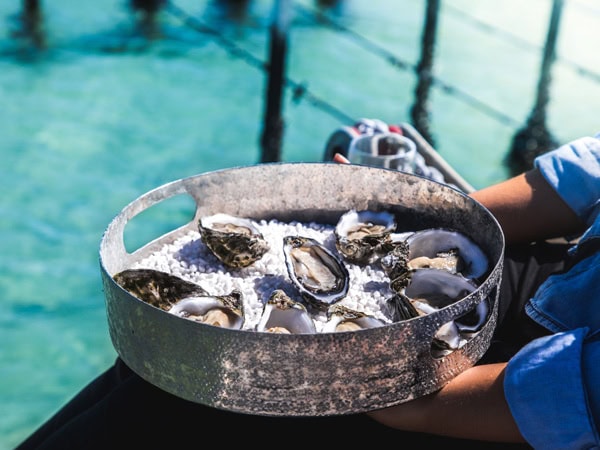
Creamy, briny and umami-rich, oysters encapsulate the taste of our oceans and waterways. These microcosmic morsels vary in flavour, depending on region and species. For instance, buttery Sydney rock oysters are heralded as some of the best in the world for their intensity and complex flavour profile.
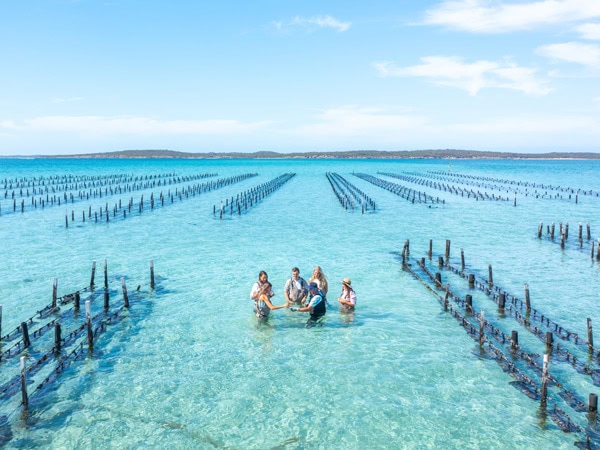
Plump Pacific oysters in Coffin Bay soak in nutrient-rich southern seawater, which lingers in the form of a subtly sweet aftertaste. And the sinewy flesh of Angasi oysters from Tasmania delivers a salty, zesty sucker punch to the palate – a perfect accompaniment to a glass of Tassie sparkling.
10. Australian coffee culture
Travelling with: Lara Picone
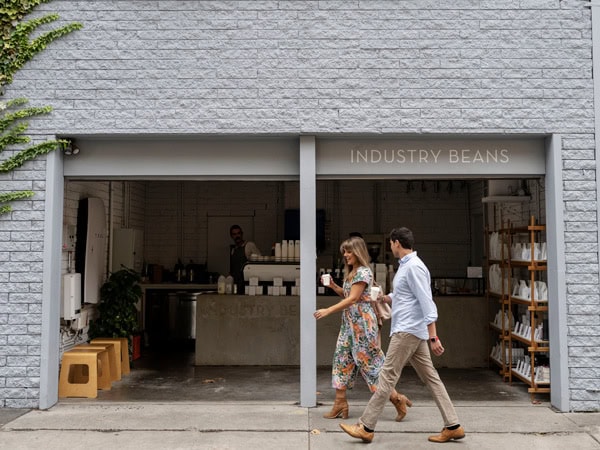
From your single origins to your cold drips and doppio espressos, Australians are highly caffeinated and vastly coffee literate. Our country, as adrift as it is from Europe, has one of the best coffee cultures in the world. Indeed, baristas are some of our favourite people: we feel the warmth of being seen when they know our name and what we drink.
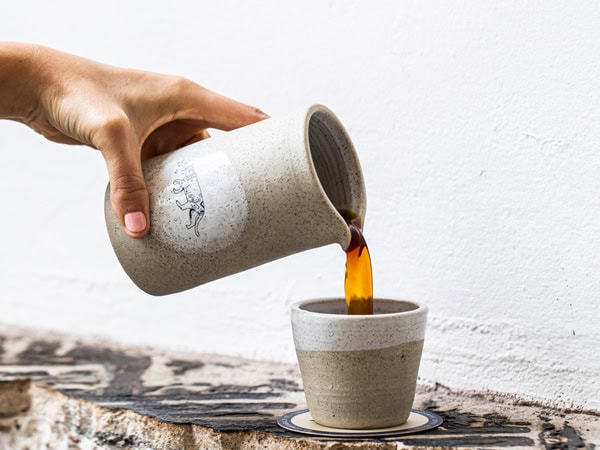
For many, ‘just grabbing a coffee’ is a daily ritual that we harbour no desire to abandon and, of course, we have immigration to thank for it. Italians mostly, and southern Italians in particular, who began importing coffee machines after the Second World War.
We’ve been fine-tuning our brew for decades, inspired by how other countries do it, and tweaking to suit our own preferences for grind, bean and style. Wear your coffee snobbery proudly; it’s a cultural wonder all of its own.
11. LANGTONS Classification of Australian Wine
Travelling with: Imogen Eveson
The Australian wine industry has hit a sweet spot: young enough to be bold and innovative but mature enough to be a serious contender on the global stage. From the coast of Western Australia to the patchwork of wine regions in South Australia (like Barossa and McLaren Vale) to cool climes in Tassie and Victoria, the country proudly produces some of the world’s best wine.
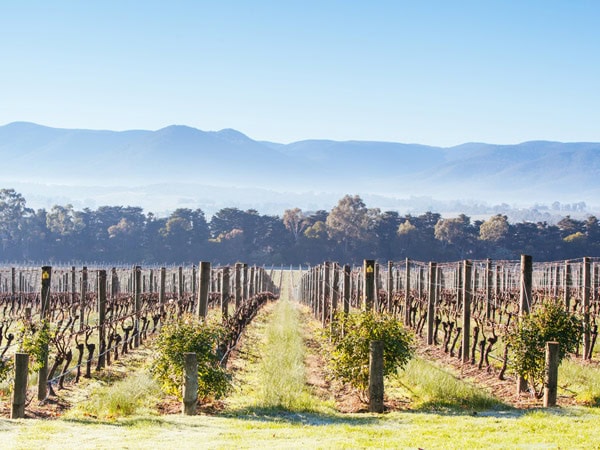
The cream of the crop is reflected in the LANGTONS Classification of Australian Wine , the pinnacle of recognition for Australian wineries and producers that acts as a guide to the country’s most sought-after wines.
The current (eighth) Classification comprises a total of 100 wines across 60 wineries, including Leeuwin Estate’s Art Series Chardonnay , which captures timeless Margaret River excellence; Chris Ringland’s Dry Grown Barossa Ranges Shiraz , described as a contemporary Barossa marvel; Bindi Original Vineyard’s Pinot Noir , demonstrating the best in minimal-intervention winemaking; and Wine By Farr’s Sangreal Pinot Noir , which showcases the potential of Geelong’s terroir.
Cumulatively, the classification serves as a pulse-take of Australian winemaking practices, vineyard provenance and regional voice.
12. The Aussie sausage sizzle
Travelling with: Lara Picone
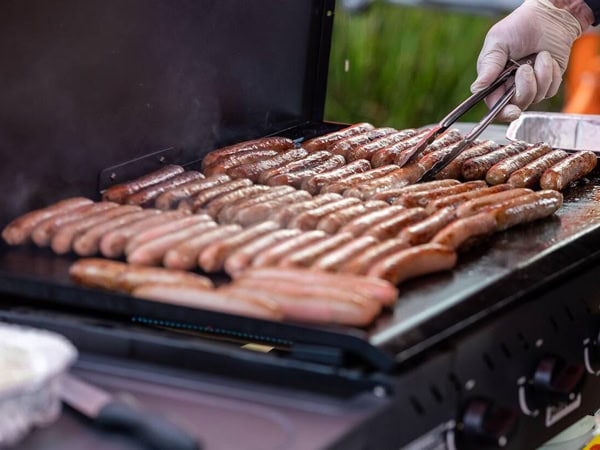
It may not be a culinary marvel, but the humble Aussie sausage sizzle teeters somewhere between a national dish and a cultural phenomenon. It’s not fancy. In fact, it’s resolutely anti-fancy. It dictates white bread only – maybe wholemeal, if you’re a bit hoity-toity – and the only embellishments permissible are sauce and charred onions. It’s called to duty for community fundraisers, on election days when it’s elevated to the lofty title of the Democracy Sausage, and every weekend at Bunnings, when it’s inhaled by bored children and parents running errands.
A mighty leveller, the sausage sizzle unites everyone from every crevice of Australian life. Its intoxicating aroma carried on the breeze is a siren song to take a minute and chill. For nothing can ever be that bad with a sausage sizzle in hand.
13. Aussie spirits
Travelling with: Katie Carlin
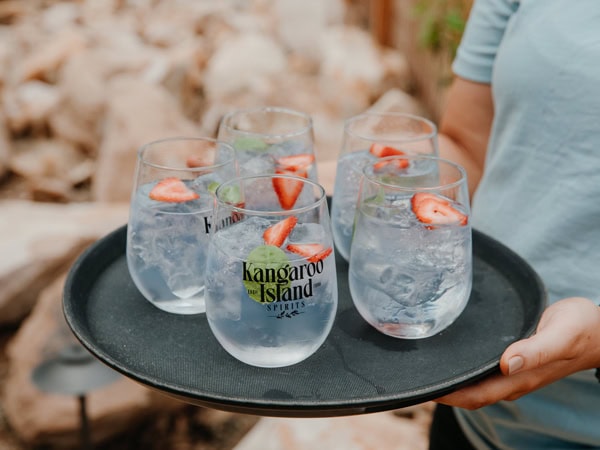
No longer just for your nanna, gin has shaken off its drab former image and experienced a resurgence in the hands of a growing number of innovative small-batch distillers using native botanicals to craft distinctively Australian gin that is making the world take note.
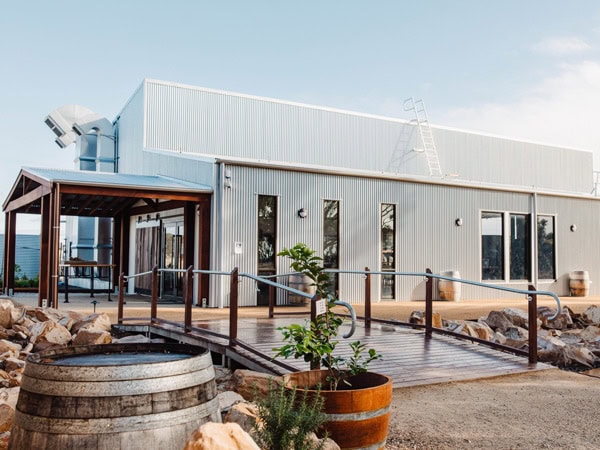
We’ve developed an insatiable appetite for the juniper-infused drink; from bars to masterclasses and festivals, gin continues to capture our attention. In less than two decades, the nation’s top producers have risen to international acclaim; Yarra Valley-based Four Pillars Gin , Sydney’s Archie Rose Distilling Co. , McLaren Vale’s Never Never Distilling Co. and South Australia’s Kangaroo Island Spirits (one of the first Australian distilleries to produce gin using native botanicals back in 2007) are among our most awarded. This brave new world of gin has thankfully met its match with the emergence of premium tonic waters – think Fever-Tree, CAPI, Quina-Fina and StrangeLove.
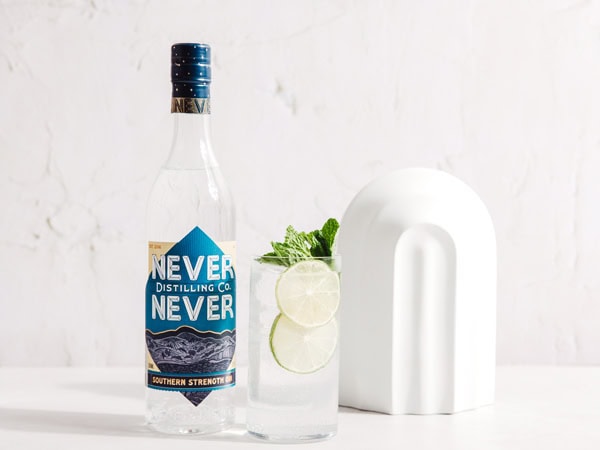
But it’s the commitment to quality, sustainability and spirit of innovation that continues to be the driving force behind the fledgling industry’s success with flavour profiles such as lemon myrtle, wattle seed, finger lime, Tasmanian pepperberry and more delivering a uniquely Australian expression like no other spirit can.
14. Adelaide to Birdsville (and beyond)
Travelling with: Steve Madgwick
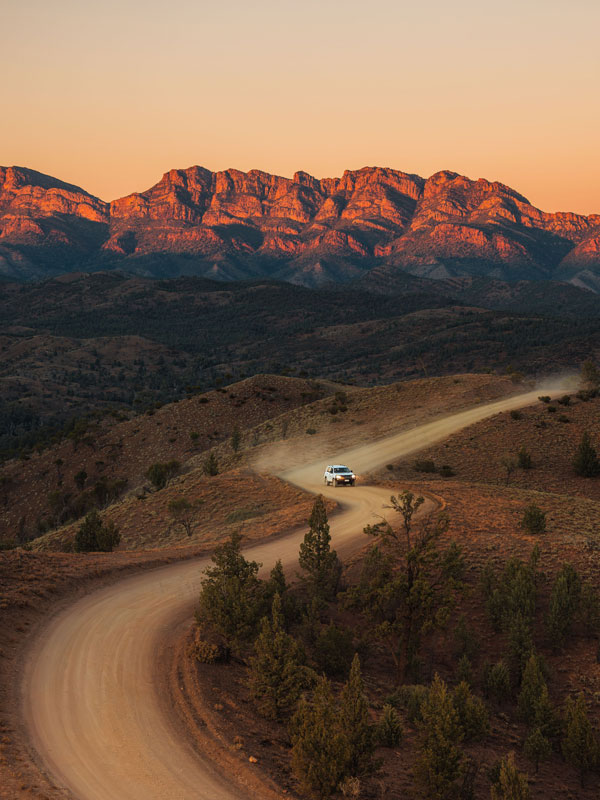
South Australia has some of the country’s most accessible outback but also some of its most fabled. This choose-your-own-adventure, 4WD-only journey begins in earnest in the southern Flinders Ranges. Your options are as wide as your time and budget.
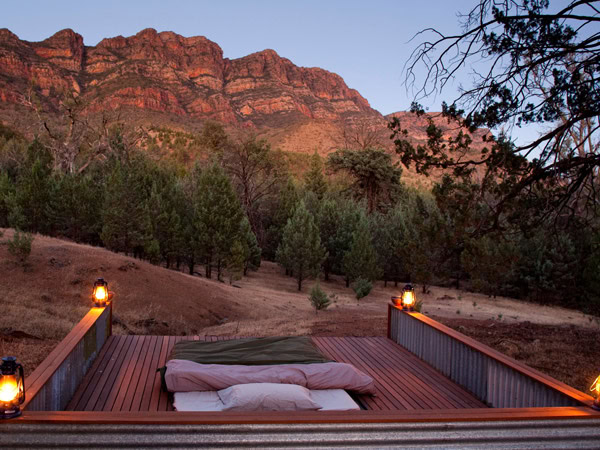
Stop at Ikara/Wilpena Pound for big-payoff hikes. Check out fossils of earliest-known life at Nilpena Ediacara National Park. Side-trip to Arkaroola Wilderness Sanctuary for a ridgetop sleepout and yellow-footed rock-wallaby spotting. Appreciate the ancient and modern cultures of the Adnyamathanha on an Elder-led tour at Nepabunna .
If you’re truly prepped for the outback, you can explore either the Birdsville or Strzelecki (via Innamincka) tracks northwards, all the way to that mythical outback pub (and beyond).
15. Savannah Way
Travelling with: Kassia Byrnes
Scrubby trees give way to Australia’s iconic red soil, signalling a change from the dense bushland of coastal north Queensland to the rolling hills and dramatic gorges of the outback.
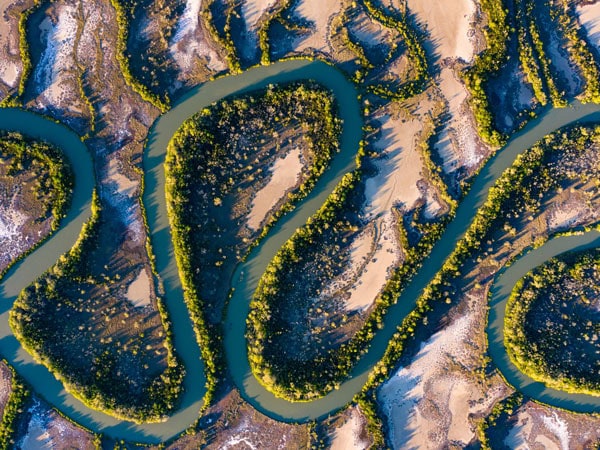
This is the Savannah Way , a 3700-kilometre stretch of road from Cairns to Broome. While not as well known as other iconic Aussie road trips, it boasts more stops of natural beauty and significance than most.
See the world’s longest lava tube system, paddle Cobbold Gorge, enjoy incredible views of Nitmiluk Gorge, stargaze in Burketown and end your trip watching the sky change colour at sunset over Broome’s Cable Beach.
16. Gorgeous gorges across Australia
Travelling with: Megan Arkinstall
The second widest gorge in the world, pipped only by the Grand Canyon, is in NSW’s backyard. Capertee Valley is cradled by sandstone cliffs that have been carved over millions of years.
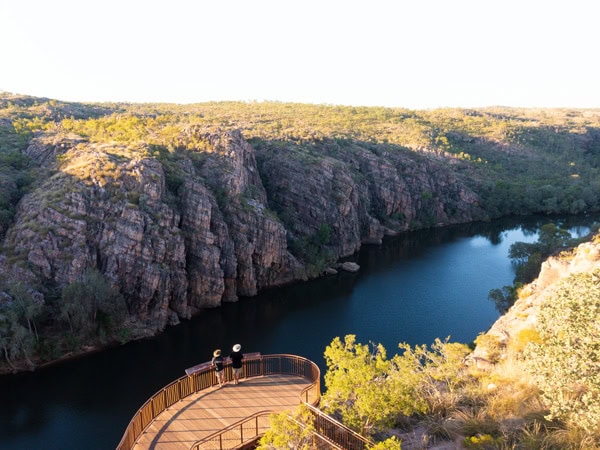
Australia’s vast landscape is punctuated by manifold gorges, including Nitmiluk (Katherine) Gorge in the Top End, which comprises 13 ravines sliced by the Katherine River.
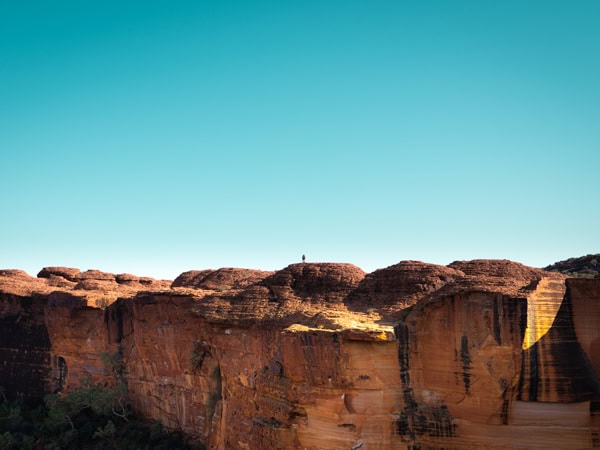
Towards the navel of the country, the mighty red cliffs of Kings Canyon span up to 300 metres in height, providing breathtaking views across the desert.
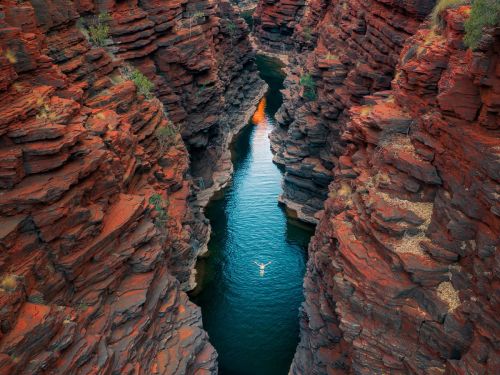
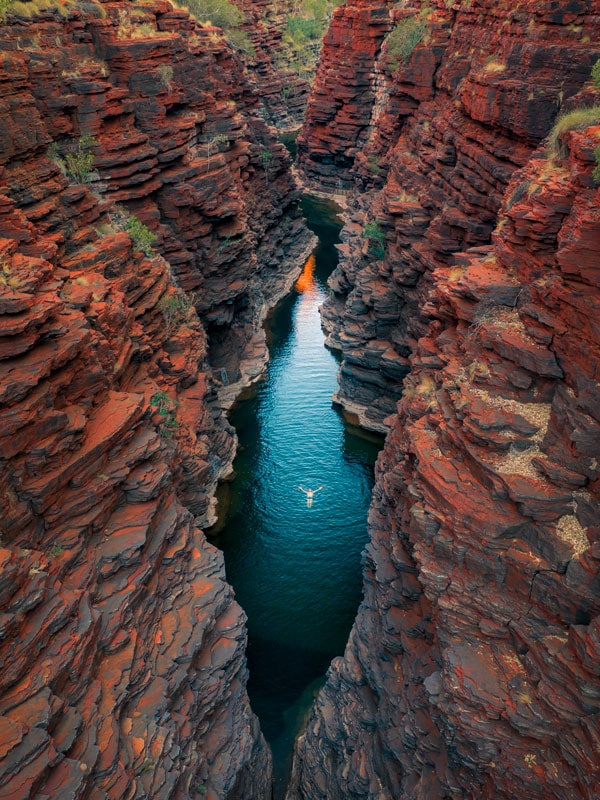
Western Australia’s claim to gorge fame is the spectacular Karijini National Park, a tropical semi-arid landscape where fern-lined swimming holes and gushing waterfalls are hidden within the vertical rock faces.
Weekly travel news, experiences
insider tips, offers, and more.
17. Australia’s wonderous waterfalls
Travelling with: Carla Grossetti
Waterfalls in Australia can go from a tumbling trickle to a thundering roar after a sheeting downpour in the wet season.
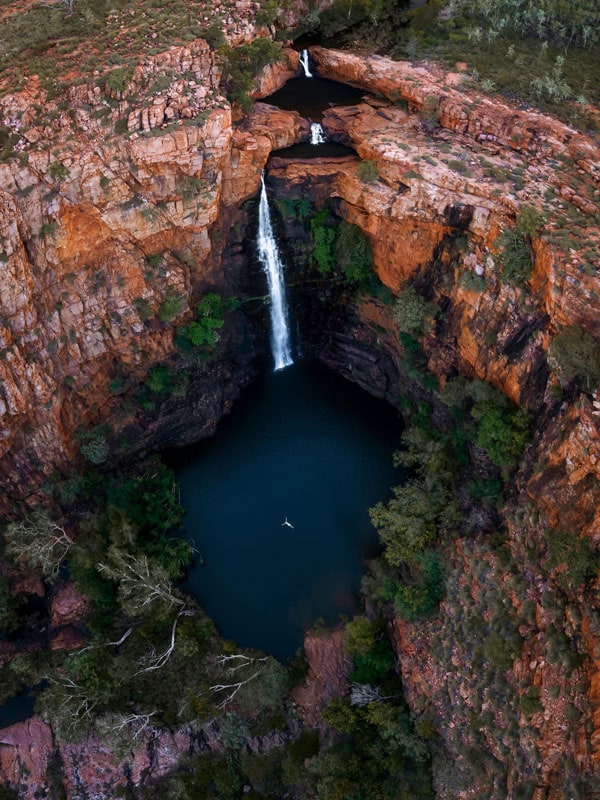
Expect a couple of jungle nymphs to swing from the liana vines near Fairy Falls in Tropical North Queensland. Pack your bathers for a bracing dip in the natural rock pool at Kondalilla Falls, which you’ll often find swathed in mist in the Sunshine Coast Hinterland. Seek out the falls and swimming holes of El Questro and spectacular four-tiered Mitchell Falls (Punamii-Uunpuu) in WA’s mighty Kimberley region.
And while Horizontal Falls (Garaanngaddim), also in the Kimberley, is not technically a waterfall, it deserves special mention for being spectacular when the tides are at their highest in the winter months and it morphs into a churning mass of fury.
18. Remarkable rocks
Travelling with: Megan Arkinstall
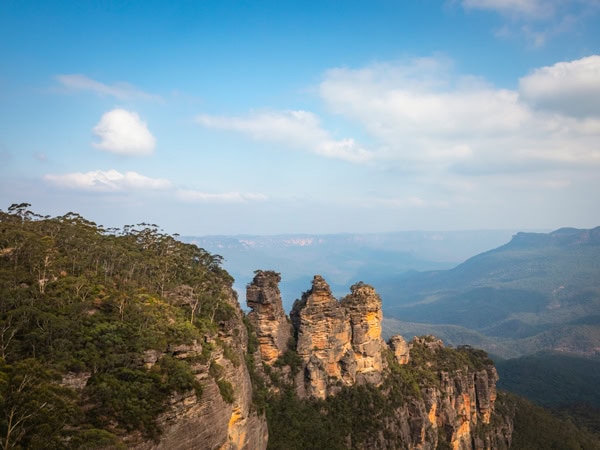
Billions of years in the making, unique rock formations draw people in far and wide for ogling and photo ops. Some are easy to get to – such as the Blue Mountains’ Three Sisters and Victoria’s 12 Apostles – but others rise out of barren landscapes seemingly in the middle of nowhere, making them even more awe-inspiring.
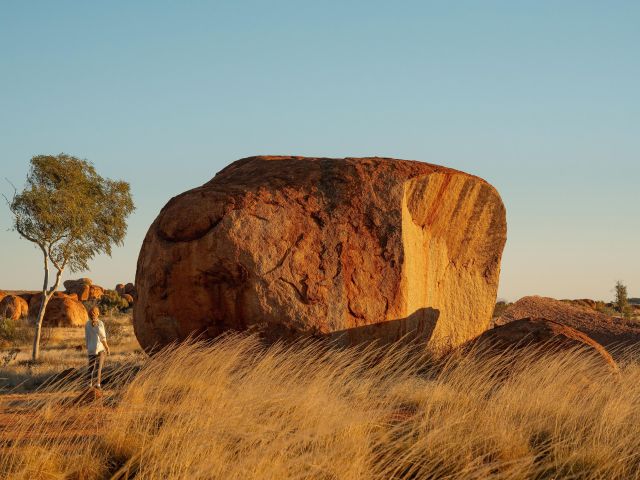
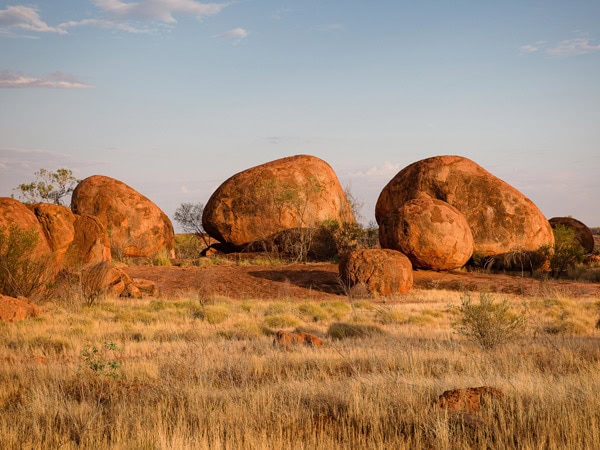
On WA’s Coral Coast, thousands of natural limestone Pinnacles stand up to five metres tall. Four hours inland, the 110-metre-long, 15-metre-high Wave Rock is the only swell you’ll find this far from the coast. Kangaroo Island’s Remarkable Rocks perch above the sea in Flinders Chase National Park. And the NT’s Karlu Karlu (Devils Marbles) is a sacred site for the Warumungu, Kaytetye, Alyawarra and Warlpiri peoples, comprising giant granite boulders mysteriously scattered across a wide valley.
19. Christmas Island
Travelling with: Fleur Bainger
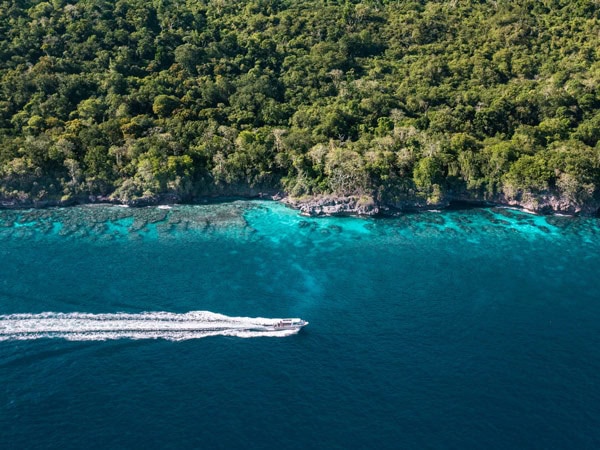
The Jurassic feel of Christmas Island’s black volcanic rock and fluttering leafy plants is elevated when you look up to the skies and down to the forest floor. Creatures synonymous with the Galápagos Islands are found here: brown booby birds shrouding fluffy white chicks or nesting atop sheer cliffs, and inky frigatebirds soaring overhead with bright throat pouches flashing red.
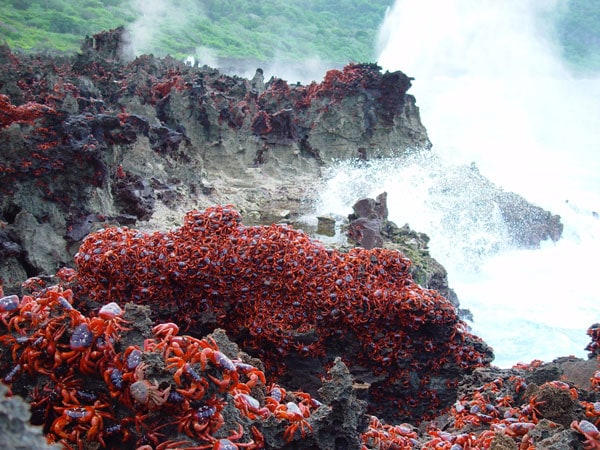
There are more than 20 species of crab, with an estimated 60 million iconic red crabs flooding the streets during their October or November migration to spawn.
Christmas Island National Park covers 63 per cent of the wild isle and efforts to protect it are collaborative. Regular marine debris clean-ups are held on beaches to clear reams of ocean plastics – voluntourism at its best. WA’s Tangaroa Blue Foundation is holding a series of clean-ups from 14–21 June as part of its Keep Christmas Island Beautiful Week.
20. Murray River
Travelling with: Taylah Darnell
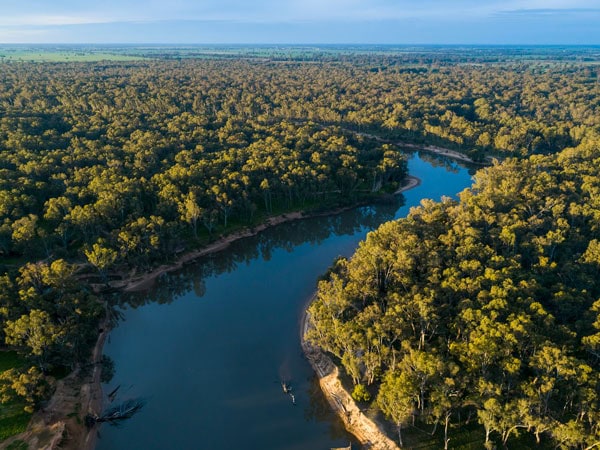
The ancient Murray River crisscrosses the border of NSW and Victoria like a thread down the haphazard seam of a blanket, from the NSW Snowy Mountains to the Murray mouth near Goolwa in South Australia, sustaining the land and Traditional Owners along its shores for more than 40,000 years.
In a constantly changing landscape, the river remains a stalwart of the country it runs through, acting as an important cultural symbol, trade route and integral part in farming and agriculture. Communities have built their lives around it and will continue to do so for as long as the water flows, developing a strong connection to the river that is as deep as the Murray itself.
21. Australia’s Big Things
Travelling with: Megan Arkinstall
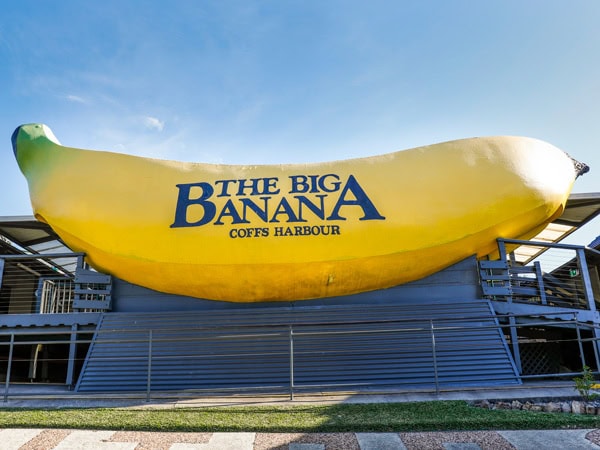
A road trip would be incomplete without a kerbside cameo from a Big Thing. While it’s a battle between Coffs Harbour’s Big Banana and Adelaide’s Big Scotsman for the oldest Big Thing, the 13-metre-long yellow fruit is arguably the country’s most famous. (Just don’t tell The Big Pineapple on the Sunshine Coast.)
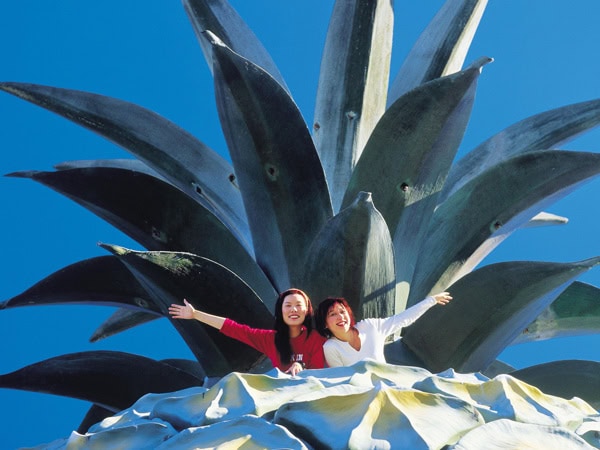
Australia’s Big Things make for the best (and cheekiest) photo ops, such as Goulburn’s Big Merino, the 100-tonne sheep whose nether regions are well photographed. Or the curious-looking Big Potato in Robertson, in NSW’s Southern Highlands. Say cheese with a six-metre statue of outlaw Ned Kelly in Glenrowan; have a stubby by The Big Stubby in the NT’s now-infamous town of Larrimah; or pose in front of an eight-metre-tall bin in Kalgoorlie, WA. Big, weird and wonderful.
22. Luxury Lodges of Australia
Travelling with: Megan Arkinstall
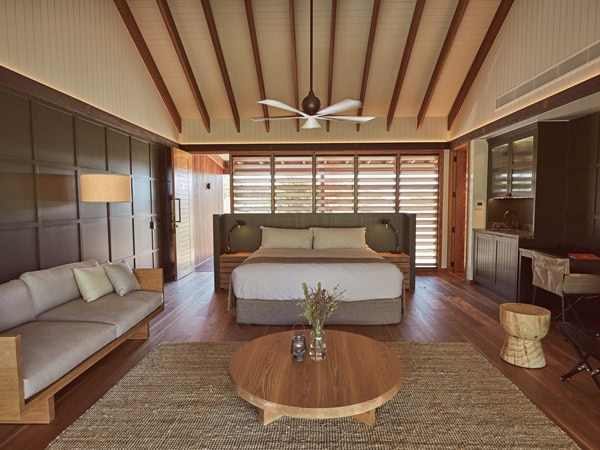
Premium accommodation and exceptional service is the benchmark when it comes to luxury. Where the Luxury Lodges of Australia differ is the connection to place through exclusive access to bespoke experiences – what’s more luxurious than that?
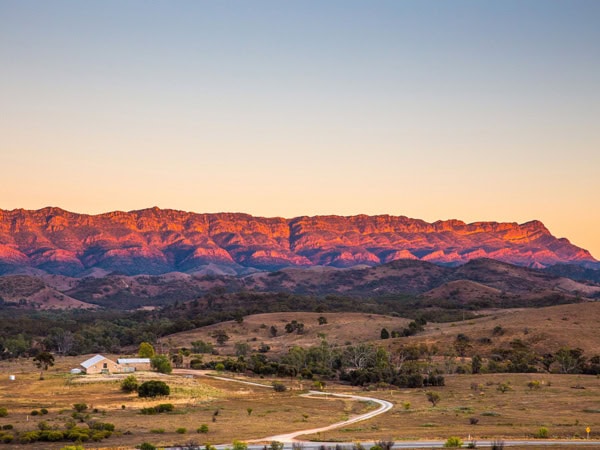
Guests can walk through remote rock art sites in Arnhem Land as part of a heli safari while staying at Bamurru Plains in the Top End; try their hand at mustering cattle while checked into outback Queensland’s Mt Mulligan Lodge.
Learn all about bushcraft on NSW’s beautiful Central Coast during a sojourn at Pretty Beach House or hike through Ikara-Flinders Ranges National Park with an Adnyamathanha Elder at Arkaba, SA.
23. Aussie pubs
Travelling with: Megan Arkinstall
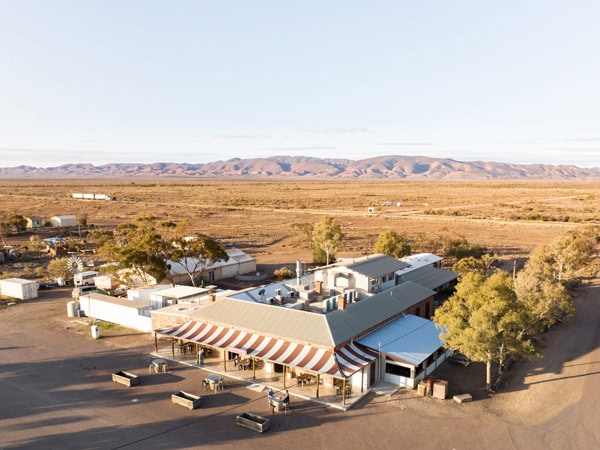
Pubs have become more than a place to sink an ice-cold beer – they are ingrained in our culture and are as iconic as they are diverse.
There are the classic, timeworn hotels, such as Hobart’s Hope and Anchor Tavern, Australia’s oldest continually licensed hotel; Characterful and remote watering holes where visitors pin mementoes to the walls, like outback Queensland’s Birdsville Hotel or the NT’s Daly Waters Pub; Historic hotels that have been reincarnated with style – such as Newcastle’s Great Northern Hotel, The Royal in Perth and SA’s Prairie Hotel in the Flinders Ranges; Cultural institutions such as LGBTQIA+ icon The Imperial in Erskineville, Sydney; And live music hotspots like The Espy in St Kilda.
No matter what corner of the country, great Aussie pubs are at the heart of our communities and the setting for core memories.
Keep reading our 100 Australian Wonders series; from road trips, outback and cultural wonders to foodie wonders and many more.

Editor
View profile and articles