Give way to spontaneity and discover some hidden gems along the road less-travelled.
Here are 9 of Australia’s best off-the-beaten-track road trips to inspire you from our special 100 Amazing Road Trips around Australia series.
Off-the-beaten-track road trips
- Atherton Tablelands, Qld
- Darling River Run, NSW
- Oodnadatta Track, SA
- Tassie’s interior
- Arnhem Way, NT
- Launceston to Penguin/Stanley/Tarkine, Tas
- Sydney to Birdsville (and back)
- Cocos Keeling West Island Tour
- Port Douglas to Coolangatta, Qld
75. Atherton Tablelands, Qld
I am enjoying a cup of coffee on the polished concrete terrace at Lumholtz Lodge, 93 kilometres from Cairns, when I notice owner Margit Cianelli striding towards us with an enormous tree kangaroo wrapped around her shoulders, its paws propped casually upon her head.
Spotting tree kangaroos in Atherton
We had been hoping the rare tree kangaroo would make a cameo at this off-the-beaten-track property on the Atherton Tablelands, but Nelson works to his own schedule, so to see him is both a surprise and a delight.
“Nobody can make a tree kangaroo do anything it doesn’t want to do. Nelson is a wild animal," says Margit, who trained as a zookeeper at Wilhelma, a zoological-botanical garden in Stuttgart, before moving to Australia in 1972. The 72-year-old has dedicated the past 50 years to caring for sick and injured wildlife in Tropical North Queensland and is so invested in the Lumholtz tree kangaroo she named the lodge in its honour.
Indigenous names for the unusual marsupial are mabi, muppie and boongary, and the scientific name is Dendrolagus lumholtzi, a nod to Norwegian explorer and naturalist Carl Sofus Lumholtz who discovered the animal in 1883.
Lumholtz Lodge – a rescue shelter
Margit has built an enclosure on her property that is populated with orphaned tree kangaroos, such as Nelson, as well as ringtail possums and ground-dwelling pademelons she has rescued from the pouches of roadkill.
After climbing down Margit’s back, the pendulous macropod regards us with complete indifference before bouncing along the bough of a giant fig tree and using its broader hind feet to reverse into the jungle. It’s a slow and steady exit stage left.
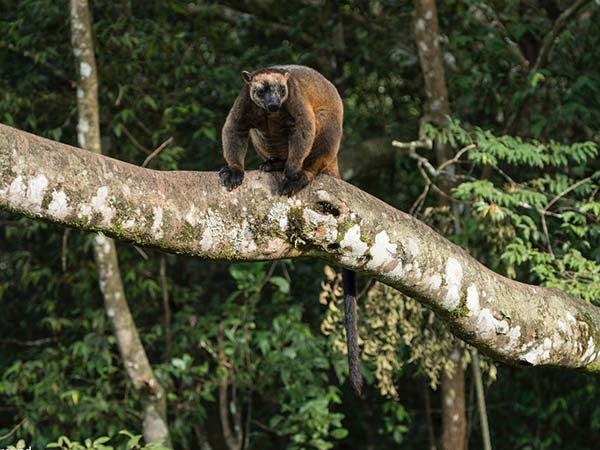
“Tree kangaroos have very big bottoms and a long black tail to help them balance. Although they are very agile, and can bounce along and jump from tree to tree, they have to go backwards on steep sections," says Margit, who is renowned around the world as an authority on the species.
During a beautiful banquet under a velvety night sky, we learn about Margit’s dedication to increasing awareness about the tree kangaroo and providing a sanctuary for native species. And in the morning we head south-west for 18 kilometres to learn about another grassroots approach to conservation.
The Tolga Bat Hospital
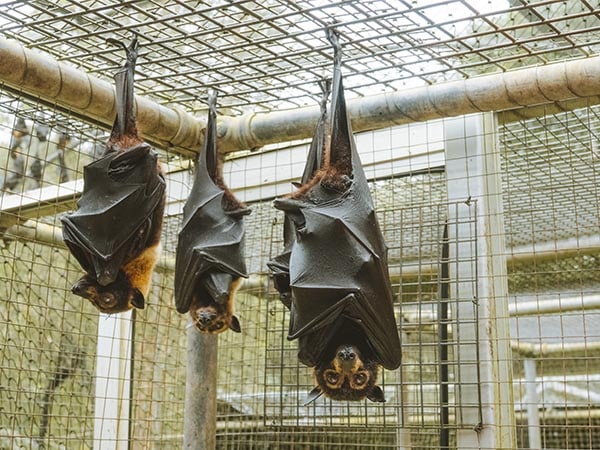
It’s on full show at the Tolga Bat Hospital, where we hear the echolocation calls of microbats, observe the 200-odd resident bats, which include spectacled flying foxes, and learn about the Rescue, Rehab and Release program designed to facilitate a better future for bats.
Wildlife and Botanical Walking Track
Our immersive tour of the Atherton Tablelands continues in Yungaburra, a further 17 kilometres along State Route 52, where we spot platypus from the viewing platform at Peterson Creek and bounce across the suspension bridge at the Wildlife and Botanical Walking Track.
After lunch at Little Eden, it’s a short drive to the Curtain Fig Tree where the branches of a strangler fig have been braided together over about five centuries to form a soaring structure that juts skyward from the forest floor.
Crater Lakes National Park
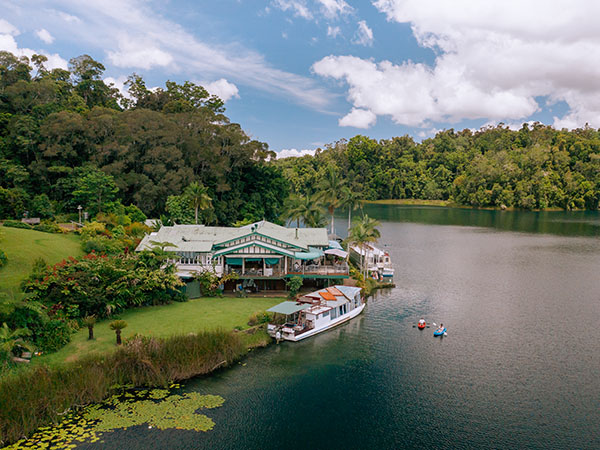
Lake Barrine, some 10 kilometres away, is another ecological wonderland in the midst of Crater Lakes National Park. The volcanic crater lake is set like a gem in the landscape and encircled with wild rainforest. It’s where you’ll find the monumental twin bull kauri pines, which tower above the tree canopy and are estimated to be about 1000 years old.
Nearby highlights
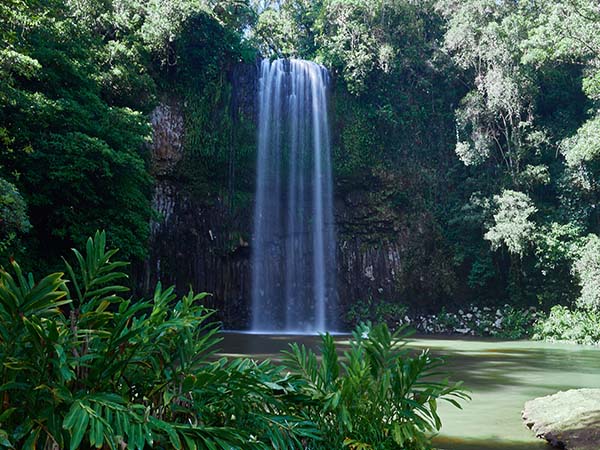
Other off-the-beaten-track sites that deserve top billing on the Tablelands include: Mt Hypipamee, a volcanic pipe crater that is more than 70 metres deep; Mungalli Farmhouse Cafe where you can fuel up on the farm’s biodynamic dairy products, including cheeses, milk and ice-cream; and a 17-kilometre waterfall circuit that loops in Ellinjaa Falls, Zillie Falls and Millaa Milla.
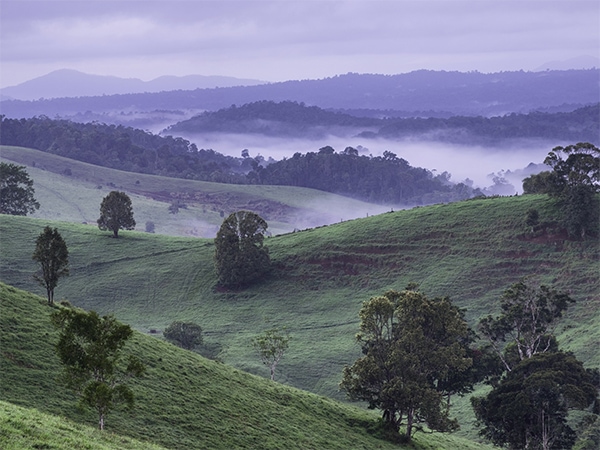
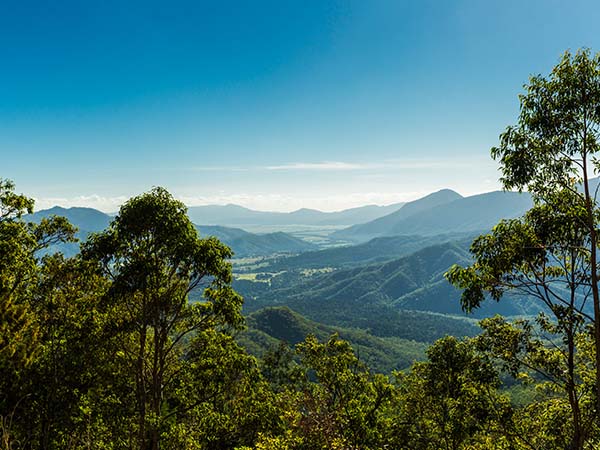
Imagine an artist has been careless with their pot of green paint and you will get a visual of the verdant landscape surrounding Nerada Tea Plantation, located on the bony spine of Queensland’s highest mountain range about an hour’s drive from Yungaburra and on the way back down to Cairns via the Gillies Range Road.
As well as being tea territory, the plantation is a wild playground for nature lovers. Stop for tea and treats at the 360-hectare estate and you might also encounter tree kangaroos in the tufted trees all around.
The Atherton Tablelands, inland from my home town of Cairns, is the backdrop of my childhood. Yet after three decades of returning home, I’ve now seen it anew. Visit now, as the region is camera-ready for a close-up.
Distance:
363 kilometre round trip from Cairns
Words by Carla Grossetti
76. Darling River Run, NSW
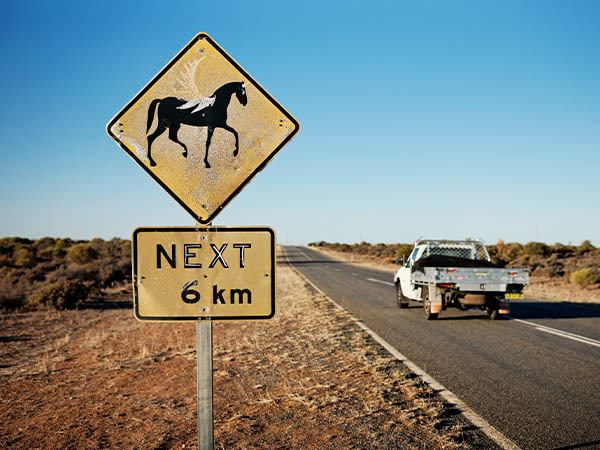
Following the unsealed Darling River Run is part open-space therapy, part in-depth education in Australian geography and history.
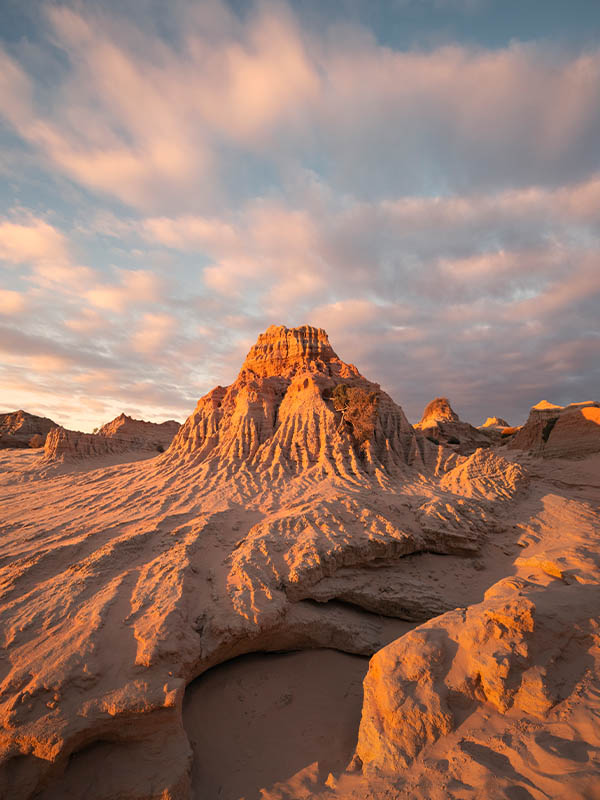
Kicking off at the relative metropolis of Wentworth in far western NSW, the first stop (and highlight) is Australia’s cultural ground-zero, Mungo National Park. It’s home to the 40,000-year-old Mungo Man and Mungo Lady, and the mind-altering, shadow-bending Walls of China, clay ‘lunettes’-cum time capsules that rise resplendently from this ancient landscape.
The Run’s breaths-of-fresh-air keep on coming: cruising the bird-magnet of Menindee Lakes; overnighting at the country-sized Trilby Station; and delving into Henry Lawson’s Australia at the Back O’ Bourke Exhibition Centre.
Drop by Brewarrina to see and hear about what some claim is the world’s oldest human-made structure, the Brewarrina Fish Traps.
Need tips, more detail or itinerary ideas tailored to you? Ask AT.
AI Prompt
Stay:
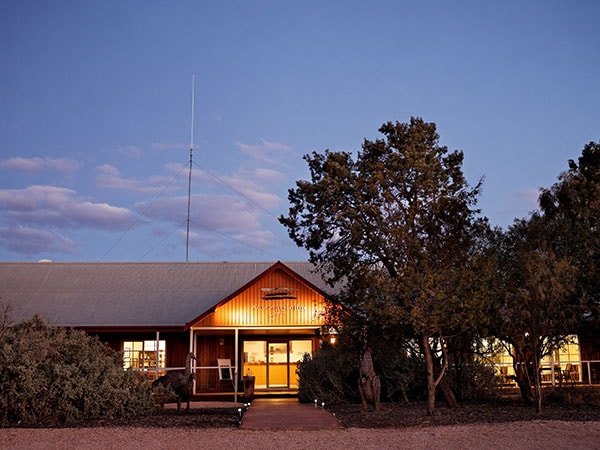
Mungo Lodge is the smartest digs (with a nice on-site restaurant) for hundreds of kilometres in either direction.
Distance:
950 kilometres (route dependent)
Words by Steve Madgwick
77. The Oodnadatta Loop, SA
This achievable Adelaide-to-Adelaide outback odyssey is an all-in antidote to everyday life: stuffed with whimsical things you’d never thought you’d see, from horizonless lakes that become the sky-to-desert outposts that tussle for survival with singular spirit and personality.
Adelaide to Flinders Ranges
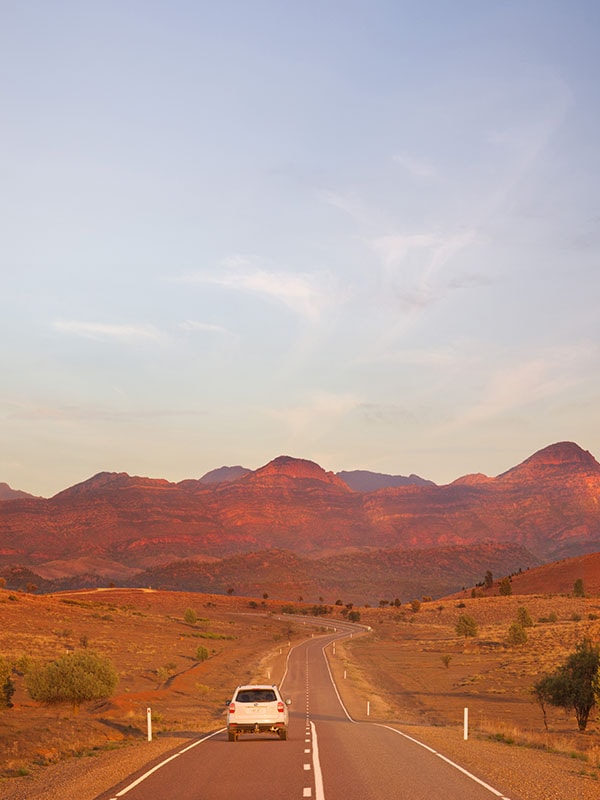
From Adelaide, wend your way north through Yorke Peninsula’s snoozy coastal hamlets before the gradual climb into the fetching Flinders Ranges. Pause for a couple of days to digest the majesty of the ranges’ spiritual ticker, the marvellously grand Ikara (Wilpena Pound).
Parachilna
As the Ranges melt into the plains to the north, you must pull into Australia’s fairest outback pub, Parachilna’s Prairie Hotel, for a Feral Mixed Grill (camel sausage, kangaroo fillet, emu mignon) and a wine/beer of transcendent provenance.
From here, the South Australian outback rolls out before your eyes, punctuated by towns that were once proud vertebrae in the Central Australia Railway backbone, stomping ground of those legendary nation-builders, the Afghan cameleers.
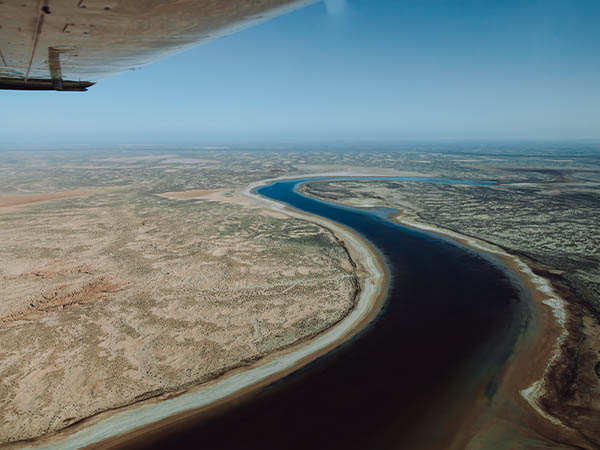
Lake Eyre
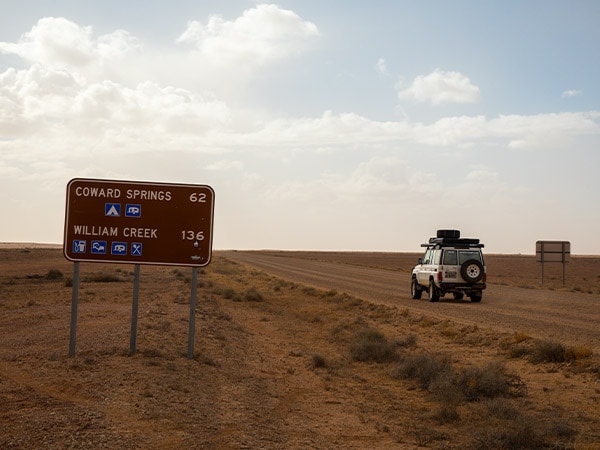
If the big board at Marree says ‘open’, you’re ready to tackle a section of the Oodnadatta Track; stage left at the Lake Eyre Yacht Club (yes, really). You don’t need a military-grade 4WD or to be a four-wheel-driving nerd, but be prepared: carry water, spares tyres (deflate as required), notify people when you should be expected, and defer to locals for road goss.
Keep an eye out for the Mutonia Sculpture Park – which is marked by two planes that mirage tail first from the red dirt – before you reach Kati Thanda-Lake Eyre-front William Creek Hotel, a quintessentially offbeat outback watering hole and headquarters for flights over Australia’s grandest salt lake that depart from its nearby airstrip.
Oodnadatta or Coober Pedy
Head up to Oodnadatta (if you have time) and down (or cut across directly) to opal-mining anomaly Coober Pedy, with its underground churches and hotels, and proudly shady characters who don’t care what you think but are glad you came.
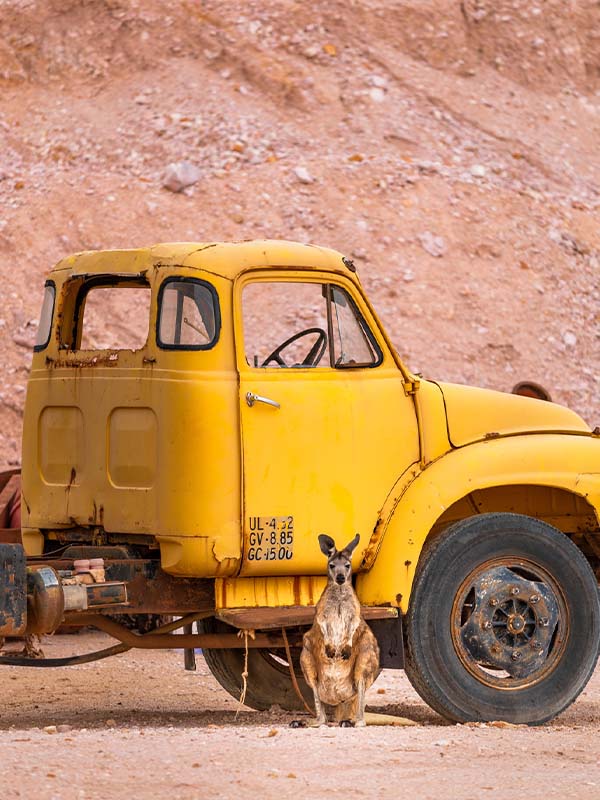
Clare Valley to Adelaide
After a couple of eccentric days in CP, hit the tarmac back to Adelaide, stocking up on Clare Valley Riesling on the way through if you’re still feeling frisky.
Distance:
1900 kilometres round trip (route dependent)
Words by Steve Madgwick
78. Tassie’s interior
This isn’t a road trip. It’s looking through a viewfinder; scenes that change by the hour as we lasso Tasmania’s north-eastern heart – snow-fringed lakes to rainforest, dairy pastures to lichen-coated granite, golden plains and towering peaks.
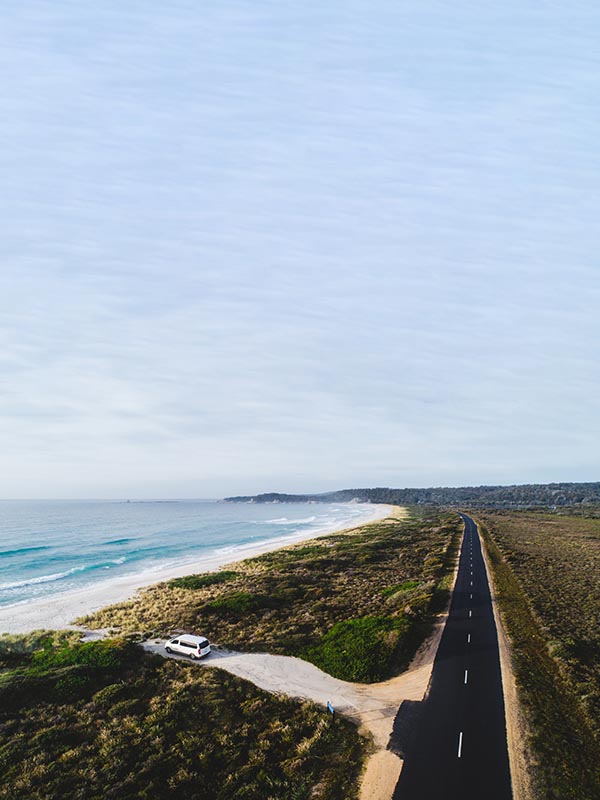
Like any adventure, the best road trips are those that happen when you take an unexpected turn. Mislaid plans to explore Cradle Mountain with a toddler during a cold snap have led us north, skirting yingina/The Great Lake where quintessential Tassie shacks hide between the trees.
It leads us, and our campervan, to Deloraine – 40 minutes shy of Launceston – where our campsite offers up platypus spotting and the worthy kooparoona niara Cultural Trail on the banks of the Meander River.
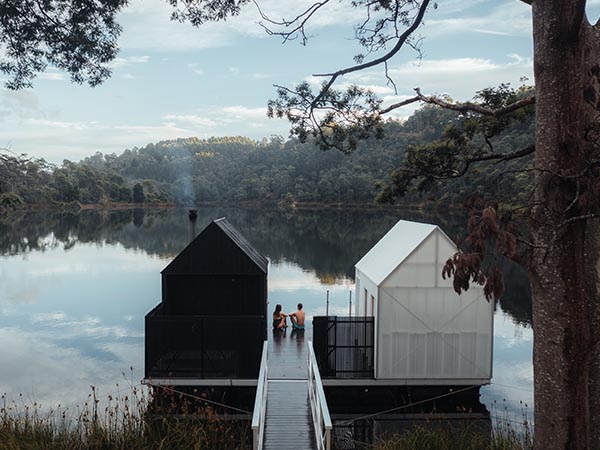
While our ultimate destination is Falmouth on the east coast, what we do between here and there is open to chance. It means we end up balancing wine tasting in the West Tamar Valley with an indoor play centre in Launceston on a rainy day. We free camp amid mountain-biking families in Derby and I plunge into its frosty depths after stints in the Floating Sauna.
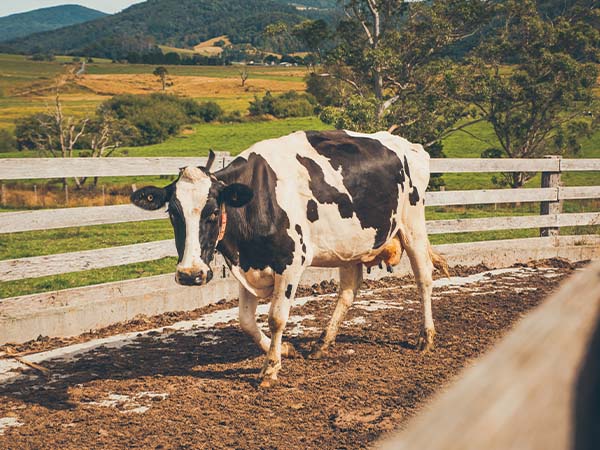
We hike to St Columba falls and go cow-spotting at Pyengana Dairy and, as we emerge in St Helens, greens make way for piercing turquoise seas lapping scarlet rocks and we camp in the dunes for next to nix.
En route to Launceston, the scenery – past Ben Lomond National Park, through small towns like Fingal, Conara and Carrick – only proves how cinematic Tassie really is.
Distance:
532 kilometres
Words by Celeste Mitchell
Weekly travel news, experiences
insider tips, offers, and more.
79. Arnhem Way, NT
Hit the road in the Top End for a 4WD adventure into one of Australia’s last unspoilt areas. The Arnhem Way starts 50 kilometres south of Katherine and heads north-east to Nhulunbuy on the Gove Peninsula. You’ll need a permit from the Northern Land Council to travel here but the extra admin is worth it for your chance to experience the culture and beauty of the region it helps preserve.
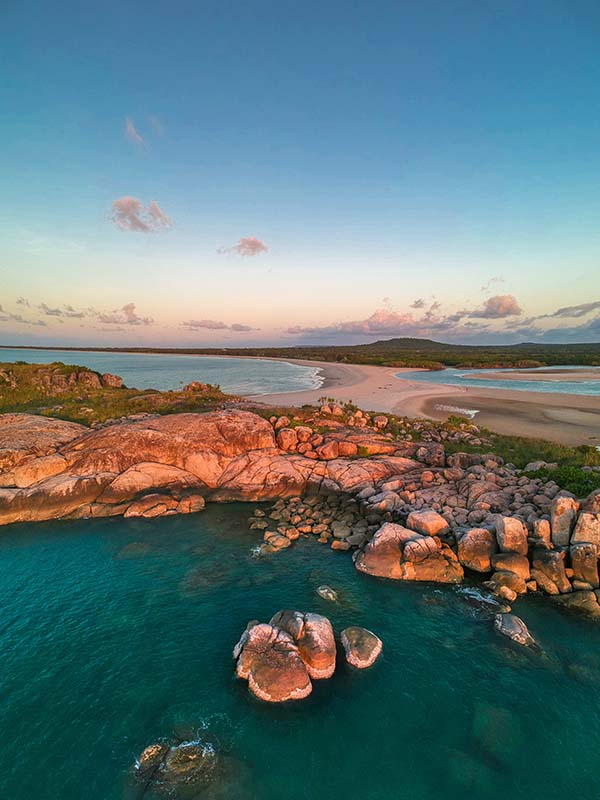
The eye-opening journey affords the opportunity to splash in freshwater swimming holes, visit Buku-Larrnggay Mulka Art Centre at Yirrkala, walk through wetlands, stroll the sands of the spectacular East Arnhem Land coastline, and even steal away to eco-friendly Banubanu Beach Retreat on Bremer Island, a 15-minute flight from the peninsula.
Distance:
730 kilometres
80. Launceston Loop, Tas
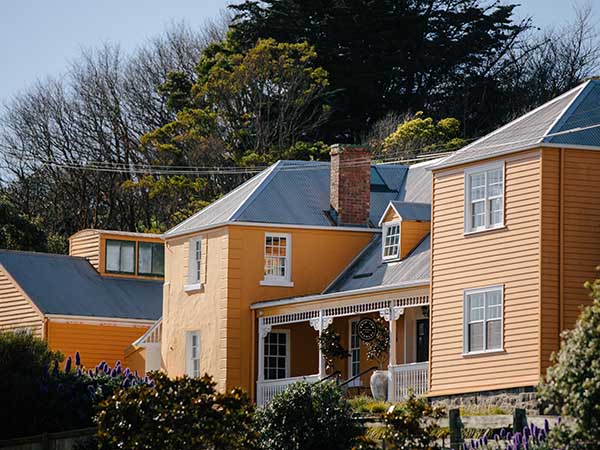
Tasmania’s north-west coastline provides one of Australia’s most blissfully lonely drives. Head north-west from Launceston taking in some of the Cradle to Coast Tasting Trail (you’ll traverse some of Tasmania’s most productive farmland) till you reach tiny towns with names like Penguin built right on the water’s edge.
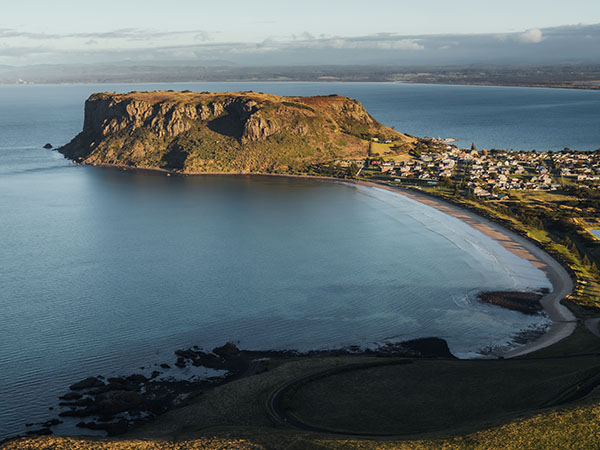
There’s more tractors than cars out here; stop in Stanley for a night at the 173-year-old Ship Inn, then head out to the west coast and follow the cliffs where Australia’s biggest waves break till the road turns gravel as you loop your way through takayna/Tarkine, the second largest tract of cool temperate rainforest left on Earth.
Distance:
600 kilometres (loop from Launceston)
Words by Craig Tansley
81. Sydney to Birdsville (and back)
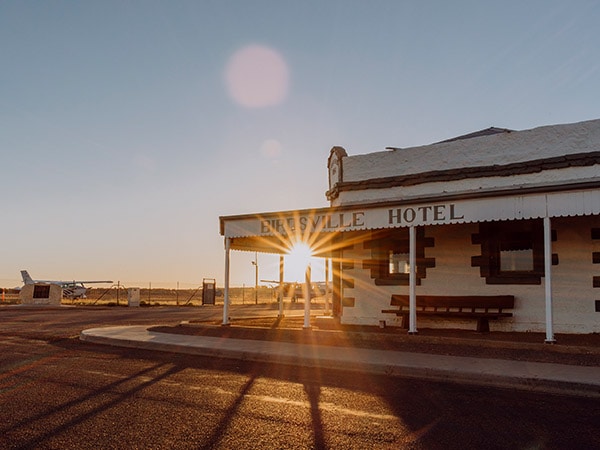
Sure, you could fly from Sydney to Birdsville, but then you’d miss seeing Nyngan’s Big Bogan statue and saying you’ve been to Betoota. You’d also miss dodging emu mobs, errant cattle and feral goats while driving through Queensland’s Channel Country.
You’ll kick up red dust and gibber stones along the austere Birdsville Developmental Road, but once you reach devilishly remote Birdsville, a tinnie of XXXX beer on the pub verandah never tasted better.
Distance:
1921 kilometres
Stay:
After a four-day drive, the legendary Birdsville Hotel’s cosy rooms, barista-made coffee, ice-cold beers and top-notch pub meals are a godsend.
Words by Jo Stewart
82. Cocos Keeling West Island Tour
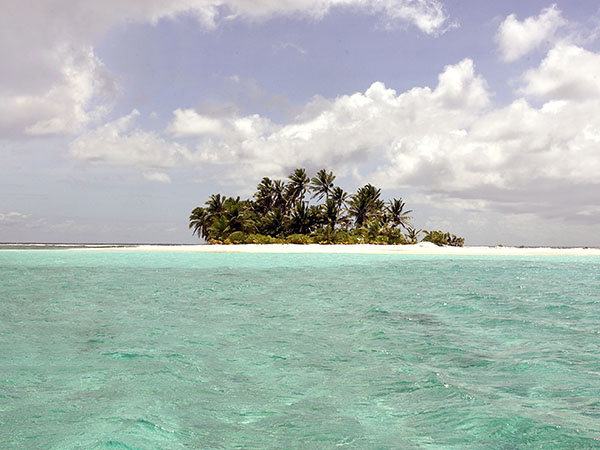
After arriving at Cocos Keeling Islands, the Australian external territory floating blissfully in the Indian Ocean some 2750 kilometres from Perth, hire a car and set o on a suitably slow (50 kilometres per hour is the fastest you can go) road trip around West Island.
One of only two permanently inhabited islands in the circular atoll of 27 (the other is Home Island), driving here is bliss, given it’s just 14 kilometres in length and has just two main roads: Sydney Highway, which starts at the top of the island at the old jetty, and Air Force Road, which ends at the bottom of the island at The Yacht Club.
In between stop at Trannies Beach for swimming, Rumah Baru to feed giant trevally and Scout Park for reef walking. Combine a trip here with ‘nearby’ (980 kilometres nearby) Christmas Island where the main rule of the road is to avoid driving over any of the million or so native red crabs that throng the island during their spectacular annual migration (and every other day of the year).
Stay:
Seaward Cocos is architecturally designed, environmentally responsible and luxuriously appointed, accommodating four adults in (island) style.
83. Port Douglas to Coolangatta on The Electric Super Highway, Qld
Two huge Australian infrastructure projects are making it a breeze to plan an epic e-road trip to hard-to-reach spots. Via a network of 31 fast-charging sites, the Queensland Electric Super Highway already connects the coast from Port Douglas to Coolangatta at spots like Townsville, Mackay, Rockhampton and Brisbane. Phase three of the project will see the route swing inland, meaning you can hit up everywhere from Charleville to Longreach to Winton and Mt Isa in one low- or zero emission road trip.
Western Australia, meanwhile, is busy building Australia’s longest electric highway. Its 45 new electric vehicle-charging sites, spaced no more than 200 kilometres apart to relieve the anxiety of running out of power in a state so vast, will stretch from the red rock of Kununurra in the north all the way to the white sands of Esperance in the south, with spots dotting the coastline from Broome to Kalbarri to Bunbury and inland detours to destinations like Northam and Kalgoorlie too.
Distance:
Route dependent
Keep reading our special Top 100 Road Trips in Australia editorial series.
Want to see more stories from Australian Traveller in your Google search results?
- Click here to set Australian Traveller as a preferred source.
- Tick the box next to "Australian Traveller". That's it.

Australian Traveller
View profile and articles