hero media

The total lunar eclipse tonight is the last of its kind until 2028

Here’s your complete guide to catching a glimpse.

This March, Australians will have front-row seats to one of the sky’s most spectacular shows: a total lunar eclipse. Also known as a blood moon, the celestial event will paint the night in a smouldering palette of oranges and reds. Miss it and you’ll have to wait until 2028 for the next one – when the cosmos will deliver a double feature.

What is a total lunar eclipse?
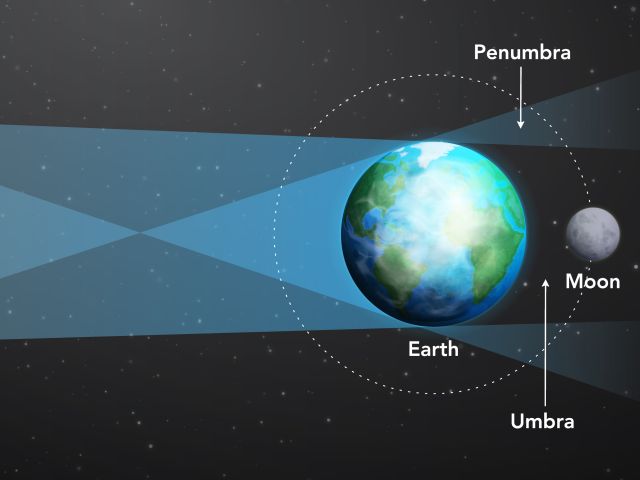
Total lunar eclipse
A total lunar eclipse occurs when the moon enters Earth’s umbral shadow. (Credit: Getty/Yayasya)

Lunar eclipses occur when Earth passes directly between the sun and a full moon, casting a shadow over our closest cosmic friend. While partial eclipses are quite common, a total lunar eclipse requires absolute precision – only unfolding when the Earth, moon and sun fall into near-perfect alignment.

Here’s how it works: Earth’s shadow is made up of two layers. The penumbral layer is the outer part of the shadow, where Earth can only block some of the sun’s light. The inner layer, known as the umbra, is much smaller, so Earth is able to block all direct sunlight.
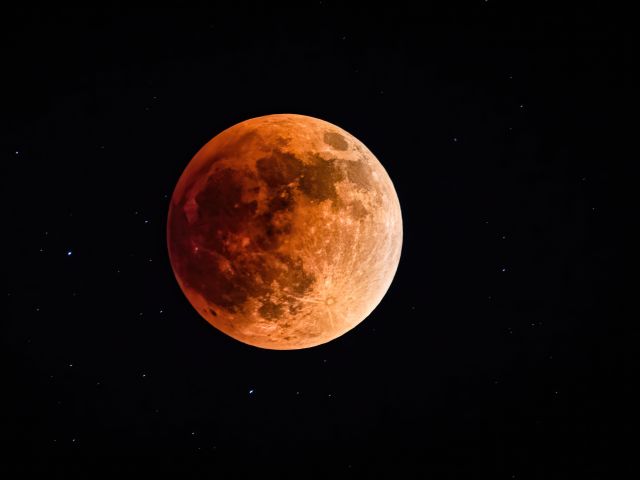
Total lunar eclipse
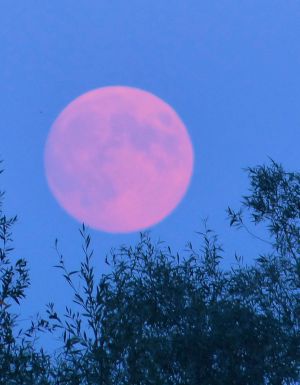
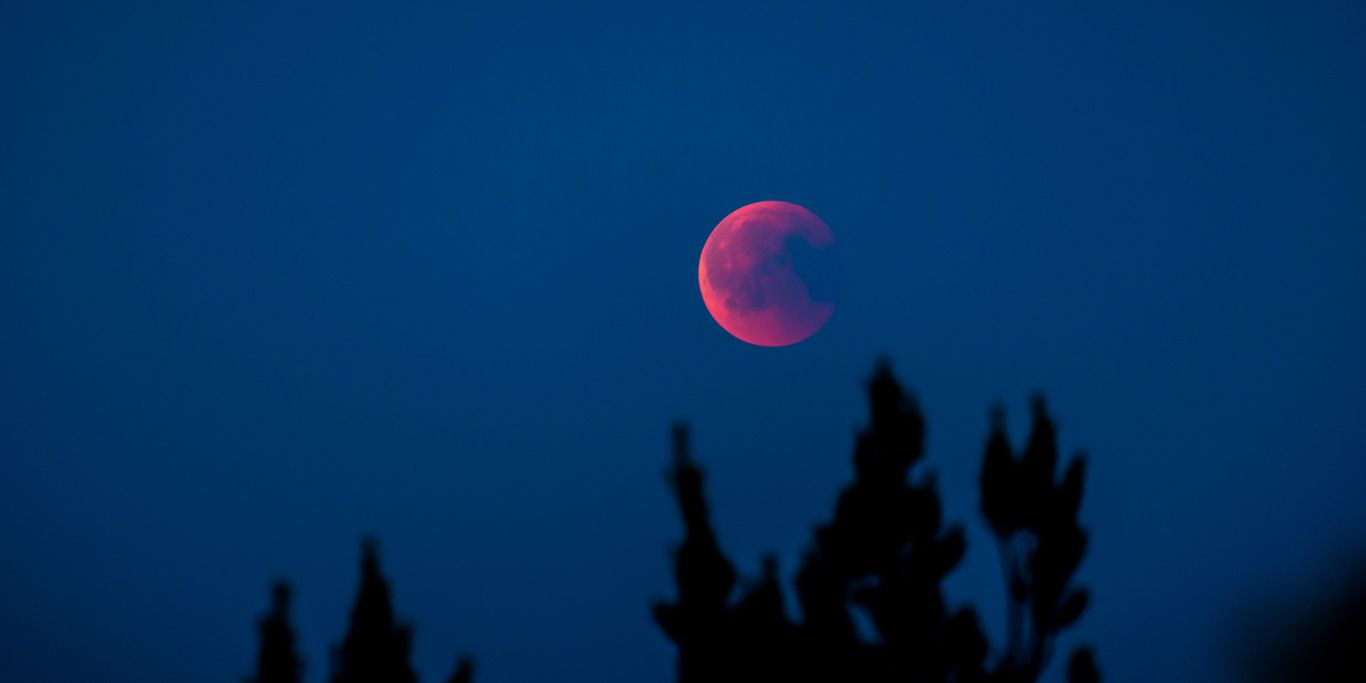
A total lunar eclipse is commonly referred to as a blood moon. (Credit: Getty/Daynjer-In-Focus)

A partial solar eclipse occurs when only part of the moon slips into the umbra, creating a bite-like shadow on its surface. But when the moon falls completely within this dark and dense region, Earth’s shadow envelops the entire cratered surface, resulting in a total lunar eclipse or ‘blood moon’.

Despite its eerie nickname, a blood moon isn’t as sinister as it sounds. Much like the strawberry moon in June, it stems from the colours the celestial event creates. As Earth lines up with the sun and casts its shadow over the moon, our atmosphere bends and filters the light. Blue wavelengths are scattered while red light continues to pass through, bathing the moon in an amber glow that inspired its nickname.

Need tips, more detail or itinerary ideas tailored to you? Ask AT.

AI Prompt

When and where to see it in Australia
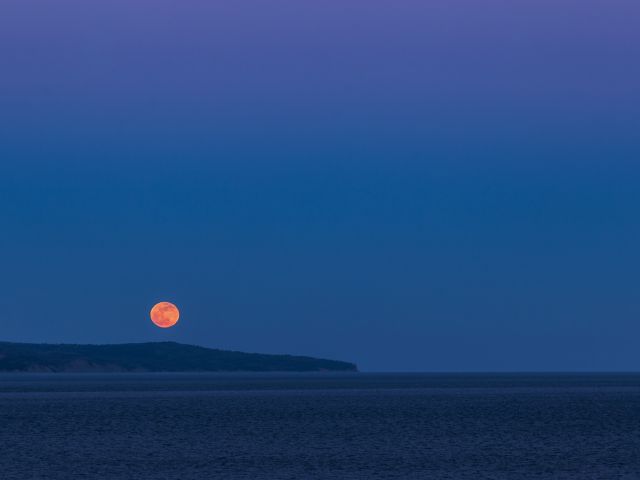
Total lunar eclipse
Australians will have a front-row seat to the blood moon in March. (Credit: Getty/Vodniyaduh)

When it comes to night-sky phenomena, the southern hemisphere is often left in the dark – literally. While last year delivered particularly bright meteor showers like the Perseids, many astronomical events favour the northern hemisphere.

But this year, on Tuesday 3rd of March, the tables have turned. According to NASA , some continents (including Africa and Europe) won’t see the blood moon at all, and sightings in the United States will be limited to the west. Much of South America and Central Asia will only get a partial eclipse, too. For once, it seems like Aussies have the best seat in the house.

The total lunar eclipse will be visible in every state, though totality will occur at varying times. At its peak, the moon will remain fully shadowed for up to an hour – giving you plenty of time to soak it all in.

A quick state-by-state guide to totality*:
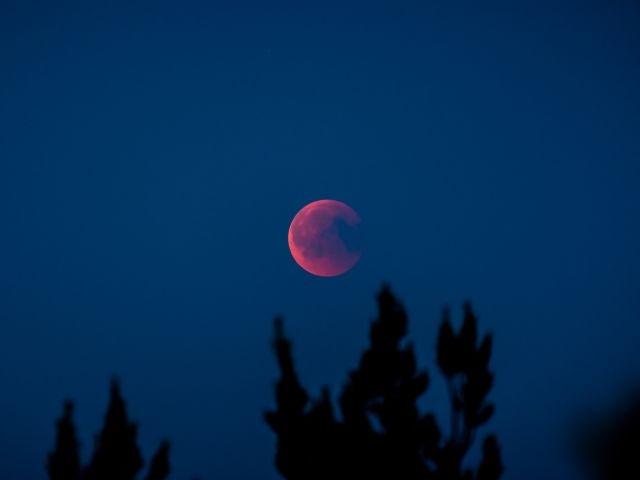
Total lunar eclipse
The celestial show will be visible from every Aussie state. (Credit: Getty/Norwegian Traveler)

Tuesday 3rd of March

City

Time

Peak

Perth

7.04pm-8.02pm

7.33pm

Darwin

8.34pm-9.32pm

9.03pm

Brisbane

9.04pm-10.02pm

9.33pm

Adelaide

9.34pm-10.32pm

10.03pm

Canberra

10.04pm-11.02pm

10.33pm

Hobart

10.04pm-11.02pm

10.33pm

Melbourne

10.04pm-11.02pm

10.33pm

Sydney

10.04pm-11.02pm

10.33pm

Unlike solar eclipses, no special equipment or protection is required to witness the blood moon – just clear skies and a bit of patience. It will also be visible to the naked eye, but keen astronomers can use binoculars or a telescope to get a closer look.

For the ultimate experience, it’s best to go remote – places like Wilpena Pound in SA, Warrumbungle National Park in NSW and WA’s Lake Ballard are some of Australia’s best spots for stargazing.

Weekly travel news, experiences
insider tips, offers, and more.

Save the date in 2028
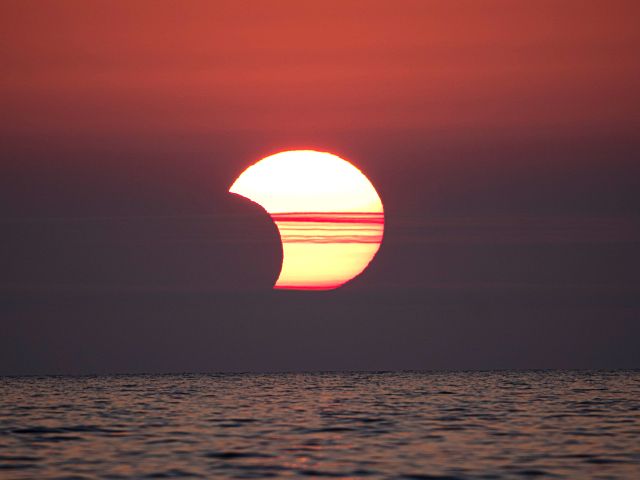
Total solar eclipse
The 2028 blood moon will coincide with a total solar eclipse. (Credit: Getty/Willie Gillespie)

Miss this year’s total lunar eclipse and you’ll be waiting nearly three years for another shot, with the next occurring on 31 December 2028. But even those who do catch it will want to mark their calendars.

Not only will 2028 bring the next blood moon, but it will also deliver something even rarer: a total solar eclipse over Australia. While WA, Queensland and the Northern Territory were treated to a glimpse in 2023, other states haven’t experienced totality since 2002.

In a twist of cosmic luck, WA, Queensland and the NT are in line for another front-row seat come 2028. But this time, one more state will join them – and it may just have the best view of all.

On 22 July at 2pm, the eclipse will reach totality above Sydney, NSW. Lasting up to four minutes, it will mark the city’s first total solar eclipse in more than 20 years – and the last chance to catch one until 2037.

While those in South Australia, Victoria and Tasmania won’t experience totality, you’ll still catch a partial glimpse. But if that’s not enough, there’s ample time to plot a celestial road trip – because it’s moments like this that are worth travelling for.

*Times listed indicate totality window only. Head outside earlier if you’d like to watch the eclipse begin.


Taylah Darnell
Taylah Darnell is Australian Traveller's Writer & Producer. She has been passionate about writing since she learnt to read, spending many hours either lost in the pages of books or attempting to write her own. This life-long love of words inspired her to study a Bachelor of Communication majoring in Creative Writing at the University of Technology Sydney, where she completed two editorial internships. She began her full-time career in publishing at Ocean Media before scoring her dream job with Australian Traveller. Now as Writer & Producer, Taylah passionately works across both digital platforms and print titles. When she's not wielding a red pen over magazine proofs, you can find Taylah among the aisles of a second-hand bookshop, following a good nature trail or cheering on her EPL team at 3am. While she's keen to visit places like Norway and New Zealand, her favourite place to explore will forever be her homeland.
View profile and articles
hero media

7 Great Walks of Australia providing unforgettable adventures

    Rachel Lay Rachel Lay
    Traipse Jurassic cliffs and wander secluded beaches on Australia’s most enchanting walks.

    Australia’s landscapes are made for hiking. Take the Red Centre, dusted in shifting sands and dotted with miraculous geological formations. Or our rainforests, left behind as the sole souvenir from continents that no longer exist. Down south, mottled night skies hang above crashing seas and unwavering cliffs. It makes sense, then, that hiking holidays are rising in popularity. No wi fi, no traffic. Just you and the path less travelled on the Great Walks of Australia in remote and iconic destinations.

    What are the Great Walks of Australia?

    If nature is your happy place, you’ve likely heard of the Great Walks of Australia, part of Tourism Australia’s Signature Experiences program since 2013 – a curated collection of 15 all-inclusive, eco-luxury journeys showcasing the country’s most spectacular landscapes with expert guides and incredible meals. GWOA launching in 2013 as 

    From exploring the peaks of a World Heritage listed island, to journeying through the heart of Australia, and the gentle pull of the majestic Murray – there’s a walking holiday to suit walkers of all experience levels (and interests).

    Joining a Great Walks of Australia hike means the pressure is off with all meals, guides and eco-luxury accommodation included.

    Where can you hike?

    1. Scenic Rim Trail, Queensland

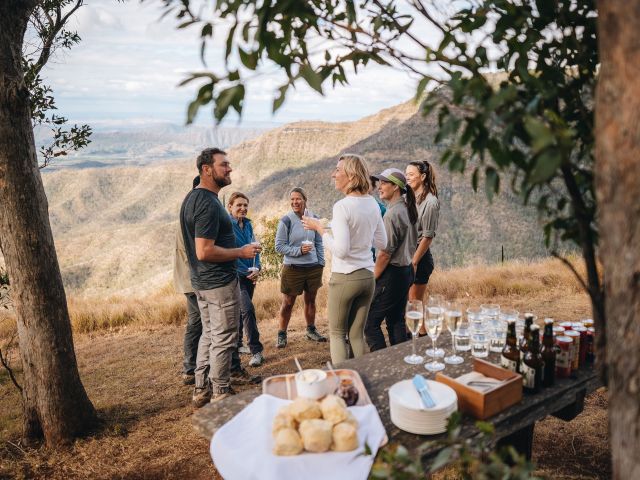
    great walks of australia tour group on Scenic Rim Trail, Queensland
    Enjoy incredible food along the way.

    Around 23 million years ago, volcanoes spewed magma across Queensland’s Scenic Rim . Now, what’s left of the fiery landscape takes the form of the UNESCO-listed Gondwana rainforest.

    The Scenic Rim Trail is a four-day guided hike that takes you through the ancient rainforest. You’ll venture out into breathtaking viewpoints across the Main Range National Park. Enjoy a packed lunch, listen out for the duplicitous calls of the lyrebird and enjoy the silence.

    You’ll spend your nights in boutique eco-cabins and incredible hospitality.

    2. Murray River Walk, South Australia

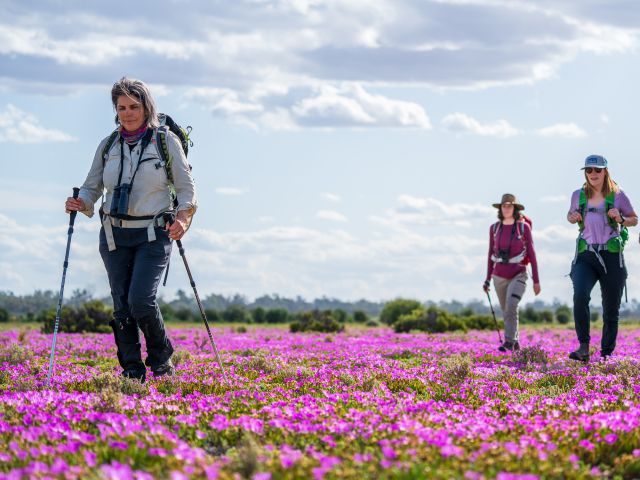
    great walks of australia tour group on
    Walk through vibrant wildflower fields.

    Murray River Walk pairs easy hiking with blissful evenings cruising the Murray River. Over four days and nights, you’ll follow kangaroo trails through red dirt dusted with vivid patches of wildflowers.

    Each day ends on a solar-powered, custom-built houseboat. Watch towering, red sandstone cliffs float by from the top deck spa. Then, it’s three-course meals sourced from local produce and served alongside the region’s best wines.

    The entire region you’ll be traversing is within the Riverland Ramsar site. Watch as spoonbills forage for food in the tranquil wetlands, emus parade through the wildflowers, and regent parrots flit above.

    3. Maria Island Walk, Tasmania

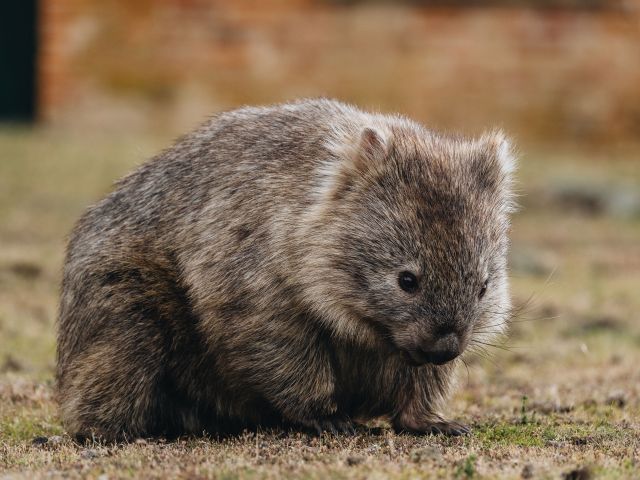
    wombat along the Maria Island Walk tasmania
    Spot adorable locals.

    Your Maria Island walk begins with a private boat transfer to an untouched, white sand beach. Barefoot in the sand, you’ll quickly realise – aside from your guide and group – you’re completely alone. Spot countless wombats and hear the distant calls of Tasmanian Devils as you spend four days leisurely traversing the island.

    Nights are split between private, comfortable wilderness camps and queen-size beds in a historic cottage from the island’s convict history. Meals are built around fresh-caught seafood and served with East Coast Tasmanian wine.

    4. Seven Peaks Walk, New South Wales

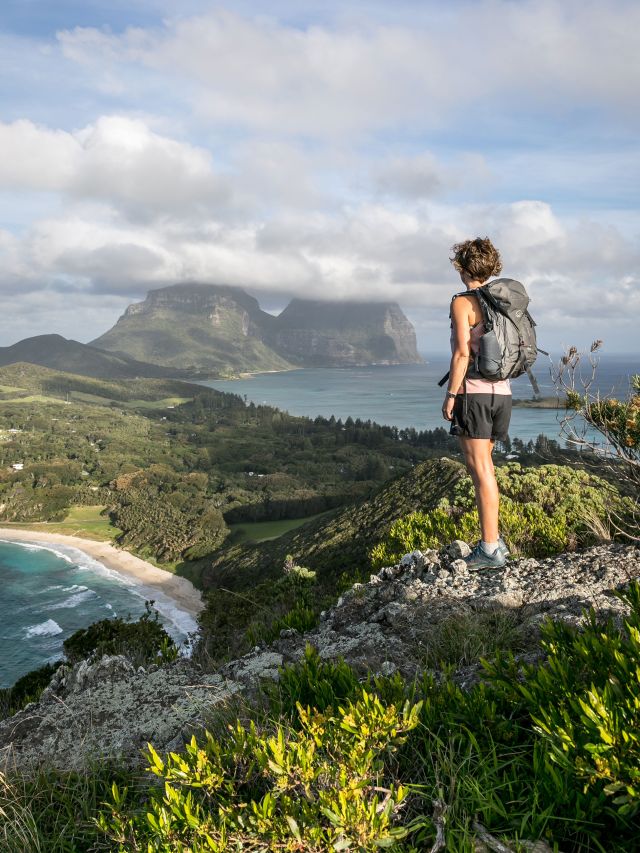
    hiker on Seven Peaks Walks on Lord Howe Island
    Explore the incredible Lord Howe Island. (Image: Luke Hanson)

    Lord Howe Island feels like another world. With its patchwork blue coral lagoons and magma-honed peaks, it’s easy to forget you’re in New South Wales.

    This walk has the highest level of elevation in the Great Walks of Australia’s collection. It’s because of this that you’ll witness nature like never before. UNESCO-listed volcanic peaks and coral reefs that grew out of solidified lava will become your daily norm.

    Along the way, step onto beaches that lie undisturbed for weeks at a time. Then, snorkel the southernmost reef in the Pacific Ocean.

    5. Uluṟu-Kata Tjuṯa Signature Walk, Northern Territory

    great walks of australia tour group on
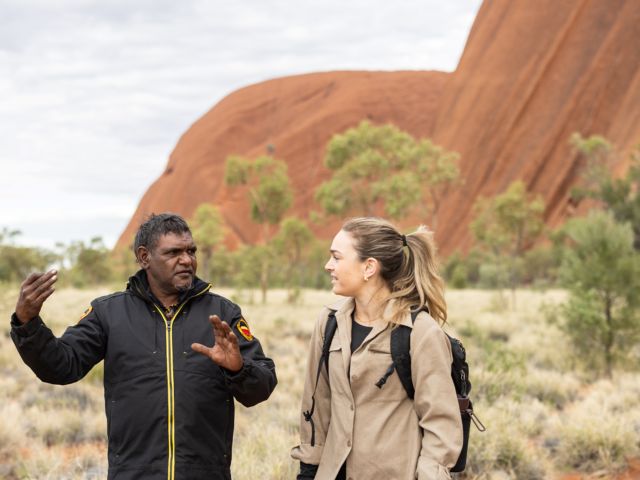
    Learn from the Anangu people.

    This five-day, fully guided, premium hiking experience inside Uluṟu-Kata Tjuṯa National Park was developed in partnership with Aṉangu Traditional Owners. Begin your walk dwarfed by the shade of Kata Tjua’s towering dome formations. Following remote desert trails through the red sands, crest dunes and traverse mulga woodlands as you draw closer to the monolithic walls of Uluu.

    Each night, dine under the lamp light of the Milky Way in the warm desert air and sleep in new flagship, environmentally sensitive private camps and lodge. This is the first time that travellers have ever been allowed to spend the night inside the national park.

    6. The Twelve Apostles Signature Walk, Victoria

    great walks of australia tour group on The Twelve Apostles Signature Walk, Victoria
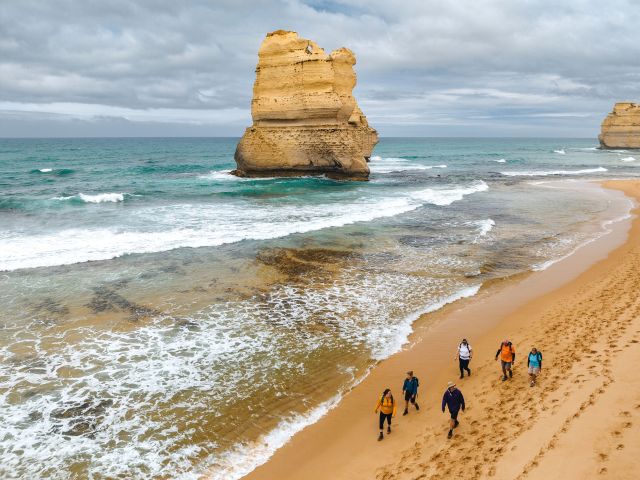
    See the Twelve Apostles in a new way. (Image: Ken Luke)

    The Great Ocean Road’s rugged splendour is best experienced on this signature four-day, 44-kilometre guided walk . You’ll follow the rugged limestone stacks of the shipwreck coastline: wild, crashing waves, curious wildlife, and two national parks.

    Finish each day at your luxurious lodge, where you’ll sit with your feet soaking and a glass of wine in hand. You’ll have a single lodge to call home on this walk, meaning you’ll only need to set out with a day pack.

    7. Three Capes Signature Walk, Tasmania

    Three Capes Signature Walk, Tasmania
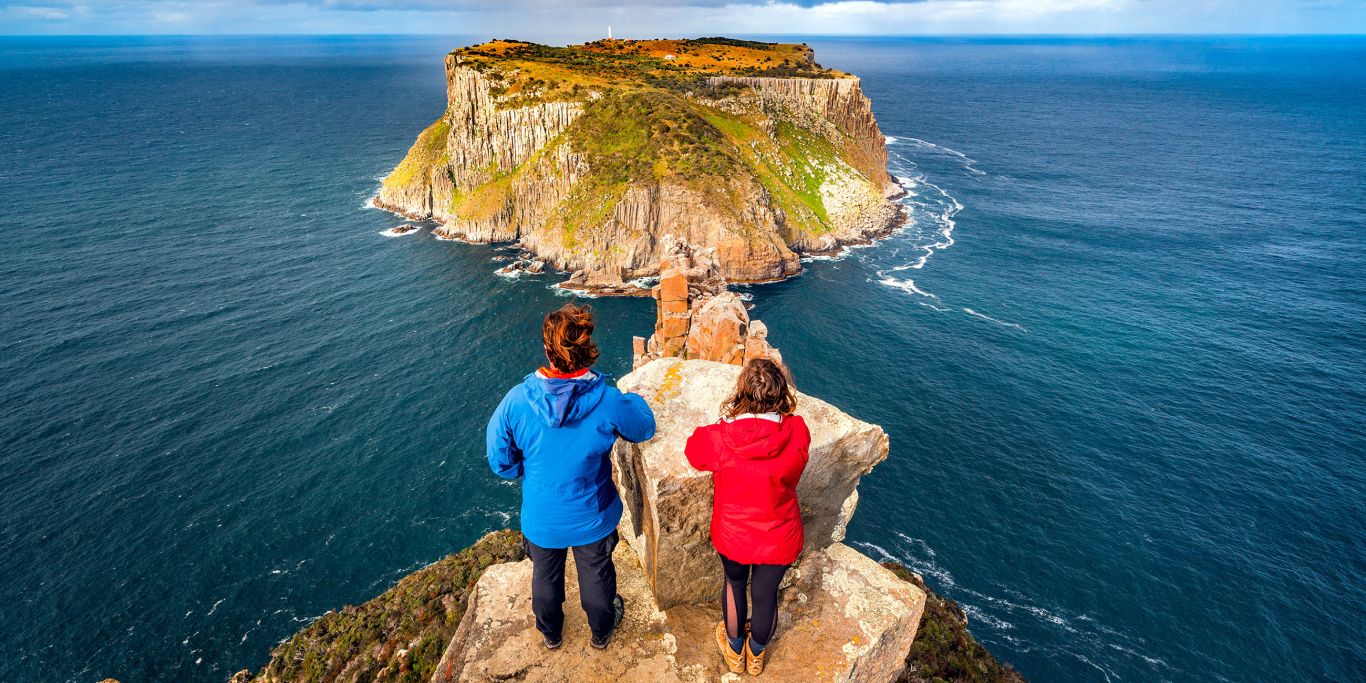
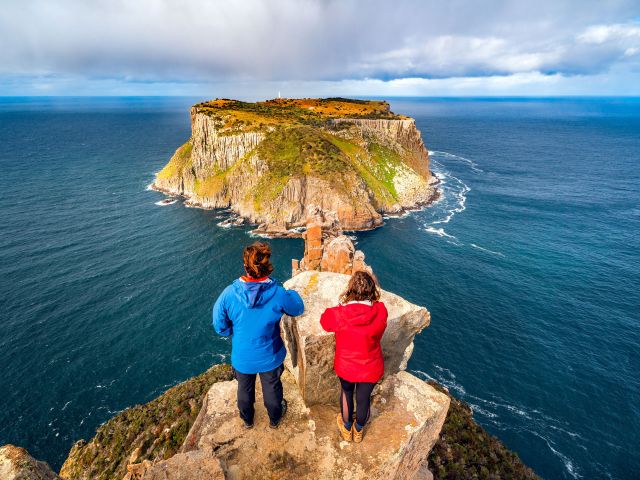
    Walk along the edge of the world. (Image: Luke Tscharke)

    On Tasmania’s Three Capes Signature Walk , you’ll feel like you’re walking along the edge of the world. From your boat landing on a remote beach, climb slowly upward for spectacular views and wildlife encounters with pods of dolphins, fur seals and echidnas. Spend days walking Jurassic dolerite cliffs with the wild Southern Ocean as your only constant.

    Stay in architecturally designed eco-lodges nestled at the very edge of the world. Think floor-to-ceiling windows, a plunge pool and even an on-site spa to tend to ailments from the hike.

    Discover more Great Walks of Australia and start planning your next adventure at greatwalksofaustralia.com.au.