Value favourite Travelodge Hotels promises to be “refreshingly simple" so how does it stack up against its natural enemy, the hipster hotel.
1. Convenient locations
Travelodge Hotels: 17 locations in Australia (and New Zealand) in places you actually need a hotel, like in Melbourne’s Southbank, which is walking distance to Crown Casino and Entertainment Complex, and downtown Sydney, close to Museum Station and the cafe-rich inner city suburbs of Surry Hills, Darlinghurst and Paddington.
Hipster hotel: In a laneway, off another laneway, in the coolest part of town which is nowhere near where you actually want to go.
2. A breakfast that genuinely breaks the fast
Travelodge Hotels: A hearty breakfast with plenty of options, hot and cold, such as bacon, sausages, roma tomatoes, eggs; plus a range of fruit, cereal, yoghurt and pastries. In true buffet style, it’s all you can eat. Options range from $8 to $22.
Hipster hotel: Kale smoothie served in a mason jar, foraged kimchi breakfast tacos and a decaf cold brew coffee – served from a food truck somewhere vaguely nearby.
3. Cook your own?
Travelodge Hotels: You don’t need to eat out every single night. Travelodge Hotels’ kitchenette has everything you need – a microwave, kettle, mini-fridge, even a kitchen sink – without going too MasterChef on you.
Hipster hotel: You want a kitchen in your room? Where would we put the post-modern sculptures?
Need tips, more detail or itinerary ideas tailored to you? Ask AT.
AI Prompt
4. Check out the checkout time
Travelodge Hotels: Sleep in! Check out time is 11am.
Hipster hotel: We are early adopters so we choose to throw you out at 10am.
5. Extras, extras
Travelodge Hotels: Keepin’ it simple and uncluttered with complimentary tea, coffee and useful utensils in the kitchenette and Travelodge-Hotels-exclusive shampoo, conditioner, body wash and lotions in the bathroom. For anything else, reception will do their level best for you.
Hipster hotel: High-end soap, single-origin boutique teas, the fluffiest robes and slippers money can buy plus a mini-bar stocked with exorbitantly priced liqueurs. Why does the room cost so much again?
6. Shower off, not show off
Travelodge Hotels: A shower that just leaves you feeling refreshed (and wet).
Hipster hotel: Six body-massage jets that flood the bathroom floor and taps that you need a manual to use.
7. Wi-Fi
Travelodge Hotels: Free Wi-Fi for the length of your stay with reasonably priced packages for the serious data-eating internet addicts.
Hipster hotel: $20 a day sounds about right, whether you use a little or a lot. Probably cheaper to use your mobile data!
Weekly travel news, experiences insider tips, offers, and more.
8. Sleepy deals
Travelodge Hotels: Book your stay on Tuesday and receive bonus goodies such as 2-for-1 breakfast, unlimited free Wi-Fi or late check-out.
Hipster hotel: How can we pay for the thread count if we give you a discount?
9. The Bed
Travelodge Hotels: Makes its own beds (literally), designed to support, with non-allergenic pillows and duvets.
Hipster hotel: Sometimes you just don’t need to sleep on a mattress filled with a curious mix of pure cotton, wool, mohair and horsetail hair.
10. Simple touches
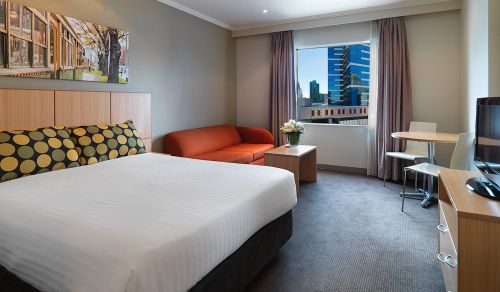
Travelodge Hotels: Artworks that reflect the local area plus some nifty designed new pillows and other small touches that make the rooms down-to-earth and refreshingly comfortable.
Hipster hotel: There is no such thing as simple.
Want to see more stories from Australian Traveller in your Google search results?
Consider this your cheat sheet to holidaying on Hamilton Island with the clan.
Keeping everyone in your crew happy on holidays is no small feat. Yet ask any parent who’s been and they’ll unanimously agree Hamilton Island multi-gen travel overdelivers – for many reasons.
Taking the family to this premier island destination is a rite of passage for many Aussie parents. Not only is Hamo stuffed to the brim with fun activities to suit all ages, but it’s accessible, safe and super easy to get around thanks to its relatively small size. And I suppose the fact that it’s undeniably stunning doesn’t hurt either.
Whether you’re spending time together creating magical memories or relaxing while giving the young ones some kids’ club time, this guide breaks down everything there is to know about holidaying on Hamilton Island for families.
Getting there, and around
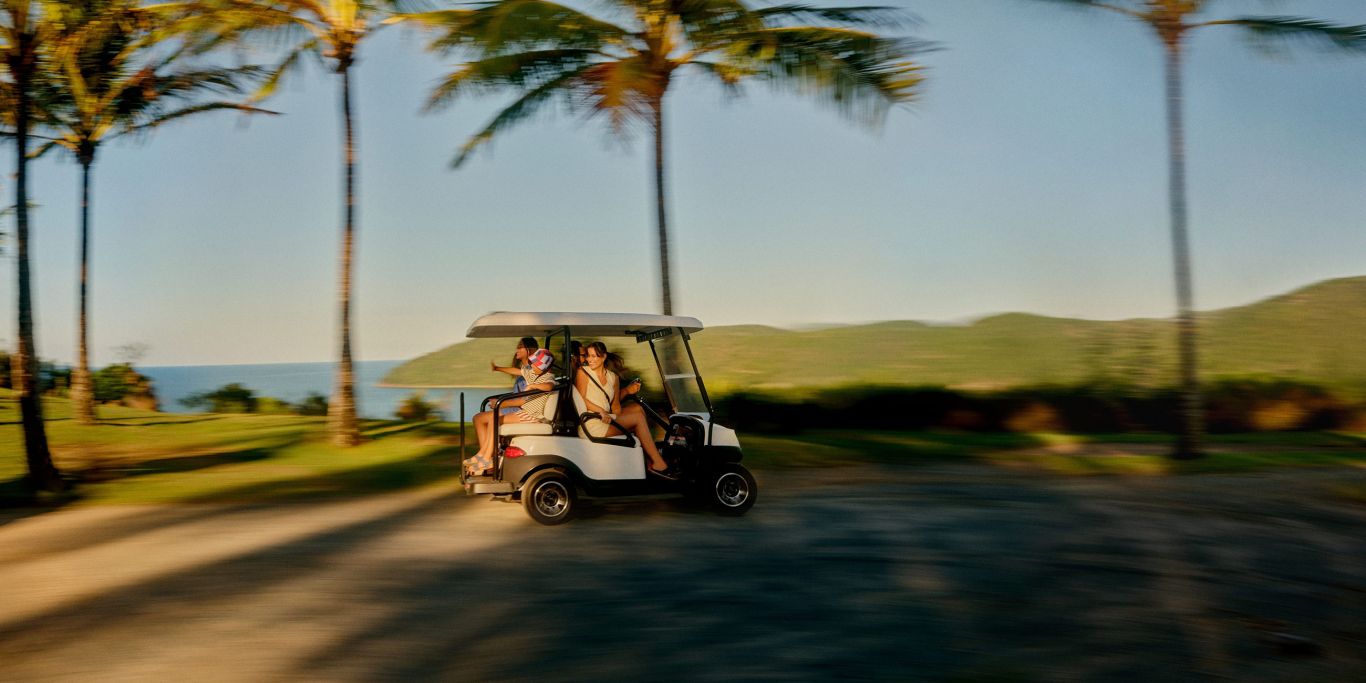
Hire a buggy and explore at your own pace.
The easiest and most fuss-free way to get to Hamilton Island is to fly to Great Barrier Reef Airport, located on the island. Qantas, Virgin and Jetstar offer short, direct flights from most major Australian cities, including Sydney, Brisbane, Melbourne and Cairns. Alternatively, fly to Whitsunday Coast Airport (PPP) near Airlie Beach, then take a ferry from Shute Harbour with Cruise Whitsundays, which operates services daily.
Once you’re here, rental buggies make it easy to zip around from A to B (not to mention being a fun activity in themselves – the kids will love it).
Where to stay
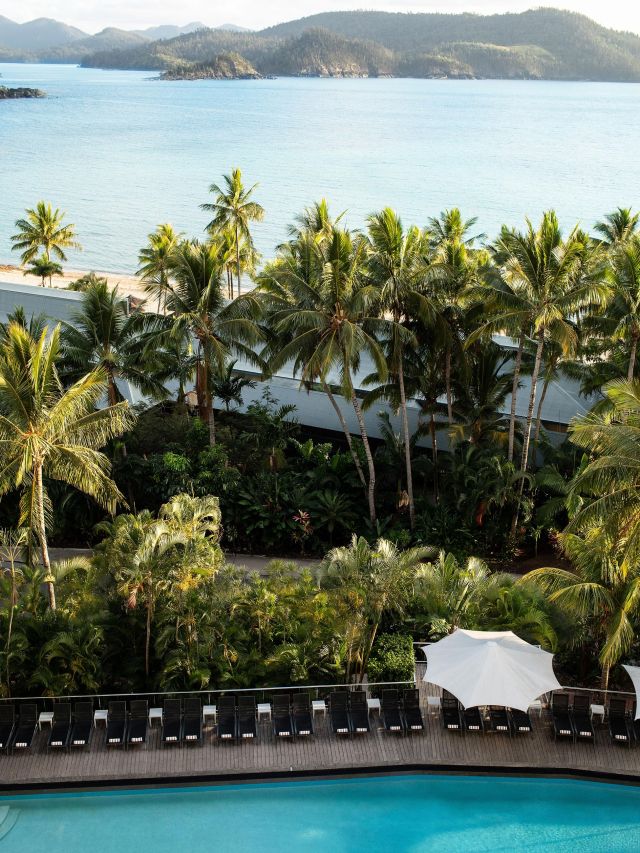
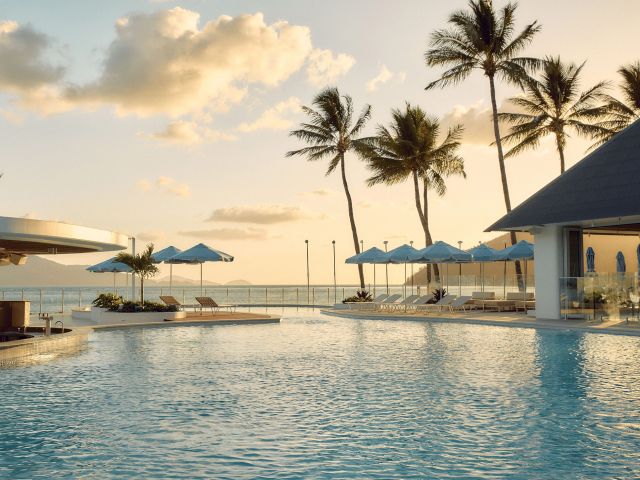
Reef View Hotel offers pool and sea. (Credit: Kara Rosenlund)
Part of what makes Hamilton Island so appealing is its diverse range of family-friendly accommodation. Many include return airport or marina shuttles, along with complimentary use of non-motorised watersports equipment – making it easy to relax as soon as you step foot on the island.
Reef View Hotel is one of the most popular picks due to its spacious suites perfect for larger families and proximity to the island’s resort centre – a happening hub of restaurants, pools and water activities.
Meanwhile, families looking for something more self-contained can check into Palm Bungalows. Each modern bungalow is enveloped by lush tropical gardens and offers a kitchenette, bar fridge, microwave and coffee facilities – plus a private balcony for card games and evening drinks.
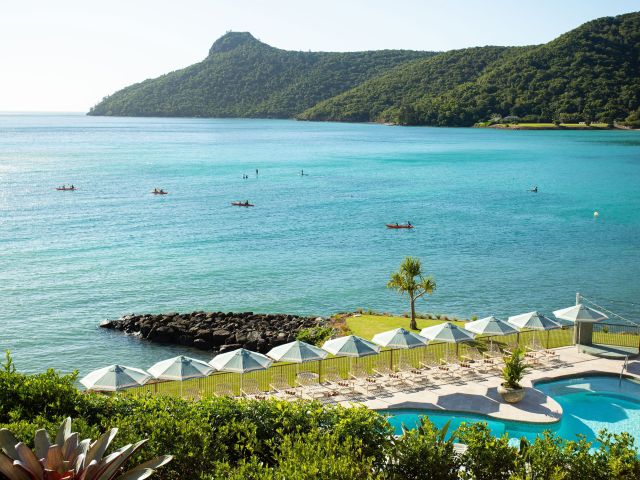
Take in pool and sea at The Sundays.
The Sundays is another fantastic option for families. The newest hotel on Hamilton Island, it has serious bragging rights thanks to its coastal chic design and stellar location at the end of Catseye Beach. Opt for one of the Family Connect Rooms for extra breathing room.
For that relaxed, home-away-from-home feeling, Hamilton Island Holiday Homes hit the nail on the head. Choose from more than 100 self-catering homes dotted around the island that accommodate both large groups and smaller families. From waterfront luxury to spacious villas, there’s something for everyone.
Family tip: Reef View Hotel, Palm Bungalows and The Sundays all participate in Hamilton Island’s Kids Stay Free program, earning themselves a reputation as some of the best family-friendly accommodation on Hamilton Island. No extra charge is added for up to one or two (dependent on the hotel) children under 12 who are sharing a room with parents and using existing bedding.
Where to eat
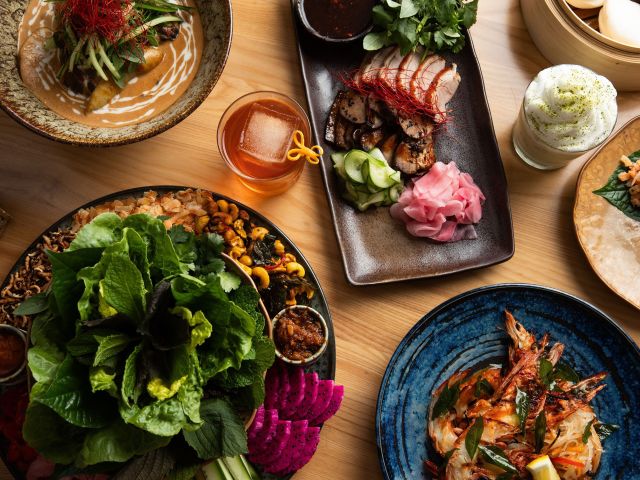
Sit down to a feast at coca chu.
Hamilton Island’s foodie scene is seriously worth its salt. From just-caught seafood to family-friendly staples, even the fussiest of eaters will be satisfied.
Start at coca chu, one of the best Hamilton Island restaurants for families. Spotlighting vibrant Southeast Asian flavours, it offers a lively, high-ceiling setting overlooking Catseye Beach. Nearby is Catseye Pool Club, Josh and Julie Niland’s breezy coastal venue that’s at once elevated and laidback. Dishing up the likes of charcoal tiger prawns with lemongrass marinade and Greek-style lamb shoulder, it’s the perfect place to celebrate birthdays or milestone moments with older kids.
Got young ones who recoil at the sight of vegetables? Not to worry. Head straight to Romano’s for please-all pizza, or Marina Tavern for hearty pub classics in a relaxed atmosphere complete with an outdoor deck.
Grab some tasty bites by the pool at Catseye Pool Club.
For brekkie or lunch, Bob’s Bakery is a family favourite for affordable pastries, sandwiches and pies, while Marina Cafe serves up bacon and egg rolls and salads with fresh smoothies. And Popeye’s does a mean fish and chips to go.
Sails Restaurant is the place to be for poolside bites with views of the Whitsundays’ famous turquoise waters. The kids can splash in the pool while parents sip spritzes and graze on mezze plates of za’atar pita, hummus and olives. The menu leans Mediterranean and Middle Eastern, though you’ll also find plenty of kid-friendly crowd favourites such as ham and cheese toasties. For something extra special, book in the Piper Package – expect exclusive access to a king-size sunbed with a shaded umbrella, plus a chilled bottle of Piper-Heidsieck NV Champagne and a showstopping seafood platter (I still have dreams about it).
Where to explore
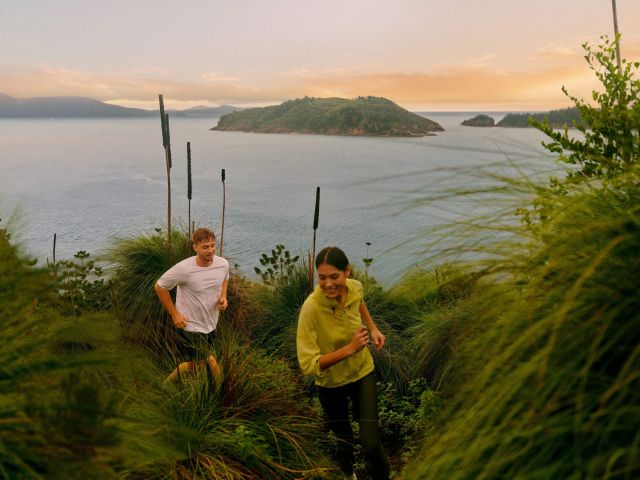
Explore the island’s walking trails.
There are bucket loads of family-friendly activities on Hamilton Island that the whole clan can do together. First stop: hiring a buggy and taking your time to explore the island at your own pace. Next stop: getting active and creating memories together in the process.
One of the best activities on Hamilton Island for families is tackling one (or more) of its beautiful bush and walking trails, with the one-hour hike to Passage Peak a standout for panoramic views of the surrounding islands. Morning is a great time to go to beat the heat (and other walkers).
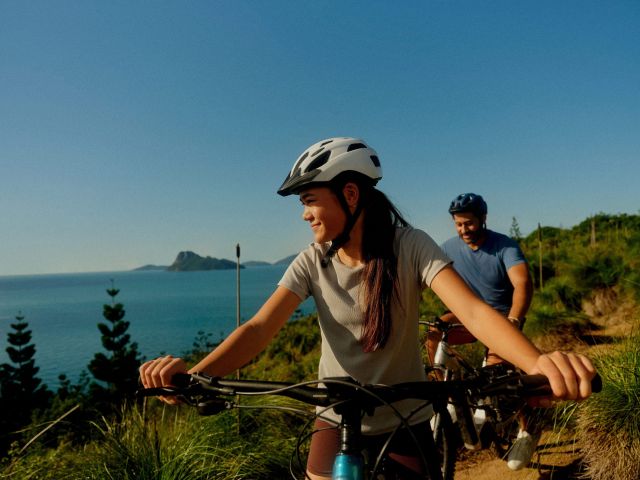
For the active and adventurous, the all-new E-mountain biking facilities make for an adrenaline-packed experience your teens won’t be able to stop talking about. It’s a self-guided trail taking riders to some of the island’s quietest and most scenic pockets, and the knowledgeable staff at Hamilton Island Trails HQ will fit you out with all the gear you need for a safe adventure.
Check out the all-new E-mountain biking facilities.
Come sunset, you’d be silly not to head up to One Tree Hill at least once during your stay. Offering breathtaking 360-degree views as the sun brushes the horizon with gold, it’s a popular place for groups and families to come together and enjoy a drink from the pop-up cocktail van.
Family tip: If you’re staying at the Sundays, Reef View Hotel, Palm Bungalows or Hamilton Island Holiday Homes, you’ll enjoy complimentary access to a range of water activities, including catamarans, kayaks, stand-up paddleboards and snorkel equipment at Catseye Beach. Keep an eye out for the turtles that love to hang around the shallow fringing reef.
Where to play
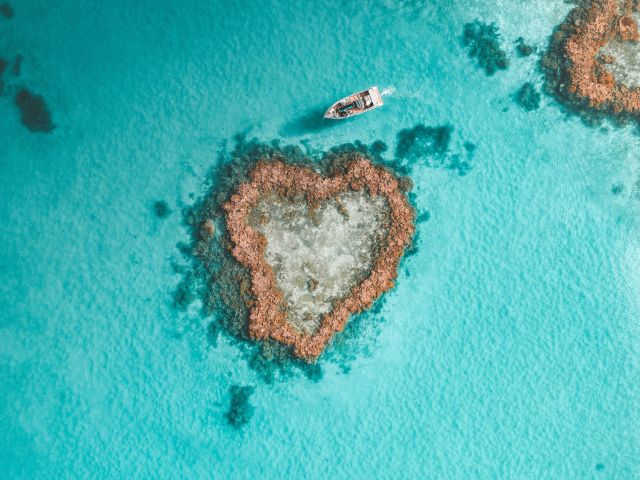
Take the family on a day tour to places like Heart Reef.
Kids are sure to have a field trip thanks to the island’s abundance of child-centric offerings.
Parents in need of some ‘me time’ can drop little ones between six months and 12 years off at the Clownfish Club, located near the Resort Centre and Pool. Overseen by trained professionals, the nursery offers a calm space for toddlers and babies with a balance of gentle play and rest. Meanwhile, older kids can unleash their imaginations with age-appropriate craft, games and group activities.
Hamilton Island Wildlife is another must-visit stop. Fun for children of all ages (and adults too!), the centre provides up-close encounters with a variety of cute and fascinating Aussie animals. Think marsupials, snakes, lizards, koalas and kangaroos, along with a giant saltwater crocodile. Catch the 10am or 2pm daily tours (included with entry) guided by expert keepers, or opt for a 30-minute private or small-group VIP encounter with an animal of your choice.
More kid-friendly entertainment awaits at Palm Valley Activities, where you can race around the go-karting track and reach up to 45 kilometres per hour. Kids under 16 can ride as passengers in double go-karts. Or perhaps try your hand at mini golf at the HI Fitness Club, navigating palms, playful challenges and pathways that wind through lush tropical gardens.
Keen to explore further afield? A wide range of Hamilton Island day trips promise endless excitement, from snorkelling on a Great Barrier Reef tour and chartering a boat to marvelling at the swirling sands of Whitehaven Beach from a scenic plane.