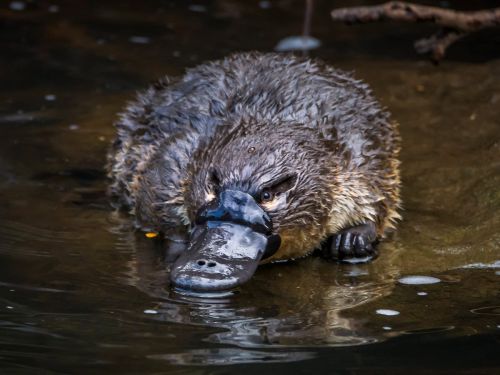
The platypus may be hard to spot, but they’re well worth the effort. Here are the places where you have the best shot.
Perhaps Australia’s most elusive national animal, the platypus is notoriously shy, making it much harder than, say, a kangaroo, to spot in the wild. Still, for those willing to take the time, there are plenty of places along Australia’s east coast where your efforts could be rewarded (and tours that can help make sure you’re looking in the right places).
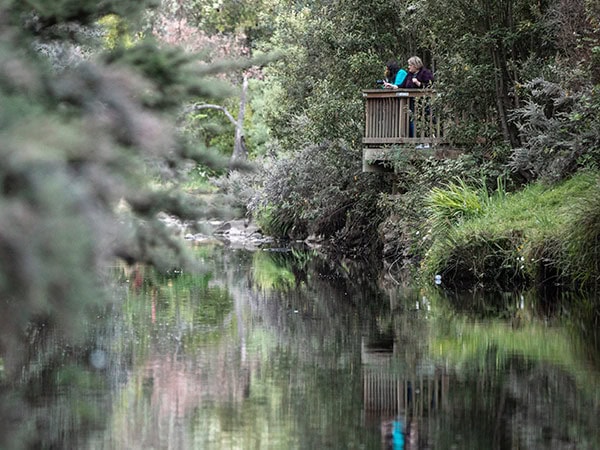
Generally speaking, you’ll want to seek out creeks and rivers with banks that provide bush, rock and log cover for the platypus to hide in. It will have a good flow of water as well, to keep the water healthy and liveable. They’re most commonly found in eastern Queensland and New South Wales, eastern, central and southwestern Victoria and around Tasmania.
How to spot a platypus in the wild
First things first, we need to discuss platypus spotting tactics. You could be approaching a whole paddle of platypuses and still not see a single one if you don’t play your cards right. For starters, make sure you’re arriving at the right time of day – dawn and dusk are usually the sweet spots – and be as quiet as possible as they’re very sensitive to perceived dangers.
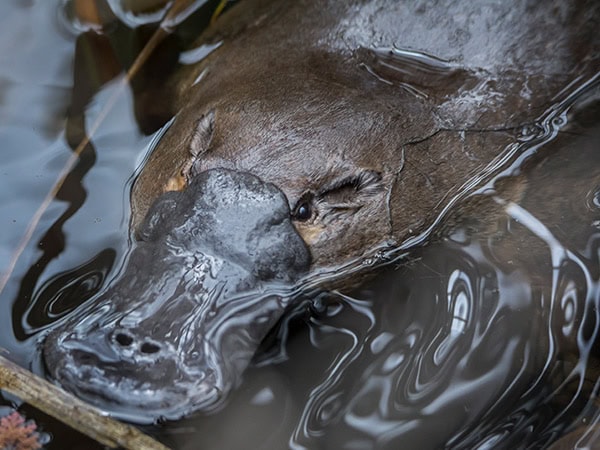
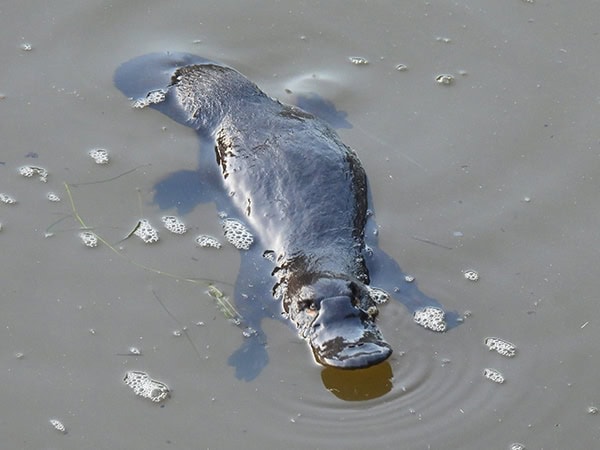
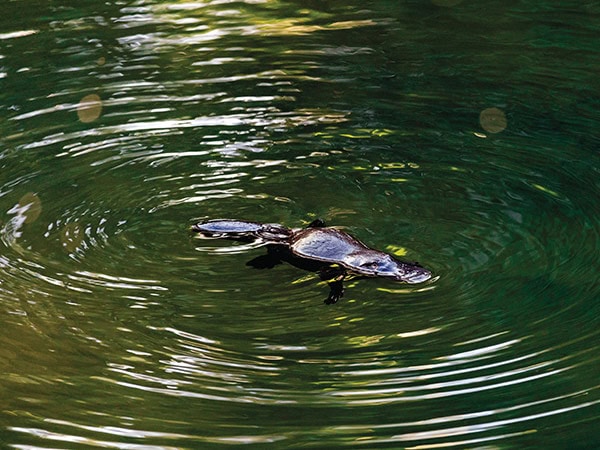
After that, it’s about keeping a sharp eye out. Look for bulls-eye or v-shaped ripples that likely signal the presence of a platypus. And don’t get them mixed up with water rats – platypuses have shorter, rounder tails and travel for longer on the water’s surface.
The season can also affect your chances of success, especially as you head further south. Platypuses need more food to keep themselves warm, so winter and early spring mean colder temperatures and more time outside during daylight hours to hunt.
Now without further ado, here’s our round-up of where to see a platypus in the wild, if you’re feeling lucky.
1. Victoria
In central Victoria, Loddon and Campaspe rivers are both known as lucky places to spot a platypus – just look for the quiet bends of the rivers. It’s also worth looking at the creeks and rivers around Snowy River National Park and the Alpine National Park. They’re harder to spot here but do call it home.
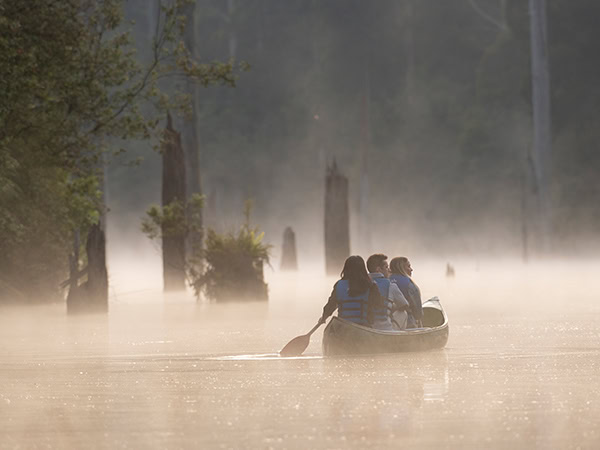
One of the best places to spot them in Victoria is in Great Otway National Park’s Lake Elizabeth. Located a 10-minute drive from Forrest, it was made when a valley was flooded over 50 years ago. Today, the tree remnants provide plenty of places for a platypus to take cover. Optimise your chances by joining Otway Eco Tours Paddle With The Platypus itinerary . Be guided in a canoe, checking all the best spots for platypus (they claim a 95 per cent sighting success rate), while also listening to local birdlife chirping and staying for the glow worms at dusk.
Need tips, more detail or itinerary ideas tailored to you? Ask AT.
AI Prompt
2. New South Wales
The national parks of New South Wals are a smorgasbord for platypuses – but you’ll still need a skilled eye to catch one of these elusive creatures. They’ve been spotted in Brisbane Water, Budderoo and Jenolan Karst Conservation Reserve national parks on the outskirts of Sydney. Head further inland to spot them in Guula Ngurra National Park.
North of Sydney, Monga National Park is home to these cuties, but for those wanting some support to spot a platypus, head to Byron Bay hinterland. Here, you can join a tour with Vision Walks Eco Tours for a Platypus Walk. They’ll pick you up in Byron Bay, then lead you on an easy two-kilometre walk in the hinterlands. The best part? If you don’t spot one, you can come back for free another day.
Close to the Victorian border, Kosciuszko National Park has several spots known for platypus sightings: try the High Plains, Khancoban, Lower Snowy River, Selwyn, Thredbo–Perisher, Tumut and Yarrangobilly areas. Murray Valley Regional Park is also known for platypus sightings.
3. Queensland
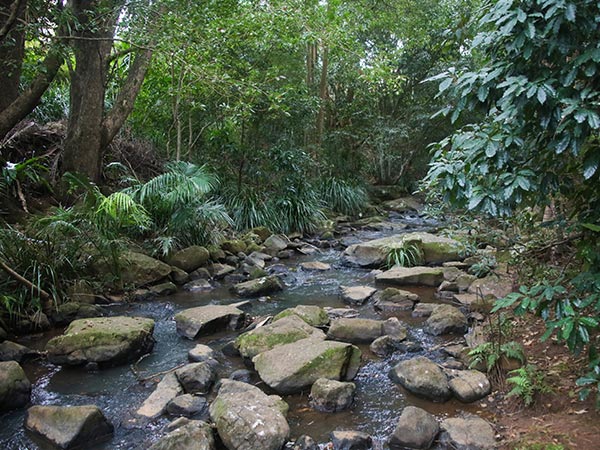
I had my own platypus-spotting luck in the Atherton Tablelands. Yungaburra has even built a whole viewing platform to catch sight of their platypus locals at the edge of Mungalli Falls, but my group had only just started on the path to the platform at dusk when we saw two of them swimming around each other in the creek. These tablelands also have a Platypus Park with another built viewing platform. For help spotting these north Queensland dwellers, Wait-A-While Rainforest Tours (based in Cairns) claims a 90 per cent success rate in spotting platypuses on their tours.
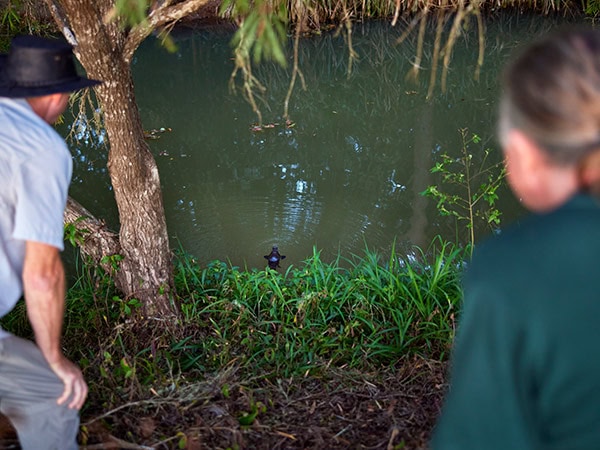
Towards Airlie Beach, Eungella National Park is known to have a comparatively large platypus population in Broken River. You’ll find vantage points and bridges scattered throughout the region, with signs suggesting platypuses can be seen there. Stay for a night or two at Platypus Bush Camp near Finch Hatton Gorge on the edge of the national park for more chances of seeing them at dawn and dusk. There’s a viewing platform here, too, as well as flush toilets, rainforest showers, picnic and dining areas and two fire pits.
Weekly travel news, experiences
insider tips, offers, and more.
4. Tasmania
With higher numbers of platypuses and lower numbers of people, Tasmania is actually your best bet if you’re desperate to see one (and who wouldn’t be). Latrobe is often called the Platypus Capital of the World, as spotting one in the wild here is quite common. Stop by the bridge near Axeman’s Hall of Fame for an in-town experience. But a five-minute drive to Warrawee Reserve is your best bet. Here, follow the banks of the Mersey River to the Platypus Pool – one guess why.
Towards Cradle Mountain, Mole Creek is a popular stop for its caves and platypuses. Not far away, Loongana has plenty living along River Leven, with Taylor’s Flats picnic area being a particularly good place to stop for a gander. Extend your stay (and your chances) with an overnight at the secluded Mountain Valley Wilderness Retreat . Stay in the north to try your luck in the Meander River at Deloraine (and then have a wander through the popular arts and crafts offerings when you’re done). Waratah (between Cradle Mountain and Stanley) is another good option.
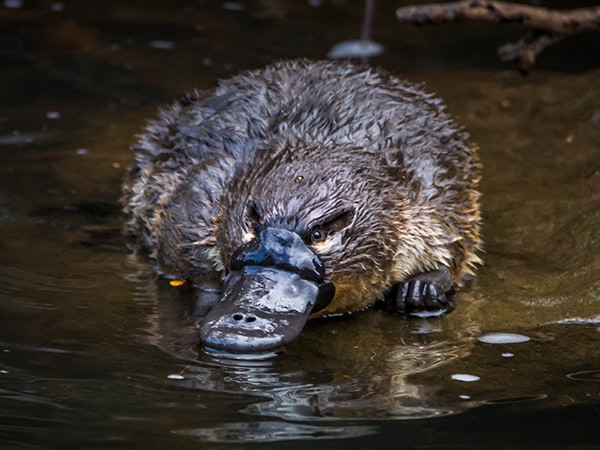
Just outside of Burnie, Fernglade Reserve had a Platypus Trail along the riverbank where locals will tell you it’s almost guaranteed to spot one at dusk or dawn (which is also when the car park closes, so park outside then take the short walk in).
Tyenna River is a very popular home for the platypuses, especially around Mt Field National Park. Here, you’ll find a two to three-hour Paddle with the Platypus tour run by Tassie Bound, who will take you in kayaks down the river to the best places to see these water mammals. A little further south, Geeveston has a well-known Platypus Walk with viewing platforms.
Hobart itself is also an option, although not as fruitful as these others. Here, you can walk along Hobart Rivulet from the CBD to Cascade Brewery for a shot at spotting a platypus.