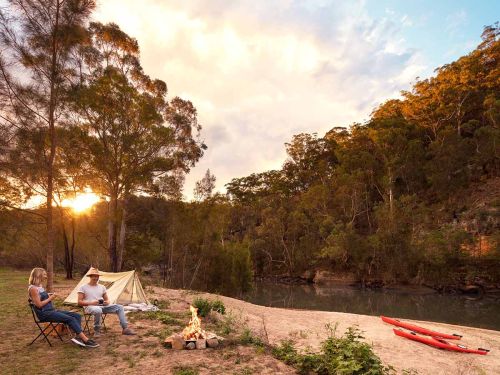
‘$600 per week’: is this the end of affordable camping in NSW?

hero media
Not-so-happy campers are grappling with a proposal by the NSW government that could push camping out of financial reach for some.

Spending time in the great outdoors is deeply ingrained in Aussies’ DNA. It’s a fun, restorative way for friends and family to spend time together, and most importantly, it’s affordable. But a proposed change to NSW campground fees could significantly up the price of a night’s camping, with some campgrounds set to undergo a 500 per cent fee increase. Here, we break down everything you need to know.

How much will campgrounds cost?

At the time of writing, the hike to campground fees is in the proposal stage with NSW Parks and Wildlife Services. They are currently reviewing feedback (which has certainly been mixed). Nothing’s final just yet, but if the proposal is passed, here’s how it would look.
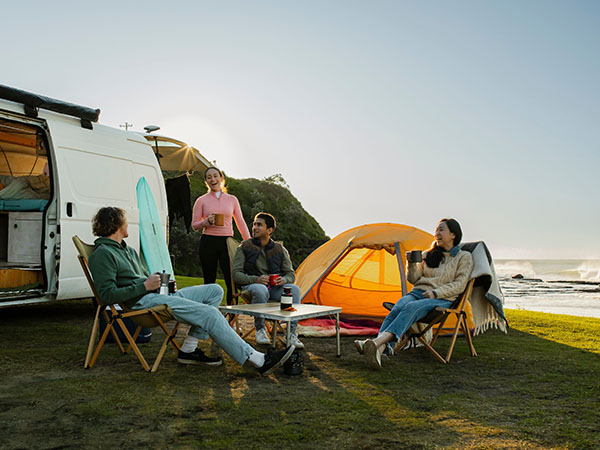
camping on the South Coast
A new proposal aims to target camping no-shows by hiking the fees. Responses have been mixed. (Image: Destination NSW)

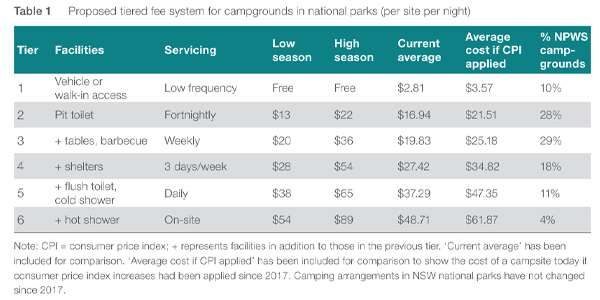
Under the new proposal, campsites will be divided into six tiers, based on the quality of facilities (like flush toilets, barbecues, shelters and servicing frequency). Seasonal pricing would also be introduced, with different rates for high and low seasons.

For example, the proposed costs per night by tier are as follows:

Tier 1 sites, which are extremely basic (think no toilets), will remain free.

Tier 3 sites (which have basic drop toilets and barbecues) would cost $20 in the low season or $36 in the high season. Campgrounds such as the popular Thredbo Diggings campsite in the Snowy Mountains would fall into this category. Right now, it costs just $6 to camp there – a 500% price difference if the proposed fee is introduced.

Tier 6 sites, which have hot showers, flush toilets and the works, would cop the highest fees at $54 in the low season and $89 in the high season. This would impact popular campsites such as Bonnie Vale campground in the Royal National Park. Currently, campsite fees fluctuate between $41 and $57 per night (according to the season), meaning the cost per night would double under the new proposal.
Families and outdoor enthusiasts have raised concerns that one of the last truly affordable holiday options could soon be out of reach. With fees proposed to rise significantly, especially when camping across multiple nights, many point out that a week-long camping trip could now cost upwards of $600 for a tier 6 campground.
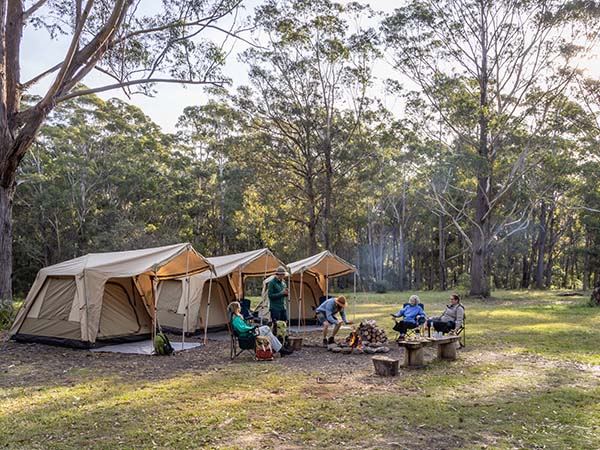
camping
The proposed fee hikes could push the last form of affordable holiday out of reach for families. (Image: Destination NSW)

There’s a growing sentiment that enjoying nature respectfully should remain accessible to everyone, and the proposed fee hike prompts questions about whether that ideal is being eroded.

“[There] is a consultation on a proposed approach and all feedback is being carefully considered. No decisions have been made on the proposal," a spokesperson for NSW Parks and Wildlife Services told Australian Traveller. “NPWS will advise the public on the next steps once feedback has been considered."

Need tips, more detail or itinerary ideas tailored to you? Ask AT.

AI Prompt

Why are the fees increasing?

NSW Parks and Wildlife Services is proposing changes to bookings and fees to address the issue of ‘ghost camping’ – when people book campsites but don’t actually show up, leaving others to miss out.

While many of NSW’s most popular campgrounds have long required bookings, the broader online booking system expanded significantly during the pandemic, when visitation surged.
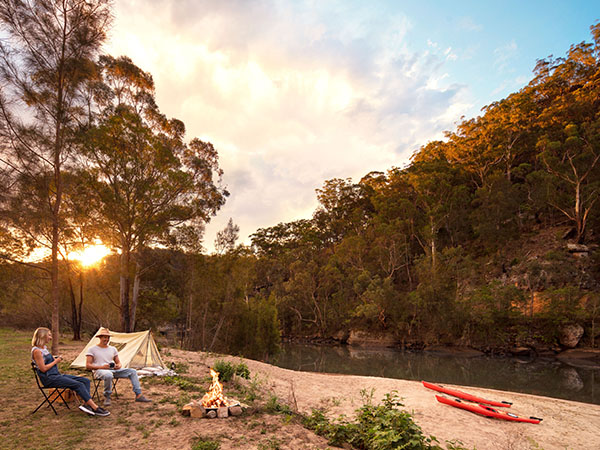
The new fee proposal will separate campsites into six tiers and price them on a ‘sliding scale’. (Image: Destination NSW)

Some campers have called for the system to be scrapped altogether in favour of a first-come, first-served model. NSW Parks has reportedly considered this option, but found that it leads to people setting up unattended camps to ‘hold’ sites.

Parks also reportedly considered lowering fees, but said that this led to increased no-shows. And introducing a fine to deter the offending ‘ghost campers’ has been deemed not enforceable enough. As for whether increased fees will kick into gear, the NSW government is currently reviewing feedback to the proposal, and a final decision is yet to be made.


Want to see more stories from Australian Traveller in your Google search results?

  1. Click here to set Australian Traveller as a preferred source.
  2. Tick the box next to "Australian Traveller". That's it.
Elizabeth Whitehead
Elizabeth Whitehead is a writer obsessed with all things culture; doesn't matter if it's pop culture or cultures of the world. She graduated with a degree in History from the University of Sydney (after dropping out from Maths). Her bylines span AFAR, Lonely Planet, ELLE, Harper's BAZAAR and Refinery 29. Her work for Australian Traveller was shortlisted for single article of the year at the Mumbrella Publishing Awards 2024. She is very lucky in thrifting, very unlucky in UNO.
View profile and articles
hero media

7 Lake Macquarie secrets the locals don’t want you to know

Credit: Beau Pilgrim

An untapped side to this popular holiday spot is hiding in plain sight.

Laidback Lake Macquarie draws in holidaygoers and day trippers with its casual coastal allure and raw beauty. But even though it’s just 90 minutes from Sydney, most visitors have only scratched the surface of what this region has to offer.

Foodie hotspots, quaint towns, tranquil waterways and compelling art are all waiting to be discovered. You just need to know where to find them.

1. Most visitors don’t make it to the western side

Explore beyond the western side. (Credit: Beau Pilgrim)

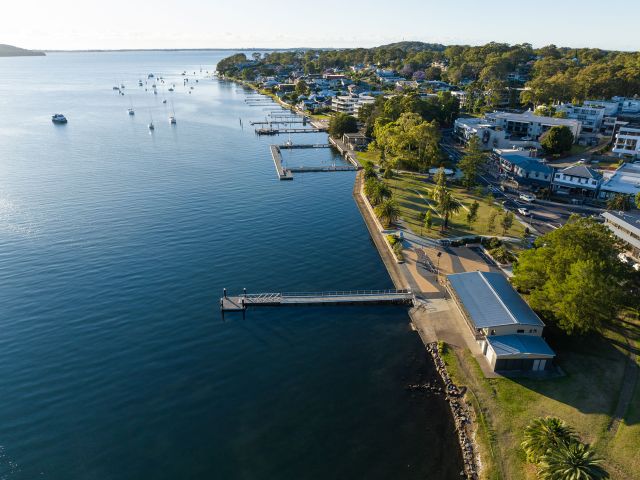
While there’s no harm in walking the well-worn path in this idyllic pocket of the world, the area west of Lake Macquarie is defined by stretches of ancient rainforests and quaint towns with a more local feel. Toronto is the largest town on this side and features a golf course and sailing clubs, while peninsula-based Wangi Wangi is fantastic for bushwalking and swimming.

2. There’s a booming arts scene

Museum of Art and Culture, YAPANG
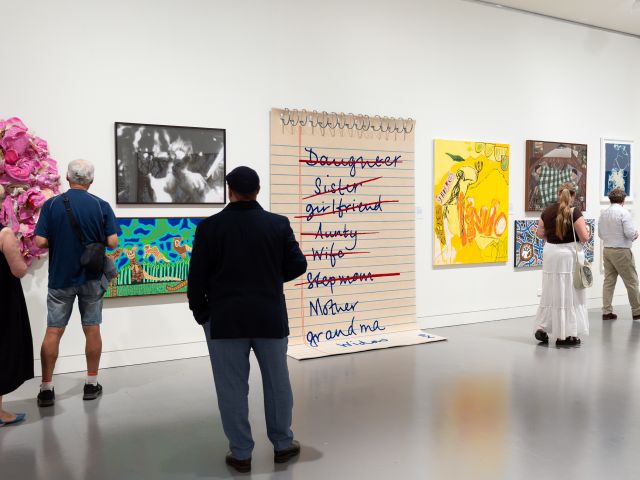
Discover the Museum of Art and Culture, YAPANG.

Lake Macquarie is a must-visit destination for creatives. Discover the Museum of Art and Culture, YAPANG; this modern gallery is set on a five-hectare sculpture park and showcases a free rotating program of exhibitions and events, with a strong focus on contemporary Aboriginal art. In Wangi Wangi, explore the Wangi Owl Trail, which includes Dobell House, the preserved home of prolific artist Sir William Dobell. And enjoy live music every Saturday evening at the recently renovated Toronto Hotel.

3. It’s a nature lover’s paradise

three people swimming in lake macquarie
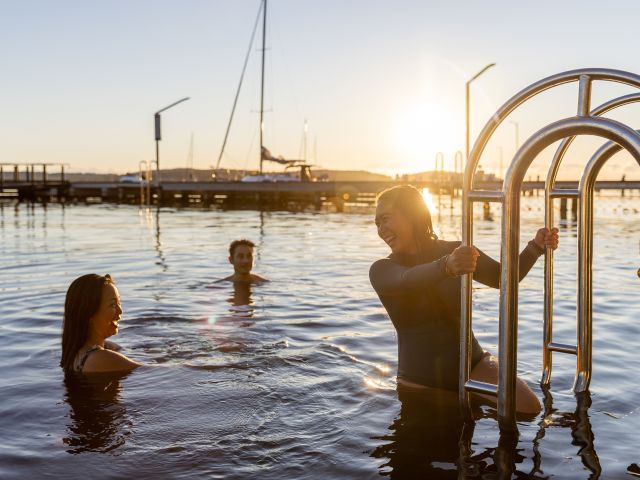
In and out of the water, find a natural paradise. (Credit: Beau Pilgrim)

Lake Macquarie is a playground for nature lovers. It’s home to Australia’s largest saltwater lake, a 110-square-kilometre haven for swimming, fishing, boating and sunset views. Another oasis is the Lake Macquarie State Conservation Area, a 761-hectare protected reserve with wildflowers, Second World War heritage sites and spectacular views to Pulbah Island. The upgraded Toronto baths, complete with jetty decking and netting, make for a sheltered spot for a refreshing dip, while the Awaba Mountain Bike Park gives adrenaline junkies their fix.

4. The dining scene is unbeatable

8 at Trinity lake macquarie
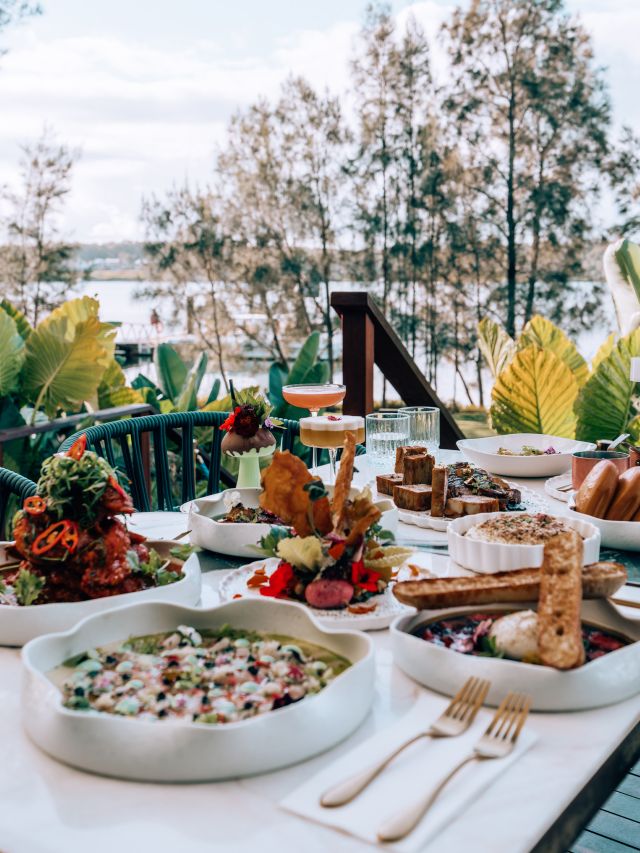
Treat yourself to 8 at Trinity.

Gourmands are well looked after in Lake Macquarie. At Emerson’s on the Lake in Toronto, the modern Australian fine dining menu spoils seafood lovers with the freshest ocean produce and stunning lake views. Sitting on Trinity Point’s waterfront, 8 at Trinity is another standout offering, serving Mediterranean fare in an open-air setting. For a more relaxed affair, the microbrewery trail lets craft beer enthusiasts sip on inventive brews from The Yard, Lake Mac Brewing and Bread & Brewery.

5. There are hidden coves and waterways

kayakers on lake macquarie local secrets
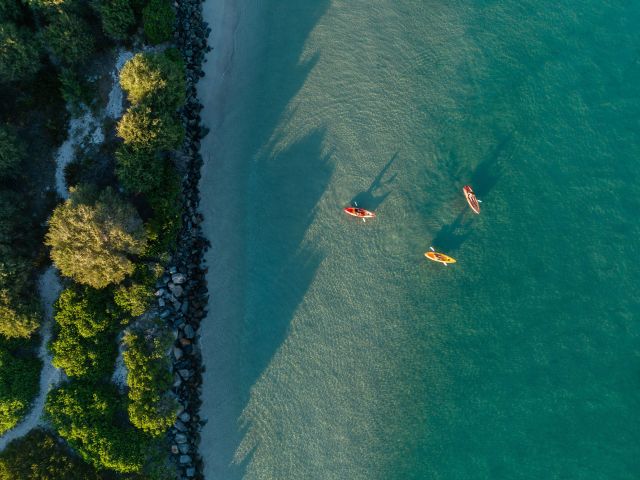
Get out onto the lake. (Credit: Beau Pilgrim)

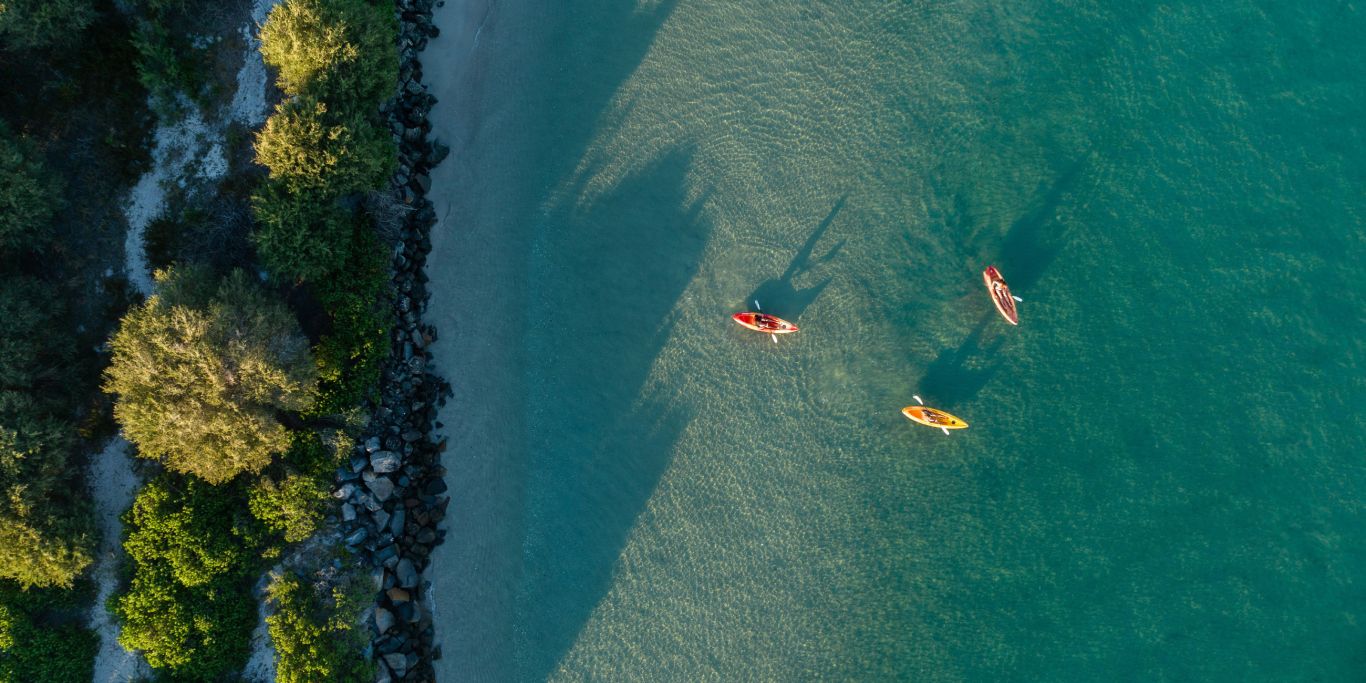
There’s no better way to experience Lake Macquarie than directly on its waters, and in doing so you’ll discover a world of hidden coves and secluded waterways. Jump in a kayak for a tour with the friendly team at School of Yak and paddle to Cockle Creek, Awaba Bay, Green Point and Fennel Bay, discovering underwater life along the way. Or go all in and stay the night on one of Lake Macquarie Houseboats’ spacious vessels or hire a BBQ pontoon boat for the day from Lake Macquarie Boat Hire to enjoy a feast in the sunshine while admiring the marine life and picturesque waterscape.

6. It’s a birdwatcher’s paradise

ll blue wren sitting on a tree branch
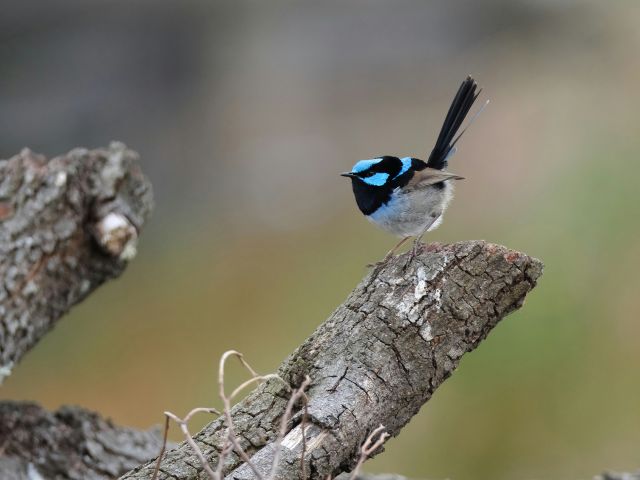
Keep an eye out for local birdlife. (Credit: Walter Coppola)

Twitchers are in for a real treat as hundreds of fascinating bird species such as Australian pelicans, black swans, white-bellied sea-eagles and superb fairy-wrens call this area home. Take a self-guided tour around top spots including Bird Cage Point and Lake Macquarie State Conservation Area (near Morisset) or be guided in a clear-bottom kayak through the waterways with Lake Macquarie Kayak Adventures, observing feathered friends as you go.

7. The lake has islands

sail lake macquarie
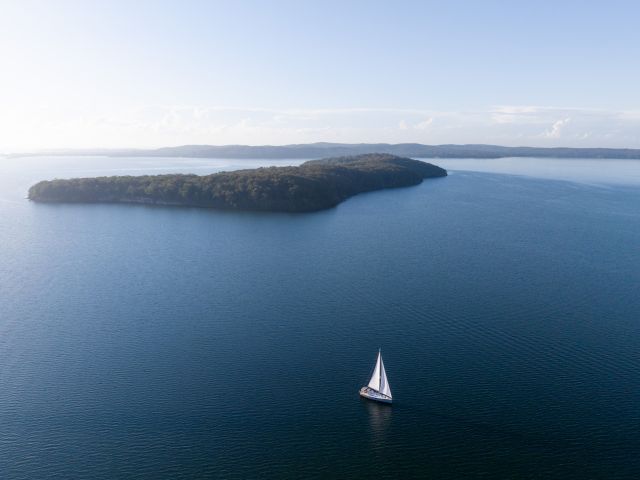
Charter a boat to see Lake Macquarie’s islands.

Hop on a private boat, kayak or charter around the lake to discover the plethora of small islands peppered around Lake Macquarie. The largest is Pulbah Island, a 69-hectare nature reserve home to goannas and sugar gliders with secluded beaches. Sandy islands such as Spectacle Island and Pelican Island have a tropical lagoon-like look to them as they sit in the tidal path of Swansea Channel, which filters the sand and creates a pristine environment. Stop by for a dip and a picnic.

Start living like the locals at visitlakemac.com.au.