This regional destination is pairingsmall-towncharm with trailblazing eco ambition.
The sky turns from pink to peach as we crunch over the gravel driveway leading to Shed by Zin, our farm-stay accommodation on the Eurunderee property owned by the Lowe family for six generations. It’s just before dusk and we have 22 per cent charge remaining on our EV, which is more than enough to have made the four-hour road trip from Sydney to Mudgee without experiencing any range anxiety.
The onsite EV chargers are just one of many eco initiatives winemaker David Lowe and his executive chef wife, Kim Currie, have implemented on the farm, the largest of its kind to go off-grid in Australia. After making the switch in 2025, there are now more than 400 solar panels and a battery system powering the cellar door, winery, machinery and processing plant, saving the biodynamic business about $85,000 in annual electricity costs.
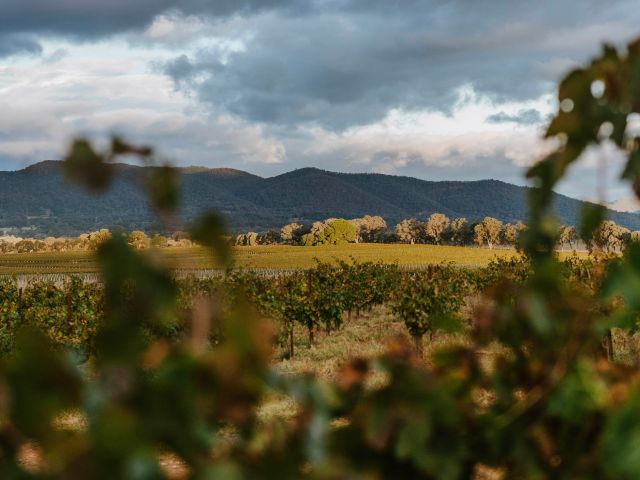
Bask in the quiet of Lowe Family Wine Co.’s vineyard. (Credit: Amber Hooper)
“The solar panels are just one aspect of our sustainability initiatives," says David, pointing to a laminated to-do list the couple have been diligently working their way through for more than a decade.
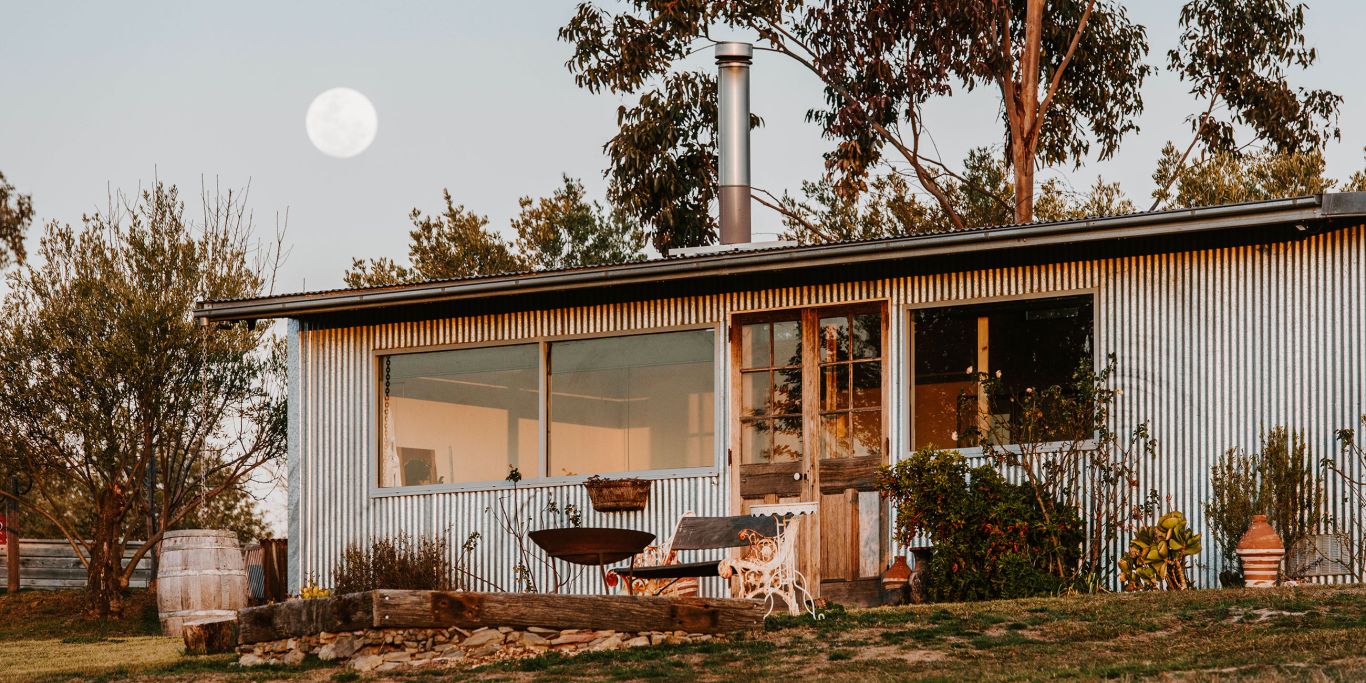
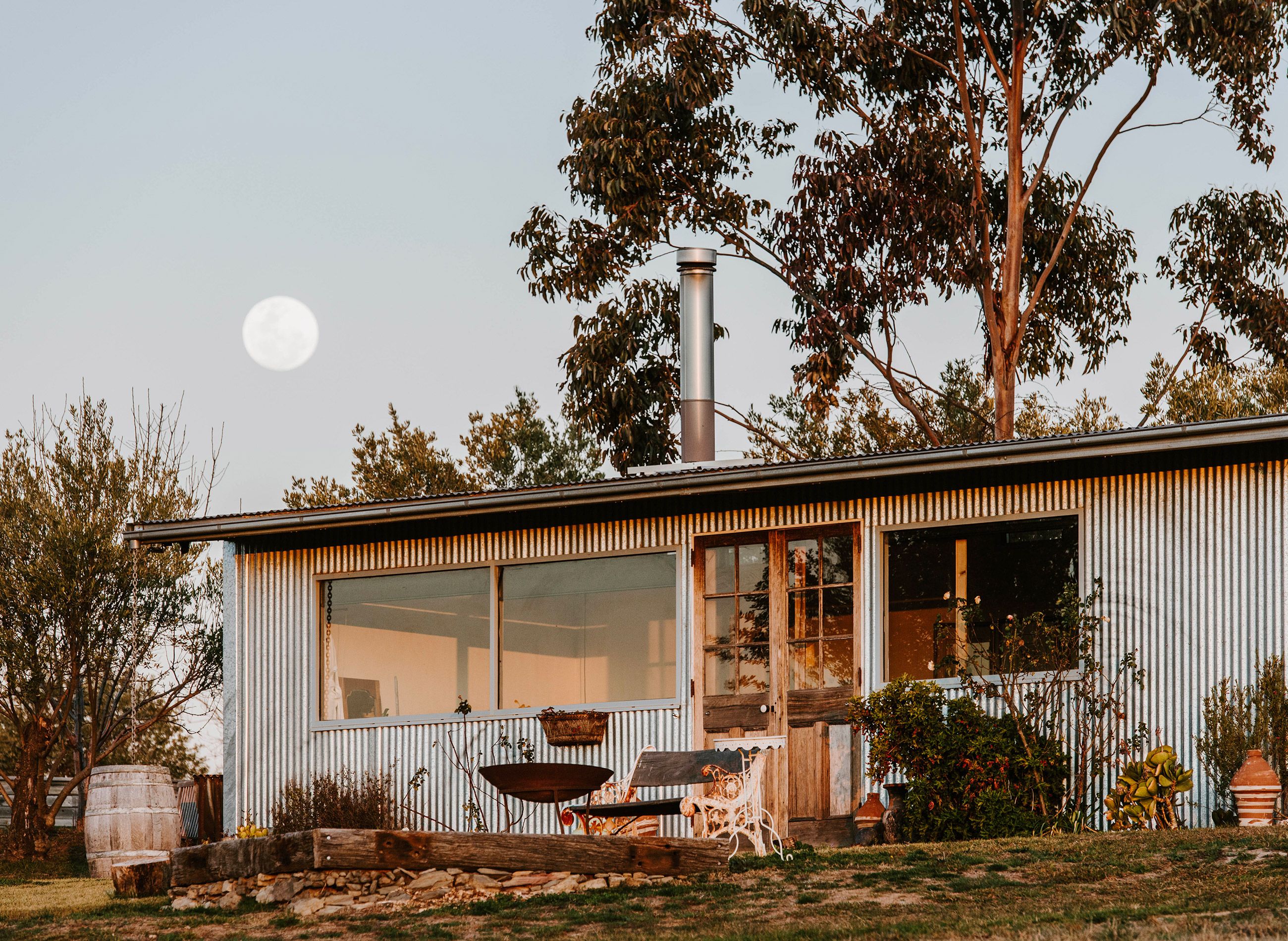
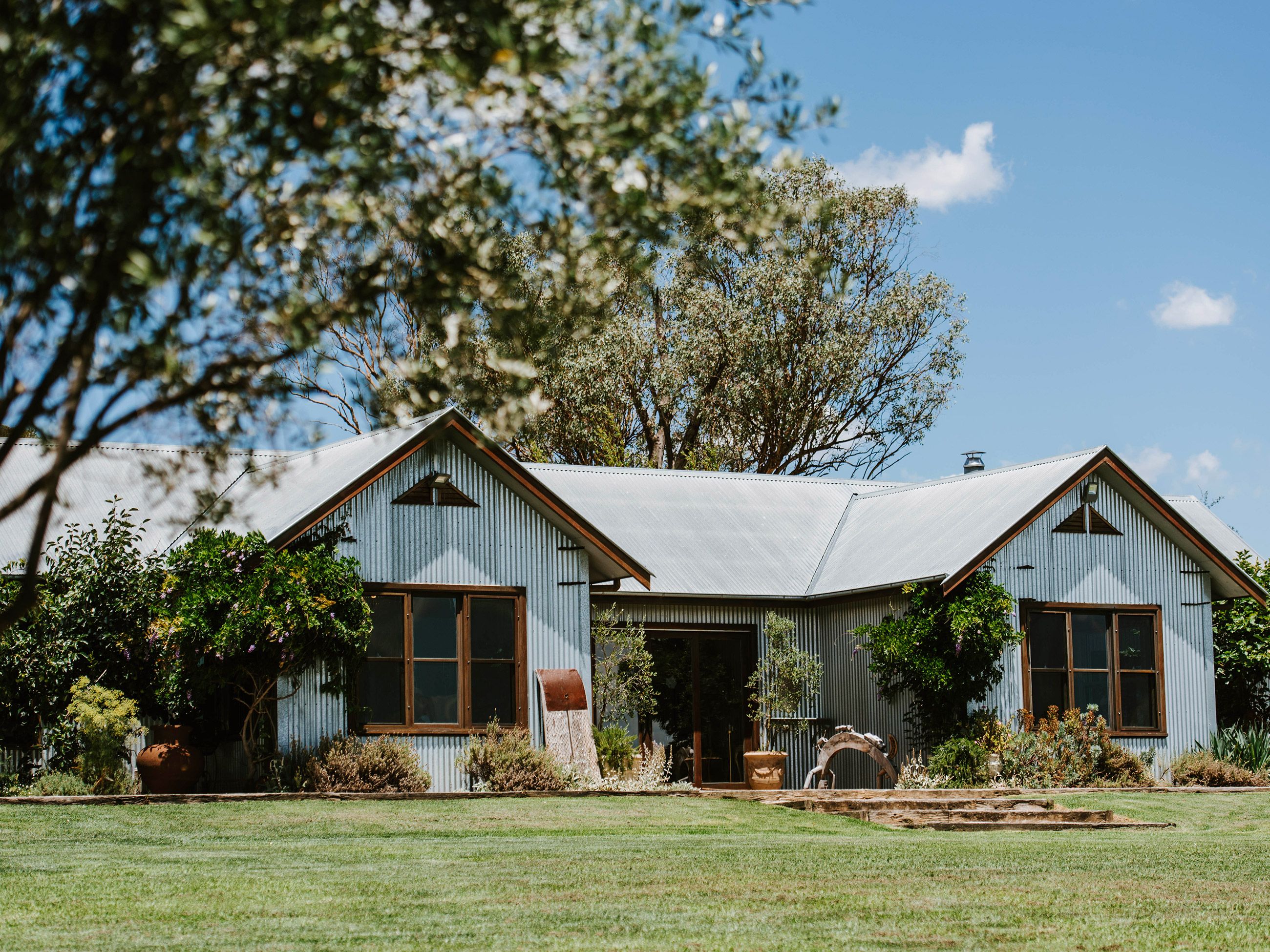
Although Shed by Zin – all recycled tin, timber and glass – looks as if it might have been on this pocket of the property for centuries, the placement of the former artist’s studio some 100 metres down the hill from the solar panels that power it is, like everything else here, intentional.
The rustic charm of Shed by Zin. (Credit: Amber Hooper)
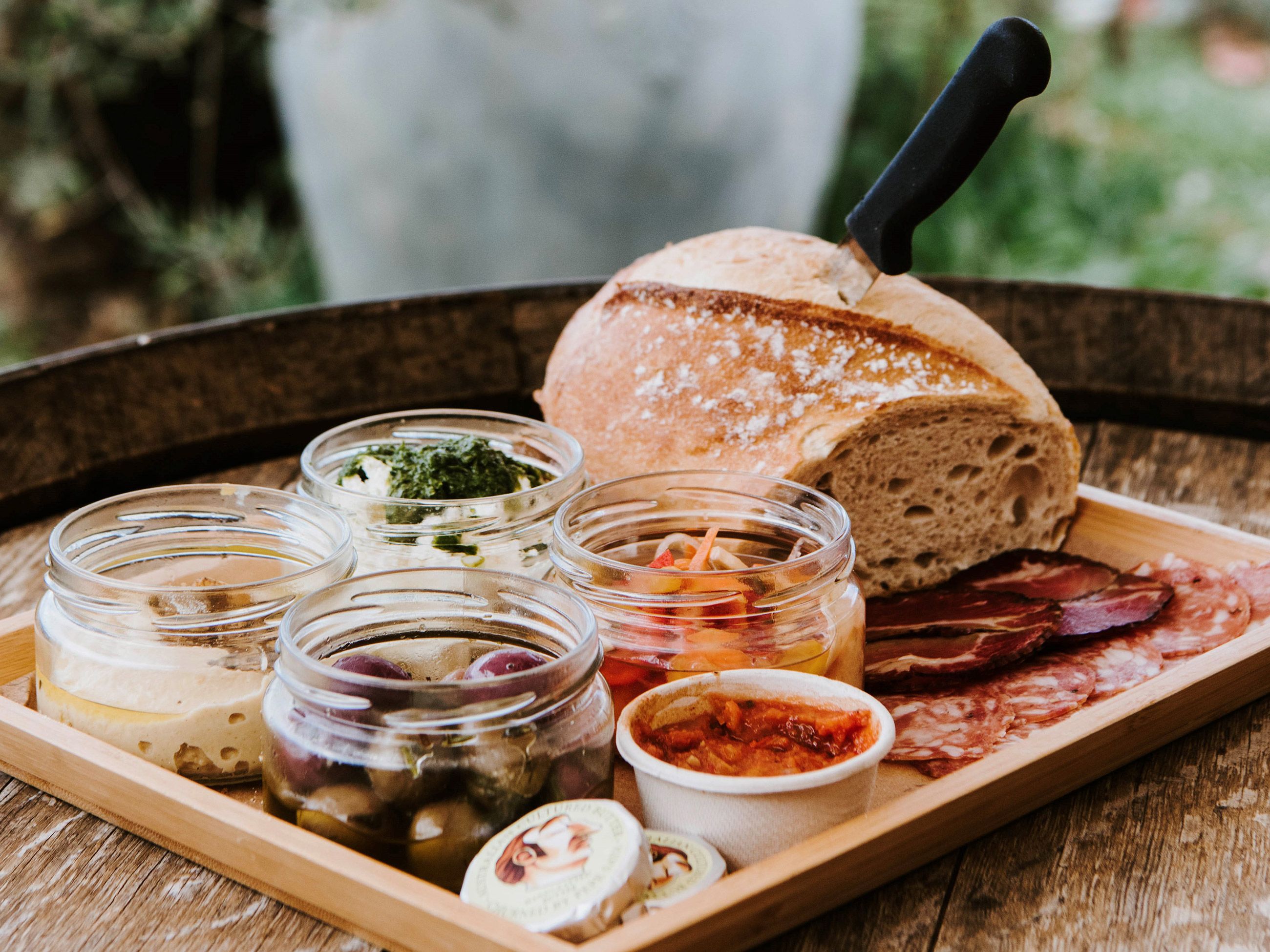
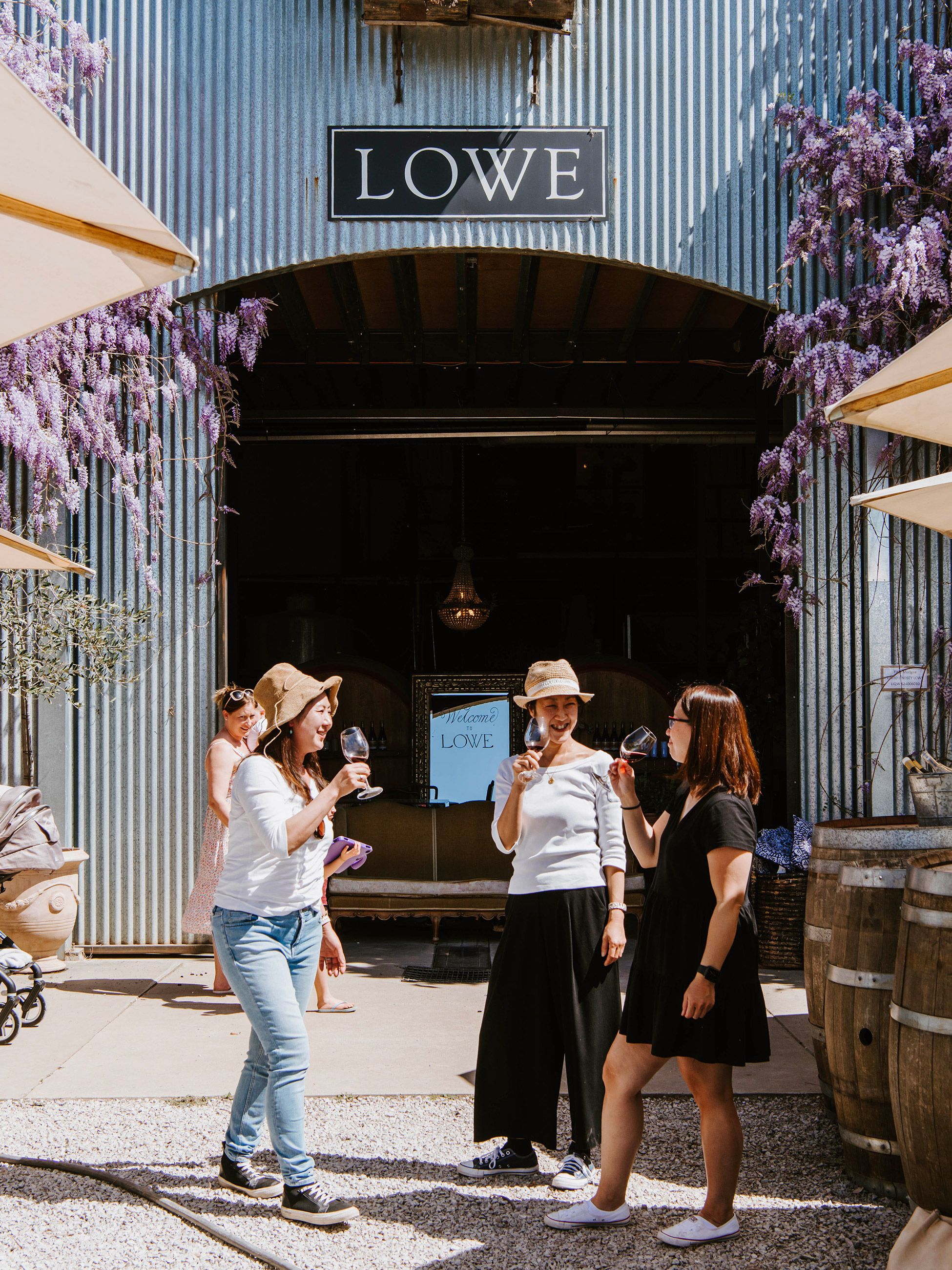
Enjoy a snack
with your tasting at
Lowe Cellar Door. (Credit: Destination NSW)
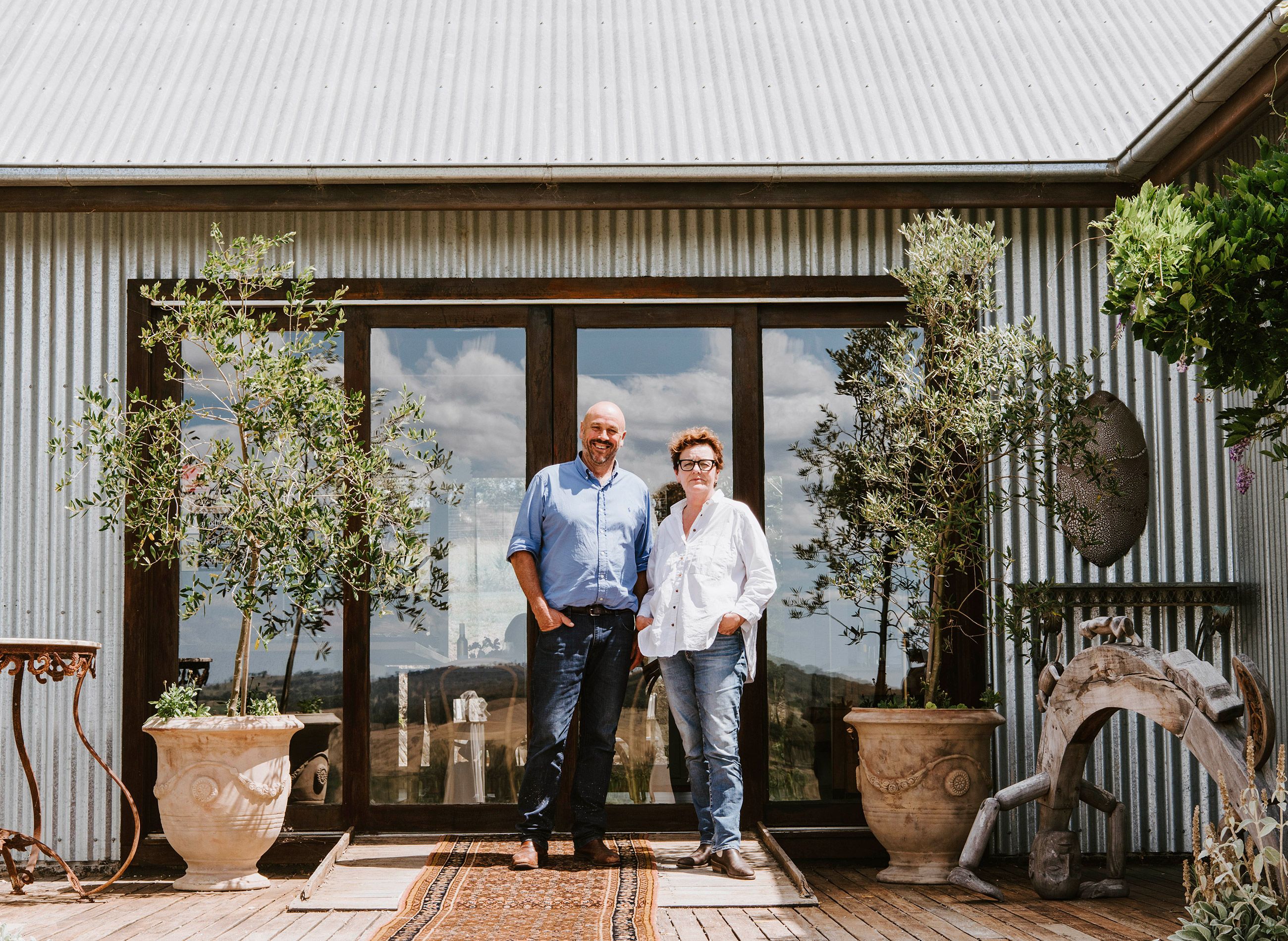
David Lowe and Kim Currie, of Lowe Family Wine Co.
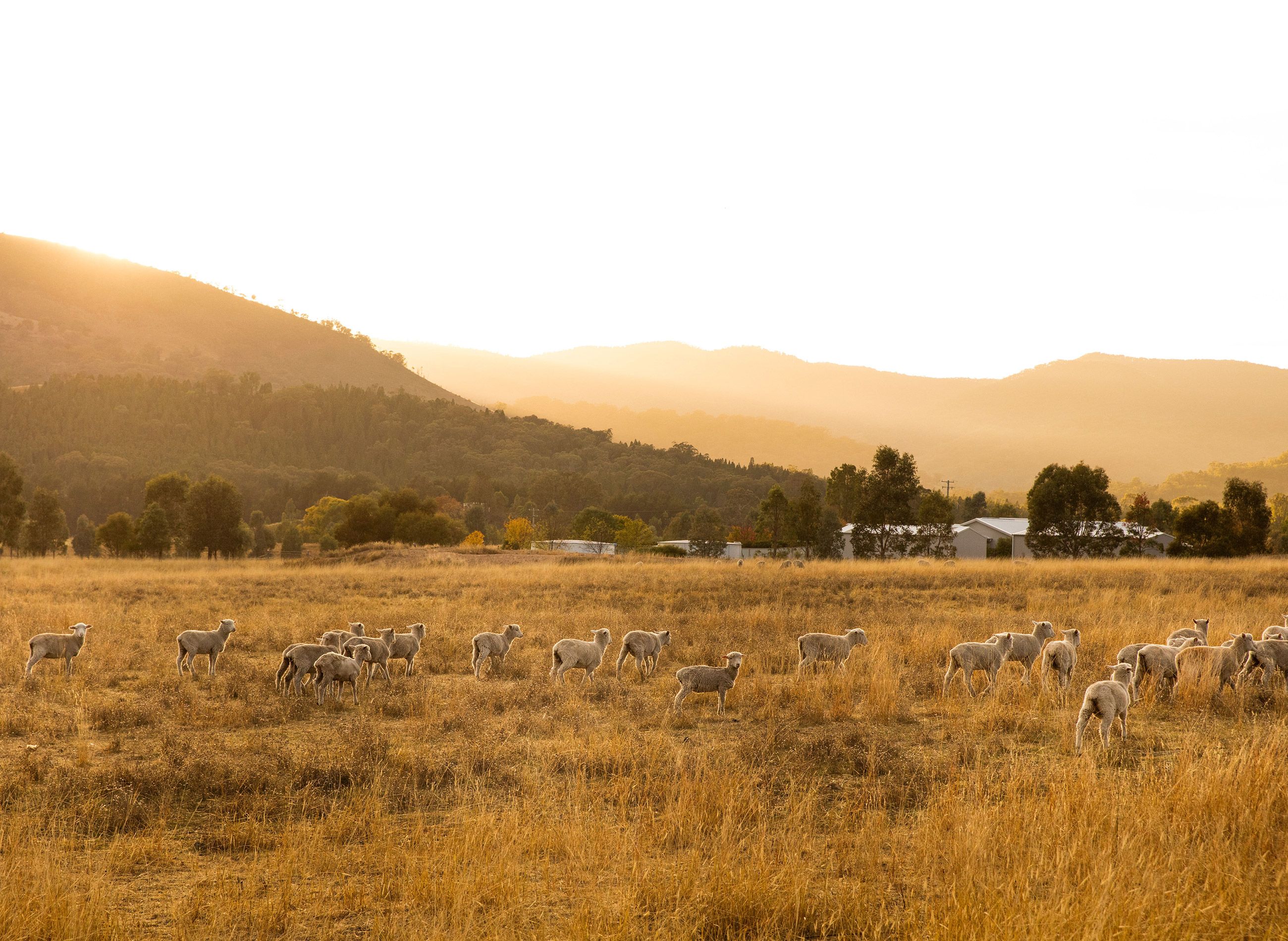
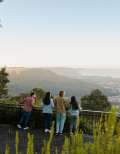
Relax in bucolic scenes. (Credit: Destination NSW)
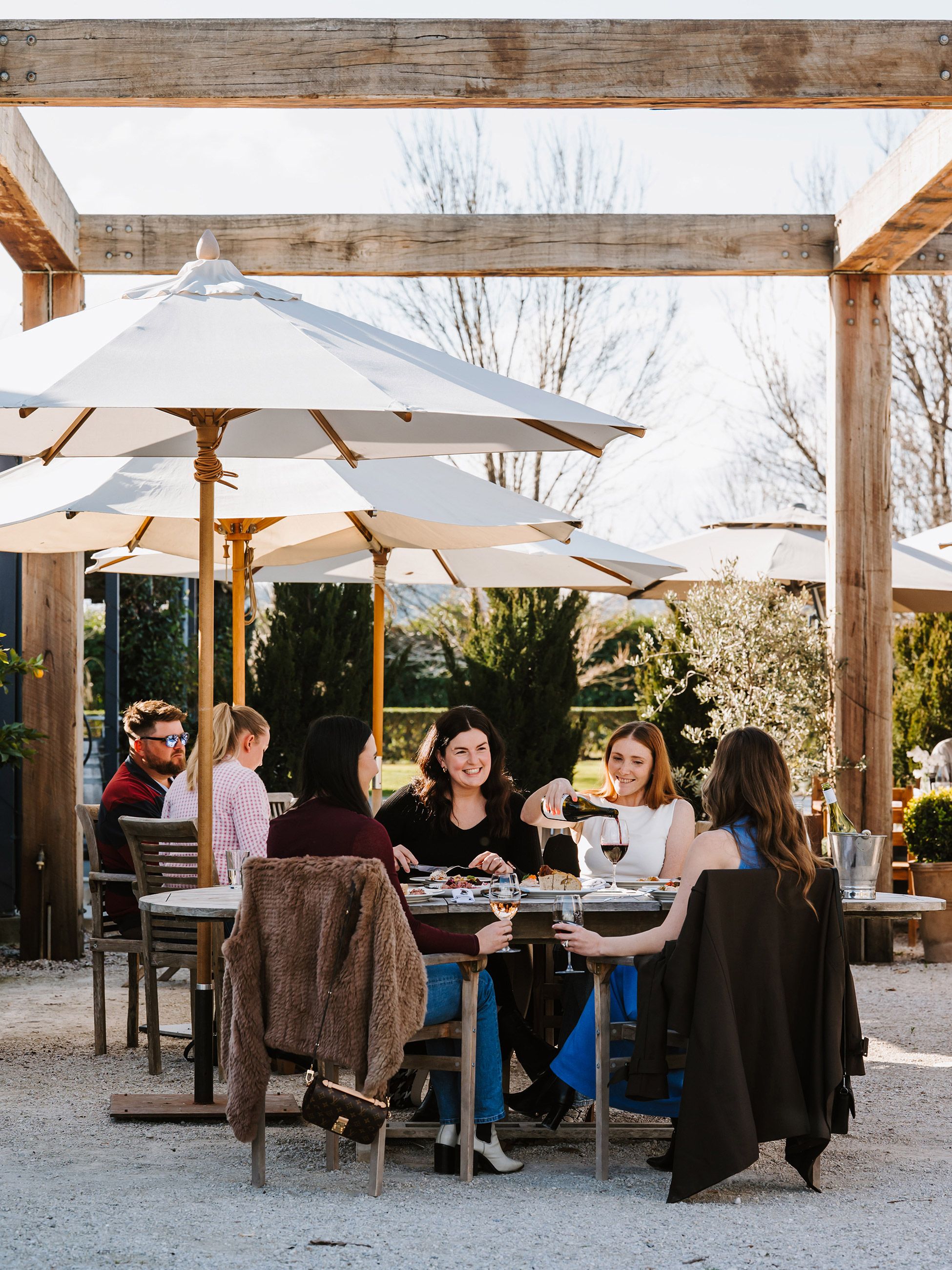
Sipping in the sunshine at Lowe Cellar Door. (Credit: Amber Hooper)
“We realised that if we were going to ask people to care about what’s in their glass, we had to care about everything else around that," David tells me as we tour the vineyard’s Latin Quarter, planted with Mediterranean varietals such as pecorino, ansonica, vermentino and nero d’avola. “The Latin Quarter is about future-proofing the vineyard and preparing for a hotter, drier micro-climate."
“My family settled here in 1825 and I consider it my duty to look after the land," adds David, who has a degree in oenology, trained with industry legends such as Len Evans, and brought 25 years of wine industry experience back to Mudgee when he took over the family farm.
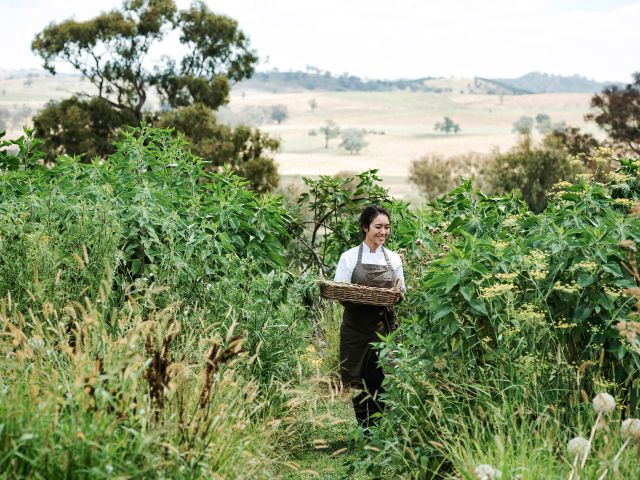
Althea by Zin bakes with ingredients from the Lowe Family Wine Co.’s organic, biodynamic garden. (Credit: Amber Hooper)
As executive chef at zin food + wine house, Kim was the culinary counterpart to David’s vision. After 10 years of setting a benchmark for dining in the region, and focusing on seasonal ingredients and additions straight from the estate’s organic garden, the restaurant’s doors are closing for the final time in December. But the ethos lives on in the sister business, Althea by Zin, which serves artisan savoury and sweet baked goods in downtown Mudgee.
Later, driving back towards town, the ‘small town, big things’ feeling returns in the form of a roadside honesty box with a sign advertising farm-fresh eggs and chilli jam. There’s no EFTPOS or QR code, just a tin and the assumption you’ll do the right thing.
Need tips, more detail or itinerary ideas tailored to you? Ask AT.
AI Prompt
Why Mudgee is the perfect reset
Linger over delicious food
and wines from Mudgee and the
surrounding region at Blue Wren
Farm’s The Barn. (Credit: Amber Hooper)
Its restaurant
focuses on dishes made with fresh
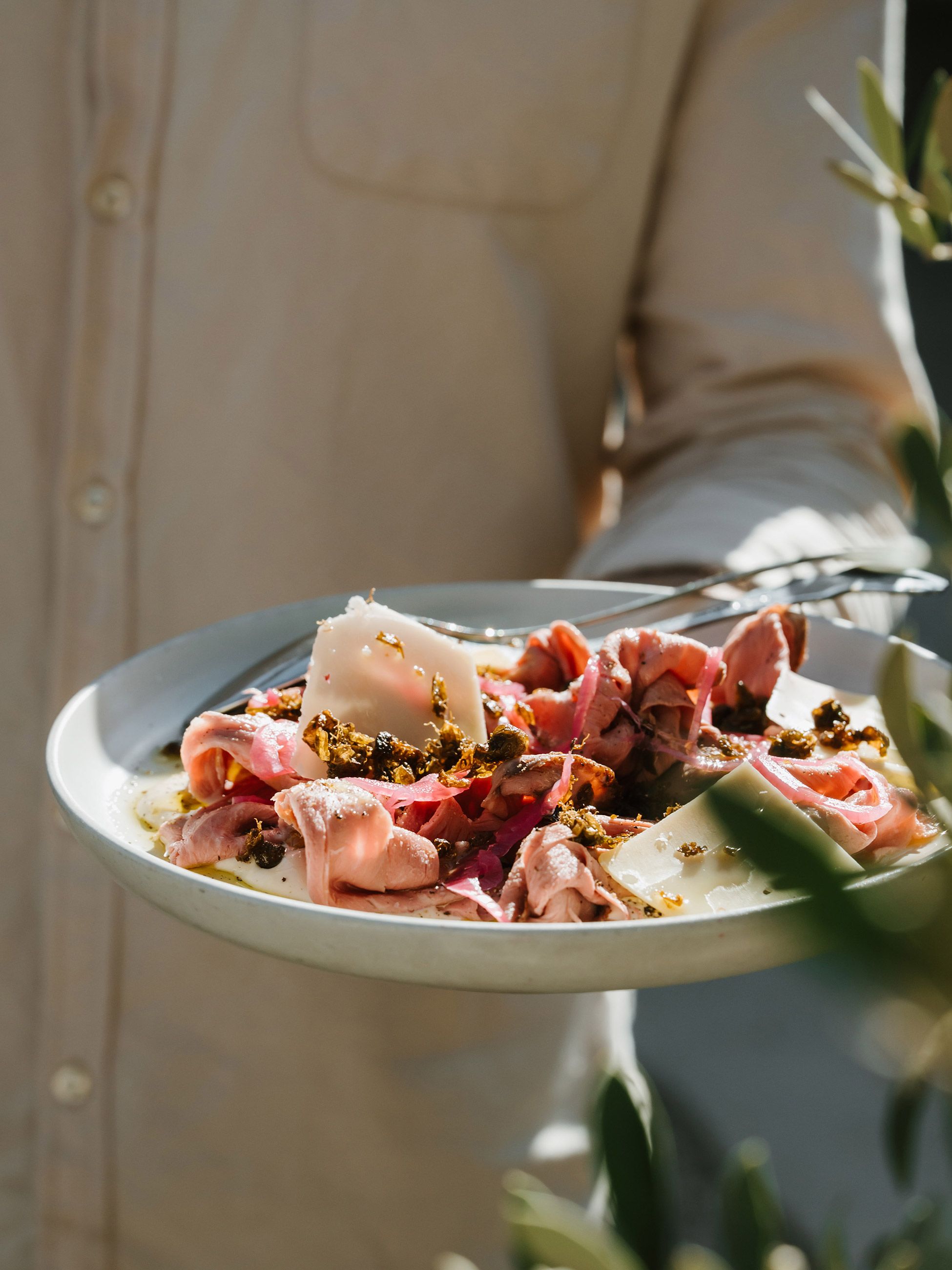
seasonal produce. (Credit: Amber Hooper)
Book into Shed by Zin for a serene country retreat. (Credit: Amber Hooper)
Back in Mudgee proper, that mix of charm and ambition runs through the main streets: heritage shopfronts host smart wine bars, cafes turn out tasty treats and markets sell seasonal produce. With more than 30 cellar doors concentrated in the region, Mudgee is the kind of place where you can enjoy a tutored tasting with the actual winemaker. The dining options are also plentiful with many – including nearby The Barn at Blue Wren Farm – focusing on serving delicious meals created with high-quality, seasonal ingredients.
What makes Mudgee the perfect reset is the way the town holds space for both stillness and surprise. In a town with no traffic lights, the pace isn’t slow so much as considered. It’s where going off-grid and trusting the land adds up to a handy reminder: there are small towns in regional NSW doing big, important things and they’re closer than you think.
Where to eat in Mudgee
Enjoy paddock-to-plate dining at Pipeclay Pumphouse. (Credit: Amber Hooper)
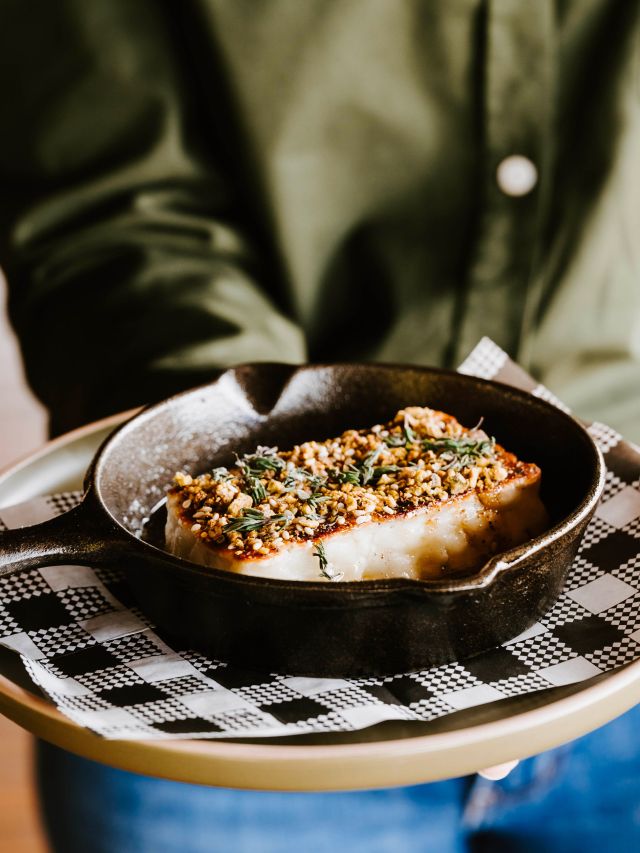
Gigi’s is a local favourite for breakfast at The Clairfield Hotel. Go to the Lowe Cellar Door for a grazing platter served with wines straight from the vineyard. Find paddock-to-plate dining at Pipeclay Pumphouse at Stein Winery, overlooking a pond filled with Australian banjo frogs. The barn at Blue Wren Farm showcases regional produce and is one of the most under-the-radar restaurants in NSW. Roth’s Wine Bar & Cellar serves tasty wood-fired pizzas and hosts live music and comedy nights. And you’ll find plenty of tasty bites at Mudgee’s wineries and cellar doors.
Weekly travel news, experiences insider tips, offers, and more.
Where to stay in Mudgee
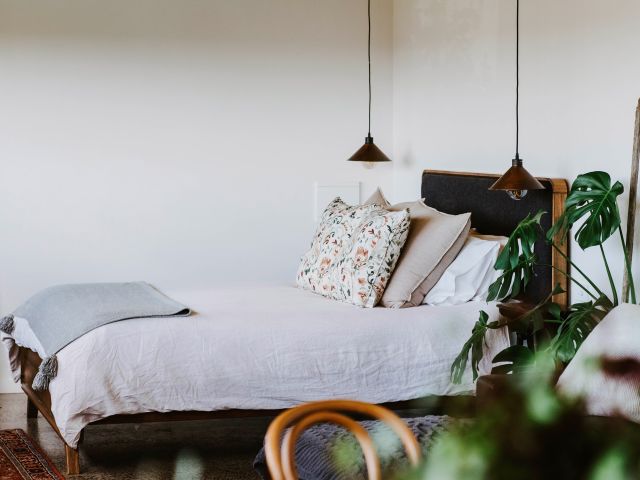
Shed by Zin has a rustic luxe style. (Credit: Amber Hooper)
Shed by Zin is a rustic farm-stay on the grounds of Lowe Family Wine Co., offering vineyard views and easy access to the cellar door. Blue Wren Farm can sleep up to 20 guests in its luxury glamping tents and stylish self-contained accommodation, just 100 metres from the farm’s onsite restaurant. For more options, read our full list of the best places to stay in Mudgee.
Other things to do near Mudgee
Extend your stay in the Mudgee Region with a visit to the charming towns of Rylstone, Kandos and Gulgong. Be sure to sample the handmade dumplings at the famous 29 Nine 99 Yum Cha and Tea House in Rylstone, learn about the region’s industrial heritage at Kandos Museum and enjoy a cold beer at Gulgong’s historic Prince of Wales Hotel, pouring since 1872.
Want to see more stories from Australian Traveller in your Google search results?
Tick the box next to "Australian Traveller". That's it.
Carla Grossetti has written across print and digital for Australian Traveller and International Traveller for more than a decade and has spent more than two decades finding excuses to eat well and travel far. A prestigious News Corp cadetship launched her career at The Cairns Post, before a stint at The Canberra Times and The Sydney Morning Herald gave way to extended wanders through Canada, the US, Mexico, Central America, Asia and Europe. Carla was chief sub editor at delicious and has contributed to Good Food, Travel & Luxury, Explore Travel, Escape. While living in London, Carla was on staff at Condé Nast Traveller and The Sunday Times Travel desk and was part of the pioneering digital team at The Guardian UK.
An untapped side to this popular holiday spot is hiding in plain sight.
Laidback Lake Macquarie draws in holidaygoers and day trippers with its casual coastal allure and raw beauty. But even though it’s just 90 minutes from Sydney, most visitors have only scratched the surface of what this region has to offer.
Foodie hotspots, quaint towns, tranquil waterways and compelling art are all waiting to be discovered. You just need to know where to find them.
1. Most visitors don’t make it to the western side
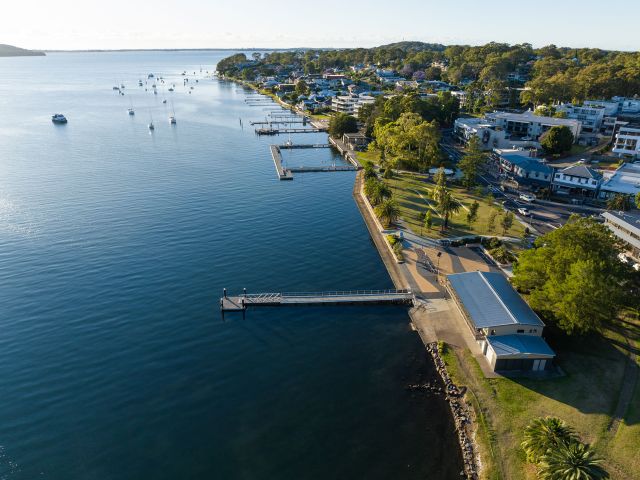
Explore beyond the western side. (Credit: Beau Pilgrim)
While there’s no harm in walking the well-worn path in this idyllic pocket of the world, the area west of Lake Macquarie is defined by stretches of ancient rainforests and quaint towns with a more local feel. Toronto is the largest town on this side and features a golf course and sailing clubs, while peninsula-based Wangi Wangi is fantastic for bushwalking and swimming.
2. There’s a booming arts scene
Discover the Museum of Art and Culture, YAPANG.
Lake Macquarie is a must-visit destination for creatives. Discover the Museum of Art and Culture, YAPANG; this modern gallery is set on a five-hectare sculpture park and showcases a free rotating program of exhibitions and events, with a strong focus on contemporary Aboriginal art. In Wangi Wangi, explore the Wangi Owl Trail, which includes Dobell House, the preserved home of prolific artist Sir William Dobell. And enjoy live music every Saturday evening at the recently renovated Toronto Hotel.
3. It’s a nature lover’s paradise
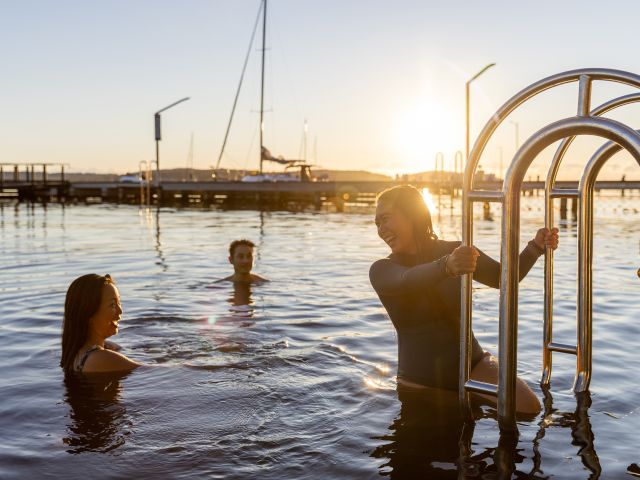
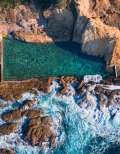
In and out of the water, find a natural paradise. (Credit: Beau Pilgrim)
Lake Macquarie is a playground for nature lovers. It’s home to Australia’s largest saltwater lake, a 110-square-kilometre haven for swimming, fishing, boating and sunset views. Another oasis is the Lake Macquarie State Conservation Area, a 761-hectare protected reserve with wildflowers, Second World War heritage sites and spectacular views to Pulbah Island. The upgraded Toronto baths, complete with jetty decking and netting, make for a sheltered spot for a refreshing dip, while the Awaba Mountain Bike Park gives adrenaline junkies their fix.
4. The dining scene is unbeatable
Treat yourself to 8 at Trinity.
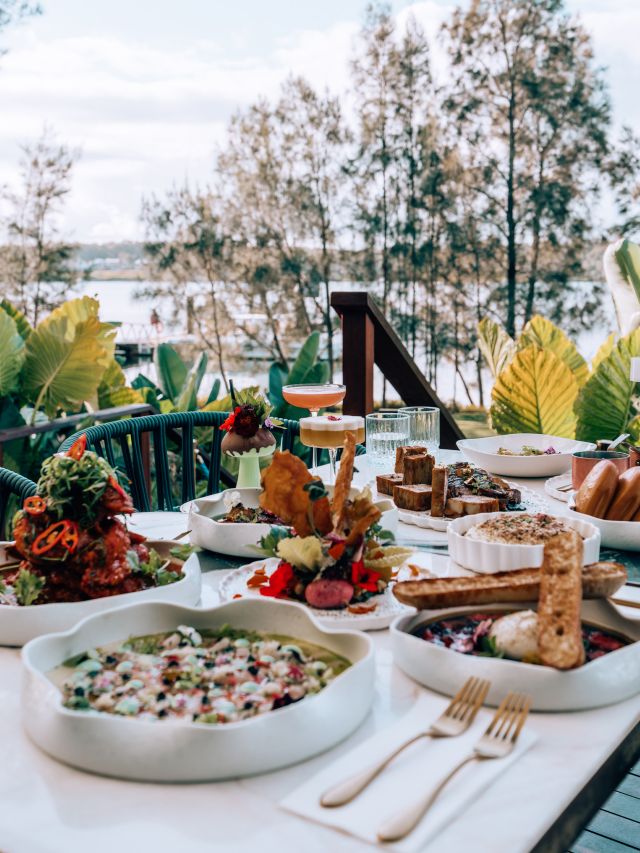
Gourmands are well looked after in Lake Macquarie. At Emerson’s on the Lake in Toronto, the modern Australian fine dining menu spoils seafood lovers with the freshest ocean produce and stunning lake views. Sitting on Trinity Point’s waterfront, 8 at Trinity is another standout offering, serving Mediterranean fare in an open-air setting. For a more relaxed affair, the microbrewery trail lets craft beer enthusiasts sip on inventive brews from The Yard, Lake Mac Brewing and Bread & Brewery.
5. There are hidden coves and waterways
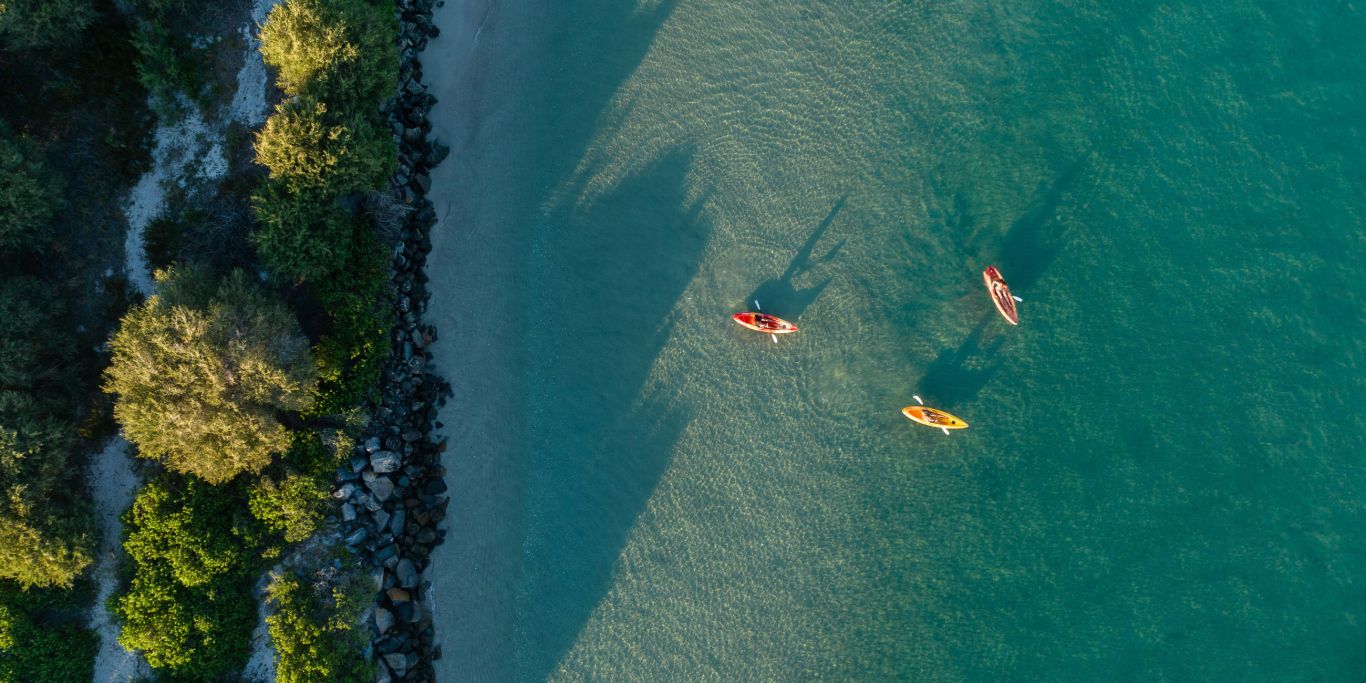
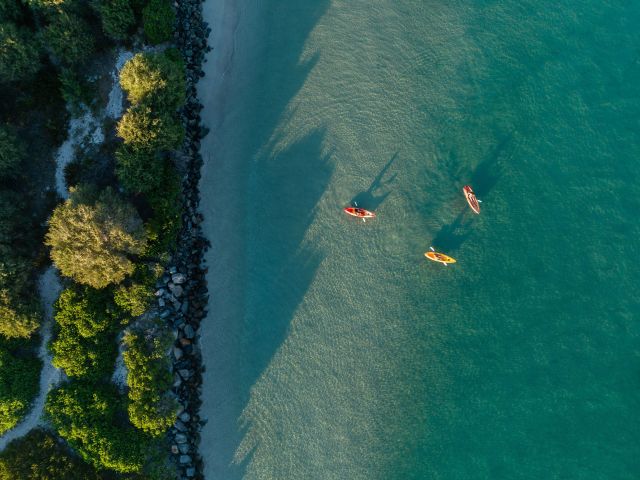
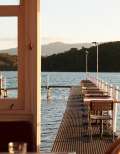
Get out onto the lake. (Credit: Beau Pilgrim)
There’s no better way to experience Lake Macquarie than directly on its waters, and in doing so you’ll discover a world of hidden coves and secluded waterways. Jump in a kayak for a tour with the friendly team at School of Yak and paddle to Cockle Creek, Awaba Bay, Green Point and Fennel Bay, discovering underwater life along the way. Or go all in and stay the night on one of Lake Macquarie Houseboats’ spacious vessels or hire a BBQ pontoon boat for the day from Lake Macquarie Boat Hire to enjoy a feast in the sunshine while admiring the marine life and picturesque waterscape.
6. It’s a birdwatcher’s paradise
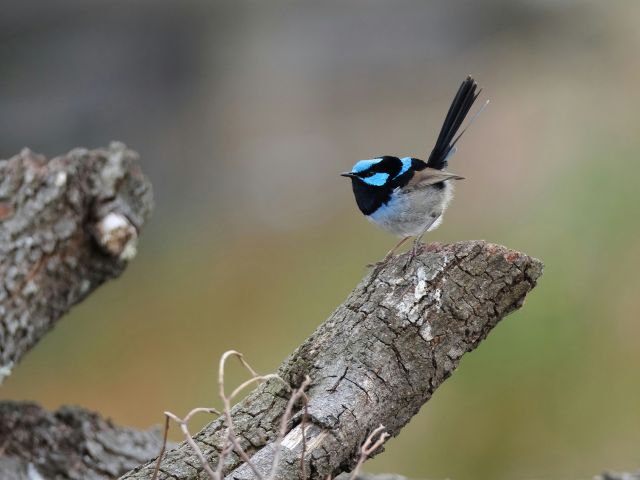
Keep an eye out for local birdlife. (Credit: Walter Coppola)
Twitchers are in for a real treat as hundreds of fascinating bird species such as Australian pelicans, black swans, white-bellied sea-eagles and superb fairy-wrens call this area home. Take a self-guided tour around top spots including Bird Cage Point and Lake Macquarie State Conservation Area (near Morisset) or be guided in a clear-bottom kayak through the waterways with Lake Macquarie Kayak Adventures, observing feathered friends as you go.
7. The lake has islands
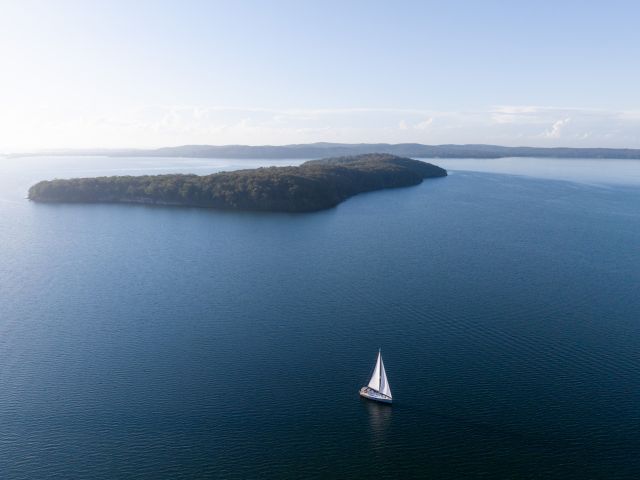
Charter a boat to see Lake Macquarie’s islands.
Hop on a private boat, kayak or charter around the lake to discover the plethora of small islands peppered around Lake Macquarie. The largest is Pulbah Island, a 69-hectare nature reserve home to goannas and sugar gliders with secluded beaches. Sandy islands such as Spectacle Island and Pelican Island have a tropical lagoon-like look to them as they sit in the tidal path of Swansea Channel, which filters the sand and creates a pristine environment. Stop by for a dip and a picnic.