10 reasons to take the inland route through NSW to Qld New England

hero media
A road trip to Queensland is a New South Welshmen must-do. But for some, the well-beaten Pacific Highway is more of an over-do.

Here, we quit the coast and veer inland to uncover the New England Tablelands in northwest NSW, on route to the border. The difference in kilometres isn’t much more than the coastal alternative (about another 200 kilometres), but we suggest adding a few more days to the itinerary to really check out the scenery. Here are 10 reasons you didn’t know to take the inland route:

1. The landscape

The region covers thousands of square kilometres, meaning the towns are fairly spread out, but it’s a picturesque patch of the state that gives way to some beautiful country drives. The landscape is largely made of expansive plains, home to cotton crops (particularly around Narrabri), paddocks of grazing cattle and occasional olive groves and vineyards. But out of the flat erupts a dramatic mountain range (the western foothills of the Great Diving Range to be exact), which creates a stunning backdrop to the area. Towards Inverell and Bingara, the landscape changes again with increasingly hilly outlooks and winding roads. So as a word of warning, it can be difficult to keep your eyes on the road with these passing views– don’t say we didn’t warn you!
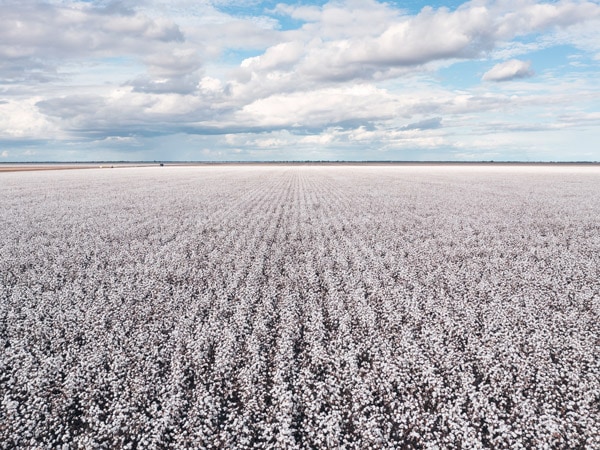
Cotton ready for picking at Newport Cotton Farm, Moree.
The inland route through New England gives way to some beautiful country drives. (Image: DNSW)

2. Artesian spas

Moree has been dubbed The Spa Capital of Australia, with its ancient, mineral-rich artesian waters. This naturally heated (usually 38-40 degrees) and filtered water is said to have many healing properties and is a major tourist attraction.
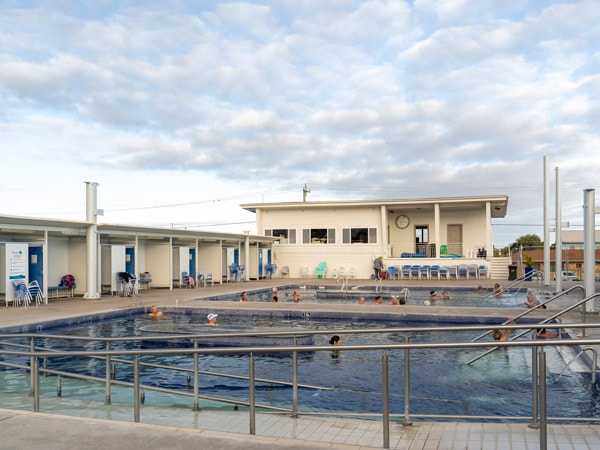
People enjoying a visit to the Moree Artesian Aquatic Centre in Moree
The Moree Artesian Aquatic Centre is one of the town’s main attractions. (Image: DNSW)

The best place to experience it is at the Moree Artesian Aquatics Centre (MAAC). It houses a range of public pools including two hot artesian pools – ideal for its hydrotherapy and aqua aerobics classes, as well as smaller splash areas and a waterslide for little ones.
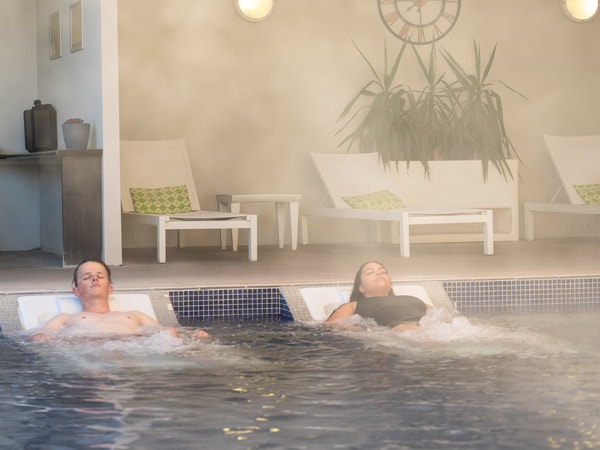
Couple enjoying a relaxing visit to the Moree Artesian Aquatic Centre.
Moree Artesian Aquatic Centre houses a range of public pools including two hot artesian pools. (Image: DNSW)

3. Heritage guesthouses

While there are plenty of hotel, motel and camping options throughout the region, we suggest booking in at one of the area’s beautiful heritage guesthouses. Our picks: Craigdon Guesthouse and Blair Athol Estate. The former, perched on the foothills of Killarney Gap, overlooking the Namoi Valley, was built in 1905 and boasts sprawling verandas, high ceilings and cosy open fireplaces – reflective of the time. The seven thoughtfully-restored guest bedrooms come with king-sized beds and ensuites, while hearty dinners and fresh breakfasts are also provided.
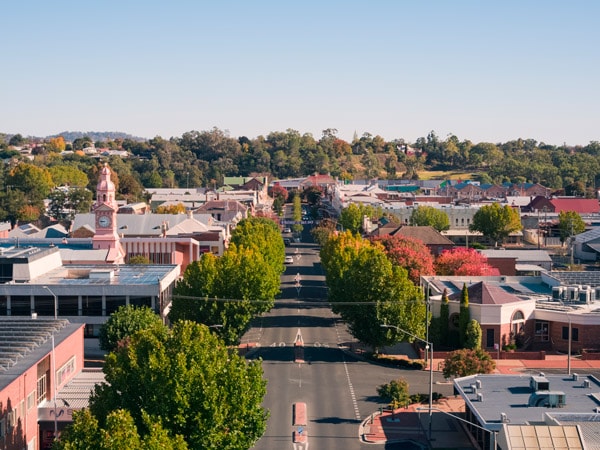
The country town of Inverell in the New England region of NSW.
Find Blair Athol Estate on the outskirts of Inverell. (Image: DNSW)

Meanwhile, Blair Athol Estate can be found tucked away on the outskirts of Inverell. An imposing manor house which was built in 1904, it’s surrounded by large, manicured gardens, while inside is eight well-appointed bedrooms, from the Bridal Suite to the Maid’s Room. Again, guests can expect hearty country breakfasts and sumptuous dinners if requested. Both are ideal hideaways to snuggle up in.

4. Events

Tamworth’s Country Music Festival may be the region’s flagship event, but there are more and more get-togethers filling New England’s annual calendar, meaning more and more reasons to visit.

Tamworth Country Music Festival, Tamworth
Don’t miss the New England’s flagship event: The Tamworth Country Music Festival. (Image: Tamworth Country Music Festival)

Among them are Nosh Narrabri and Moree on a Plate – both showcasing local produce, and the Australian Celtic Festival (Glen Innes), celebrating the district’s Celtic ties.

Child enjoying the 2019 Moree on a Plate Festival.
The whole family will enjoy the Moree on a Plate festival. (Image: DNSW)

5. Local produce

This brings me to my next point – the local produce itself. The fertile black soil found throughout much of the area (especially in the Gwydir Valley) is gold for agriculture; producing wheat, cereal and beef cattle. But there are also some unexpected gourmet gems to stop in at along the way. Among them is Olives of Beaulieu outside of Inverell; a small family-run business that produces olives, olive oil, dukkah and harissa, while Stahmann Trawalla Pecan Nut Farm in Moree produces 95 percent of Australia’s pecan crop and is the largest orchard in the southern hemisphere. There are some great little wineries too, including Boorolong Road Estate in Armidale.

Aerial overlooking trees at the Stahmann Webster Pecan Nut Farm, Moree
Stahmann Webster Pecan Nut Farm supplies 95 percent of Australia’s pecan crop. (Image: DNSW)

6. Fossick for sapphires

Inverell is a renowned sapphire-mining area, and you can fossick for your own gem at a number of local locations. Billabong Blue Fossicking Park on Swan Brook Creek is a great spot for any inexperienced fossicker, as everything is provided along with full tuition. It’s a similar deal at 7 Oaks Fossicking Property – 20 kilometres from town. Otherwise, check out the Billabong Blue Sapphires office next to the visitor information centre. Here you can not only purchase your own local sapphire, but watch them being cut, polished and ask any questions.

7. The Roxy Theatre

Bringing back a slice of 1950s charm to Bingara is the Roxy Theatre and Café. Originally built in 1936 by three local Greek men, it operated as a cinema until 1958, after which it was closed and lay dormant and untouched for 40 years. In 2004 the beautiful art-deco theatre was returned to its former glory and re-opened to the public as a cinema and theatre house. More recently, the property’s adjoining Greek cafe was fully restored now also includes the ‘Museum of Greek settlement in Country Australia’. History buffs, film fiends and art-deco lovers ought to swing by.

8. Growing art scene

There’s quite the artistic hub here, with many little pockets to see the handiwork of local artists. Among them is Pilliga Pottery, which not only stocks a litany of beautiful, hand-made terracotta pieces, but also runs pottery classes, as well as the quirky Ceramic Break Sculpture Park, with bronze sculptures, indoor galleries and, er, resident ostriches. Inverell Art Gallery is also worth a visit, featuring regular exhibitions by both local and visiting artists as well as one of the longest continuing mosaics in Australia.
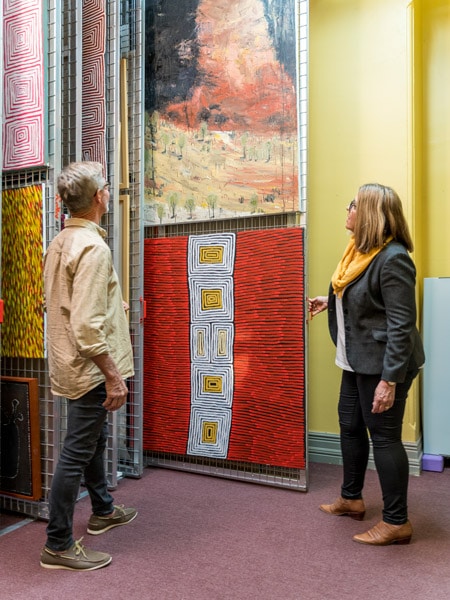
Couple browsing through art at Bank Art Museum Moree
A couple browsing through art at Bank Art Museum Moree. (Image: DNSW)

The Bank Art Museum Moree (or BAMM) is housed within a striking 1911 Federation era bank building in the centre of town and is one of a burgeoning number of regional art galleries showcasing an impressive schedule of changing exhibitions and community art classes.
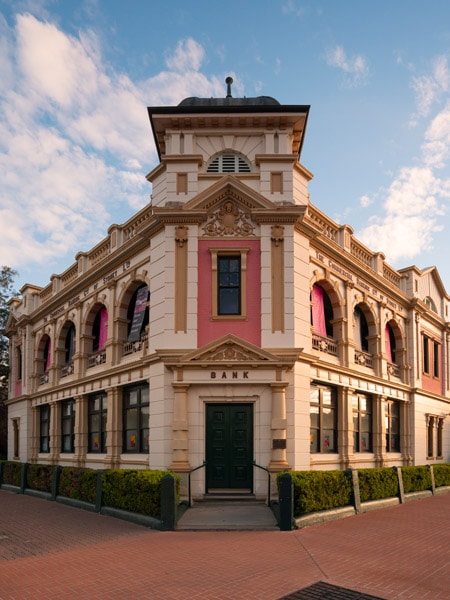
Facade of the Bank Art Museum Moree
The striking façade of the Bank Art Museum Moree. (Image: DNSW)

9. Koala capital

While Moree boasts the ‘Spa Capital’ title, Gunnedah is the ‘Koala Capital of the World’. With one of the largest and healthiest koala populations west of the Great Divide, you can expect to see them regularly sleeping in the local eucalypts, or even sauntering across the main road.

10. Sawn Rocks

There are many beautiful national parks throughout the New England North West region, each with plenty of camping areas, hikes and scenic spots to explore. Among the must-sees however is Sawn Rocks in Mount Kaputar National Park, near Narrabri. Resembling an almighty wall of organ pipes, Sawn Rocks is in fact a wall of pentagonal basalt pipes, evidencing the area’s volcanic past. This unusual phenomenon is said to have been caused by the cooling of molten rock, allowing individual crystals within the rock to align perfectly with each other. Yarrie Lake, also near Narrabri also has an interesting history. Perfectly circular, this dish-shaped body of water is believed to have been formed by a meteor falling to earth millions of years ago. Today, it’s a popular place for bird-watchers, swimmers, campers and picnickers.

hero media

7 great day trips from your Coffs Coast homebase

Make this dazzling stretch of beaches and natural wonders your home base for a grand adventure

Whether you’re setting out solo, bringing a mate, or packing in the whole family, no road trip along Australia’s East Coast is complete without at least a few days spent exploring the Coffs Coast. A stunning stretch of NSW coastline nestled between ancient high-elevation rainforests and magnificent, undiscovered beaches, Coffs offers amazing biodiversity, stunning natural beauty, and heaps of local charm, without the crowds. Pull up in Coffs Harbour , your perfect home base for these unforgettable day-trips.

1. Southern Beaches

The Coffs region boasts 30 of Australia’s most beautiful, unspoiled beaches, directly abutting a dramatic tableau of mountains and rainforests. Drive South of Coffs Harbour to find up-and-coming surf destinations where it’s still possible to catch an empty wave. First up is the picturesque Sawtell village . Wander the famous fig-tree-lined main street packed with laid-back places to eat and drink. Enjoy panoramic views and seasonal whale sightings at Bonville Headland on the Southern end of the beach.

Nearby Bongil Bongil National Park boasts seven kilometres of empty beach, along with hiking and cycling trails through beachfront rainforests – keep an eye out for koalas living in the trees. Boambee Beach and Boambee Creek Reserve are great for families, with shallow waters perfect for kayaking and SUPing, plus an off-leash dog beach.

family eating lunch in sawtell
Experience small-town charm in Sawtell.

2. Orara Valley Tourist Trail

The Orara Valley Tourist Trail has it all: hinterland bushwalks, birdwatching, horse riding, pristine swimming holes and rolling green pastures dotted with dairy farms and historic villages. And it’s only 15 minutes west of Coffs Harbour.

Sample produce at a roadside stall, stop into Coramba Hotel for a quintessential country pub lunch, or try the Idle in Cafe in Nana Glen for coffee and scones. Then spend the afternoon kayaking the Orara River or mountain biking on Mt Coramba. If you’re feeling adventurous, follow the 4WD touring route along the Orara Escarpment in Bindarri National Park , a rugged landscape with dazzling views that winds through untouched eucalypt rainforests and waterfalls.

A family sitting by the Orara Valley Tourist Trail.
Explore the green heart of Coffs.

3. Dorrigo National Park

Enjoy a classic day trip from Coffs to forest bathe in some of the oldest subtropical rainforests in the world at Dorrigo National Park, part of the World Heritage-listed Gondwana Rainforests. These million-year-old ecosystems promise rare bird sightings, towering strangler figs, and epic walking tracks and picnic spots. Try the 6.6 km Wonga Walk to experience dreamy Crystal Shower Falls (where you can walk behind the falls) and the Skywalk Lookout, which offers spectacular views of the valley and coast. Then stop in Dorrigo town for a homey lunch. It’s worth noting that a section of the road between Ulong and Dorrigo – which dates to the 1880s – is unsealed, adding to the area’s end-of-the-earth allure but making travel difficult in adverse weather conditions. Alternatively, head to Dorrigo via the delightful township of Bellingen .

Three people standing at the SkyWalk lookout.
Wander the Skywalk.

4. Northern Beaches

For another tranquil expanse of sun, sand and surf breaks, head north to Woolgoolga (Tourism Australia’s Best Mainland Beach for 2025. Taste the coffee and local-produce breakfast at one of several cafes, then spot whales during their migration season along the Woolgoolga Whale Trail to the headland. Emerald Beach offers clear blue waters and another headland walk, perfect for taking in views of South Solitary Island, a dramatically rocky-cliffed island with a historic lighthouse. Red Rock, some 40km north of Coffs and named for its striking coastal rock formations, boasts a gorgeous estuary reserve that’s perfect for languorous days spent picnicking, swimming, fishing, and connecting with the relaxed local pace.

Freshly caught seafood by the beach, with sparkling ocean views.
Enjoy fresh seafood overlooking Woolgoolga Beach.

5. Jetty precinct

You could easily spend a whole day exploring the Jetty precinct – from its foreshores to the marina to Muttonbird Island. Start with fresh fish and chips from local institution Coffs Harbour Fisherman’s Co-op , before browsing the popular Harbourside Markets held every Sunday on the foreshores.

Take a scenic walk along the breakwall to Muttonbird Island , a cultural and ecological treasure with panoramic views and rich Gumbaynggirr heritage. The Giidany Miirlarl Education Space shares the island’s ancient stories, or join a guided moonlight tour to see the seasonal return of the muttonbirds.

Back at the Jetty Strip, find a buzzing mix of cafes, bars and restaurants with cuisines from around the world, open from morning until late. Don’t miss The Jetty Pavilion , a favourite for its unique menu blending modern Australian cuisine with vibrant world flavours.

walk to muttonbird island from coffs harbour
Walk the path where land meets sea and sky.

6. Grafton

Head inland from mid-October to early November to catch Grafton’s jacaranda season, when the town’s streets and parks are covered in purple. Even better, time your trip between 24 October and 2 November to attend the famous Jacaranda Festival, with special food items, performances and more. At any time of year, follow the self-guided Grafton Heritage Trail to discover the town’s historic buildings, landmarks and stories. Or get the blood pumping with a trip along the longest mapped white-water trail in Australia – the Clarence Canoe and Kayak Trail. Book a tour with Exodus Adventures .

woman walking through jacaranda trees in grafton
Time your Grafton trip to see the jacarandas in full bloom. (Image: @myclarencevalley)

7. Nambucca

Just south of Coffs Harbour sits Nambucca, the ideal town for a relaxed, coastal day trip. Hire a canoe, kayak or boat to explore over 80 kilometres of waterways stretching from the hinterland to the ocean. For those who prefer to stay on dry land (or double up their adventure for the day), stretch your legs along the V-Wall – a scenic coastal walk along the Nambucca River – dotted with boulders painted by the community, sharing messages, art and local stories. Stop along the way to buy Sydney rock oysters direct from local farmers, or try your own hand at fishing. Before heading back to Coffs, refuel on fresh seafood and wood-fired pizzas at Matilda’s in Nambucca .

a boat zooming through Nambucca Heads
Explore Nambucca’s waterways. (Image: Seen Australia)

Visit coffscoast.com and download the Coffs Coast Explorer App for more daytrips and trails.