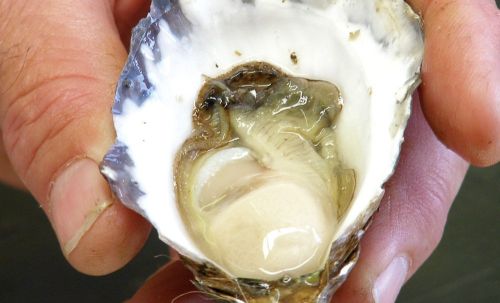
Where to find the best oysters in Port Macquarie

hero media
In search of that slippery, suckery, erotic delicacy? Here is how to gets well and truly shucked at Port Macquarie on the NSW mid-north coast.

Let’s not beat about the bush. Oysters are one of the world’s ugliest foods. Despite their decidedly icky looks, however, they have long been the stuff of legend, myth and desire.


Aphrodite herself, Greek goddess of love, emerged from the sea on an oyster shell, giving birth to the word “aphrodisiac" – which has been closely linked with the briny bivalve ever since. Roman emperors apparently liked them so much they paid for them by their weight in gold, sending thousands of slaves to the shores of the English Channel to gather the marvellous molluscs. Casanova was rumoured to have eaten at least 50 off the breasts of his mistress every morning.


You either love them or hate them. If you love them, head to Port Macquarie on the NSW mid-north coast, where a string of oyster farmers have opened up their doors to oyster lovers who know that fresh from the farm is best.

Wallis Lake

Barclays Oyster Farm, the southern hemisphere’s largest producer of Sydney rock oysters, is at Forster, around 300km north of Sydney.


With a dozen freshly shucked oysters going for a song, stock up, find yourself a shady spot beside the water and gorge yourself with platefuls of briny molluscs doused in fresh lemon as you spend an hour or two paddling in the shallows of the Great Lakes – which are actually three great lakes – Myall, Smiths and Wallis – with a series of interconnecting waterways.


Barclay Oysters // Corner Mark & Little St, Forster. Open Mon-Fri 6.30-5pm; Sat 10-5pm.

Lansdowne River

Stones Oyster Farm is an hour up the road at Coopernook, on the banks of the Lansdowne River, which in turn feeds into the Manning River, the only river in Australia to have two entrances to the sea.


Entrance No.1 is at Old Bar, just one of a string of close-to-deserted beaches that stretch along the coast near Taree. Life here is pretty laidback, particularly during the Old Bar Festival each October long weekend when the seaside hamlet becomes the venue for the world record attempt for the largest gathering of kombi vans.


Entrance No.2 is at Manning Point about 10km north as the crow flies, but 40km by road. Strung out along the riverbank is the seaside village of Harrington, home to a fabulous waterfront pub bistro that gets packed on weekends, and a breakwall that’s perennially lined with hopeful anglers of all ages.


Take a walk along the river’s edge and check out the colourfully painted bollards that depict local figures from the village’s past, then drive out to Crowdy Head for endless views of the coastline from the lookout near the blue and white lighthouse.


Stone’s Oysters & Seafoods // 479 Harrington Rd, Coopernook. Open daily 8am-5pm.

Need tips, more detail or itinerary ideas tailored to you? Ask AT.

AI Prompt

Camden Haven River

The next big river to spill into the sea is the wide and sluggish Camden Haven, an easy 30min drive north. Here, half-hidden by mangroves beneath the North Haven Bridge at Laurieton, you’ll find Armstrongs Oyster Shed.


Brandon Armstrong, whose Dad’s been growing oysters here for more than 40 years, explains that they’ve only opened up the farm to the public in the past 12 months. While there are plans for a fancy tasting room, at the moment it’s a rough and ready experience as you pick your way among the litter of oyster shells, dodging big burly blokes in gumboots wielding short sharp knives.


You can, like most people, slurp your freshly shucked oysters straight from the shell while standing at the tiny counter in amongst the machinery, or take a tray and a handful or two of fresh prawns up to the lookout at nearby North Brother Mountain, or down to the picnic tables under the casuarinas at Dunbogan Beach, or eat while you wander along the river walk that leads to North Haven Beach.


Armstrong Oysters // Lot 1 Short St, Laurieton. Open Mon-Fri 7am-4pm, weekends 9am-3pm.

Hastings River

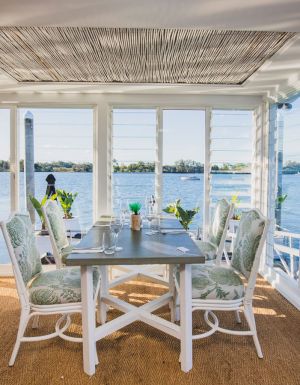
Follow the coast road for 30km to Port Macquarie, stopping along the way to pick up a bottle of local wine at one of the area’s five local wineries (tip: the 2005 Semillon from Innes Lake Vineyard on the outskirts of Port Macquarie is perfect with oysters) and snag yourself a table on the floating pontoon beside the “big oyster" shed on the Hastings River. Thankfully, the only big oyster you’ll see is on your plate – the “real" fibreglass and concrete big oyster is back down the highway at Taree.


They’ve been growing oysters in Hastings since the 1870s, and there are currently around 30 farmers on the river, although the only place you can buy direct from the farmer is here at the Big Oyster. It’s a magic spot for sitting out over the water and watching the pelicans glide by.


The Big Oyster // Hastings River Drive, Port Macquarie. Mon-Fri 10-5pm, w/ends 10-4pm.

Weekly travel news, experiences
insider tips, offers, and more.

Macleay River

It’s a bumpy, dusty drive beside the Macleay River just south of South West Rocks (home to Smoky Cape Lighthouse and a prison with a killer view, Trial Bay Gaol) to get to the big blue shed at Rainbow Reach, with potholes so deep you could fish in them – but the drive is worth it. John Elford’s oysters explode in your mouth, salty and creamy, with a lingering mineral aftertaste.


He’s been oyster farming here for a dozen years, is passionate about his product and the river he works and lives by, and reckons he wouldn’t want to do anything else. “I get up early in the morning and take the boat out on the river when it’s as flat as a tack," he says. “That’s my office. How can you beat that?"


Rainbow Reach Oysters // Rainbow Reach Rd, South West Rocks. Mon-Fri 8-4pm, Sat 8-12pm.

Want to see more stories from Australian Traveller in your Google search results?

  1. Click here to set Australian Traveller as a preferred source.
  2. Tick the box next to "Australian Traveller". That's it.
Australian Traveller

Australian Traveller

View profile and articles
hero media

8 reasons Moree should be on your next road trip itinerary

    Lucy Cousins Lucy Cousins
    Discover what makes this country town the perfect place to slow down, switch off and recharge.

    At first glance, the country town of Moree may look like just another charming highway town, with heritage buildings, a leafy town centre and classic pubs the locals love. However, this regional New South Wales town is Australia’s Artesian Spa Capital, a wellness hub with a rich Indigenous cultural history and a growing reputation as a destination for slow travel.

    Moree is ideally located at the crossroads of the Gwydir and Newell highways (and is also easily reached by train and air), making it a refreshing destination, or stop, on any road trip. And these eight experiences show why.

    1. Taste Moree on a Plate

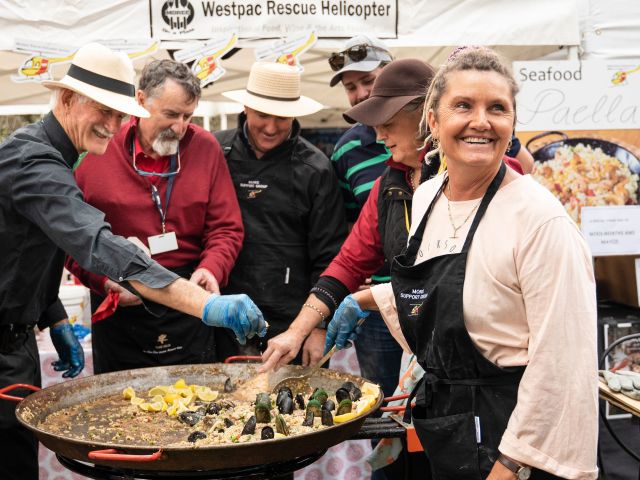
    Westpac Helicopter Rescue Service team with their Seafood Paella at the 2019 Moree on a Plate Festival
    Taste the best of regional produce and culinary talent. (Credit: Destination NSW)

    Time your trip for Mother’s Day weekend in May, and you’ll find yourself in the middle of the popular annual food and wine festival, Moree on a Plate, celebrating regional produce and culinary talent from the region’s fertile plains.

    Browse the stalls and sample olives, pecans, citrus fruits, honey, boutique wines and handmade condiments. You can also enjoy live cooking demonstrations by celebrity chefs, a local barbecue competition, plein-air art, live music and a dedicated children’s activity area.

    2. Experience artesian waters

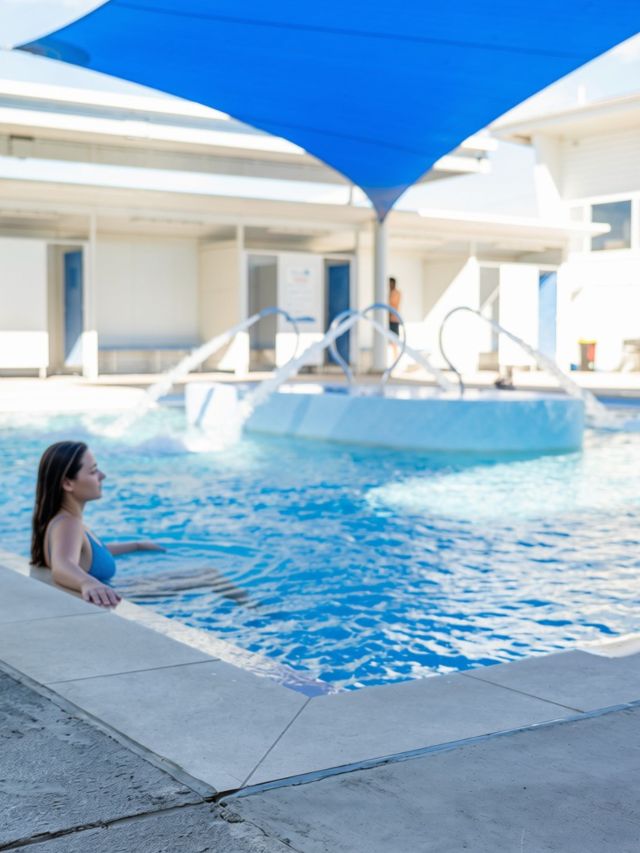
    woman at the Moree Artesian Aquatic Centre
    Chill out in Moree’s famous artesian waters.

    Moree’s famous artesian waters have attracted visitors for over 130 years. First discovered by accident in 1895, this mineral-rich, naturally heated water is drawn from deep within the Great Artesian Basin. Soak and slow down in the recently renovated pools at the Moree Artesian Aquatic Centre, where you can choose between the active pool with massaging water jets or the passive pool for a more relaxing experience.

    For a longer soak, stay at one of the many motels within walking distance of the aquatic centre. Or book a stay with its own artesian pools.

    Gwydir Thermal Pools Motel & Caravan Park has five on-site thermal pools and a broad range of accommodation, while the Phoenix Resort offers both indoor spas and outdoor thermal pools as well as recently upgraded self-contained apartments and motel rooms. Meanwhile, the Artesian Spa Motel is set on five acres of landscaped gardens and features swimming and thermal pools, including an indoor artesian spa and an on-site restaurant.

    3. Enjoy an arty experience

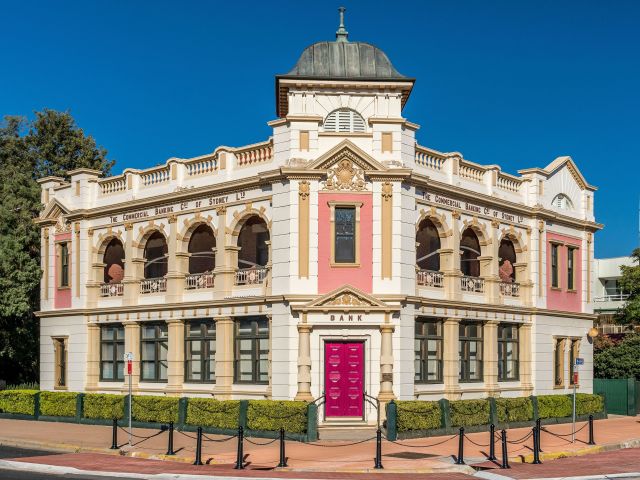
    Bank Art Museum Moree
    Step inside the gorgeous Bank Art Museum Moree. (Credit: Destination NSW)

    To connect with Moree’s artistic side, head to Bank Art Museum Moree (BAMM), an independent contemporary art gallery housed in a beautifully preserved, Federation-era bank dating back to 1910. Inside, a nationally significant collection celebrates the art and culture of the Gamilaroi/Kamilaroi people and other First Nations artists alongside regional Australian art, while changing exhibitions offer something new.

    Follow the Moree Art Mural Trail through the CBD, and you’ll pass large-scale murals and small galleries reflecting stories of the town’s people, history and culture. While you’re exploring this open-air gallery, look out for the eclectic mix of Art Deco and early 20th-century architecture, including the Moree Courthouse and the striking Capitol Theatre facade.

    4. Discover cotton country

    Aerial overlooking cotton farming in progress on the Newport Cotton Farm, Moree
    Learn more about Moree’s cotton industry. (Credit: Destination NSW)

    Surrounded by the black-soil plains of the Gwydir Valley, Moree is at the centre of one of Australia’s major cotton-growing areas. Visit between March and May, and you’ll see fields covered in the distinctive fluffy white cotton bolls being harvested by huge machinery.

    Trace the cotton from paddock to fabric on the Cotton Farm and Gin tour, running from April to September. You’ll visit a cotton farm and a working cotton gin up close, where you’ll see the cotton fibres separated from the seeds. Tours run weekly and include transfers.

    5. Explore the Moree Plains

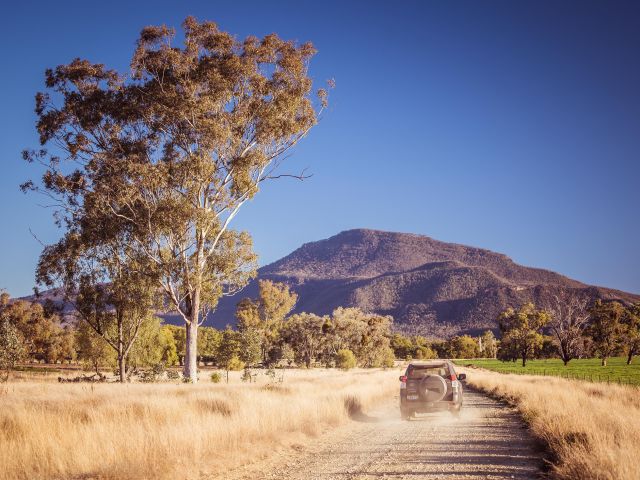
    care driving around moree
    Head out of town to explore the plains.

    Outside of the city centre, Moree is surrounded by charming rural villages dotted around the plains. The quiet village of Boomi, around 90 kilometres north-west of Moree, offers historic early 20th-century architecture, its own artesian thermal waters at the Boomi Artesian Baths and vast outback skies.

    Further west, the pioneer border town of Mungindi straddles the Barwon River between New South Wales and Queensland. Follow the 2.5-kilometre sculpture trail to take in the outdoor public art, and you’ll cross the state border twice.

    6. Relax by the water

    bird at Gwydir Wetlands in moree
    Spot the locals at Gwydir Wetlands.

    Just a short drive away, the peaceful Tareelaroi Weir Recreation Area makes the most of the meandering Gwydir River. Set up camp along the riverside and enjoy picnicking, fishing and swimming.

    A little further afield, the Gwydir Wetlands are home to 75 recorded waterbird species, including brolgas, magpie geese, egrets, spoonbills, ibis and black-necked storks, also known as jabirus. Watchers can settle into the hide at Waterbird Lagoon, or follow a short walking trail through the wetlands, keeping an eye out for rare species.

    7. Immerse in local Indigenous culture

    Terry Hie Hie Aboriginal Area
    Learn about the history of the Gamilaroi People.

    Moree lies on the traditional lands of the Gamilaroi People, whose connection to the land stretches back thousands of years. Today, visitors can learn about this history at Terry Hie Hie Aboriginal Area, which includes the 3.5 kilometre Yana-y Warruwi Walking Track.

    Back in town, the Open Space Aboriginal Art Trail allows you to enjoy the Mehi River with a free, self-guided public art trail of work from local Indigenous artists and their personal connection to Country. Finish with a visit to the remarkable Dhiiyaan Aboriginal Centre, where more than 110,000 family genealogies are recorded. Browse artefacts, art and over 15,000 photographs. There are also changing exhibitions of historical photographs and local art.

    8. Local cafe culture

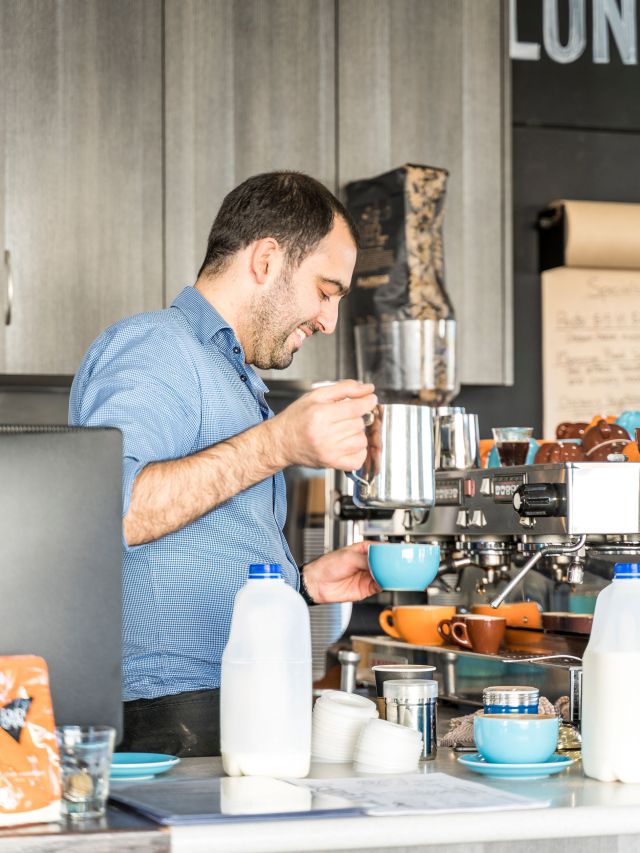
    Barista making a coffee order at 61 Balo Cafe, Moree
    Get amongst’s Moree’s vibrant cafe scene. (Credit: Destination NSW)

    From relaxed country cafes to stylish modern eateries, Moree’s CBD has a surprisingly vibrant foodie scene. There are plenty of spots to choose from for a freshly brewed coffee, long lunch or tasty dinner, featuring menus showcasing local produce and loads of country charm.

    If you’d rather dine in the great outdoors, grab a takeaway coffee or a picnic and head to leafy Jellicoe Park, a riverside oasis just a short walk from the centre of town. Pick a spot under the trees, enjoy the park’s art installations and keep watch for waterbirds along the river.

    Start planning your Moree retreat at visitmoreeplains.com.au.