You’re probably familiar with Sculpture by the Sea, but this snow-dusted sculpture trail by the same team is well worth a look.
Sculpture by the Sea is an annual art installation that pulls visitors to both coasts of Australia like a magnet. The most famous, Sculpture by the Sea Bondi, transforms the renowned coastal walk between Bondi and Coogee into an outdoor sculpture park come October. But it’s a little-known fact that the same arts organisation actually runs multiple events. The sister event, Sculpture by the Sea Cottesloe, also bedazzles a pocket of Perth’s coastline with sculptures from artists across Australia and the world.
However, most aren’t familiar with Sculpture by the Sea’s third venture, which isn’t by the sea at all, but in a mountainous inland region about 400 kilometres from Sydney. Meet the Snowy Valleys Sculpture Trail from the very same team behind Sculpture by the Sea, a permanent sculpture exhibition in NSW’s Snowy Valleys. Although you can visit this one year-round, we reckon the best time to see it is in the winter when the sculptures are dusted in snow. Here’s everything you need to know about the Snowy Valleys Sculpture Trail.
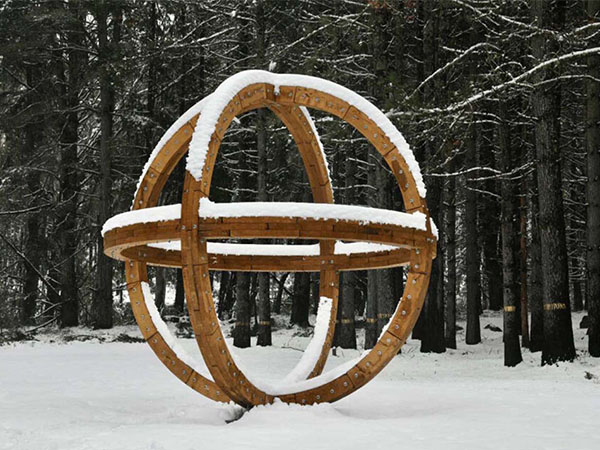
Universum by Václav Fiala looks extra special dusted in snow. (Image: Angela Lyons)
What is the Snowy Valleys Sculpture Trail?
The Snowy Valleys Sculpture Trail, in the region abutting Canberra and Kosciusko National Park in southern NSW, is a little bit more spread out than its coastal counterparts. It spans roughly 150 kilometres between Tumut and Tumbarumba, comprising 60 sculptures by artists from Australia and around the world. Completing the sculpture trail is like a treasure hunt, as it leads visitors through historic towns, a ‘sculpture forest’ and even local wineries, so you can enjoy a tipple as you cross sculpture sightings off your list. The Snowy Valleys is known for its natural beauty and outdoor activities, and the sculpture trail combines art with the outdoors for a fun and interactive way to explore the region.
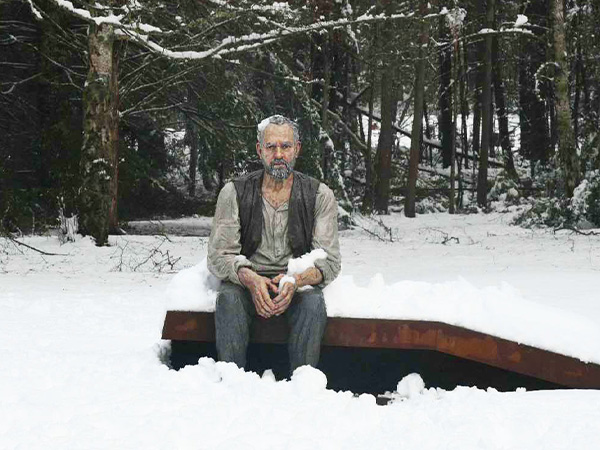
Unlike Sculpture by the Sea, this trail is a permanent exhibition that can be accessed year-round, but it’s especially striking in the winter months when the region receives snowfall. Photos that emerged via an ongoing photo competition spotlight the snow-dusted sculptures, the cool change bringing an otherworldly mood-shift to works such as Seated Man by Sean Henry, who sits stoically on a bench, draped with ice.
Sean Henry’s Seated Man takes on a somber mood in the snow. (Image: Angela Lyons)
Budding photographers, take note: a competition is on for the best snap of the Snowy Valleys Sculpture Trail. The winner will be flown up to Sydney to be an official photographer for day one of Sculpture by the Sea in Bondi, with the award-winning photo published in About Regional and Region Riverina. Find more information on how to enter here.
Want to see more stories from Australian Traveller in your Google search results?
Tick the box next to "Australian Traveller". That's it.
Elizabeth Whitehead is a writer obsessed with all things culture; doesn't matter if it's pop culture or cultures of the world. She graduated with a degree in History from the University of Sydney (after dropping out from Maths). Her bylines span AFAR, Lonely Planet, ELLE, Harper's BAZAAR and Refinery 29. Her work for Australian Traveller was shortlisted for single article of the year at the Mumbrella Publishing Awards 2024. She is very lucky in thrifting, very unlucky in UNO.
Newcastle’s vibrant creativity is evident everywhere, from a thriving live arts scene to an ever-growing offering for gourmands. Those with a hunger for new and exciting experiences should put Newcastle on their radar.
When it comes to consuming the culture of a city, digesting it (in the literal sense) is an appropriate place to start. But it’s not just a world-class wining and dining scene that’s on the menu (not to mention all the new restaurants in Newcastle). Newcastle – just two hours north of Sydney – offers the perfect blend of arts, culture and culinary experiences that make it a prime destination for an extended escape. The city’s creative future looks even brighter with the reopening of the highly anticipated Newcastle Art Gallery on the horizon.
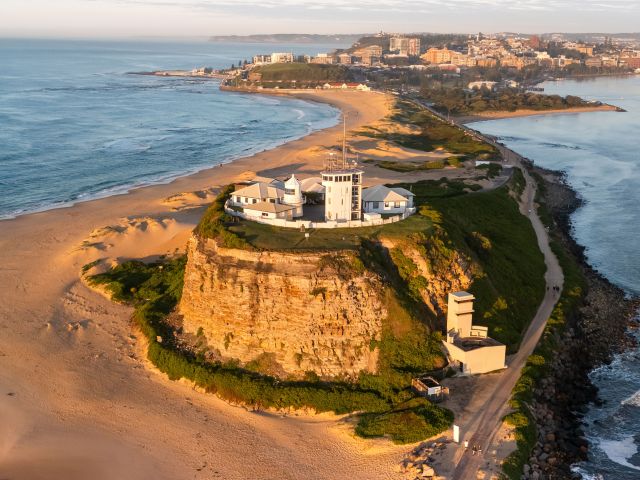
Newcastle offers the perfect coastal setting for the arts and delicious eats. (Image: City of Newcastle)
Given Newcastle’s compact size – many venues are within easy walking distance or a quick drive away – you can immerse yourself fully. From decadent patisseries to fine diners and casual coastal eats, here’s a fresh taste of Newcastle: where to eat, drink and soak up the coastal city’s good vibes.
1. Pastry cafes in Newcastle
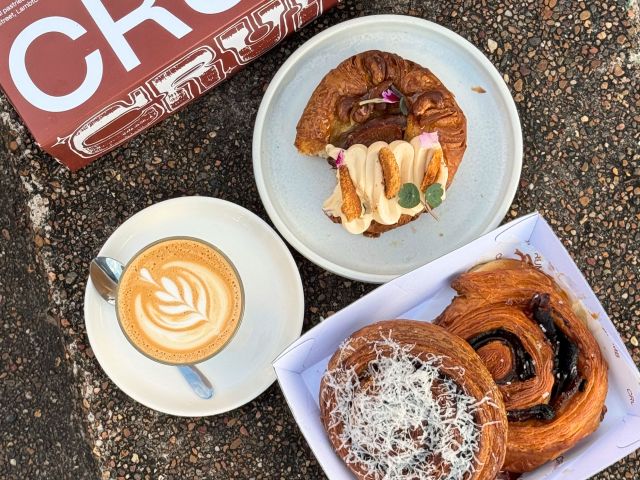
Lean into Newcastle’s pastry renaissance at Crumb. (Image: Jemma Donkin)
Pastry is having a moment, with a quietly booming scene led by CRUMB, the brand-new pastry cafe in Lambton led by legendary Gareth Williams (of Covered in Crumbs, EXP) and Ben Richardson (Autumn Rooms). Gareth describes his style of food as ‘creative chaos’. Enjoy that abstract artisanal approach over a savoury chorizo, bechamel, cheddar and poppy pastry, or a layered mortadella and pesto mayo croissant sandwich.
Meanwhile, Leibe European Pastries, Pekárna, Union St Pastry and Praise Joe also have their own flair and loyal followings. While Liebe European Pastries is famed for layered German pastries such as Franzbrötchen, Pekárna’s signatures (like cardamom pastries) are tethered to Czech traditions.
Head a few blocks west to Wickham, where Union St Pastry is the pinnacle for lovers of European-style viennoiseries, such as croissants and Danishes. A getaway to Newcastle also looks pretty fabulous with a mega brownie or chicken little toastie from Praise Joe.
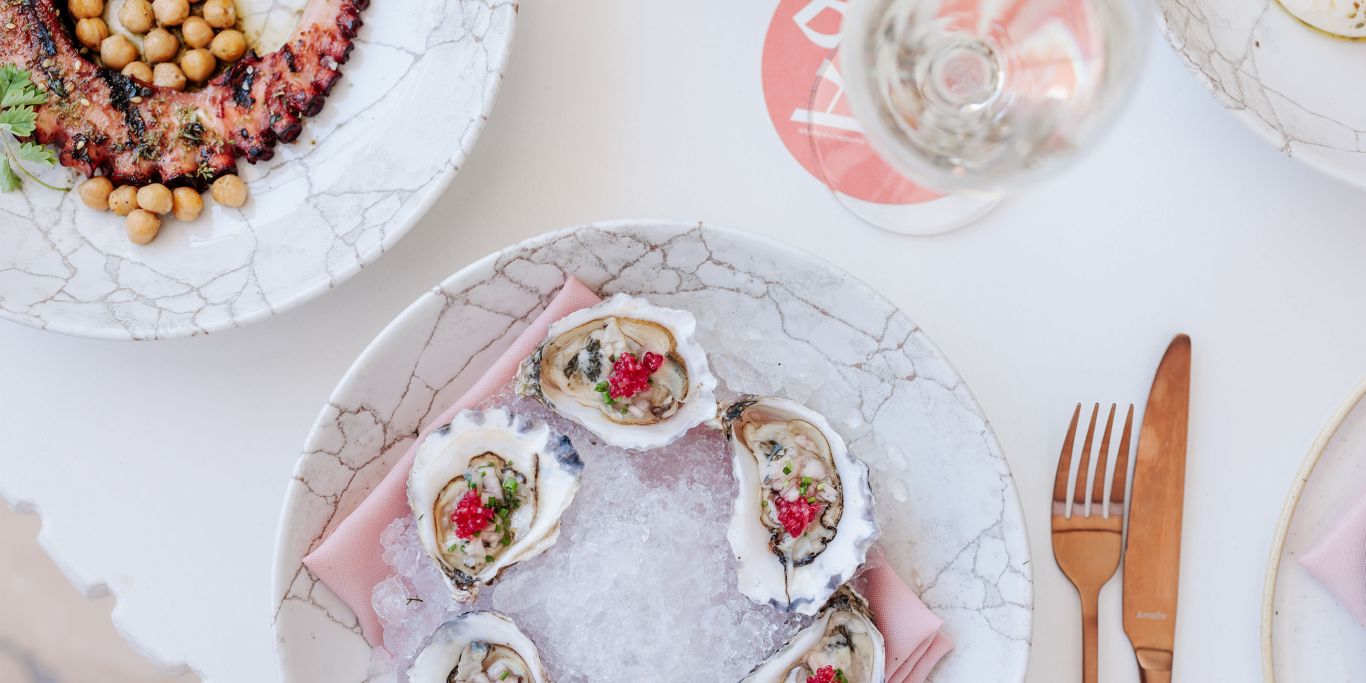
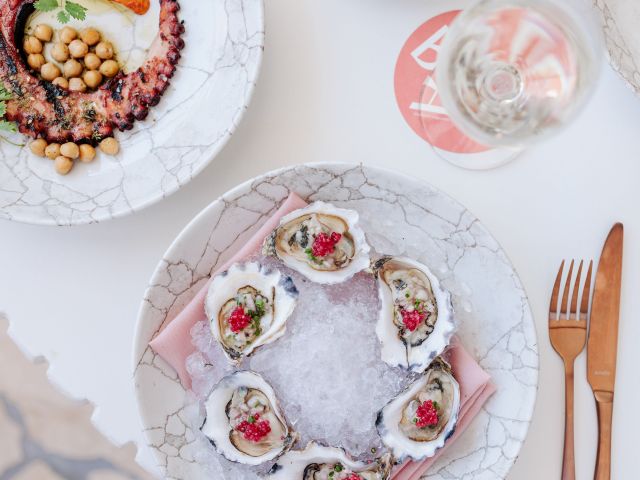
Life looks pretty peachy from a table at the breezy Mediterranean-inspired eatery Blanca, which would not be out of place in Mykonos – when it swooped into the Honeysuckle Precinct a few years ago, it caused heads to swivel. Say yasou to mezedes of crudo di mare and sheftalia and grilled Abrolhos Islands’ octopus.
One may also fantasise about being back in Europe – specifically the 10th arrondissement in Paris – at Frenchie, the oh-so-French bistro that offers Euro-chic elegance with an inventive Australian flair. Indulge in the Date Night set menu, available every Thursday.
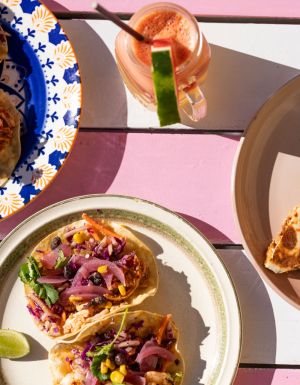
Peregrin is another stand-out. Listen to the sound of the ocean from the rooftop terrace, and order a Summertime Sour during aperitivo hour. Followed by the yellowfin tuna with pickled cucumber and market fish. And brand new on the scene is Papalote – a joint venture from the incredibly talented owners of Humbug and Flotilla serving up tasty Mexican classics.
3. Casual coastal cafes and kiosks
Follow Newcastle’s coastline for stunning views and tasty eats. (Image: David Diehm)
What better way to soak in Newcastle’s legendary coastline and stunning beaches than by visiting its casual coastal eateries while on the Bathers Way?
Enjoy hot chips and scallops on the sand at Swell Kiosk Bar Beach. Or a housemade sausage roll after a morning surf at Newcastle Beach, thanks to Southy Canteen, which is open from 6am.
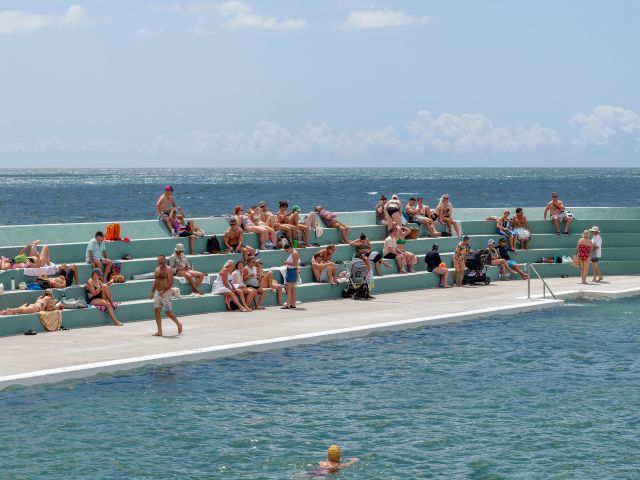
Bring your furry travel companion to Sunnyboy Kiosk for a piccolo and puppuccino with views out to Dixon Park Beach. Try light eats, like acai bowls, or more substantial meals like nasi goreng at Blue Door in Merewether. Do a few lazy laps at Merewether Ocean Baths (the largest in the southern hemisphere) before tucking into swordfish skewers and salad at Merewether Surfhouse.
You can also watch the ocean compose a bit of magic from your perch at The Kiosk Newcastle Beach, where a matcha latte looks even better with the beach fresco.
Pause between eats to take in the iconic Newcastle Ocean Baths and Bogey Hole – perfect for a digestive swim or scenic picnic spot.
4. Hatted restaurants in Newcastle
Flotilla serves up delicious meals. (Image: Destination NSW)
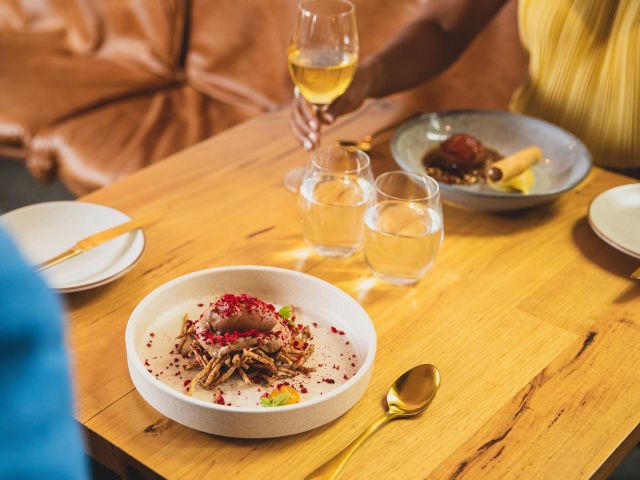
In recent years, Newcastle’s restaurant scene has evolved to include venues that have elevated the city’s reputation for culinary excellence. In addition to its cafes and kiosks, there’s now an exciting wave of hatted favourites putting Newcastle on the map.
Humbug is the epitome of Novocastrian dining; the mafaldine with brisket and beef cheek braised in Pedro Ximenez is emblematic of what the owners aim for here. Flotilla neatly knits the Newcastle wining and dining scene together, with young gun Josh Thurston showcasing the art of cooking proteins and produce over fire.
Bistro Penny is another sophisticated, hatted dining destination in Newcastle. Order the barbecued king prawns swimming in a saffron broth and the oxheart tomato salad.
5. Newcastle nightlife
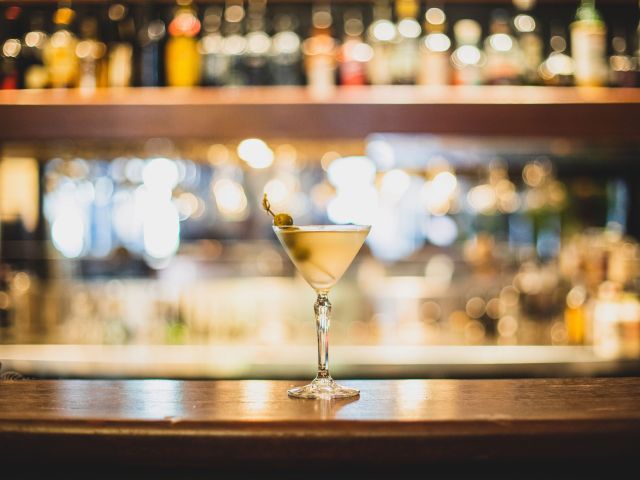
Stop by Bartholomew’s for a drink. (Image: Destination NSW)
As the sun dips in the west, so the city of Newcastle’s nightlife springs to life. Maru Hi-Fi is the next-gen small bar that’s redefining a night out in Newy – the sleek space serves great cocktails and embraces Newcastle’s alt attitude. Next door, Jams Karaoke & Bar is also bringing the vibes.