
A mammoth-sized new national park is being created in Western Sydney. Meet Gulguer National Park.
The trouble with green space is that it becomes most valuable just after someone decides it would make an excellent housing estate. Gulguer National Park, a new nature reserve being created by the Minns Labor Government, is an increasingly rare case of land being valued for what it is, rather than what it could become.
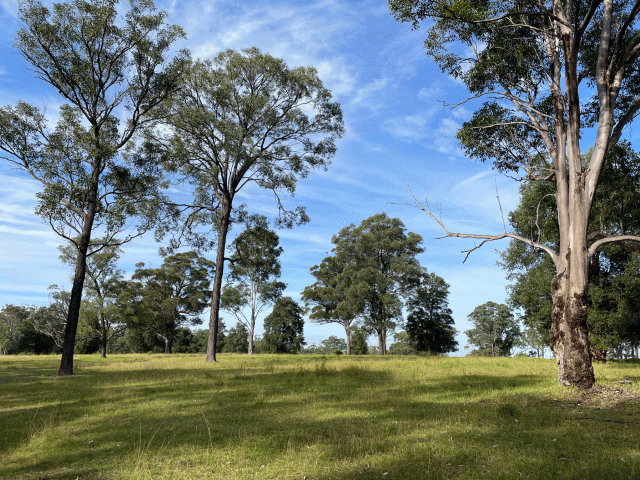
The new national park sits west of Bringelly in Western Sydney and comprises an impressive 1100 hectares of bushland – that’s roughly the size of 1500 football (soccer) fields. The goal? Deliver a destination blending recreation, environmental conservation and Aboriginal heritage on the city’s growing western fringe.
Set to open within the next six months, Gulguer National Park will be an affordable natural playground for relaxing and appreciating local beauty. Walkers, wildlife photographers, families and mountain bikers are all counting it as a major win, along with nature lovers simply looking for room to breathe.
The reserve is arriving at a time when Western Sydney is undergoing rapid transformation, with major infrastructure projects like Western Sydney International Airport bringing new attention to the need for balanced growth.
Where is Gulguer National Park?
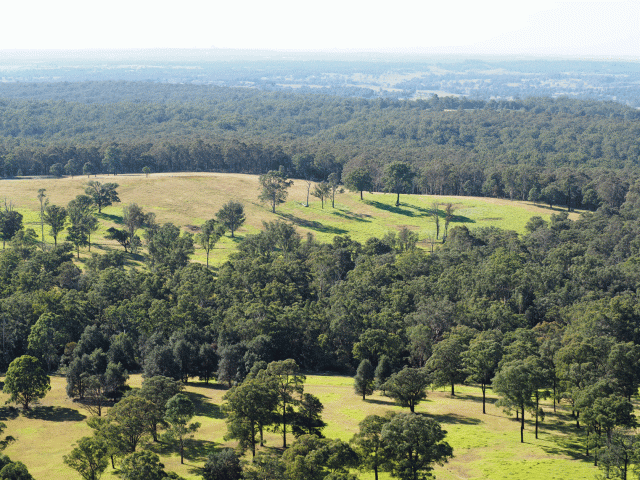
Located in Western Sydney, the park is just a few kilometres west of Bringelly, near Greendale, and around a 40-minute drive from Liverpool. It will add roughly 700 hectares of new land to the existing environmentally protected areas at Bents Basin State Conservation Area and Gulguer Nature Reserve, spanning a total of 1100 hectares.
Why is it being created?
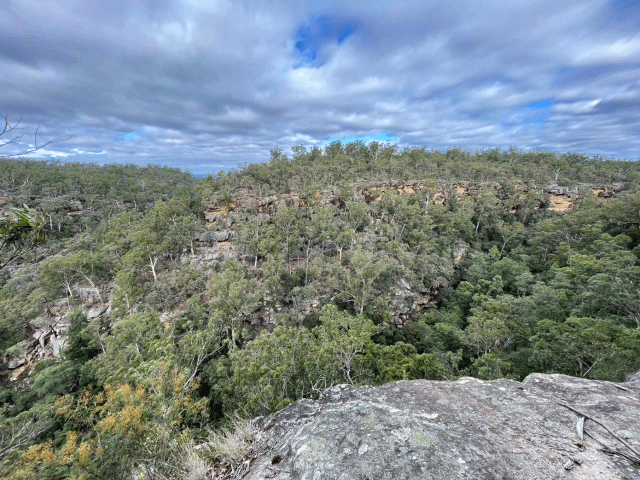
The Minns Labor Government is establishing Gulguer National Park for several reasons: to protect threatened wildlife species, preserve significant Aboriginal cultural artefacts and provide Sydneysiders with an expansive new space to reconnect with nature.
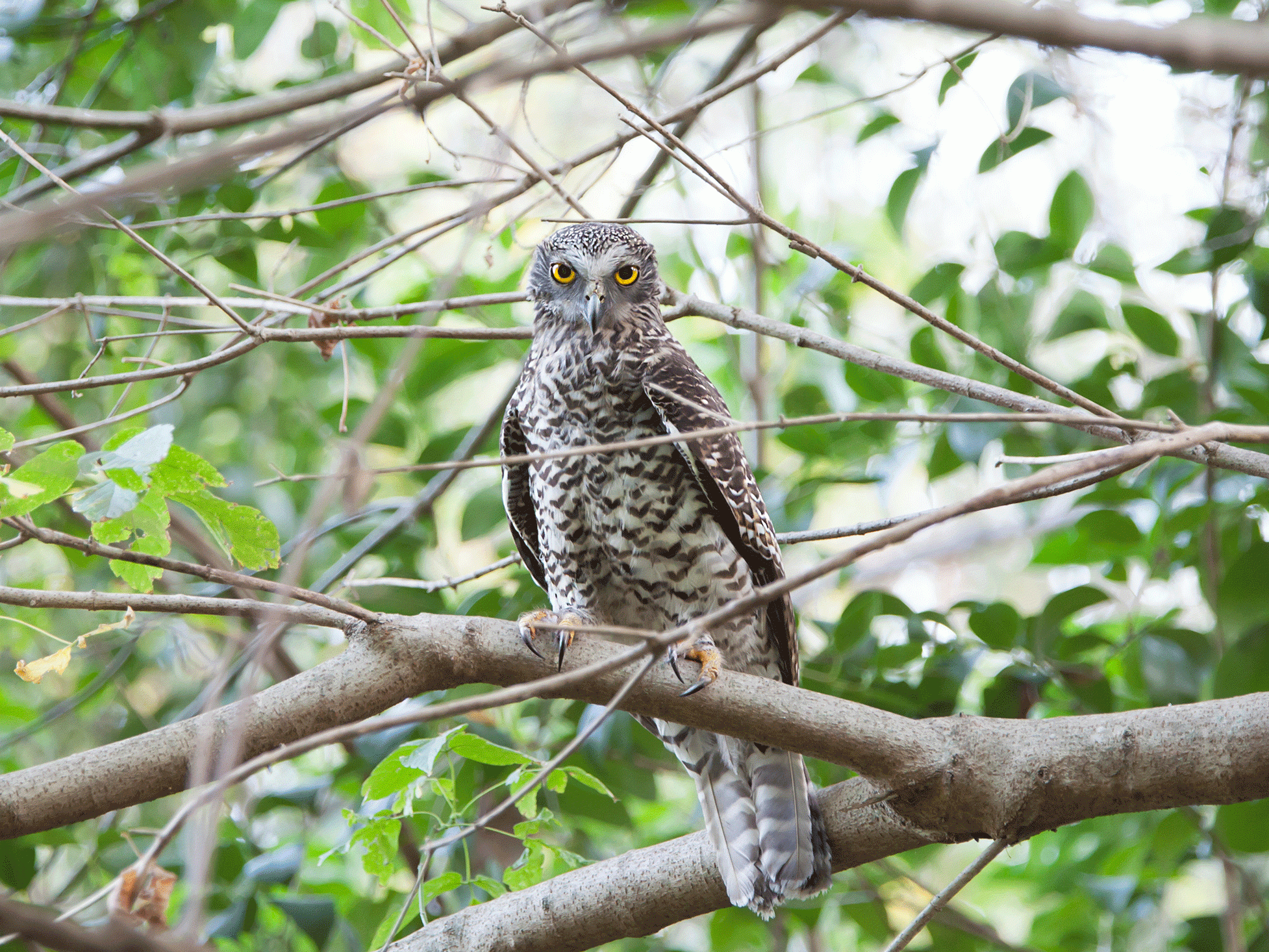
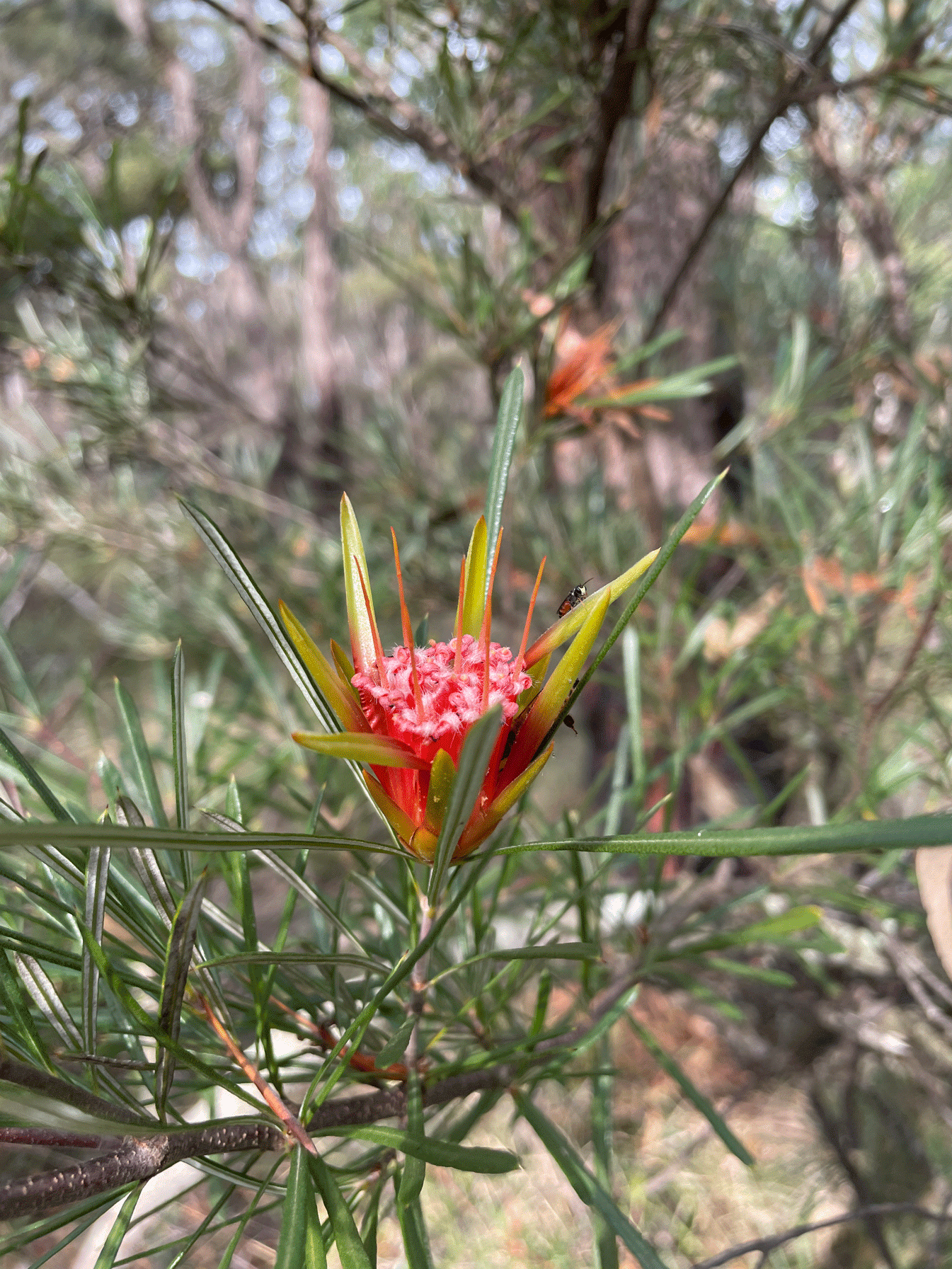
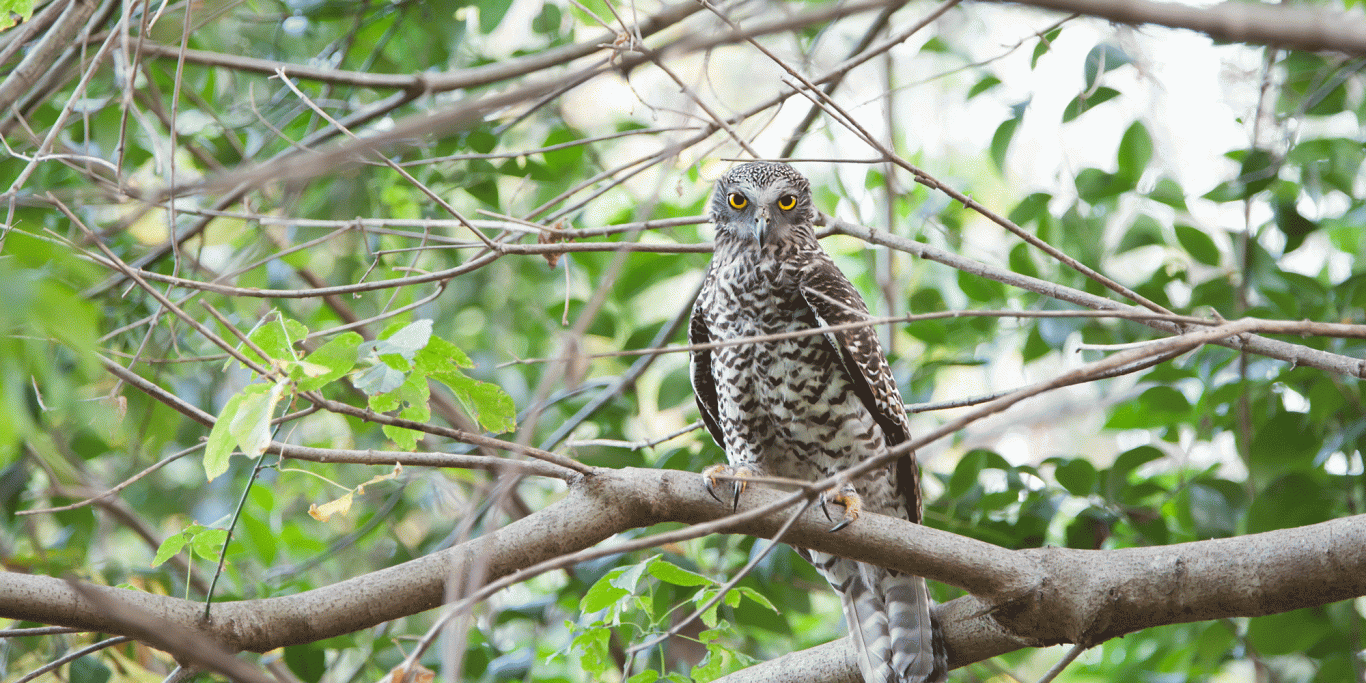
The reserve will safeguard important natural habitat for at least 28 threatened species, including the southern greater glider, powerful owl, giant burrowing frog, eastern coastal free-tailed bat and Cumberland and Dural land snails. In addition, it will provide greater protection for the critically endangered Shale Sandstone Transition Forest and Sydney Turpentine-Ironbark Forest.
“It is part of our ongoing commitment to boost conservation in Western Sydney, to ensure our precious native creatures and plants exist here for generations to come," says Minister for Climate Change and the Environment, Penny Sharpe.
Need tips, more detail or itinerary ideas tailored to you? Ask AT.