A Jumping Crocodile Cruise is a must for wildlife lovers

hero media
Contrived spectacle or Attenborough adventure? Jennifer Pinkerton braves infested waters on a jumping crocodile cruise

“Tell me you’re not," snorts my mate Graham, a Northern Territory resident of five years who I’ve just told that I’m planning on going on the famous jumping crocodile cruise.

“It’s a bloody circus, Jen." He adjusts his glasses, shakes his head and scans the crowd at Darwin’s Roma Bar cafe.

“Are you… checking to see who heard me say that?" I ask indignantly. What’s so bad about a little tourist activity in my newly adopted hometown?

“Croc jumping is a ride. And you can only do it in the Northern Territory," my boss Alice had urged the previous month. She’d drawn me a map of the Darwin-Kakadu loop, marking ‘must-dos’ with an insistent, scrawled star.

First unmissable item to do in Darwin: is this jumping croc cruise, in the Adelaide River catchment – home to one of the world’s highest concentrations of saltwater crocodiles. Yup, the casually humungous kind.
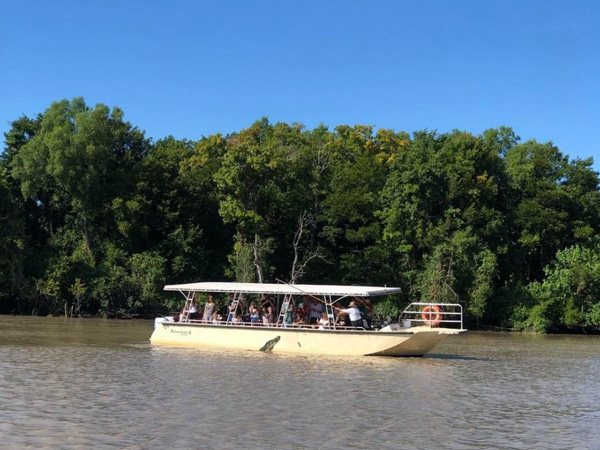
Jumping Crocodile Cruise along Adelaide River, Northern Territory
Off to see crocodiles along Adelaide River. (Image: Jumping Crocodile Cruises)

First impressions of a croc cruise

Mentally torn between enthusiasm and disdain at today’s distinctly touristy activity, I arrive at croc central on a Sunday afternoon in dry, 30-degree heat.

A painted sign for the jumping croc cruise sits propped between two orange plastic chairs, pointing to parking. Two tourists with tanned arms whisper in the shade.

“You’re on a small boat today; there’s only 10 of you. And you’ve come at the best time. The tide’s low so there’ll be crocs baking on the river beds," says my friendly South African host, running an old-fashioned manual slide over my credit card.
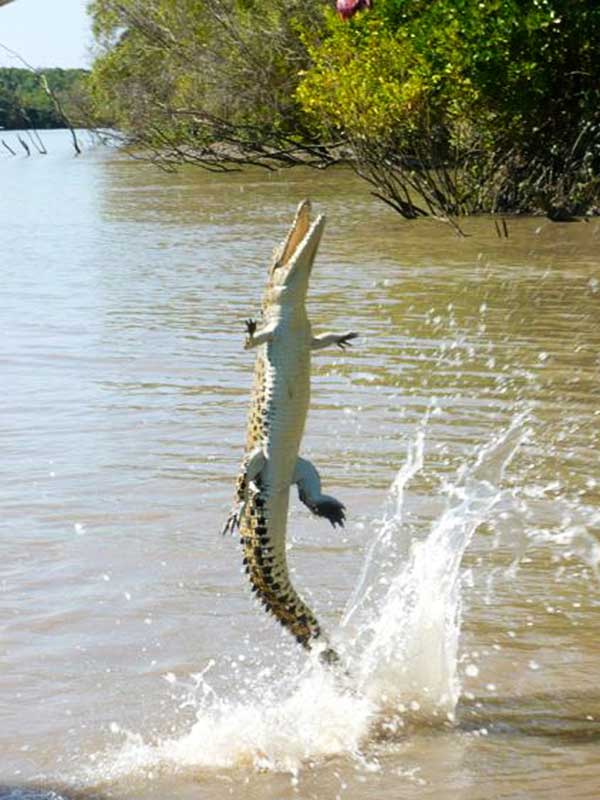
Crocodile Jumping Adelaide River, Northern Territory
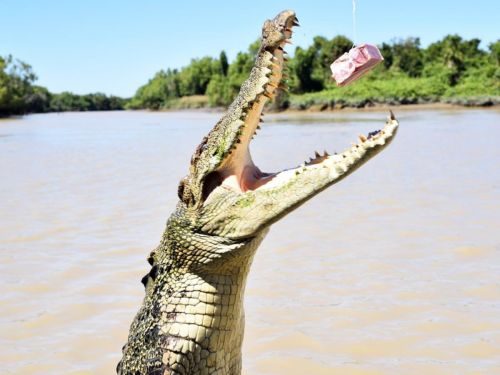
A perfect 10 ‘croc’ jump on the Adelaide River.

She’s a modern-day Linda Kozlowski I decide, waiting to catch sight of her Mick Dundee. Instead, I spot the ‘penthouse’, a two-storey staff hut. The thing looks like it’d blow over in a gentle breeze.

Time to see those crocodiles up close

There’s a small jetty visible through the shrubs and I wander out for a view of the river.

I see one! A croc! Its marble eyes and long snout lift out of the khaki water. It’s looking STRAIGHT AT ME.

I holler for my travel companion to check-this-the-frig-out.

“Oi, you guys, step away from there, please. That’s meant to be cordoned off." Dundee’s got a gap-toothed smile, tufts of curly red hair, and, disappointingly, the name ‘Morgan’ stitched on his shirt. “Ready to croc n’ roll?" says Kozlowski, without a hint of irony.

Need tips, more detail or itinerary ideas tailored to you? Ask AT.

AI Prompt

What to expect from the jumping crocodile cruises

Taking my seat up front for the ​​jumping crocodile cruise, mild panic strikes. The boat’s a little sunken and passengers sit at water level. The only thing separating us from the currents is a two-centimetre-thick metal grill.

We amble around the first bend and spy a croc on the bank. The boat putts out into the open river. In waves, flocks of birds make an exodus from the trees. Fellow cruisers coo. This is a pretty spot.
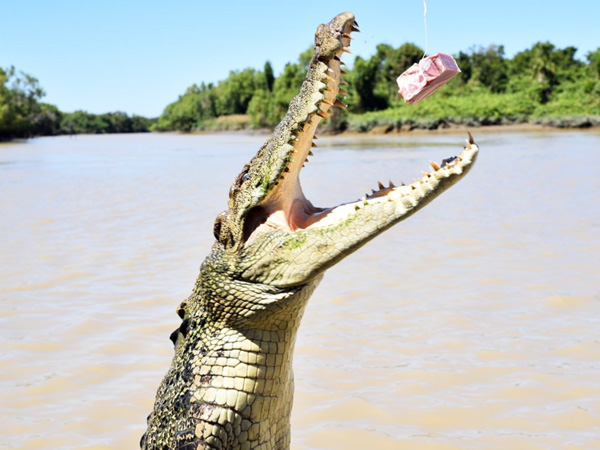
Crocodile Jumping Adelaide River, Northern Territory
The monster from the deep ready to devour its meal. (Image: Jumping Crocodile Cruises)

Morgan rams the boats in a messy nook of branches. We pause. “Here she comes. She’s a monster." He hooks a palm-sized cut of meat onto a pole and dangles it over the edge.

She slides towards us at full speed, snaps at the teasing hook, then lunges from the water – half her body in the air. A flurry of broken, yellowed teeth and dead, glazed eyes swipe past the grill. The croc is close enough to touch – should you be partial to losing a limb.

I won’t lie. I shriek like a baby.

“Are they fighting? Is there a second one?" I’m semi-hysterical, pointing at a tail slapping five metres from the mouth.

“It’s the same one. She’s almost six metres. Don’t lean out of the boat, people!" says Morgan, eyeing a French backpacker zoning out behind her Raybans.

A child buries his face in his father’s legs. Ho-ly crap.

Six crocs later, our boat drifts to a stop. The crocodile jumping is over for now.

“You haven’t got a spare pair of undies, do ya?" asks the man with tanned arms. I grin.

That was thrilling, freaky fun. I make a mental note to chastise cynical Graham. Circus? Mate. This is a jungle.

Reviews of the jumping crocodile cruise

Jennifer Pinkerton, who paid her own way and visited anonymously, says:

“I’d gazed longingly at the ‘turn left for crocodile cruise’ sign many times before taking the plunge, fearing something kitsch and touristy. Surprisingly, it was intimate and had an unexpected danger factor. Far better than seeing crocs in the zoo." – Jennifer Pinkerton, Australian Traveller

“What a shockadile! Brutus, 17-foot monster, rises from the Adelaide River near Darwin, Australia, to snack on a hunk of buffalo meat as fearless tourists look on."– New York Post

Jumping crocodile cruise tour details

Weekly travel news, experiences
insider tips, offers, and more.

About the jumping crocodile cruises

The jumping crocodile cruises have been running now for over 30 years. They run through saltwater crocodile territory on the Adelaide River. The tours aren’t just for spotting crocodiles though: there are lots of other wildlife to see in this environment.
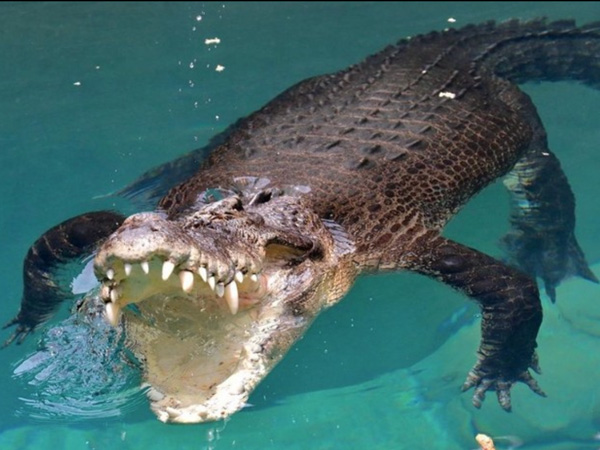
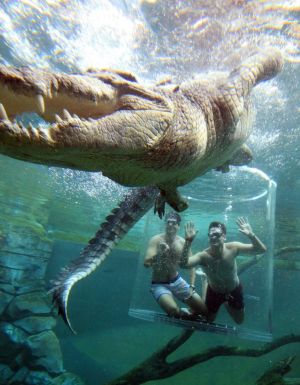
crocodile showing its teeth, Crocosaurus Cove
Look at those huge teeth. (Image: Crocosaurus Cove)

Where are the jumping crocodile cruises?

An hour’s drive or 70km from Darwin CBD, off the Arnhem Hwy.

How much are the jumping crocodile cruises?

$50 for a one-hour cruise. Runs four times daily.

Best time to go

The tours run several times daily from mid-May until November. To avoid the crowds and join a smaller boat, choose a 9 am or 3 pm cruise.

Is a jumping crocodile cruise safe?

The tours take place in an undercover boat, manned by crew members who ensure the safety of both passengers and the animals.
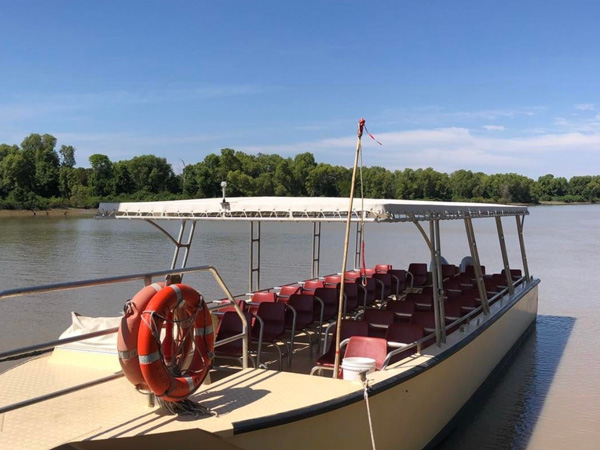
Jumping Crocodile Cruise boat on Adelaide River
The Jumping Crocodile Cruise boat is comfortable, safe, and spacious.

Who is a jumping crocodile cruise best for?

The boat itself is suitable for a range of fitness and mobility levels and is catered for passengers of all ages.

What is the best contact for the jumping crocodile cruises?

08 8983 3224 or info@adelaiderivercruises.com.au

Where can I see more crocodiles around Darwin?

There are plenty of crocodiles in the region, but probably one of the most famous and family-friendly is Crocsaurus Cove: you can check out our review of it here.

Want to see more stories from Australian Traveller in your Google search results?

  1. Click here to set Australian Traveller as a preferred source.
  2. Tick the box next to "Australian Traveller". That's it.
Kate Bettes
Kate Bettes is a freelance travel writer. Whether having a picnic in Vietnamese jungle with new friends, or partying in the back of a limousine in Hollywood, Kate’s experiences have left her with the sneaking suspicion that the best travel memories happen when you least expect. It’s this feeling - and how to get it - that she loves to write about.
View profile and articles
hero media

8 reasons why the low season is the best time to explore the Northern Territory

Credit: Tourism and Events NT

September to April in the Northern Territory rewards those who seek adventure.

Sure, the Northern Territory shines during the high season, but did you know it transforms into lush magnificence in the summer low season? From September to April, hundreds of waterfalls roar into action, vegetation flourishes and natural pools swell, all thanks to spectacular storms. This is when some of the country’s best arts and cultural events hit the calendar, too.

Travelling at this time of year means you’ll also be rewarded with off-peak travel pricing on accommodation, tours and experiences, and can even enjoy many of the top sites all to yourself.

1. Kings Canyon is transformed

Kings Canyon Rim Walk Garden Of Eden in the rain
Kings Canyon transforms in the low season. (Image: Kassia Byrnes)

Kings Canyon’s towering sandstone domes and crevasses are a sight to behold year-round, but during the low season you can witness a rare phenomenon. This ancient outback wonder’s arid landscape bursts to life when it rains, temporarily transforming it with waterfalls that thunder down the cliffs. At the base of the canyon is the verdant Garden of Eden and its permanent watering hole.

2. John Hayes Rockhole is a natural wonder

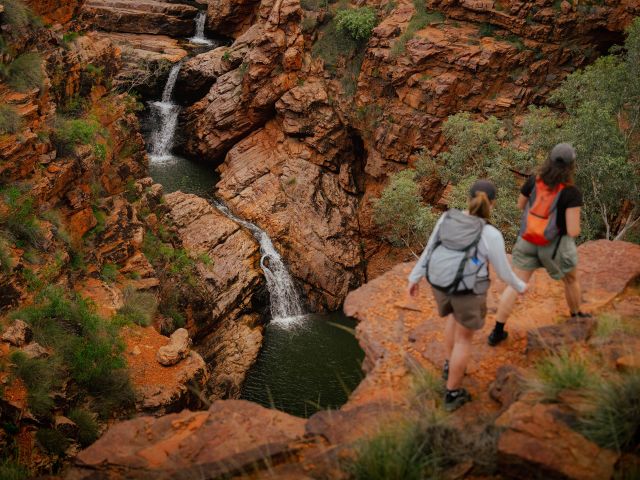
Two women hiking to John Hayes Rockhole, one of the unforgettable experiences during the best time to explore the NT.
Hike to a desert oasis. (Credit: Tourism and Events NT)

Hidden in the Trephina Gorge Nature Park in the East MacDonnell Ranges, John Hayes Rockhole is an oasis waiting to be discovered. Visit the narrow canyon during the high season, and you may see only a sandy creekbed, but after rain in the low season the pool is full of cool water. It’s accessible via a 4WD-only track off the Ross Highway, or you can set out early and join the nine-kilometre Trephina Ridgetop Walk. The reward for undertaking the hike is worth every step, and there’s a dedicated, tent-only campground for those who’d like to soak up the serenity overnight.

3. The Red Centre Light Trail shines bright

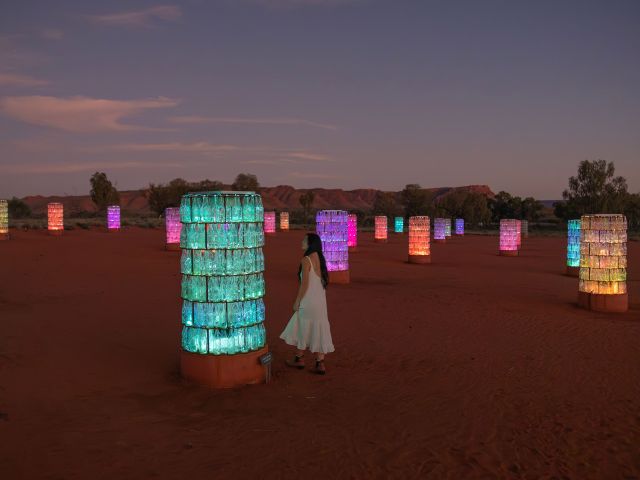
A woman admiring The Light Towers, one of the must-see attractions during the best time to explore the NT.
Watch the Outback light up after sunset. (Credit: Tourism and Events NT)

The Red Centre’s rich cultural heritage and lack of light pollution make it the ideal setting for immersive light shows, and you can experience the most iconic ones on an epic six-day road trip in April. Witness the Parrtjima cultural festival in Mparntwe (Alice Springs) before heading to Kings Canyon for Bruce Munro’s Light-Towers, where 69 glowing towers shine to a celestial soundscape. At Uluṟu, Munro’s Field of Light blankets the red soil with glowing frosted-glass stems, and the Wintijiri Wiru drone show lights up the sky in front of the sacred cultural site. Along the way you’ll witness the changing landscapes of the desert from the West MacDonnell Ranges to the Valley of the Winds.

4. The Parrtjima festival lights up the Red Centre

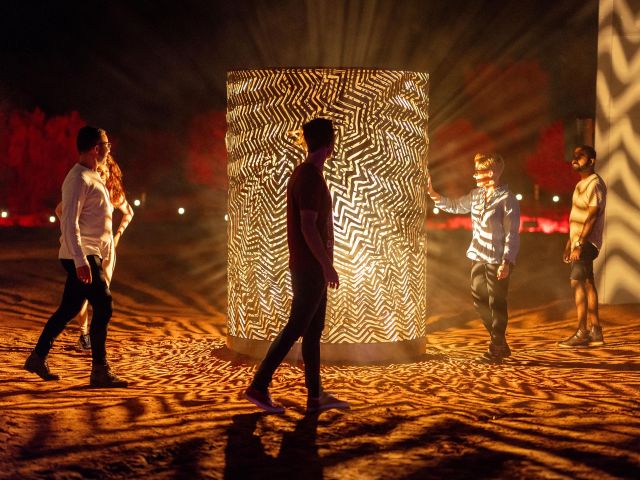
Festival lights illuminating the Northern Territory, showing why the best time to explore the NT is during festival season.
Witness the magic of Parrtjima. (Credit: Tourism and Events NT)

For 10 days every April, the Red Centre turns into a dazzling display of colour for the Parrtjima festival. Held at Alice Springs Desert Park, the unmissable celebration shines a spotlight on the world’s oldest living culture using modern technology. Artworks by local Aboriginal artists are transformed into large-scale illuminated installations with accompanying soundscapes, offering a unique opportunity to see the spectacular sunburnt landscapes, night skies and 300-million-year-old West MacDonnell Ranges in a new light. The jam-packed line-up of art and cultural events also includes workshops, markets, short films, talks and live music.

5. Cruising along Nitmiluk Gorge is breathtaking

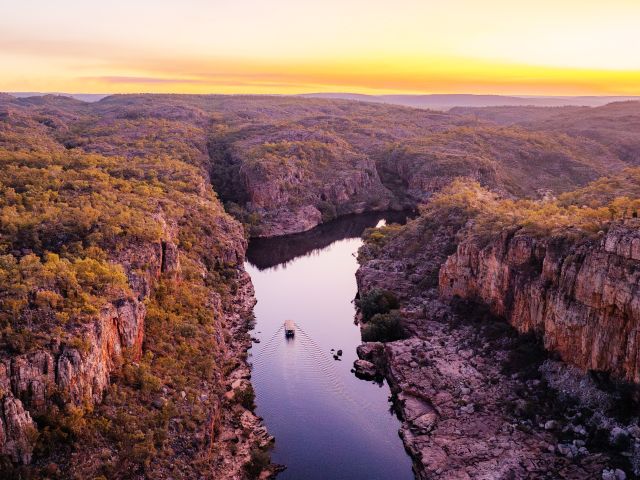
Aerial view of Nitmiluk Gorge, showcasing its dramatic cliffs and waterways.
Sail between towering sandstone cliffs. (Credit: Tourism and Events NT/Nic Morley)

Drifting down the emerald waters of Nitmiluk (Katherine) Gorge between towering red sandstone cliffs carved over millions of years, all while waterfalls stream down around you, is an experience like none other. Nitmiluk Katherine’s two-hour NitNit Dreaming Two Gorge Tour sails through gorges past ancient rock art while a local guide imparts knowledge about the Jawoyn culture and significance of the landscape.

6. You can explore local culture on the Tiwi Islands

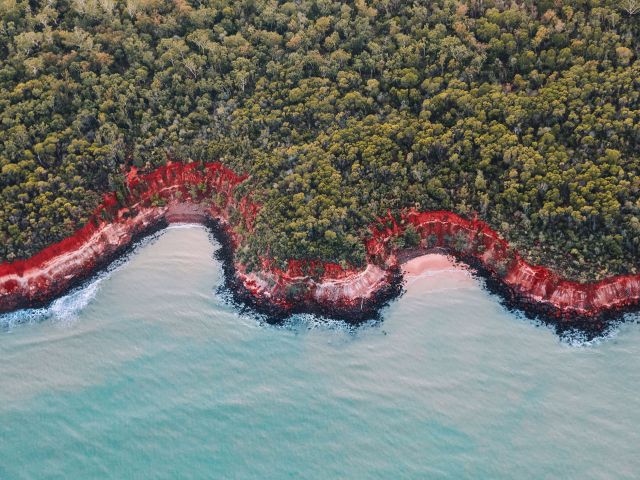
A quick boat ride from Darwin lies the peculiarly pink shores of Melville Island, Tiwi Islands. Populated by the hilariously cheeky Indigenous Tiwis, stepping onto the Islands is like stepping back in time. Sweeping rusty dirt roads meander through the eucalypt forest and are interspersed only by small communities and freshwater springs.
Immerse yourself in Tiwi culture. (Credit: Tourism and Events NT/Elise Cook)

Take an 80-kilometre ferry ride from Darwin to arrive at the Tiwi Islands, an archipelago of 11 picturesque islands and a haven for art lovers and anglers. On the Tiwi By Design walking tour you’ll be guided to the Tiwi Design Art Centre, one of Australia’s oldest art centres, to observe local artists in action and join a screen printing workshop.

If you’re more partial to sinking a line, book a stay at Tiwi Island Retreat in April. It’s one of the best months to fish for barramundi, and their world-class fishing adventures are your best chance at reeling in a prized catch.

7. Scenic flights over Kakadu’s waterfalls are jaw-dropping

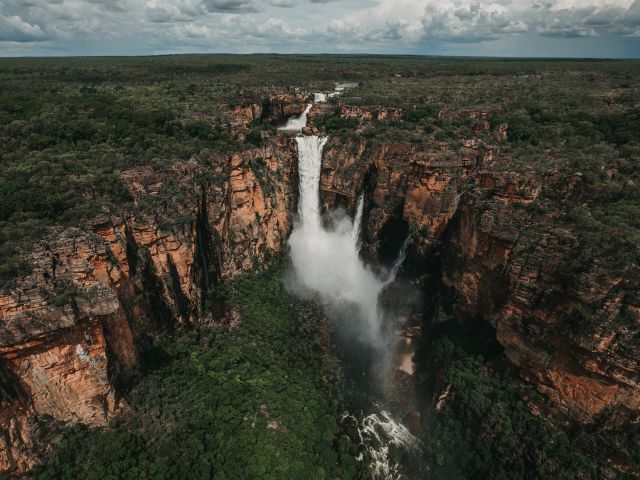
Jim Jim Falls from above during a wet season helicopter tour. Covering nearly 20,000 square kilometres, Kakadu National Park is teeming with wildlife, home to important Aboriginal rock art sites, and takes in diverse and exotic landscape.
Soar above Jim Jim Falls. (Credit: Tourism and Events NT/Jarrad Seng)

Seeing Kakadu National Park’s gushing waterfalls and dramatic escarpments from above offers a dose of unparalleled beauty – and it’s all best witnessed in the low season.

Taking flight from Darwin, Kakadu Air Services offers an unforgettable experience, with doorless helicopters revealing unobstructed views of the 1.8-billion-year-old landscape. Soar above the untouched savannah that turns into a tropical green paradise, marvel at the thunderous Jim Jim Falls and Twin Falls, and whiz through ancient sandstone canyons. If you’re lucky, the scenery will look all the more dramatic with rolling tropical storm clouds in the distance.

8. Litchfield National Park is an amazing place to cool off

Litchfield National Park
Dive into natural swimming holes. (Image: Tourism NT/Joshua Griffen)

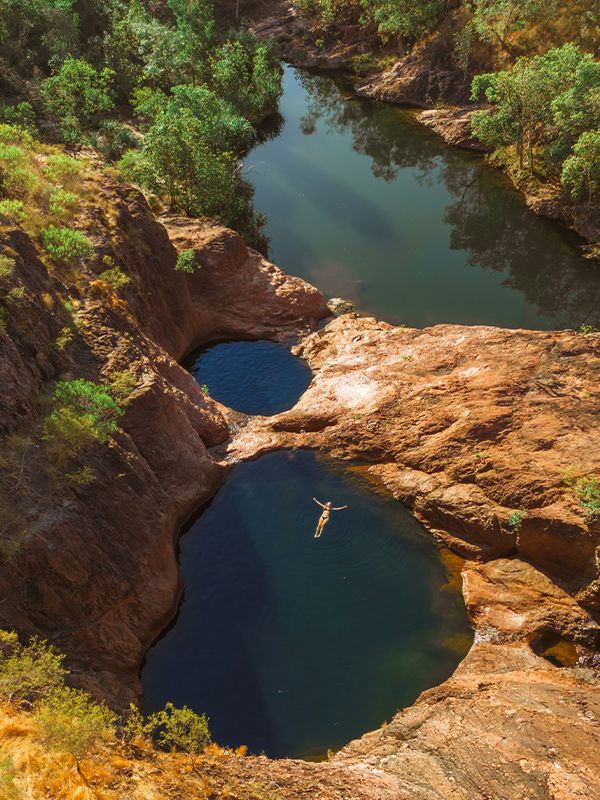
Litchfield National Park is peppered with stunning natural swimming pools for you to beat the heat in. Take a refreshing dip in pristine, crocodile-free spots such as Buley Rockhole, a series of spring-fed cascading pools, and the nearby Florence Falls, which is enveloped by monsoon rainforest and features a crystal-clear plunge pool fed by a 15-metre-high waterfall. Be sure to check the Northern Territory Parks & Reserves website for closures before you go.

Start planning your low season adventure of a lifetime at northernterritory.com.