Darwin in the wet season – why the locals love it

hero media
Over the wet season Darwin delights adventurous souls and nature enthusiasts with its labyrinthine waterways, mangrove communities, biting barramundi and abundant mud crabs.

As a Darwin local, I find Northern Territory’s capital offers nature-based experiences over the rainy months like no other. But if the great outdoors is not your jam, Darwin over the wet continues to dish up its bucket list items – like swimming with crocodiles – and local favourites, such as grazing at the markets (rain or shine).

What is the wet season?

Darwin has two seasons – wet and dry. The wet season (Australia’s summer time) is characterised by high humidity, monsoonal rains and storms. Average temperatures range from 25 to 32 degrees Celsius.

When is the wet season in Darwin?

The rainy season occurs from November to April.

Top reasons to visit Darwin in the wet season

Rob Woods, guide and owner at Ethical Adventures tour group, sums up the top reasons to visit Darwin in the wet season: “Everything’s greener, the animals are happy, the plants are happy!"
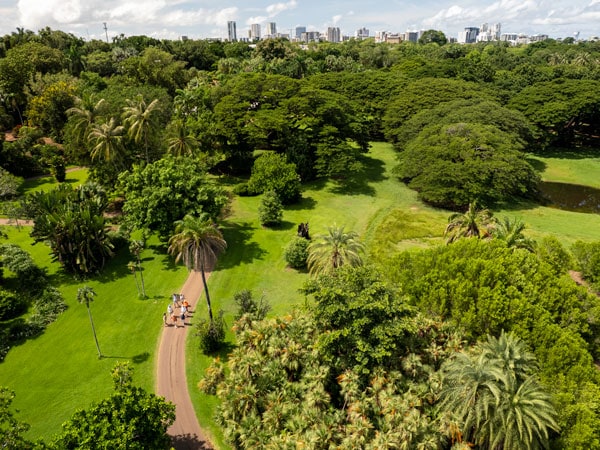
an aerial view of the Darwin Walking Tour - Botanic Gardens
Green is the colour of Darwin in the wet season. (Image: Tourism NT/Tourism Australia)

Nature lovers, rejoice. Over the wet season electrical storms create a dramatic brilliance and charge the night skies. Exotic trees, like the Poinciana, burst into colour, making it a perfect time to visit the Darwin Botanic Gardens. Saltwater crocodiles are active, with males travelling big distances to find a suitable mate. And meanwhile, at backyard dinner parties across Darwin, conversations are drowned out by the crawk-crawk-crawk of gorgeous green tree frogs.
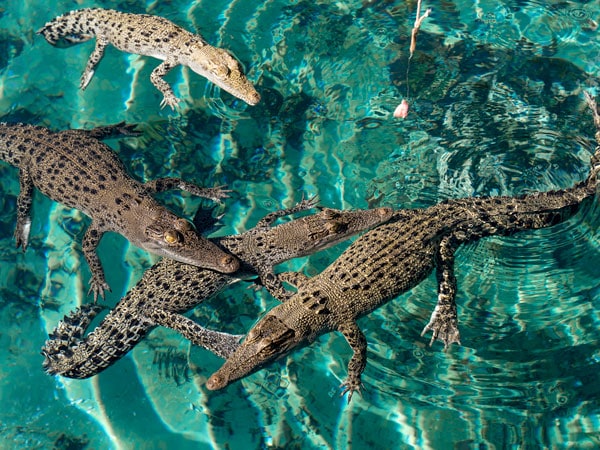
a top view of crocodiles in Darwin Crocosaurus Cove
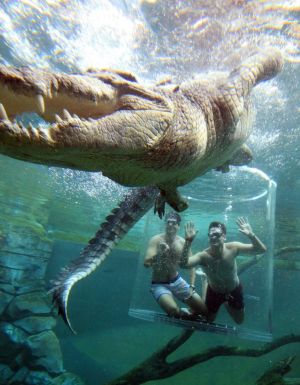
The wet season in Darwin coincides with the crocodile breeding season. (Image: Tourism NT/Tourism Australia)

Traditional owners of the Darwin area, the Larrakia people (who recognise seven main seasons) call these months Balnba (season of the first rains) and Dalay (monsoon season).
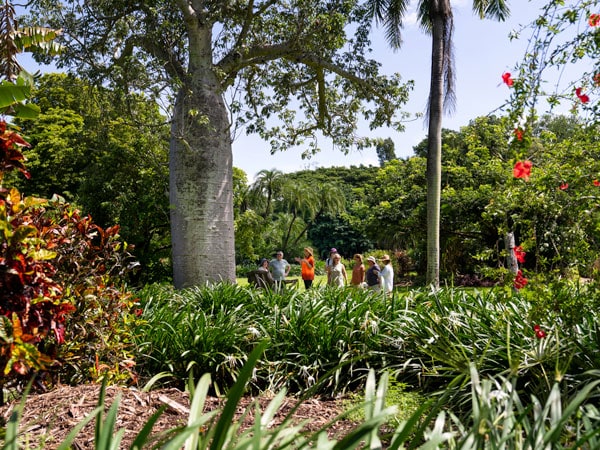
a Darwin Walking Tour in the Botanic Gardens
Explore the gardens on a walking tour. (Image: Tourism NT/Tourism Australia)

1. George Brown Darwin Botanic Gardens

Dripping with flowers, lush and green – the gardens are at their best in the wet season. Start at the tranquil lily pond, before exploring the orchid house, waterfall and the mangrove community.
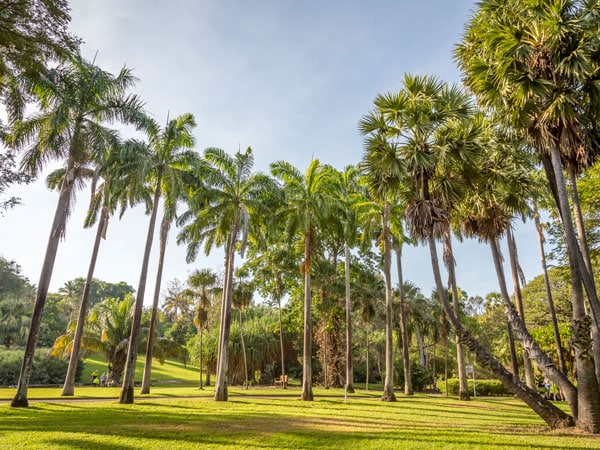
the George Brown Darwin Botanic Gardens
Stroll along the lush greenery in George Brown Darwin Botanic Gardens. (Image: Tourism NT/Nick Pincott)

For an escape from the rain, head to Eva’s Café in the heritage listed Wesleyan Church for some of Darwin’s best coffee and breakfast.

an old couple having breakfast at Eva’s Café, George Brown Darwin Botanic Gardens
Take a break at Eva’s Café. (Image: Tourism NT/Shaana McNaught)

Need tips, more detail or itinerary ideas tailored to you? Ask AT.

AI Prompt

2. WW2 Tunnels Darwin

Exploring the WWII oil storage tunnels with its 100 wartime photographs is a unique adventure when the rain is thundering outside. Incredibly, these tunnels near Darwin’s Waterfront Precinct were hardly known until 1992, when one was opened as a tourist attraction for the 50th anniversary of the bombing of Darwin. Still today, the tunnels leak from the vast underground water supply, which adds to the adventure.
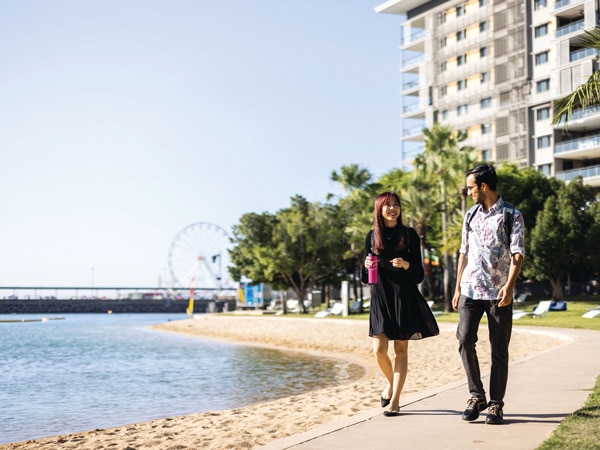
two students walking along the Darwin Waterfront Precinct
WW2 Tunnels Darwin are situated near the waterfront precinct. (Image: Tourism NT/Helen Orr)

3. Mud Crabs at Mindil Beach

Larrakia coastal walk takes you from Mindil Beach onto a boardwalk, through natural mangrove forest and up to Bullocky Point. In the wet season there’s plenty of crabs around, so make sure you pause on the boardwalk to look down at the creek.
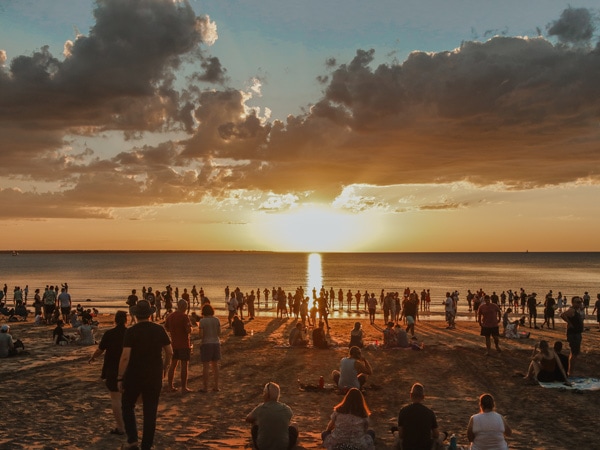
sunset on Mindil Beach
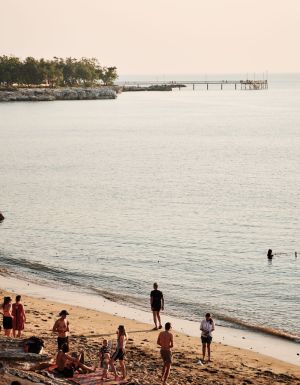
Chase the sunset on Mindil Beach. (Image: Mindil Beach Markets/Kevin Phan)

Keep your eye out for painted poles indicating the uses of various Larrakia coastal plants. From here, keep walking to the Museum and Art Gallery of the Northern Territory.
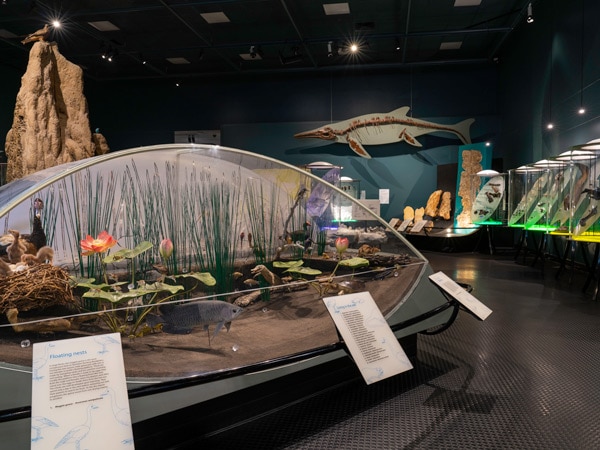
a look inside the Museum and Art Gallery NT
The Museum and Art Gallery of the Northern Territory (MAGNT) is home to scientific and cultural collections. (Image: Tourism NT/Tourism Australia)

4. Barra are biting – it’s the perfect time for fishing in Darwin

The build-up months (October to December) can produce the best fishing of all the seasons in the Top End. Increasing cloud cover and rainfall ignites the barra action, especially in the saltwater estuaries and the lower tidal river reaches. During the monsoonal rains (January to mid-March) barra can take a bit more hunting, but they are usually on the bite in the mangrove creeks and estuaries around Darwin Harbour.

Fishing over the wet season gives you the opportunity to win big. The Northern Territory Government’s Million Dollar Fish has tagged barra to catch worth $1 million (make sure you’re registered before you go fishing).
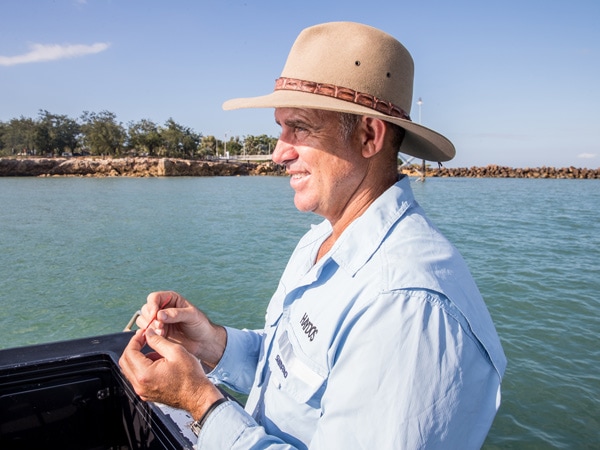
a man out fishing in Darwin Harbour
Try your luck and catch some fish in Darwin. (Image: Tourism NT/Helen Orr)

5. Mangoes at Darwin’s markets

It may be wet season but there are still markets to explore. Head to the Rapid Creek Markets on the weekend for tropical fruits and fresh juice; or check out Parap Village Markets to try one of Mary’s award-winning laksa soups.
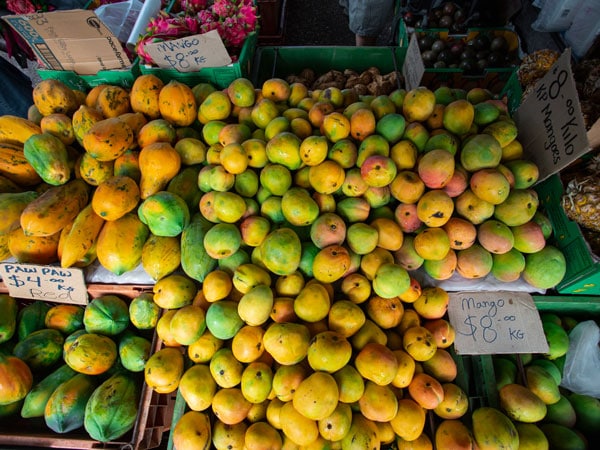
mangoes on display at Parap Village Markets
Pick fresh mangoes at Parap Village Markets. (Image: Tourism Australia/Nicholas Kavo)

Over at Nightcliff Markets, locals dine on warm Nutella crepes and fresh rice paper rolls. From late October onwards, mangoes are plentiful -but be warned, you might find the mango smoothies and mango sticky rice a bit addictive. 

Mary's Laksa in Parap Village Markets
Don’t miss out on Mary’s award-winning laksa soups. (Image: Tourism NT/Matt Cherubino)

Weekly travel news, experiences
insider tips, offers, and more.

6. Fly over the waterfalls 

Heavy rains mean the waterfalls in Litchfield National Park and Kakadu are at their most impressive, particularly from November onwards. One of the best ways to see them and get an appreciation for their size and power is by stepping aboard a scenic flight.
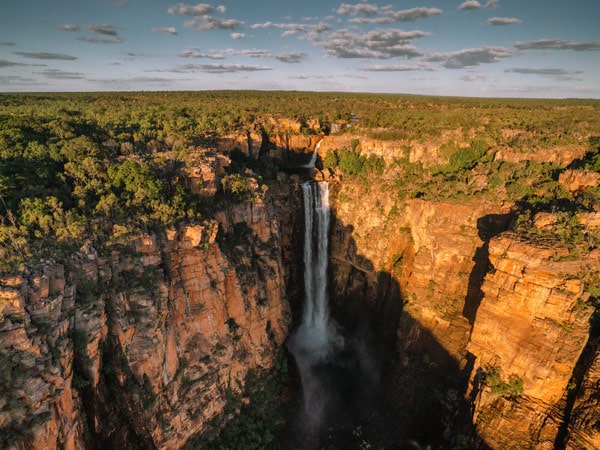
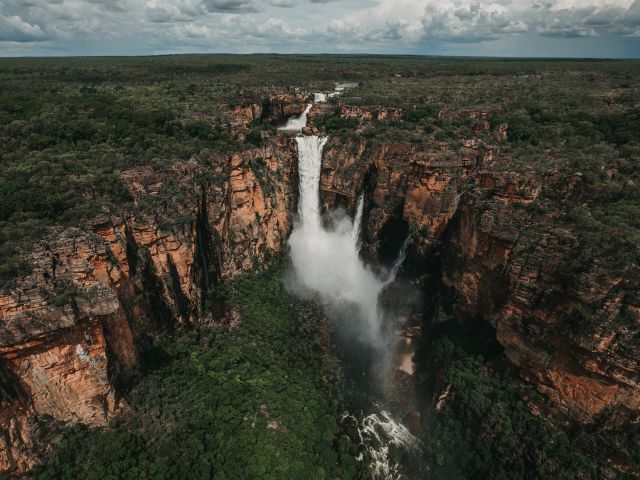
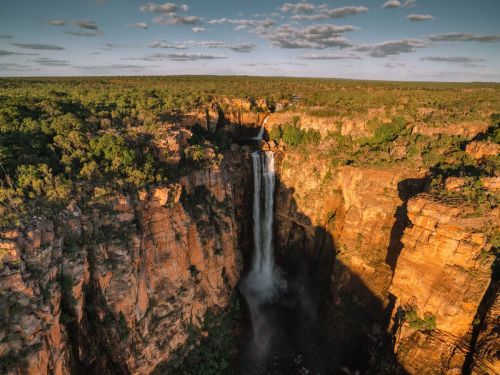
an aerial view of Jim Jim Falls
Jim Jim Falls looks spectacular from above. (Image: Tourism NT/@helloemilie)

For wet season guides check out Ethical Adventures’ Pure Litchfield tour or take a private tour with Venture North to Litchfield, Katherine and Kakadu.
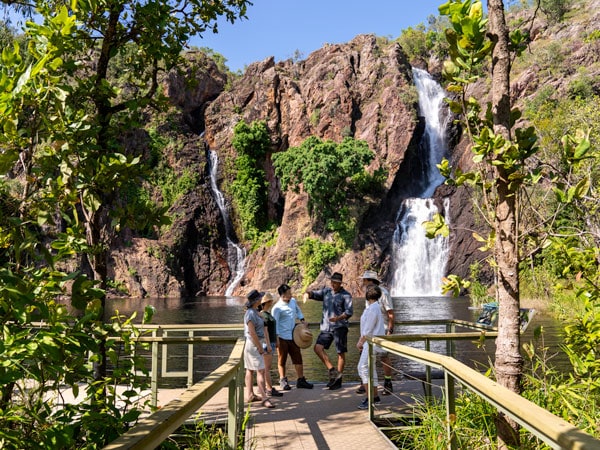
a group of people visiting a waterfall during Ethical Adventures' Litchfield National Park tour
Tour the majestic sights at Litchfield National Park with Ethical Adventures. (Image: Tourism NT/Shaana McNaught)

7. Flix in the Wet

For a perfect wet season night out head along to the Darwin Entertainment Centre to catch a show, such as Jessica Mauboy or The Teskey Brothers, or a movie as part of Flix in the Wet. You might want to dine next door at Hanuman, one of the best restaurants in Darwin before trotting off to one of Darwin’s top city hotels for a night cap.

food at Hanuman restaurant Darwin
Dine next door at Hanuman. (Image: Tourism NT)

8. Fogg Dam Conservation Reserve

One of the most accessible places to see the wetlands and wildlife over the wet season is at Fogg Dam, a 45-minute drive from Darwin. A haven for water pythons, freshwater turtles and birds, Fogg Dam is famous among naturalists for having one of the world’s highest biomass of predator (water pythons) to prey (dusky rats) ratio.

9. Wetland View Top Centre 

For a stunning panoramic view of the Adelaide River floodplain, head to Wetland Top View Centre, an hours’ drive from Darwin on the way to Kakadu. Run by Aboriginal-owned tourism venture Pudakul Aboriginal Cultural Tours, the two-level visitor centre building, constructed to represent the form of a dancing brolga, is complete with amenities, cafe, and interactive display with the top-level viewing deck providing an uninterrupted view of the wetlands.

Want to see more stories from Australian Traveller in your Google search results?

  1. Click here to set Australian Traveller as a preferred source.
  2. Tick the box next to "Australian Traveller". That's it.
Leah McLennan
Leah McLennan is a freelance writer based in Darwin. She was a journalist in Sydney for over a decade and counts her time as travel editor for Australian Associated Press as one of the highlights of her career. From exploring remote campsites in the Top End with her family, to seeking out new art galleries in faraway cities, she’ll grab an adventurous or arty travel experience within her reach.
View profile and articles
hero media

8 reasons why the low season is the best time to explore the Northern Territory

Credit: Tourism and Events NT

September to April in the Northern Territory rewards those who seek adventure.

Sure, the Northern Territory shines during the high season, but did you know it transforms into lush magnificence in the summer low season? From September to April, hundreds of waterfalls roar into action, vegetation flourishes and natural pools swell, all thanks to spectacular storms. This is when some of the country’s best arts and cultural events hit the calendar, too.

Travelling at this time of year means you’ll also be rewarded with off-peak travel pricing on accommodation, tours and experiences, and can even enjoy many of the top sites all to yourself.

1. Kings Canyon is transformed

Kings Canyon Rim Walk Garden Of Eden in the rain
Kings Canyon transforms in the low season. (Image: Kassia Byrnes)

Kings Canyon’s towering sandstone domes and crevasses are a sight to behold year-round, but during the low season you can witness a rare phenomenon. This ancient outback wonder’s arid landscape bursts to life when it rains, temporarily transforming it with waterfalls that thunder down the cliffs. At the base of the canyon is the verdant Garden of Eden and its permanent watering hole.

2. John Hayes Rockhole is a natural wonder

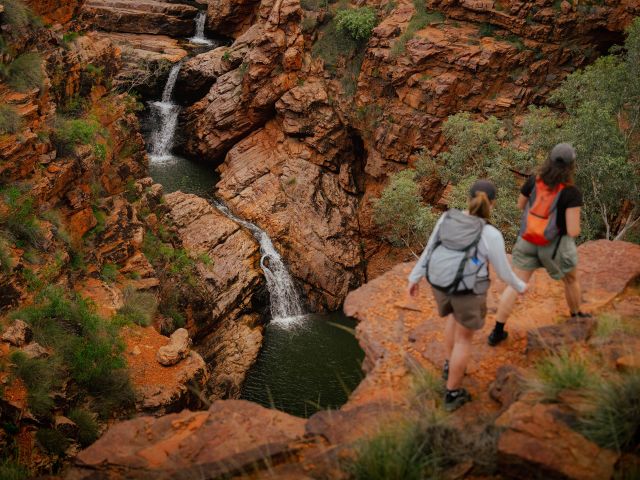
Two women hiking to John Hayes Rockhole, one of the unforgettable experiences during the best time to explore the NT.
Hike to a desert oasis. (Credit: Tourism and Events NT)

Hidden in the Trephina Gorge Nature Park in the East MacDonnell Ranges, John Hayes Rockhole is an oasis waiting to be discovered. Visit the narrow canyon during the high season, and you may see only a sandy creekbed, but after rain in the low season the pool is full of cool water. It’s accessible via a 4WD-only track off the Ross Highway, or you can set out early and join the nine-kilometre Trephina Ridgetop Walk. The reward for undertaking the hike is worth every step, and there’s a dedicated, tent-only campground for those who’d like to soak up the serenity overnight.

3. The Red Centre Light Trail shines bright

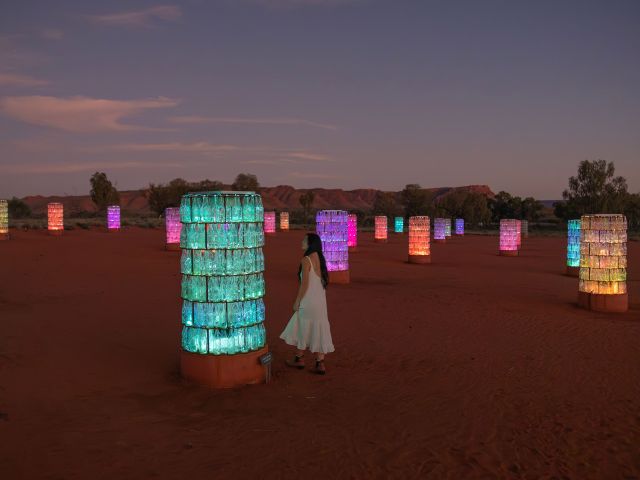
A woman admiring The Light Towers, one of the must-see attractions during the best time to explore the NT.
Watch the Outback light up after sunset. (Credit: Tourism and Events NT)

The Red Centre’s rich cultural heritage and lack of light pollution make it the ideal setting for immersive light shows, and you can experience the most iconic ones on an epic six-day road trip in April. Witness the Parrtjima cultural festival in Mparntwe (Alice Springs) before heading to Kings Canyon for Bruce Munro’s Light-Towers, where 69 glowing towers shine to a celestial soundscape. At Uluṟu, Munro’s Field of Light blankets the red soil with glowing frosted-glass stems, and the Wintijiri Wiru drone show lights up the sky in front of the sacred cultural site. Along the way you’ll witness the changing landscapes of the desert from the West MacDonnell Ranges to the Valley of the Winds.

4. The Parrtjima festival lights up the Red Centre

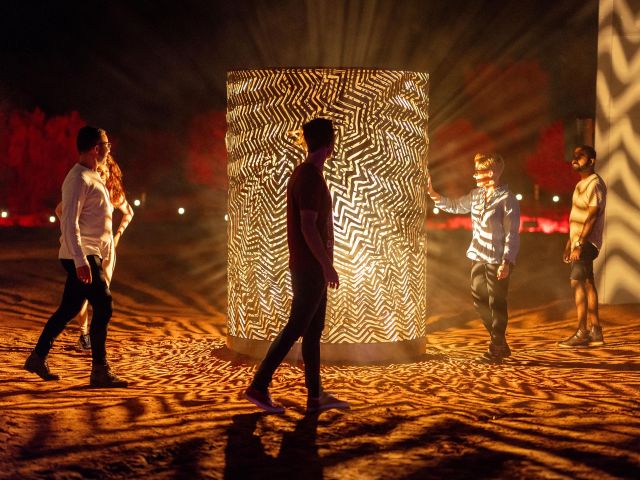
Festival lights illuminating the Northern Territory, showing why the best time to explore the NT is during festival season.
Witness the magic of Parrtjima. (Credit: Tourism and Events NT)

For 10 days every April, the Red Centre turns into a dazzling display of colour for the Parrtjima festival. Held at Alice Springs Desert Park, the unmissable celebration shines a spotlight on the world’s oldest living culture using modern technology. Artworks by local Aboriginal artists are transformed into large-scale illuminated installations with accompanying soundscapes, offering a unique opportunity to see the spectacular sunburnt landscapes, night skies and 300-million-year-old West MacDonnell Ranges in a new light. The jam-packed line-up of art and cultural events also includes workshops, markets, short films, talks and live music.

5. Cruising along Nitmiluk Gorge is breathtaking

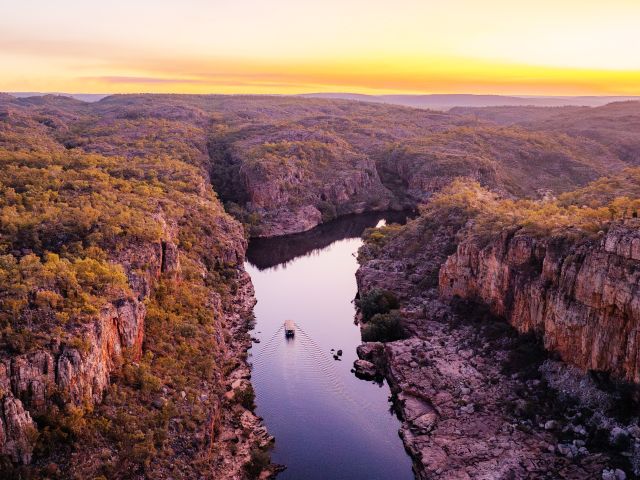
Aerial view of Nitmiluk Gorge, showcasing its dramatic cliffs and waterways.
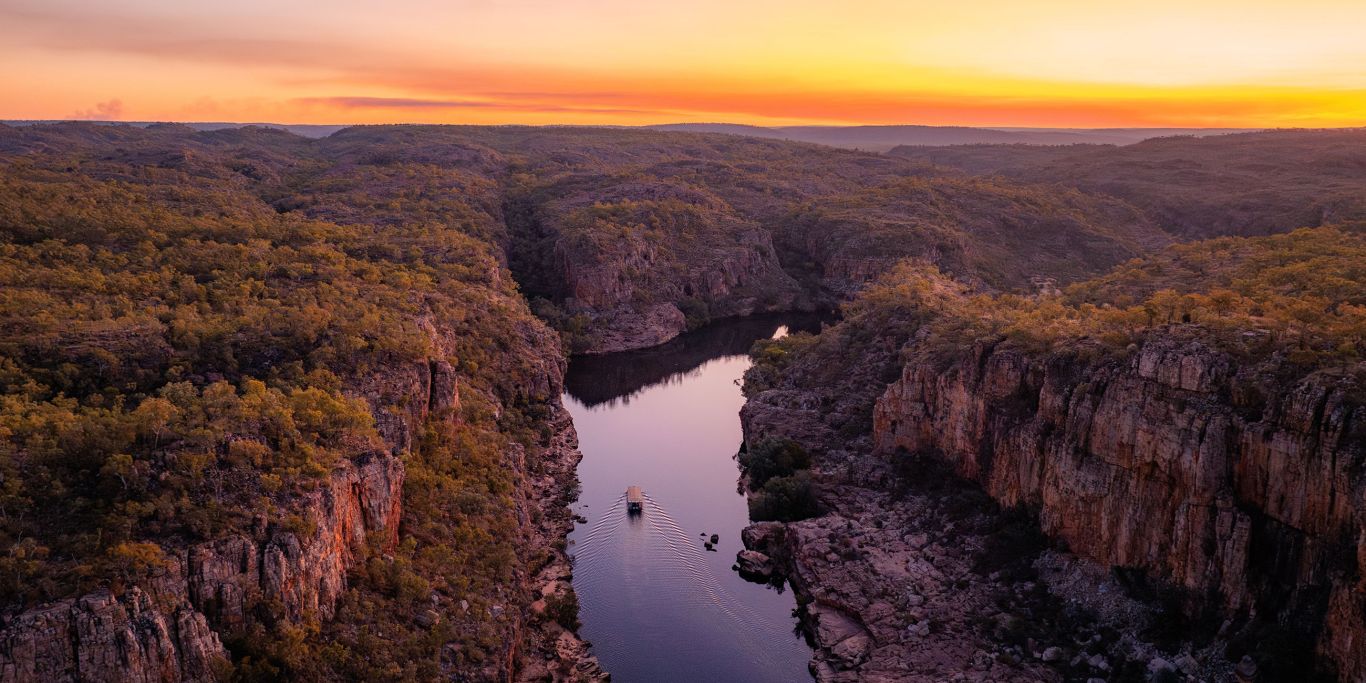
Sail between towering sandstone cliffs. (Credit: Tourism and Events NT/Nic Morley)

Drifting down the emerald waters of Nitmiluk (Katherine) Gorge between towering red sandstone cliffs carved over millions of years, all while waterfalls stream down around you, is an experience like none other. Nitmiluk Katherine’s two-hour NitNit Dreaming Two Gorge Tour sails through gorges past ancient rock art while a local guide imparts knowledge about the Jawoyn culture and significance of the landscape.

6. You can explore local culture on the Tiwi Islands

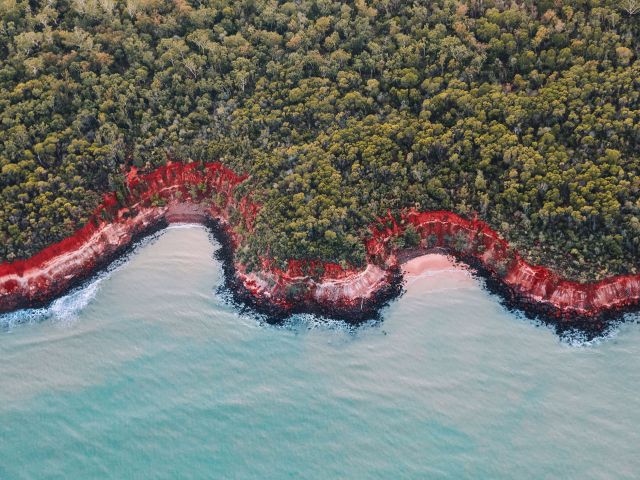
A quick boat ride from Darwin lies the peculiarly pink shores of Melville Island, Tiwi Islands. Populated by the hilariously cheeky Indigenous Tiwis, stepping onto the Islands is like stepping back in time. Sweeping rusty dirt roads meander through the eucalypt forest and are interspersed only by small communities and freshwater springs.
Immerse yourself in Tiwi culture. (Credit: Tourism and Events NT/Elise Cook)

Take an 80-kilometre ferry ride from Darwin to arrive at the Tiwi Islands, an archipelago of 11 picturesque islands and a haven for art lovers and anglers. On the Tiwi By Design walking tour you’ll be guided to the Tiwi Design Art Centre, one of Australia’s oldest art centres, to observe local artists in action and join a screen printing workshop.

If you’re more partial to sinking a line, book a stay at Tiwi Island Retreat in April. It’s one of the best months to fish for barramundi, and their world-class fishing adventures are your best chance at reeling in a prized catch.

7. Scenic flights over Kakadu’s waterfalls are jaw-dropping

Jim Jim Falls from above during a wet season helicopter tour. Covering nearly 20,000 square kilometres, Kakadu National Park is teeming with wildlife, home to important Aboriginal rock art sites, and takes in diverse and exotic landscape.
Soar above Jim Jim Falls. (Credit: Tourism and Events NT/Jarrad Seng)

Seeing Kakadu National Park’s gushing waterfalls and dramatic escarpments from above offers a dose of unparalleled beauty – and it’s all best witnessed in the low season.

Taking flight from Darwin, Kakadu Air Services offers an unforgettable experience, with doorless helicopters revealing unobstructed views of the 1.8-billion-year-old landscape. Soar above the untouched savannah that turns into a tropical green paradise, marvel at the thunderous Jim Jim Falls and Twin Falls, and whiz through ancient sandstone canyons. If you’re lucky, the scenery will look all the more dramatic with rolling tropical storm clouds in the distance.

8. Litchfield National Park is an amazing place to cool off

Litchfield National Park
Dive into natural swimming holes. (Image: Tourism NT/Joshua Griffen)

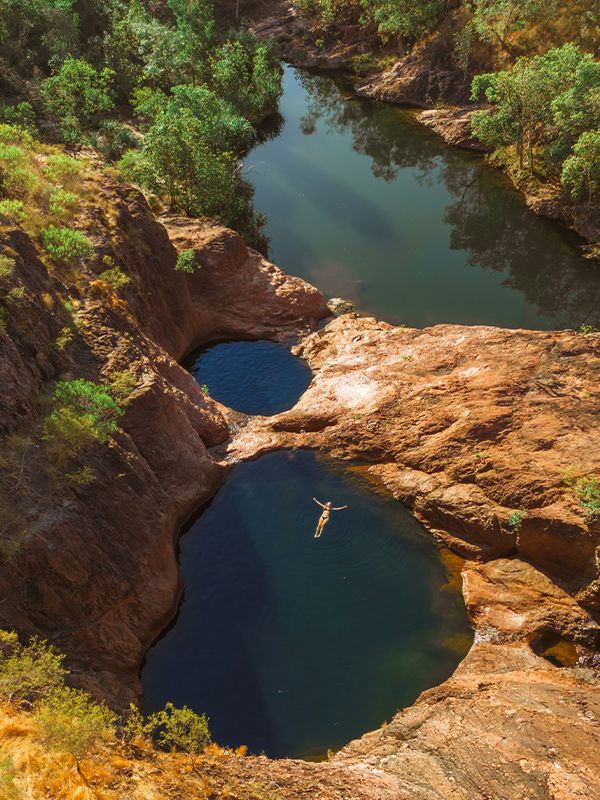
Litchfield National Park is peppered with stunning natural swimming pools for you to beat the heat in. Take a refreshing dip in pristine, crocodile-free spots such as Buley Rockhole, a series of spring-fed cascading pools, and the nearby Florence Falls, which is enveloped by monsoon rainforest and features a crystal-clear plunge pool fed by a 15-metre-high waterfall. Be sure to check the Northern Territory Parks & Reserves website for closures before you go.

Start planning your low season adventure of a lifetime at northernterritory.com.