Experience summer from a different perspective in Darwin.
The storm rattles in like a freight train carrying sparks of lightning and rumbles of thunder. With it, comes the rain. Thick and heavy.
This is Darwin in the summer – better known as the wet season in these parts – and it’s an experience like no other, brimming with excitement and natural wonders.
Taste a Darwin summer at these restaurants and bars…
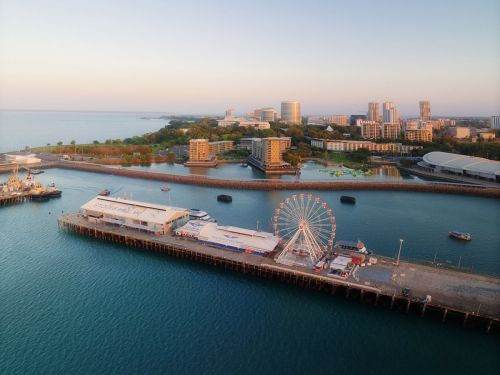
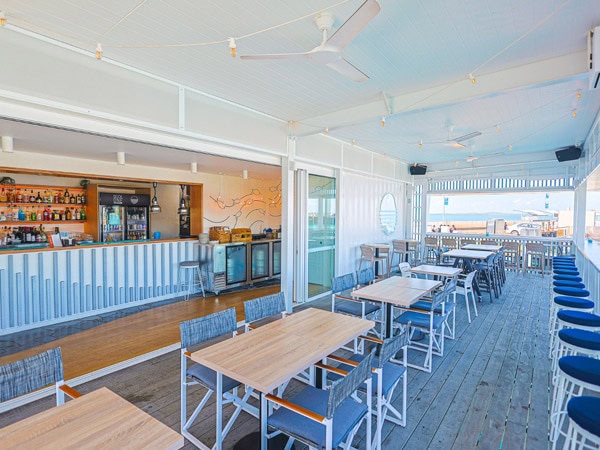
Sitting at the entrance to Stokes Hill Wharf overlooking the Darwin Waterfront is the city’s newest seaside bar, Dock One , ideal for a sunset jalapeño margarita.
Dock One is Darwin’s newest seaside bar.
In town, Flick’s has taken the shuttered Duck’s Nuts Vodka Bar venue on Mitchell Street and turned it into a tropical pavilion, serving up Top End treats including camp oven damper, crocodile bites and kangaroo tataki.
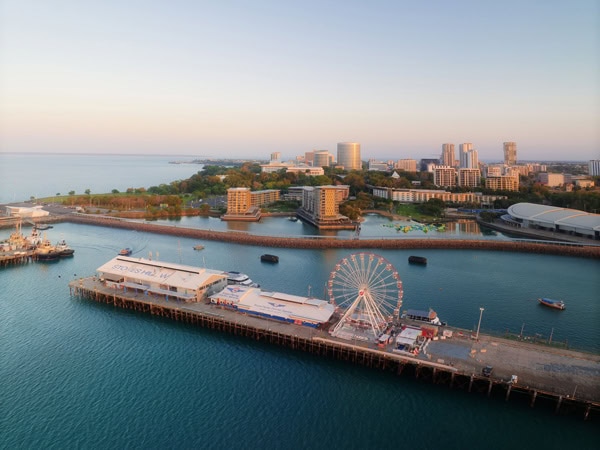
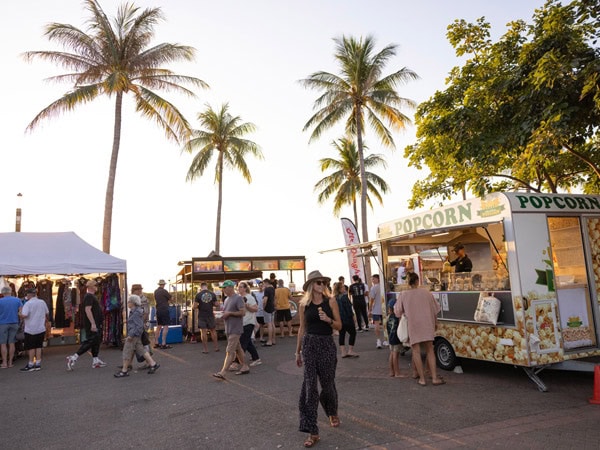
Drink and dine at Stokes Hill Wharf. (Image: Tourism NT/Matt Lambley)
Hit snooze at these Darwin stays…
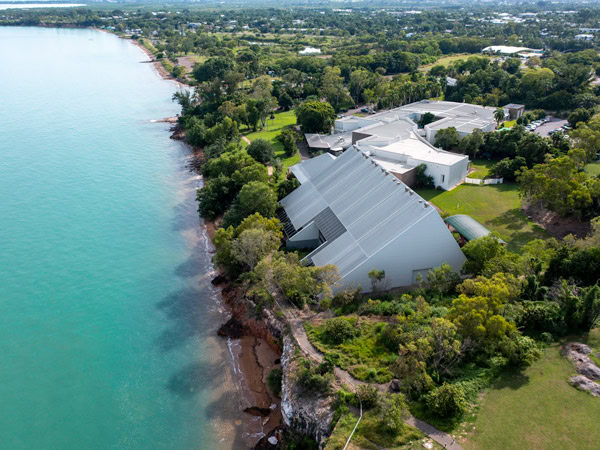
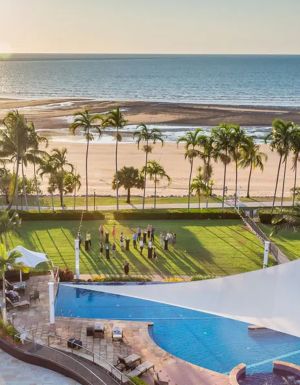
To experience the wet in all its glory, you want to be overlooking the sea and incoming storms. As luck would have it, the accommodation options at Stay Your Way all have one thing in common: ocean views.
From the buzzy waterfront to luxe Cullen Bay and the holiday strip of the esplanade, the properties are in prime position to soak it all up.
Need tips, more detail or itinerary ideas tailored to you? Ask AT.
AI Prompt
Darwin’s summer to-do list
The most vibrant shade of green can exclusively be found at the George Brown Darwin Botanic Gardens , during the wet, on an early morning stroll through rainforest gully. You’ve never seen palms so lush or orchids so bright.
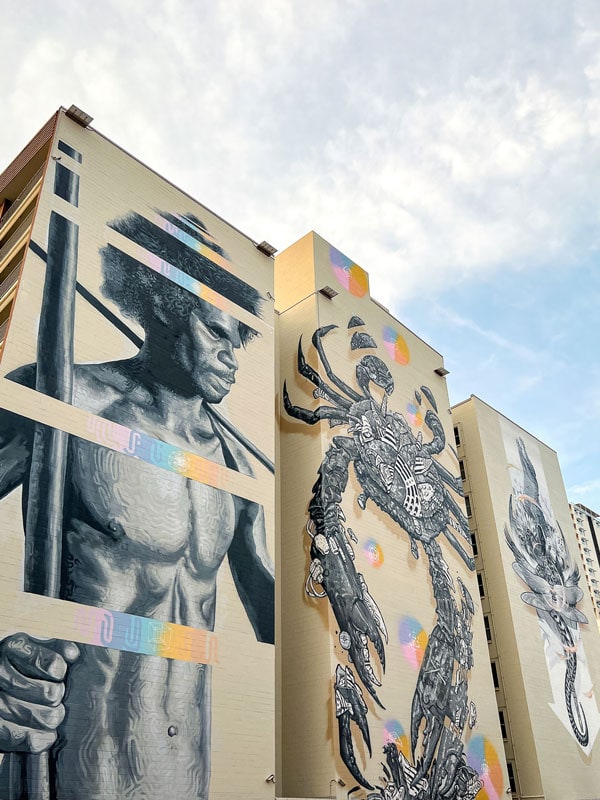
Empty city walls have been transformed with street art. (Image: Tourism NT/Jessica Nguyen)
Be invigorated by the sights, sounds and landscapes of the Northern Territory.
If your 2026 travel goals focus on visiting inspiring and meaningful destinations, look no further than the Northern Territory. Rich in Indigenous culture, national parks and unique local cuisine, a journey deep into the Red Centre and Top End will awaken all your senses and leave you with lifelong memories. But you don’t need to do it on your own, as AAT Kings’ Small Group tours offer expertly led itineraries. They’re designed to take the guesswork out of travel planning and help you access remote regions in comfort while connecting with fellow guests, allowing you to delve deeper into destinations with insights from knowledgeable Travel Directors and local Indigenous guides.
As Small Group tours with AAT Kings have an average of just 16 guests, there’s ample opportunity to ask questions and make meaningful connections on every visit. Here are just a few of the experiences on offer, with adventures designed to invigorate every sense.
1. Under a Desert Moon dinner
Watch the stars come out over five courses.
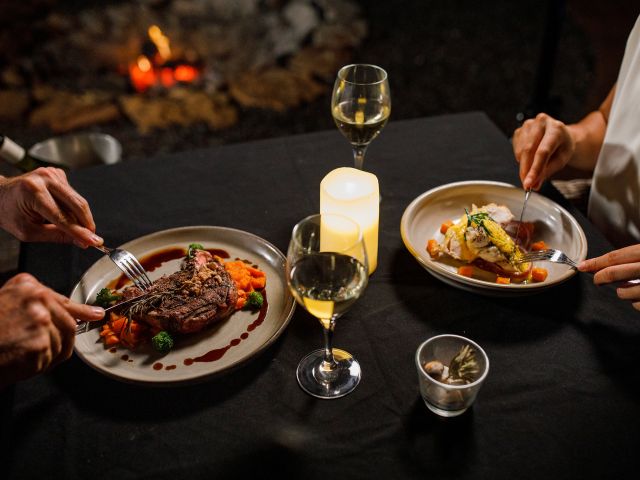
Over five courses, dine under the stars during an unforgettable Outback dining experience. As day fades to night, lit only by the moon and the crackling fire, this outdoor dinner features locally sourced seasonal produce, matched with Australian wines.
It’s an intimate experience, showcasing the quiet grandeur of the Outback after nightfall. As you dine, feel connected to the land and its unique flavours, introduced by your impeccable waitstaff.
Part of the Northern Territory Dreaming tour, the Under a Desert Moon dinner is the ideal way to connect with your small group of fellow travellers after an invigorating day in the Red Centre.
2. Karrke Aboriginal Cultural Experience
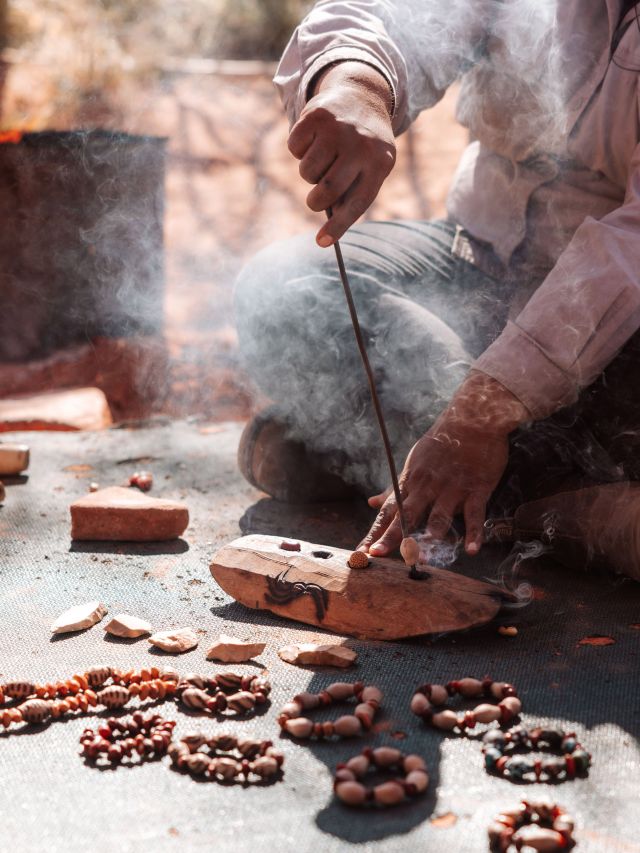
Learn stories of the Red Centre at Karrke. (Image: Tourism & Events NT/ 75vibes)
The best way to learn the stories of the Red Centre is by connecting with the land’s Traditional Owners. At the Karrke Aboriginal Cultural Experience, visited on AAT Kings Northern Territory Dreaming and Outback Contrasts tours, you’ll meet with members of the local Wanmarra community in Kings Canyon.
On this immersive AAT Kings MAKE TRAVEL MATTER® Experience you’ll walk on Country to learn firsthand about bush tucker, Indigenous medicine, wooden artefacts and the art of dot painting. Passionate guides will share stories that have been passed down for generations.
3. Kungkas Can Cook
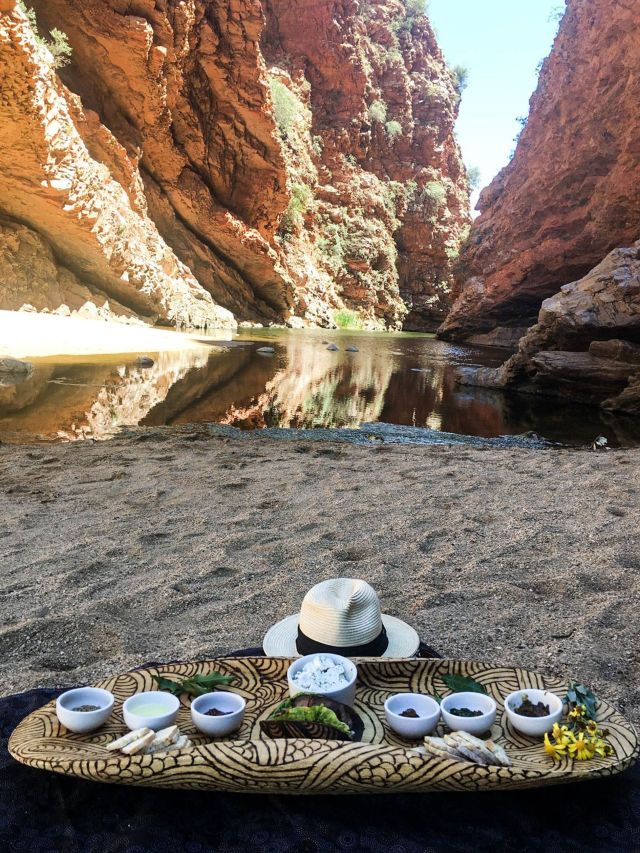
Taste local bush delicacies. (Image: Tourism & Events NT/ Mel Brautigam)
The powerful senses of smell and taste are awakened on this exclusive experience led by Indigenous chef Rayleen Brown. Included in the Northern Territory Dreaming and Outback Contrasts tours, this is a unique opportunity to savour local bush delicacies and learn about Indigenous culture through the lens of food.
Brown, a recipe author and guest judge for MasterChef Australia, works solely with native ingredients directly harvested by women from the Alice Springs community. It’s a 100 per cent Indigenous owned and run business.
4. Karlu Karlu (Devils Marbles)
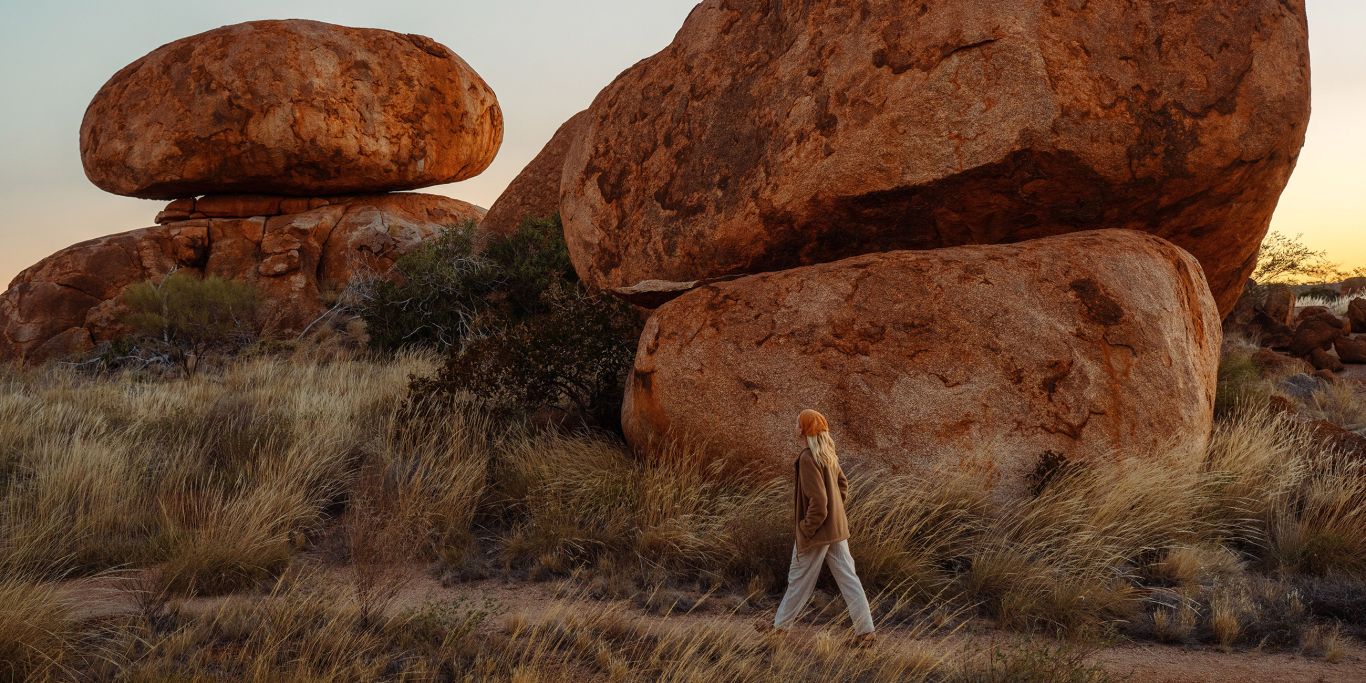
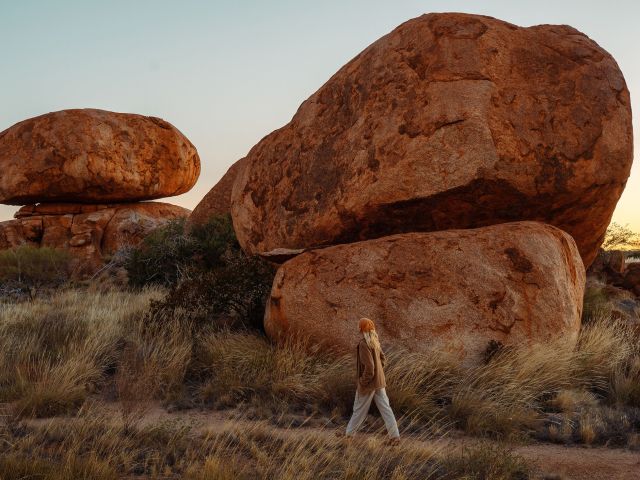
See striking Karlu Karlu. (Image: Tourism & Events NT/ Dom And Jesso)
Appearing out of nowhere, the huge granite boulders of Karlu Karlu seem to precariously balance on the barren Outback landscape. You’ll come across these geological formations as you cruise the Stuart Highway on the Northern Territory Explorer tour.
Your AAT Kings Travel Director will share expert insight on the history and culture of Karlu Karlu, recognised as a sacred site of the Warumungu people. As you walk in awe amongst these stunning formations, formed many millennia ago, you’ll hear some of the stories behind why this place is so important to Indigenous storytelling and culture.
5. Pudakul
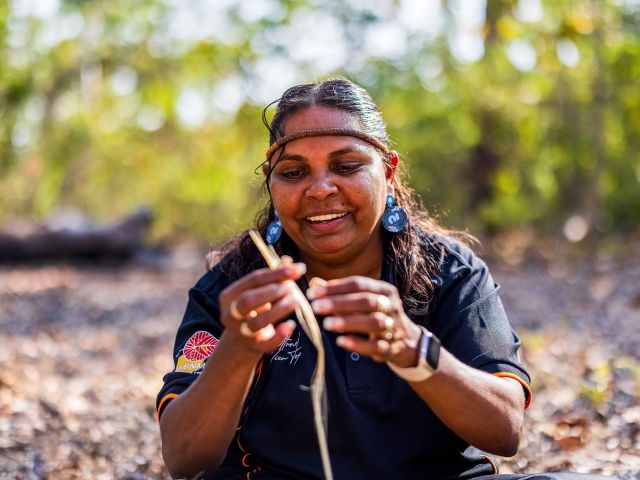
Experience this family-owned Indigenous experience. (Images: Tourism & Events NT/ Helen Orr)
Make authentic cultural connections when you visit Pudakul, a family-owned Indigenous experience on the Adelaide River Flood Plains. On your Small Group Northern Territory Explorer tour your senses will be inspired by the sounds of First Nations music, the taste of local bush tucker and the beauty of art.
This AAT Kings MAKE TRAVEL MATTER® Experience is designed to take you deeper into the destination, helping guests learn from the people of the Limilngan-Wulna Land.
6. Corroboree Billabong Wetland Cruise
Spot the wildlife of the billabong. (Image: Tourism & Events NT)
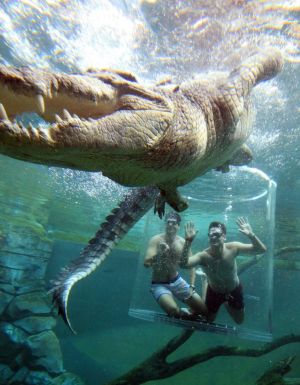
Observing the unique wildlife of the Northern Territory – from formidable crocs to hearing gentle melodies from the many endemic bird species – is always one of the most memorable parts of your Northern Territory Dreaming tour.
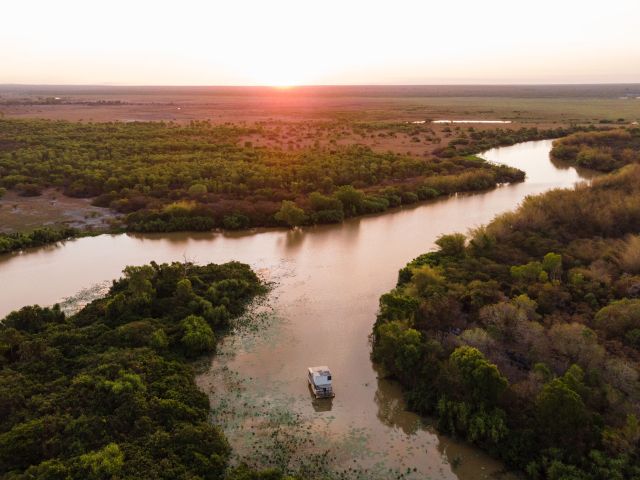
Travel in the comfort of your premium coach, taking in the stunning landscapes, before arriving at Corroboree Billabong. This special place is part of the Mary River Wetlands and is home to the world’s largest concentration of saltwater crocodiles. Your comfortable boat is designed to maximise wildlife viewing, giving you a front row seat to this spectacular ecosystem.
7. Aboriginal Bush Traders
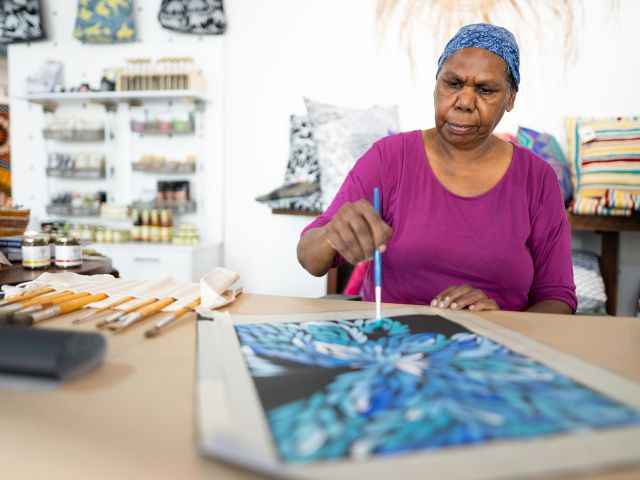
Visit for the art, stay for a bite. (Image: Tourism & Events NT/ Shaana McNaught)
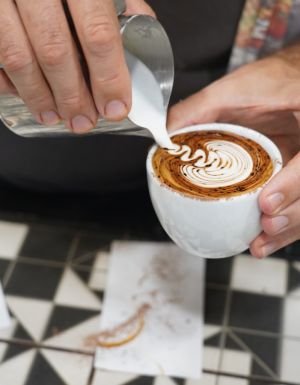
A visit to Aboriginal Bush Traders is the ideal introduction to the vibrant city of Darwin. This non-profit gallery, cafe and retail space supports Indigenous employment and is the perfect place to find a curated selection of ethical Indigenous gifts, including artwork and organic skincare.
Your Northern Territory Top End National Parks and Northern Territory Dreaming tours include an exclusive native flavour tasting, offering cultural insight before travelling deeper into the Top End.
8. Leliyn (Edith Falls)
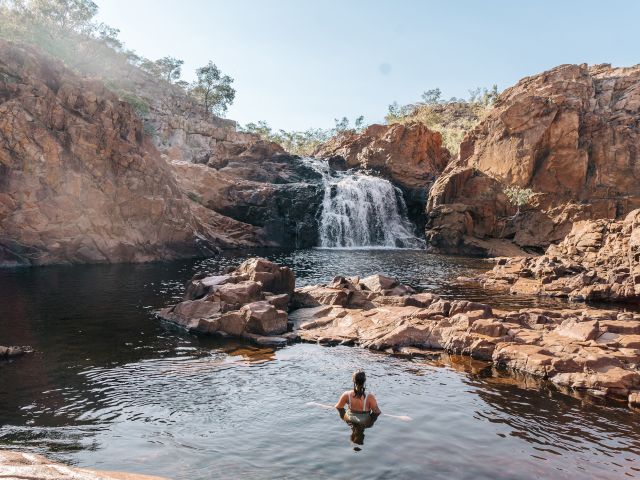
Cool off at Leliyn (Edith Falls). (Image: Tourism & Events NT/ As We Wander)
There’s something about a mighty waterfall that invigorates the soul like nothing else, with the picturesque Leliyn (Edith Falls) the perfect place to refresh on a hot day.
On your Northern Territory Top End National Parks and Northern Territory Dreaming visit to Nitmiluk National Park, known for its epic sandstone gorges, you’ll pay a visit to the oasis that is Leliyn. It’s the ideal place for a swim, but it’s also home to ancient Indigenous rock art. And as your Travel Director will explain, it’s an impressive place of cultural significance, too.