This giant coral chest could save the Great Barrier Reef

hero media
If one of the world’s most important ecosystems fails, this clever insurance policy may prove to be its saving grace; take a look inside the world’s first living coral biobank.

It’s the most peaceful nursery I’ve ever seen. Never mind that the babies constantly feed, incessantly tussle and never properly go to sleep. But, then again, it’s hard to sleep when you don’t have a brain.

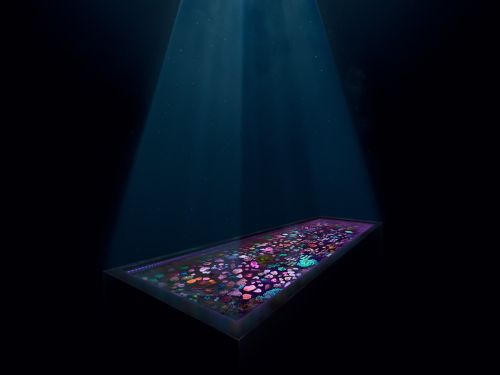
In three raised ‘cribs’ in the Cairns Aquarium, 392 small pieces of coral resembling tiny trees, sticks of scored calamari dipped in beetroot sauce, and clumps of marshmallow-pink hair billowing in the breeze sit neatly side by side. Attached to metal plates, they grow bigger and stronger every day, thanks to their uncanny ability to clone themselves.

Maintaining life inside a coral chest

The corals live a charmed life, gently rocked by a wave machine, cleaned regularly by their fishy friends, and made to feel at home with lights that mimic sunrise, sunset and cloud cover over the Great Barrier Reef. The only bother is when their neighbour gets too close and they offer a backhanded sting to mark their territory.

“Hmm, we might need to move that one," observes our guide Makayla Grady, as her discerning eye notices the thin tentacle of a fluoro-green coral giving its tank-mate a swift whip on the backside (in a Chucky-like twist, this kind of nursery play can result in fatalities). “We love them, but they can get a bit competitive."
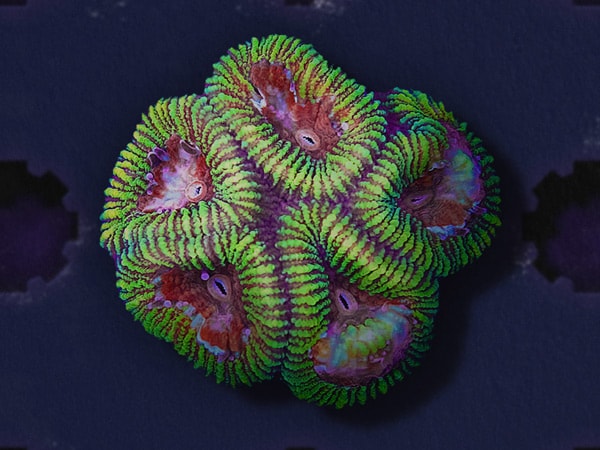
a coral fragment in the Forever Reef Project
Fragments of mature corals from the Great Barrier Reef blossom in the Cairns Aquarium.

Though the little corals in front of us are animals, akin to an upside-down jellyfish – or, most commonly, hundreds or thousands of animals called polyps clustered together, who are peas in a pod with their algal best mates called zooxanthellae (what were their parents thinking) – they’re not babies as such.

Rather, they’re fragments of mature corals living on the Great Barrier Reef, surgically removed by a team of divers (don’t worry, the upside of no brain is no pain), then DNA tested and microchipped like the family dog, so it’s clear who they are and where they come from.

The state-of-the-art nursery they’re subsequently placed in is the world’s first living coral biobank – a facility designed to insure one of the world’s natural wonders. Because, as most of us are aware, climate change is posing a significant threat to reefs worldwide, and time is running out.
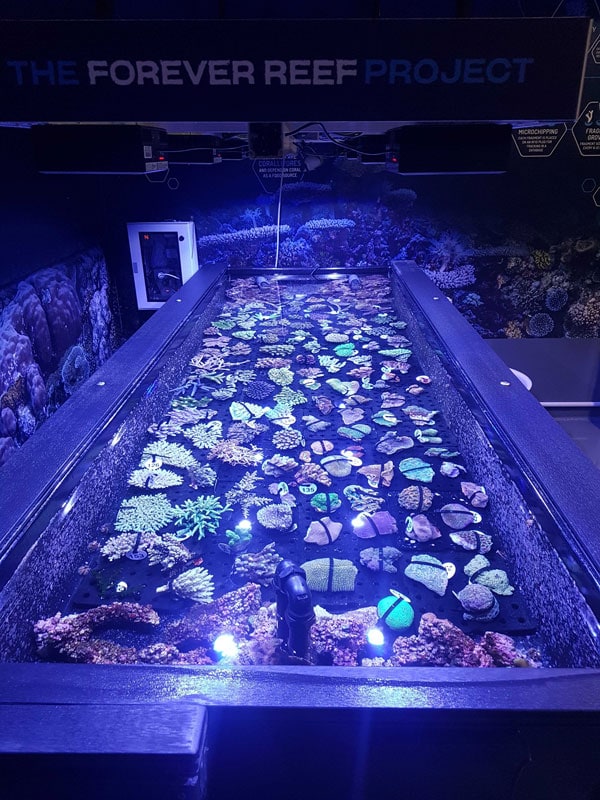
the most recent coral collection for the Forever Reef Project
The recent coral collection is secured in the quarantine tank.

Need tips, more detail or itinerary ideas tailored to you? Ask AT.

AI Prompt

A giant ‘coral ark’ in the making

The Cairns living coral biobank, established as part of the Great Barrier Reef Legacy’s Forever Reef Project, aims to ultimately protect all 415 species of hard coral on the Great Barrier Reef, later expanding to include soft and international corals. The full collection is planned to lodge in a giant ‘coral ark’ (inspired by Noah) in Port Douglas, with smaller biobanks run by traditional owner groups dotted along Queensland’s coastline.
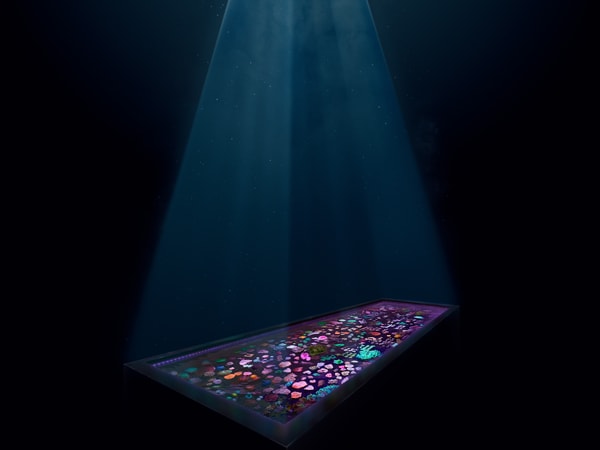
the Forever Reef Project coral facility
The coral specimens are preserved in a living ‘coral ark’.

In a similar vein to the seed vault tucked into a snowy mountain in the Norwegian archipelago of Svalbard – a repository for millions of important seeds from around the world – the biobank will keep our precious corals safe, and they can be replanted on the reef if things go belly up in the big blue.
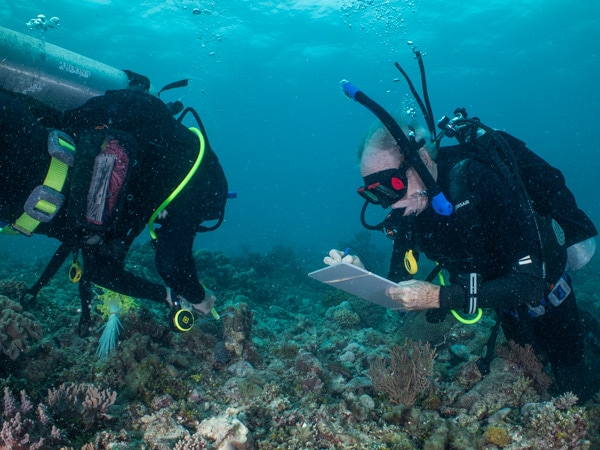
collected corals being brought up to the vessel
Divers bring coral specimens to the vessel.

Biobank tours at Cairns Aquarium

Though the giant ark is still a few years away, the Cairns Aquarium is letting visitors get acquainted with the biobank by offering 30-minute tours through its on-site holding facility. The aim is to help people understand more about the fascinating, but arguably underrated, creatures that underpin the entire ecosystem of the Great Barrier Reef. In short, without coral, the aquatic empire breaks down, impacting everything from the fish, to the sharks, to the whales, to the adorable pygmy seahorses.
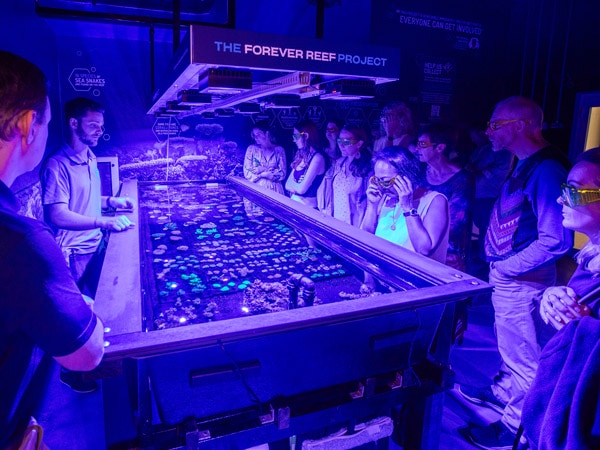
the world's first behind-the-scenes tour of A Living Coral Biobank (the Forever Reef Project)
Visit the world’s first living coral biobank in Cairns.

The ongoing threat to the Great Barrier Reef

Despite their indisputable importance, the flamboyant gardens that landscape the sea received little attention until a mass bleaching event on the Great Barrier Reef in 2016 highlighted their fragile nature.

“Pre-2016, the only real questions I got asked [from guests] were where to find Nemo or how long a turtle lives for," says Great Barrier Reef Legacy operations manager Paul Myers, who has spent 15 years on the reef as a dive instructor. “After the biggest bleaching event on record, the questions became a lot more educated and were more centred around, ‘tell me about the health of the reef, tell me about coral bleaching’."
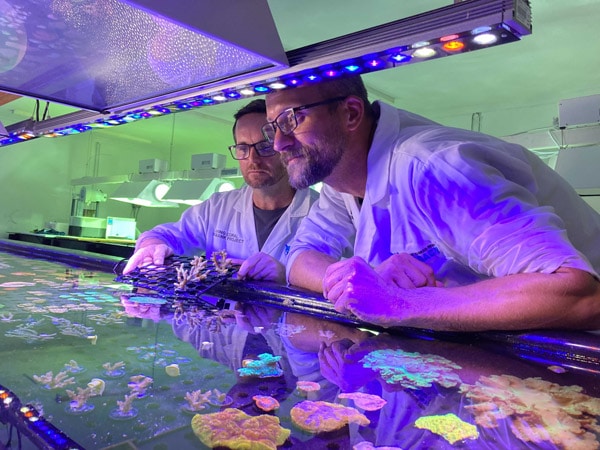
Paul Myers and Cameron Bee inspecting corals in the facility
Paul Myers and Cameron Bee inspect corals in the facility.

Though bleaching became a hot topic, the nuances of the corals it impacted remained largely elusive, with Dr Charlie Veron, a key collaborator on the Forever Reef Project, still one of the few people worldwide who can identify corals to a species level underwater.
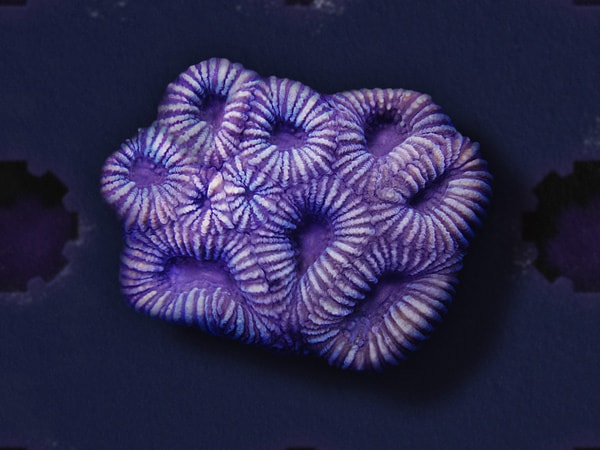
a coral fragment in the Forever Reef Project
The Forever Reef Project is home to precious corals collected from the Great Barrier Reef.

“About two years ago, I did a course on coral ID and there were about 30 people in the room," says Myers. “All of us had been working on the reef for more than 10 years, but none of us knew anything about coral identification. Firstly, it is so tricky, but also, you just don’t get asked."

That’s where the living coral biobank tours play an important role, not just in safeguarding the reef’s corals, but to help educate people on their importance and vulnerability, and, in turn, the importance of tackling climate change. As Cairns Aquarium founder and CEO Daniel Liepnik says, “Addressing climate issues requires changes to human behaviour, and getting people to care is the first step."
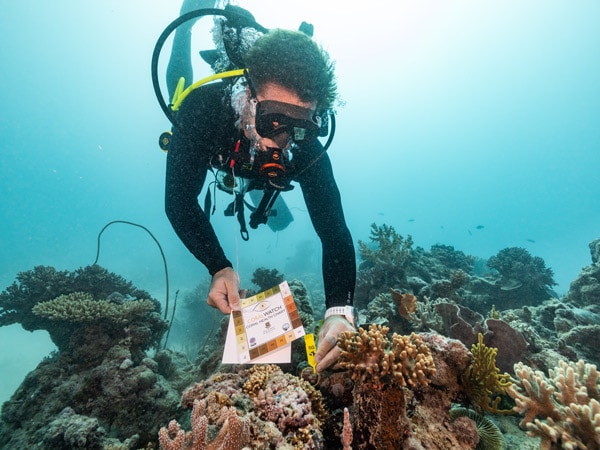
Dr. Dean Miller tagging corals and checking health before collecting
Dr. Dean Miller evaluates the health of the corals prior to collection.

Weekly travel news, experiences
insider tips, offers, and more.

Growing hope for the future of the reef

Unfortunately, climate change is a complex, long-term problem to resolve – and in the context of the Great Barrier Reef and more frequent extreme weather events, time is not on our side. This leaves the biobank as one of the few signals of hope that suggest things might work out okay. “It’s not the solution, but it’s adding resilience to the system," says Myers. “Because if we lose the reef, it’s gone forever."

So although the little, brainless corals in the biobank can never sleep peacefully, knowing they’re tucked away safe and sound in their quiet, comfy cribs means that we can.
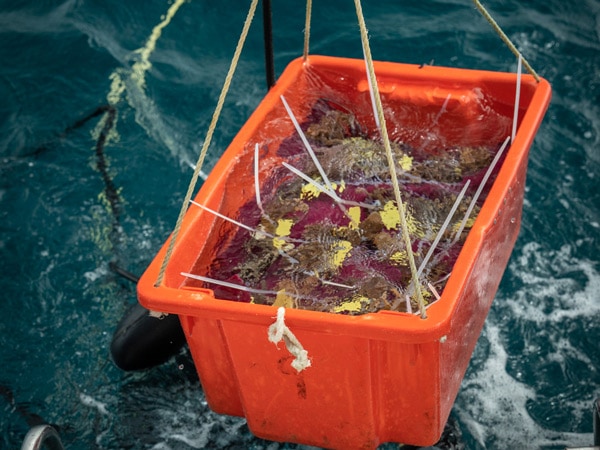
Collected corals being brought up to the vessel
The freshly collected corals are carefully brought up to the vessel. (Image: Martin Stringer)

Living coral biobank tour fees

On top of the regular admission fee, living coral biobank tours at the Cairns Aquarium are $20 per adult and $14 per child, with all tour fees donated to the Forever Reef Project.

For more travel inspiration, news and tips, read our travel guides on the Great Barrier Reef and Cairns.
Emily McAuliffe
Emily McAuliffe is a Melbourne-based freelance travel writer. She is on the board of the Australian Society of Travel Writers and her writing and photography has featured in many titles in Australia and abroad. She loves nothing more than touching down in a new destination or approaching a familiar place with fresh eyes.
View profile and articles
hero media

9 experiences in and around Noosa you haven’t tried yet

    Lee Mylne Lee Mylne
    Noosa’s magic extends beyond the sun and sand. Uncover this popular region’s natural charms and secret spots to get more from your visit.

    Wander through bushland and paperbark forests, linger on a curve of quiet beach, hit the water or hike up a mountain. Whether you’re seeking long languid lunches, savouring the region’s best food and wine, are ready to rejuvenate or are up for an active adventure, there are Noosa experiences for everyone.

    Winter is the perfect time to visit – it’s still warm enough to bask in Queensland’s sunshine and mild temperatures while discovering the natural beauty and sustainable experiences that make this region so popular. It’s easy to see why Australian Traveller readers voted Noosa Australia’s top town to visit.

    1. Explore the hinterland

    Two women kayaking during a Noosa experiences.
    Kayak through Noosa’s peaceful hinterland.

    Choose your Noosa experience – kayaking, abseiling, rock climbing, camping or hiking – with Noosa-based Adventure Tribe. They host guided experiences throughout the region, including in Rainbow Beach, Cooloola and the stunning Noosa Everglades.

    Small group tours with Joel’s Journeys combine hinterland villages with wine and cheese or chocolate tasting, a gourmet lunch, waterfalls, the Everglades and memorable views.

    Plan ahead for the Great Noosa Trail Walk. This 56-kilometre three-day trek into the Noosa Biosphere will help you reconnect with nature over the October long weekend.

    2. Accommodation to suit all budgets

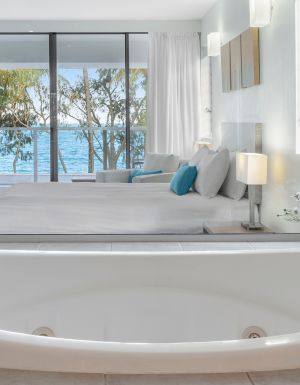
    The bedroom at Elysium Noosa Resort noosa experiences.
    Book into Elysium Noosa Resort. (Image: Elise Hassey)

    Indulge in luxury at one of Noosa’s premium resorts or bring the family for a laidback beach-focused holiday. Anywhere you choose will mean you’re never far from the vacation vibes of Hastings Street.

    The recently rebranded Elysium Noosa Resort has given new life to one of the most central spots in Noosa Heads, while Number One in Hastings Street offers a range of luxury one-, two- and three-bedroom apartments and exclusive penthouse suites, surrounded by the national park and boutique shopping.

    Families will love the space and pools of Mantra French Quarter Noosa. Over at RACV Noosa Resort, a water park and games room compete with the beach for the kids’ attention while adults indulge in the day spa or hit the tennis court or gym.

    For couples, Noosa Blue Resort’s studios and one-bedroom suites have sweeping river, bay and hinterland views from its perch atop Noosa Hill. With two outdoor heated pools, spa, steam room, yoga studio and more, it’s the complete package.

    Travelling on a budget? Halse Lodge offers heritage-listed colonial-style accommodation for backpackers and budget travellers without sacrificing style or comfort, and is just a few minutes’ walk from the beach. Family-friendly Ivory Palms has three pools, a children’s playground, jumping pillow, tennis courts and more.

    3. Reset and rejuvenate

    the massage bed at Sensaura Day Spa, Noosa experiences
    Unwind with spa treatments at Sensaura Day Spa.

    Banish stress, slow down and immerse yourself in the natural beauty of Noosa while indulging in pampering treatments. Reset and recalibrate with packages from one of the many day spas – try Sensaura Day Spa Noosa or Noosa Springs Spa.

    Noosa Bespoke offers three thoughtfully designed packages that focus on wellness, active adventures and fresh local produce, all with a focus on sustainability, allowing guests to choose their own way of discovering Noosa.

    For something different, try forest bathing and take a walk in Noosa National Park.

    4. New dining experiences

    Cibaria Noosa experiences
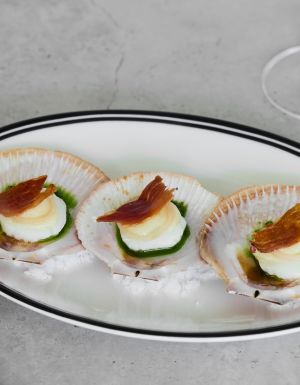
    Enjoy authentic Italian at Cibaria Noosa. (Image: Elise Hassey)

    Stroll Hastings Street to find your own dining vibe. For authentic Italian, head to Cibaria Noosa for everything from a coffee and pastry to amazing pasta and seafood platters.

    Over in Noosa Junction, try something lighter at Atelier Wine Bar. Taste a selection of bar food and platters including charcuterie, cheeses, oysters and more. Then finish off with ‘dessert in a glass’.

    Order out or dine in at Somedays Pizza, where all the ingredients for the organic, wood-fired pizzas are sourced from local farmers, artisans and winemakers.

    5. Where the locals eat

    Rickys River Bar And Restaurant noosa experiences
    Enjoy waterfront views at Rickys. (Credit: Manuel Freudenmann)

    Perennial favourites Bistro C, Season Restaurant Noosa and Sails are absolute beachfront dining options overlooking Laguna Bay. You can almost feel the sand between your toes as you enjoy some of the finest cuisine on offer.

    Locale Noosa’s seasonal Italian menu features handmade pasta, traditional antipasti and delectable desserts. On the riverfront, Rickys River Bar and Restaurant has been luring the locals for years; come for the elegant setting and fabulous food and wine, and stay for the sunsets.

    6. Spot humpback whales

    humpback whale sighting noosa experiences
    Spot whales from May to October. (Credit: The Edit Suite)

    There are plenty of great places to watch the gentle giants of the sea make their annual migration from Antarctica to the warm waters of the Queensland coast between May and October.

    To see whales at play and teaching their calves to breach and tail slap, head to Hell’s Gates or Dolphin Point in Noosa National Park, or to one of the many vantage points along the coast from Sunshine Beach to Peregian Beach. For closer encounters, book a whale-watching boat tour.

    7. Take a country drive

    Three people walking towards Pomona during a Noosa getaway.
    Sample craft spirits at local distilleries.

    Download the Noosa Country Drive map from the Visit Noosa website, or pop into the visitor information centre for a printed copy, then jump in the car to explore craft breweries, gin distilleries, bookshops, country pubs, scenic lookouts and cute cafes.

    Through the villages of Cooroy, Pomona, Eumundi, Cooran and Kin Kin, look out for local markets and galleries for that special souvenir. Want to stay longer? There are farm stays, boutique B&Bs and glamping tents to rest your head. Take time to go horse riding or mountain biking, ride a steam train or explore a small museum. And don’t forget to pick up some fresh produce from a roadside stall.

    8. Explore the eastern beaches

    Sunshine Beach near noosa
    Visit Sunshine Beach, just minutes from Noosa. (Credit: Amy Higg Photo)

    Noosa’s near neighbour beaches, Peregian and Sunshine, are just a short drive south. Peregian Square has boutique shopping, vintage finds, homewares, day spas and antiques, and weekend markets are held twice a month in the beachside park.

    Drop into the Peregian Beach Hotel for a meal and live music, or head to the Sunshine Beach Surf Life Saving Club for views of the patrolled beach. Grab a coffee or juice at plastic-free Sunshine Social and linger on the deck under the pandanus trees.

    9. Discover the Noosa River

    A scenic boat trip during a Noosa getaway.
    Discover Noosa from the water on a scenic boat trip.

    Taking time out on the Noosa River is a serene way of exploring more of this region. Whether by canoe or kayak, a small boat or scenic boat trip, being on the water gives a new perspective on Noosa.

    Head to Terrace Marina for small boats and great coffee, stand-up paddleboards, kayaks and jet skis to explore independently, or join Noosa River Cruise Co for a romantic gondola ride.

    At sunset, board the Noosa Queen to cruise along the river – cool drink in hand – to the shores of Lake Cooroibah.

    Start planning your Noosa getaway at visitnoosa.com.au.