From historic haunted towns to coastal attractions, get the most out of your road trip from Adelaide to Mount Gambier with this glovebox guide.
South Australia is a haven for good wine, fine produce, and boasts a stunning landscape from serene beaches to tranquil wilderness and greenery.
One of South Australia’s biggest attractions is its second-biggest city, Mount Gambier. While Adelaide gives off European vibes with its breathtaking churches and architecture, Mount Gambier is a must-visit for those looking to get out of the city and step into a land full of natural wonders and attractions.
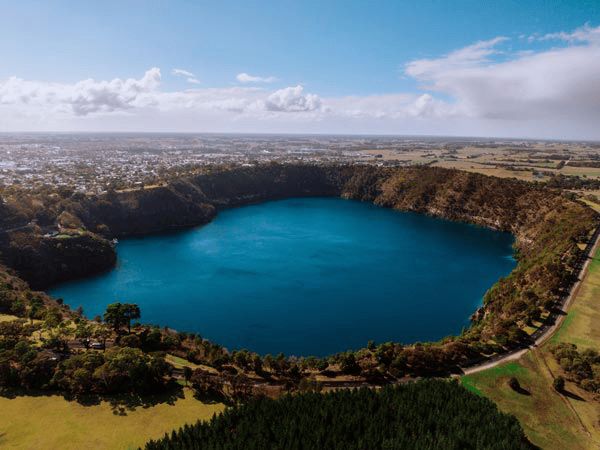
Located halfway between Adelaide and Melbourne, Mount Gambier is famous for its cobalt Blue Lake, volcanic landscape, and is an up-and-coming wine and foodie region.
The drive itself from Adelaide to Mount Gambier is 435 kilometres or just under five hours. Whether you’re stopping along the way for some scenic breaks or want to break up your driving by extending the trip for a few days, we’ve compiled the ultimate glovebox guide to help you along your travels.

Hahndorf
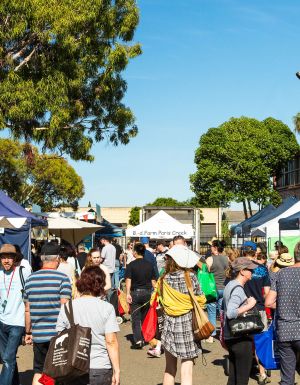
Just a 30-minute drive from Adelaide lays the historic town of Hahndorf, a charming village that proudly asserts its German culture. It’ll feel as though you’re stepping into a European town, with quaint shops filled with local produce, historic pubs, and a quiet but friendly atmosphere.

Make sure to check out the Beerenberg Family Farm, where you can go strawberry picking and pick up fresh jams, chutneys, and gourmet relishes in the family-run store. For lunch and the authentic German experience, Hahndorf Inn will have you covered – it’s hard to go past their famous Schwienshaxe, otherwise known as their 1-1.2kg crispy pork knuckle, served with traditional potato salad and sauerkraut.

Monarto Safari Park
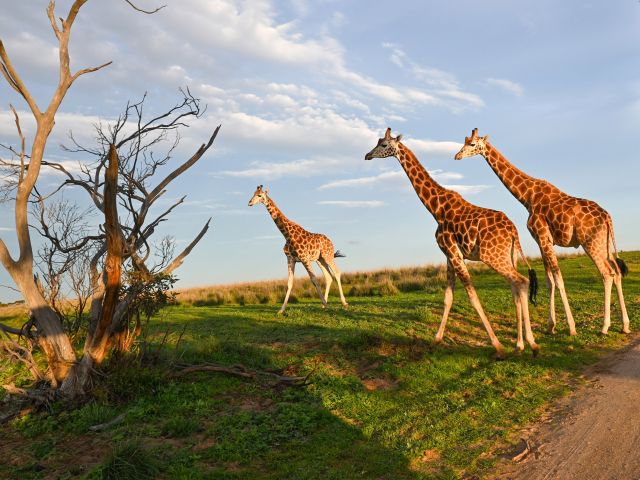
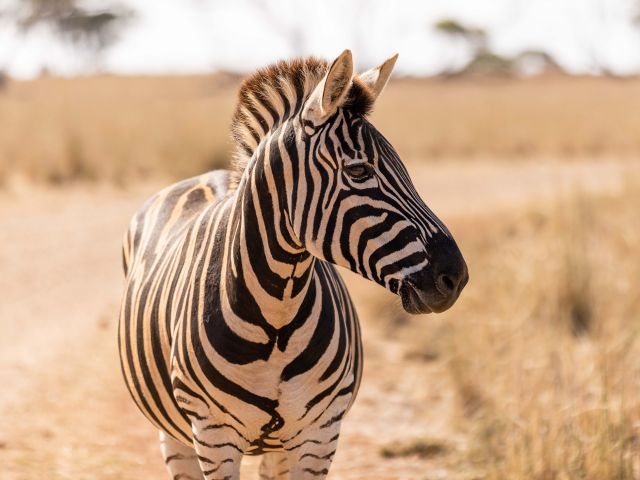
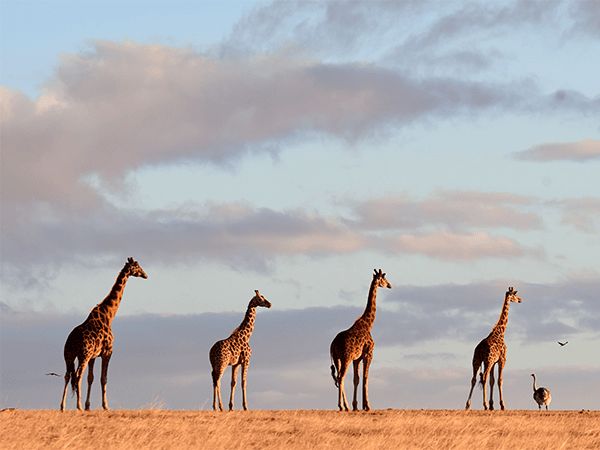
A 30-minute detour from Hahndorf will lead you to the Monarto Safari Park, a perfect stop if you’re planning to take a couple of days to do the Adelaide to Mount Gambier jaunt, as you’ll definitely want to spend a few hours exploring this animal sanctuary. The park is home to a number of different wildlife and endangered species and gives visitors a chance to explore the habitats in which these animals reside. The park’s mission is to replicate a life for the species within it that is as close to being out in the wild as possible. There are many different animal experiences to undertake at the park, including hand-feeding the majestic giraffes.
Need tips, more detail or itinerary ideas tailored to you? Ask AT.
AI Prompt
Old Tailem Town
Stop for a stretch of the legs and a refuel at Old Tailem Town, one of Australia’s largest pioneer villages, with settlers dating back to 1860. The town is also rumoured to be incredibly haunted so if you’re brave enough to stay the night, you can book a ghost tour.
From Old Tailem Town, you can go one of two ways to continue your journey to Mount Gambier – the coastal route or the inland route.
We’ve picked some attractions from each route to help you make up your mind.
Inland Route: Naracoorte
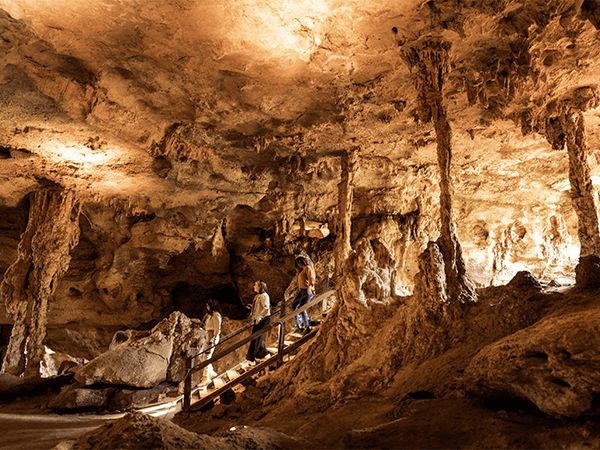
Step back hundreds of thousands of years in time with a visit to the Naracoorte Caves National Park. The fossils found in the area is exactly why it’s listed as a World Heritage site, with the caves containing skeletons of Australian megafauna dating back 500,000 years. For those feeling adventurous, an Adventure Caving tour will be an experience of a lifetime, as you discover the rich history of the caves, take in some fascinating fossils, and crawl and squeeze your way through parts with an expert guide.
For those just wanting to take in the sights without getting too dirty, the Naracoorte Heritage Trail will allow you to delve deeper into the town’s history, and in the warmer months, a dip in Naracoorte’s Swimming Lake will cool you right down so pack a picnic and enjoy the sun!
Inland Route: Coonawarra
Wine lovers, this one is for you! Coonawarra is a small area but is renowned when it comes to winemaking and produces world-class wines. Known for its unique red soil, the area is famed for its cabernet sauvignon and is home to more than 30 wineries.
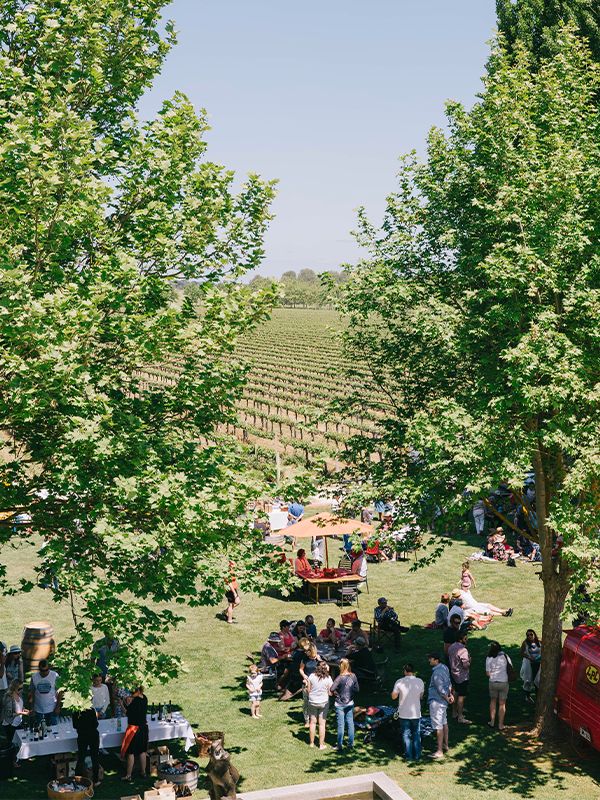
If you want to make the most of the experience, it’s worth staying the night at the charming Royal Oak Penola so you can indulge in all the fine wines on offer. Wynns, Patrick of Coonawarra and Zema Estate are three of the highlights for sampling the region’s sips.
If you’re looking to treat yourself, dinner at the fine-dining restaurant Pipers of Penola will be a mouth-watering experience, and make sure to stop by local favourite Windara Bakery the next morning before you hit the road again.
Weekly travel news, experiences
insider tips, offers, and more.
Coastal Route: Kingston
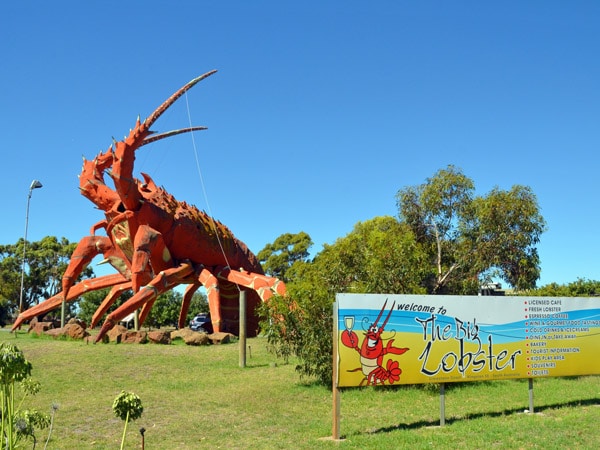
Australia loves Big Things – from the Big Merino to the Big Prawn – and stopping at Kingston you’ll get to grab a happy snap with the Big Lobster. Conveniently located near a takeaway shop, you can stop for lunch, get a pic with Larry the Lobster, and take a stroll to check out the Cape Jaffa lighthouse before hitting the road again.
Coastal Route: Robe
A popular South Aussie beach destination, Robe is one of the oldest towns in SA and is fast becoming a popular foodie destination too, known for its delectable seafood (and particularly famous for its crayfish).
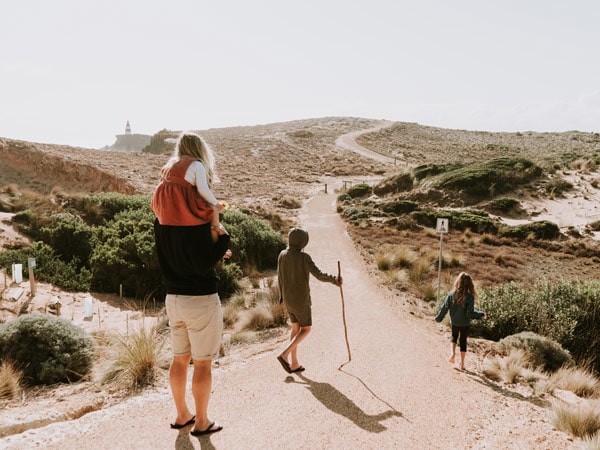
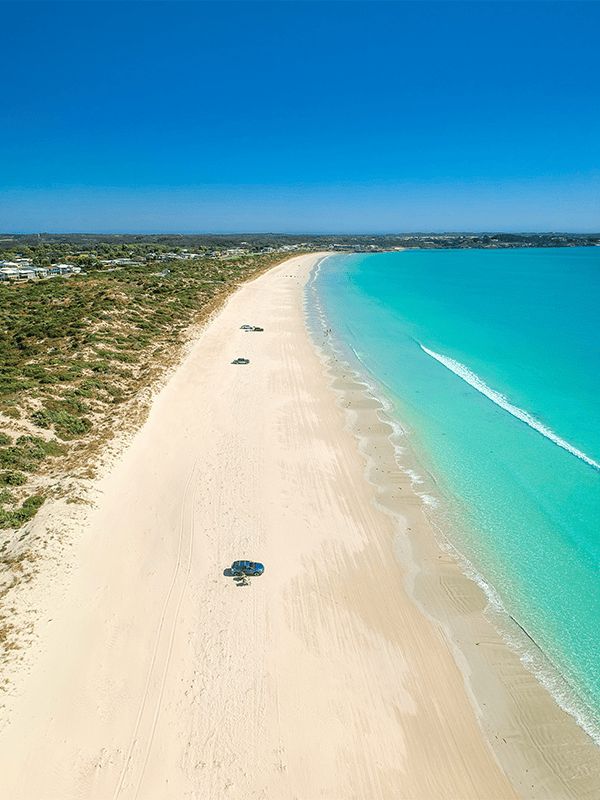
Pay a visit to Robe Town Brewery for a craft beer or if you’re in need of a caffeine hit, Mahalia Coffee will have you covered. It’s worth staying a night, particularly in warmer months, as travellers will adore the 14-kilometre stretch of the pristine, sandy-white Long Beach before cooling off in the turquoise water.
Mount Gambier
Once you arrive in Mount Gambier, you’ll want to settle in for a few days. From cute cafes to historic country pubs and emerging wineries, plus the limestone caves, sinkholes, and famous Blue Lake, there’s something for every traveller.
Make sure to also check out the awe-inspiring activities you can do when visiting Mount Gambier.
Want to see more stories from Australian Traveller in your Google search results?
- Click here to set Australian Traveller as a preferred source.
- Tick the box next to "Australian Traveller". That's it.

Tahlia Pritchard
View profile and articles