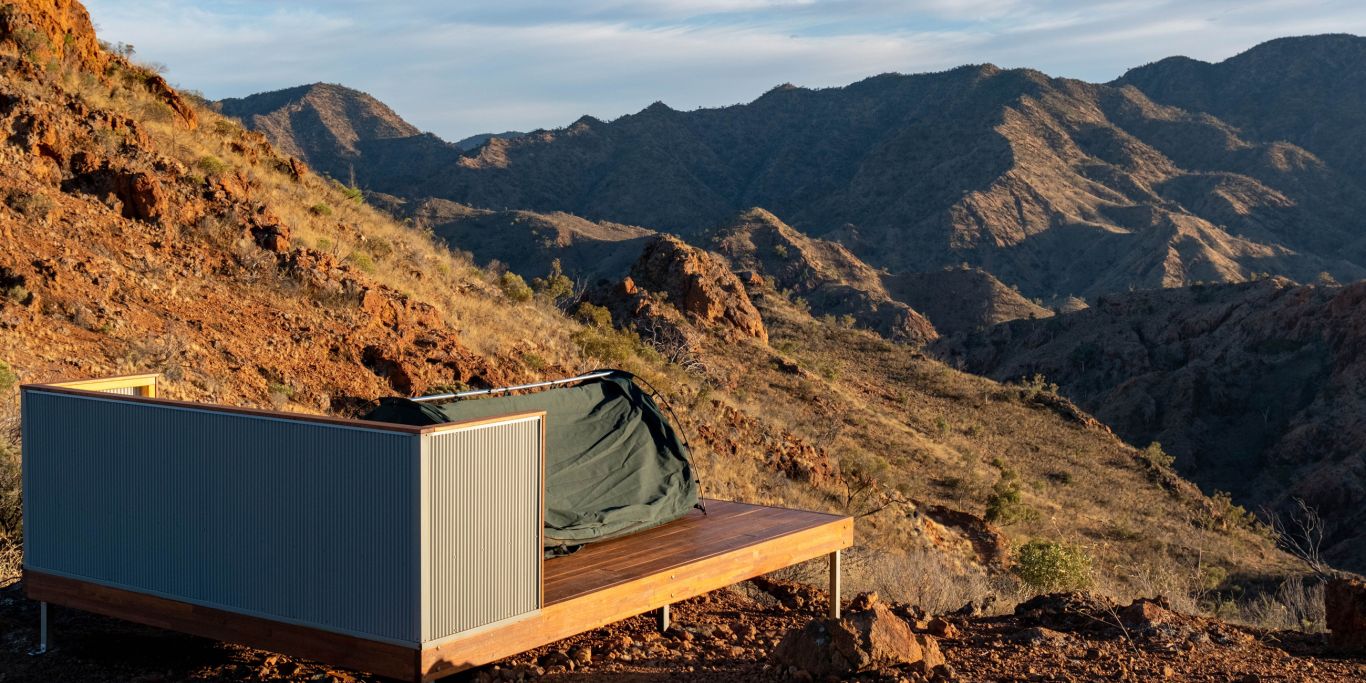

The best thing about camping in the Flinders Ranges is the sky. Bright stars stretch from horizon to horizon.
Camping in the Flinders Ranges can mean many things. For some, it’s a swag, a campfire and very little else. For others, it’s a comfortable bed in a safari-style tent, a hot shower and a view of the ranges from a private deck. Here are our top picks.
In short
If you only camp at one spot in the Flinders Ranges, make it Wilpena Pound Campground. You can walk to hiking trails, spot emus wandering through camp and wake up surrounded by the most recognisable landscape in the Flinders Ranges. It also strikes the best balance between scenery, facilities and access, making it suitable for first-timers and seasoned campers alike.
Our top camping spots in the Flinders Ranges
Discovery Resorts Wilpena Pound Campground
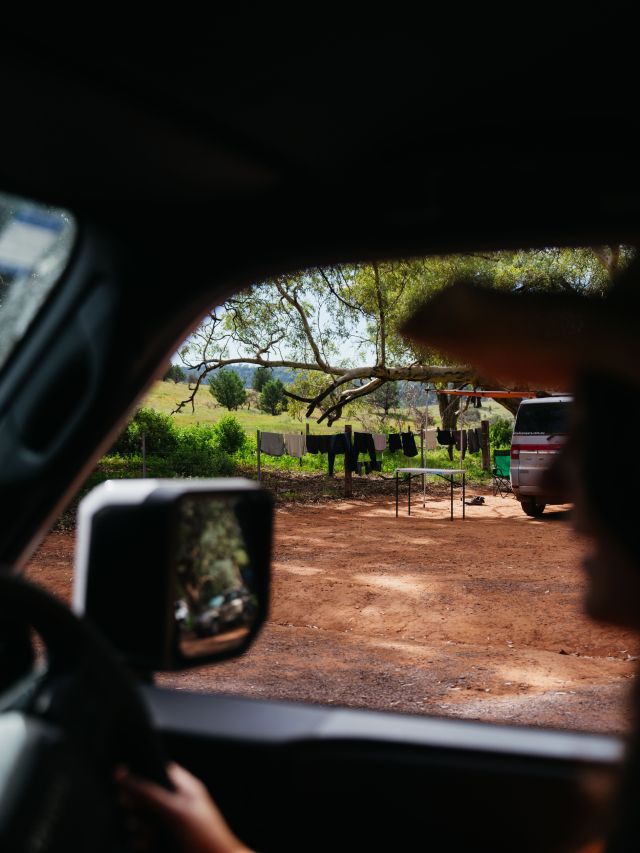
Best for: Exploring Wilpena Pound
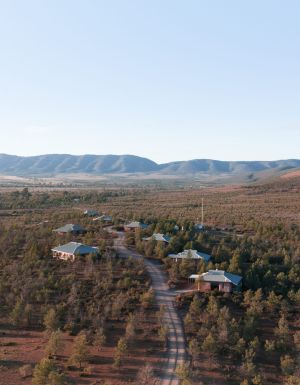
Why we recommend it: The best thing about camping at Wilpena Pound Resort is the location. You can wake up surrounded by the Flinders Ranges and be on the trail before most people have finished their first coffee. The campground offers powered and unpowered sites for caravans and tents set among native vegetation, with views of the surrounding ranges
Closest town: Hawker
Price: $-$$$
Amenities: The resort has a cafe and bar, restaurant, fuel station, tour desk, general store, laundry, and toilet/shower blocks
Rawnsley Park Station
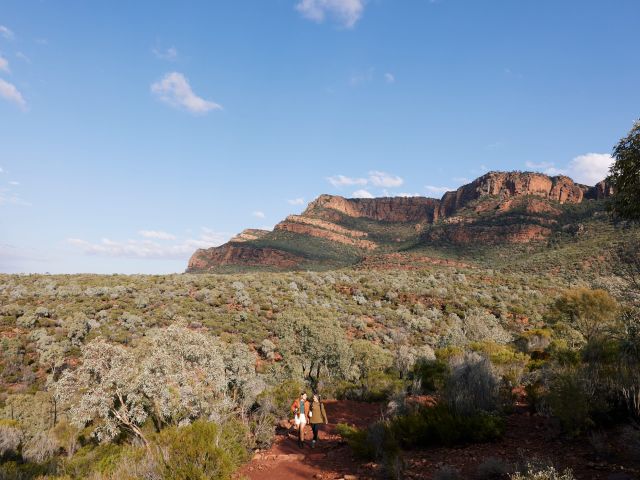
Best for: Campground views
Why we recommend it: Rawnsley Park Station campground faces Rawnsley Bluff, one of the most recognisable peaks in the region. At sunset, the rocky escarpment glows deep orange, and the surrounding open spaces are frequented by wildlife. If you’re travelling with a caravan or camper trailer, this is one of the easiest and most comfortable places to base yourself. Feel free to bring your pet. They offer a pet-minding service for $50 per dog
Closest town: Hawker
Price: Powered sites – $51 per night (2 persons)
Camping sites – $35 per night (2 persons)
Amenities: Showers/toilet blocks, pool, restaurant, licensed grocery store, camp kitchen, undercover eating facilities, and pet minding
Aroona
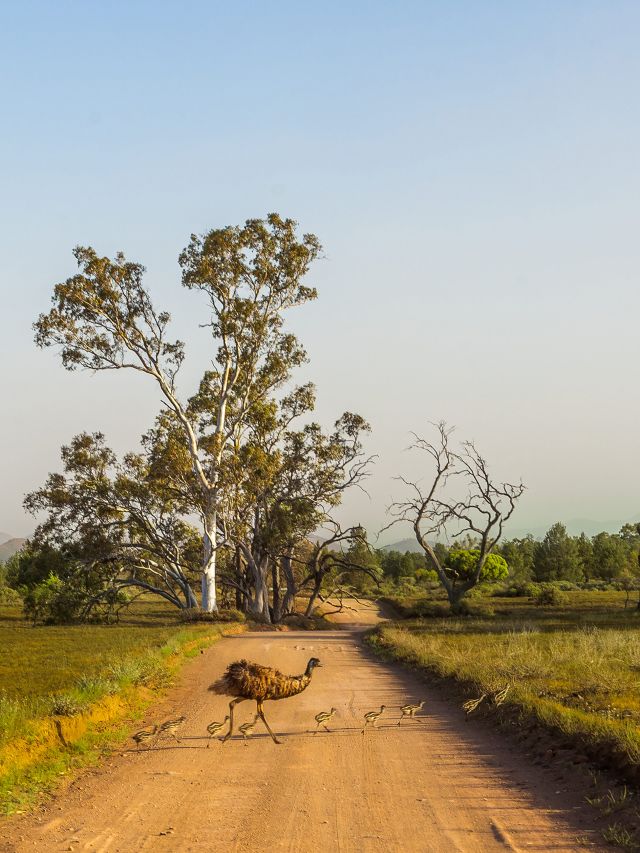
Best for: National park camping
Why we recommend it: If Wilpena feels too busy, head north to Aroona Campground. Wedged between Brachina Gorge and Bunyeroo Gorge, it’s one of the most scenic campgrounds inside the national park. There are no powered sites, restaurants or swimming pools; instead, you’ll find river red gums, rocky ridgelines and some of the darkest skies in the region. Yellow-footed rock-wallabies occasionally appear on nearby slopes if you’re up early. There are only 13 campsites, so book early and make sure you’re in a 4WD
Closest town: Parachilna
Price: $27.50
Amenities: Long-drop toilet
Need tips, more detail or itinerary ideas tailored to you? Ask AT.
AI Prompt
Arkaroola Wilderness Sanctuary
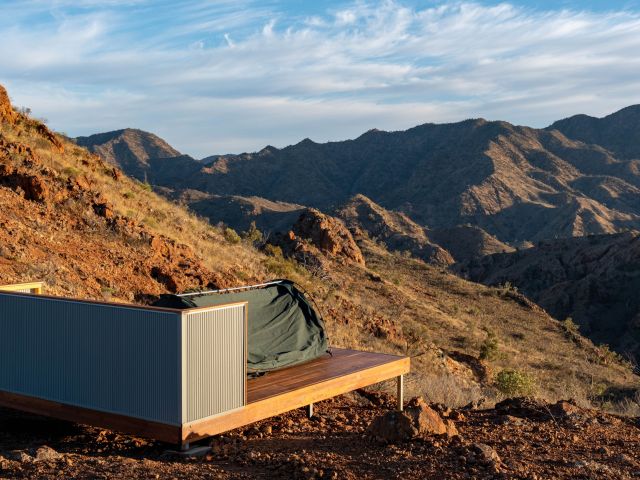
Best for: Stargazing
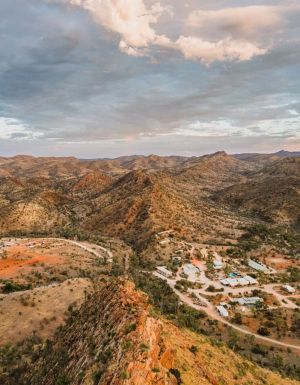
Why we recommend it: This is where to go if you want to get properly off-grid. Arkaroola’s campground covers 300 hectares of bushland, with 50 powered sites and a large unpowered camping area set among rocky cliffs and a dry creek bed. Spend your days exploring the sanctuary’s walking trails or tackling the famous Ridgetop Tour, then settle in for some of the darkest skies in the Flinders Ranges. There’s no drinking water available, so you’ll need to bring your own supply
Closest town: Arkaroola Village
Price: $
Amenities: Shower/toilet block, laundry, camp kitchen, and communal fire pit
Willow Springs Station
Best for: 4WD travellers
Why we recommend it: Space is the biggest advantage at Willow Springs. The station has unpowered private campsites scattered across the property, with options for everything from tents and 2WDs to 4WDs and hybrid vans. Choose a site near the amenities or head further out for a more secluded setup. The station’s rugged landscape is right outside your tent, with the Skytrek 4WD route and other tracks available to explore during the day
Closest town: Hawker
Price: $
Amenities: Toilet/shower block and camp kitchen
Discovery Resorts Wilpena Pound Safari Tents
Best for: Glamping
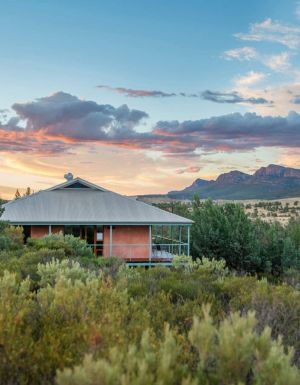
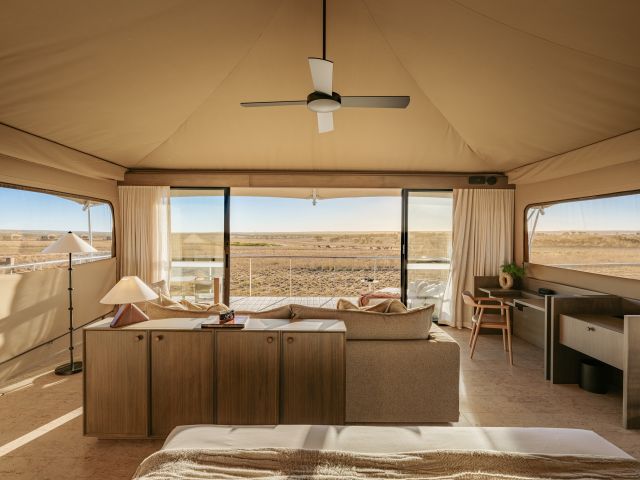
Why we recommend it: Not everyone wants to sleep on the ground. The new deluxe safari tents at Discovery Resorts Wilpena Pound offer the atmosphere of camping with an actual bed, electricity and four soft walls. You still wake up surrounded by the ranges and can walk straight onto the trails, but you’ll finish the day with a hot shower and a cushy mattress
Closest town: Hawker
Price: $$$
Amenities: Onsite restaurant/bar, grocery store, and tour desk
Brachina East Gorge Bush Campground
Best for: Wildlife spotting
Why we recommend it: Many visitors drive through Brachina Gorge hoping to spot yellow-footed rock-wallabies. Staying overnight improves your chances considerably. The Brachina East Gorge campground is in one of the most wildlife-rich parts of the national park, making it a good choice for photographers and early risers. There are 13 unpowered campsites available; some are accessible by 4WD only, and the rest are 2WD
Closest town: Nature lovers
Price: $$
Amenities: Long drop toilet, fire pits, and BBQ facilities
Wilcolo Campground
Best for: Hikers
Why we recommend it: If you’re hiking through Ikara–Flinders Ranges National Park, Wilcolo Campground is the park’s only walk-in campground and sits close to several major routes, including the Heysen Trail and Mawson Trail. There are no showers, powered sites or fire pits. What you get instead is a quiet site between native pines and the eastern wall of Wilpena Pound to pitch a tent
Closest town: Hawker
Price: $
Amenities: Toilets only; no campfires permitted
Weekly travel news, experiences
insider tips, offers, and more.
Acraman Campground
Best for: Access to Razorback Lookout
Why we recommend it: With only four unpowered campsites, Acraman Campground is a good option if you’re looking to stay in the middle of nowhere. There’s no phone reception either. You’ll see yellow-footed rock-wallabies hopping around at dawn and dusk. The road in can be rough, so take it slow
Closest town: Hawker
Price: $
Amenities: Toilet block, rainwater tank, and BBQ facilities
ONYA Eco-camping Park
Best for: Eco-friendly camping
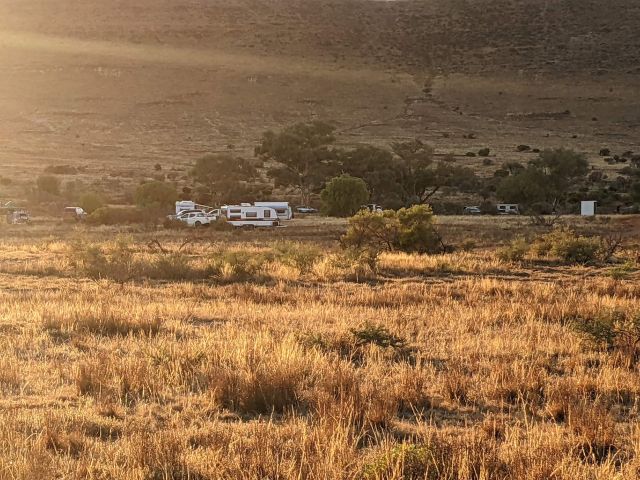
Why we recommend it: If you’re planning to stay near Blinman, ONYA Eco-Camping Park is your closest option, just three kilometres south of town. The self-sufficient campsites are spread well apart, so you won’t feel like you’re camping on top of your neighbours. There’s a strong focus on preserving the surrounding landscape, so pets aren’t permitted, but the owners have added a few unexpected touches, including a community library and school holiday activities for kids
Closest town: Blinman
Price: $20 per vehicle
Amenities: Community library, grocery store, and drop toilets
Can you free camp in the Flinders Ranges?
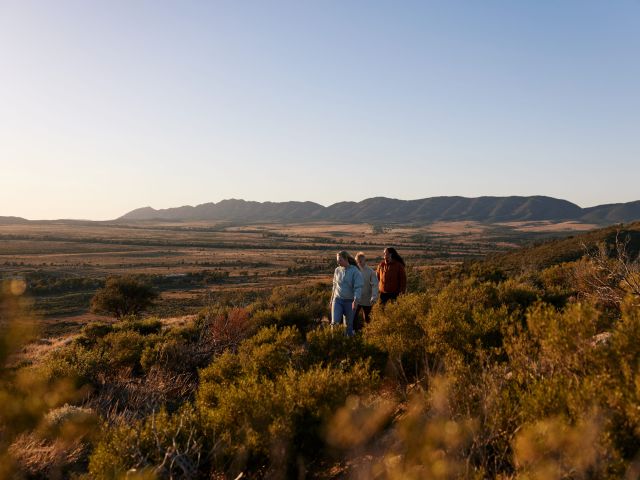
True free camping in the Flinders Ranges is limited. Most campsites sit within national parks, conservation areas or private stations and require a booking fee. Some low-cost roadside rest areas exist outside the parks, but facilities are usually minimal.
Where is the best place to camp in the Flinders Ranges?
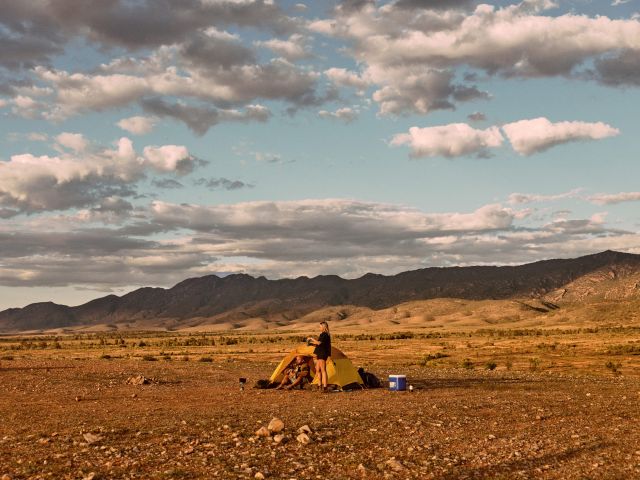
For most travellers, Wilpena Pound Campground offers the best combination of scenery, facilities and access to major attractions. If you prefer a secluded experience, Aroona Campground and Mount Little Station are excellent alternatives.
Do you need a park pass for Flinders Ranges?
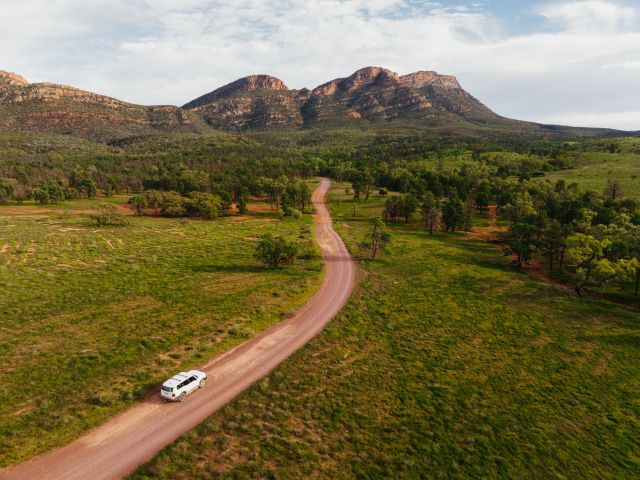
Yes. Visitors entering Ikara–Flinders Ranges National Park need to purchase a park pass unless it is included as part of their accommodation or tour. Fees and pass options are available through the National Parks and Wildlife Service South Australia website.
Planning a trip to the Flinders Ranges? Check out more of our recommendations here:
Best Flinders Ranges accommodation | Awe-inspiring things to do in the Flinders Ranges | The essential guide to the Flinders Ranges
Want to see more stories from Australian Traveller in your Google search results?
- Click here to set Australian Traveller as a preferred source.
- Tick the box next to "Australian Traveller". That's it.