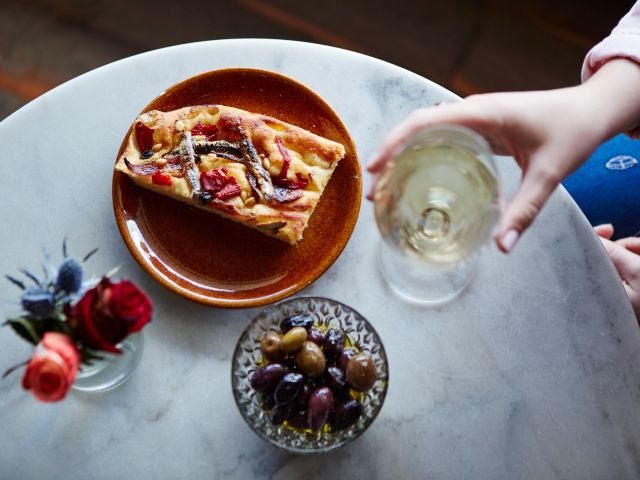
A weekend exploring the hidden gems surrounding Hanging Rock

hero media
Victoria’s Macedon Ranges hide tiny gold-rush towns brimming with old-world charm, 40-odd wineries and one mystery-shrouded rock.

There’s something about Hanging Rock. The fractured and eroded remains of a volcano that erupted about 7 million years ago aren’t big, rising a modest 105 metres above surrounding plains. But there’s an energy here. A stillness. The Wurundjeri people have revered it for 40,000 years, but it was Peter Weir’s iconic 1975 movie Picnic at Hanging Rock that put this little corner of the Macedon Ranges, one hour north-west of Melbourne, in the spotlight.
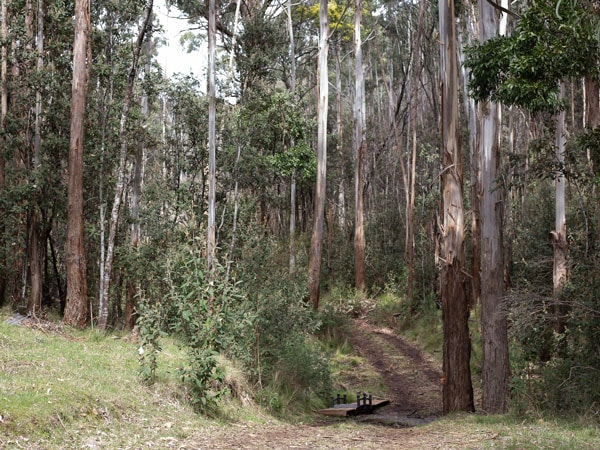
the surrounding forest at Hanging Rock
Trails lead to a moss-smeared forest.

Whether the story of Miranda and her pals disappearing amid Hanging Rock’s maze of trachyte pillars and boulders during a school excursion in 1900 is fictional or not remains a mystery, but its impact has endured. Many who visit find it hard to resist channelling the characters as they explore. At the very least, they’ll picnic here (with a wink).

My explorations start on a well-defined path climbing through moss-smeared forest and bracken fern; past rock spires, passageways and features with evocative names such as Vampire Cliff and Lovers Leap. When the trail dissolves into jumbled rock, painted arrows guide the way, though it’s easy to be lured into unmarked narrows.
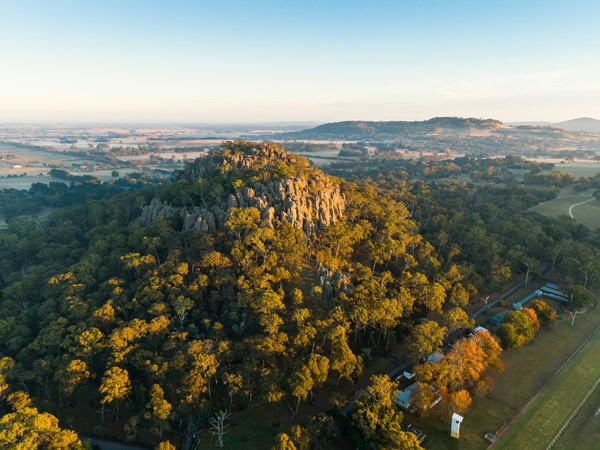
an aerial view of the Hanging Rock
Hanging Rock was made famous by the classic Australian novel and film, Picnic at Hanging Rock. (Image: Rob Blackburn)

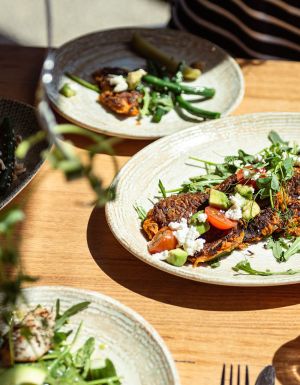
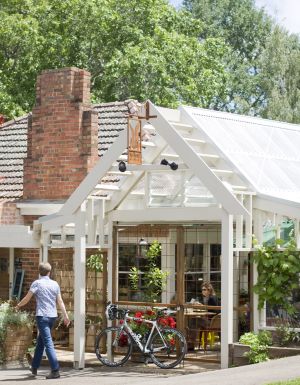
Like a jewel, Hanging Rock sits on a chain of quaint towns that sprang up en route to the goldfields in the mid-1800s. Nowadays, Woodend, Macedon and Kyneton’s historic streetscapes are peppered with vintage stores, art galleries, bookshops and clothing boutiques. Its irresistible food scene encompasses everything from wine bars and providores to country pubs and hatted restaurants. Monsieur Pierre’s flaky pies and cassoulet are to die for; the gin at Big Tree Distillery wins awards.
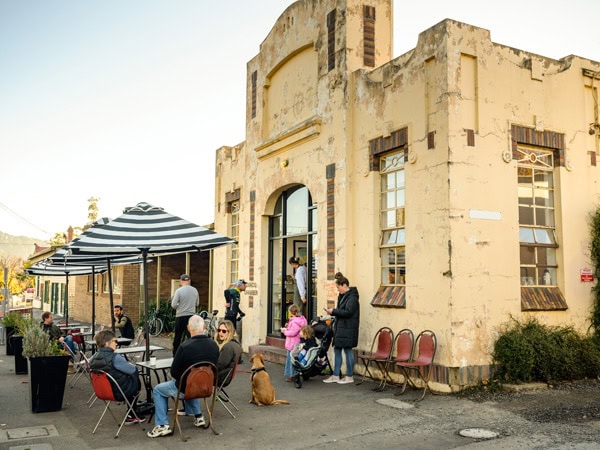
people outside Fox in the Chamber eatery, Woodend
Fox in the Chamber is one of many cool eateries in surrounding towns such as Woodend. (Image: Rob Blackburn)

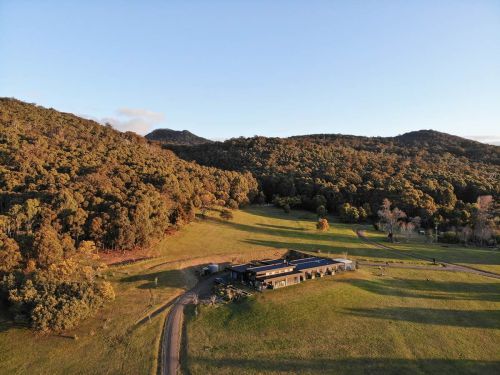
These towns are tempting, but the rock keeps me close. About a kilometre away, as the crow flies, is aptly named Hanging Rock Views . I’m not the only one who appreciates the outlook. On the lawn beyond my room’s sliding doors, a dozen-odd kangaroos turn their heads in half-interest when I venture onto the patio.
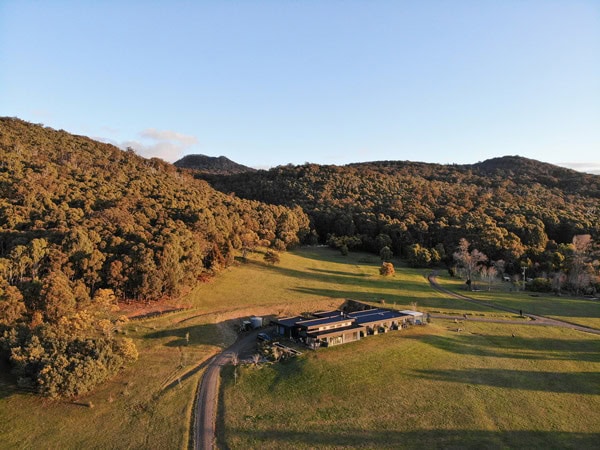
Hanging Rock Views from above
Aptly named Hanging Rock Views. (Image: Tiffany Warner)
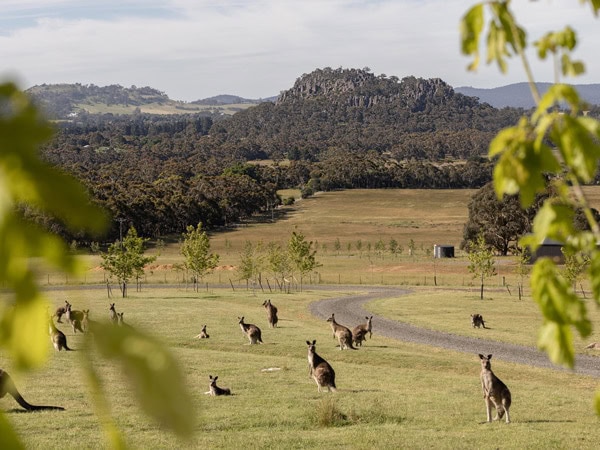
kangaroos at Hanging Rock Views
Kangaroos frequent the property. (Image: Rob Blackburn)

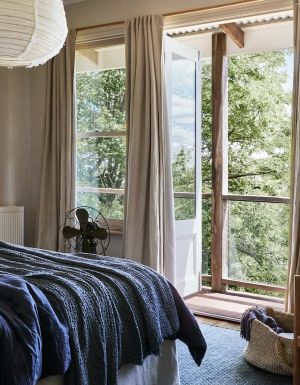
My suite is one of four, featuring plush bedding, heated polished concrete floors and floor-to-ceiling windows that welcome in streams of sunlight. Even from bed, the landscape magnetises.

Though my kitchenette is bountiful with breakfast provisions, there are other ‘supplies’ that need gathering. Thankfully, I don’t need to wander far. This is Australia’s epicentre of cool-climate wines – renowned for award-winning pinot noir, chardonnay, riesling and a sprinkling of shiraz.
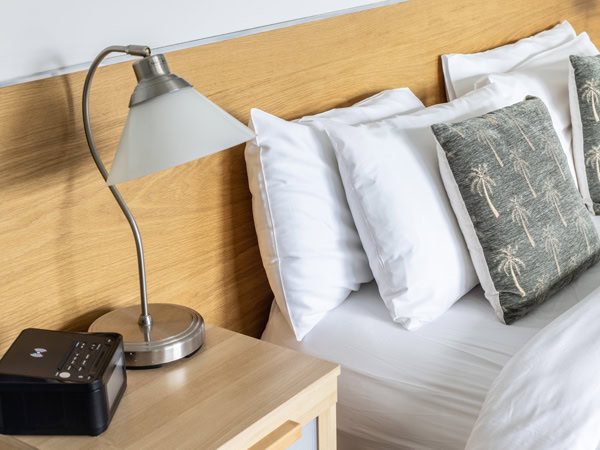
a close-up of the bed with a lamp at Hanging Rock Views
Simple yet cosy rooms at Hanging Rock Views. (Image: Tiffany Warner)

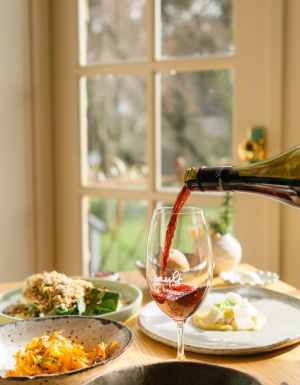
Closest is Hesket Estate , whose claim of producing premium small-batch wines is supported from the first sip of my pinot noir on a sun-drenched deck facing the vines. Hanging Rock Winery’s tastings come with views of the rock, and the expansive grounds play gallery to an Art in the Vines sculpture exhibition every spring to autumn.
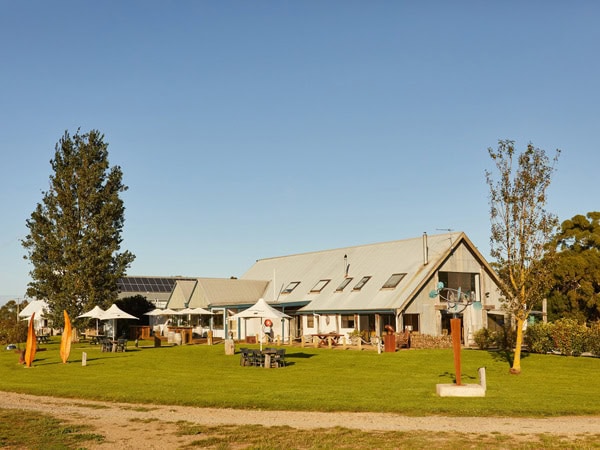
the exterior of Hanging Rock Winery
Hanging Rock Winery sits in the shadow of the rock. (Image: Tourism Australia)

Art and wine pair well, and perhaps nowhere takes it more seriously than Mount Monument . Owned by Nonda Katsalidis (architect of Mona), the winery, cellar door and restaurant are works of art in themselves. There’s no missing the sculpture of a giant human head by Richard Stringer – it’s so big it almost brushes the restaurant ceiling inside – but outside, scattered across the grounds and wrapping the hillside, are about 30 more sculptures that Nonda adds to when inspiration strikes.
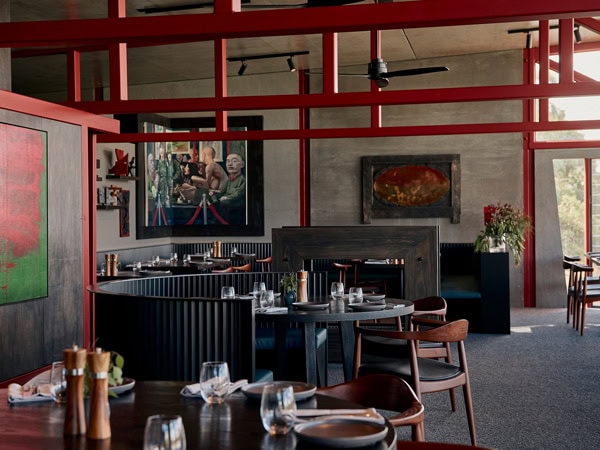
the Mount Monument winery, Hanging Rock
Inside Mount Monument winery. (Image: Griffin Simm)

Gardens have long been popular in the Macedon Ranges, though less for modern art and more for fountains and European-inspired landscapes. Since the late 1800s, Melbourne’s wealthy elite have retreated to its cool climes during summer, building grand homes and gardens, of which some are occasionally open to the public.

Open year-round is Forest Glade Gardens , a privately-owned botanic wonderland dating to 1941. Hours are needed to explore its six hectares of delightful trees and nooks. Maples turn crimson in autumn; rhododendrons and azaleas bloom in spring; winter brings the occasional dusting of snow. There are gazebos, fountains, topiary, bonsai and even a fern gully.

It’s Eden-like, but another Eden awaits. By the time I return to Hanging Rock Views at sunset, a pea soup-thick fog is rolling across the lawn and I can see the silhouettes of kangaroos in the mist. When I stir in the middle of the night they’re still there, grazing in the moonlight.
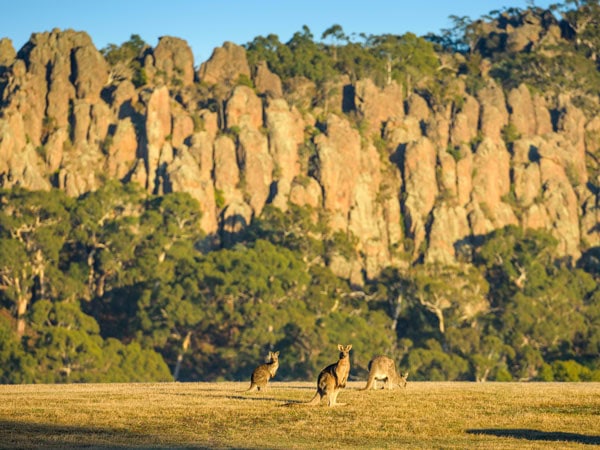
kangaroos grazing at Hanging Rock
Kangaroos graze at the base of Hanging Rock. (Image: Rob Blackburn)

A traveller’s checklist

Getting there

Hanging Rock and the Macedon Ranges are an hour’s drive north-west of Melbourne/Naarm.

Staying there

Tranquillity is assured at Hanging Rock Views with its country views sprinkled with roos. Walking tracks and cascades are also onsite.

Playing there

Hanging Rock Reserve’s three walking trails range from 30 to 60 minutes long.

Forest Glade Gardens

The six hectares of historic private grounds at Forest Glade Gardens are recognised as some of Victoria’s finest.

Hanging Rock Winery

Wine tastings at Hanging Rock Winery  come with views of Hanging Rock and Mt Macedon.
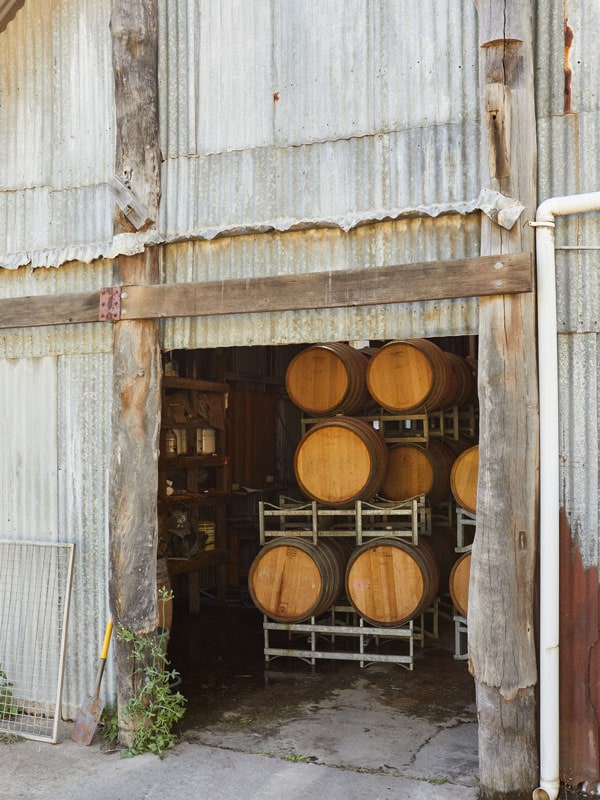
the barrels at Hanging Rock winery
Say yes to a tasting at Hanging Rock Winery. (Image: Tourism Australia)

Eating there

Mount Monument

Art and wine combine at Mount Monument winery, cellar door and restaurant.

Kuzu Izakaya

Woodend’s Kuzu Izakaya is a local favourite for authentic Japanese ‘pub food’.
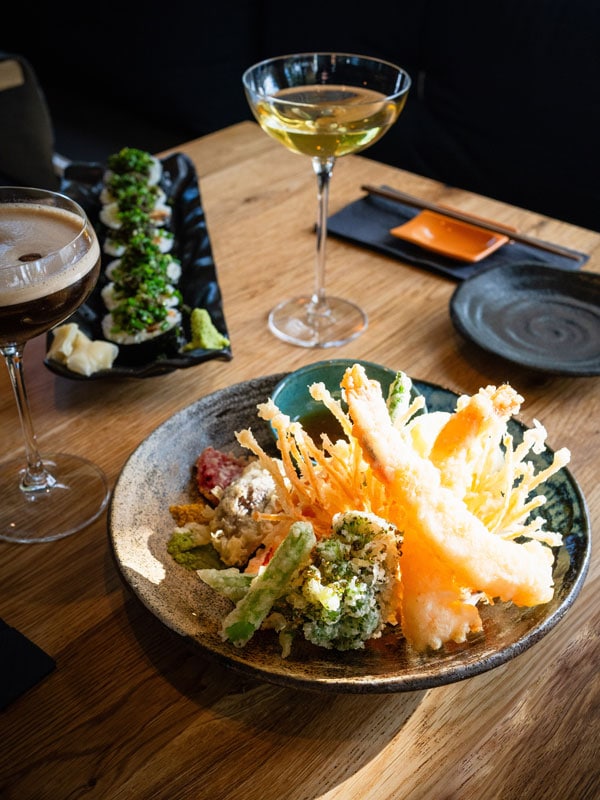
Japanese cuisine at Kuzu Izakaya, Woodend
Enjoy Japanese cuisine at Kuzu Izakaya in Woodend.
Laura Waters
Laura is a Melbourne-based writer, speaker and author with a passion for adventures in the great outdoors. Her memoir ‘Bewildered’, about hiking the length of New Zealand, won Best Travel Book at the 2021 ASTW Awards and she has also penned the popular Ultimate Walks & Hikes Australia.
See all articles
hero media

A must-visit list of Victoria’s most iconic spots

From natural wonders to historical sites, we’ve rounded up Victoria’s most epic icons that deserve a place on your itinerary.

Grampians (Gariwerd) National Park

Mount William peak in Grampians (Gariwerd) National Park
Mount William is the highest peak in the Grampians (Gariwerd) National Park. (Image: Matt Donovan)

From towering mountains to crystal cascades and ancient rock art sites, the Grampians (Gariwerd) National Park is a playground for both outdoor adventurers and nature lovers. Don’t miss the views from the highest peak Mount William or the iconic Pinnacle.

Murray River

A paddle steamer down the Murray in Echuca
The wonders of the Murray are best experienced on board a paddle steamer. (Image: Visit Victoria)

A natural icon of majestic proportions, the Murray River flows for a staggering 2700 kilometres, making it one of the world’s longest navigable rivers. Meandering through Victoria before flowing out to sea at Goolwa in South Australia, the river is home to diverse wildlife, picturesque towns and secluded creeks and beaches.

Twelve Apostles, Port Campbell

the Twelve Apostles, Great Ocean Road
The Twelve Apostles are a star attraction on the Great Ocean Road. (Image: Tourism Australia/Two Palms/Harry Pope)

These limestone sea stacks are arguably Victoria’s most famous icon . After an $8-million upgrade to its lookout, The Blowhole near Loch Ard Gorge/Poombeeyt Kontapool (meaning breath of the whale) has recently reopened. A brand-new Twelve Apostles Visitor Experience Centre, complete with rooftop lookout, will open in 2026.

You Yangs, Geelong

kangaroos in You Yangs
Kangaroos enjoy dusk in the You Yangs. (Image: Tourism Australia)

Rising 300-plus metres from the flat volcanic plains between Melbourne/Naarm and Geelong, the You Yangs are massive granite boulders named for the local Wadawurrung word ‘Youang’, meaning ‘big hills’. Hiking, biking, rock climbing and horse-riding are popular within this regional park.

Redwood Forest, Yarra Valley

Redwood Forest, Yarra Valley
Yarra Valley’s soaring Redwood Forest. (Image: Tourism Australia)

Near the town of Warburton, an extraordinary forest of some 1500 Californian Redwoods stands among native orchids, eucalypt trees and rich birdlife. Planted in the 1930s, these 55-metre-plus trees can live for 2000 years and will grow to be some of the world’s tallest.

Wilsons Promontory, Gippsland

the Wilsons Promontory
Wilsons Promontory is home to the incredible Skull Rock formation. (Image: Tourism Australia)

The Prom, as it’s known locally, is the southernmost tip of mainland Australia. This 50,000-hectare reserve comprises granite mountains and forest, fringed by sandy beaches and surrounded by a marine park rich in marine biodiversity. It’s also home to the incredible and imposing Skull Rock formation.

Hanging Rock Reserve, Macedon Ranges

the Hanging Rock Reserve, Macedon Ranges
Enigmatic Hanging Rock. (Image: Visit Victoria/ Rob Blackburn)

This six-million-year-old volcanic rock  was thrown into the national spotlight thanks to the 1967 novel and consequent 1975 film based on the fictional disappearance of schoolgirls in 1901. Mystery aside, visitors can walk the steep 105-metre summit, fish for trout and go twitching.

Sovereign Hill, Ballarat

exploring Sovereign Hill
Step back in time at Sovereign Hill. (Image: Tourism Australia)

Cry ‘eureka!’ at Sovereign Hill , a living museum to the prosperous Gold Rush era of the 1850s, during which Ballarat produced the most gold in the world. Visitors to this much-loved attraction can walk historic  streets, enter a gold mine and try panning for the good stuff, too.

The Great Stupa, Bendigo

Great Stupa, Bendigo
The Great Stupa in Bendigo. (Image: Tourism Australia)

Who’d have thought the largest Buddhist temple in the Western world would be tucked away in Bendigo’s bushland? Welcoming visitors to explore, this sacred Buddhist pagoda is an epicentre for Tibetan culture, architecture, art and interfaith harmony.

Cape Schanck Lighthouse, Mornington Peninsula

the Cape Schanck Lighthouse from above
Heritage-listed Cape Schanck Lighthouse. (Image: Tourism Australia/Two Palms/Harry Pope)

Ensuring the safe passage of ships in the notoriously treacherous Bass Strait since 1859, this heritage-listed lighthouse overlooks dramatic volcanic coast and wild beaches. The surrounding reserve is home to a plethora of wildlife including little penguins, seals and echidnas.