Slow the flow of modern-day life in Australia’s magical spa country with a stay at the new Hepburn Bathhouse.
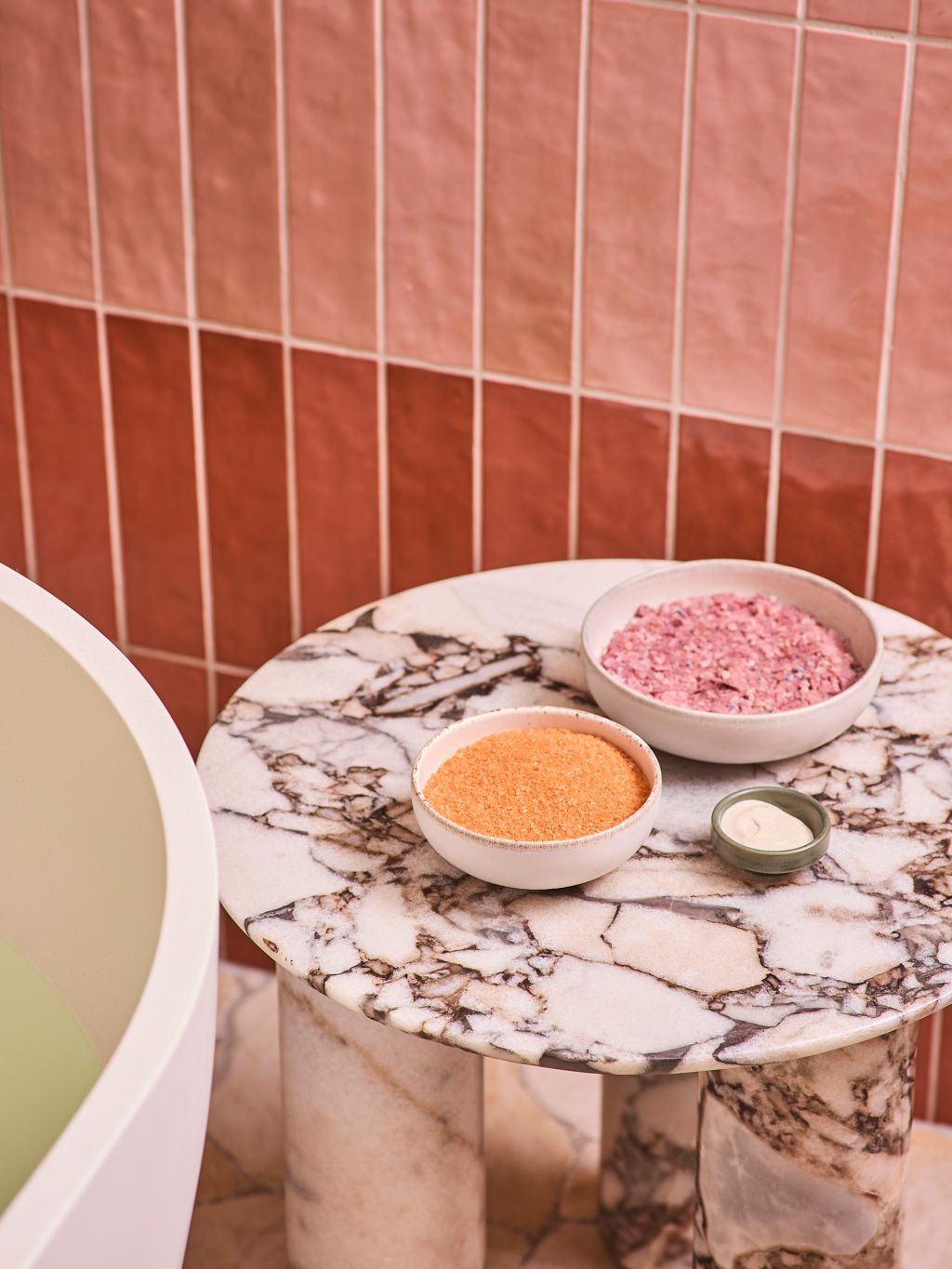
Sunlight spills across a large wooden table lined with a curious collection of essences, extracts, and pastel-hued powders in glass jars, each with a handwritten label. I pause at each of the small brown bottles, drawing their pipettes to compare the heady scents. Meanwhile, a spa therapist assuming the role of fragrance sommelier explains the formula for a perfectly scented soak: an uplifting citrus top note, a relaxing floral middle note, and a grounding, rich and heavy base note. I squeeze drops of bergamot, lavender, and a dash of frankincense into my bowl, stirring them with a scattering of rose petals, some pink Himalayan rock salt, and a sprinkle of ashwagandha in a small pot with a wooden spoon: it’s all a little bit meditative, ASMR and aesthetically pleasing.
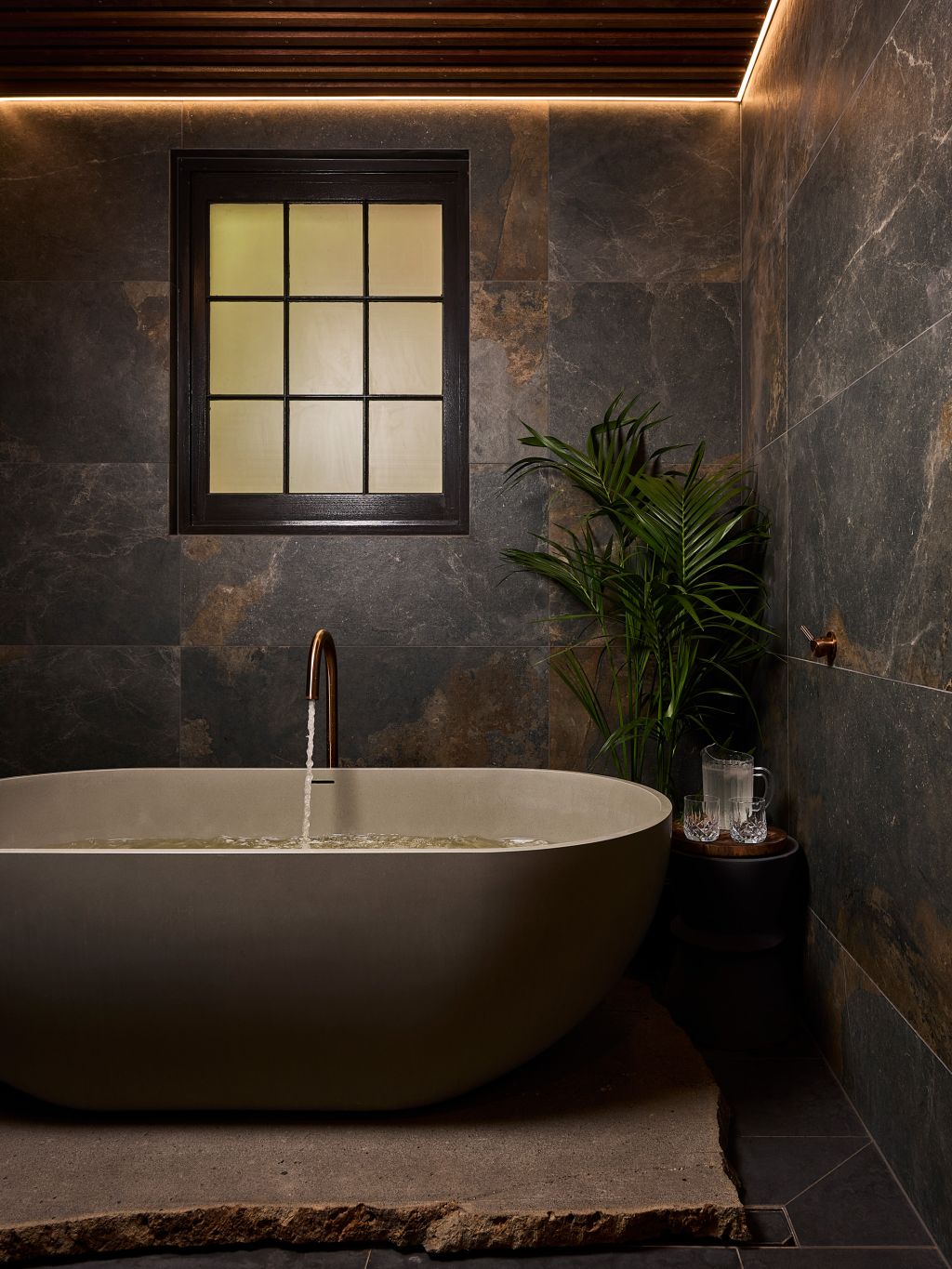
Dip into magic. Hepburn Bathhouse has reopened bigger and better – think private mineral baths, custom apothecary soaks and rooms that range from pink-tiled bliss to slate-minimal zen.
Custom ‘apothecary’ experience
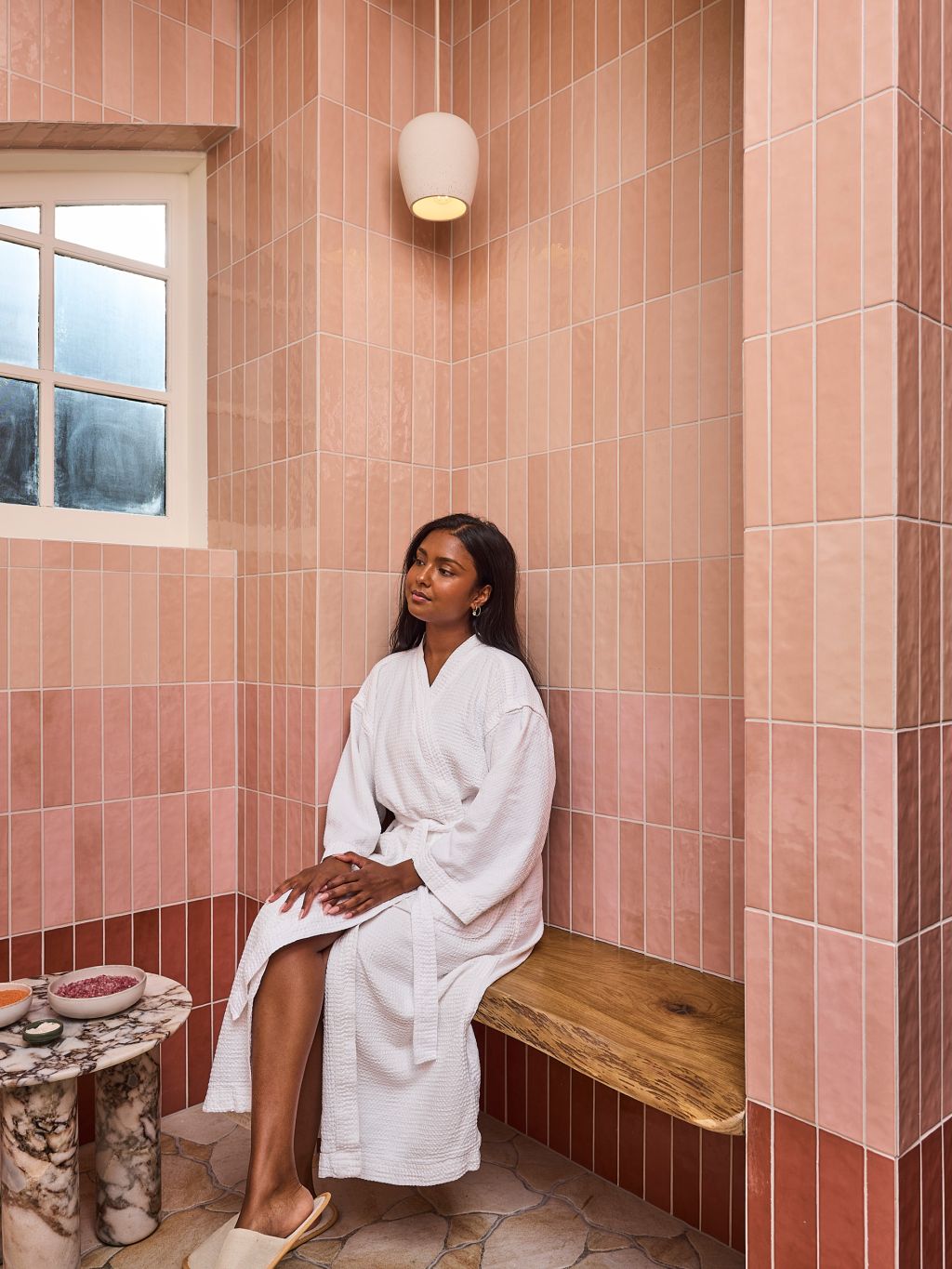
Each guest who opts for a private ‘Alchemist Mineral Bath’ at Hepburn Bathhouse & Spa is invited to make their own custom concoction. As my bath is drawn, I laze in the adjacent sunken timber lounge, sipping on an organic, herbal house-made tea that features some of the very same botanicals as the essential oils on the table (calendula, licorice root and spearmint, to name a few). Snug in slippers and a white waffle robe, I unfurl one of the curled blankets across my lap as melodic spa music echoes, and succumb to the serenity that permeates the spa’s every corner.
Guests can now customise their own Apothecary concoction when booking a private bathing experience. (Image: Supplied)
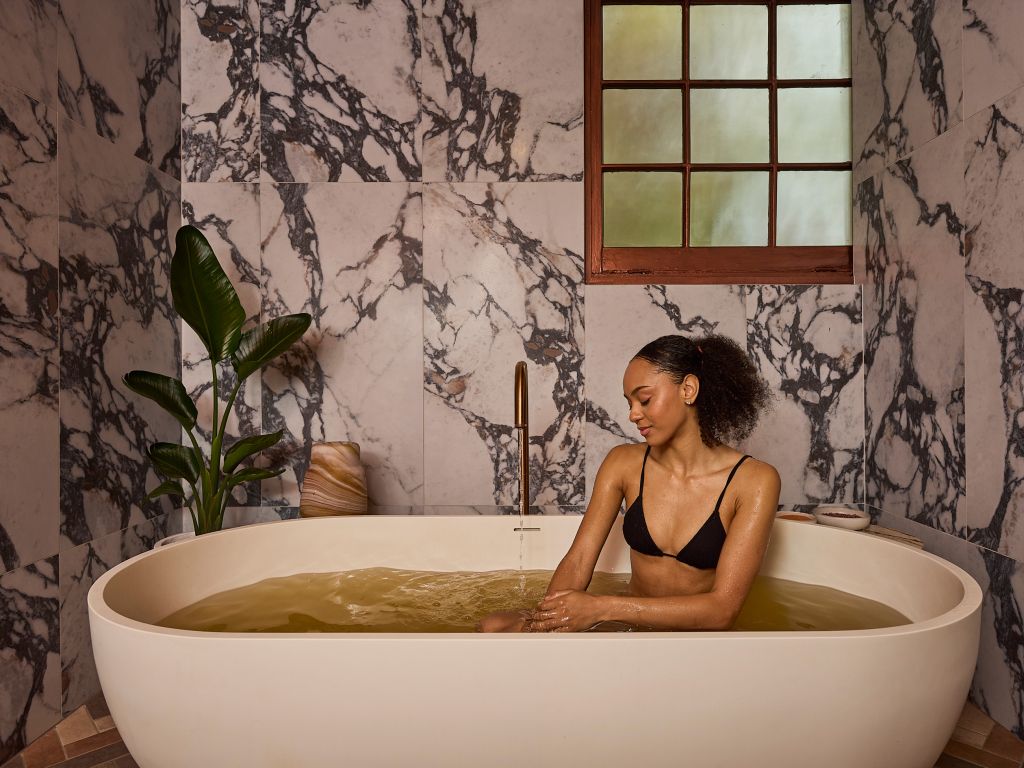
The marble private bathing room is one of five new designs. (Image: Supplied)
The new Apothecary experience is for guests who opt for the private bathing rooms. (Image: Supplied)
Another version of the new private bathing rooms. (Image: Supplied)
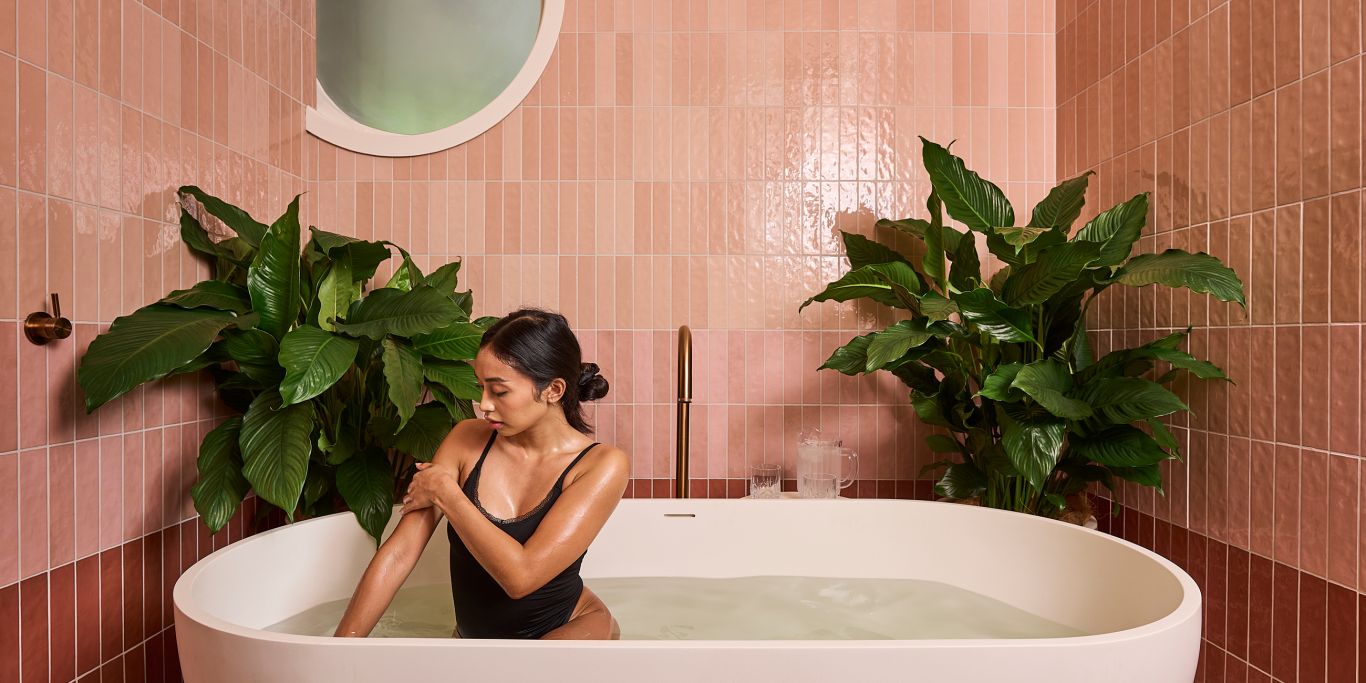
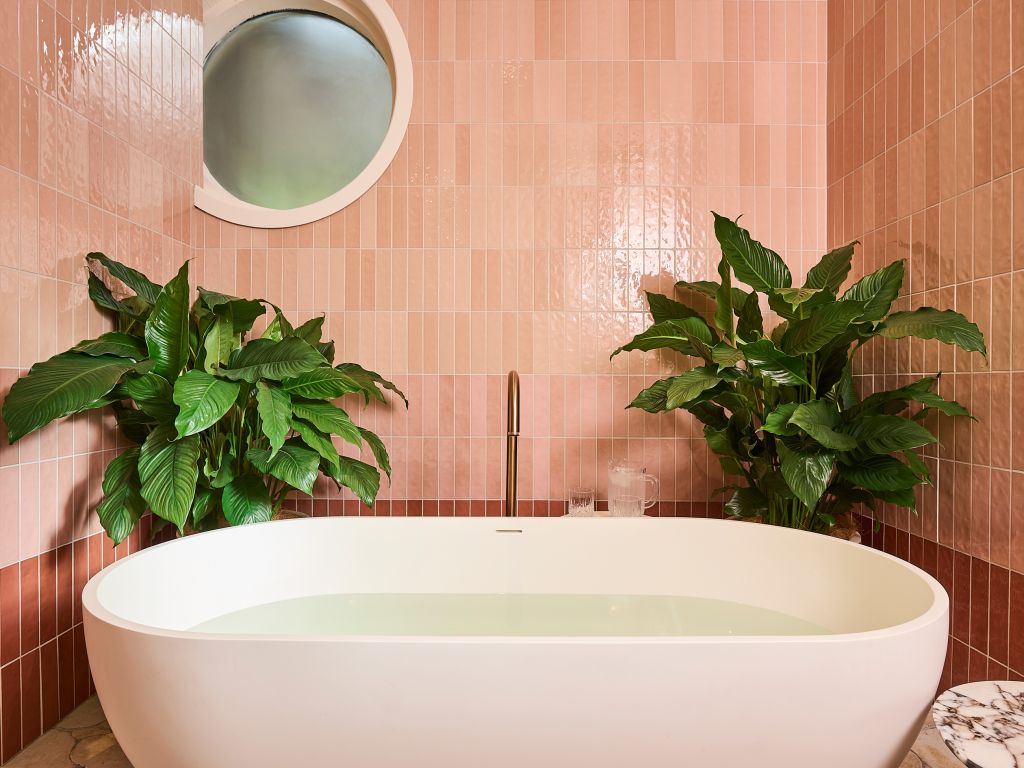
Pink subway tiles create a soothing space to bathe. (Image: Supplied)
Private mineral baths updated
This hands-on ‘apothecary’ experience is one of the newest additions to Australia’s oldest spa (est. 1895), which reopened in August 2025 after a multimillion-dollar facelift. The entire space has undergone a refresh, from new tiling and lighting to refurbished changing rooms. But chief among the updates are the private mineral baths themselves, five of which were overhauled by contestants from the 21st season of The Block, each offering a wholly different vibe. One is vibrant and uplifting, plastered with pink subway tiles; another is awash with slate and captures a meditative minimalism; while a third is a riot of patterns, decked in veined marble, chevron-tiled floors, and an embossed copper-look ceiling.
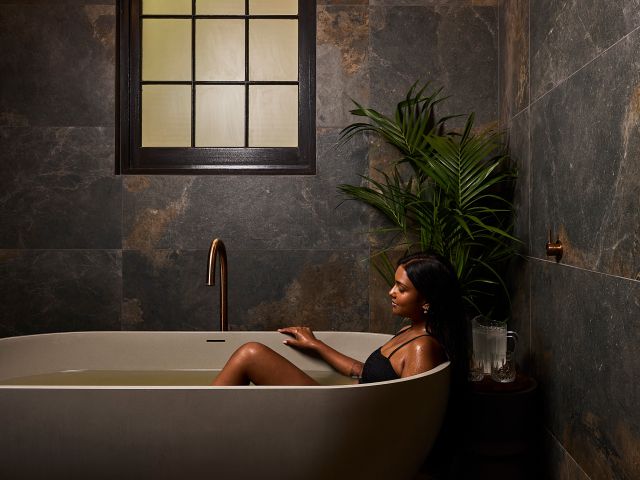
A soothing soak in the mineral waters of Hepburn Bathhouse & Spa. (Image: Supplied)
Need tips, more detail or itinerary ideas tailored to you? Ask AT.
AI Prompt
The therapeutic powers of mineral bathing
A 45-minute soak in a private bath might feel like an eternity of solitude in an age defined by overscheduling, digital addiction, restlessness and hustle culture, yet the time slips by surprisingly quickly and proves unexpectedly restorative. There’s a sudden rosy glow on my long anaemic-looking cheeks, a softness to my skin, and, just maybe, a slower pace to my thoughts. The therapeutic powers of mineral bathing have, of course, been lauded for centuries: even the ancient Greeks and Egyptians extolled the virtues of mineral bathing for its relaxation properties and supposed ability to treat ailments. The warm, spring-fed waters here at Hepburn Bathhouse are rich in magnesium, calcium, silica and sulphur, helping to ease muscle tension and support skin health. But there’s a mindfulness element too.
The benefits of bathing have long been praised. (Image: Supplied)
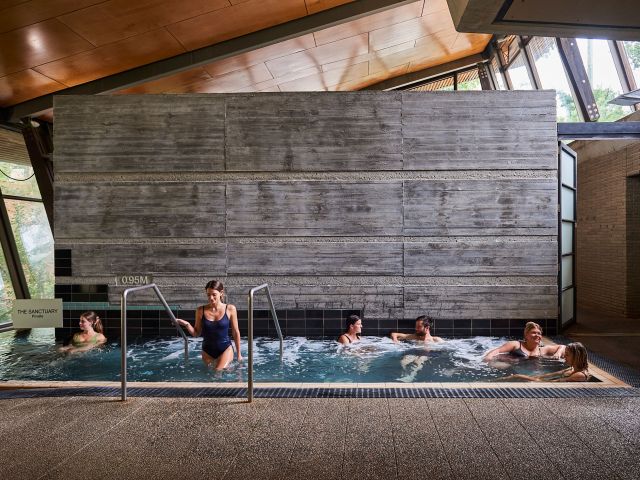
In the main bathhouse, couples, friends, and mums and daughters all take to the waters, chatting, relaxing and generally enjoying each other’s company. Across history and cultures, bathhouses have acted as social hubs and anchors for local communities, and it feels profoundly refreshing to see people carve out time together, not a screen in sight; almost as if stepping into a time warp. Solo bathers find serenity here, too. Some resting their cheek on the pool’s edge and closing their eyes as their bodies float, others gazing straight out through the floor-to-ceiling windows to gorge on the abundant greenery beyond, and the occasional swamp wallaby.
From bathing to dining
With only a small cafe onsite, those coming to (rightly) make a weekend of it must venture beyond the bathhouse for dinner. Lucky then that noteworthy cafes and restaurants are in strong supply in Australia’s Spa Capital, with Lake House Restaurant , Bar Merenda and The Surly Goat among the region’s frontrunners. Few local restaurants promise a dining experience as mindful and holistically considered as Kadota , however.
A kaiseki-style restaurant, Kadota invites diners to slow down and savour each elaborately plated morsel by honouring seasonality and exalting the provenance of every ingredient, all with typical Japanese modesty. Come winter, that might mean a pair of small, sweet mousse-like ‘pies’ made of slippery jack mushrooms, white chocolate and pine nuts, and moulded to resemble pumpkins that sit atop a dried oak leaf. Or a fermented kohlrabi and chive sauce that’s poured by teapot, tableside, onto local brassicas — the dish brightened by a cluster of cured salmon roe pearls and butterflies fashioned from daikon. Equal thought and care has been showered upon the dining room, which is a talking point in itself: light shades crafted by a local artist to mimic a lotus root; a feature wall of Daylesford pinewood, blackened using the traditional Japanese wood preservation method of yaki-matsu; hand-scribed scrolls made by co-owner Risa Kadota’s grandfather; and lemon balm stalks strung up along the wall to air-dry for tea.
Like Hepburn Bathhouse, Kadota possesses a special kind of alchemy that’s greater than the sum of its parts, affording guests a deeper connection with the present. Somehow, even the drive from Melbourne to Hepburn feels like part of the experience, as if the spa’s founders dreamed it up that way. The city’s grit, grey and congestion gradually recedes in the rearview mirror, giving way to bucolic scenes and quiet roads: woolly sheep grazing on golden fields, gently rolling hills, winding roads flanked by forest, horses in paddocks, and family-run farmgate stalls. The drive itself becomes part of the ritual, nudging visitors into a more mindful state before they’ve even dipped their toes in the town’s magical waters.
Chloe Cann is an award-winning freelance travel and food writer, born in England, based in Melbourne and Roman by adoption. Since honing her skills at City St George's, University of London with a master's degree in journalism, she's been writing almost exclusively about travel for more than a decade, and has worked in-house at newspapers and travel magazines in London, Phnom Penh, Sydney and Melbourne. Through a mixture of work and pleasure, she's been fortunate enough to visit 80 countries to date, though there are many more that she is itching to reach. While the strength of a region's food scene tends to dictate the location of her next trip, she can be equally swayed by the promise of interesting landscapes and offbeat experiences. And with a small person now in tow, travel looks a little different these days, but it remains at the front of her mind.
The Mornington Peninsula blends vineyards, galleries, golf and delicious finds for an unforgettable getaway that indulges all penchants.
Just over an hour from Melbourne, the Mornington Peninsula blends coast and country in a way that feels effortlessly indulgent. It’s a region where vineyard views meet acclaimed dining, art and culture is never far from the sea, and where hot springs bubble alongside rolling fairways. Whether your escape is a long lunch, an immersive art trail or a round of golf, the Mornington Peninsula has an itinerary to match. And there’s always a glass of good local pinot waiting for you at the end of the day.
A creative trail through the Peninsula
The Mornington Peninsula is a haven for artists and creatives. Its coastal views and rolling landscapes have long been a source of inspiration. Stay at the historical InterContinental Sorrento , a grand hotel established in 1875, recently renovated to blend heritage charm with contemporary elegance. With curated art lining the hotel’s corridors and rooms, you could spend hours simply wandering the halls, studying the walls.
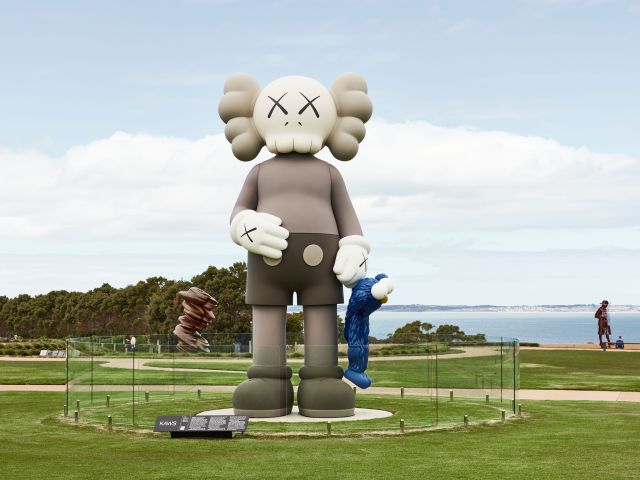
Wander around Pt. Leo Estate’s outdoor gallery. (Image: Visit Victoria/Jesse Hisco)
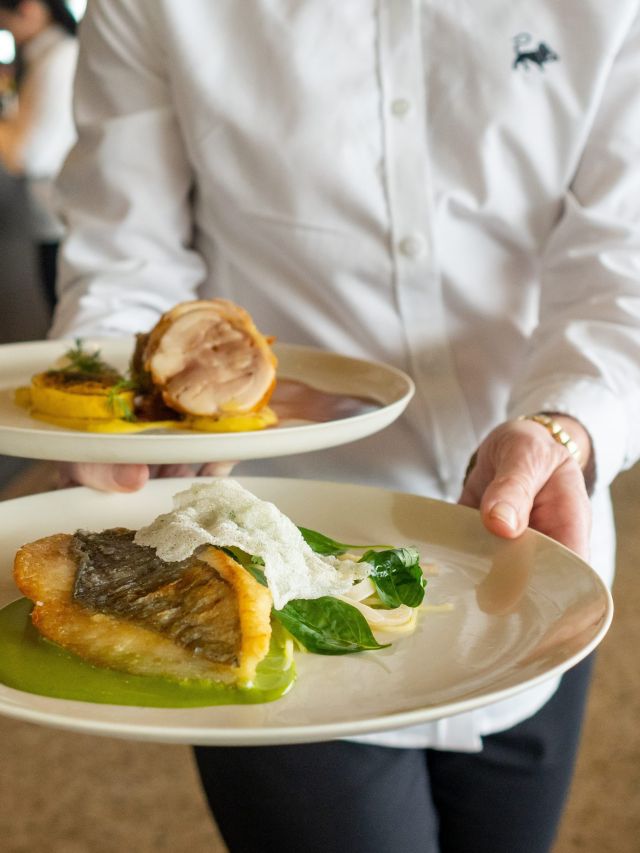
If looking for an outdoor gallery with sea views, head to Pt. Leo Estate , a landscaped vineyard home to a sculpture park featuring more than 70 large-scale works by both local and international artists, all easily accessible by connecting paths. After strolling through the vineyards, there are three dining options: fine dining at Laura, a relaxed meal at Pt. Leo Restaurant or a vino at the Wine Terrace. For something more hands-on, sign up for the Sip & Sketch experience. And if you book directly into the elegant Lancemore at Lindenderry Red Hill , you’ll enjoy free access to the sculpture park.
Pt Leo Estate boasts three elegant dining venues. (Image: Visit Victoria/Two Palms/Arianna Harry)
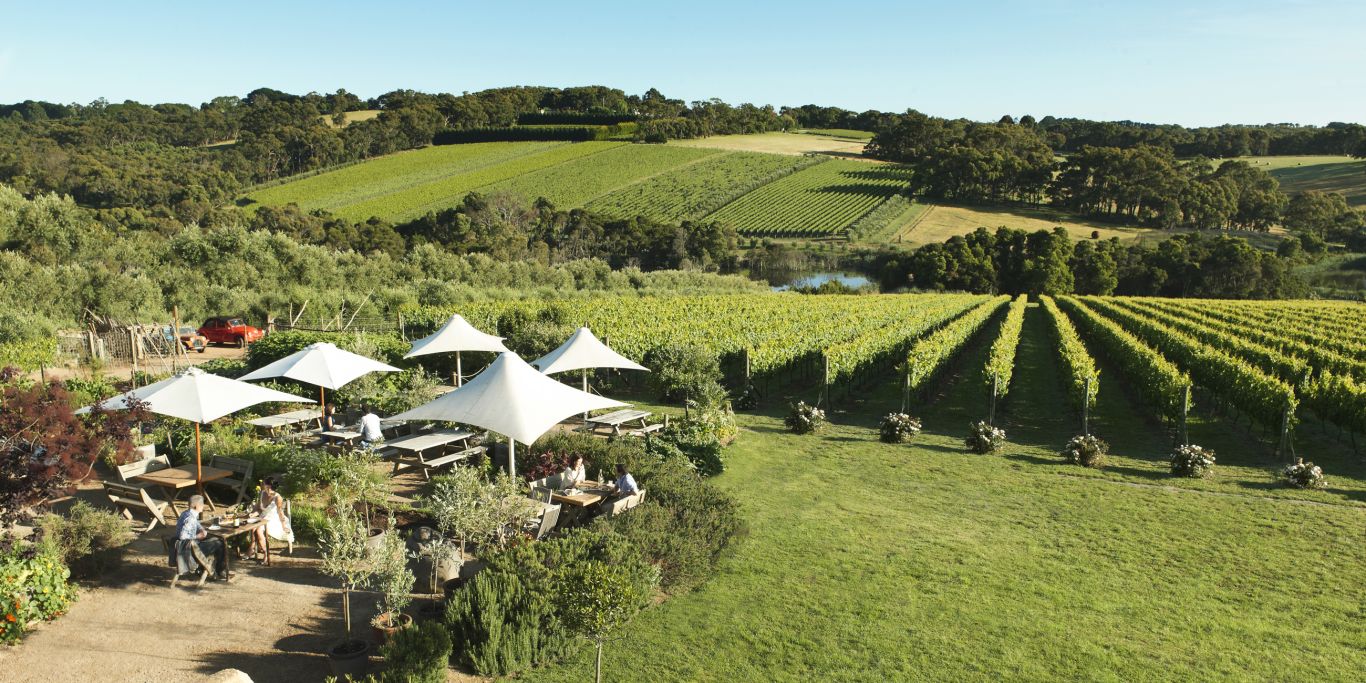
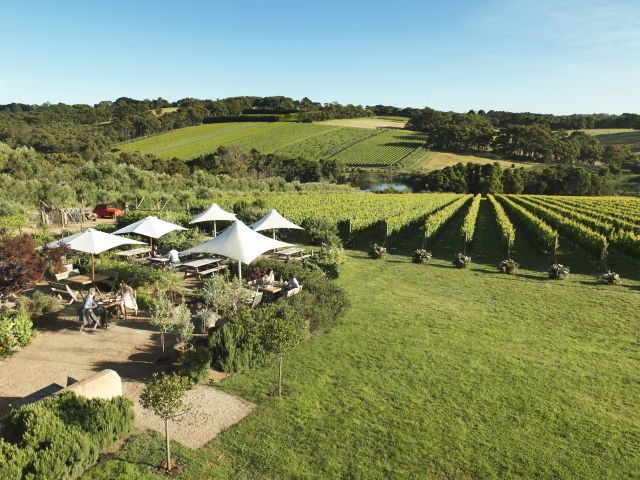
For those who like their art framed by rolling hills, vines and wetlands, Montalto is the place. More than 30 sculptures are dotted throughout the property. The vineyard offers a formal restaurant and casual tables among the seasonal produce in a setting that feels like Mr. McGregor’s Garden from Peter Rabbit. And there’s always the option to picnic on the lawn.
Montalto Vineyard is an idyllic setting for afternoon wining and dining. (Image: Visit Victoria/Robyn Lea)
The Sorrento-Portsea Artists Trail offers a self-guided walk along bush paths and sea cliffs to see the same landscapes that once inspired brushstrokes of some of Australia’s most famous artists. Along the way, interpretive signs share insights into the area’s artistic past. And, if the peninsula’s weather turns a little wild, the region is brimming with galleries, particularly around Flinders, Sorrento and Red Hill. Artisan studios are open by appointment.
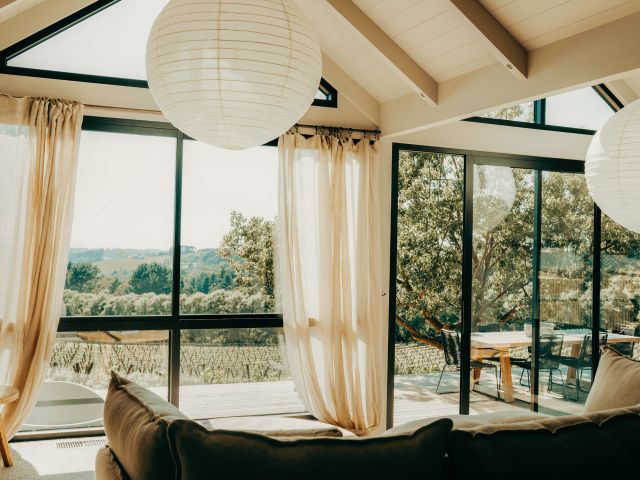
The perfect base for a culinary inclined trip is Cassis Red Hill , where luxury accommodation is tucked between grape vines and olive trees. A quiet nod to the fishing village of Cassis in the south of France, this retreat is all about contemporary elegance – crisp linen, sunlit interiors and a private mineral plunge pool.
Then, for a stand-out lunch, Green Olive at Red Hill offers a delicious way to enjoy the region. Graze on generous tasting plates with house-made relishes, lamb sausages, local cheese and just-picked garden produce. Pair it with a wine flight or order a picnic hamper to enjoy among the olive grove; there’s a picnic option for your dog, too. And for a playful twist, Green Olive is home to what is believed to be Australia’s only pickleball court set within a vineyard or orchard.
Amid the many wineries with open cellar doors, Main Ridge Dairy offers a delicious detour – a goat dairy where you can sample handcrafted cheeses and even meet the resident goats. For a more refined experience, Paringa Estate is one of the peninsula’s most awarded wineries, offering fine dining with sweeping vineyard views and a menu crafted from seasonal, locally sourced ingredients.
If you’re looking to step outdoors before a lingering lunch, during winter Flinders Truffles offer the chance to join their clever dogs and search for the black gold under oak trees. For an authentic taste of the region, time your visit with one of the Peninsula’s vibrant farmers’ markets.
From golf days to spa stays
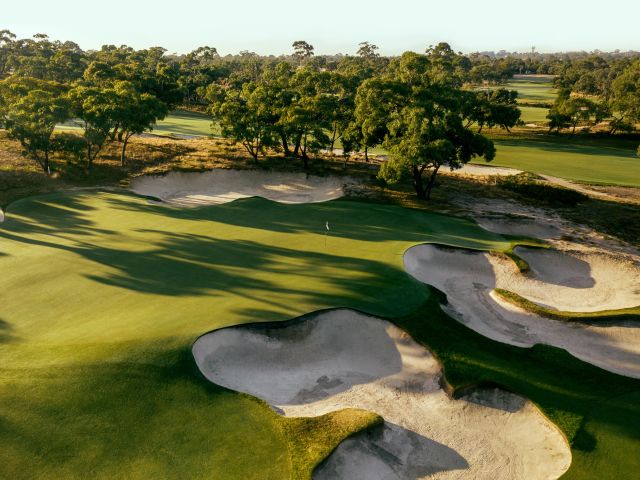
Peninsula Kingswood Country Golf Club. (Image: Visit Victoria)
With its champion courses, the Peninsula is a dream destination not only for those who love to tee off but for those who enjoy the post-golf wind down. Peninsula Kingswood Country Golf Club draws keen golfers from around the world, while Peppers Moonah Links Resort is a course that has hosted both a PGA tournament and two Australian Opens. For a true test of skill, The Dunes Golf Links is one of Australia’s top public courses.Each golf course offers accommodation, and staying onsite means maximum convenience, especially at The Dunes, where premium rooms have you sleeping right next to the fairway. Off-course indulgence is close at hand, too.
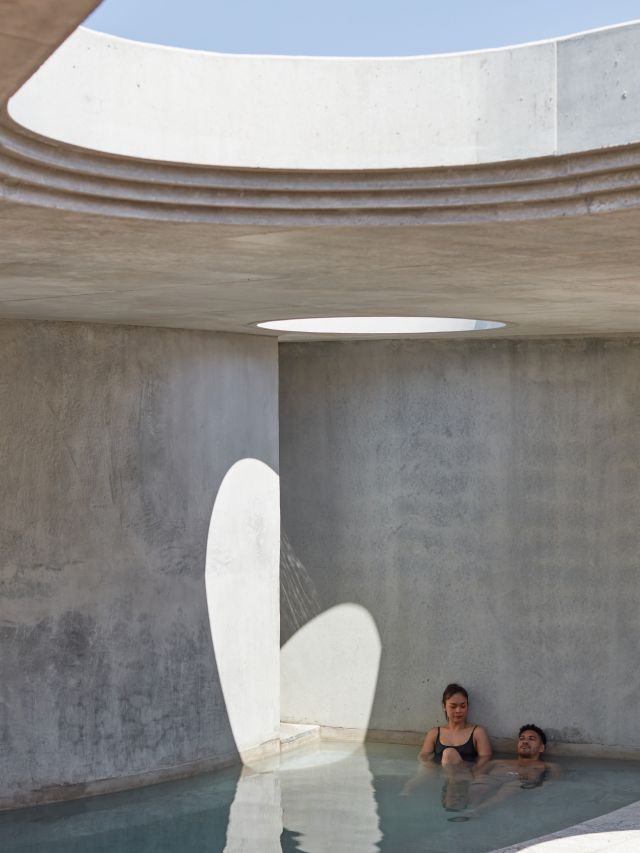
Soaking at Alba Thermal Springs & Spa. (Image: Visit Victoria)
Peninsula Hot Springs and Alba Thermal Springs are just next door, where thermal waters drawn from geothermal mineral springs deep underground provide the ultimate recovery after a day of perfecting your swing. These award-winning wellness sanctuaries offer everything from bathing pools to private plunges and spa treatments.
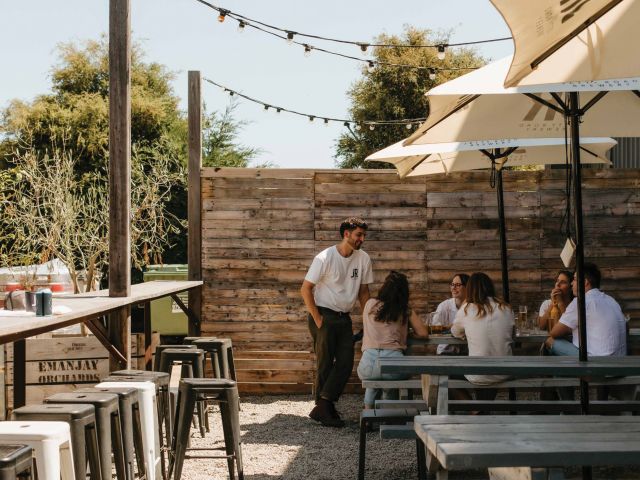
Jetty Road Brewery.
After sinking the last ball, and the 19th hole beckons, the Peninsula serves up just as many dining options as it does golf courses. Just minutes away and right on the beach, Jetty Road Brewery is a laid-back spot perfect for a round of beers and typical pub fare. For something a little elevated, book a table at Epicurean . Here, a glass of local red pairs beautifully with handmade pastas and woodfired pizza, all served in a historical coolstore and packing shed dating back more than a century.