Port Fairy is the festival town that has no off-season.
I’ll be honest: I didn’t think a town of 3000 people at the end of the Great Ocean Road could feel like a city that never sleeps. Then I started scrolling through Port Fairy’s events calendar and realised I’d need to book multiple trips to tick everything off. Jazz in February. Folk in March. A whole month of summer revelry over Christmas. Fireside warmth in June. Arts and blooms in spring. This is not a one-trip town – it’s a year-round obsession disguised as a sleepy Victorian fishing village.
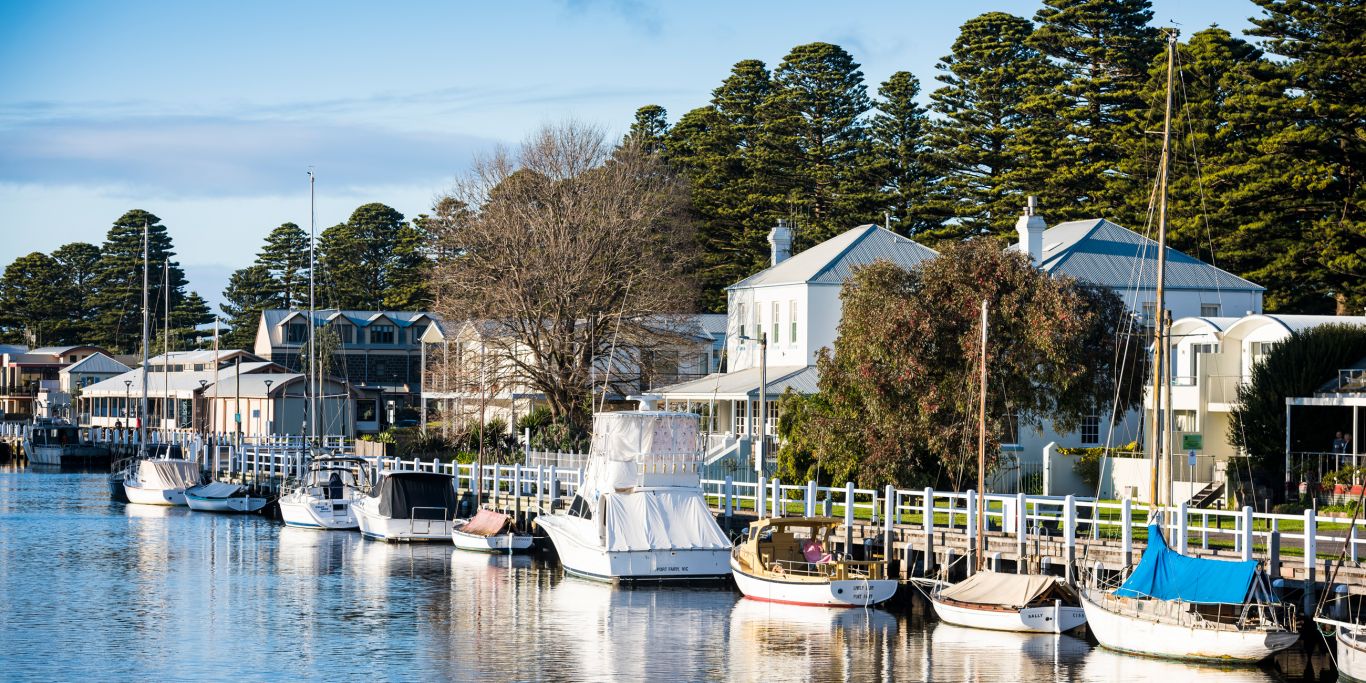
Port Fairy was ranked fourth in Australian Traveller’s 100 best Aussie towns to visit list, but it also took the category win for the best town for festivals and events, too, as voted by an expert panel. For a place where whitewashed bluestone cottages line streets canopied by ancient moonah trees and the Moyne River meets the Southern Ocean in a blaze of gold, it’s the cultural heartbeat that truly sets it apart from its Great Ocean Road neighbours.
Meet the sleepy Victorian fishing village that never actually sleeps. Port Fairy has just been named Australia's number 4 best town and the best town for festivals and events in our 100 Best Aussie Towns! Once you see the events calendar, you'll understand why. Folk in March. Jazz in February. A whole month of summer revelry. Fireside warmth in June. Port Fairy is the festival town that has no off-season.
The event that put Port Fairy on the map
Pubs become stages during the Port Fairy Folk Festival. (Credit: Peter Foster)
Every conversation about Port Fairy eventually leads to the same place: the Port Fairy Folk Festival. Held over the Labour Day long weekend in March, it’s one of Australia’s most beloved and longest-running music events, drawing national and international folk, roots and blues artists to an intimate coastal setting that makes even headline talent feel like they’re playing just for you.
The magic isn’t just the lineup – though the lineup is consistently brilliant. It’s the way the whole town leans in. Pubs become stages. Parks fill with picnic blankets and the sound of banjos drifting on the sea breeze. Even if you’ve never considered yourself a folk person, you’ll leave a convert. Accommodation books out months in advance, so if the 2027 festival is on your radar, start planning now.
A festival for every season
Port Fairy is the festival town that has no off-season.
What makes Port Fairy genuinely exceptional is that the Folk Festival isn’t an anomaly – it’s the headline act of a packed annual program. Here’s how to plan a year of visits around it.
Summer – Moyneyana Festival: The town transforms over the holiday season with this month-long celebration of community spirit. Daily activities, live music, markets and family-friendly entertainment make this the perfect time to bring the whole crew. Think long evenings by the river, local produce stalls, and that particular coastal-summer magic.
Autumn – Port Fairy Jazz Festival: Just before the folk crowds arrive, jazz fans descend for a weekend of traditional and mainstream performances across more than 100 acts at multiple venues. It’s a more intimate affair – and the restaurant bookings are a little easier to score.
Winter – Port Fairy Winter Weekends: Port Fairy in winter is a revelation. When the tourist crowds thin and the fire pits come out, the town’s personality shifts into something cosier and more local. Port Fairy Winter Weekends celebrate the season with food, warmth and community events that feel genuine rather than manufactured. If you want to see Port Fairy as the locals live it, this is your moment.
Spring – Port Fairy Spring Music Festival: As the weather turns and gardens bloom, the Port Fairy Spring Music Festival brings arts and community celebration to the fore. It’s a gentler pace – perfect for wandering over schedules – though with Port Fairy’s dining scene at its most vibrant in the run-up to summer, you’ll want to book dinner early regardless.
Need tips, more detail or itinerary ideas tailored to you? Ask AT.
AI Prompt
More than a festival town
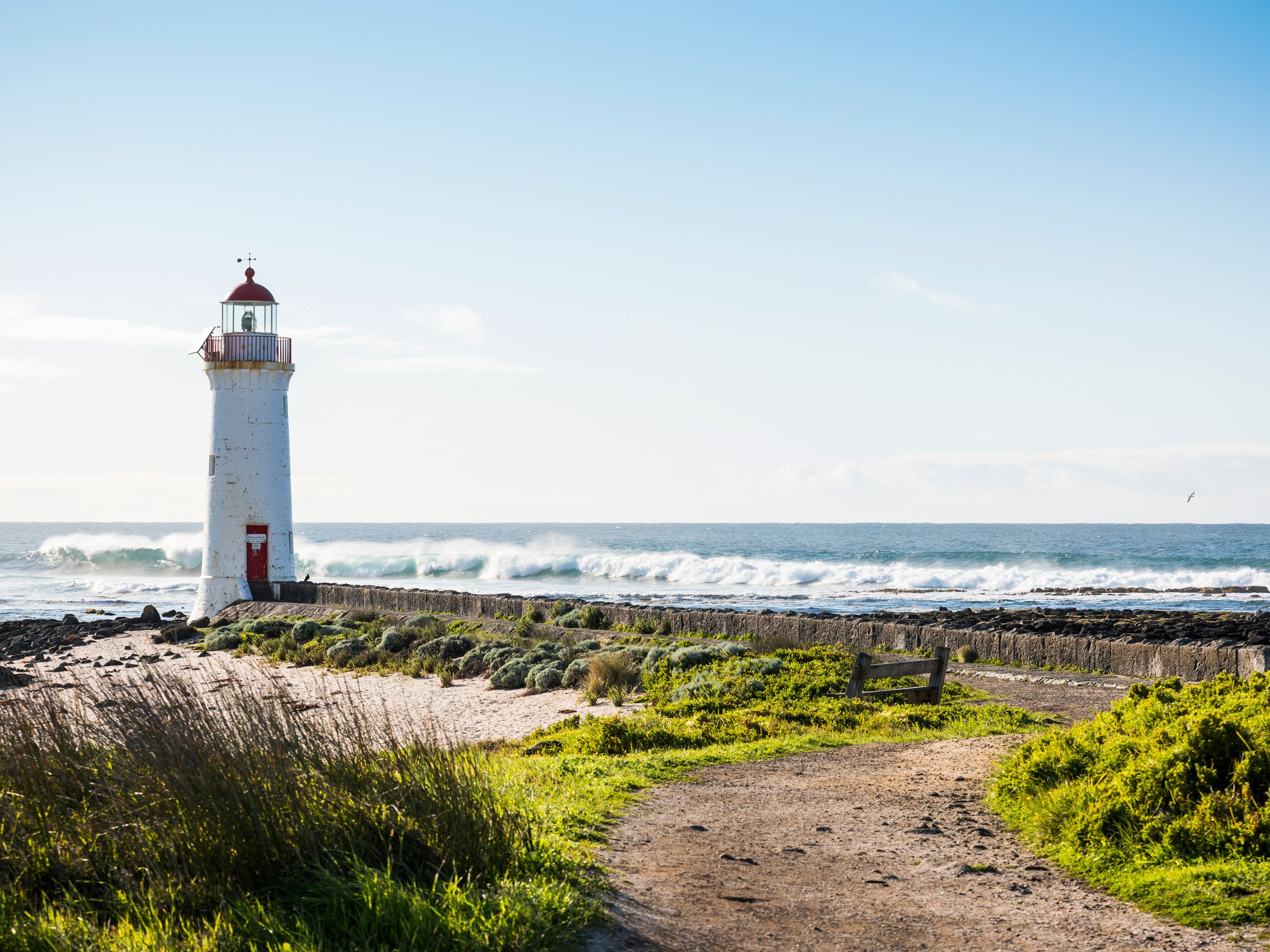
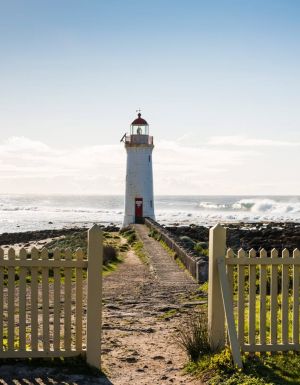
Explore the lighthouse on Griffiths Island.
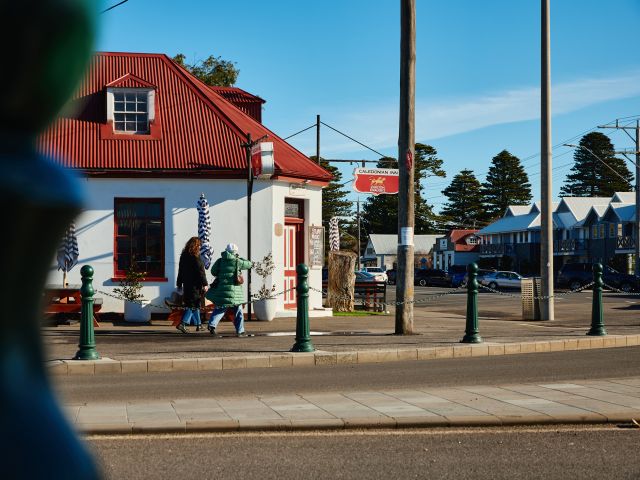
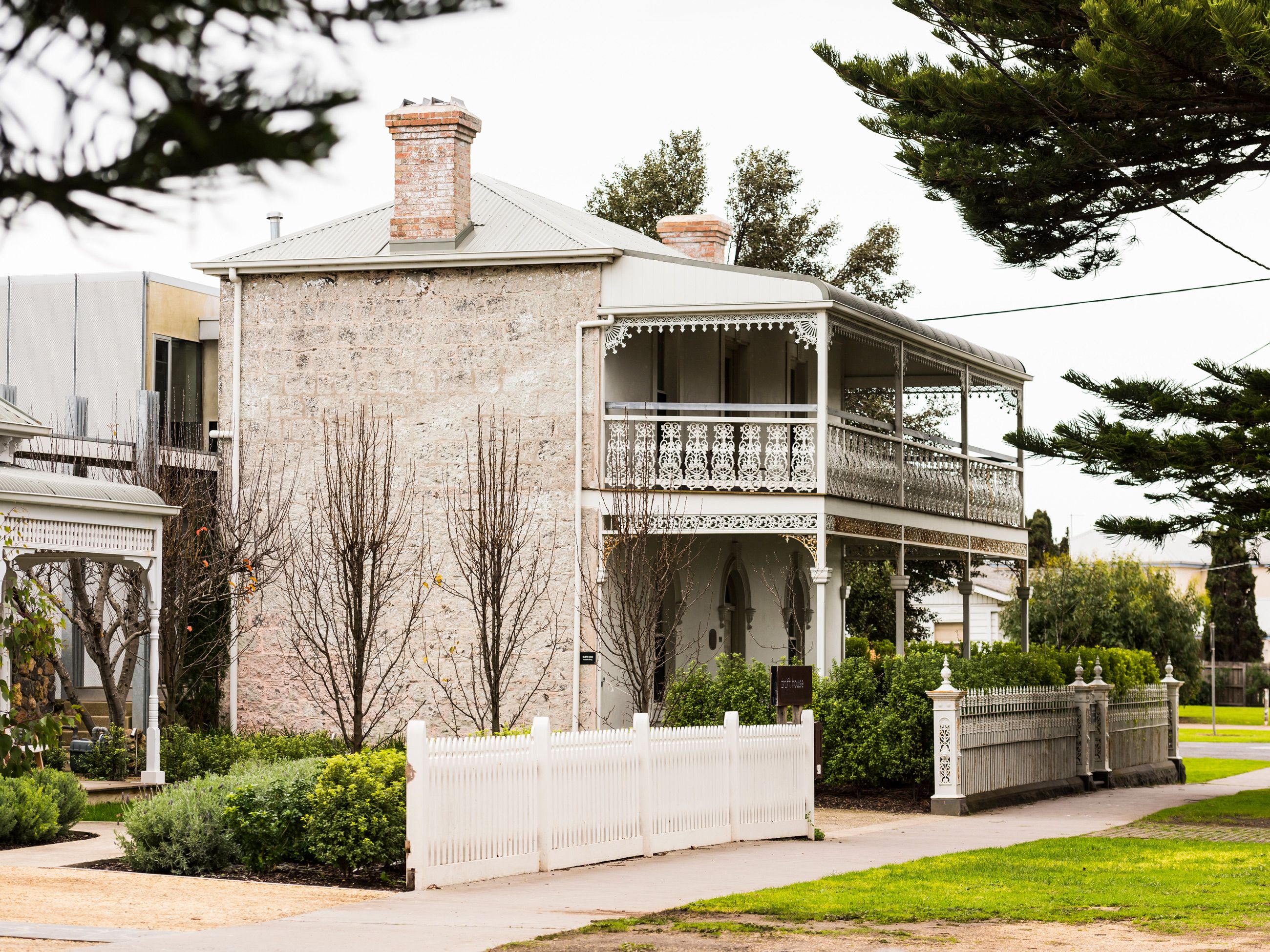
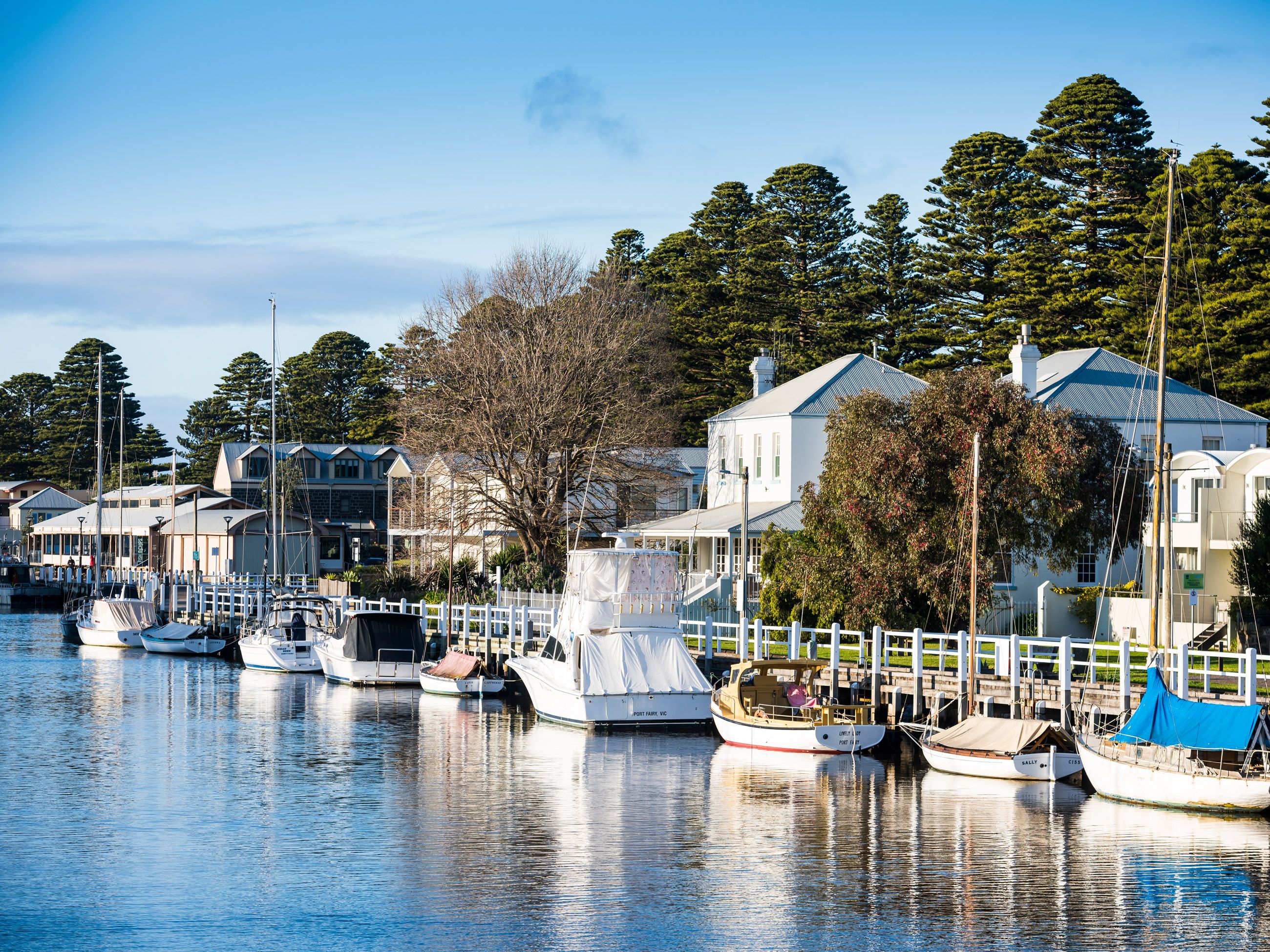
The heritage buildings bring character to the town.
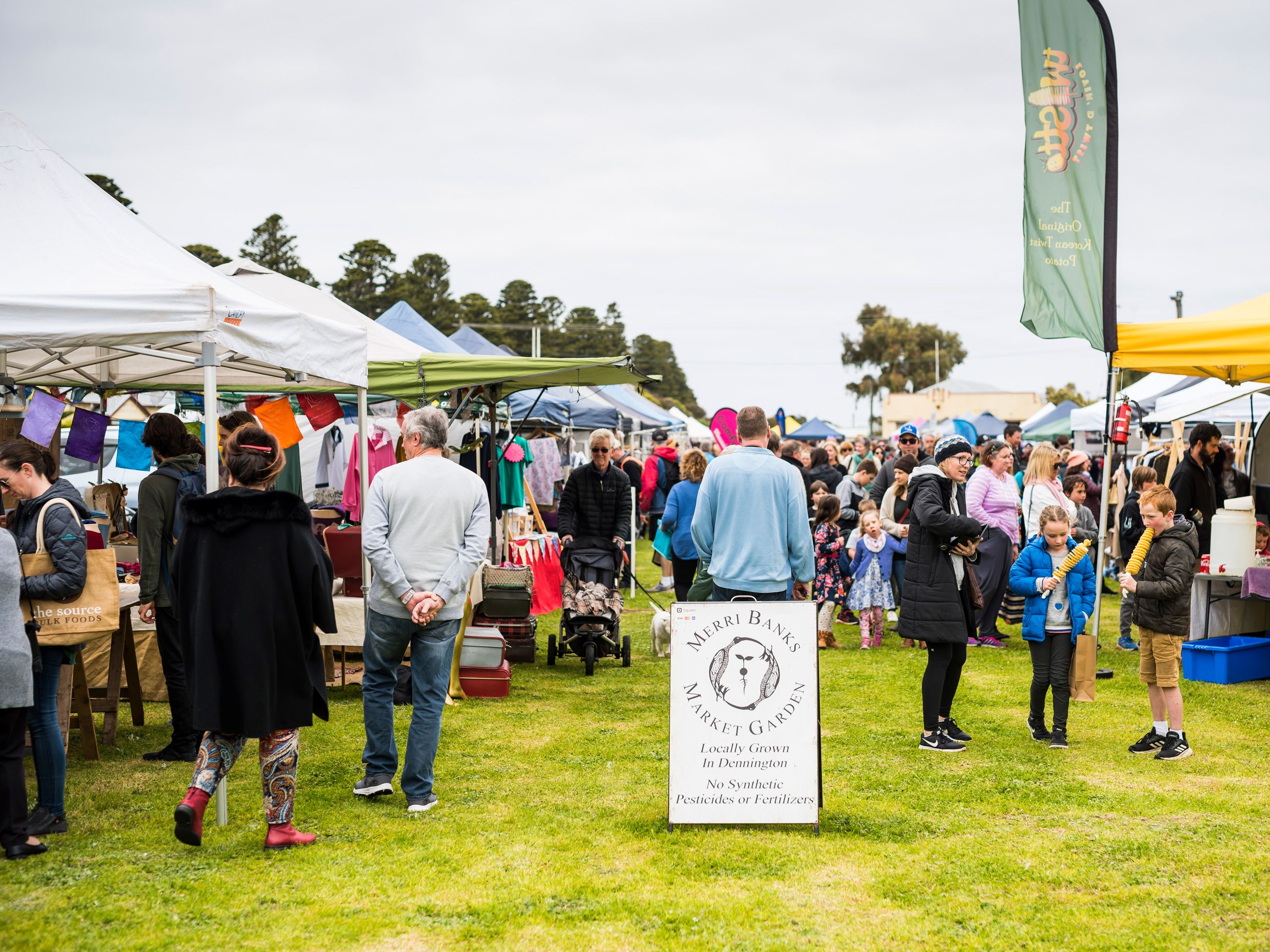
Visit the Port Fairy Farmers Market.
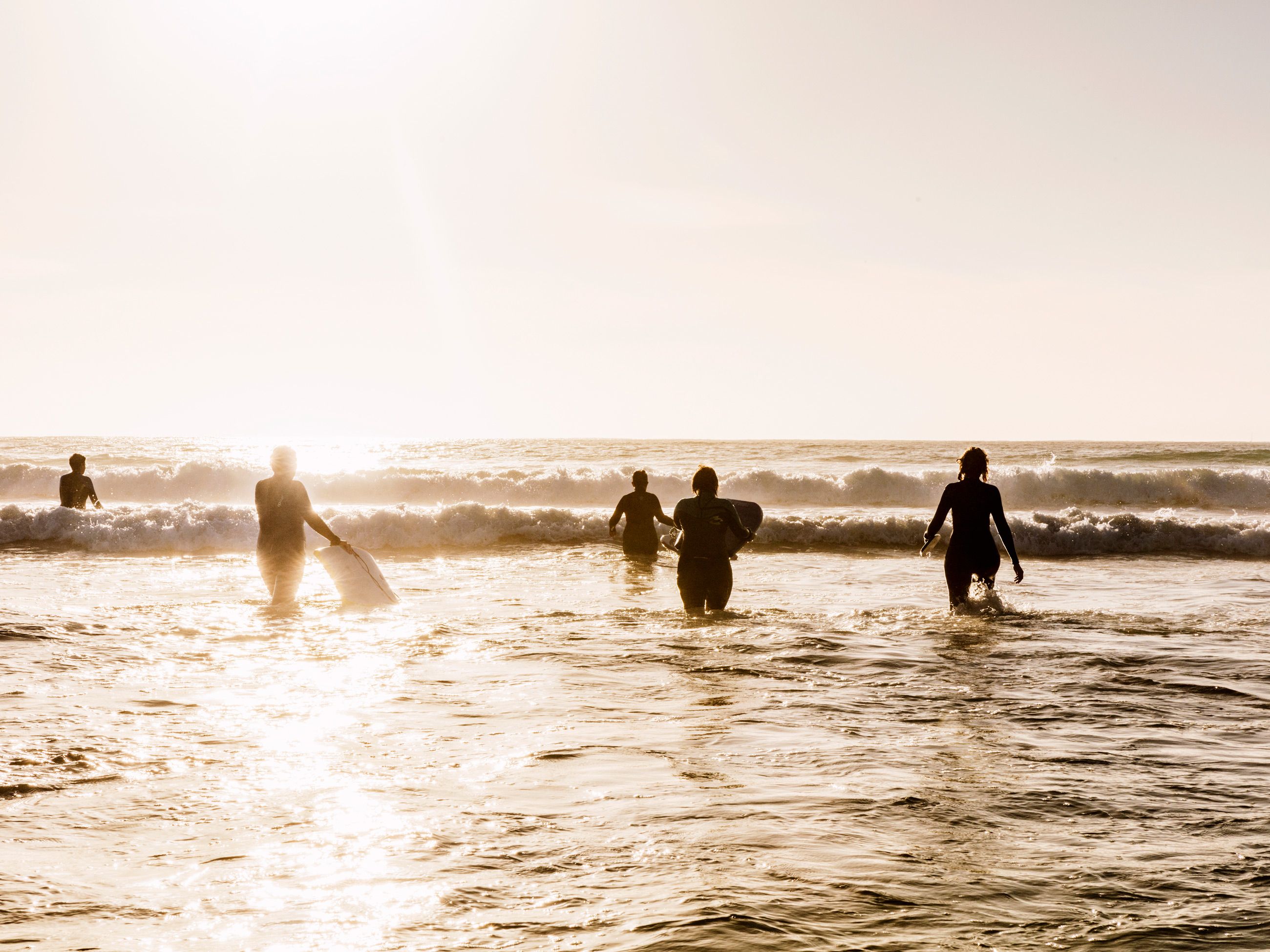
Surfing is big in Port Fairy.
On any given weekend, you might stumble across the Port Fairy Farmers Market overflowing with local produce, an art and craft day, a community film screening, or a street event that has half the town out with a glass of something Victorian in hand.
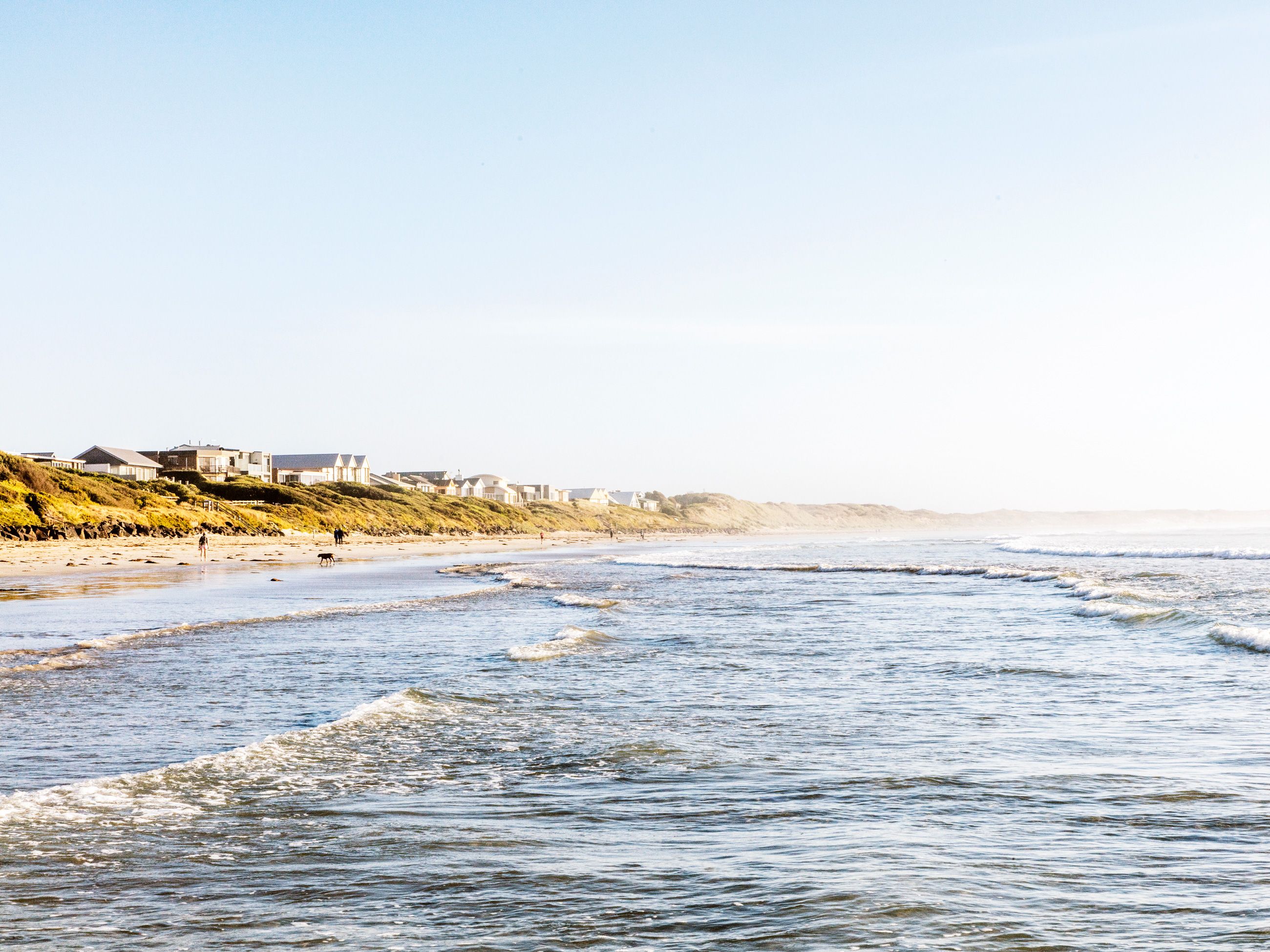
Beyond the calendar, the town itself is stunning. Griffiths Island – a short walk from the centre – is home to a lighthouse and a colony of short-tailed shearwaters (muttonbirds) that put on one of nature’s great daily spectacles at dusk. East Beach is a long, dramatic stretch popular with surfers and walkers, and the working fishing fleet still comes in with the morning catch, keeping things real in the best possible way.
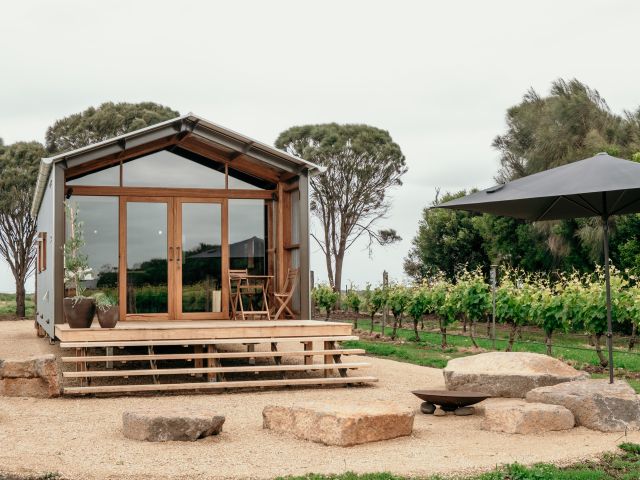
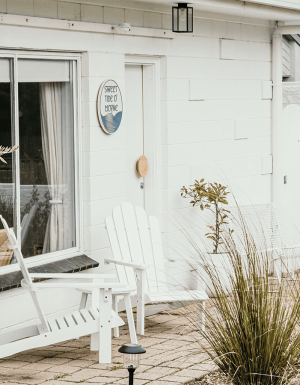
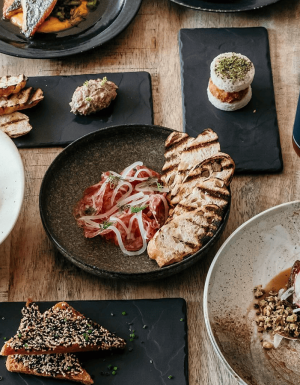
Basalt Retreat is the only vineyard accommodation on the Great Ocean Road.
For accommodation, forget the standard motel playbook – Port Fairy and its surrounds have options that are genuinely part of the experience. I stayed at Basalt Retreat, in the Pinot Noir villa. Set within a 24-year-old working vineyard just minutes from town, this adults-only escape is the only vineyard accommodation on the Great Ocean Road – and the detail is exceptional. Architect-designed, with soft tones, floor-to-ceiling light, a private deck facing the pinot rows, and a breakfast hamper of local produce waiting each morning (think organic yoghurt, fresh pastries and properly good coffee).
Why Port Fairy over its Great Ocean Road rivals?
Port Fairy has a genuine sense of place.
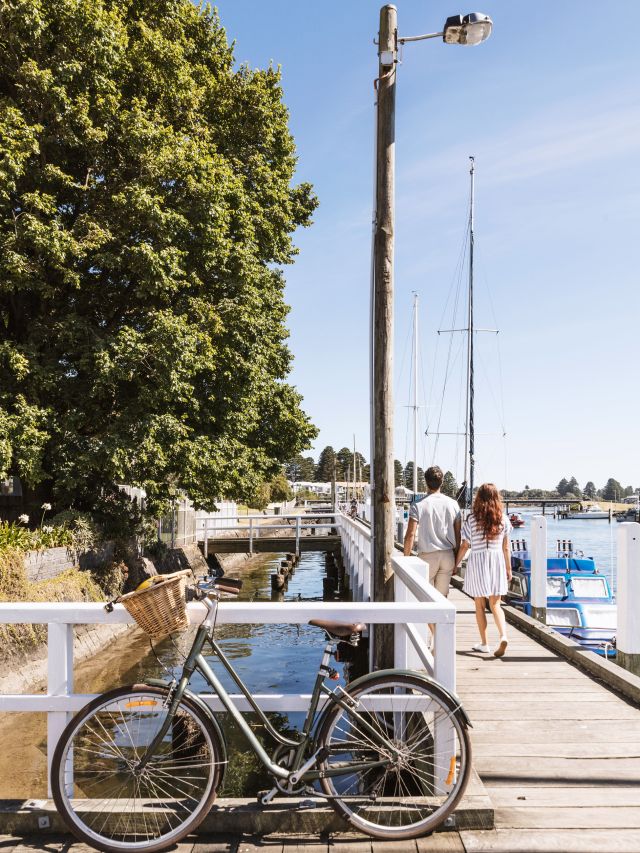
Walk along the Port Fairy Riverside Walk.
Lorne has its surf-town cool, and Warnambool has its hot springs and walks, but Port Fairy has something harder to engineer: a genuine sense of place. It sits at the end of the road – literally, where the Great Ocean Road officially concludes – and it has the feeling of a destination rather than a stopover. People don’t drive through Port Fairy; they come specifically for it.
The bluestone heritage buildings, the working waterfront, the community events that fill the calendar, not because tourism demands it but because the locals simply love to celebrate – these are things Port Fairy has earned over 200 years of coastal life. Add the festivals, and you have arguably Victoria’s most complete small-town experience.
Weekly travel news, experiences insider tips, offers, and more.
How we chose the winners
Australian Traveller’s 100 best Aussie towns to visit were selected by a voting panel of much-loved Australians, industry experts and category authorities from across the country. The expert panel consisting of 15 travel experts, including the likes of Accor’s Adrian Williams, Ernie Dingo and Catriona Rowntree. Port Fairy was voted ‘Best Festivals and Events Town’ and came fourth overall in ‘Best 100 towns’ in Australia.
Here is the shortlist of what to know about Port Fairy
Port Fairy is 3.5 hours from Melbourne.
Getting there
Port Fairy is approximately 3.5 hours from Melbourne via the Princes Highway, or around 2.5 hours via Geelong if joining the Great Ocean Road from Torquay.
Key events
Moyneyana Festival: December – January
Port Fairy Jazz Festival: February
Port Fairy Folk Festival: March (Labour Day long weekend)
Koroit Irish Festival: April
Port Fairy Winter Weekends: June
Port Fairy Literary Weekend: September
Port Fairy Spring Music Festival: October
Port Fairy Annual Show: November
Where to stay
Basalt Retreat: The Great Ocean Road’s only vineyard accommodation, set within 24-year-old vines.
Tick the box next to "Australian Traveller". That's it.
Emily Murphy is Australian Traveller's Email & Social Editor, and in her 4+ years at the company she has been instrumental in shaping its social media and email presence, and crafting compelling narratives that inspire others to explore Australia's vast landscapes. Her previous role was a journalist at Prime Creative Media and before that she was freelancing in publishing, content creation and digital marketing. When she's not creating scroll-stopping travel content, Em is a devoted 'bun mum' and enjoys spending her spare time by the sea, reading, binge-watching a good TV show and exploring Sydney's vibrant dining scene. Next on her Aussie travel wish list? South Australia and The Kimberley.
From ancient aquaculture systems to sacred rock art shelters, Victoria’s First Peoples cultural experiences offer a powerful connection to one of the world’s oldest living cultures – where every site, story and smoking ceremony invites a deeper understanding of the land beneath your feet.
Victoria’s sweeping landscapes hold stories far older than any road map can trace – stories etched into stone, sung through generations and woven into every bend of river and rise of hill. From the lava flows of Budj Bim to the ancient middens of Moyjil/Point Ritchie and the volcanic crater of Tower Hill, the state is home to some of the most significant First Peoples cultural sites in Australia. These places, along with other immersive experiences, offer not only a window into a 60,000-year legacy, but a profound way of understanding Country itself. As more travellers seek connection over checklists, guided tours by Traditional Owners offer respectful, unforgettable insights into a living culture that continues to shape the land and the people who walk it.
Budj Bim cultural landscape
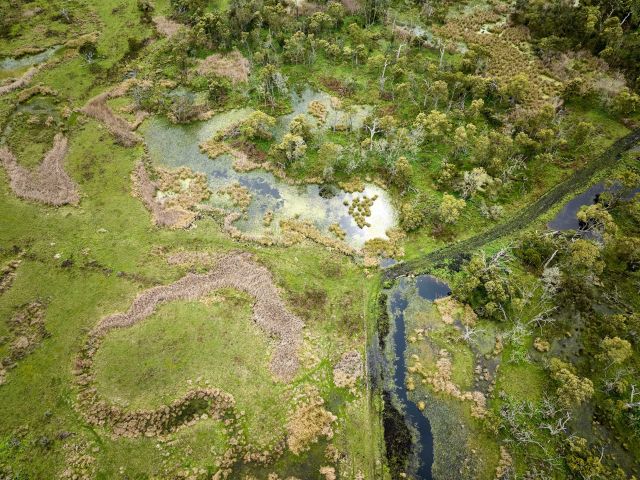
Budj Bim Cultural Landscape is on Gunditjmara Country. (Image: Visit Victoria)
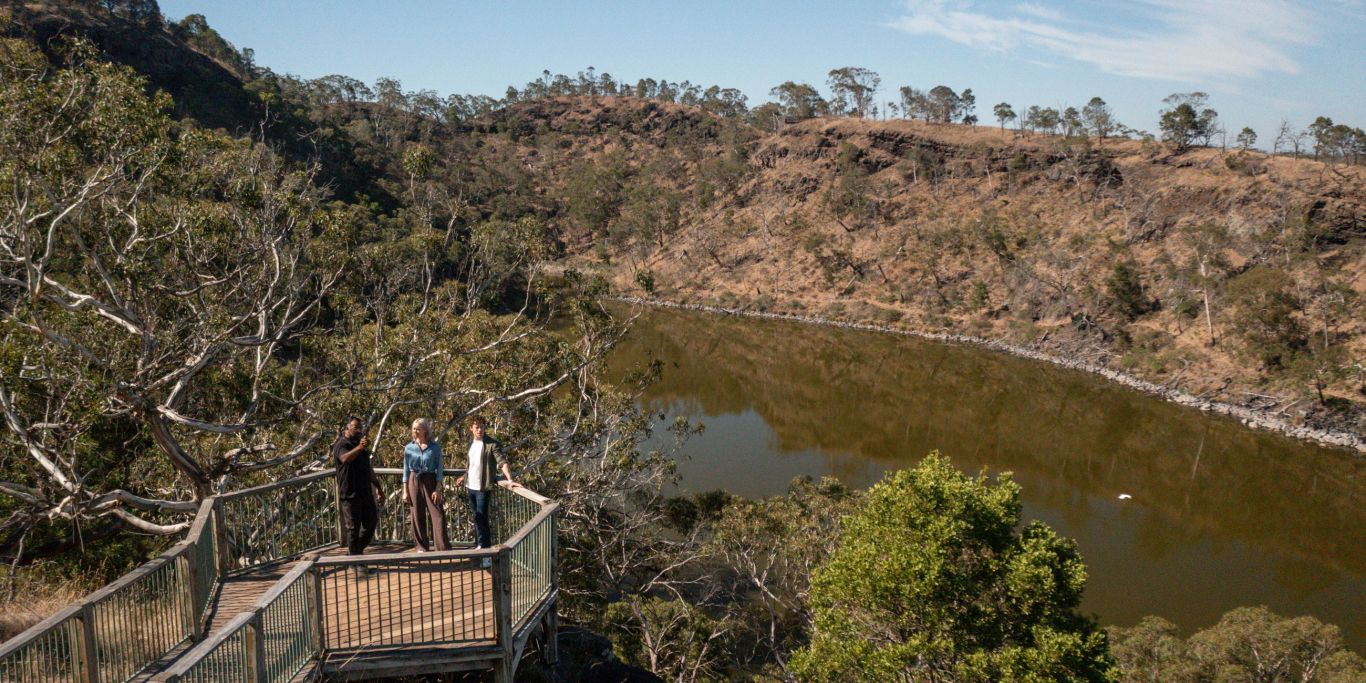
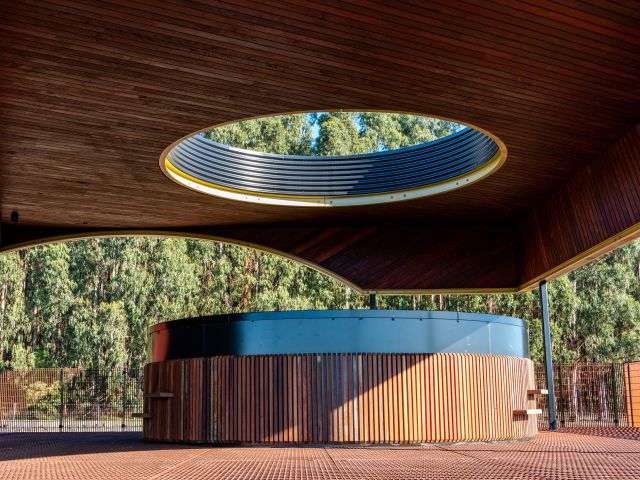
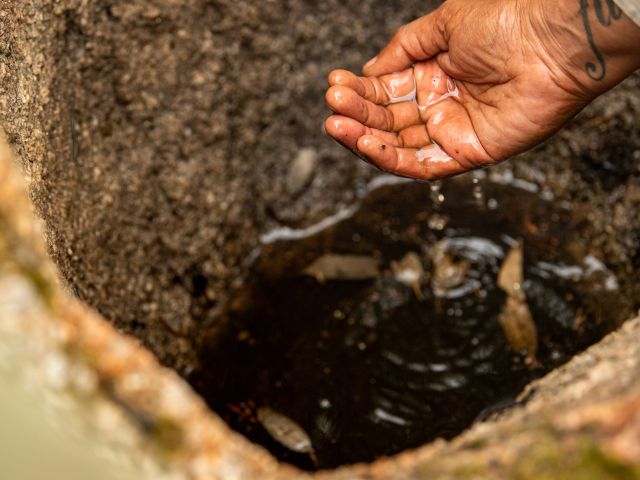
Venture beyond the surf and sand of the Great Ocean Road to discover a deeper story etched into the volcanic landscape. At Budj Bim, ancient aquaculture channels built by the Gunditjmara people to trap, store and harvest kooyang (short-finned eel) reveal one of the world’s oldest living cultures. While you’re in the area, head over to the state-of-the-art Tae Rak Aquaculture Centre, where you can observe the eels in a special tank, wander the shores of Tae Rak (Lake Condah), and enjoy a bite at the Bush Tucker Cafe. Also nearby is Tower Hill, a dormant volcano reborn as a wildlife reserve, offering trails through bushland teeming with emus and koalas.
The kooyang (eel) tank at Tae Rak. (Image: Visit Victoria)
Dumawul Kooyoora Walking Tour
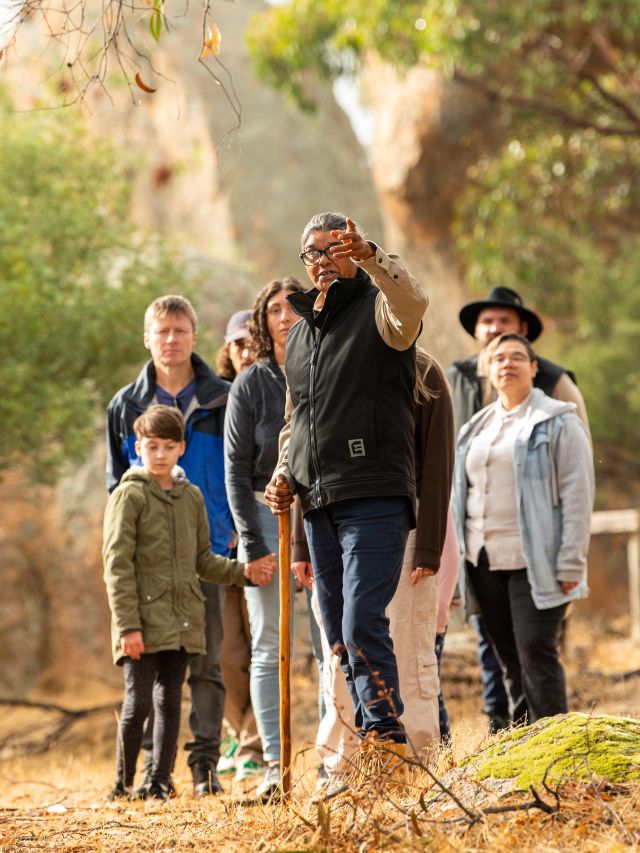
Guests are guided through Kooyoora State Park on the Dumawul walking tour. (Image: Visit Victoria)
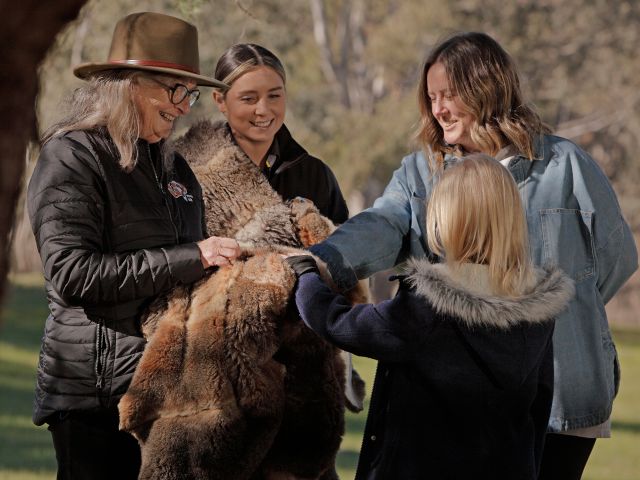
Step into a timeless landscape with Dumawul’s guided tour through Kooyoora State Park, around an hour’s drive west of Bendigo in north-central Victoria. Led by Djaara guides, this immersive half-day journey breathes life into Country, weaving together stories, bush tucker and ancient rock art. Known to the Dja Dja Wurrung people as Guyura – the ‘mountain of light’ – this dramatic granite range is rich with cultural and spiritual significance. The adventure begins with a meet-up at the Bridgewater Hotel on the banks of the Loddon River, before guests are welcomed onto Country with a traditional Smoking Ceremony – a powerful ritual that honours ancestors and cleanses those who walk the land. From there, it’s a gentle wander through rugged outcrops and open bushland, with sweeping vistas unfolding at every turn. Along the way, guides share their knowledge of how the Dja Dja Wurrung peoples have cared for and adapted with this land for generations, offering a rare and moving window into an ancient way of life that continues to thrive today.
Knowledge of the Dja Dja Wurrung is shared on the trail. (Image: Visit Victoria)
Kingfisher Cruises
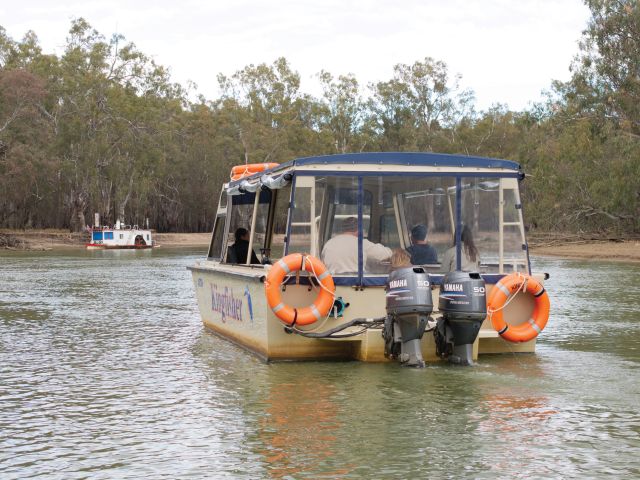
Cruising the Murray with Kingfisher Cruises. (Image: Visit Victoria)
Glide quietly through the Barmah-Millewa forest – the nation’s largest river red gum ecosystem – on a scenic journey along the Murray River and into the Barmah Lakes with Kingfisher Cruises. Led by passionate guides who share stories of the cultural significance of this ancient landscape, these cruises reveal the stories, totems and traditional knowledge of the Yorta Yorta people. As you navigate narrow waterways and spot native birds, you’ll gain a richer understanding of how First Peoples have lived in harmony with this floodplain for tens of thousands of years. It’s a gentle, immersive experience that leaves a lasting impression – one where every bend in the river carries echoes of culture, connection and Country.
wawa biik
Exploring Nagambie with Taungurung leaders. (Image: Visit Victoria)
Translating to ‘hello, Country’ in the language of the First Nations People and Custodians of the rivers and mountains of Taungurung Country in Central Victoria, wawa biik guides a range of authentic and deeply immersive experiences. Leaving from either Nagambie or Euroa, the tours are woven with ancient stories of the Taungurung, telling how a sustained connection and responsibility ensures the continued health of biik – benefitting the people, animals and plants that live in and around the Goulburn River. During the wawa Nagambie experience, guests participate in a Welcome Smoking Ceremony, and enjoy lunch and conversation with two Taungurung leaders as they cruise through the wetlands of tabilk-tabilk (place of many waterholes). The 4.5-hour tour begins at Tahbilk Winery, which is set in the wetlands of Nagambie on Taungurung Country and collaborates with Taungurung Elders to share knowledge of biik.
Bataluk Cultural Trail
Cape Conran on the Bataluk Trail. (Image: Visit Victoria)
The Bataluk Cultural Trail winds through East Gippsland like a thread stitching past to present, tracing the deep connection between the Gunaikurnai people and their land. Starting at the Knob Reserve in Stratford, visitors walk among scarred trees and ancient stone tools once used for survival and ceremony. At the Den of Nargun near Mitchell River, the earth holds stories of women’s sacred spaces, cloaked in myth and legend. Further along, Legend Rock at Metung tells of greed and consequence, its surface etched with ancient lore. At Cape Conran, shell middens lie scattered like breadcrumbs of history – 10,000 years of gatherings, stories and saltwater songs still echoing in the wind.
Healesville Sanctuary
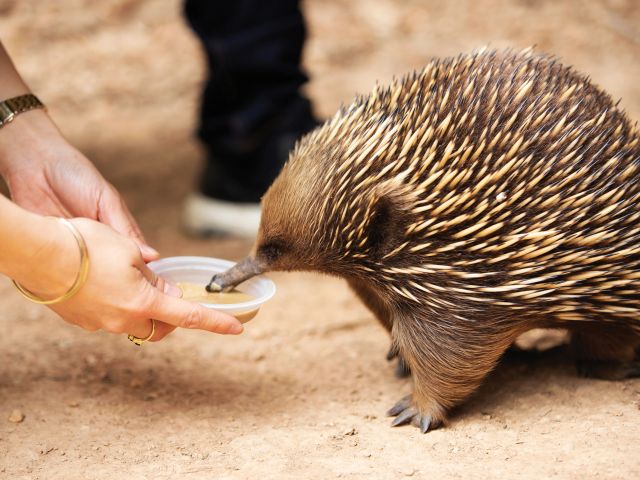
Get up close with a resident echidna at Healesville Sanctuary. (Image: Visit Victoria)
Set on the historic grounds of Coranderrk Aboriginal Station, Healesville Sanctuary honours the Wurundjeri people of the Kulin Nation through immersive storytelling and connection to Country. Along Wurundjeri Walk, visitors are invited to reflect on the land’s rich First Peoples history, with native plants revealing their traditional uses. Wurundjeri Elder and educator Murrundindi shares culture in-person with the Wominjeka Aboriginal Cultural Experience every Sunday, and most days during Victorian school holidays. Murrundindi’s smoking ceremonies, storytelling and bush tucker knowledge reveal the sacred relationship between people, animals and the environment. Bird-lovers can’t miss the incredible Spirits of the Sky show featuring native birds daily at 12pm and 3pm.
The Grampians
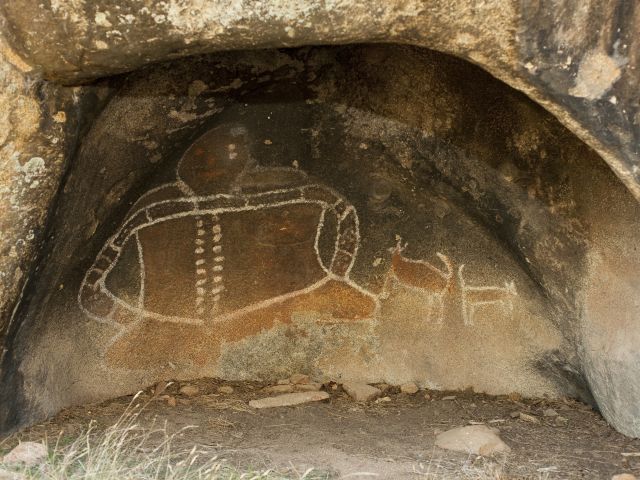
Rock art at Bunjil Shelter in The Grampians. (Image: Visit Victoria)
Known as Gariwerd to Traditional Owners, the Grampians is a place of immense cultural and spiritual significance. This rugged landscape holds more than 80 per cent of Victoria’s known First Peoples rock art, offering a powerful window into the region’s deep heritage. Visitors can respectfully explore five remarkable rock art sites: Billimina and Ngamadjidj in the Wartook Valley, Manja Shelter near Hamilton, Gulgurn Manja shelter near Laharum, and the Bunjil Shelter near Stawell, where the creator spirit is depicted. Each site tells a unique story of connection to Country, shared through ancient handprints, dancing figures and Dreaming narratives etched into stone.