hero media

The off-grid pod on the Great Ocean Road that has kangaroos grazing at your window

A stay at Sky Pods in the Otways proves you don’t need four walls and a minibar to feel completely spoiled – sometimes all you need is a glass box on a cliff and a fire. 

By the time my sister and I rolled into Cape Otway, we’d already had a big couple of days on the Great Ocean Road – koalas at Tower Hill, the Bay of Islands, more limestone cliffs than we could count. I figured nothing was going to top it. Then we pulled up to Sky Pods, and I was wrong. This is the night I keep bringing up to anyone who’ll listen. 

Where is Sky Pods?

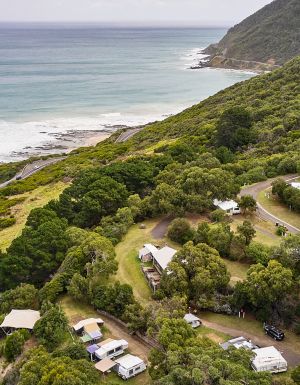
Sky Pods sits on an 80-hectare, off-grid wildlife refuge on the rugged Cape Otway coastline, tucked into the Otways not far from the Great Ocean Walk, Station Beach and Rainbow Falls. It’s remote in the best possible way – expect a proper unsealed-road adventure to get in, and stock up on supplies before you arrive, because there’s no popping out for milk once you’re here. That isolation is exactly the point. You’re not staying near the coast so much as staying in it, with the Southern Ocean rolling out below and rainforest pressing in around you. 

What is the style and character of Sky Pods?
Sky Pods windows
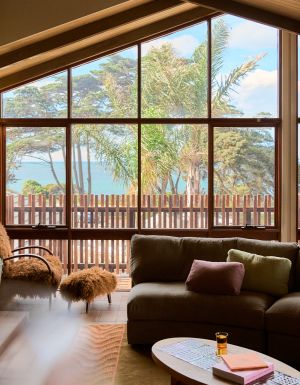
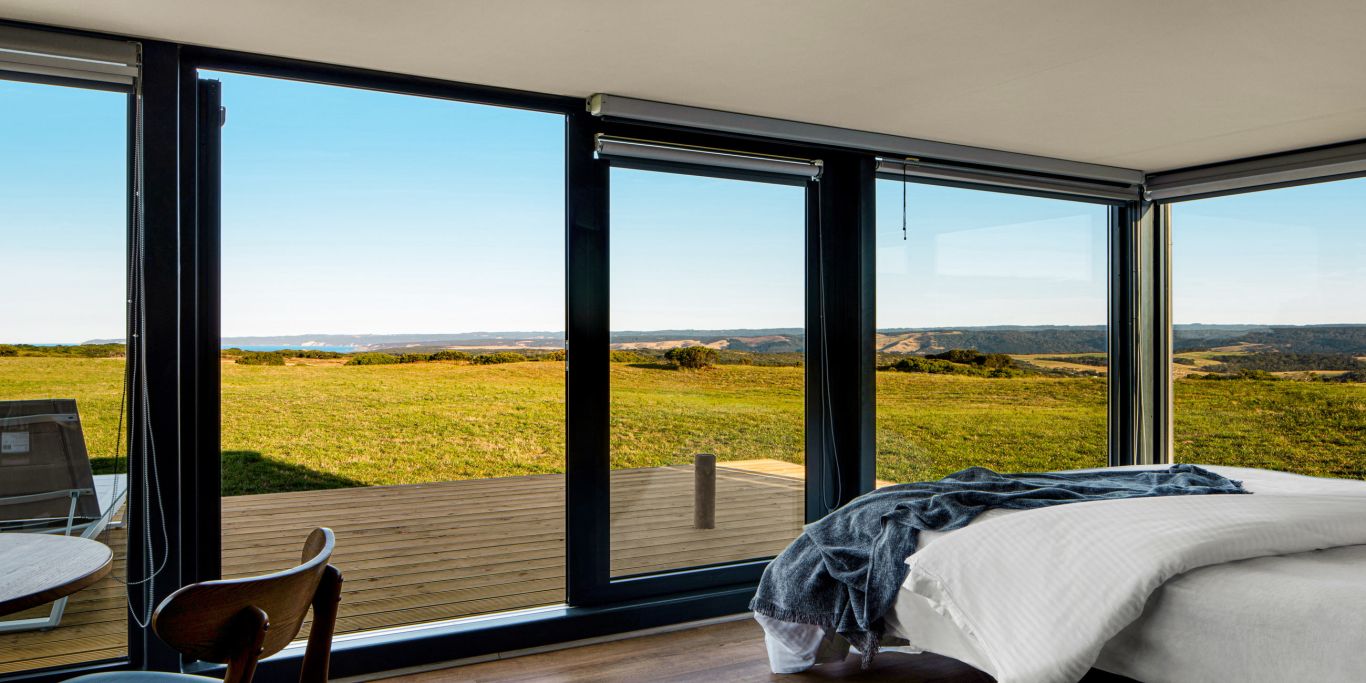
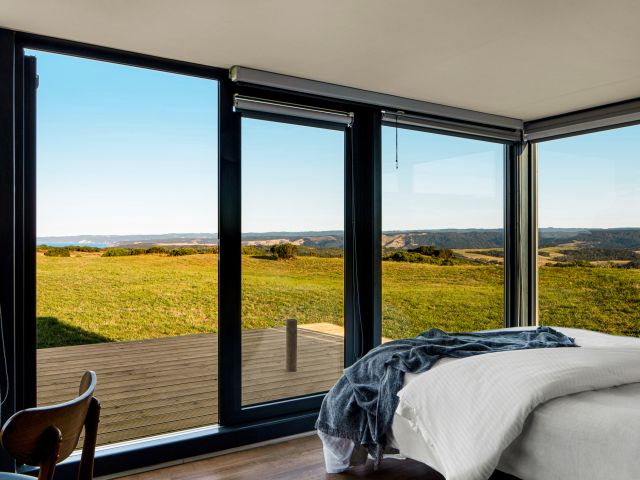
The floor-to-ceiling windows give you sweeping views of surrounding nature.

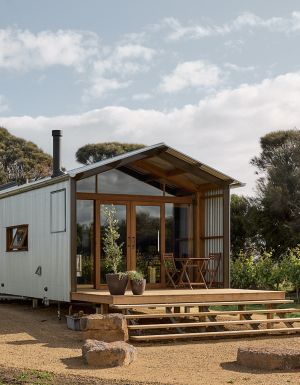
This is barely-there, let-the-view-do-the-talking design. The pods are architecturally designed, solar-powered and fully self-sufficient, built with sustainability at their core without skimping on comfort. Floor-to-ceiling glass walls on nearly every side blur the line between inside and out, so wherever you’re sitting, you’re essentially sitting in the landscape. It’s minimalist without feeling stark – more “luxurious bushland retreat" than “rustic cabin." The owners have spent the past decade rewilding the property, planting more than 60,000 native trees, including manna gums, and that ethos runs through everything: this is a place built to get you out of your head and into the bush, not to distract you from it. 

What facilities does Sky Pods have?

Because the pods are fully self-contained, “facilities" mostly means everything you need is already inside your own four glass walls. Each pod comes with a fully equipped kitchen (there’s a stovetop and microwave but no oven), reverse cycle air-conditioning, a 254-centimetre projector screen with a Chromecast and Bluetooth speaker, and enough privacy that you genuinely forget anyone else exists.  

Wi-fi is available, though data is capped, which honestly just adds to the appeal – you’re not exactly reaching for your phone when there’s a mob of kangaroos grazing outside the window. A private walking trail leads down to Station Beach and Rainbow Falls if you want to get amongst the coast itself, and being off grid means water and power are things you’re gently asked to be mindful of, without it ever feeling like a hardship. 

Need tips, more detail or itinerary ideas tailored to you? Ask AT.

AI Prompt

What are the rooms like at Sky Pods? 
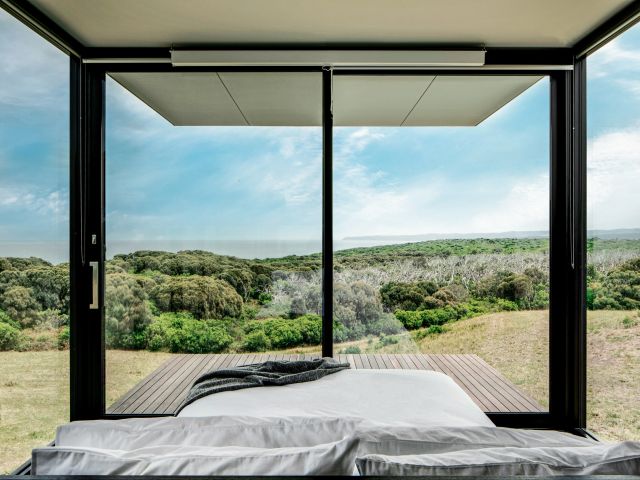
Sky Pods accommodation in Cape Otway
There’s no better place to switch off.

Our pod was perched near the cliff, and it’s a spot that can apparently get seriously windy – we just got lucky with a dead-still evening. Inside, it was warm, well-appointed and dressed for actual comfort: proper linen, heating and glass walls giving us a front-row seat to a huge, empty property with kangaroos wandering past like they owned the place (they basically do). We sat by the fire, cooked dinner, and just watched the light change over the bush. It’s compact rather than sprawling, but when the whole point is to look outward, you don’t need much more than a bed, a kitchen and that view. 

What is the dining like at Sky Pods? 

There’s no restaurant or cellar door here – you’re the chef for the night. Each pod has a fully equipped kitchen, so the plan is to stock up on supplies at Apollo Bay (about 30 minutes away) on your way in, then cook, relax and repeat. The joy of Sky Pods is being tucked away with everything you need and nowhere else to be. 

Does Sky Pods have access for guests with disabilities?
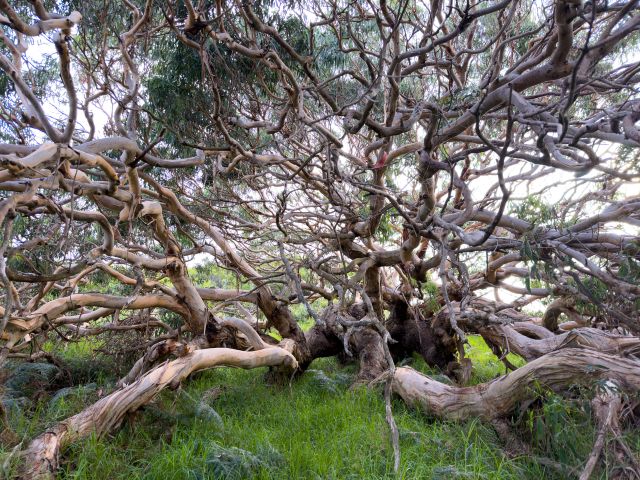
Skypods tree
Sky Pods is on a remote, off-grid property. (Credit: Emily Murphy)

This one’s worth checking directly before booking. Sky Pods is on a remote, off-grid property accessed via unsealed roads, and accessibility features like wheelchair access aren’t specified as available. Given the nature of the site, it’s best to get in touch with the team ahead of time to talk through any specific mobility needs. 

Weekly travel news, experiences
insider tips, offers, and more.

Is Sky Pods family-friendly?

No – each pod is designed for two. This is a couples’ escape or, in our case, a sister trip, built for people who want total quiet. If you’re after a family-friendly base on the Great Ocean Road, this isn’t it, but for a romantic reset or a girls’ getaway, it’s close to perfect. 

Details 
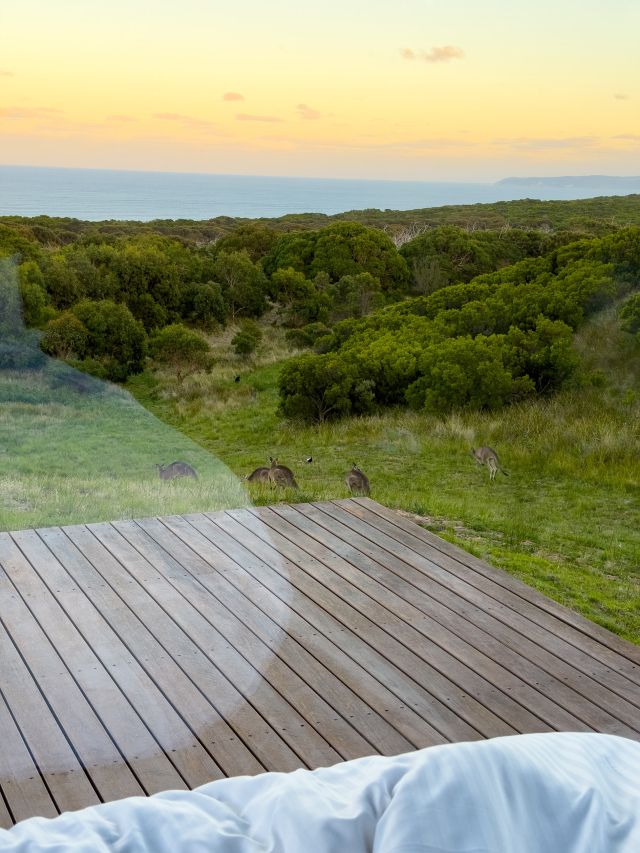
Sky Pods kangaroos
Wake up to kangaroos in front of your pod. (Credit: Emily Murphy)

Best for: Couples or friends after total seclusion, wildlife encounters and a genuine off-grid reset on the Great Ocean Road. 

Address: 86 Manna Gum Drive, Cape Otway, Vic 

Phone: 0417 599 805 

Cost: From around $400 per night depending on the pod, with a minimum two-night stay generally required; rates vary by season. 

Want to see more stories from Australian Traveller in your Google search results?

  1. Click here to set Australian Traveller as a preferred source.
  2. Tick the box next to "Australian Traveller". That's it.
Emily Murphy
Emily Murphy is Australian Traveller's Email & Social Editor, and in her 4+ years at the company she has been instrumental in shaping its social media and email presence, and crafting compelling narratives that inspire others to explore Australia's vast landscapes. Her previous role was a journalist at Prime Creative Media and before that she was freelancing in publishing, content creation and digital marketing. When she's not creating scroll-stopping travel content, Em is a devoted 'bun mum' and enjoys spending her spare time by the sea, reading, binge-watching a good TV show and exploring Sydney's vibrant dining scene. Next on her Aussie travel wish list? South Australia and The Kimberley.
View profile and articles
hero media

The Macedon Ranges is Victoria’s best-kept food and wine secret

    Emily McAuliffe Emily McAuliffe
    Located just an hour north-west of Melbourne, the largely undiscovered Macedon Ranges quietly pours some of Australia’s finest cool-climate wines and serves up some of Victoria’s best food.

    Mention the Macedon Ranges and most people will think of day spas and mineral springs around Daylesford, cosy weekends away in the countryside or the famous Hanging Rock (of enigmatic picnic fame). Or they won’t have heard of the Macedon Ranges at all.

    But this cool-climate destination has been inconspicuously building a profile as a high-quality food and wine region and is beginning to draw serious attention from oenophiles and epicureans alike.

    The rise of Macedon Ranges wine

    liquid gold barrels at Kyneton Ridge Estate Winery
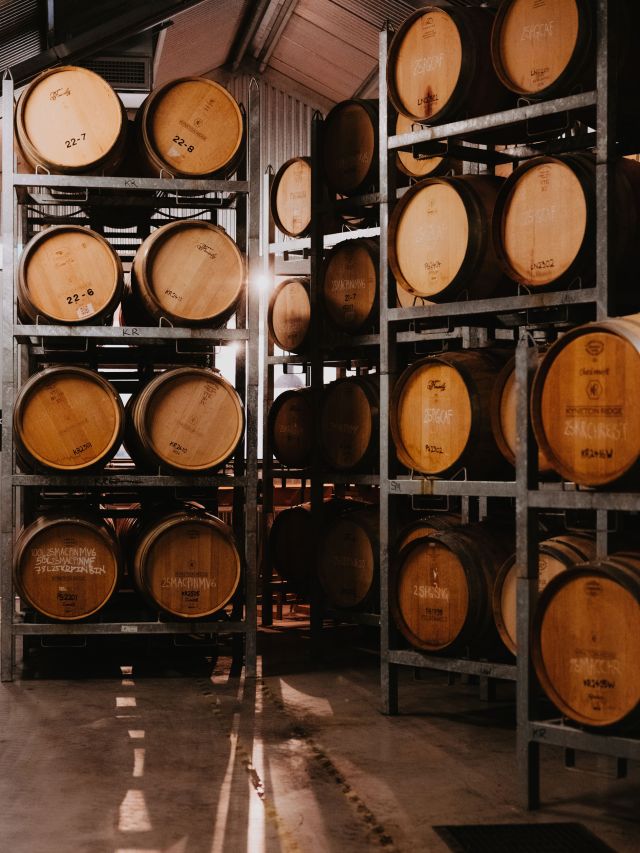
    Barrels of liquid gold at Kyneton Ridge Estate Winery. (Image: Chloe Smith Photography)

    With elevations ranging from 300 to 800 metres, Macedon Ranges vineyards are among the highest in the country. This altitude, combined with significant day/night temperature swings, makes for a slow ripening season, in turn nurturing wines that embody elegance and structure. Think crisp chardonnays, subtle yet complex pinot noirs and delicate sparkling wines, along with niche varietals, such as gamay and nebbiolo.

    Despite the region’s natural advantages – which vary from estate to estate, as each site embodies unique terroir depending on its position in relation to the Great Dividing Range, soil make-up and altitude – the Macedon Ranges has remained something of an insider’s secret. Unlike Victoria’s Yarra Valley or Mornington Peninsula, you won’t find large tour buses here and there’s no mass marketing drawing crowds.

    Many of the 40-odd wineries are family-run operations with modest yields, meaning the wineries maintain a personal touch (if you visit a cellar door, you’ll likely chat to the owner or winemaker themselves) and a tight sales circle that often doesn’t go far beyond said cellar door. And that’s part of the charm.

    Though wines from the Macedon Ranges are just starting to gain more widespread recognition in Australia, the first vines were planted in the 1860s, with a handful of operators then setting up business in the 1970s and ’80s. The industry surged again in the 1990s and early 2000s with the entry of wineries, such as Mount Towrong, which has an Italian slant in both its wine and food offering, and Curly Flat, now one of the largest estates.

    Meet the new generation of local winemakers

    the Clydesdale barn at Paramoor.
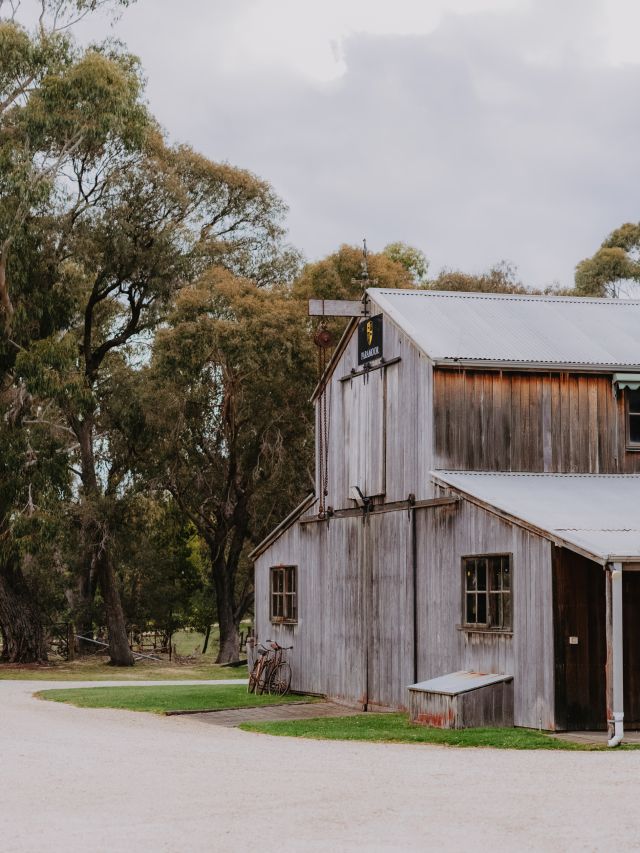
    The Clydesdale barn at Paramoor. (Image: Chloe Smith Photography)

    Then, within the last 15 years, a new crop of vignerons like Andrew Wood at Kyneton Ridge Estate, whose vineyard in 2024 was the first in the Macedon Ranges to be certified by Sustainable Winegrowing Australia; Geoff Plahn and Samantha Reid at Paramoor, who have an impressive cellar door with a roaring fire and studded leather couches in an old Clydesdale barn; and Ollie Rapson and Renata Morello at Lyons Will, who rapidly expanded a small vineyard to focus on top-shelf riesling, gamay, pinot noir and chardonnay, have taken ownership of local estates.

    Going back to the early days, Llew Knight’s family was one of the pioneers of the 1970s, replacing sheep with vines at Granite Hills when the wool industry dwindled. Knight is proud of the fact that all their wines are made with grapes from their estate, including a light, peppery shiraz (some Macedon wineries purchase fruit from nearby warmer areas, such as Heathcote, particularly to make shiraz) and a European-style grüner veltliner. And, as many other wineries in the region do, he relies on natural acid for balance, rather than an additive, which is often required in warmer regions. “It’s all about understanding and respecting your climate to get the best out of your wines,” he says.

    farm animals atKyneton Ridge Estate
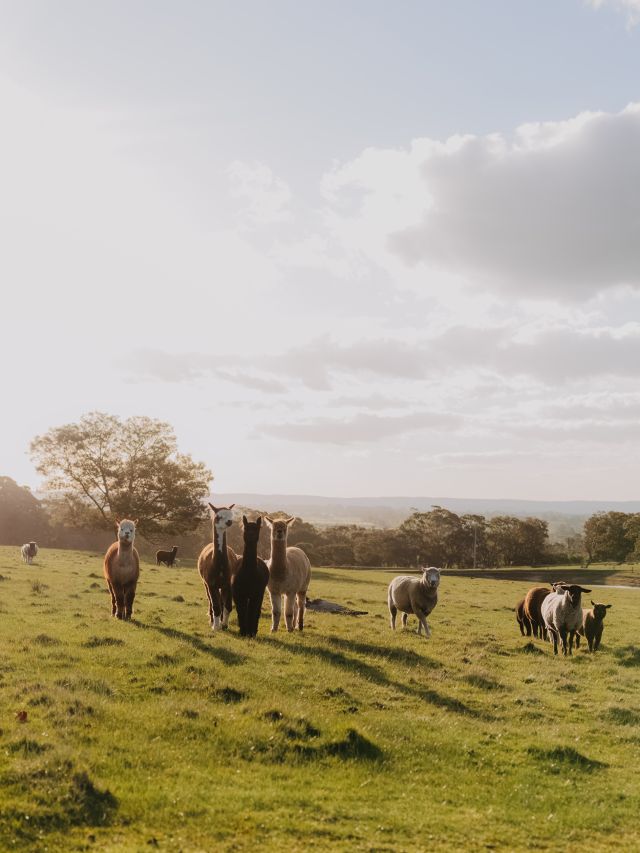
    Curious residents at Kyneton Ridge Estate. (Image: Chloe Smith Photography)

    Throughout the Macedon Ranges, there’s a growing focus on sustainability and natural and low-intervention wines, with producers, such as Brian Martin at Hunter Gatherer making waves in regenerative viticulture. Martin previously worked in senior roles at Australia’s largest sparkling winemaking facility, and now applies that expertise and his own nous to natural, hands‑off, wild-fermented wines, including pét‑nat, riesling and pinot noir. “Wild fermentation brings more complexity,” he says. “Instead of introducing one species of yeast, you can have thousands and they add different characteristics to the wine.”

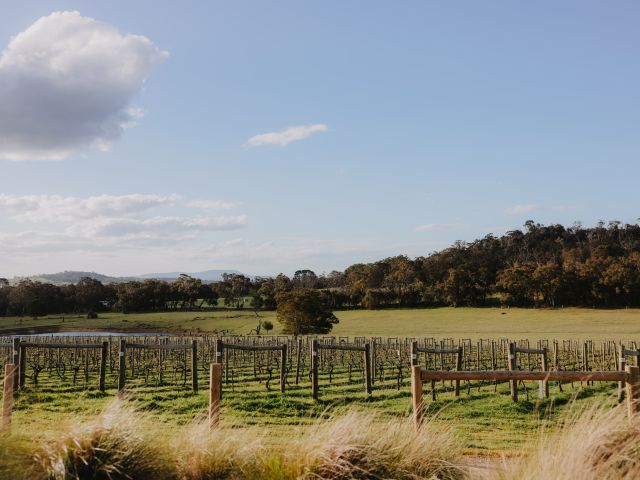
    the vineyard at Kyneton Ridge Estate Winery
    The estate’s vineyard, where cool-climate grapes are grown. (Image: Chloe Smith Photography)

    Most producers also focus on nurturing their grapes in-field and prune and pick by hand, thus avoiding the introduction of impurities and the need to meddle too much in the winery. “The better the quality of the fruit, the less you have to interfere with the natural winemaking process,” says Wood.

    Given the small yields, there’s also little room for error, meaning producers place immense focus on quality. “You’re never going to compete in the middle [in a small region] – you’ve got to aim for the top,” says Curly Flat owner Jeni Kolkka. “Big wineries try to do things as fast as possible, but we’re in no rush,” adds Troy Walsh, owner and winemaker at Attwoods. “We don’t use commercial yeasts; everything is hand-harvested and everything is bottled here, so we bottle only when we’re ready, not when a big truck arrives.” That’s why, when you do see a Macedon Ranges product on a restaurant wine list, it’s usually towards the pointy end.

    Come for the wine, stay for the food

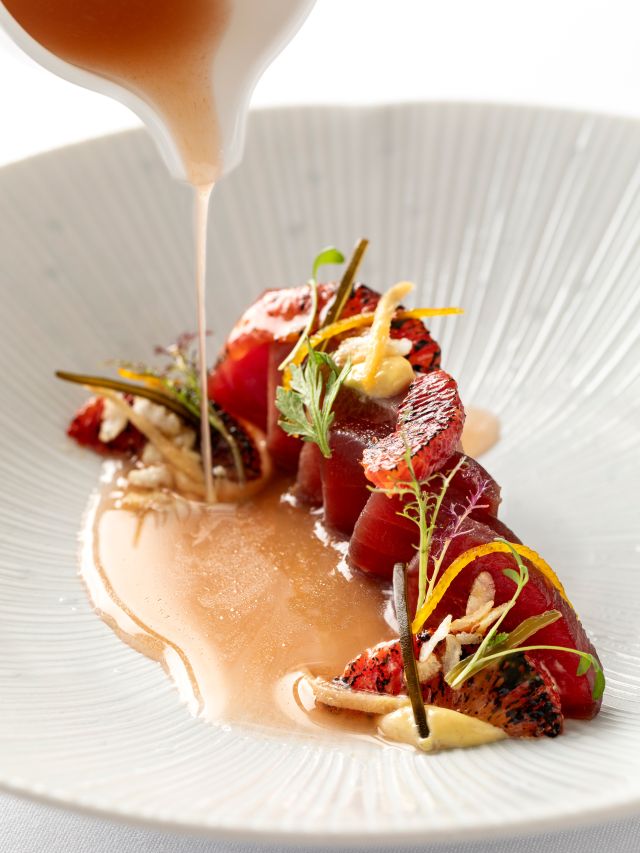
    pouring sauce onto a dish at Lake HouseDaylesford
    Dining at Lake House Daylesford is a treat. (Image: Chloe Smith Photography)

    If wine is the quiet achiever of the Macedon Ranges, then food is its not-so-secret weapon. In fact, the area has more hatted restaurants than any other region in Victoria. A pioneer of the area’s gourmet food movement is region cheerleader Alla Wolf-Tasker, culinary icon and founder of Daylesford’s Lake House.

    For more than three decades, Wolf-Tasker has championed local producers and helped define what regional fine dining can look like in Australia. Her influence is palpable, not just in the two-hatted Lake House kitchen, but in the broader ethos of the region’s dining scene, as a wave of high-quality restaurants have followed her lead to become true destination diners.

    the Midnight Starling restaurant in Kyneton Ridge Estate Winery
    The hatted Midnight Starling restaurant is located in Kyneton. (Image: Chloe Smith Photography)

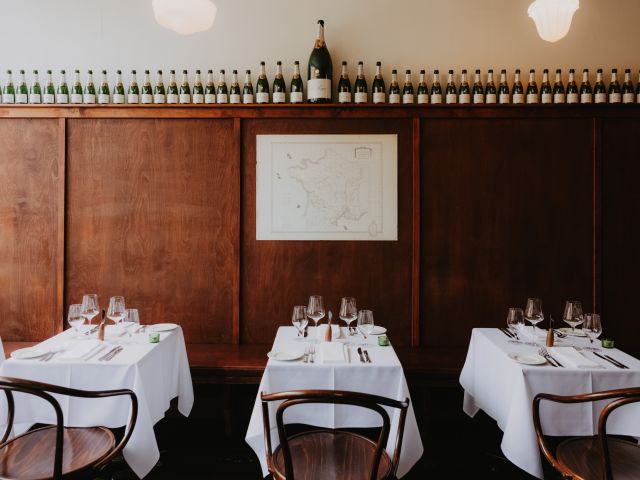
    It’s easy to eat well, whether at other hatted restaurants, such as Midnight Starling in the quaint town of Kyneton, or at the wineries themselves, like Le Bouchon at Attwoods, where Walsh is inspired by his time working in France in both his food offering and winemaking.

    The beauty of dining and wine touring in the Macedon Ranges is that it feels intimate and unhurried. You’re likely to meet the winemaker, hear about the trials of the latest vintage firsthand, and taste wines that never make it to city shelves. And that’s worth getting out of the city for – even if it is just an hour down the road.

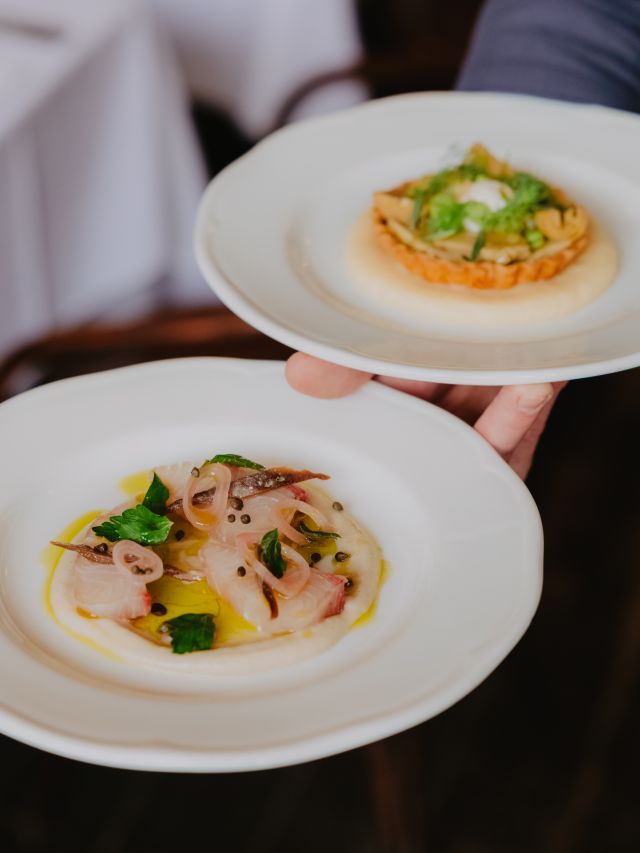
    dishes on the menu at Midnight Starling
    Delicate dishes on the menu at Midnight Starling. (Image: Chloe Smith Photography)

    A traveller’s checklist

    Staying there

    the accommodation at Cleveland Estate, Macedon Ranges
    Stay at the Cleveland Estate. (Image: Chloe Smith Photography)

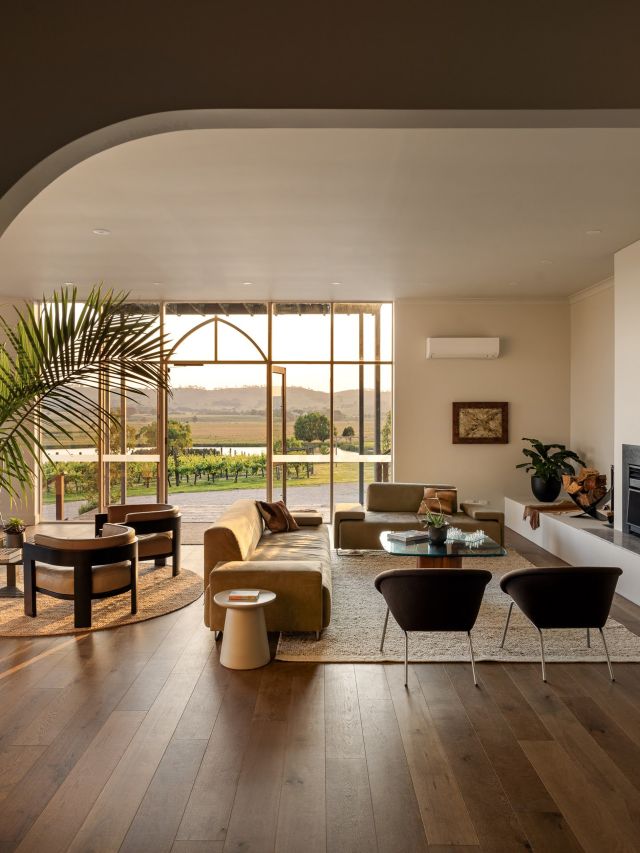
    Soak up vineyard views from Cleveland Estate near Lancefield, embrace retro charm at Kyneton Springs Motel or indulge in lakeside luxury at the Lake House.

    Eating there

    Enjoy a four-course menu at the one-hatted Surly Goat in Hepburn Springs, Japanese-inspired fare at Kuzu in Woodend or unpretentious fine dining at Mount Monument, which also has a sculpture park.

    Drinking there

    wine tasting at PassingClouds Winery, Macedon Ranges
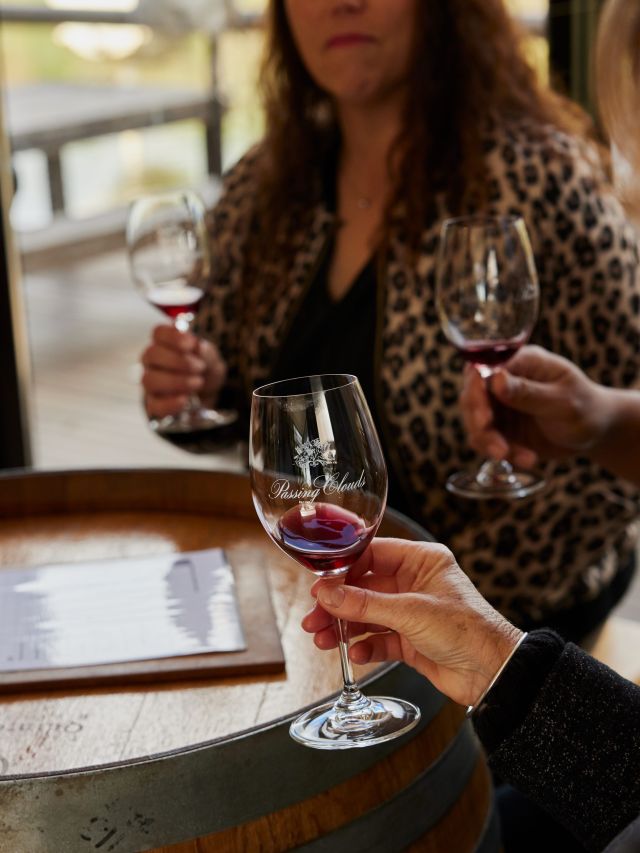
    A tasting at Passing Clouds Winery. (Image: Chloe Smith Photography)

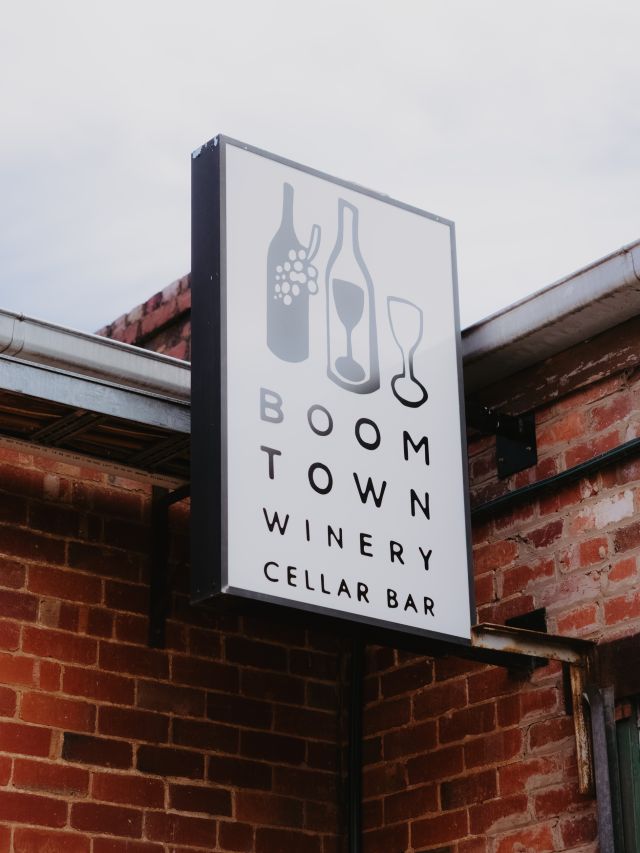
    Settle in for a tasting at Boomtown in Castlemaine, sample local drops at the cosy Woodend Cellar & Bar or wine-hop around the many cellar doors, such as Passing Clouds.

    the Boomtown Winery and Cellar Bar signage
    Boomtown Winery and Cellar Bar. (Image: Chloe Smith Photography)

    Playing there

    a scenic river in Castlemaine
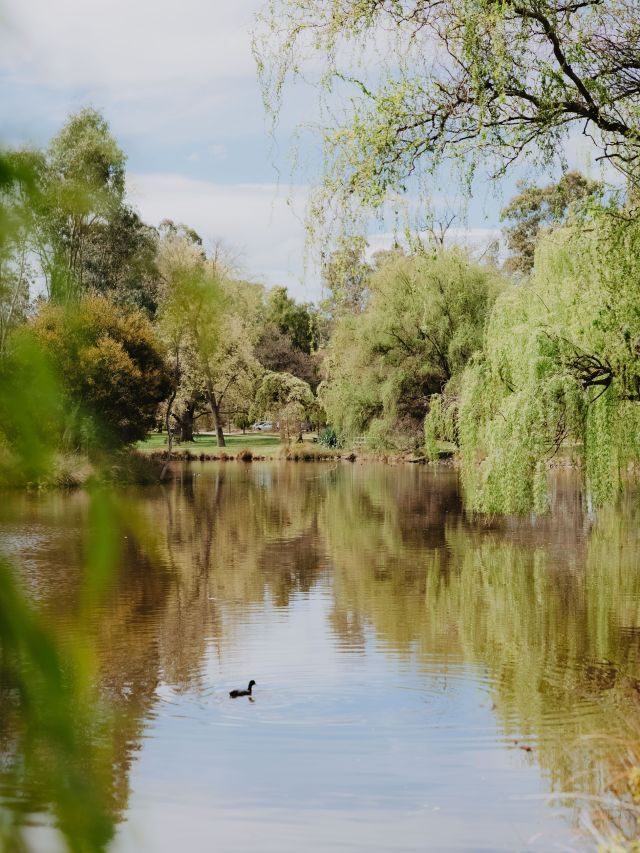
    Idyllic scenes at Castlemaine. (Image: Chloe Smith Photography)

    Wander through the seasonal splendour of Forest Glade Gardens, hike to the summit of Hanging Rock, or stroll around the tranquil Sanatorium Lake.

    purple flowers hanging from a tree
    Purple flowers hanging from a tree. (Image: Chloe Smith Photography)