hero media

This underrated coastal city has hot springs, shipwrecks and vintage shopping

(Credit: Tourism Australia)

While Warrnambool may be considered the last stop on the Great Ocean Road, the adventure is just beginning.

Leave some energy (and petrol) in the tank, because there are plenty of things to do and see in Warrnambool. Immerse yourself in its maritime history, explore its spectacular natural beauty, or dip into its lively arts and culture. There’s something here for every traveller, so pick your favourites from our list and start planning. And if you’re looking for somewhere to stay, we’ve rounded up the best accommodations options in the area.

In Short

If you only do one thing in Warrnambool, make it visiting the Thunder Point lookout. You’ll be rewarded with spectacular views of the ocean and rugged coastline, and it’s a prime spot to watch the sun go down.

Spend the afternoon at Lake Pertobe

motor boats moored at Lake Pertobe
Hire colourful motor boats on Lake Pertobe. (Credit: Lake Pertobe Motor Boats Hire)

There’s honestly something for everyone at the picturesque Lake Pertobe. Whether you’re here for the epic adventure playground (complete with maze, flying fox and water play area), a paddle on the lake or a BBQ picnic, you can easily while away an entire day. Our suggestion? Hiring one of the charmingly colourful motor boats from the family-owned business on the lake’s edge (check their Facebook for opening times). On-site facilities include toilets, seating areas, BBQs and free parking.

Best for: Everyone

Relax at the hot springs
the sensory cave at Deep Blue Hot Springs, Warrnambool
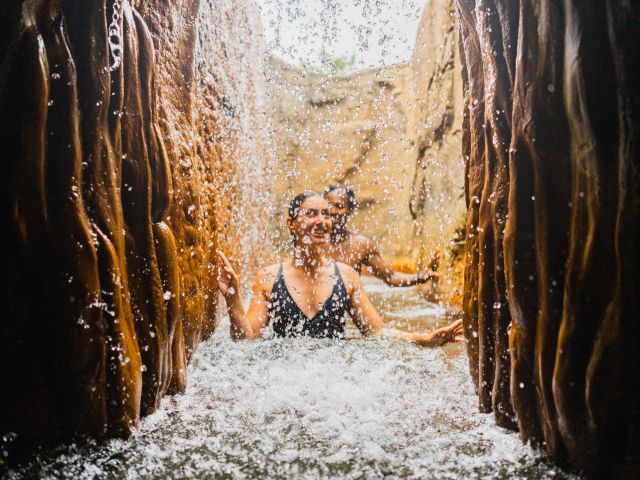
Chill out in a sensory cave. (Credit: Visit Victoria)

Set amongst a lush, natural environment with the scent of jasmine in the air, Deep Blue Hot Springs is home to a network of natural geothermal springs. Leave your worries behind as you pool-hop your way through sensory caves and rockpools, where the mineral-rich waters soothe both the mind and tight muscles, then break for lunch at the on-site Tides Café, Bar and Restaurant. You do need to pay extra for a locker, towel and robe, so consider bringing your own towel if you want to save a little cash.

Best for: Wellness lovers
Opening hours: 7am–9.30pm daily

Cycle the Warrnambool Foreshore Promenade

a surfer at the Warrnambool Foreshore Promenade
Warrnambool Foreshore Promenade is located near popular surfing spots. (Credit: Visit Victoria)

The Warrnambool Foreshore Promenade runs from the Breakwater to Point Ritchie, following the curve of Lady Bay. If you’re not much of a cyclist, that’s perfectly fine – you can walk, run, or even rollerblade along the sealed path while taking in the sweeping coastal views.

Best for: Cyclists and active holiday goers 

Enjoy stunning views from Thunder Point

Named for the sound of waves crashing against the rocks, Thunder Point offers an incredible vantage point to admire the forces of nature and watch the sun set over the Southern Ocean. It’s a short, easy walk to the lookouts from the car park, but it can get very windy; if you’re coming here for sunset, make sure to bring an extra layer.

Best for: Photographers and nature lovers

Explore the Shipwreck Coast by boat

Mako Ocean Adventures' boat at sea
Traverse 45 kilometres of coastline with Mako Ocean Adventures.

Join a tour with Mako Ocean Adventures to explore the Shipwreck Coast, named for the hundreds of vessels wrecked along the dangerous stretch of coastline over the centuries. Tours range from the family-friendly 45min Discovery Tour, to the popular Antares, Bay of Islands tour, where over 2.5 hours you’ll traverse 45 kilometres of coastline, including the Bay of Islands coastal reserve, Gauls Caves, and Bertrams Bay Magic Rock. With parts of the coast only accessible by boat, this is worth booking in.

Best for: History buffs

Need tips, more detail or itinerary ideas tailored to you? Ask AT.

AI Prompt

Go to the Flagstaff Hill Maritime Village

the Flagstaff Hill Maritime Village lighthouse
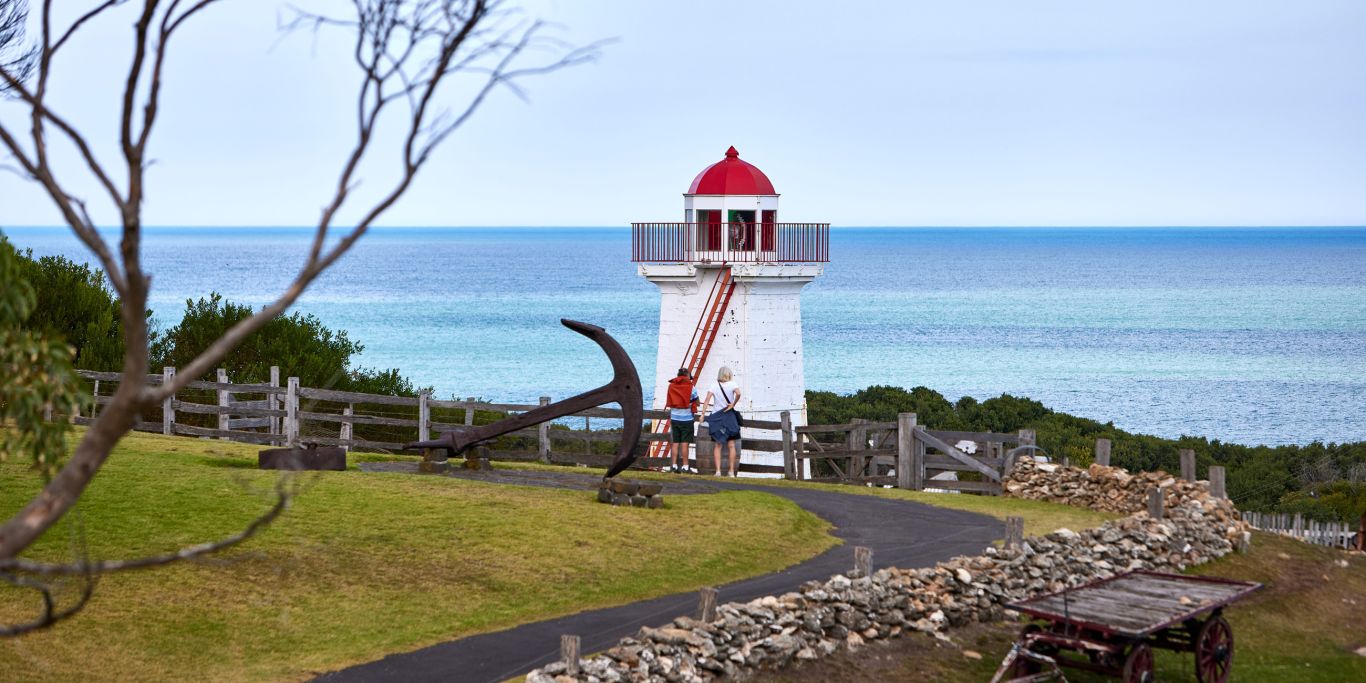
Climb to the top of the lighthouse for lovely ocean views. (Credit: Tourism Australia)

Step back in time to the 19th-century as you explore the cobbled streets of this historic maritime village , climb an original lighthouse and get a taste of life as it was for the first European settlers in the area. There’s a museum on site too, home to Australia’s most significant shipwreck artefact collection; stop by at 11.30am for a tour with a guide in full period costume.

Purchase a combined day and night ticket so you can return for the evening sound and light show, which covers Indigenous, whaling and shipwreck stories. Note that only the museum is wheelchair accessible; contact staff if you need mobility assistance for the evening show.

Best for: Families and history buffs
Opening hours: 9.30am–4.30pm daily (maritime village); evening show nightly at dusk

Visit the Warrnambool Botanic Gardens
the Warrnambool Botanic Gardens from above
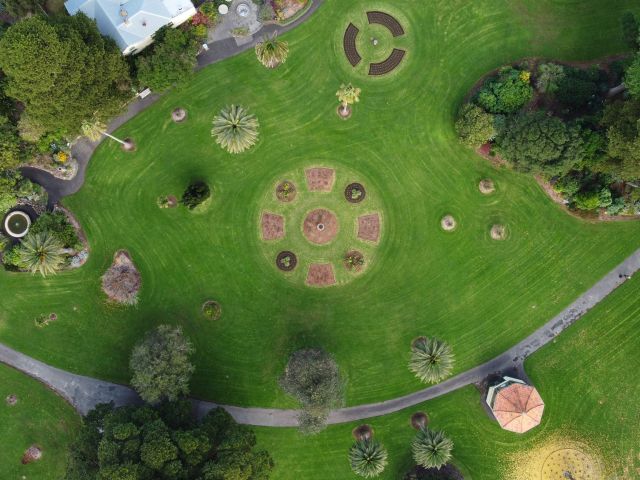
This peaceful oasis is home to beautiful mature trees.

Pack a picnic for a lazy afternoon at the Warrnambool Botanic Gardens . These peaceful, classic-style gardens are over 150 years old; designed by William Guilfoyle in 1879, who also completed the Royal Botanic Gardens in Melbourne, they’re home to beautiful mature trees (including a 1934 lone pine), a lily pond, lush lawns, a rotunda and nature play area. Keep an eye out for bats in the treetops, and if you’re lucky you might spot a turtle in the pond.

Best for: Families and garden enthusiasts

See a show at the Lighthouse Theatre

the Lighthouse Theatre exterior view
Catch a musical when you’re in Warrnambool.

With a diverse, year-round lineup of live theatre, concerts, comedy and community events, it’s worth checking out the program at the Lighthouse Theatre when you’re in town. It’s located in Warrnambool’s centre, close to restaurants and pubs: perfect for a dinner and show. Enjoy a drink in the glass-fronted foyer (which contrasts against the original town hall façade), before finding your spot in the 584-seat auditorium. Visit the event pages on their website for specific accessibility options.

Best for: Culture enthusiasts
Opening hours: Check website for shows and times

Visit Tower Hill Wildlife Reserve

Tower Hill Wildlife Reserve from above
Tower Hill Wildlife Reserve sits in a huge dormant volcano. (Credit: Visit Victoria)

Less than a 20-minute drive from Warrnambool, Tower Hill Wildlife Reserve sits inside a large – and thankfully dormant – volcano. Choose from an assortment of walking trails for all levels, and look out for koalas, emus, kangaroos, swans and other birdlife as you explore this incredible geological formation.

Best for: Hikers and nature lovers

Shop for fresh food and treasures at the markets

What says “holiday" more than a market? And Warrnambool has several to choose from . Don’t miss the Summer Night Markets during the warmer months, bustling with food trucks, local artisan and produce stalls, and live entertainment. The daily Fletcher Jones Market is perfect for those who like to hunt for unique or vintage treasures, while the twice-monthly Fresh Market at Lake Pertobe is a hub of local growers, artisans, creators and designers (and it’s on every Sunday in January).

Best for: Foodies and shoppers

Weekly travel news, experiences
insider tips, offers, and more.

Spot whales from Logans Beach

the Logan's Beach whale watching platform
Go whale watching at Logan’s Beach. (Credit: Visit Victoria)

If you’re visiting Warrnambool between June and October, you might be lucky enough to spot a whale from the viewing platform at Logans Beach . Southern Right Whales travel from Antarctic waters to this sheltered stretch of coastline every year to give birth. The accessible viewing platform is open at all times; just be patient and prepared to make multiple visits for the best chances of a sighting. Our tip? Pack binoculars and a thermos of hot coffee.

Best for: Wildlife lovers

Visit local art galleries

the entrance to the Warrnambool Art Gallery
Warrnambool Art Gallery houses an impressive collection of paintings. (Credit: Visit Victoria)

Warrnambool has a robust arts scene anchored by the Warrnambool Art Gallery , which houses a significant Australian art collection including Indigenous artefacts, colonial paintings and contemporary works, alongside temporary exhibitions (entry is free but some exhibitions may need a ticket).

The volunteer-run F Project Precinct is also worth a visit; pop into the art gallery (they have rotating exhibitions throughout the year) and browse the gift shop with original works from local creatives.

Best for: Art lovers
Opening hours: Warrnambool Art Gallery 10am–5pm Monday to Friday, 10am–3pm weekends / The F Project 10am–4pm Wednesday to Sunday

Explore the coastline’s beautiful beaches

Lady Bay is Warrnambool’s most popular beach, and as it’s sheltered and patrolled in summer, it’s a no-brainer for both swimmers and families. For those who want a quieter spot, Stingray Bay is a hidden gem with shallow pools located near the mouth of the Merri River; and while Logans Beach is known for whale watching in winter, experienced surfers also flock there year-round for its consistent waves.

Best for: Surfers, water and nature lovers

Hike the Mahogany Trail

This 22-kilometre return beach walk – for those who are up for it – is said to pass the last known resting place of the Mahogany Ship, a Portuguese ship wrecked in the 1500s (later disappearing under the sand in the late 19th century). The trail starts at Thunder Point car park and finishes at Griffiths Island car park in Port Fairy; along the way, you might spot echidnas and rare hooded plovers. If you’re attempting this hike, pack water and snacks and allow enough time – there are also access points along the way if you decide to start or stop earlier.

Best for: Hikers

Make a splash in Hopkins River

Whether you’re a keen angler, paddler, or boater, make a beeline for the Hopkins River . Flowing from the Grampians into the Southern Ocean, the calm waters in Warrnambool are lined with jetties and boat ramps, offering easy access. Cast a line for bream, estuary perch, or mullet, hire a canoe for a morning paddle, or picnic at one of the riverside reserves. How’s the serenity.

Best for: Anglers and kayakers

Jade Raykovski
Jade Raykovski is a freelance travel writer from Melbourne, Australia whose wanderlust began from immersing herself in the fantasy worlds of her favourite books as a kid. She started off her career as a graphic designer, before making the switch to copywriter, and now – in what you could say is the role she was always destined for – travel writer. Along with Australian Traveller, her bylines include National Geographic, BBC Travel, Escape and NZ Herald. And while she loves writing about home, she'll never pass up the chance to sip a spritz in Italy.
View profile and articles

From coast to bush: these are Gippsland’s best hikes

    Michael Turtle Michael Turtle

    Video credit: Tourism Australia

    From coast to mountains, hiking in Gippsland offers a stunning array of landscapes, with trails that take you deep into the region’s heritage.

    I step out onto the sand and it cries out underfoot. Kweek! I take another step and there’s another little yelp. Screet! Picking up the pace, the sounds follow me like my shadow, all the way down to the water. It’s obvious how this spot got its name – Squeaky Beach – from the rounded grains of quartz that make the distinctive sounds under pressure.

    For many, Wilsons Promontory National Park is the gateway to Gippsland , and the best way to explore it is by walking its network of hiking trails, from coastal gems such as Squeaky Beach through to the bushland, among the wildlife. But it’s still just a taste of what you’ll find on foot in the region.

    Venture a bit further into Gippsland and you’ll discover the lakes, the rainforest, and the alpine peaks, each changing with the season and offering summer strolls or winter walks. Just like that squeaky sand, each step along these trails has something to tell you: perhaps a story about an ancient spirit or a pioneering search for fortune.

    The best coastal hikes in Gippsland

    sunset at Wilsons Promontory National Park
    Wilsons Promontory National Park is a sprawling wilderness with many coastal bushland trails. (Image: Mark Watson)

    Wilsons Promontory National Park (or ‘The Prom’, as you’ll end up calling it) is an easy three-hour drive from Melbourne, but you might ditch the car when you arrive, with much of the park’s 50,000 hectares accessible only by foot. From the inky water of Tidal River (dyed dark purple by abundant tea trees), I like the easy walks along the coast, among lichen-laden granite boulders, to golden beaches and bays.

    a couple on Mount Oberon
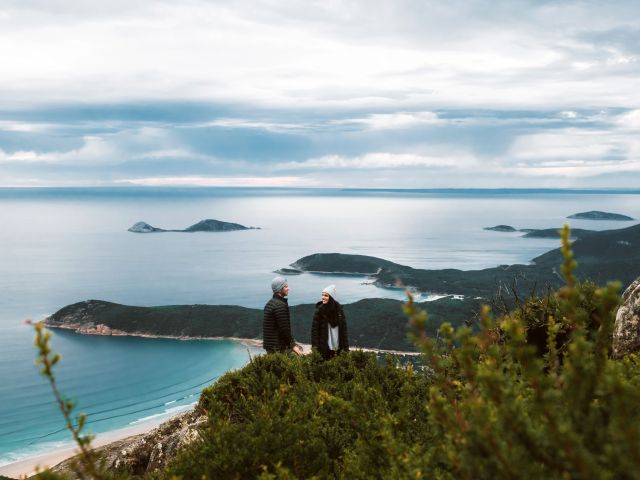
    Panoramic views from the summit of Mount Oberon. (Image: Everyday Nicky)

    The trail to the panoramic views at the summit of Mount Oberon is a bit harder, up steep timber and granite steps, but it’s a popular 6.8-kilometre return. The more remote hikes are found through the open banksia and stringybark woodland of the park’s north, or along the multi-day Southern Circuit , which ranges from about 35 to 52 kilometres, with sunrises and sunsets, kangaroos and cockatoos, and maybe even whales.

    a golden sand beach at Wilsons Promontory National Park
    Walk ‘The Prom’s’ golden sand beaches. (Image: Tourism Australia/Time Out Australia)

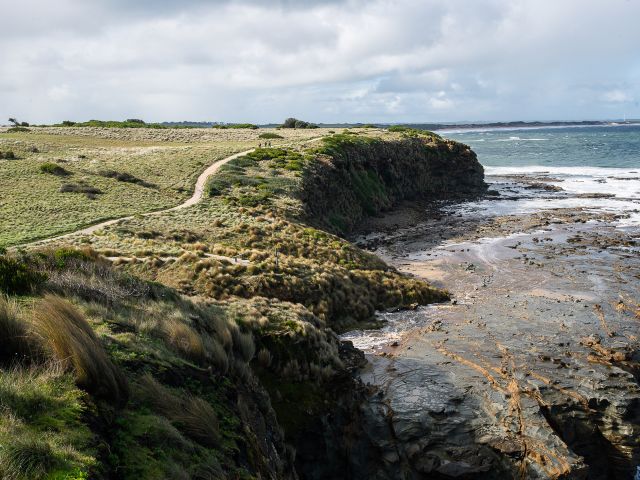
    You might also see whales on the George Bass Coastal Walk , even closer to Melbourne on the western edge of Gippsland. This dramatic seven-kilometre trail along the clifftops takes in sweeping views of the wild ocean, occasionally dipping down from grassy green hills to coastal gullies and a secluded beach. It also now links into the Bass Coast Rail Trail for an extra 14 kilometres.

    the George Bass Coastal Walk
    George Bass Coastal Walk trails for seven kilometres along clifftops. (Image: Visit Victoria/Time Out Australia)

    Over at the eastern edge of Gippsland, in Croajingolong National Park, you can wander along the lakeshores beneath koalas and around goannas (I keep my distance since one chased me here!). For those who are even more adventurous, the park is also the starting point for the 100-kilometre Wilderness Coast Walk , usually done over seven days.

    the Croajingolong National Park, Gippsland
    Wander along the lakeshores in Croajingolong National Park. (Image: Tourism Australia)

    The best bush hikes in Gippsland

    the Baw Baw National Park
    The alpine heath of Baw Baw National Park. (Image: Everyday Nicky)

    Deep in the Long Tunnel Extended Gold Mine at Walhalla, mining guide Richard tells me how this small town in the mountains east of Melbourne boomed when prospectors found gold here in 1862. These days, you’ll find most of the town’s treasure – its heritage – above ground, with the Walhalla Tramline Walk a wonderful way to explore it.

    Just seven kilometres long, the walk takes you through decades of Gold Rush history, following the original rail trail from lush bushland to the mining sites, and through the charming village of just 20 residents with its wooden cottages and old shopfronts adorned with turn-of-the-century advertising posters. Blazing a trail where trailblazers once opened up the region, this is also the starting point for the 650-kilometre Australian Alps Walking Track.

    Nearby, Baw Baw National Park has walks through gnarled snow gums and alpine heaths that show off the colourful wildflowers in summer and the pristine carpet of white in winter. Several trails are perfect for snowshoes, including a 45-minute route from St Gwinear up to vast views across the Latrobe Valley.

    Further up into the mountains, the Toorongo and Amphitheatre Falls Loop Walk is an easy 2.2-kilometre path that serenades you with the sound of flowing water as you pass mossy rocks and tree ferns en route to two sets of waterfalls cascading over boulders in the remote wilderness.

    The best cultural hikes in Gippsland

    the Mitchell River National Park, Gippsland
    Hike the Mitchell River National Park. (Image: Parks Victoria/Grace Lewis)

    Across a pool in a natural sandstone amphitheatre, deep within a cave behind a waterfall, it’s said the Nargun has its lair. A fierce creature, half human and half stone, that abducts children and can’t be harmed by boomerangs or spears, the story of the Nargun has been told around the campfires of the local Gunaikurnai people for generations.

    As a culturally significant place for women, hikers are asked not to go into the Den of Nargun, but a 3.4-kilometre loop walk leads you through a rainforest gully to the entrance where you can feel the powerful atmosphere here in Mitchell River National Park , along Victoria’s largest remaining wild and free-flowing waterway.

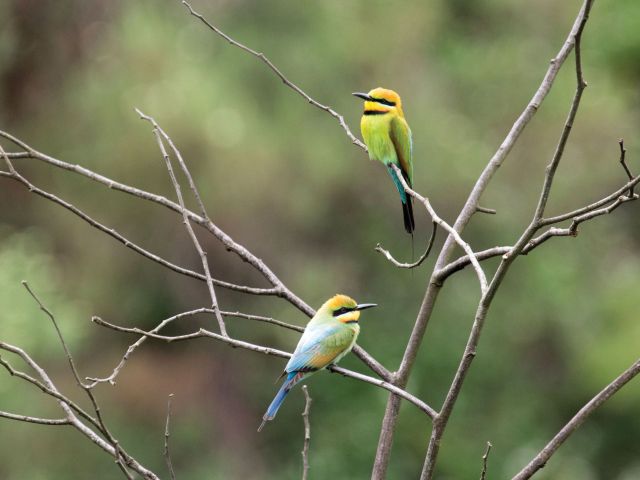
    the bee-eaters at Mitchell River National Park
    Bee-eaters at Mitchell River National Park. (Image: Parks Victoria/Grace Lewis)

    The Den of Nargun is part of the Bataluk Cultural Trail , a series of important traditional Gunaikurnai sites through central Gippsland. Another location is Victoria’s largest cave system, Buchan Caves Reserve, with trails to important archaeological sites of human artefacts up to 18,000 years old. The FJ Wilson Interpreted Walk includes the naturally sculpted white limestone steps of the 400-metre-long Federal Cave, while the Granite Pools Walk goes among tall timber and moss-covered gullies.

    the ancient rainforest of Tarra-Bulga National Park
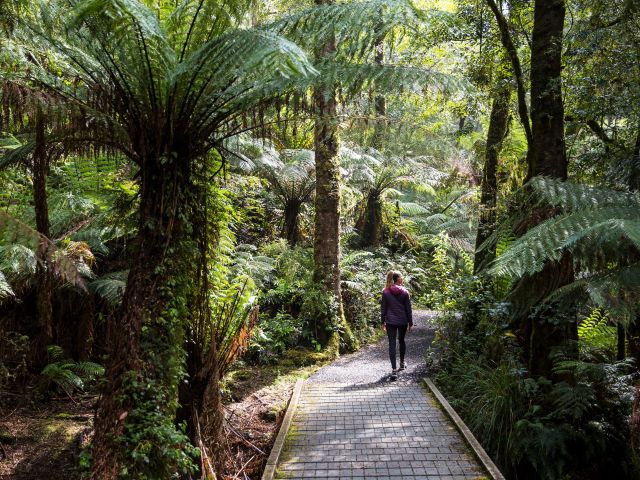
    The ancient rainforest of Tarra-Bulga National Park. (Image: Josie Withers)

    Also important to the Gunaikurnai people is Tarra-Bulga National Park , known for its ancient myrtle beeches and enormous mountain ash trees. Just 40 minutes return, the Tarra Valley Rainforest Walk offers a taste of this verdant landscape, while the Grand Strzelecki Track takes you deep into the lost world of forest giants on an epic 100-kilometre trail rich with tradition.

    A traveller’s checklist

    Staying there

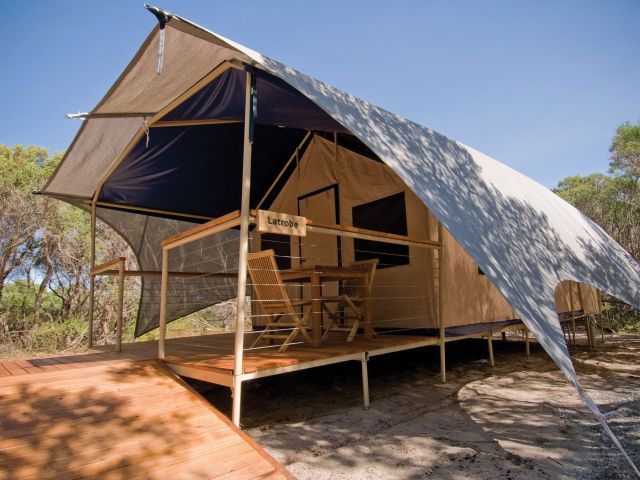
    the WildernessRetreats in The Prom
    Wilderness Retreats in The Prom. (Image: Christian Pearson)

    Wilderness Retreats in Wilsons Promontory offers glamping-style tents with luxurious queen beds. Star Hotel is a reconstruction of a Gold Rush-era hotel from 1863 in the heart of heritage Walhalla. Caves House is a historic three-bedroom house with views over the Buchan River.

    Eating there

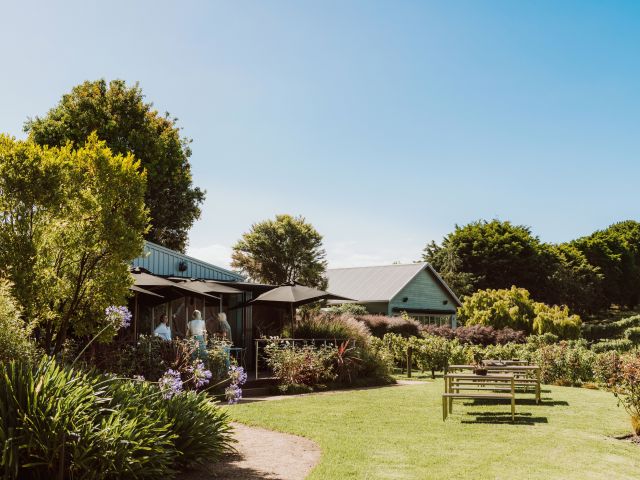
    the Carrajung Estate, Gippsland
    Enjoy a post-hike lunch at Carrajung Estate. (Image: Everyday Nicky)

    Kilcunda General Store serves great coffee and meals of local produce at the George Bass Coastal Walk. Alpine Trout Farm is located near Toorongo Falls in Noojee. Fish for your own lunch and barbecue it with the provided cookware.

    Carrajung Estate is a short drive from Tarra-Bulga National Park. The winery’s restaurant offers a seasonal menu of regional ingredients and you can stay at The Lodge.

    a seafood feast at Carrajung Estate, Gippsland
    The table is set for a seafood feast at the estate.

    Video credit: Tourism Australia