hero media

This Aussie city has been named the friendliest in the world for 2026

Credit: Shannyn Higgins

Here’s proof that the nice guy doesn’t always finish last.

Aussies already have plenty to be proud of. Our country is home to beautiful beaches, spectacular native wildlife, a strong sporting legacy and one of the oldest continuous living cultures on Earth. But apparently, we’re also a particularly friendly bunch.

You don’t have to take my word for it, either. The results of Condé Nast Traveller’s 2026 Readers’ Choice Awards are in, and Australia has emerged with some serious bragging rights. Chief among them? A coveted claim to the friendliest city in the world.

Where is the world’s friendliest city?

There’s no arguing that the world’s best cities draw travellers in with famous landmarks, distinctive cultures and centuries of history. But sometimes, it’s the people you meet while you’re there that leave the biggest impression.
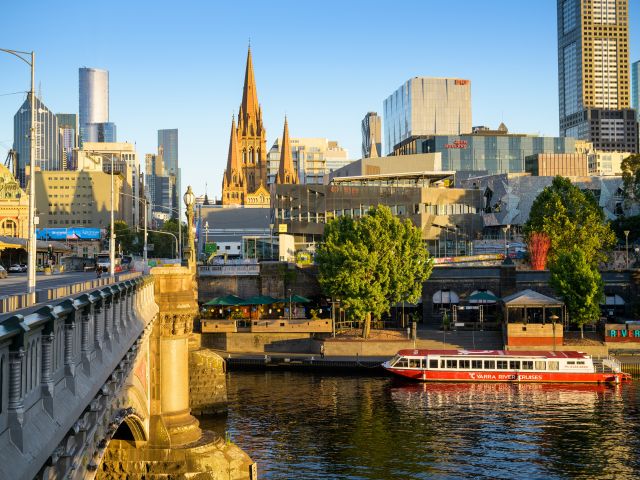
Melbourne, Victoria
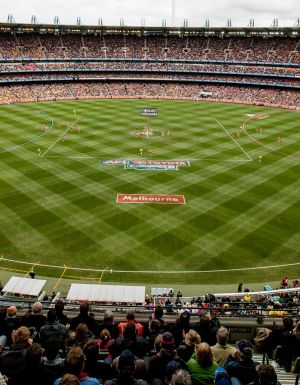
The Victorian capital has charmed its way to the top in 2026. (Credit: Visit Victoria)

While Aussies are known for our warm hospitality, laid-back attitude and cheeky sense of humour, one city in particular has officially taken that reputation to the next level. According to Condé Nast Traveller readers, nowhere offered a warmer welcome in 2026 than our very own capital of cool, Melbourne.

The Victorian metropole scored a whopping 98.52 out of 100, soaring to the top spot from sixth place on the same list last year. Not only that, but it also ranked third among Condé Nast Traveller’s most liveable cities in the world for 2026.
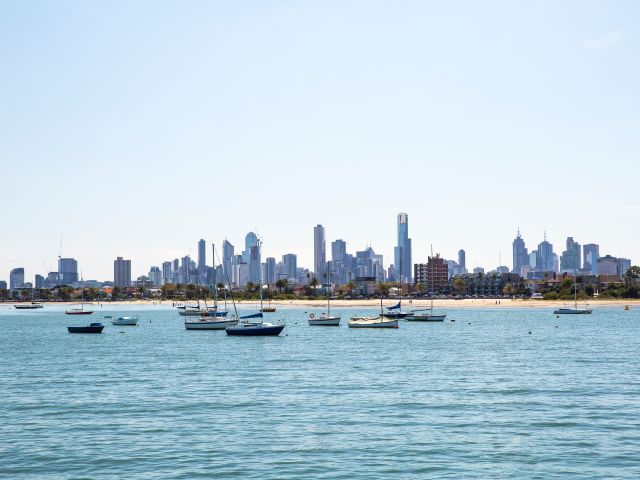
St Kilda Beach in Melbourne, Victoria
From city to coast, visitors and locals alike want for nothing in Melbourne. (Credit: Visit Victoria)

“The accolade as the world’s friendliest city is a testament to the wonderful people and tourism operators that proudly welcome visitors to Melbourne," says Brendan McClements, CEO of the state’s tourism board, Visit Victoria.

“The recognition gives people another reason to visit Melbourne alongside global sporting events, world-class dining and our thriving culture scene."

Anyone who has visited in recent years will know just how magnetic Melbourne’s appeal can be. Data gathered by Tourism Research Australia shows the city welcomed more than 16 million annual overnight visitors in the past year alone, a staggering figure that speaks directly to its enduring popularity.
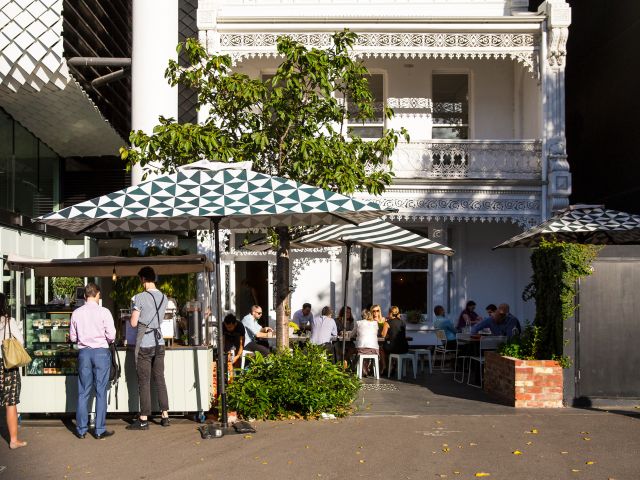
The Kettle Black in Melbourne, Victoria
Melbourne boasts some seriously good coffee joints, like The Kettle Black. (Credit: Visit Victoria)

It’s not hard to see why, either. From a jam-packed sporting calendar and annual festival line-up to world-class dining and some of the country’s best coffee, there’s truly no shortage of reasons to visit Melbourne.

Especially praised were its nostalgic Victorian architecture, efficient public transport system, bold cultural institutions and European feel. But beyond the landmarks and laneways, it’s the people who call it home who make Melbourne so memorable – and now, they’ve got the title to prove it.

Need tips, more detail or itinerary ideas tailored to you? Ask AT.

AI Prompt

Where else did Australia shine?

To add to the accolades, Melbourne wasn’t the only Aussie capital to land a spot on the list this year. Coming in sixth place, Perth gave us a second top-10 finish. With a score of 97.82, residents of WA’s capital impressed with an easy-going lifestyle, sunny disposition and feel-good energy.
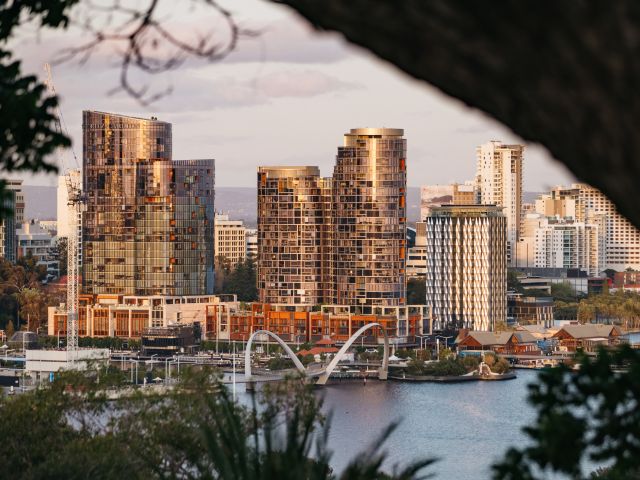
Perth, Western Australia
Perth also appeared among the top 10 friendliest cities in the world. (Credit: Tourism Western Australia)

Australia continued to shine among the rest of Condé Nast Traveller’s 2026 Readers’ Choice Awards, too. When it comes to the world’s top 10 most liveable cities, Melbourne, Sydney and Adelaide all made the cut, placing third, fourth and eighth respectively.

The NSW capital was also the only Aussie destination to rank among the 20 best cities in the world for 2026, coming in ninth place with a score of 92.72. And fresh from its appearance on The World’s 50 Best Hotels 2026 list, Capella Sydney came out on top once again – this time as the best hotel in Australasia.
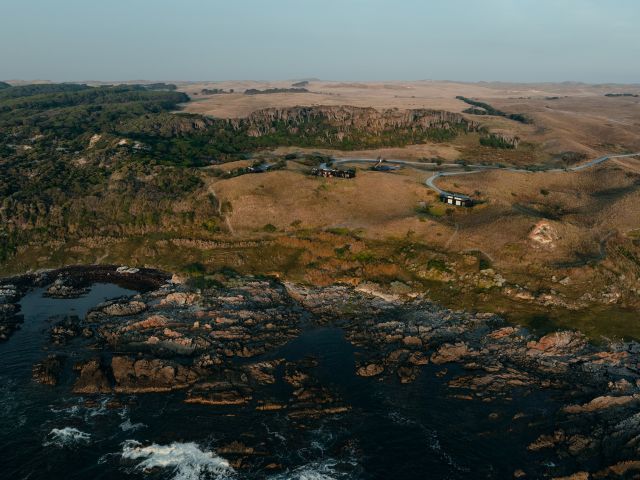
Kittawa Lodge, King Island, Tasmania
Kittawa Lodge on Tasmania’s King Island ranked among the world’s best resorts this year. (Credit: Oscar Sloane)

Tasmania proved its mettle too, with Hobart’s The Tasman named among the best hotels in the world and King Island’s Kittawa Lodge making the list of the world’s best resorts. Overall, our southernmost state placed third among the best islands in the world, joined by Lizard Island in sixth place and Lord Howe Island in eighth.

Weekly travel news, experiences
insider tips, offers, and more.

How were rankings determined?

Now in its 29th year, the Condé Nast Traveller Readers’ Choice Awards are all about putting the power back in the hands of the people. Each year, travellers from around the world are asked to vote on the places and experiences they love most, with categories spanning everything from cities and islands to hotels and airlines.
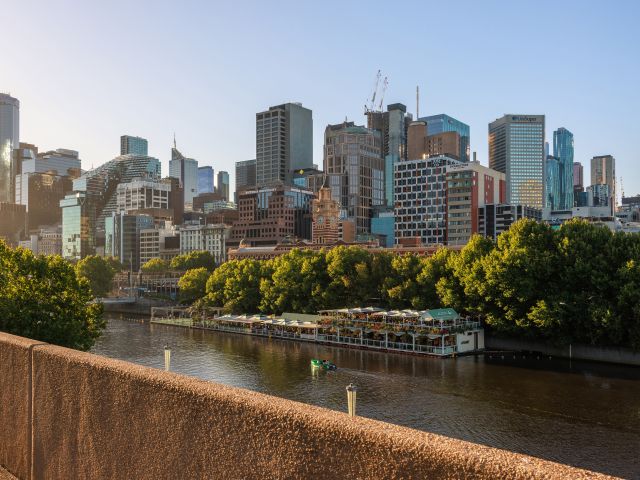
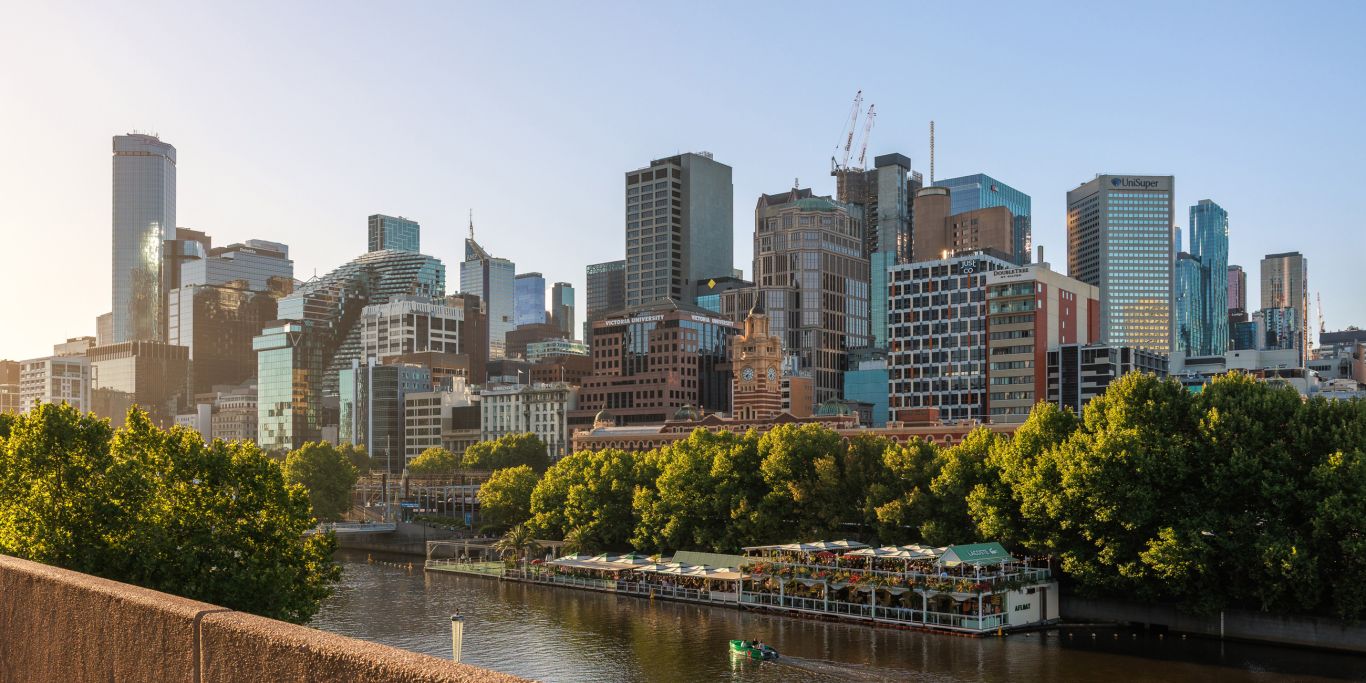
Melbourne, Victoria
The city’s appeal extends far beyond its famous laneways. (Credit: Shannyn Higgins)

But it’s not as simple as just picking a favourite. Readers must rate candidates against an extensive range of criteria relevant to each category, using a five-point scale that ranges from ‘excellent’ to ‘poor’.

Numbering in the thousands, these ratings are then converted into percentages and averaged to produce a final score out of 100. This determines where each contender ranks – and who ultimately comes out on top.

The top 10 friendliest cities in the world

  1. Melbourne, Australia
  2. Porto, Portugal
  3. Seoul, South Korea
  4. Lisbon, Portugal
  5. Amsterdam, The Netherlands
  6. Perth, Australia
  7. Jaipur, India
  8. Buenos Aires, Argentina
  9. Bangkok, Thailand
  10. Cape Town, South Africa

For the full list of Readers’ Choice Awards categories and winners for 2026, head over to the Condé Nast Traveller website.

Want to see more stories from Australian Traveller in your Google search results?

  1. Click here to set Australian Traveller as a preferred source.
  2. Tick the box next to "Australian Traveller". That's it.
Taylah Darnell
Taylah Darnell is Australian Traveller's Writer & Producer. She has been passionate about writing since she learnt to read, spending many hours either lost in the pages of books or attempting to write her own. This life-long love of words inspired her to study a Bachelor of Communication majoring in Creative Writing at the University of Technology Sydney, where she completed two editorial internships. She began her full-time career in publishing at Ocean Media before scoring her dream job with Australian Traveller. Now as Writer & Producer, Taylah passionately works across both digital platforms and print titles. When she's not wielding a red pen over magazine proofs, you can find Taylah among the aisles of a second-hand bookshop, following a good nature trail or cheering on her EPL team at 3am. While she's keen to check out places like Scotland and North America, her favourite place to explore will always be her homeland.
View profile and articles

How a $1 deal saved Bendigo’s historic tramways

The passionate community that saved Bendigo Tramways has kept the story of this city alive for generations.

It was an absolute steal: a fleet of 23 trams for just $1. But such a fortunate purchase didn’t happen easily. It was 1972 when the Bendigo Trust handed over a single buck for the city’s historic collection of battery, steam and electric trams, which had transported locals since 1890.

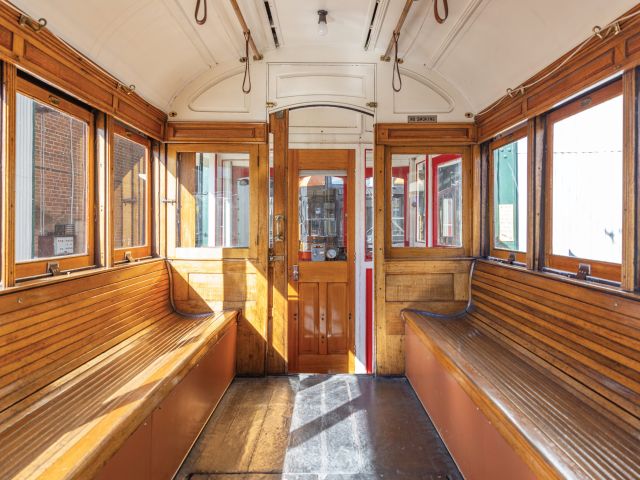
inside the historic Bendigo Tram
Bendigo Tramways is a historic transport line turned tourist service. (Image: Bendigo Heritage)

The city’s tram network had been declared defunct since 1970 due to post-war shortages in materials to upkeep the trams and declining passenger numbers as motor vehicles were increasing. However, determined locals would not hear of their beloved trams being sold off around the world.

The Bendigo Trust was enlisted to preserve this heritage, by converting the trams into a tourist service. The Victorian government approved a trial, however news spread that the Australian Electric Tramways Museum in Adelaide had acquired one of the streetcars for its collection.

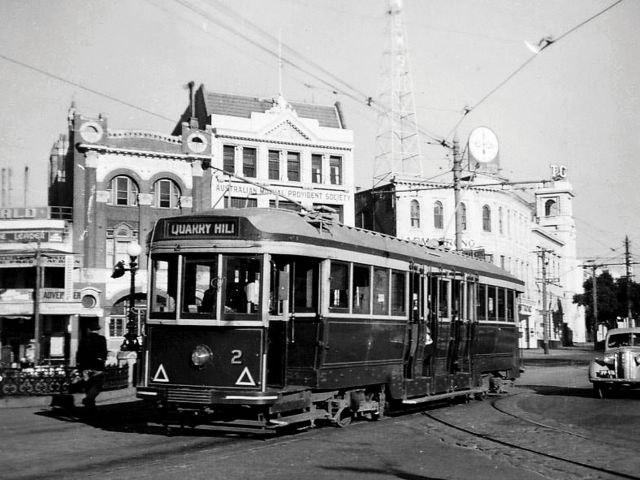
a tram heading to Quarry Hill in 1957
A tram on its way to Quarry Hill in 1957. (Image: Bendigo Heritage)

An impassioned group rallied together to make this physically impossible. Breaking into the tram sheds, they welded iron pipes to the rails, removed carbon brushes from the motors, and formed a blockade at the depot. The community response was extraordinary, and a $1 deal was sealed.

A new chapter for the city’s fleet

the old Tramways Depot and Workshop
The old Tramways Depot and Workshop is one of the stops on the hop-on, hop-off service. (Image: Tourism Australia)

Today, Bendigo Tramways welcomes some 40,000 passengers annually, operating as a hop-on, hop-off touring service aboard the restored trams. Fifteen of the now 45-strong fleet are dubbed ‘Talking Trams’ because of the taped commentary that is played along the route. The trams loop between Central Deborah Gold Mine and the Bendigo Joss House Temple, which has been a place of Chinese worship since 1871, via other sites including the old Tramways Depot and Workshop.

a Gold Mine Bendigo Tram
The fleet comprises 45 trams that have been restored. (Image: Visit Victoria/Robert Blackburn)

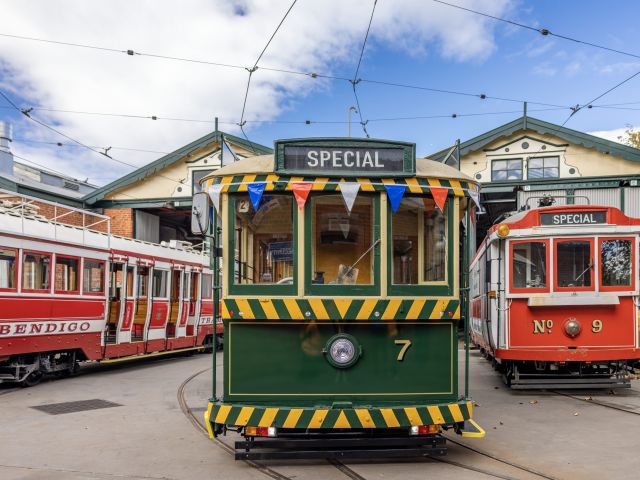
Keeping things interesting, throughout the year visitors can step aboard different themed trams. Tram No. 302 becomes the Yarn Bomb Tram, decorated both inside and out with colourful crochet by an anonymous group of locals.

During the festive season, Tram No. 15 operates as a tinsel-festooned Santa Tram, and the big man himself hides out somewhere along the route for excited children to find. And on selected dates, the adults-only Groove Tram runs nighttime tours of the city, accompanied by local musicians playing live tunes and a pop-up bar.

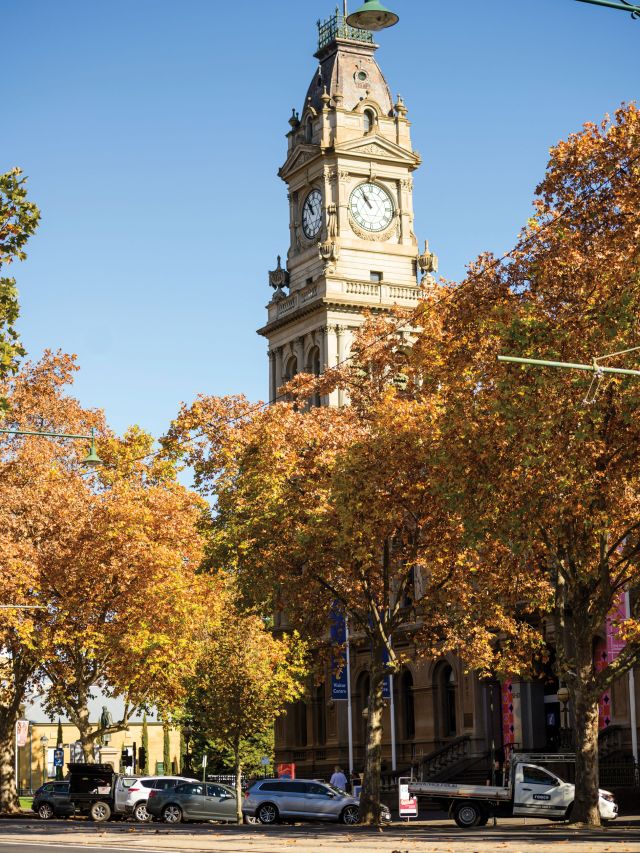
the historic post office turned visitor centre in Bendigo
Visitors can hop on and off to see the city’s sites such as the historic post office turned visitor centre. (Image: Tourism Australia)

As well as preserving the city’s history, however, the continuation of the tram service has kept the skills of tram building and craftsmanship alive in a practical sense. Bendigo’s Heritage Rail Workshop is world-renowned for restoring heritage trams and repurposing vehicles in creative ways.

Locally, for example, Tram No. 918 was transformed into the Dja Dja Wurrung Tram with original Aboriginal artworks by emerging artist Natasha Carter, with special commentary and music that shares the stories and traditions of Bendigo’s first people. You can’t put a price on preserving history. Nonetheless, it was a dollar very well spent.