hero media

Mornington Peninsula’s storied past: war, shipwrecks and a runaway convict 

The Mornington Peninsula is a coastline of contrasts, where convict and military history meets shipwrecks, wild seas and adventures above and below the surface.

The Mornington Peninsula can be the kind of place where salt-tangled hair feels like a badge of honour – proof you’ve been somewhere wild, raw and real. Peel back the layers and you’ll discover stories that anchor this region to something other than its famed food and wine.

This land is the traditional Sea Country of the Bunurong/Boon Wurrung people. Long before grapevines were planted and artisanal goods were crafted, the Bunurong Traditional Owners lived in deep connection with the land and sea. Today, places such as Mushroom Reef Marine Sanctuary echo that tradition, with families exploring its rockpools in search of colourful sea stars and crabs at low tide and learning how these fragile ecosystems have been cared for across countless generations.

a group of people visiting the Port Nepean National Park
Take in the rugged coastal landscape at Port Nepean National Park. (Image: Tourism Australia)

A visit to Point Nepean National Park feels like stepping back through time. The fort, built in 1882, protected the narrow entrance to Port Phillip Bay until the end of the Second World War. It was here that the first Allied shot of the First World War was fired – at a German cargo ship trying to escape just hours after war was declared. Nearby, the old Quarantine Station, one of Australia’s first permanent quarantine facilities, established in 1852, still stands. Walking through the hospital and disinfecting complex evokes stories of those who arrived from faraway shores.

Not far from here is a story of survival that inspired the Aussie phrase ‘you’ve got Buckley’s chance’. In 1803, escaped convict William Buckley vanished into the bush near what’s now Sorrento. Everyone thought he had no hope of surviving, but he reappeared 32 years later, having lived with local Aboriginal people.

Even the waters here hold history. The infamous stretch known as The Rip, just three kilometres wide at the entrance of Port Phillip Bay, is among the most treacherous waterways. Countless ships were lost here in the 19th and early 20th centuries, and in 1967, Australia’s own Prime Minister Harold Holt disappeared while swimming off the coast, never to be found.

a seal swimming in Port Phillip Bay
A seal swimming in Port Phillip Bay. (Image: Tourism Australia/Two Palms/Harry Pope)

But for all its danger, the sea here also holds extraordinary beauty. Dolphins are often seen near Sorrento’s cliffs, while below the surface, seagrass meadows and rocky reefs teem with life. Marine tours offer a viewing to this underwater wonderland, while back on terra firma, walking trails lead along beaches, through coastal scrub, and over rock pools.

And if you think you’ll forget about the Mornington Peninsula once you’ve left? You’ve got Buckley’s chance.

Need tips, more detail or itinerary ideas tailored to you? Ask AT.

AI Prompt

A traveller’s checklist

Staying there
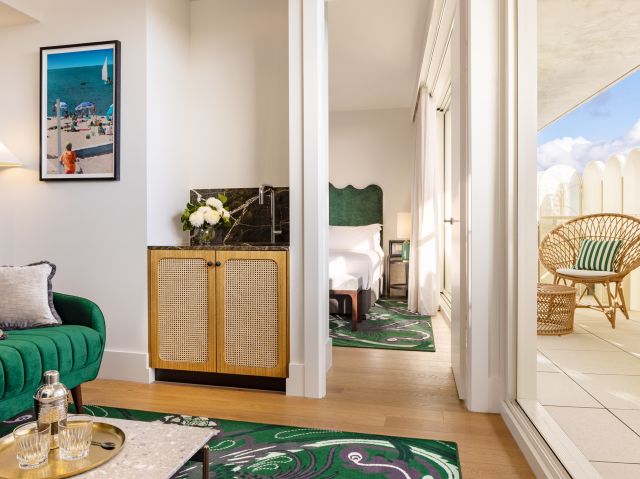
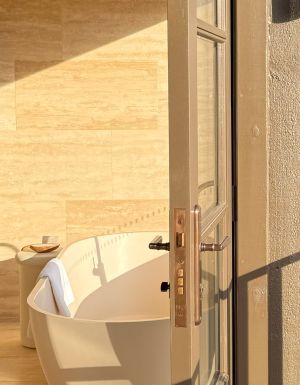
the suite interior at InterContinental Sorrento
Luxury interiors at the historic InterContinental Sorrento. (Image: Greg Elms)

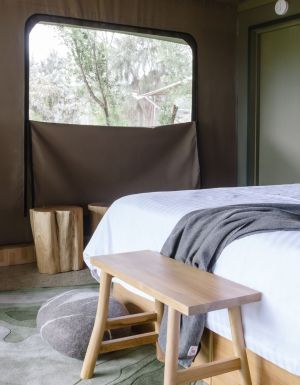
Point Nepean Discovery Tents is immersive glamping beside the historic Quarantine Station. Or upgrade to luxury at the 1875-built InterContinental Sorrento .

Playing there

an aerial view of Cape Schanck Lighthouse
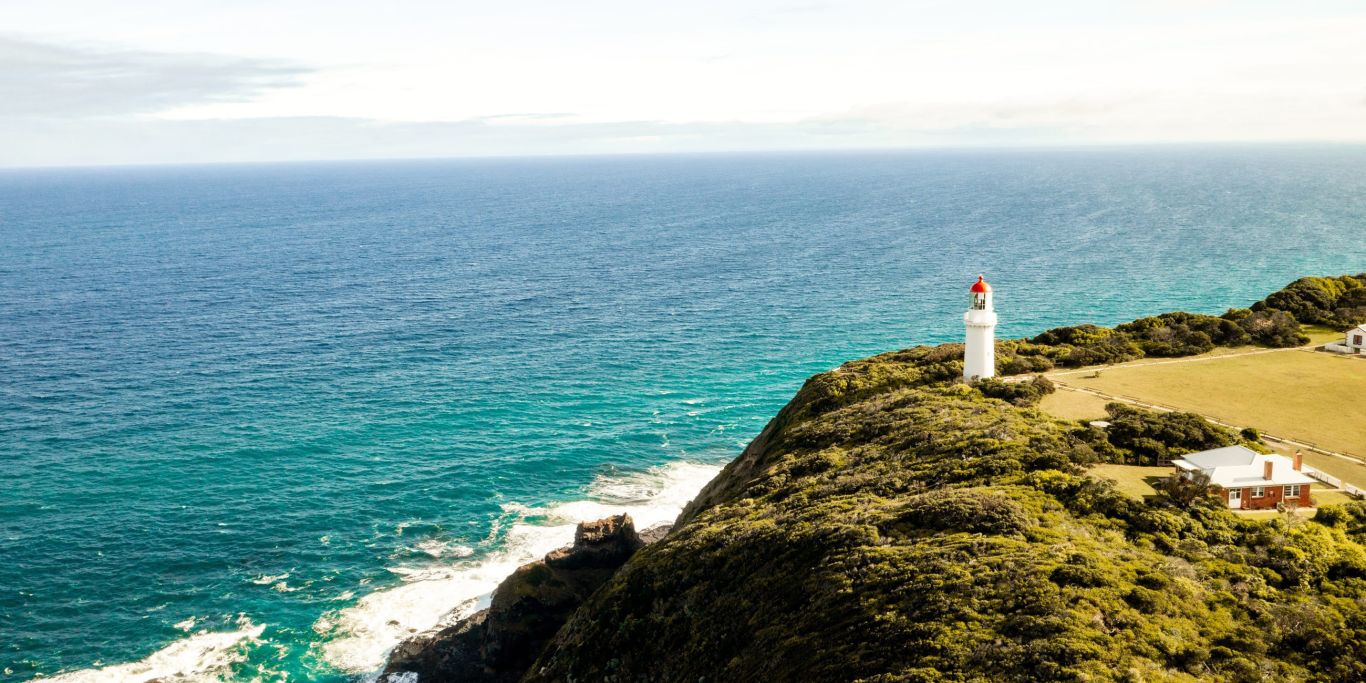
Make your way to the Cape Schanck Lighthouse. (Image: Tourism Australia/Two Palms/Harry Pope)

Bayplay Adventure Tours offer eco-adventures from snorkelling with sea dragons to kayaking with dolphins and cycling Point Nepean. Cape Schanck Lighthouse is fascinating to explore on a guided tour, which takes you into the lighthouse and keeper’s cottage.

Eating there

Portsea Hotel is a beautifully restored 1876 Tudor-style pub right on the beach, serving seasonal local fare.


Kellie Floyd
Kellie Floyd is a freelance writer with a deep curiosity for cultures and lands. She feels right at home in her hiking boots, exploring the great outdoors with her kids and firmly believes in the educational power of travel. Kellie loves to pen articles about her family and solo adventures, as well as sustainable travel. At home, you’ll find her snuggled up with a coffee in hand, reading about places she has yet to visit but knows she will someday.
View profile and articles

This hidden region in Victoria is home to a peaceful lake trail

    Craig Tansley Craig Tansley

    Video credit: Tourism Australia

    From pink salt landscapes to oases fringed by forests of red gums, the lakes of this rural region are astounding. 

    You’re going to find peace and quiet when you take a road trip through the lakes of the Wimmera Mallee region. Whether it’s mirror-like pink salt lakes that look like an inland sea, or lakes fringed by forests of red gums that showcase Victoria’s arid beauty, there’s a lake for you out here somewhere.  

    1. Lake Tyrrell  

    Lake Tyrrell
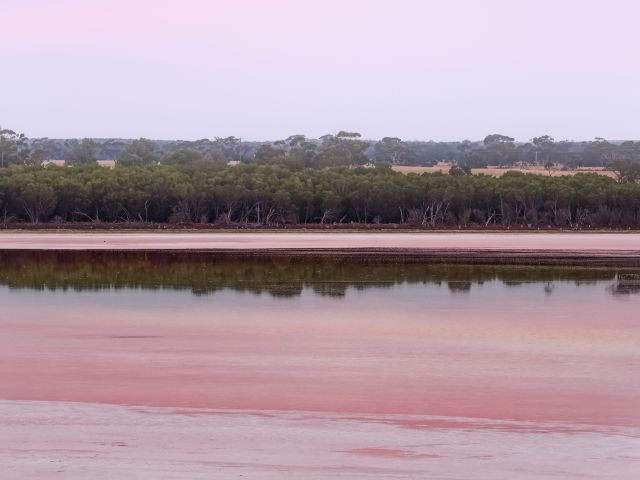
    The colours of Lake Tyrrell blend into the sky. (Image: Visit Victoria/Anne Morely)

    Located in the dead heart of the Mallee, Victoria’s largest salt lake, Lake Tyrrell , is a landscape photographer’s dream – especially at sunrise and sunset when the pink salt flats look like a gigantic mirror. It’s easy to camp or park a caravan nearby, too, though the tiny town of Sea Lake is just south (with accommodation). In winter, shallow water covers the salt, creating surreal reflections of the sky.  

    2. Nhill Lake  

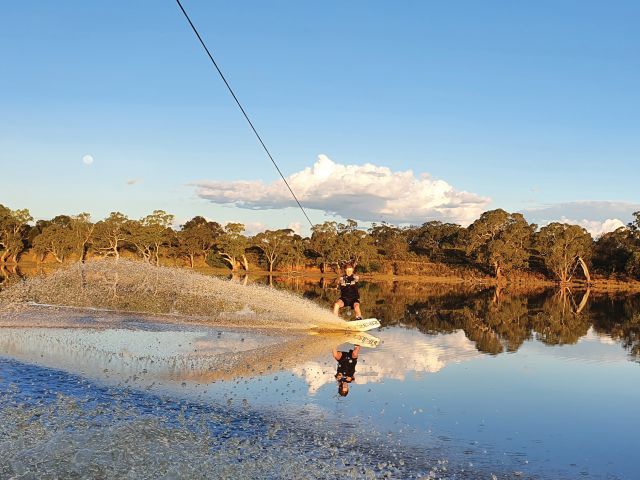
    There’s a permanent water source here, so there’s always plenty of water for water skiing, swimming and fishing (the trout and redfin fishing here is legendary). Located beside the pretty heritage town of Nhill with its main street of historic buildings, there’s options for eating and drinking right next door. There’s also a barbecue area with plenty of shady picnic spots and a boardwalk for walking around the lake.  

    3. Lake Bringalbert  

    Lake Bringalert
    Lake Bringalert is a great spot for aquatic adventures.

    Located south-west of the pretty Mallee town of Kaniva, Lake Bringalbert epitomises the best of ‘outback’ Victoria. It’s ringed by red gums and red mallee and feels completely hidden from the world – you’ll barely ever see another person. There’s basic camping on its foreshore and Kaniva offers more accommodation options. It’s the perfect lake for swimming, kayaking and skiing, and the stars at night come without even a hint of city glow.  

    4. Lake Hindmarsh 

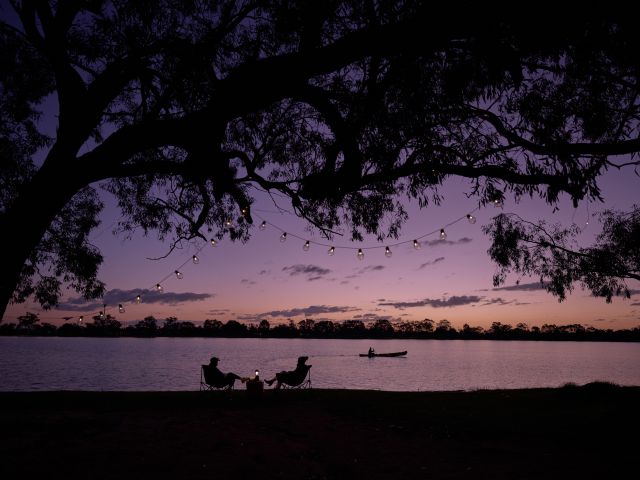
    If you’re a bird fan, you’ll love Lake Hindmarsh . Located north of Dimboola, Victoria’s largest natural freshwater lake is like an inland sea full of pelicans, swans and numerous species of ducks – but it also teems with everything from spoonbills to parrots. Sunsets here will blow your mind – the lake is a mirror for the pinks and golds you’ll see on the horizon. There’s free camping spots along the foreshore if you’d like to really contemplate the magic of the lake.  

    5. Pink Lake 

    pink lake
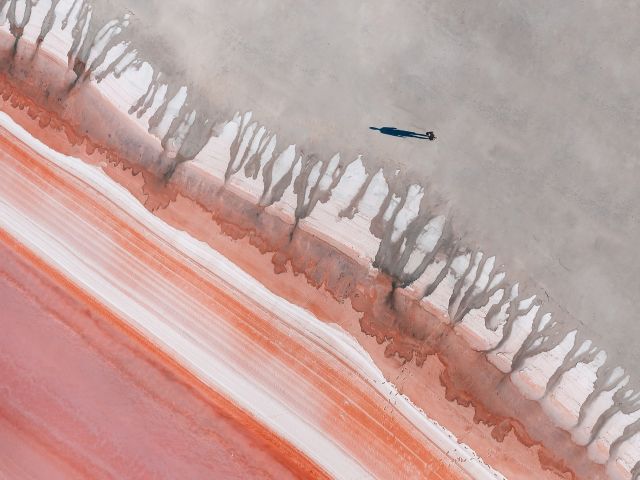
    The Pink Lake is most vivid after rain. (Image: Visit Victoria/Anne Morely)

    Also known as Loch Lel , the summer months offer up some seriously vivid pink water colour at this lake north of Dimboola. The pink varies throughout the year, but is best after rain (hence why summer is the time to visit).

    pink lake
    Pink Lake, also known as Loch Lel, is located near Dimboola in the Grampians. (Image: Tourism Australia)

    There’s plenty of birds, including wedge-tailed eagles, but you’re as likely to spot big lace monitors, kangaroos and echidnas. Nearby, check out the uber-cute heritage town of Dimboola and its eclectic shops, and Little Desert National Park, full of walking trails through mallee heathland. 

    6. Lake Lascelles 

    Lake Lascelles
    You can camp at Lake Lascelles.

    On a hot summer’s day, there’s nowhere better for a cooling dip, kayak or boat ride. You can camp by the lake , or at powered caravan sites – or the pretty town of Hopetoun offers numerous accommodation options a short walk away. At night you’ll see the lights of Hopetoun reflect off the lake. Fish for yellow belly, redfin or catfish, or try water-skiing. There’s also a great walking trail around the lake, where there’s more birds than you can count.