Here’s everything you need to know about Gibb River Rd

hero media
There are many wondrous things to see along the 660-kilometre Gibb River Road in Western Australia’s Kimberley but, no matter which way you do it – whether you sleep under the stars or at five-star homesteads – it promises to be an unforgettable experience.

Neither saltwater crocodiles nor the blazing sun can put travellers off what many consider is Australia’s ultimate drive holiday. It leads to turquoise gorges, vast cattle stations and crosses ranges that were once coral reefs on the seabed.

Named after geologist Andrew Gibb Maitland, the Gibb traverses the traditional lands of many Kimberley Aboriginal people, including the Njikena, Bunuba, Ongkomi, Ngarinyin, Gedija, Worrorra and Wunumbal language groups.

The Gibb was constructed as a beef road in the 1960s but the history of the track stretches back some 60 years. Pastoralists had cut rough paths in the area to move cattle between the ports of Derby and Wyndham and outlying stations.

Today, most of this road between Kununurra in the east and Derby in the west is still unsealed, which means you will come across long stretches of road with heavy corrugations. It’s all part of the fun.

Gibb River Road main attractions

Windjana Gorge

To visit Windjana Gorge is to visit the bottom of a tropical sea – or what was one, some 380 million years ago. A walk into the valley reveals fossilised remnants of an ancient sea-dwelling creature – the nautiloid – etched into the gorge wall alongside you, and an olive-green valley of prehistoric proportions.
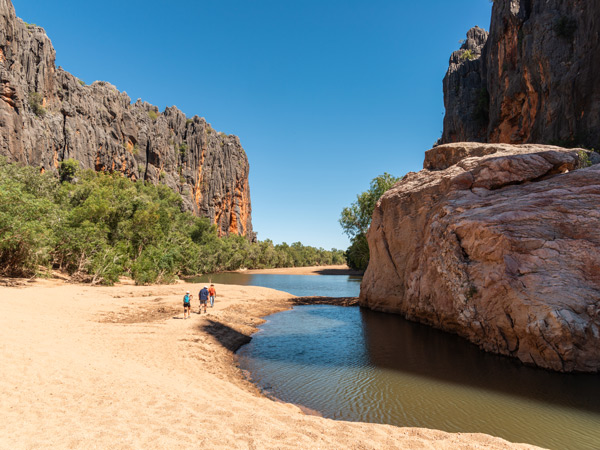
a scenic view of Windjana Gorge, Windjana Gorge National Park
Windjana Gorge is carved out of the Napier Range. (Image: Tourism Western Australia)

But the highlight is in the middle of it all; a bottle green stillness where dozens of freshwater crocodiles lie stationary. It feels like a land lost in time – and perhaps it is.
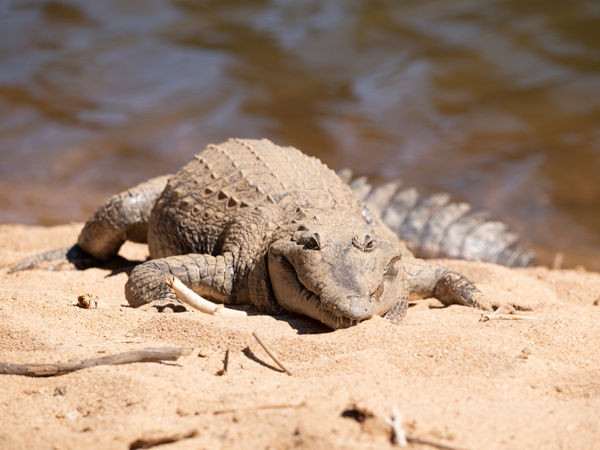
a freshwater crocodile at Windjana Gorge, Windjana Gorge National Park
Watch out for freshwater crocodiles along the gorge trail. (Image: Tourism Western Australia)

Bell Gorge

This gorge is considered the most beautiful of the Gibb, and with good reason: there are not one, but two Olympic-sized silken black pools here, cupped by an ochre amphitheatre and multi-tiered waterfall, which can be followed downstream to another waterhole, and another, and another.
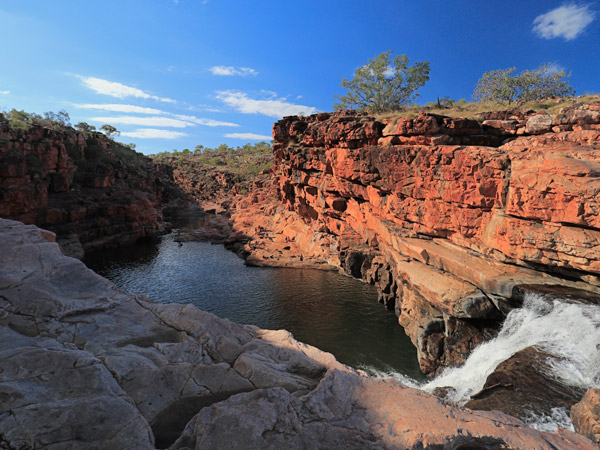
a scenic landscape at Bell Gorge, Gibb River Road
The stunning Bell Gorge is situated just off Gibb River Road. (Image: Tourism Western Australia)

Though that means you’ll usually be surrounded by other visitors – a good 15 people were there when we visited; practically crowded by Kimberley standards – it’s nothing a swim downstream can’t fix. And let me tell you, little in life compares to sitting back and staring at the sky, as some of the world’s purest waters slide over your shoulders from the waterhole above.
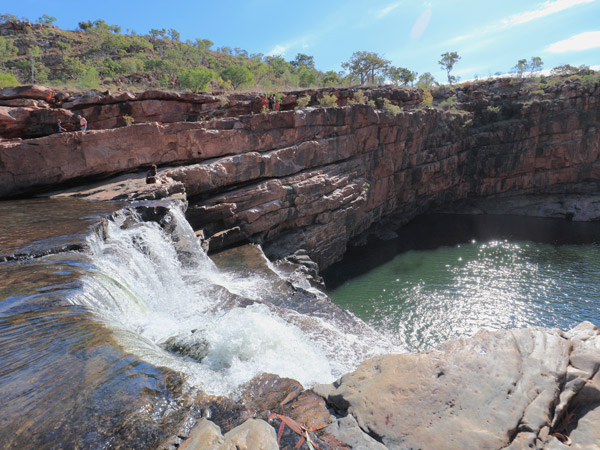
water flowing downstream from above the Bell Gorge
Some of the world’s purest waters slide down the Bell Gorge. (Image: Tourism Western Australia)

Adcock Gorge

Most Kimberley guidebooks don’t have a lot to say about Adcock Gorge so it’s a bit of a secret gem. The short, five-kilometre trip off-road leads you to a fairly ordinary scene – a small, cloudy billabong, filled with a few plants – but follow the creek away from the grassy ‘car park’, over an easy scramble up rocks, and you’ll find a network of well-worn paths leading to a best-kept national secret.

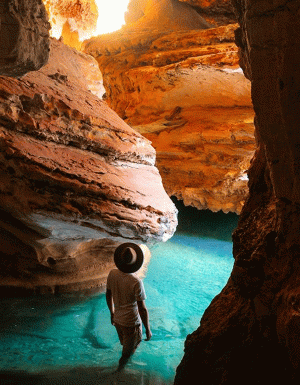
The waterhole here – a beautiful, deep, shockingly turquoise pool – is a lush little den, framed by the majestic red-black swirl of rocky cliff face and lit by sunshine as soft and light as cotton wool. When you’re lying on your back, swimming in that water, take a moment to think about how fantastic outback life can be.

Manning Gorge

The path to Manning Gorge, an hour-long journey through the bush, is defined only by a smattering of painted rocks and strategically placed bits of plastic. There are no council-posted signs. No boardwalks. Just to access the track you need to cross a 100-metre wide creek – but the journey’s worth it for the adventure alone.

Once at your destination you’ll be rewarded with a beautiful, deep pool that you can jump into from several ledges on the waterfall; climb the waterfall to its top and there is another pool above that. Alternatively, turn left when you arrive, and you’ll find waterhole after waterhole downstream.
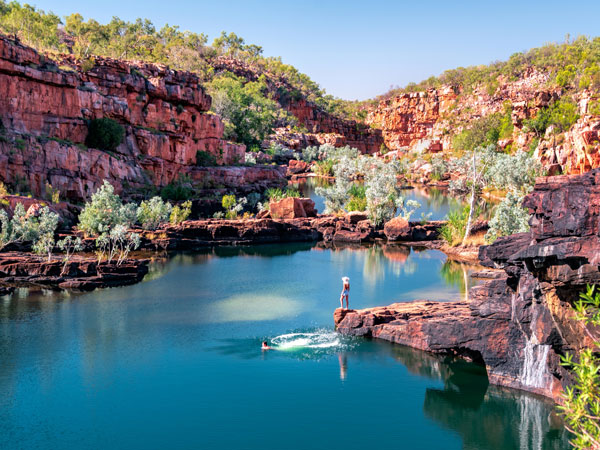
a tranquil river pool in Manning Gorge
Dip in the tranquil pools of the Manning River. (Image: Tourism Australia)

Gibb River Road tours

An undeniable benefit of travelling the Gibb on an organised group tour is you don’t have to worry about driving, changing your own tyres, carrying enough water or getting lost. Here are some of the best Gibb tours on offer.

Kimberley Wild Expeditions

Family-owned and operated Kimberley Wild Expeditions offers excellent value tours along the Gibb in their custom built vehicles. Accommodation is in pre-erected tents and swags and all meals are included. Choose from the shorter five-day tour or go all out and jump on the 14-day Kimberley trail, which includes a journey to the Mitchell Plateau.

APT Touring

Get off the bitumen and jump on a 4WD adventure with APT, which boasts experienced driver-guides.
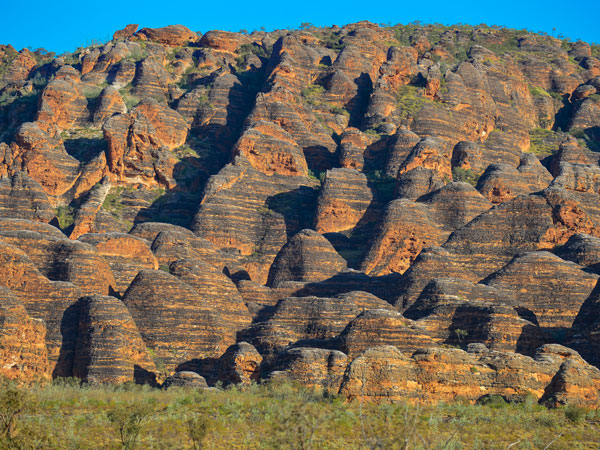
the Bungle Bungle Range in Purnululu National Park
Bungle Bungle Range in Purnululu National Park is awe-striking. (Image: Australian Pacific Touring Pty Ltd)

Their 15-day Kimberley Complete departs from Broome and travels along the Gibb, staying at comfy properties, including their Bungle Bungle Wilderness Lodge and Mitchell Falls Wilderness Lodge.
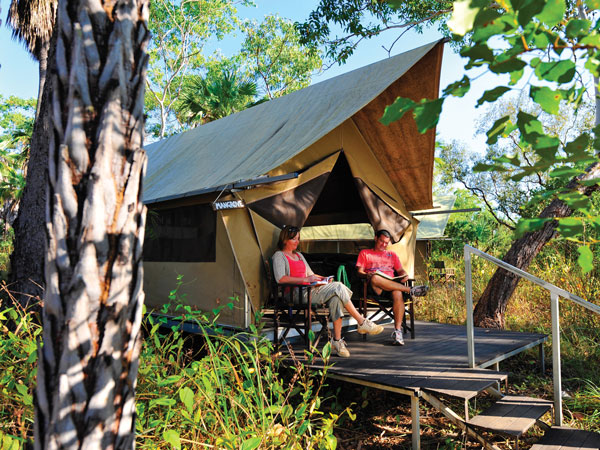
a couple sitting outside their tent at Mitchell Falls Wilderness Lodge
Stay in a luxury tent at Mitchell Falls Wilderness Lodge. (Image: Australian Pacific Touring Pty Ltd)

Need tips, more detail or itinerary ideas tailored to you? Ask AT.

AI Prompt

InStyle Adventures

For a truly intimate touring experience, opt for an adventure along the Gibb with InStyle Adventures.
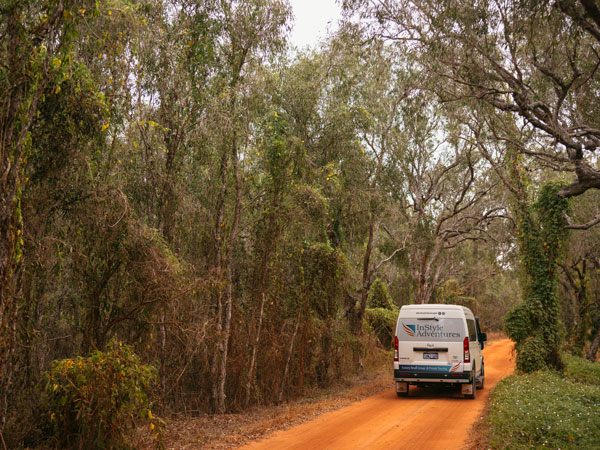
touring along the Gibb River Road with InStyle Adventures
Explore the Gibb with InStyle Adventures. (Image: Tourism Western Australia)

Their tours are offered as private departures, ideal for couples, families and friends, which are tailored to your interests, abilities and time frame. Alternatively join a scheduled small group shared departure.
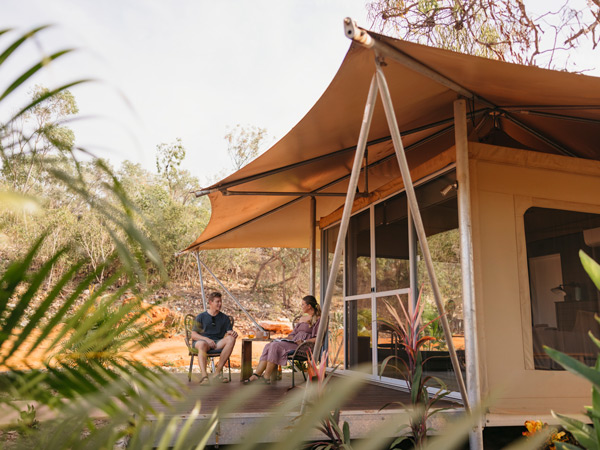
a couple hanging out outside their luxury tent, InStyle Adventures, Kimberley
Experience outback luxury. (Image: Tourism Western Australia)

Sleep along the way in stylish outback accommodation, from remote wilderness lodges, to working cattle stations and motel style rooms.
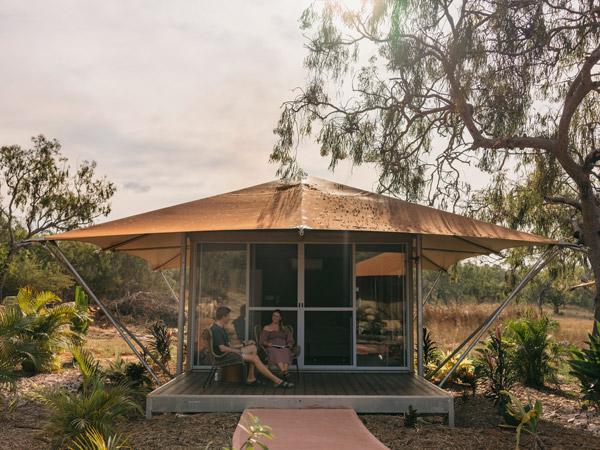
a luxury tent at InStyle Adventures, Kimberley
Sleep under the stars in a luxury tent. (Image: Tourism Western Australia)

Gibb River Road accommodation

Accommodation along the Gibb River Road is as diverse as its waterholes, so you can really choose your own adventure. Whether you’re looking to bunker down at the classic cattle stations of Birdwood Downs, Mount Hart, Mount Barnett, Mount Elizabeth, Drysdale River or Ellenbrae Station, or under the canvas at one of APT’s perfectly positioned lodges, here are some of the best accommodations options.

El Questro Wilderness Park

This swathe of wilderness is home to several different kinds of accommodation, including basic camping and air-conditioned bungalows, but it is the luxe ultra-retreat, The Homestead, that draws travellers from across the globe.
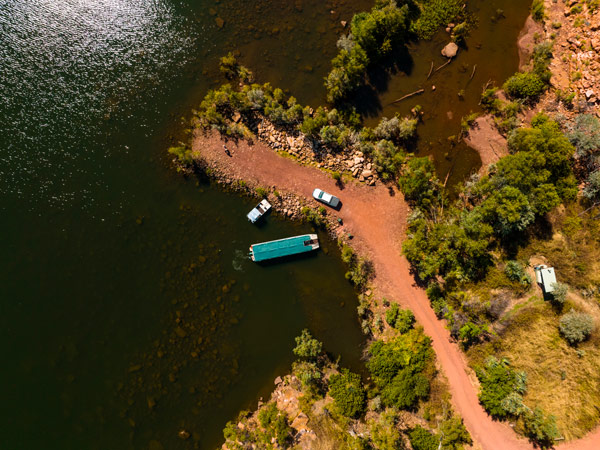
an aerial view of the El Questro Wilderness Park
Embrace off-grid living at El Questro Wilderness Park. (Image: Tourism Western Australia)

With an upper limit of 20 guests at any one time – media moguls, music legends and movie stars often among them – the civilised microcosm of The Homestead sits in perfect contrast to the wilderness around it: a gentle blend of silver service and the rugged outback.
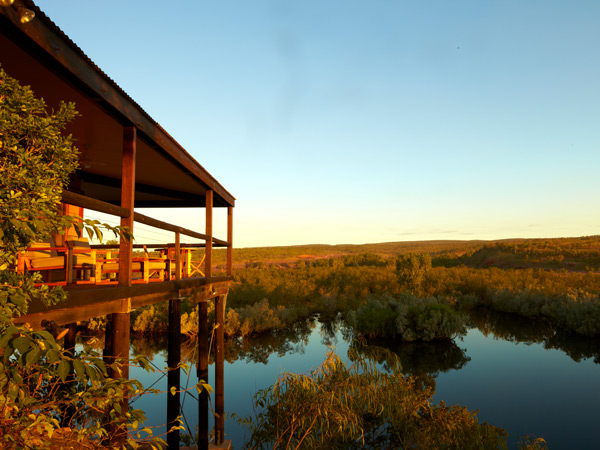
The Homestead at El Questro Wilderness Park
Stay by the side of the river at The Homestead. (Image: Delaware North Companies)

Ellenbrae Station

An English garden in the middle of the outback: why not? But the owners of Ellenbrae Station weren’t satisfied that they’d done enough to create an outstanding Kimberley experience with their verdant oasis: their locally famous scones, served with jam and cream on the homestead’s balcony, have made this a required pit stop along The Gibb.
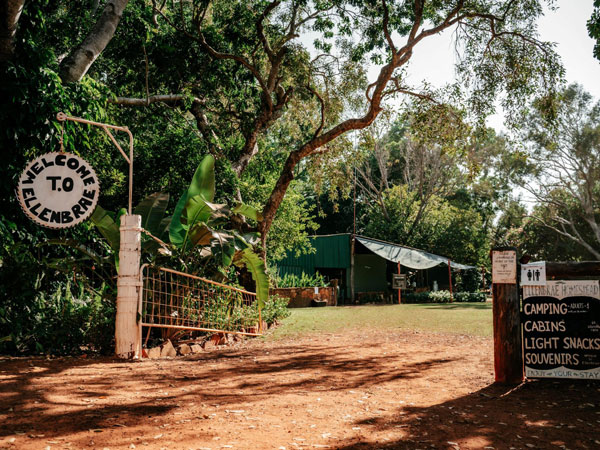
the entrance to Ellenbrae Station, Gibb River Rd
Rest for a while at Ellenbrae Station.

APT’s Bell Gorge Wilderness Lodge

In an enviable position just 200 metres off the Gibb River Road, Bell Gorge Wilderness Lodge is located on an Indigenous-owned site close to the Imintji Aboriginal community. Although you’re right in the bush, you won’t be roughing it here. Think tented cabins with ensuites, three-course dinners and packed lunches.
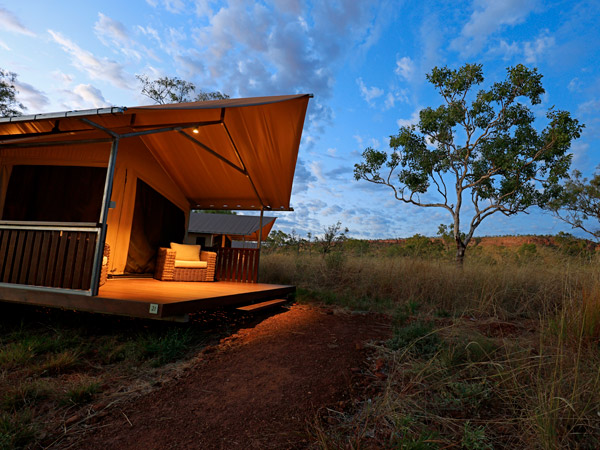
the APT Bell Gorge Wilderness Lodge at dusk
The APT tour package includes an exclusive stay at Bell Gorge Wilderness Lodge. (Image: Tourism Western Australia)

Gibb River Road itineraries

The Gibb is a 660-kilometre track accessible between April and October, weather dependent. Allow a week up to 14 days to experience all the Gibb has to offer, or choose your must-see locations for a shorter trip. 

Derby to Kununurra in 11 days

Call into Derby before beginning your journey along the iconic Gibb River Road. During this 11-day odyssey you will discover the West Kimberley Gorges, the Mitchell Plateau and El Questro Wilderness Park.
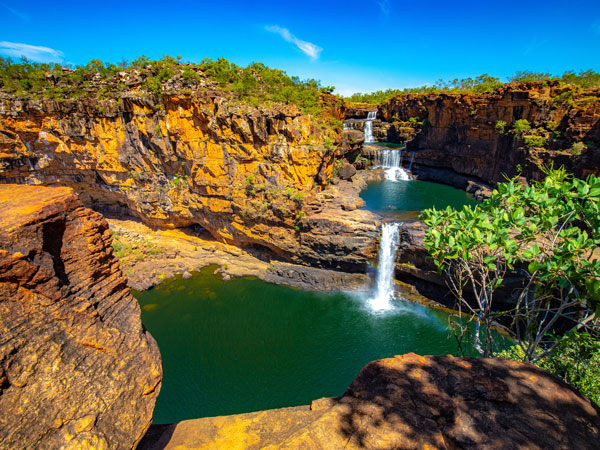
a scenic view of the Mitchell Falls, Kimberley
The four-tiered Mitchell Falls is a sight to behold. (Image: Sarah Duguid Photography)

Derby to Kununurra in 14 days

Add on a couple of days to the 11-day itinerary by driving to the remote Mitchell Plateau and venture into Purnululu National Park to explore the Bungle Bungles and witness the vast waters of Lake Argyle.
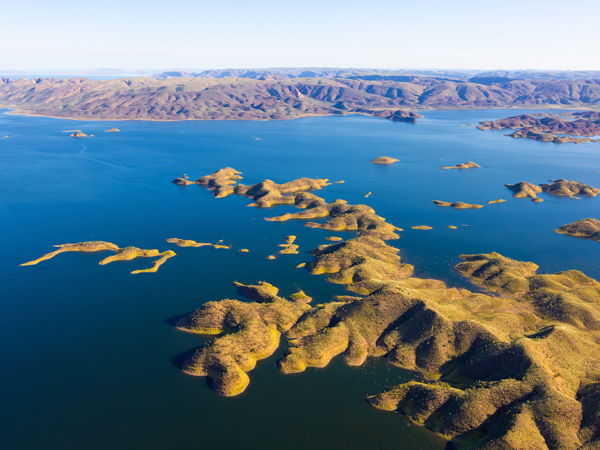
an aerial view of Lake Argyle
The majestic Lake Argyle is teeming with diverse flora and fauna. (Image: Tourism Australia)

Weekly travel news, experiences
insider tips, offers, and more.

Western Gorges Loop 

Plunge deep into the rugged, red reaches of the Kimberley with its majestic caves and cavernous gorges 350 million years in the making. Highlights of this itinerary include Broome, Derby and Fitzroy Crossing.
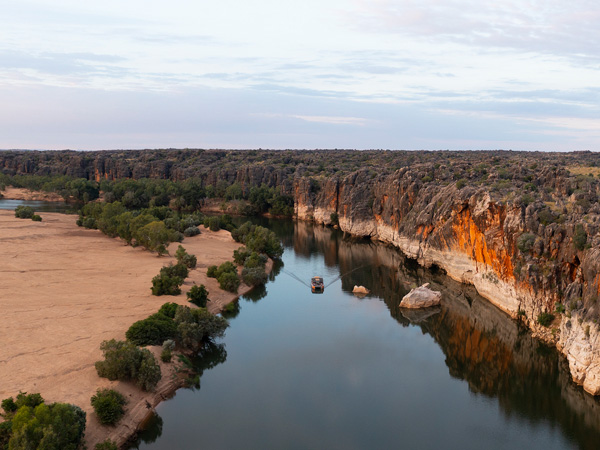
an aerial view of the Geikie Gorge National Park
Explore Geikie Gorge on a boat tour. (Image: Tourism Western Australia)

Start by travelling from Broome to Derby and on to Windjana Gorge and Fitzroy Crossing. From Fitzroy Crossing take the 20-kilometre drive north to Geikie Gorge National Park and the 90-kilometre journey east to the Mimbi Caves. Either return to Broome or drive on to Kununurra.
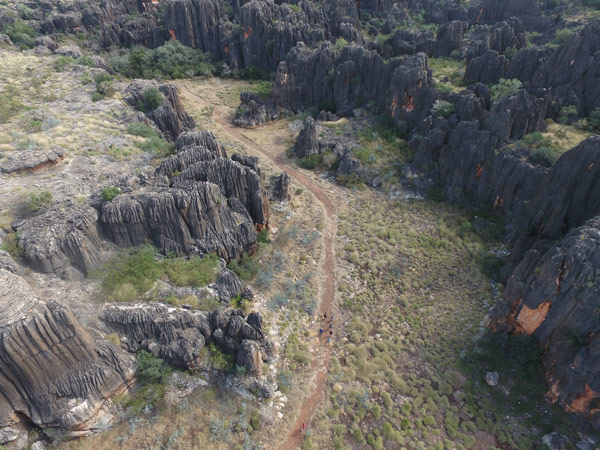
an aerial view of the Mimbi Caves, Kimberley
See striking limestone formations and fossilised reefs at Mimbi Caves. (Image: Tourism Western Australia)

Start planning

Fuel and basic supplies are available at a small number of roadhouses and stations along the Gibb River Road. Travellers are advised to carry jerry cans with extra fuel.
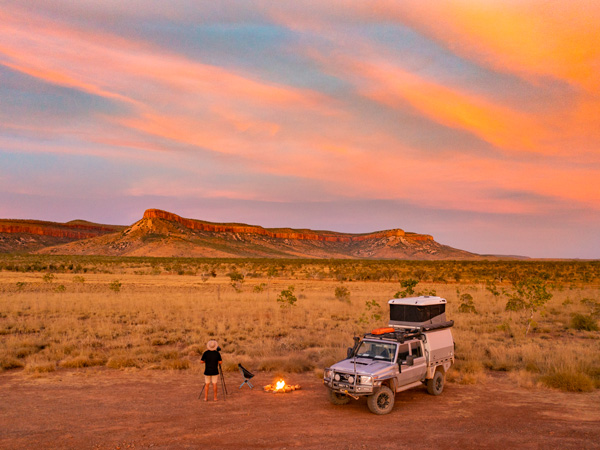
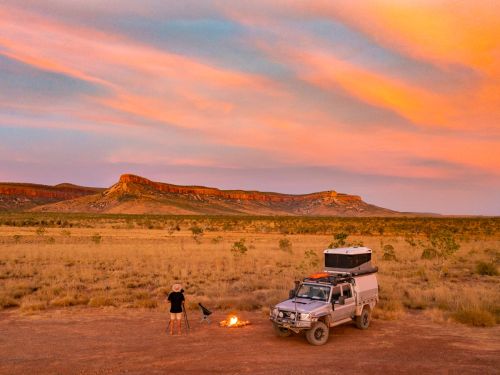
a man standing with a bonfire setup at sunset, the Kimberly and Gibb River Road trip
Prepare for a journey of a lifetime. (Image: Sean Scott)

Fuel along the Gibb River Road

Derby – Imintji Store – 227km
Imintji Store – Mt Barnett Roadhouse – 80 kilometres
Mt Barnett Roadhouse – El Questro – 320 kilometres
El Questro – Kununurra 81 kilometres

Fuel along the Kalumburu Road/Mitchell Plateau

Drysdale River Station

FAQ: The Gibb River Road

Where does the Gibb River Road start and end?

Just a few kilometres outside Derby (a two-hour drive from Broome) and 51 kilometres from Kununurra. 
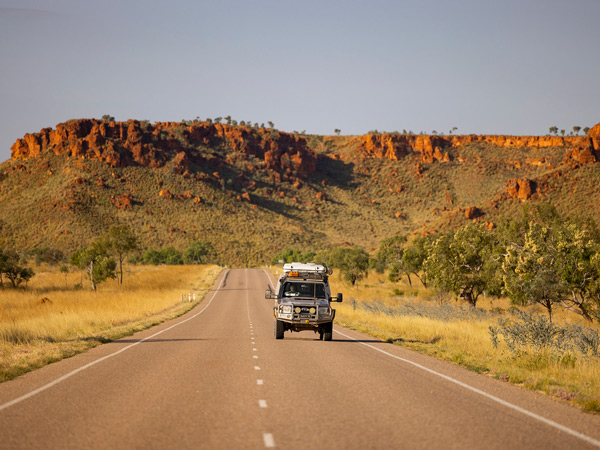
driving along Cockburn Ranges, Gibb River Road
The iconic Gibb River Road starts from Derby to Kununurra. (Image: Tourism Western Australia)

How long does it take to drive the Gibb River Road?

Allow 7-14 days to experience all the Gibb has to offer. If you want to zoom along the 660-kilometre track without hardly any stops it would take 10 to 11 hours.
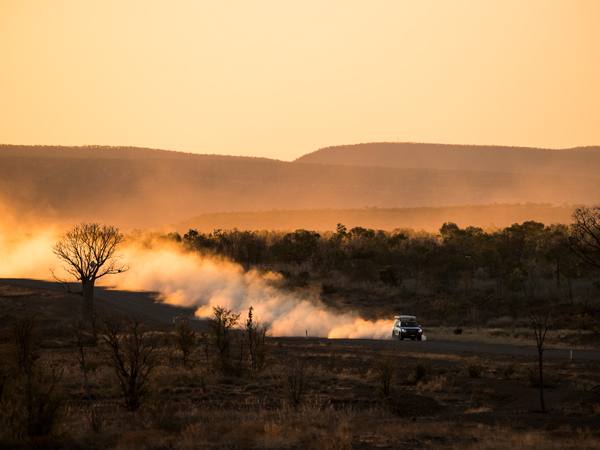
driving along Gibb River Rd at dusk
Buckle up and get ready for the long drive. (Image: Tourism Western Australia)

How difficult is the Gibb River Road?

The majority of Gibb River Road is unsealed, which means you will come across long stretches of road with heavy corrugations, loose gravel, potholes and rocks. Be prepared for a bumpy and sometimes slow journey for most of the trip.
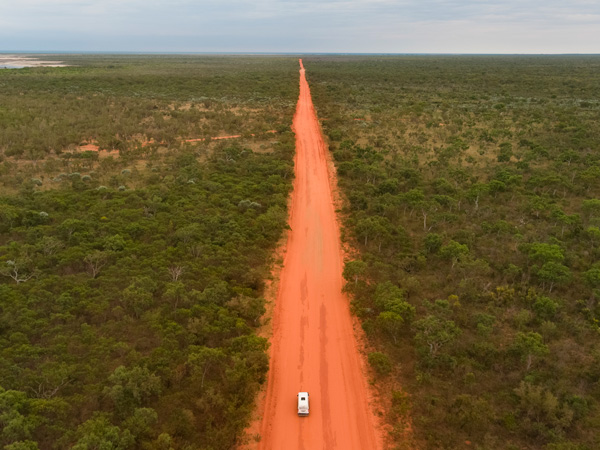
an aerial view of a vehicle driving along the red dirt on Gibb River Rd
Red dirt stretches across the remote Gibb River Rd. (Image: Tourism Western Australia)

Is Gibb River Road 4WD only?

To get the most out of the Gibb River Road you need a 4WD. If the Pentecost River level is high you won’t be able to go through it without a 4WD. For a taste of the Gibb without a 4WD you can travel from Kununurra to El Questro’s Emma Gorge, which is 25 kilometres on a sealed section of the Gibb River Road and just 2 kilometres on a gravel driveway.
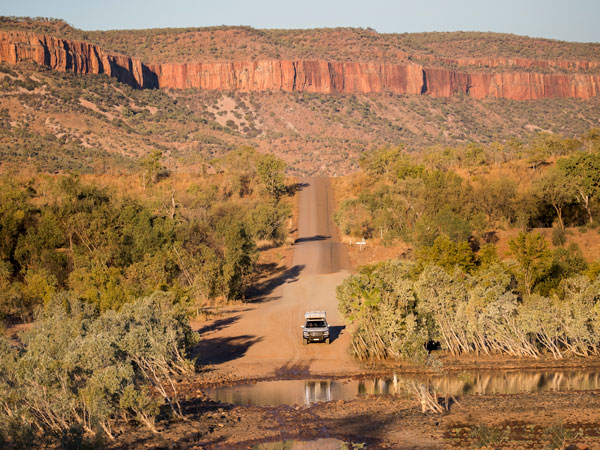
a 4WD crossing the Pentecost River along the Gibb River Road
The drive across Pentecost River along the Gibb River Road. (Image: Tourism Western Australia)
Leah McLennan
Leah McLennan is a freelance writer based in Darwin. She was a journalist in Sydney for over a decade and counts her time as travel editor for Australian Associated Press as one of the highlights of her career. From exploring remote campsites in the Top End with her family, to seeking out new art galleries in faraway cities, she’ll grab an adventurous or arty travel experience within her reach.
View profile and articles
hero media

Exploring an icon: inside the massive upgrade to Broome’s famous Cable Beach

(Credit: Tourism WA)

    Lucy Cousins Lucy Cousins
    With unhurried mornings, long, sun-filled afternoons, evenings shaped around sunset, this iconic beach offers an all-day experience (and it’s about to get even better).

    As the sun slowly rises over the languid waves and fine sand of Broome’s Cable Beach, the morning colours shift from rich apricot to pale gold and frosty pearl. Remnants of life reveal themselves in the subtle shadows – crab claw marks, towel impressions, footprints. Life here is unhurried, but don’t be fooled. This town is continually shifting like the desert dunes that surround it.

    And with a $75 million upgrade – offering easier and more inclusive access for people of all abilities – it’s getting even better.

    Cable Beach upgrade foreshore redevelopment stage 1
    Discover the Cable Beach redevelopment.

    The addition of comfortable and welcoming spaces has begun (and will continue). This means visitors will be able to spend longer enjoying this beautiful environment, while knowing that the upgrade will create a more environmentally protected setting that preserves the natural character visitors come for. Come sunset, soak it in all the better thanks to the already improved foreshore areas, made for lingering while the light changes. And for the kids, a new splash park and accessible dry playground will make it easy to while away the hours.

    Think you know what a day at this beach is like? Think again.

    Morning colours

    car on cable beach at sunrise
    Cable Beach comes alive after sunrise. (Credit: Tourism WA)

    As the sun colours the sky, Cable Beach shows signs of life (and not just the aquatic kind). Locals and visitors alike float in the cool water as it laps the shore, landlubbers explore the coast on foot, runners pace and beachside yoga classes bring quiet movement to the day.

    When the sky is blue and the sun is firmly in position, head down to the well-known Cable Beach House for a long, slow breakfast overlooking the ocean. Think fresh tropical fruit, eggs cooked your way and strong coffee in the warm morning breeze.

    Afternoon adventures

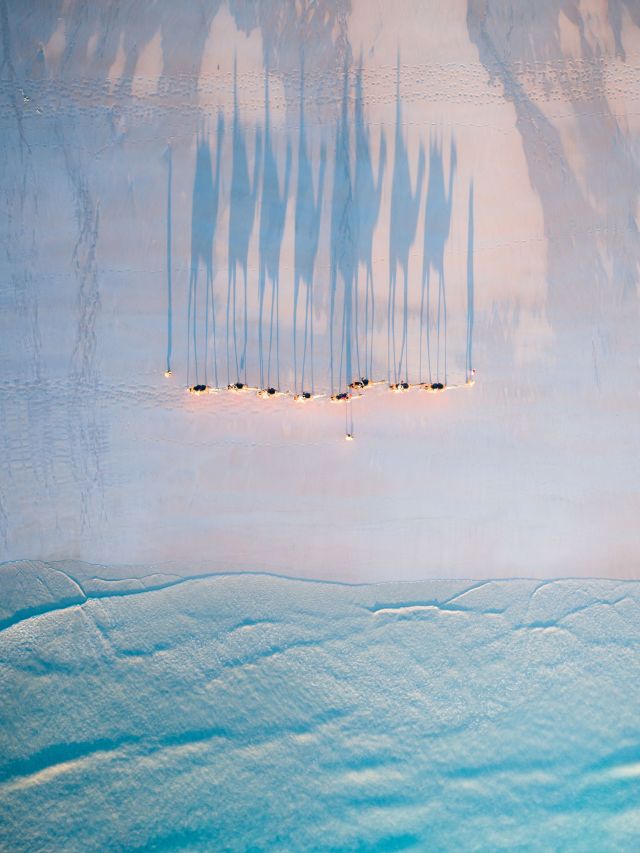
    camel train on cable beach in broome at sunset
    Join a camel train at sunset. (Credit: C J Maddock)

    When you’re ready to explore, carve a path along the Minyirr Park Trail – a gentle 1.5-2km track through coastal bushland with spectacular views of the dunes. Refuel at the nearby Spinifex Brewery for lunch with its low-key, outdoor beer garden. There’s even an outdoor playground if you’re travelling with young humans.

    Walk off your lazy lunch by watching (or joining) one of the beach soccer or volleyball games, or even try Silent Beats Broome – a silent walking disco through the dunes. Or book a spot on the famous camel trains, watching the sun drop below the horizon along the way. They’re a constant reminder of the fascinating history, landscape and cultural mix in this part of the country.

    Evening degustation

    server at Cable Beach Club
    Stop into the Cable Beach Club. (Credit: Tourism WA)

    As the day closes, watch the world-famous Cable Beach sunset from the appropriately named Sunset Grill at Cable Beach Club. This open-air terraced dining spot overlooking the beach is the kind of place where the view takes centre stage.

    While you sip on a lychee, lime & lemonade mocktail or a local beer, enjoy the bustle of life and nature outside as the day comes to an end.

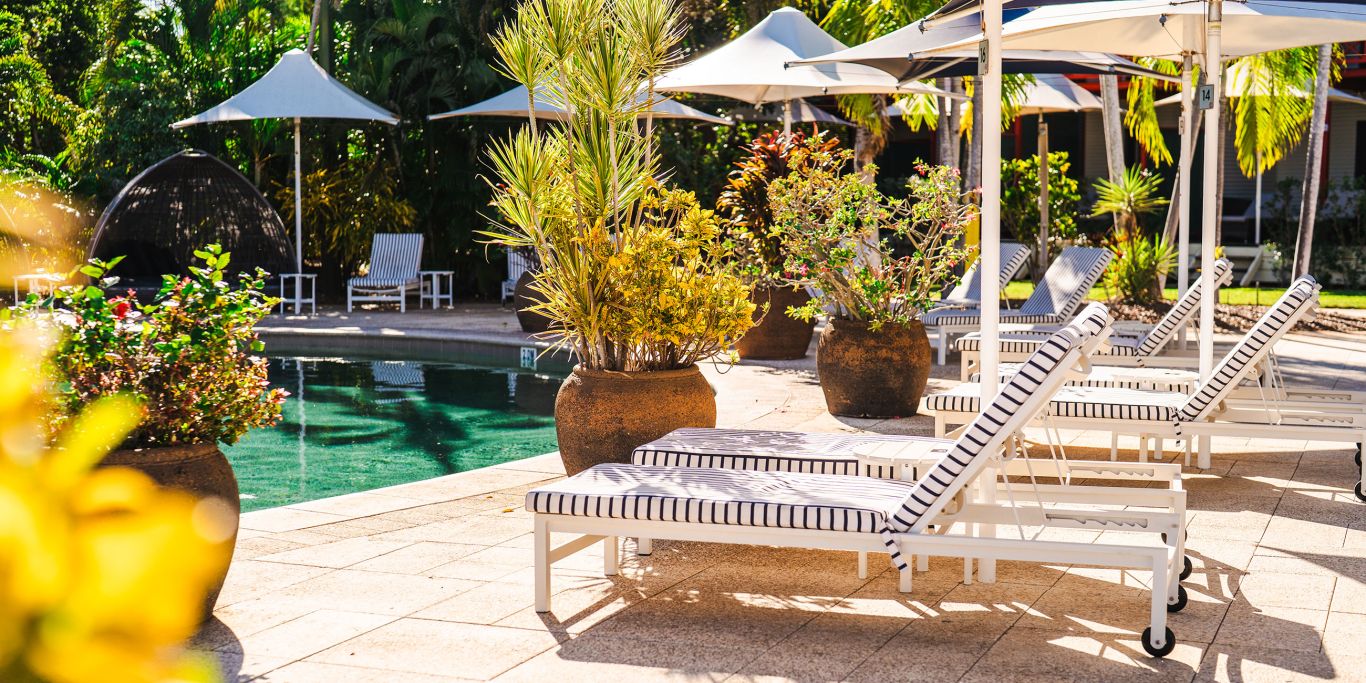
    For dinner, nab a table at the Bali Hai Cafe, where they offer pan-fried crispy barramundi, Abrolhos Island scallops and deep-sea snow crab. When you’re ready for bed, check in to Pinctada Hotel Broome – a lush, tropical resort with palm-dotted gardens and a large, lagoon-style pool to cool off in.

    Beyond the beach

    Beyond the wide, open beach and never-ending sky of Cable Beach, there are many more reasons to visit North West Australia. These are just a few.

    Unmatched experiences

    Shinju Matsuri Festival's popular Long Table Dinner on cable beach
    Join Shinju Matsuri Festival’s popular Long Table Dinner. (Credit: Tourism WA)

    Engage with the history of the land and its people on an Indigenous cultural tour exploring everything from the local wildlife to the tastes of bush tucker. To understand the importance of pearling to this town, take a tour of Chinatown, or head outside of town to the live pearl harvests at Willie Creek or Cygnet Bay Pearl Farm, one of Australia’s oldest pearl farms.

    Learn why Japanese pearlers were central to Broome’s pearling success and visit the largest Japanese cemetery in Australia, where 900 Japanese pearlers were buried – a testament to the risks and rewards of this dangerous profession.

    And book ahead every spring for when communal tables, freshly cooked local fare and festoon lighting fill the beach for the extremely popular Long Table Dinner on Cable Beach. It’s a highlight of the Shinju Matsuri Festival, along with the Floating Lanterns Matsuri, where you can personalise a lantern and gently release it into the sea to honour those you love.

    Dining discoveries

    Matso’s Broome Brewery
    Settle in for Matso’s famous ginger or mango beer. (Credit: Tourism WA)

    Further your culinary adventure at the laid-back Sunday Sesh at Matso’s Broome Brewery. Chow down on smoked crocodile or Aussie barramundi while kicking back to a local DJ as the heat of the day fades.

    For more tunes, the beautiful outdoor Bay Club at the Mangrove Hotel is a great choice for dinner with live music, DJs or an event that stretches on into the early hours. Still hungry? Pop by Johnny Sausage for Italian-influenced meals paired with impeccable wines.

    Natural beauties

    Gantheaume Point cabnle beach broome
    Experience the striking colours of Gantheaume Point. (Credit: Tourism WA)

    Avoid the crowds and head to Town Beach for a quieter vantage point to see the phenomenal Staircase to the Moon – a natural illusion where the rising full moon is reflected on the tidal flats, creating a shimmering ‘staircase’ stretching up to the sky.

    Just south of Cable Beach are the deep red cliffs and dramatic ocean views of Gantheaume Point, where 130-million-year-old dinosaur footprints can be seen, revealed at low tide. Or head to Roebuck Bay to visit the internationally significant wetlands, where vast tidal flats are home to shorebirds and coastal fauna.

    Between October and March, watch turtles nesting and hatchlings emerge from the sand. You’ll be holding your breath as they make their way down to the shoreline, ready to start their life in one of Australia’s most beautiful landscapes.

    For more on Cable Beach and Australia’s North West, visit australiasnorthwest.com.