6 of the best wineries in Australia

hero media
Raise your glass to Australia’s best wineries where Old World expertise marries with New World innovation with beautiful results.


From meeting leading winemakers from each region to experiencing some of the country’s most beautiful places through their amazing wines, here are a few of the best wineries in Australia.  

1. Boydell’s, NSW 

The first-ever cellar door to open in Morpeth is housed in a historic slab hut near to vine-clad slopes on the banks of the Allyn River. Charles Boydell was one of the first to plant vines in the Hunter when he settled on the property in 1826.


The boutique vineyard in East Gresford is now run by Jane Maroulis and her vigneron husband Daniel Maroulis, who craft small-batch boutique wines made from grapes grown on the farm.


The cellar door will showcase these award-winning wines and in Boydell’s restaurant, where chef Sheldon Black oversees a seasonal menu focusing on local produce.


Boydell’s cellar door and restaurant also has a courtyard and log fire and a luxury safari-style glampsite built for two.
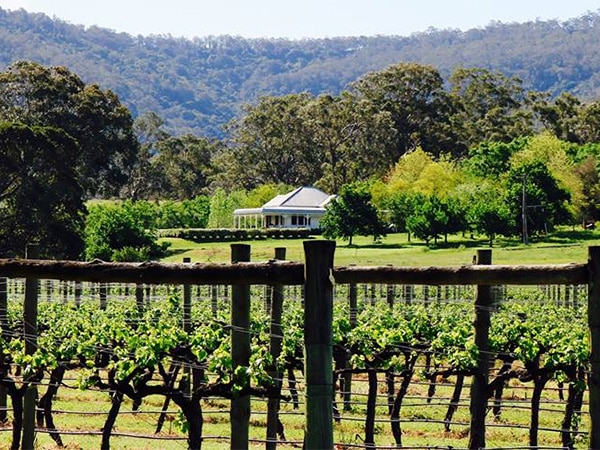
Charles Boydell was one of the first to plant vines in the Hunter

2. Tahbilk Winery, Victoria 

Wine tourists get a very special welcome when they leave the Tahbilk Winery after an Ultimate Winery Experience tour: a 750ml bottle of their own top drop after participating in a blending workshop.


In terms of quintessential Australian vineyard experiences, this place is up there and it’s all too easy to hang out here for a day: known as tabilk-tabilk ‘place of many waterholes’ in the language of the Daung-Daung-wurrung clans, the carbon-neutral winery comprises 1214 ha of rich river flats with a frontage of 11 km to the Goulburn River and 8 km of backwaters and creeks that spaghetti around the surrounds.


Tahbilk is somewhat of a tucked-away secret: located just 90 minutes from Melbourne on one of the nation’s premium viticultural areas. And, as the gnarled and twisted vines at Tahbik Winery attest, the vineyard and its varietals dates back about 150 years.
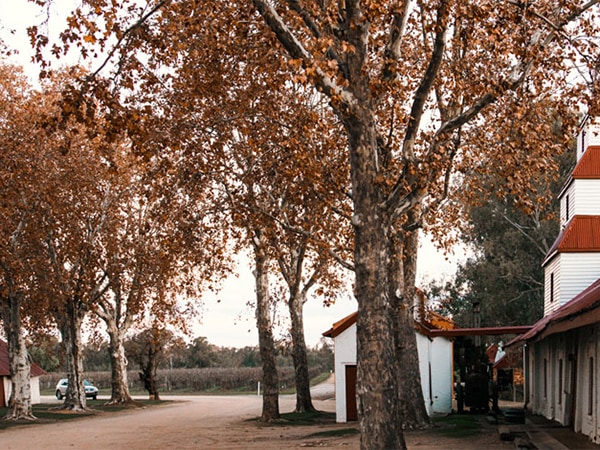
Tahbilk is somewhat of a tucked-away secret

Need tips, more detail or itinerary ideas tailored to you? Ask AT.

AI Prompt

3. Hahndorf Hill, South Australia 

The hills of Adelaide are indeed alive with the Sound of Music at this winery that celebrates the white wine grape grüner veltliner and blaufrankisch (the red version of this grape), which are grown primarily in Austria.


This part of South Australia was settled in the 19th century by Lutherans and Germans fleeing persecution: it is known for its range of quality cool-climate wines and its distinct European feel.


In addition to its pioneering plantings of Austrian grape varieties, the estate produces wines the region is renowned for such as pinot grigio, shiraz and a fresh and dry rosé.


Conscious travellers will appreciate the vineyard’s environmentally sustainable farming methods, which protects the heritage of the hills.


Book a ChocoVino experience, where you can learn about terroir through chocolate and wine matching.
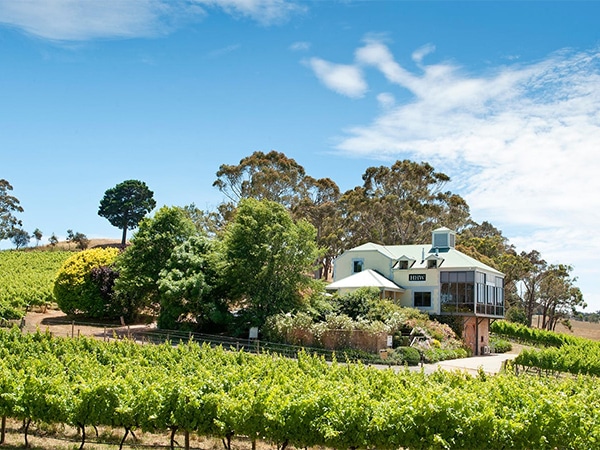
Handhorf seeks to protect the heritage of the hills

4. Bay of Fires, Tasmania 

Head to the north of Tassie past the Tamar River and east into the Pipers River region to find the Bay of Fires, a winery named after this particularly beautiful swathe of the State’s rugged east coast.


The area was named ‘Bay of Fires‘ in 1773 when the aptly named Captain Tobias Furneaux noticed a number of spot fires dotted along the coast, evidence of occupation of the traditional Indigenous owners of the land.


Fast forward a couple of hundred years and winemaker Penny Jones is one of many breaking down the State’s outdated reputation of insularity: Jones has travelled the world to better understand the lay of the land and her now exceptional winemaking knowledge has resulted in some exceptional pinot noirs being produced on the property.


The winery is now one of Tassie’s headline attractions, prompting patronage from local and international oenophiles.
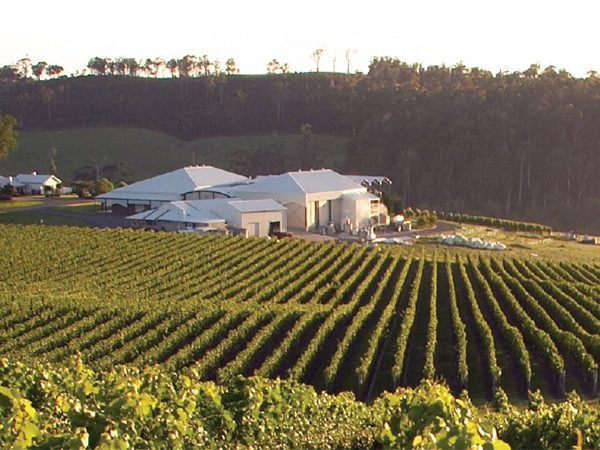
The Bay of Fires winery is named after this beautiful swathe of the east coast

Weekly travel news, experiences
insider tips, offers, and more.

5. Leeuwin Estate, Western Australia 

The cellar door at this family business is theatrically heavy on sandstone and wood, as is the restaurant, and art gallery, which have all been added to the original production facilities, which opened in 1978.


While terroir is said to determine the complexities of a wine and where it’s from, the estate in Margaret River in WA is also defined by its dedication to fine wine, food and art.


As well as producing wines ranked as some of the best in the world, Leeuwin Estate showcases its sense of place by staging world-class events.


It also embraces the arts by linking concerts and Art Series events back to its labels, which feature leading contemporary Australian artists.


Do a few hot laps of the gallery, which includes artworks from Lloyd Rees, Sir Sydney Nolan, John Olsen and Arthur Boyd.
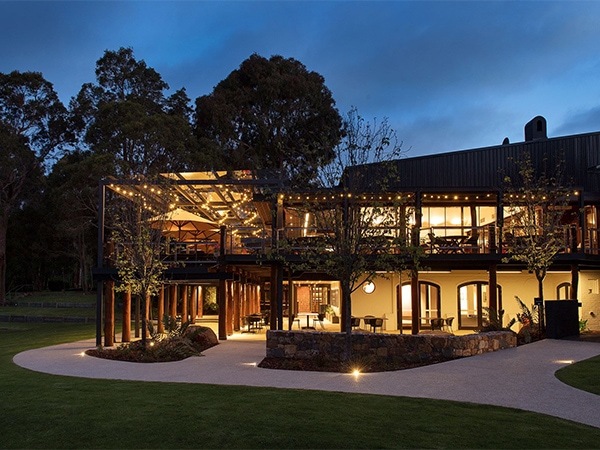
Leeuwin Estate showcases its sense of place by staging world-class events

6. Helm Wines, Canberra District 

The crisp, cool climate of the Canberra district enables winemakers in the region to craft complex wines of great subtlety and elegance.


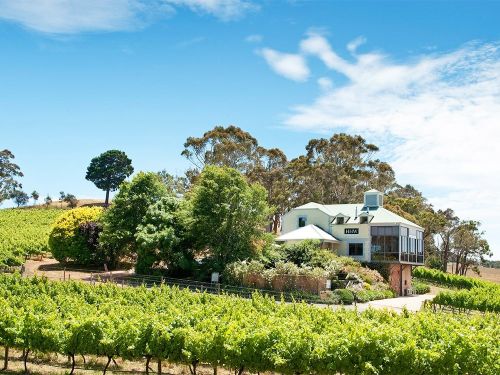
A tutored tasting at Helm winery, housed in the original 1888 public school house, is a very intimate experience.


After 22 years of working as a horticulture scientist at the CSIRO, Helm purchased the 15 hectare property in 1973 and set up one of the district’s first wineries with wife Judith.


After his first wine, made in 1977, won first prize at the Forbes Wine Show, Helm figured he was onto a good thing: he is now credited with helping establish the Canberra District Wine Region’s reputation for producing world-class cool-climate wines. To go to the cellar door and find Helm himself there is a beautiful thing.
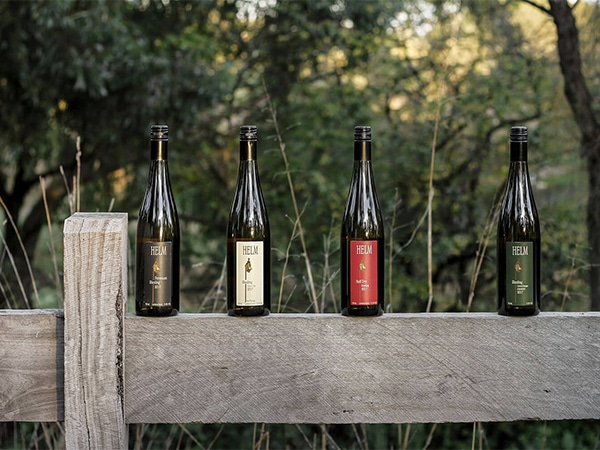
A tour of Helm wines is a very intimate experience

Want to see more stories from Australian Traveller in your Google search results?

  1. Click here to set Australian Traveller as a preferred source.
  2. Tick the box next to "Australian Traveller". That's it.
Carla Grossetti
Carla Grossetti has written across print and digital for Australian Traveller and International Traveller for more than a decade and has spent more than two decades finding excuses to eat well and travel far. A prestigious News Corp cadetship launched her career at The Cairns Post, before a stint at The Canberra Times and The Sydney Morning Herald gave way to extended wanders through Canada, the US, Mexico, Central America, Asia and Europe. Carla was chief sub editor at delicious and has contributed to Good Food, Travel & Luxury, Explore Travel, Escape. While living in London, Carla was on staff at Condé Nast Traveller and The Sunday Times Travel desk and was part of the pioneering digital team at The Guardian UK.
View profile and articles
hero media

8 reasons locals will tell you the Mornington Peninsula is incredible in winter

    Gemma Kaczerepa Gemma Kaczerepa
    The Mornington Peninsula might be synonymous with summer, but winter offers equally compelling reasons to visit.

    Come winter, the Mornington Peninsula transforms into a relaxing and rejuvenating escape. Think misty trails and dramatic ocean views along the rugged coastline, drinking and dining by crackling firesides, fewer crowds and a more small-town feel – the perfect ingredients for a slow and restorative weekend.

    If you want a truly local winter experience, here’s where you need to go.

    1. Sample spirits at local distilleries

    JimmyRum distillery on the mornington peninsula
    Sample small-batch rums and cane spirits at JimmyRum. (Image: Visit Victoria)

    No matter your tipple, you’re bound to find a Peninsula distillery to suit. Chief’s Son is beloved by locals and visitors alike for its award-winning range of single malt whiskies. Make sure to try the Black Forge – a heady combination of whisky and coffee.

    JimmyRum is the Mornington Peninsula’s first and only craft rum distillery. Enjoy a tasting to sample small-batch rums and cane spirits, or book a table to feast on generous share plates and creative cocktails.

    Bass & Flinders is another must-visit, and something of a local icon. It was the Peninsula’s first distillery and remains a favourite for craft gins, brandies and fruity liqueurs. Pick up a bottle (or two) to take home and toast your winter getaway.

    2. Warm up in the hot springs

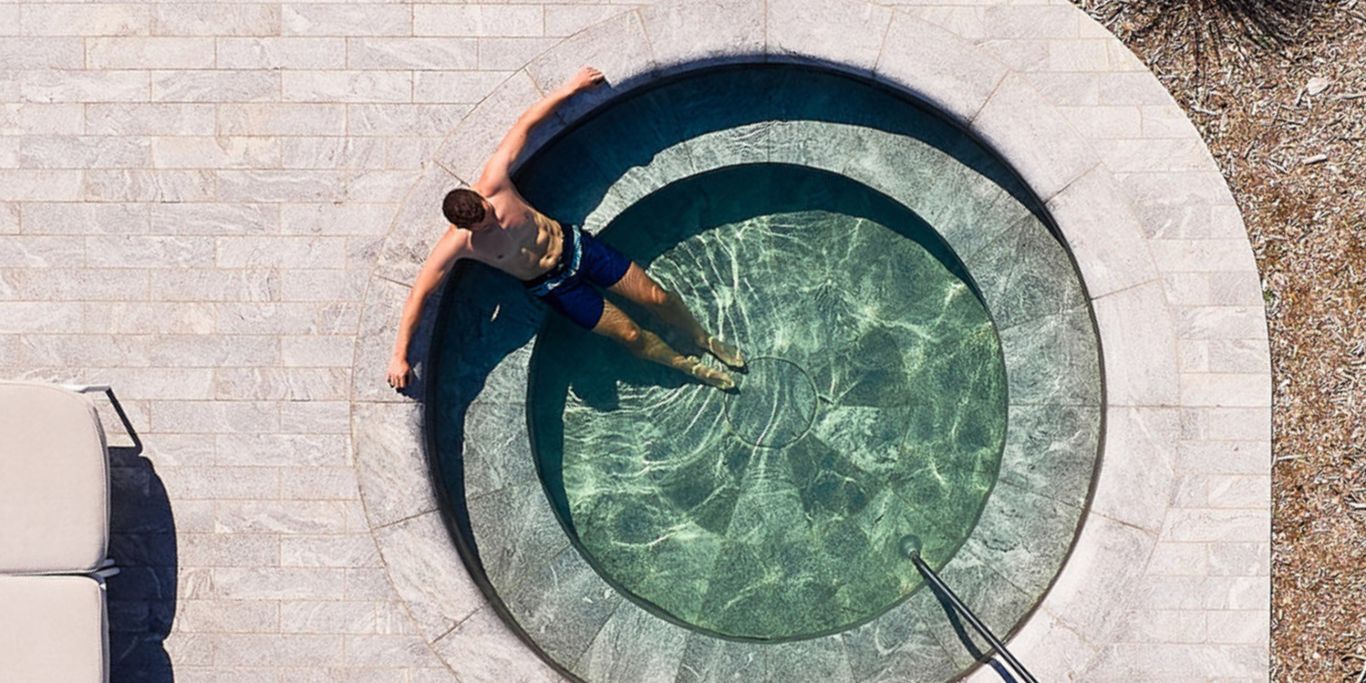
    man in pool at Alba Thermal Springs & Spa
    Dive into Alba Thermal Springs & Spa.

    Locals know winter is the best time to visit the famous hot springs. With the air cool and crisp and the springs reaching temperatures up to 43 degrees, the experience is akin to a warm embrace.

    If you’re travelling with kids or want something more laid-back, Peninsula Hot Springs is your best bet. Spanning 42 acres and with an organic vibe, the complex has hillside pools, saunas, bath houses and family-friendly spaces perfect for all ages.

    Alba Thermal Springs & Spa is slightly more luxe, with 25 thermal pools amid architectural surrounds. The on-site restaurant, Thyme, is a highlight, featuring seasonal lunch dishes, high teas and picnics, and a beautifully designed interior.

    3. Coastal walks feel more dramatic

    Millionaire's Walk in sorrento
    Take in gorgeous seaside scenery on Millionaire’s Walk. (Image: Visit Victoria)

    The Peninsula is situated between Port Phillip Bay and the wide expanse of the Southern Ocean, giving it front-row access to stunning sea vistas. In winter, and especially on rainy days, the outlook is incredibly dramatic, with waves crashing against the clifftops and a steely hue. The trails hugging the ocean are also much quieter and mostly filled with locals.

    Make sure to drop by Cape Schanck Lighthouse on your coastal walk – the lighthouse was built in 1859, making it one of Victoria’s oldest. Climb the stone stairs all the way to the top and take in panoramic, windswept views.

    Millionaire’s Walk in Sorrento is another local favourite. This easy 1.5-kilometre coastal trail takes you past gorgeous seaside scenery and some of the grand homes the town is famous for.

    4. Sip on world-class pinot noir

    green olive winery at red hill on the mornington peninsula
    Stop by Red Hill’s cellar doors, like Green Olive. (Image: Visit Victoria)

    If you’re a fan of the light-bodied and elegant red, your winter escape should include a stop at one of the Peninsula’s many cellar doors.

    The hinterlands around the township of Red Hill are particularly renowned for pinot noir (and chardonnay) thanks to their cool maritime climate and red clay soils. There are more than 50 boutique cellar doors to choose from, where you can sample a selection or do as the locals do: take a bottle back to your accommodation to savour by the fireside.

    5. See misty rolling hills from above

    Arthurs Seat Eagle on mornington peninsula
    Get a bird’s-eye view on Arthurs Seat Eagle. (Image: Visit Victoria)

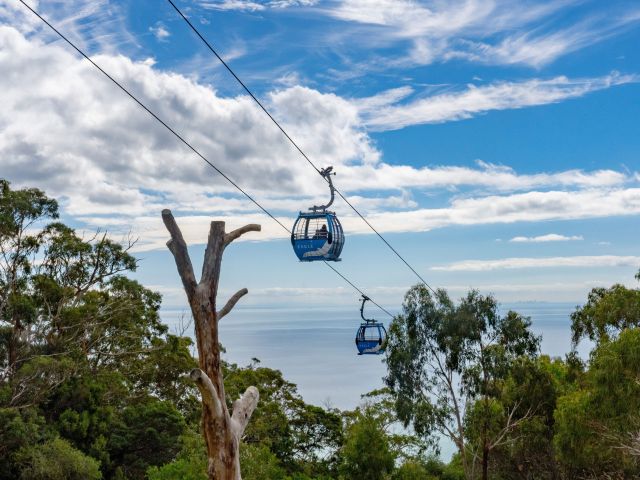
    Peninsula winters bring with them a thick mist and fog, which make for atmospheric and dreamlike scenery. Shroud yourself in the clouds with a gondola ride at Arthurs Seat Eagle. The summit is 305 metres high, giving you a genuine bird’s-eye view of the entire Peninsula region and Port Phillip Bay in their moody and misty glory.

    6. Dine beside a roaring fire

    table full of dishes at Rare Hare Wine & Food Store
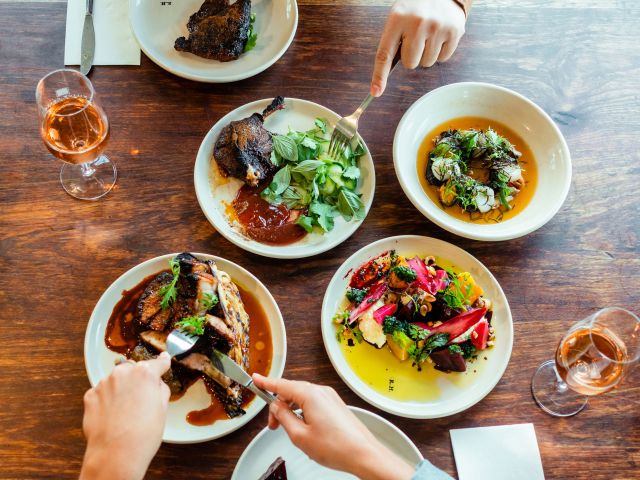
    Enjoy food and wine beside a roaring fireplace at Rare Hare Wine & Food Store. (Image: Visit Victoria)

    The Peninsula is an essential part of Melbourne’s “food bowl”, with 70 per cent of the region a designated Green Wedge zone. It’s little surprise, then, that there are so many opportunities to try its fresh produce. Visit farm gates like Torello Farm, Hawkes Farm and Tully’s Corner to sample the region’s winter harvest: apples, root vegetables, mushrooms and truffles.

    Nothing beats a fireside feast in winter, and several local dining venues offer exactly that. Lancemore Lindenderry Red Hill is a two-hatted restaurant with a roaring fire, Crittenden Estate does seasonal dishes and estate wines amid a cosy indoor space, and Rare Hare Wine & Food Store has a double-sided fireplace that anchors the warm and welcoming dining room.

    If the sun is out, enjoy a picnic amid the sprawling grounds of Montalto Winery. You’ll kick off with a tasting before heading outdoors to a covered picnic table, where you’ll feast on starters, mains, desserts and more wine.

    7. Go whale watching at Cape Schanck

    whales in victoria australia
    Look for whales between May and October. (Image: Visit Victoria)

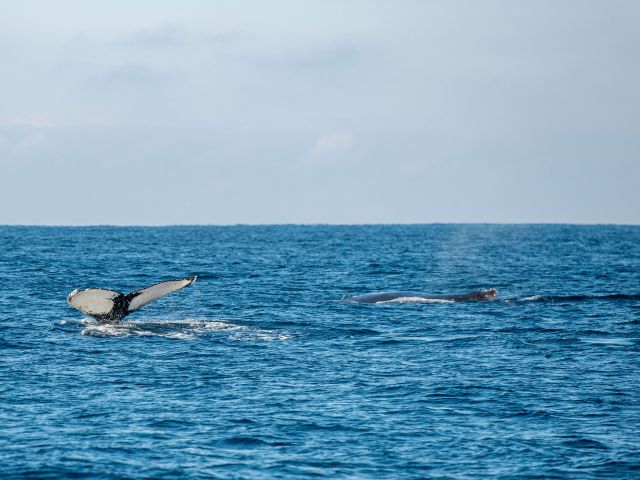
    Beyond the spectacular lighthouse views, Cape Schanck is also an excellent place to watch whales migrating through the Bass Strait. Between May and October each year, particularly during June and July, Southern Right and Humpback whales make their way past the area, and can sometimes be spotted just 150 metres from the shoreline. Many locals watch for free from the cape’s boardwalks and viewing platforms, but you can also book a boat tour.

    8. Explore Point Nepean National Park

    Point Nepean National Park is on the Mornington Peninsula’s tip
    Follow over 80 walking and cycling tracks. (Image: Visit Victoria)

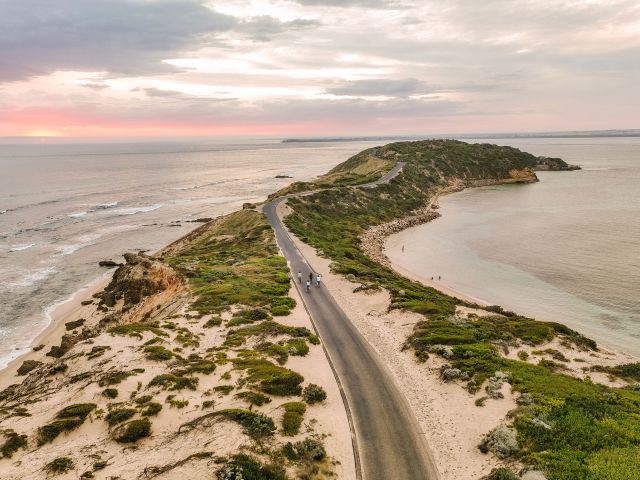
    Point Nepean National Park is on the Mornington Peninsula’s tip, just outside Portsea. Set right beside the clifftops, it’s wild, windswept and defined by its rugged terrain.

    Locals love the national park for its more than 80 walking and cycling tracks, and you’ll often spot them getting a winter workout in. But if you’ve never been here, make sure to discover its rich history.

    It forms part of an Indigenous cultural landscape on the lands of the Bunurong People, and holds significance as a site for early settlement and military operations. Numerous historical buildings – including the heritage-listed Quarantine Station – still stand today.

    Start planning the ultimate winter escape at visitmorningtonpeninsula.org.