Australia’s 10 most underrated national parks

hero media
Australia’s superstar national parks such as Kakadu, Daintree and Kosciuszko sure soak up the attention, but we reckon these 10 deserves a whole lot more love too.

1.Millstream-Chichester, WA

This Pilbara-based park is the little sister to nearby Karijini National Park. Spring water feeds permanent pools and paperbarks line creeks in defiance of surrounding ochre cliffs and spinifex. The 1920s-Millstream Homestead acts as a visitors’ centre, outlining the area’s activities, and the culture of the Yindjibarndi people (and the ‘Warlu serpent’).
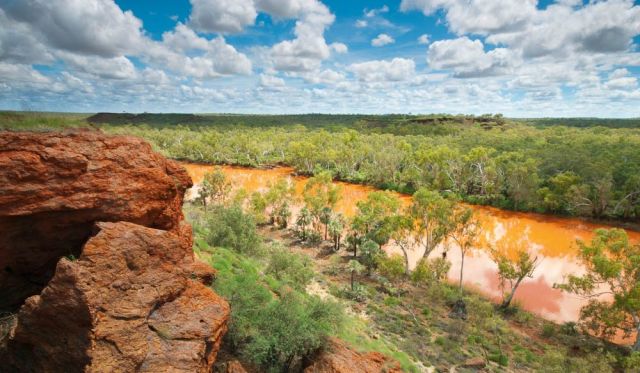
WA’s Millstream-Chichester NP is home to the mythical ‘Warlu serpent’.

2. Mirima, WA

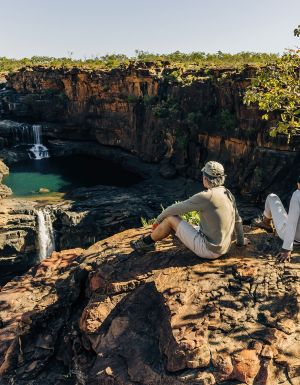
Mirima is a miniature version of the Bungle Bungle Ranges and it’s right on the doorstep (two-kilometres east) of relaxed Kimberley town, Kununurra. ‘Hidden Valley’ offers a selection of walks, from laid-back to sweat-inducing, around the home of the Miriwoong people. There is a flock of choice for bird watchers too, with species such as the white-quilled rock pigeon colonising the sandstone hills. parks.
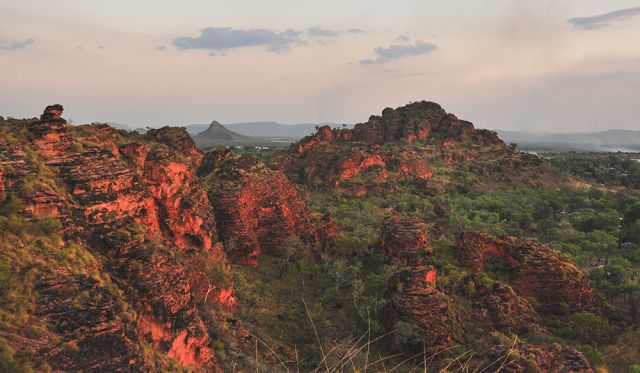
Views from Mirima National Park in Kununurra, Wester Australia

3. Ku-ring-gai Chase, NSW

Around 20 kilometres from Sydney’s CBD is a surprisingly diverse, 15,000-hectare park. This Mecca of wildlife spotting, rock art and outdoor activities is set in valley after valley of classic Sydney sandstone stretching from the Hawkesbury River to the sea. A great place to start is the Kalkari Discovery Centre with nearby Bobbin Head a tranquil place for a family picnic and a dip.
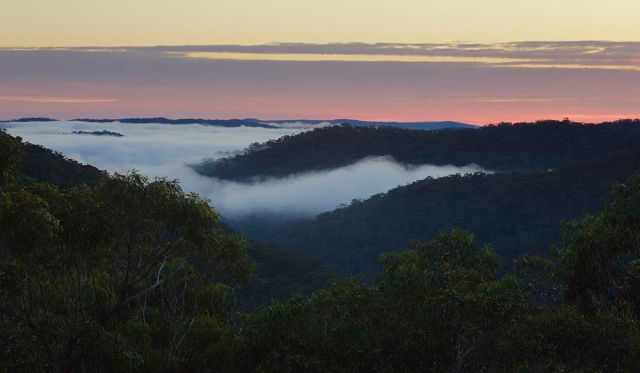
Morning sunrise, fog was blanketing the park.

Need tips, more detail or itinerary ideas tailored to you? Ask AT.

AI Prompt

4. Gundabooka, NSW

South of outback icon Bourke, craggy Mount Gundabooka stands half a kilometre above the surrounding plains, overlooking the Darling River. The Mulgowan Aboriginal Art Site walking track takes in rock art (animal motifs and hand stencils) and the hunting tools of the Ngemba and Paakandji peoples. Keep an eye out for pink cockatoos around the woodlands, floodplains and sandhills at Gundabooka.
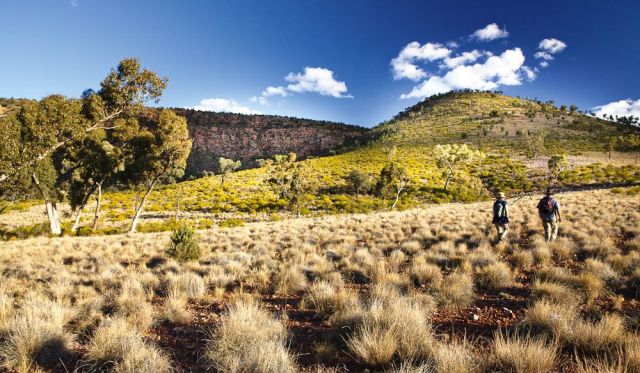
Bennetts Gorge Walk Gunderbooka National Park - OEH David Finnegan.jpg
A stroll through the craggy Gundabooka NP, south of Bourke, NSW (David Finnegan).

5. Coorong, SA

Around two hours’ drive south-east of Adelaide will land you in 130 kilometres of lagoon-scape of Coorong National Park. The wetlands are a fecund breeding ground for pelicans (the film Storm Boy was set here) and an array of other wild birds. Mounds of ancient shells mark the campsites of the Ngarrindjeri people. The park is ripe with walking, four-wheel-driving and kayaking opportunities.
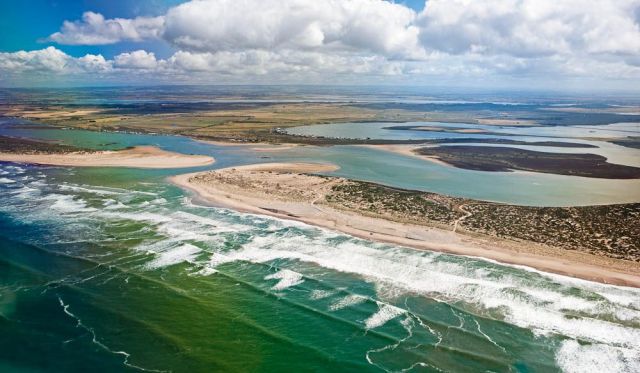
The diverse and sweeping Coorong NP in South Australia.

6. Tasman, Tasmania

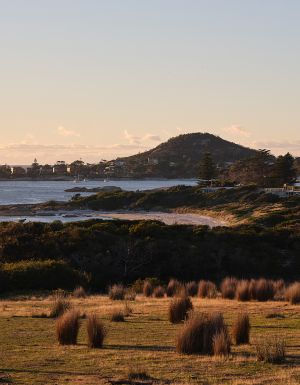
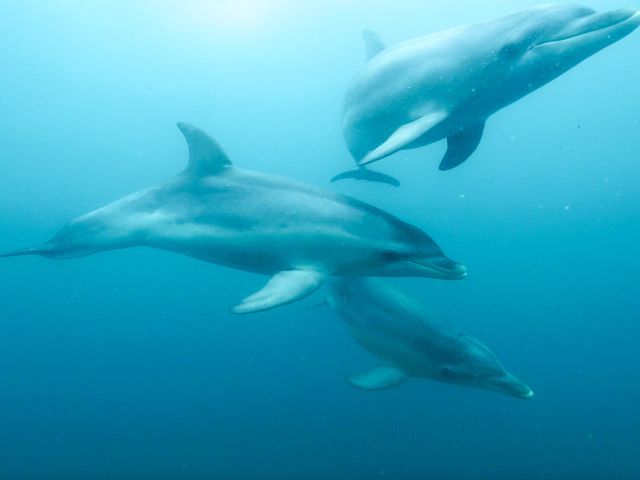
Across the bay from the modern history lesson at Port Arthur in Tassie’s south-east, lies the 300-metre columnar dolerite cliffs and isolated beaches of Tasman National Park. The Cape Pillar Walk is the highlight of the sublime coastal walks, a great way to see the majestic cliffs. The northern tip can be explored by car or cruise the coast from Port Arthur, to spot seals, penguins, dolphins and whales.

7. Litchfield, NT

Ticked off Kakadu? Litchfield, only a couple of hours’ drive from Darwin, is accessible most of the year and, unlike Kakadu, you can swim here without the threat of saltwater crocs. The park’s four spectacular waterfalls – Florence, Wango, Tjaynera and Surprise Creek – are full year-round. Magnetic termite mounds, with perfect north-south orientation, are one of many reasons for the trip.
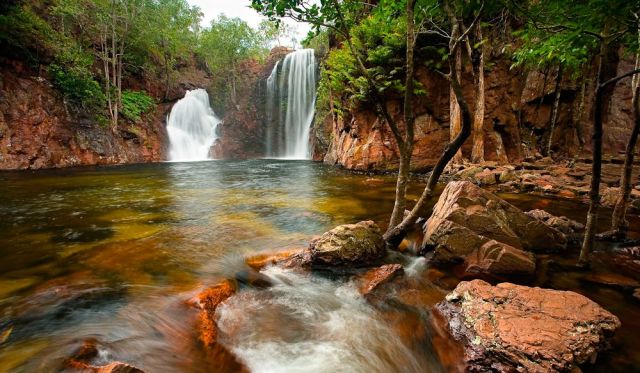
Florence Falls Litchfield National Park NT
Florence Falls, Litchfield National Park, NT.

Weekly travel news, experiences
insider tips, offers, and more.

8. Limmen, NT

A national park since 2012, Limmen lies in the heart of the remote tropical savannah, 305 kilometres south-east of Katherine. Its cultural footprint extends from indigenous culture to foreign seafarers, Macassan trepangers, European explorers and pastoral pioneers. The sandstone pillars of the ‘Lost City’ are worth the journey alone. Prepare well before heading this way and avoid the wet season.

9. Lamington, QLD

Flee the bustle and neon of the Gold Coast to this hinterland oasis, situated on a 900-metre high plateau – a pristine World Heritage Area, with Mount Tamborine your ever-present backdrop. Come face-to-face with the dense subtropical rainforest and its birdlife during a canopy stroll around O’Reilly’s Tree Top Walk, up to 30 metres above the forest floor.

Views over Lamington National Park to Hinze Dam in Queensland's Gold Coast hinterland
Views over Lamington National Park to Hinze Dam in Queensland’s Gold Coast hinterland

10. Great Otway, Great Ocean Road, Victoria

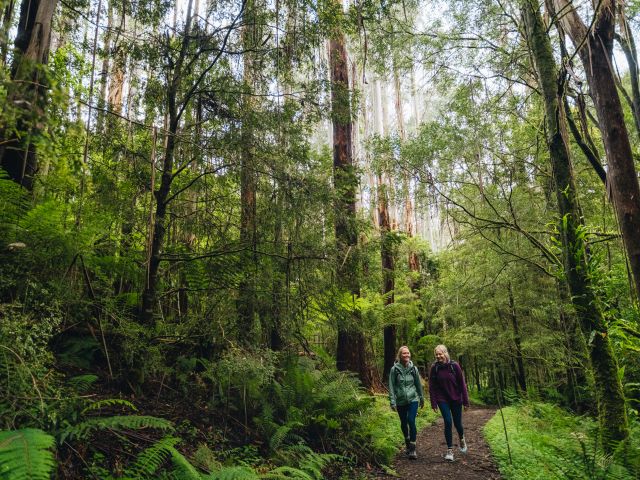
Cruise past all of the Great Ocean Road’s main towns to reach Cape Otway National Park, with its rugged coastline, rock formations, beaches, ferny forests and lakes. It’s easy and rewarding to get off the beaten track here and trek to breathtaking waterfalls such as The Cascades. It’s equally close to the region’s delicious produce nestled in the nearby hinterland towns.
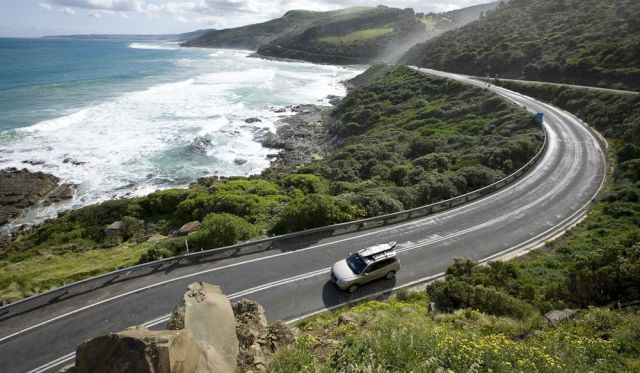
The Great Ocean Road at Great Otway National Park


MORE: Australia’s most underrated National Park? Magical, mystical Mungo…

Want to see more stories from Australian Traveller in your Google search results?

  1. Click here to set Australian Traveller as a preferred source.
  2. Tick the box next to "Australian Traveller". That's it.
hero media

7 ways to switch off and reconnect with nature in Albury Wodonga

Credit: Destination NSW

    Kate Bettes Kate Bettes
    Switch the hustle and bustle for a weekend of birdsong and greenery on the border.

    Straddling the Murray River where New South Wales meets Victoria, Albury Wodonga is just hours by car or train (or even a quick flight) from many major cities, but it feels a million miles away from the everyday.

    Here, you’ll find a blend of relaxed country lifestyle and modern city amenities, where a booming culinary scene and vibrant arts offerings meet a rich Indigenous history and stunning natural vistas. Spend time amongst river red gums, wildlife-filled wetlands and winding waterways.

    Ready to roll on the river? Here’s where to begin.

    1. Birdwatch in Wonga Wetlands

    The scenic Wonga Wetlands along the Wagirra Trail and Yindyamarra Sculpture Walk, West Albury.
    Walk along Wonga Wetlands, looking for local birdlife. (Credit: Destination NSW)

    It might be close to Albury’s CBD, but Wonga Wetlands feels a watery world away. This former grazing land has been restored to 80 hectares of lagoons, billabongs and river red gums, and you can now wander three kilometres of walking trails as you spot cormorants, spoonbills, egrets and sacred kingfishers. More than 170 bird species call the wetlands home, thanks to the Murray’s cycle of flooding and drying, so pack a picnic, settle in at a bird hide, and pull out those binoculars.

    2. Explore the Murray River

    picnicers in Noreuil Park albury wodonga nature autumn
    Take a picnic to enjoy in Noreuil Park. (Credit: Destination NSW)

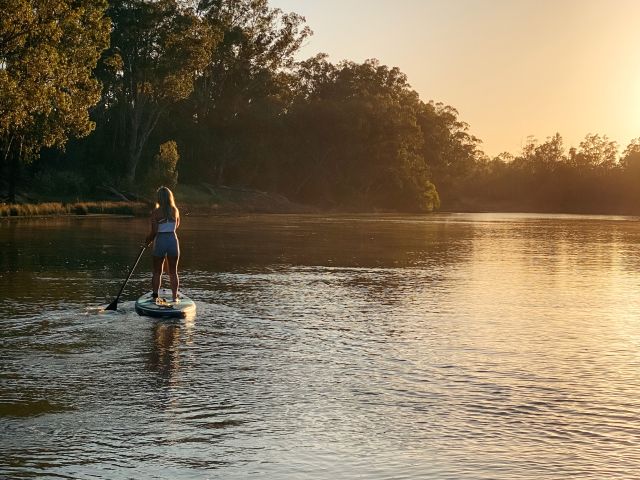
    The Murray River runs between Albury and Wodonga, where locals swap desks and deadlines for shaded riverbanks. Less than a kilometre from Albury’s CBD sits Noreuil Park, the city’s favourite stretch of riverfront. Cool off on the famous loop float, hire a kayak, launch a stand-up paddleboard or cast a line.

    Afterwards, chuck a rug on the lawn under a plane tree, fire up one of the free barbecues and watch the water as you munch on some Murray cod.

    3. Take a sculpture walk

    Albury Wodonga Yindyamarra Sculpture Walk
    See the art along the Yindyamarra Sculpture Walk.

    Albury Wodonga’s three sculpture trails showcase the Murray through First Nations tales on foot or by bike. Along the Yindyamarra Sculpture Walk, 15 contemporary Aboriginal artworks celebrate kinship and Country. The Crossing Place Trail passes the Wodonga Scar Tree, where local Indigenous people once harvested bark to craft canoes, and the Gateway Island trail tells you how the Murray sustained First Nations people for millennia.

    4. Get moving on local tracks and trails

    bike rider on albury wodonga nature trails
    Take your bike to Hunchback Mountain Bike Park.

    More than 100 kilometres of trails cross Albury Wodonga’s hills, reserves and riverbanks. Mountain bikers can tackle the championship-calibre descents of Nail Can Hill, weaving through eucalyptus forest where the rare crimson spider orchid blooms, or hone their skills at Hunchback Mountain Bike Park‘s 29 graded trails.

    Keen to explore on foot? Huon Hill makes the sore legs worth it, with lookouts across Lake Hume and the Kiewa Valley, while McFarlanes Hill meanders through stringybark woodland and rocky outcrops.

    For a slower pace, the 44-kilometre High Country Rail Trail hugs the shores of Lake Hume, crossing the red-pillared Sandy Creek Bridge before rolling into Tallangatta.

    5. Check into restorative stays

    Couple standing outside the retro inspired Astor Hotel Motel in Albury
    Check into one of Albury Wodonga’s over 60 accommodation options. (Credit: Destination NSW)

    Some moments call for a boutique hotel. Others call for backing the caravan up beside the lake. Whether you’ve spent the day splashing in the Murray, furiously clocking kilometres on the bike trails or entertaining kids in playgrounds at the water’s edge, there’s somewhere to lay your head.

    From motels shaded by river red gums to lakeside holiday parks and boutique hotels, Albury Wodonga’s 60-plus accommodation options mean you’re never far from a morning walk along the Murray or dinner on Dean Street. But be warned: book ahead. You might not be the only one craving a weekend by the Murray, especially in the school holidays.

    6. Enjoy delicious dining options

    yardbird restaurant
    Enjoy incredible meals in Albury Wodonga.

    Every paddle, bushwalk and bike trail deserves a proper meal afterwards. Once you’ve swapped out your damp swimmers or your dusty trainers and start to sniff out a feed, you’ll quickly discover you’re surrounded by one of Australia’s richest agricultural regions.

    Unsurprisingly, Albury Wodonga’s dining scene is all about that Riverina produce. We’re talking Murray cod (of course) but also premium local beef from the valleys, olive oil from nearby groves, cool-climate wines and European-style cheeses.

    The restaurants, wine bars and breweries around Dean Street and Junction Square are all within easy reach, serving everything from modern Australian and Mediterranean to Thai, Vietnamese, Italian and classic wood-fired steakhouse fare. Looking for a riverside brunch? A comforting bowl of dumplings on a winter evening? Or up the ante with the vibrant flavours of Europe? Whatever the craving, there’s a table waiting.

    7. Get out on Lake Hume

    lake hume at sunset in albury wodonga nature
    Be sure to stay for a Lake Hume sunset.

    When you’re ready to dial up the solitude, trade the river for a veritable inland sea: Lake Hume. Just 15 minutes from Albury and Wodonga, it’s one of Australia’s largest water storage reservoirs. In other words, there’s plenty of space to swim, paddle and stake out a patch of shoreline all to yourself.

    Take the long way through Riverina farmland, stopping at the dam wall to appreciate just how enormous Lake Hume is. Cast a line for Murray cod, rainbow trout, golden perch or redfin and unpack a bag of bakery treats beneath the trees before launching a kayak into the vastness.

    Afterwards, stop by the Bonegilla Migrant Experience, where the remaining accommodation blocks tell the stories of more than 320,000 post-war migrants who passed through between 1947 and 1971. Give yourself time to walk through the preserved camp, stopping to digest the photographs, personal stories and artworks that reveal what it meant for residents to begin a new life at the edge of the world.

    Even if you’re exhausted, stay until twilight. The sunset is about to put on a hell of a leaving show for you.

    Start planning your escape into nature at visitalburywodonga.com.