The Orionid meteor shower arrives in October – here’s how to dodge a bright moon and still catch it.
The Orionid meteor shower, made from debris left behind by Halley’s Comet, is set to peak around 21–22 October. Last year’s display lined up with a new moon. This year there’s a catch: a waxing gibbous moon about three-quarters full on peak night, lighting up the sky for the first half of the night.
The good news is that the moon sets in the early hours, and the Orionids are at their best after midnight anyway. With a little planning and an alarm set for the small hours, you can still catch them.
What are comets and meteor showers?
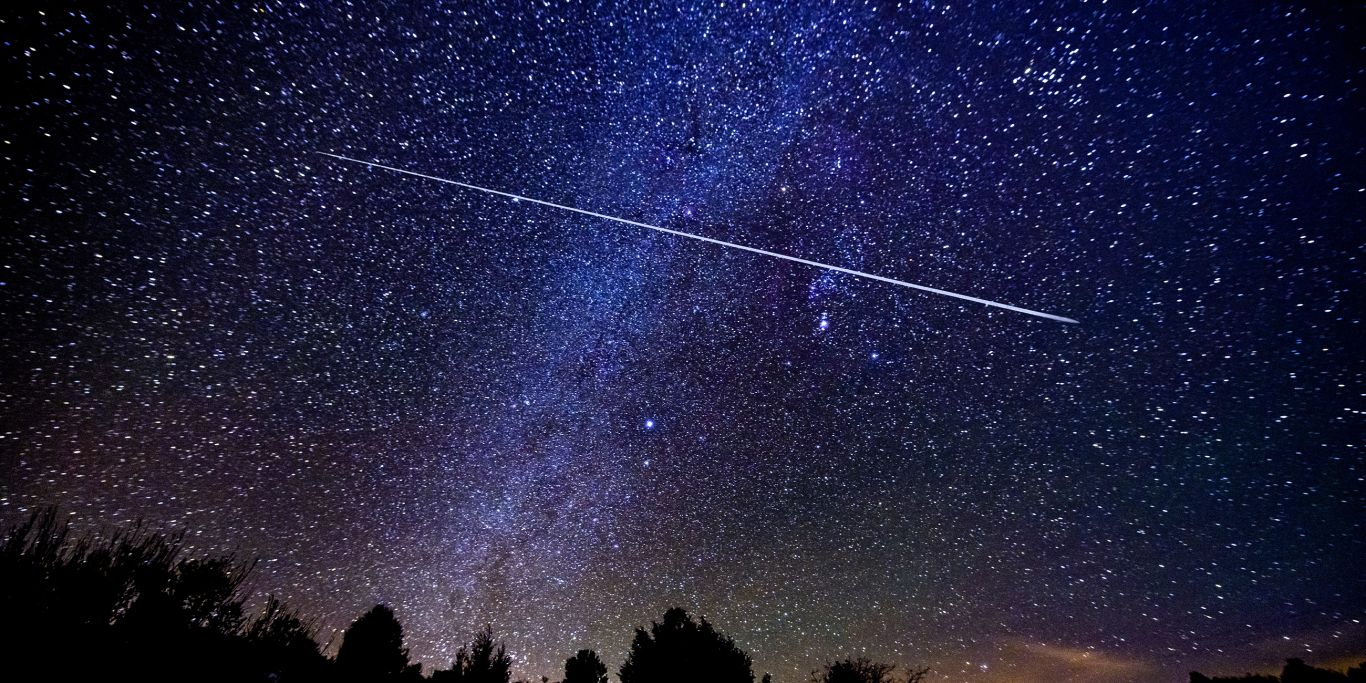
Orionid meteors can appear anywhere in the sky. (Credit: Getty Images / Adventure_Photo)
World-renowned astrophotographer and educator Adam Block, from the Steward Observatory at the University of Arizona’s Department of Astronomy, explains that comets are remnants from the early part of the solar system, made from both water ice and other frozen gases.
“Basically, you have a ball of rock with a trail of gas coming out behind it. It’s the sun that controls all of that; the solar wind blows the gas back," he tells Australian Traveller.
“But it’s not just gas; there are also particles of dust released and liberated from the surface of this dirty iceball."
That gas and dust particles released from the surface form a tail behind the comet, creating a trail in space.
“If the Earth runs through that stream of dust, those dust particles will enter the Earth’s atmosphere at around 30 kilometres per second, so they literally burn up in the upper atmosphere," he says.
Simply put, the resulting light trail is the meteor.
Need tips, more detail or itinerary ideas tailored to you? Ask AT.
AI Prompt
The Orionids and Halley’s Comet
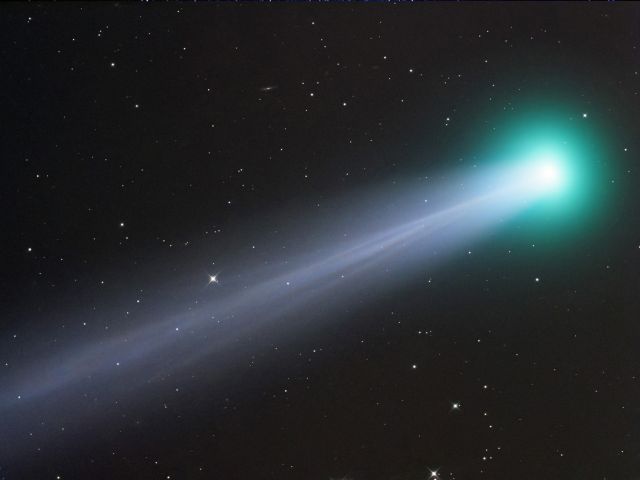
A comet is an icy, dusty celestial body that orbits the Sun. (Credit: Adam Block)
Halley’s Comet is one of the most famous comets of all. It was last seen from Earth in 1986 and returns roughly every 75 years, with its next appearance expected in 2061. The comet itself is far from view, but Earth passes through its trail of dust twice a year. The result is two meteor showers: the Eta Aquariids in May and the Orionids in October.
When is the best time to see the Orionids in 2026?
The Orionids are active from early October to early November. They peak on the night of Wednesday 21 October into the morning of Thursday 22 October.
According to Adam, the best time to watch is after midnight. That’s when your side of Earth faces the direction we’re travelling through space and runs directly into the meteoroid stream.
This year, timing matters more than usual. The darkest window runs from moonset until the sky starts to brighten before dawn.
The Orionids have a broad peak, so the surrounding nights are worth a look too. A few nights earlier, the moon is smaller and sets sooner, which gives you a longer stretch of dark sky, even if there are slightly fewer meteors. If a 2am alarm midweek isn’t realistic, the weekend of 17–18 October is a good alternative.
How to see the Orionid meteor shower
The good news, according to Adam, is that you don’t need a telescope or optical aid to witness the event; you just need “a dark sky, a clear view and some patience." The further you get from city lights, the better.
The meteors appear to radiate from Orion, the constellation many Australians know as the Saucepan, which rises in the east. You don’t need to stare at it, though. Meteors can show up anywhere in the sky, and those further from Orion tend to leave longer trails. Keep the moon behind you or blocked by a building or tree, and give your eyes 20 minutes to adjust to the dark.
Under dark skies, the Orionids typically produce around 20 meteors per hour at their peak. Moonlight will wash out the fainter ones this year, so expect fewer. Adam says you’re doing well if you see one every five or 10 minutes. And if you’re lucky, you might even catch a fireball. Orionids are fast, hitting the atmosphere at around 66 kilometres per second, and the brightest can leave a glowing trail that lingers for a few seconds.
Want to see more stories from Australian Traveller in your Google search results?
Tick the box next to "Australian Traveller". That's it.
Rachael Thompson is a freelance travel journalist. With a background in design and travel media, Rachael is dedicated to curating content that is as much informational as it is beautiful. She began her career at Belle magazine, before taking up...
Emily Murphy is Australian Traveller's Email & Social Editor, and in her 4+ years at the company she has been instrumental in shaping its social media and email presence, and crafting compelling narratives that inspire others to explore...
From barefoot beach walks to moonlit dinners, this three-day Hamilton Island itinerary will have lovebirds swooning.
Few Aussie destinations do romance quite like Hamilton Island. Set in the dreamy Whitsunday Islands, this popular honeymoon destination combines luxury retreats, palm-fringed reefs and spectacular dining with the easy rhythm of tropical living. Whether you’re planning a honeymoon, anniversary or spontaneous couples’ weekend, here’s how to spend a loved-up three days on Hamilton Island.
Day 1
Morning
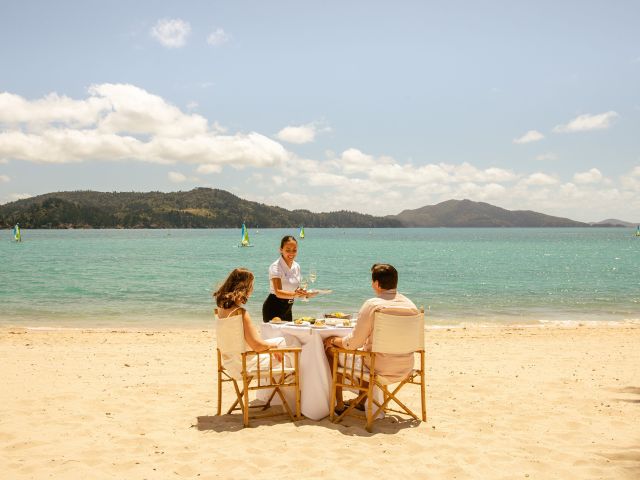
Let picturesque ocean views welcome you the moment you check in. (Image: Kara Rosenlund)
Nothing kills the holiday buzz faster than waiting at the baggage carousel. Luckily, our arrival couldn’t have been smoother. Staying at the boutique, adults-only Beach Club Hotel means VIP transfers are included, so the moment we land, a staff member greets us and whisks our bags straight from the baggage claim to our room. We don’t have to lift a finger.
Occupying a prime piece of real estate on Catseye Beach, Beach Club is a peaceful retreat just steps from sugar-white sand and a turquoise lagoon. Within 10 minutes of stepping off the plane, we’ve arrived and are switched into holiday mode.
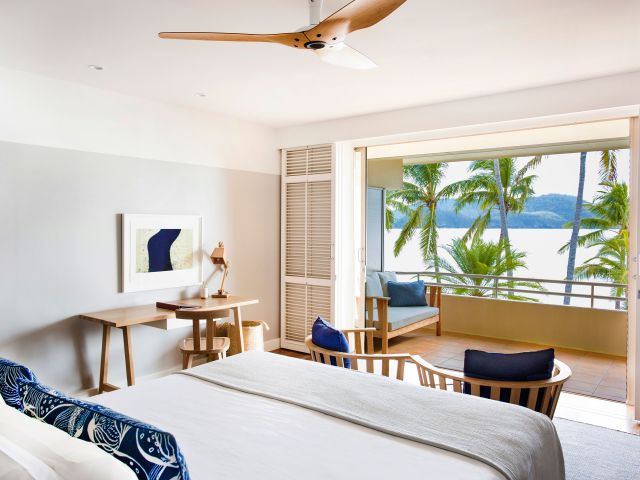
We check into our room, immediately delighted by the sight of several wallabies grazing in the garden just in front of our private terrace. Beyond, picturesque ocean vistas stretch across the horizon. The room’s mini bar is stocked with bespoke sweet treats; the bathroom with premium Aesop amenities that add to the luxury.
After we’ve checked out the resort’s beachside infinity pool – plotting the lounge chairs we’ll no doubt return to later – we head out to explore the island. Families glide by on hire bikes and chirping rainbow lorikeets dot the foliage. We decide to hike up to Passage Peak – one of the most scenic walks on Hamilton Island – which takes about 40 minutes one way and boasts panoramic Whitsundays views that will stick with you for long after you leave.
Afternoon
Recharge with a laid-back lunch at Beach Club Restaurant. (Image: Nikki To)
After working up an appetite, Beach Club Restaurant is the perfect place to snap up a light lunch. Think barramundi, nourish bowls, Wagyu beef burgers, brown butter toasties and Queensland chilli prawns. For those who don’t want to move from their prime perch on the beach or by the pool, there’s also the option to order bites via QR code from the resort’s lounge chairs.
After our fill, we plunge into the hotel’s incredible infinity pool, its surface blending near seamlessly into the blues of Catseye Beach. Quiet and tucked away from the island’s hum, it feels illegal to do anything but relax here.
Evening
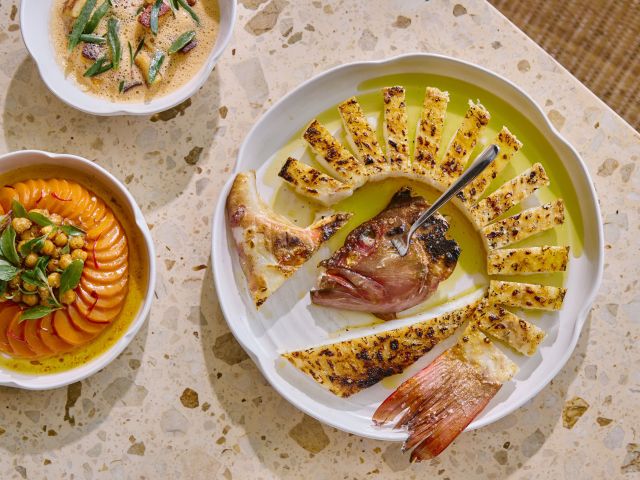
Celebrate your first evening over beautifully plated coral trout. (Image: Nikki To)
There’s truly nothing more satisfying than a little R&R (rest & robe) time in your hotel room after spending the day in the sun. Fresh from a shower, we watch the ripe tangerine sun slowly dip below the palm-framed horizon from our plush terrace daybed. Two wallabies are still grazing on the grass. It’s a magical setting; I find it hard to believe I am only a few hours away from home.
Come dinnertime, we zip over to nearby Catseye Pool Club, which is a short buggy ride from the hotel or a five-minute walk. A chic new haunt from Sydney-based pair Josh and Julie Niland, the restaurant is all about reconnecting over flavour-rich share plates using high-quality Aussie ingredients.
We sit in a corner overlooking Catseye Beach – arguably the best seat in the house – with mini table lamps casting a soft glow about the contemporary indoor-outdoor setting. What comes next is pure delight; grilled prawns served with tumeric and lemongrass marinade, macadamia satay sauce and a Thai-leaning sour green mango salad. Then, elegantly plated coral trout served with kasundi and zucchini. We savour it all slowly, the conversation flowing easily between bites and sips while the moonlight transforms the ocean into molten silver.
Day 2
Morning
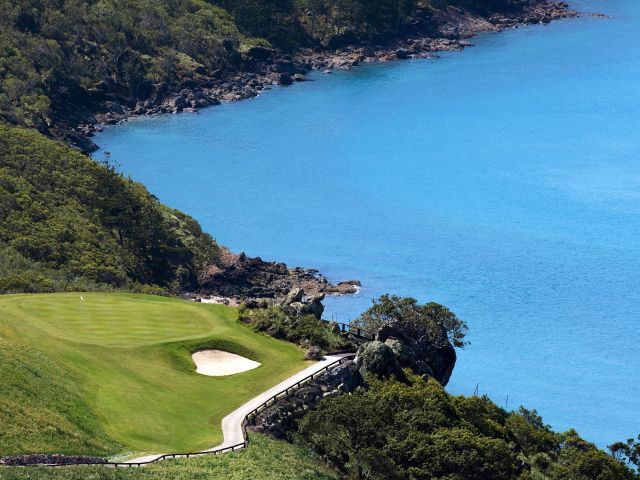
Tee off side by side against a backdrop of sweeping ocean views. (Image: Andrea Francolini)
A la carte breakfast is complimentary for guests of Beach Club, and we take full advantage of the fact. Barista-quality coffee and pressed juice – today it’s carrot, melon, orange and pineapple – arrive alongside pastries baked fresh this morning. For the larger meal, I treat myself to the buttermilk pancakes with praline butter.
If you prefer an active start to the morning rather than lying in, you’ll find plenty of options. Perhaps tee off at the 18-hole golf course, where the views are as much of a drawcard as the sport itself. Designed by five-time British Open winner Peter Thomson, the course is integrated into the ridged landscape of Dent Island.
Afternoon
Uncover new favourite wines together. (Image: Sharyn Cairns)
For wine-curious couples, Beach Club’s new Talk & Taste experience is a must. Held several times a week for up to eight guests, it’s an intimate tasting of Aussie drops paired with curated bites – all guided by Bommie Assistant Manager and wine enthusiast Courtenay Morgan-Fletcher.
We opt for the white wine and seafood option, enjoying pours from Eden Valley to Launceston while Courtenay shares her knowledge and passion for the intricacies of wine making.
Later, we drive our golf buggy up to One Tree Hill. This is one of the most popular spots on the island for sunset, but we chose to come a little earlier so we have more space to ourselves. We enjoy afternoon wine and cheese, admiring the 360-degree views of the island and its impossibly blue waters.
Evening
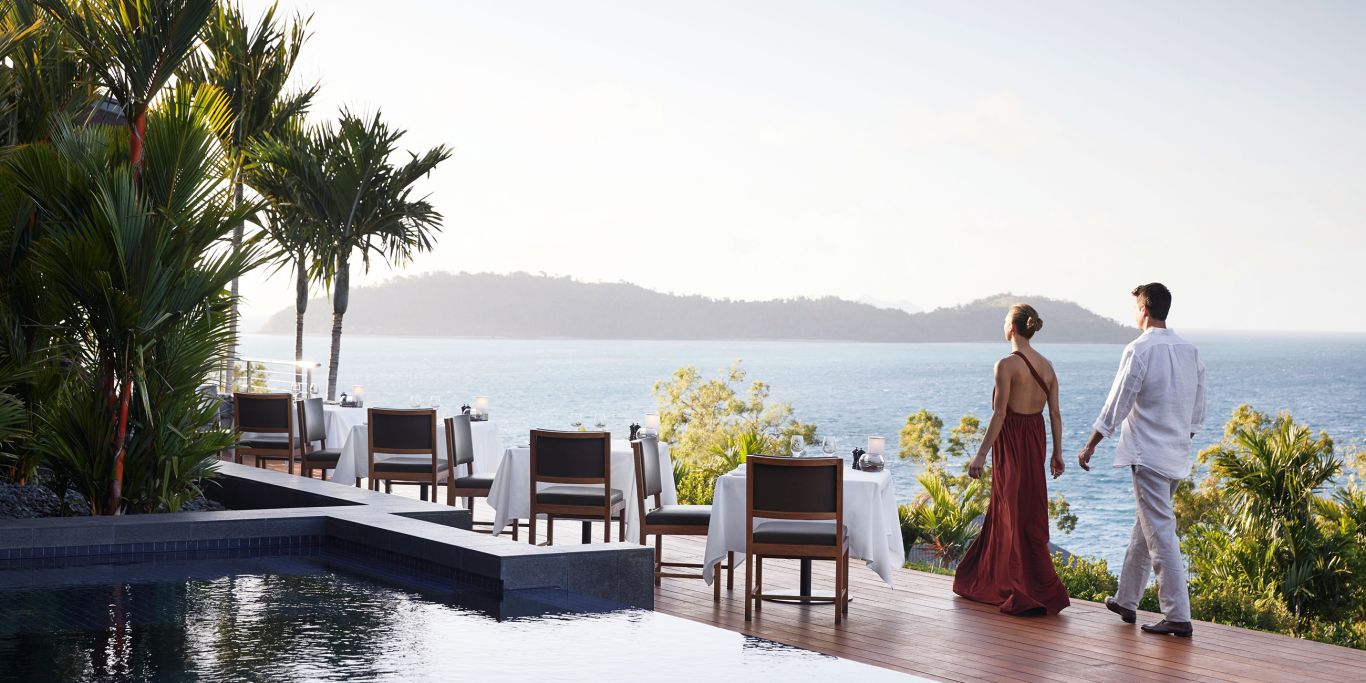
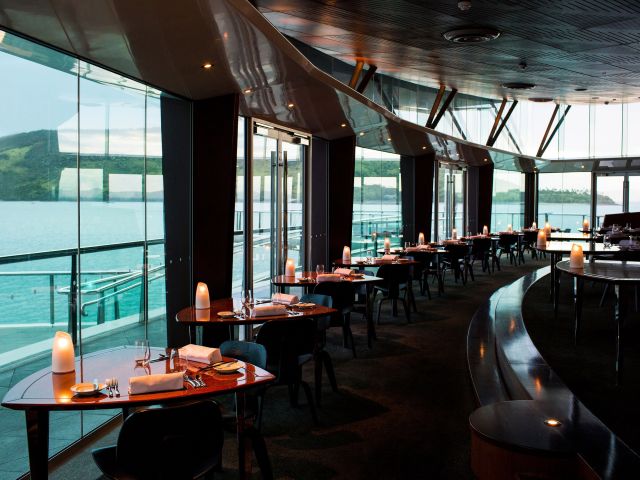
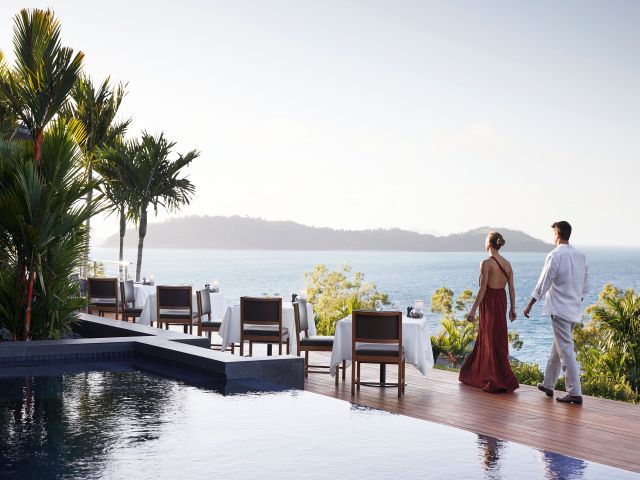
Dress up for a romantic evening at Bommie Restaurant. (Image: Kara Rosenlund)
Since we are, after all, on holiday, we continue the tipples at Bommie Deck. Suspended above Hamilton Island’s marina, this architectural monument is a fabulous place for a sunset spritz.
Just a few steps inside is Bommie Restaurant, the contemporary Australian fine dining establishment headed by chef Ryan Locke. Of anywhere on the island, this is the place to frock up and celebrate a special occasion – especially if theatrical culinary experiences take your fancy. The tasting set menu is a whirlwind of native Australian flavours and creative plating – with highlights including the cured venison wrapped in wattle seed seasoning. For dessert, a clever take on white chocolate and lemonade ends the night on a high.
Day 3
Morning
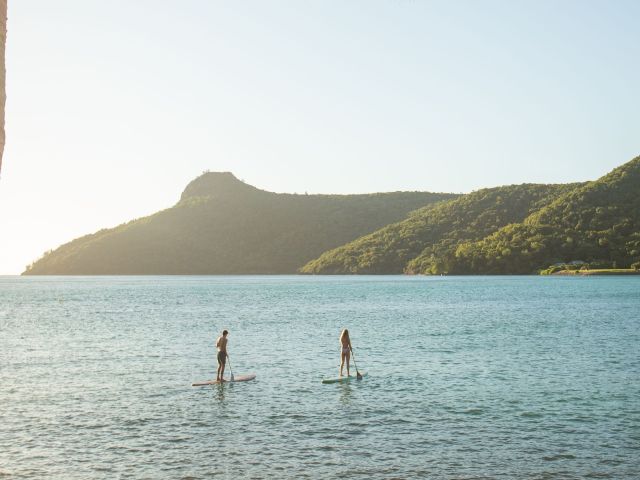
Ease into the morning with a paddleboarding adventure. (Image: Kara Rosenlund)
Another low-key morning means another blissful breakfast at Beach Club. This time, it’s smashed avo toast topped with Persian fetta, dukkah and poached eggs – a deliciously fueling start to the day.
The weather today is perfect for a paddle, so we walk straight from our room onto the sand of Catseye Beach to pick up some SUP boards. Guests of Beach Club receive complimentary non-motorised water sports equipment, spanning everything from mini catamarans to snorkel gear and kayaks. Finding our balance on the boards is a fun challenge at first, but before long, we’re gliding across the glassy water like naturals.
Afternoon
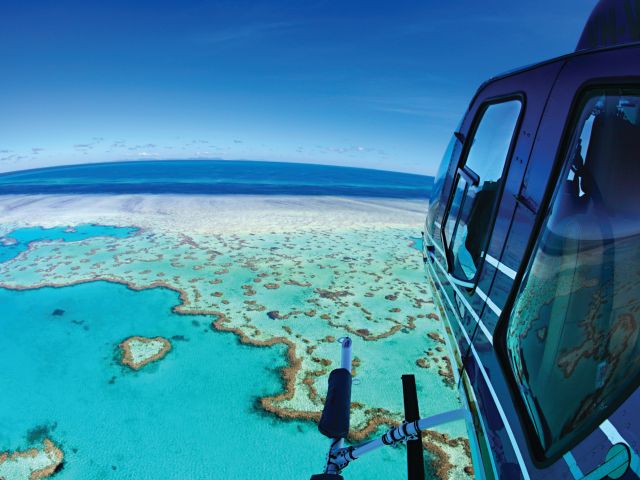
Add the ultimate highlight with a Heart Reef flight together. (Image: Hamilton Island)
No couples’ retreat is complete without a touch of pampering. Located in the resort area, Spa Wumurdaylin offers everything from body wraps and facials to de-stress massages using natural Australian products. The Soul Temple treatment begins with a heavenly feeling sugar scrub, followed by a Vichy vertical shower and underwater massage. I leave in a daze.
If you prefer adventure to relaxation, there is an abundance of day trips from Hamilton Island, from snorkelling on the Great Barrier Reef to Whitsundays helicopter tours – all of which make for unforgettable experiences that will bring you and your partner closer.
Evening
Close your journey over a beautiful dinner by the sea. (Image: Sharyn Cains)
Enjoy an elevated evening at qualia’s tranquil Pebble Beach restaurant, where a private beach setting complements the thoughtful, seasonal menu. Or perhaps continue relaxing at Beach Club, feasting on roast lamb and seafood at the poolside restaurant or soaking in ocean views from your room with in-house room delivery. And don’t forget the champagne – a weekend of love, fun and restoration is worth toasting.
Getting there
Hamilton Island has its own airport called the Great Barrier Reef Airport, which makes it fuss-free to get to. Qantas, Virgin and Jetstar offer short, direct flights from most major Australian cities, including Sydney, Brisbane, Melbourne and Cairns. This means you’ll spend less time travelling and more time enjoying each other’s company.