How a surfer and a rock legend saved Australia’s beaches

hero media
Australia’s National Surfing Reserves are hallowed ground when it comes to the beaches found along our coast, and not only for surfers.

Head down to the beach at daybreak, anywhere the swell is permitted to reach the shore, and you’ll see them. The wetsuit-clad meditators, the board shorts and bikini brigade, the groms and the silver-haired sea dogs with boards under arm, all gathered in their sandy place of worship.

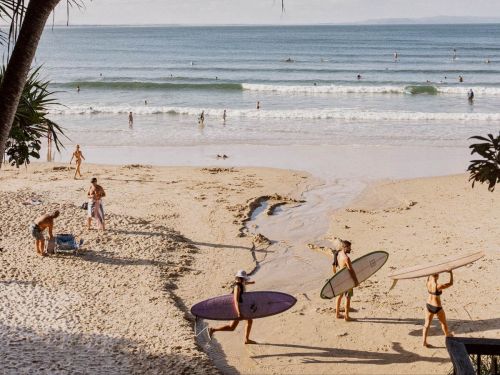
Peeling towards rocky points, butting up against sandbars or curling around artificial reefs, waves break rhythmically on Australia’s coastline in all kinds of conditions. The surf calls to the soul of those who find solace duck-diving into its salty embrace. Those hooked on the indescribable feeling of riding a wave.
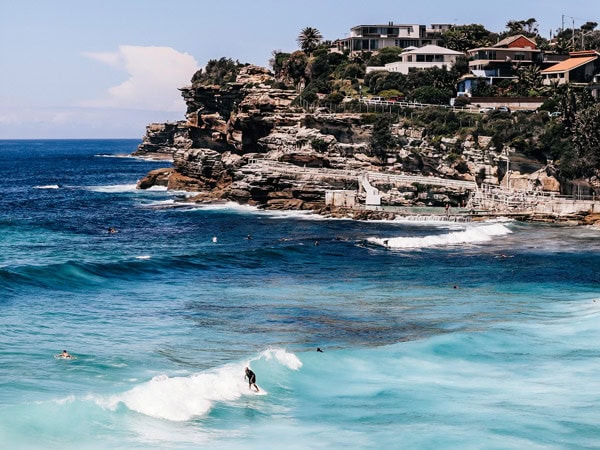
surfing in Bondi Beach
Bondi Beach is one of Australia’s most iconic surf spots. (Image: Elise Hassey)

When it comes to the quality of surf breaks, and the sheer number of them that ring the continent, Australia is indeed the lucky country. Surfing took off in Australia after being introduced by Hawaiian Duke Kahanamoku in 1915, its popularity never waning. Australia is renowned as one of the world’s premier surfing destinations and it’s inescapably intertwined in the coastal fabric.
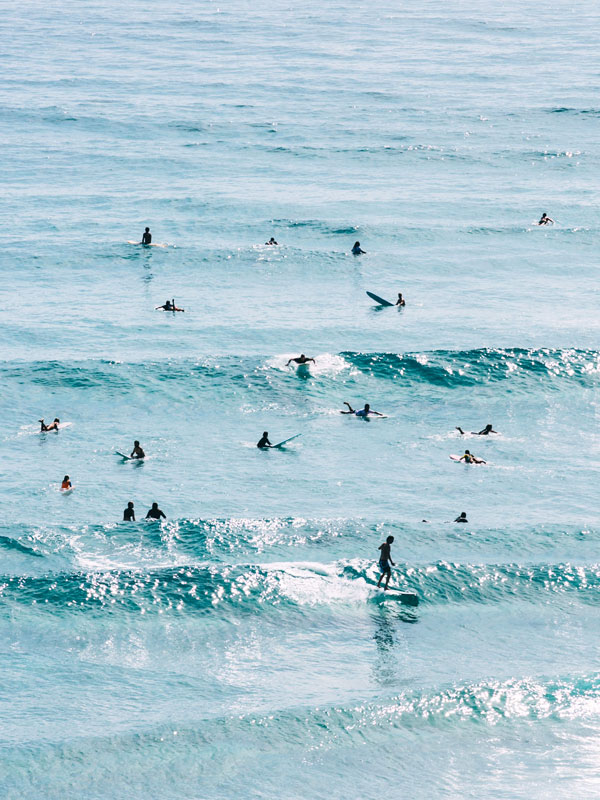
surfers hitting the waves
Australia’s surf breaks are the envy of the world. (Image: Elise Hassey)

“Surfing is much more than a sport," says conservationist Brad Farmer. “It’s a culture, it’s an art form, it’s a pastime, it’s a meditation. That’s why people go to the beach. Billions of visitors go there for this experience, which is really subjective and ephemeral."
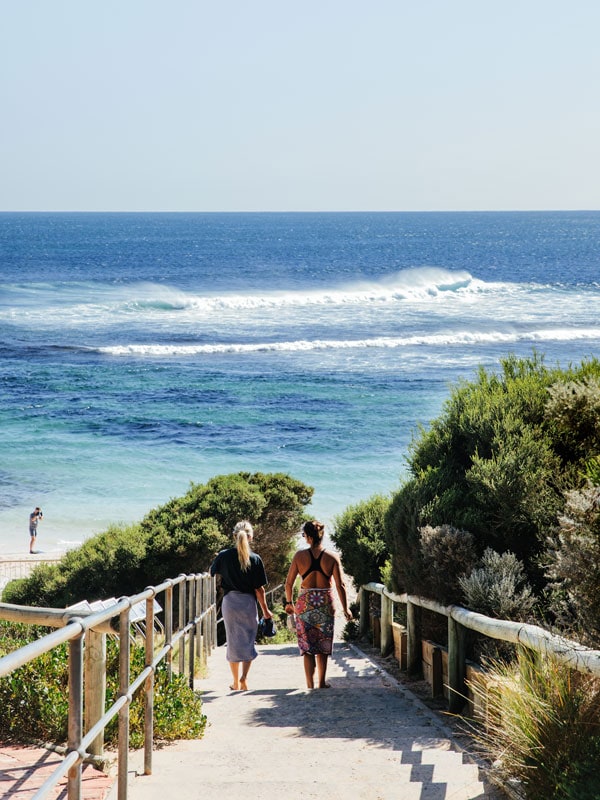
two women walking down the beach staircase at Yallingup Beach
Yallingup is paradise for surfers and sun worshippers. (Image: Elise Hassey)

If Farmer’s name rings a bell, it’s because he’s also the man responsible for declaring the top beaches in Australia each year as Tourism Australia’s Beach Ambassador – a title he’s held since publishing his book 101 Best Australian Beaches with co-author Professor Andy Short in 2013. The annual list is carefully curated to showcase the diversity of beaches Australia has to offer.
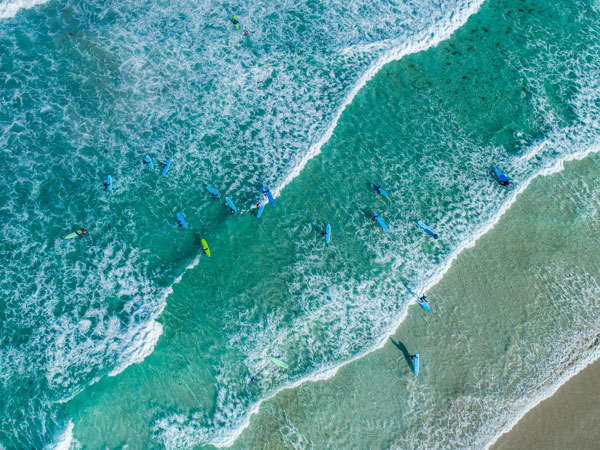
surfing at Margaret River
Margaret River Surf School runs private surf lessons for all ages. (Image: Tourism Australia)

As a surfer himself, Farmer comes at it with a long history of advocating for Australian beaches. He’s responsible for creating the non-profits Surfrider Foundation Australia and Ocean Care Day, and is working alongside indomitable pro-surfer Kelly Slater to develop a model for UNESCO to recognise significant coastal sites. But it was his work as the founder of National Surfing Reserves that has led to the most profound change in how we value Australia’s outstanding surf breaks and the lifestyle they afford.
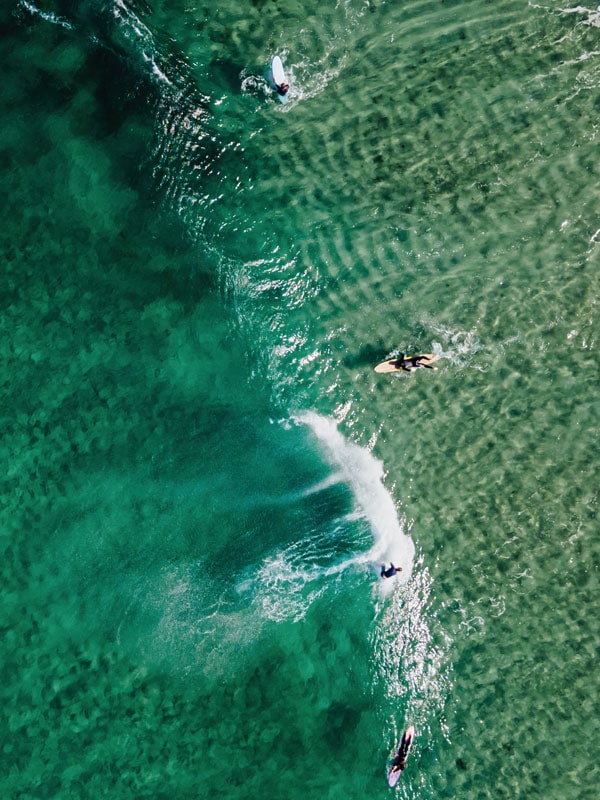
surfing at Margaret River
Margaret River is a swell magnet in the south-western corner of WA. (Image: Elise Hassey)

What are National Surfing Reserves?

The idea to protect surf breaks was seeded in 1973 when a group of local surfers created a ‘Surfing Recreation Reserve’ at Bells Beach, Victoria.
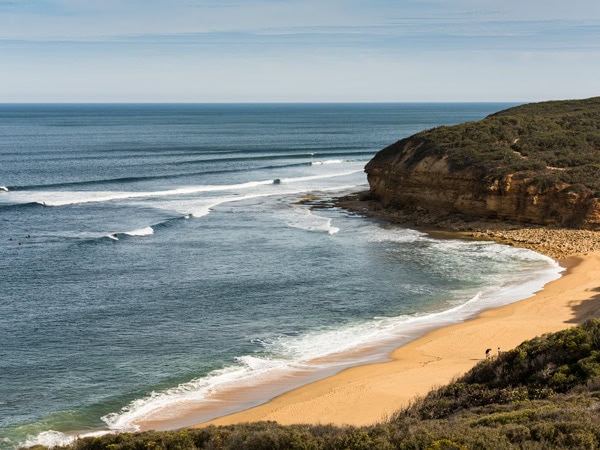
an aerial view of Bells Beach
Bells Beach is where pro Mick Fanning won his first-ever World Surf League tour. (Image: Robert Blackburn/Visit Victoria)

At the time, Australia’s surf culture was quickly gaining pace – it was the early days of Rip Curl and a time when shortboards were adopted to surf punchy beach breaks, as opposed to the longboards beloved in places like California. With our remote and untouched landscapes – and the advent of innovative gear such as wetsuits and board shorts that made the game a whole lot more enjoyable – Australia’s surf scene quickly became the envy of the world.
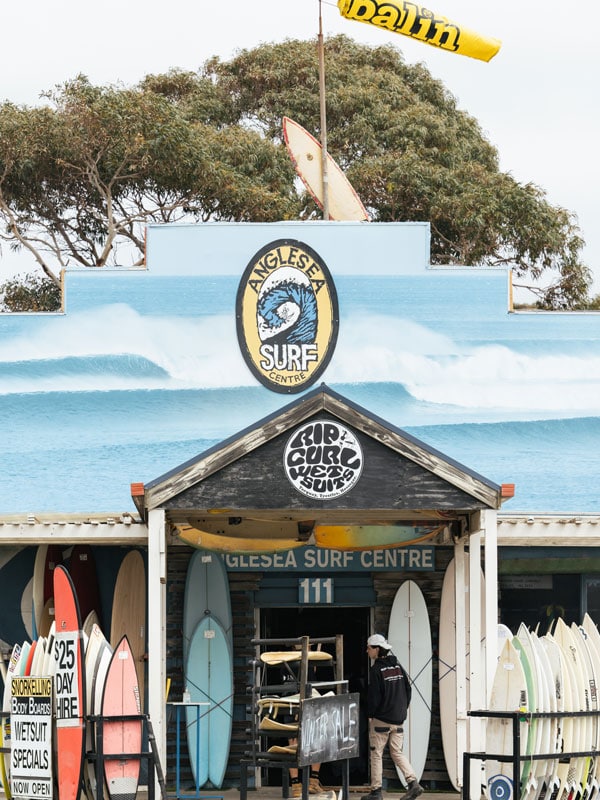
the Anglesea Surf Shop, Victoria
Pick up a secondhand surfboard from the old-school surf shop in Anglesea, Victoria. (Image: Elise Hassey)

Taking the concept of Bells and the power the reserve had held in the face of relentless coastal development, Farmer established the not-for-profit National Surfing Reserves in 2005 under the patronage of rock legend, environmentalist and then Federal Member of Parliament, Peter Garrett.

He had a list – the top surf spots found among about 1100 surfing beaches ringing Australia’s coast – and since Maroubra was declared as the first National Surfing Reserve in 2006, 18 more renowned breaks have been added to the list.

The criteria is strict and the application process can take anywhere from nine months to six years, but ultimately, each successful reserve is recognised as a place of “intrinsic environmental, heritage, sporting and cultural value to our nation".
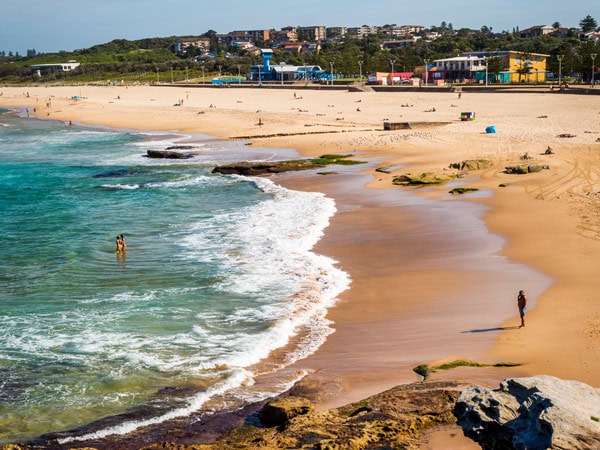
the Maroubra Beach National Surfing Reserve in Sydney
Sydney’s Maroubra Beach was Australia’s first National Surfing Reserve. (Image: Destination NSW/Anna Kucera)

In 2009, Farmer helped the non-governmental Save The Waves Coalition take the idea global with the launch of World Surfing Reserves, and in 2016, Regional Surfing Reserves were added, extending to “any local surf breaks that have good waves and the community feel a sense of pride."

“It’s as much about protecting these sandy spots of worship, as it is about the community around them," says Farmer. “Empowering those who love and use our beaches, with a say in how they’re managed," he says. “This is what we call a sacred site – similar to how Indigenous Australians would have a bora ring or midden. The community have a sense that this is a place of awe, there’s something sacred about this particular site, not only for the quality of its waves."
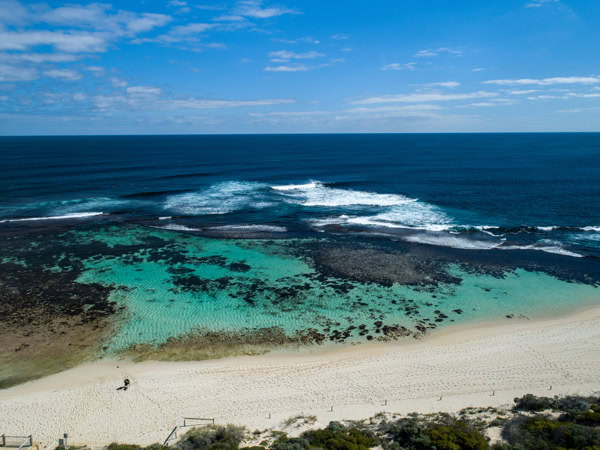
the Yallingup Beach in WA
Yallingup Beach is considered by many as the birthplace of boardriding in WA. (Image: Tourism Australia)

For Australia’s Saltwater people, the First Nations groups born and raised to understand and care for the coast and its waves like no other, the ocean is like family. Indigenous ex-pro and co-founder of the Royal Indigenous Surfing Association, Robbie Page, sees it similarly to Farmer. “Surfing’s a healing place," he said in the ABC documentary Changing Tides. “It’s got no prejudice, it teaches every human, welcomes every human."
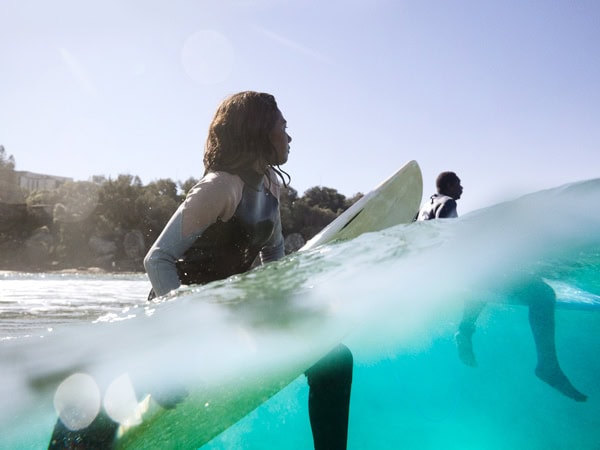
surfing at Freshwater Beach
Freshwater Beach has more than a century of surfing heritage. (Image: Destination NSW/Mark Clinton)

Need tips, more detail or itinerary ideas tailored to you? Ask AT.

AI Prompt

What do National Surfing Reserves protect?

National Surfing Reserves are essentially decreed so that all people can enjoy, understand and protect these special coastal environments. While the volunteer-led National Surfing Reserves has always had people power on its side – and likely the approval of tourism boards who use the reserves in their marketing efforts – until recently, it lacked legal sway.
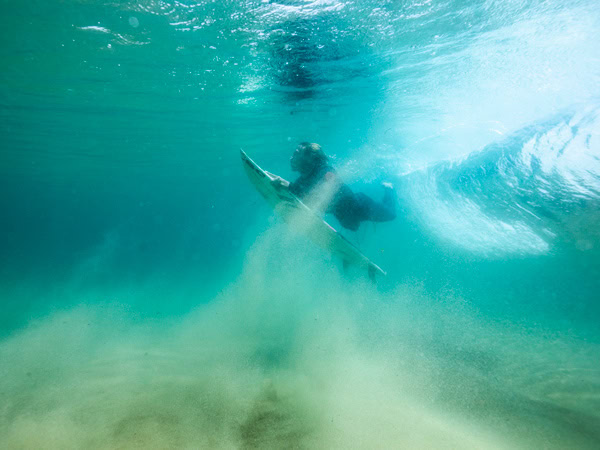
a surfer duck-diving under a wave at North Narrabeen Beach
A surfer ducks under a wave at North Narrabeen Beach. (Image: Destination NSW/Guy Williment)

The movement had been able to persuade the NSW government to gazette surfing reserves in 2007, formally recognising them in the Crown Lands Act. “It was the first time in the world that surfing and surfers had been recognised in any law in any country," says Farmer.

However, the reserves have since become a springboard for surf communities to read the riot act. Which is exactly what happened in 2020, when there was a threat of over-development at Killalea Regional Park – aka The Farm. “It was fought on the basis of surf reserves, and is now a [protected area] park," explains Farmer.
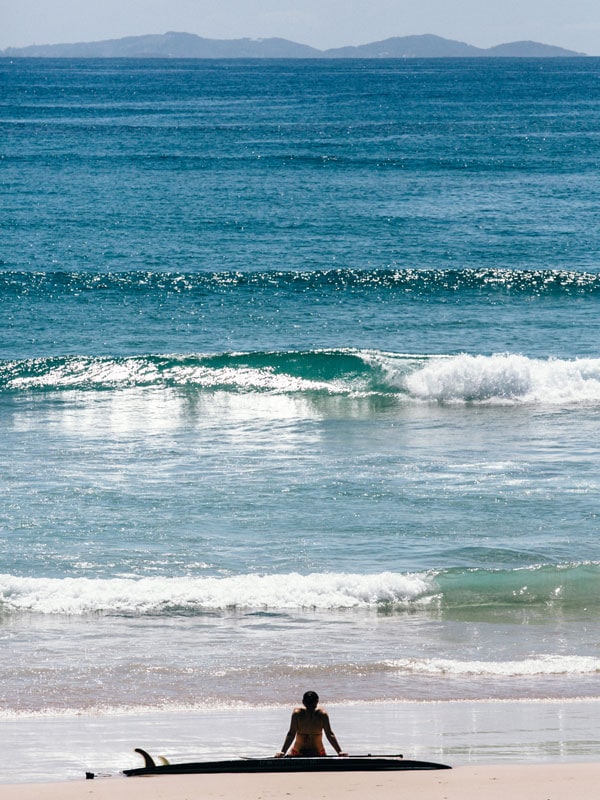
a surfer sitting on a surfboard on the shore while watching the waves
Surfers travel to Australia to find a magical break. (Image: Elise Hassey)

One of the key players in this fight was a local surfer called Chris Homer, the then-president of National Surfing Reserves. Leading a record-breaking paddle out to oppose the construction of a 200-seat function centre and 15 cabins inside Killalea Reserve, Homer’s passion and leadership saw him elected as mayor of Shellharbour soon after, even though he had no prior political experience.

“Whether in legislation, or lore, these places are sacrosanct and not to be touched, and the wording is such that surfers will have primacy in the decision-making process," says Farmer.
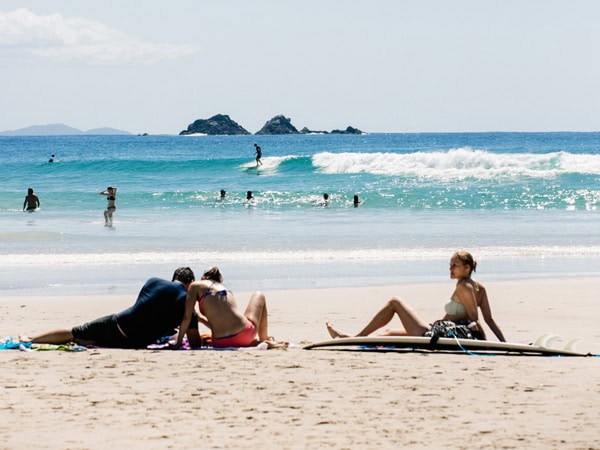
surfers sitting on the beach at Byron Bay
Byron Bay in NSW’s Northern Rivers is a wonderland for surfers. (Image: Elise Hassey)

In mid-2023, with a strong contingent of those surfers on the Central Coast, Norah Head National Surfing Reserve welcomed the news that a wind farm proposed off the coast of NSW would no longer include the surf spot. The original proposal had the potential to affect two iconic surf reserves, Norah Head and Merewether – both hotbeds of surfing talent.

Since then, more research has come to light on not only the importance of Australia’s surf breaks from an environmental point of view, but an economic one, too. Surfing is worth almost $3 billion annually to Australia’s economy, according to a recent study by the Australian National University, and that’s making more people in higher places sit up and pay attention.
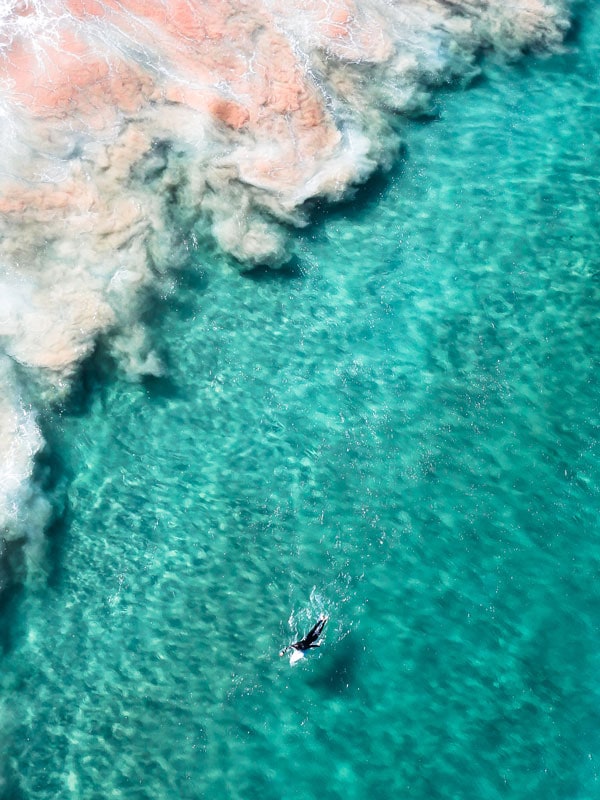
surfing at Freshwater Beach, Sydney
A surfer paddling at Freshwater Beach, Sydney. (Image: Destination NSW/Adam Krowitz)

Weekly travel news, experiences
insider tips, offers, and more.

How National Surfing Reserves are keeping surf culture alive

Another goal of National Surfing Reserves is to safeguard the continuum of surf culture. City of Gold Coast council even has a detailed Surf Management Plan, which includes programs to teach surf etiquette, to ensure visitors clearly understand local safety customs. Similarly, Noosa has a Surfer Code to reduce the chance of conflict and injury.
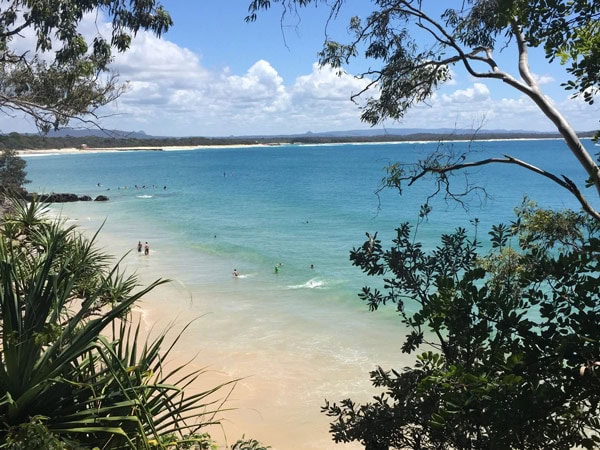
the Main Beach in Noosa
Noosa’s pristine Main Beach is a surfing hotspot. (Image: Tourism Australia/Glen Davis)

Surfers, after all, are not just those out riding the waves. The beauty, value and mental health benefits of surfing permeate the desirable beachside lifestyle so many Australians enjoy and visitors yearn to experience.
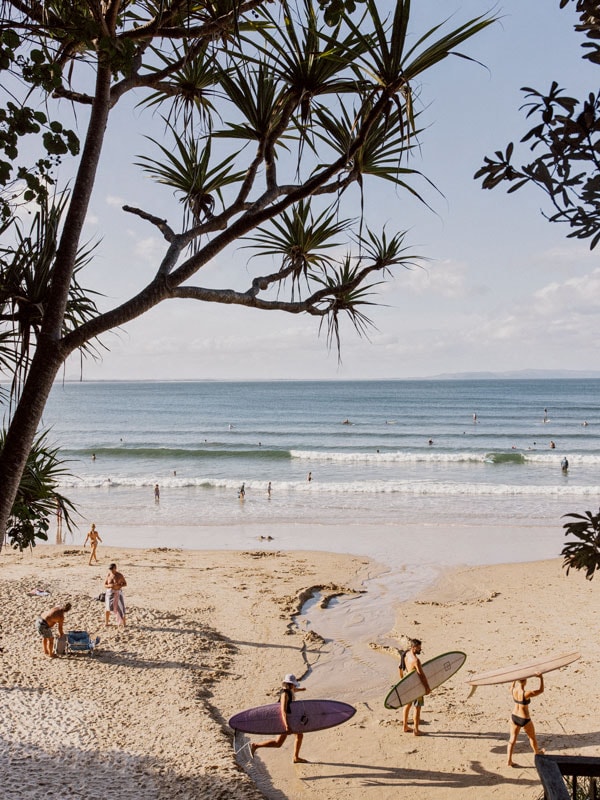
the surf culture in Noosa
Local community and surf culture, such as that found in Noosa, are a determining factor in what qualifies as a Surfing Reserve. (Image: Elise Hassey)

Ultimately, whether you’re a hardcore big-wave rider with saltwater in your veins or have no desire to go further than watching the waves with a coffee in hand, understanding and appreciating that these sites have seen quality waves being ridden consistently – in some places for more than 100 years – provides a sense of legacy.
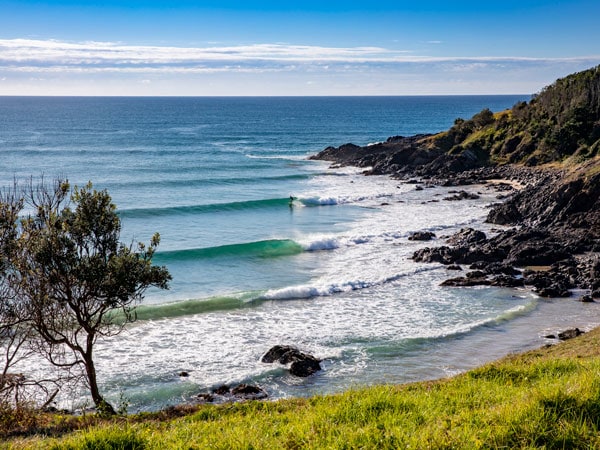
the surfing reserve at Crescent Head, NSW
Ride the waves at NSW’s Crescent Head. (Image: Destination NSW/Dallas Kilponen)

Years from now, Farmer believes, these surfing reserves will become akin to national parks and, he hopes, will be protected at all levels, not excluding UNESCO. “I will continue to argue that waves have absolutely unique qualities to humanity – not just to their enjoyment, but they’re a phenomena of nature … and they deserve to be recognised as such," says Farmer.
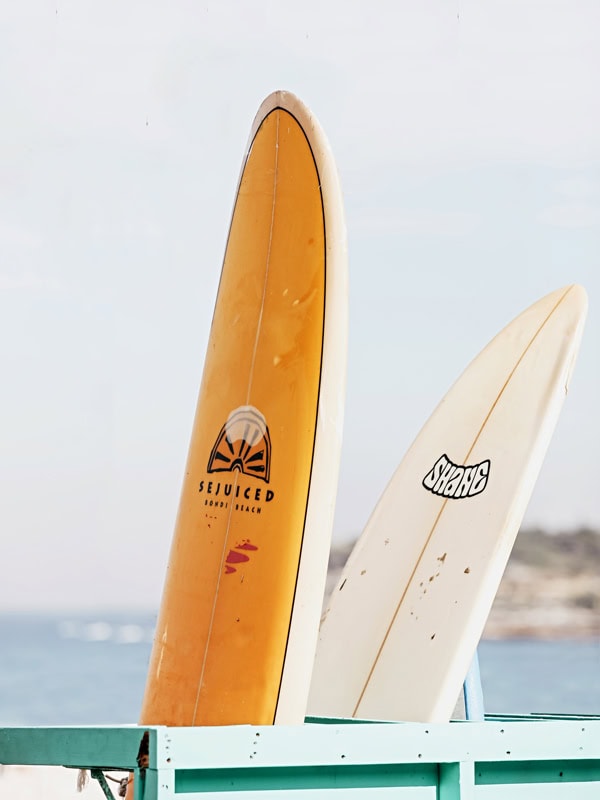
surfboards in Bondi Beach
Surfboards lined up at Bondi. (Image: Elise Hassey)

Australia’s National Surfing Reserves

  1. Maroubra, NSW, March 2006
  2. Angourie, NSW, January 2007
  3. Lennox Head, NSW, February 2008
  4. Crescent Head, NSW, June 2008
  5. Cronulla, NSW, September 2008
  6. Merewether, NSW, March 2009
  7. Killalea, NSW, June 2009
  8. North Narrabeen, NSW, October 2009
  9. Margaret River, WA, March 2010
  10. Kalbarri, WA, March 2010
  11. Manly-Freshwater, NSW, September 2010
  12. Yallingup, WA, December 2011
  13. Gold Coast (Burleigh Heads, Currumbin Alley, Snapper-Kirra), Qld, February 2012
  14. Daly Head, SA, January 2013
  15. Point Sinclair, SA, January 2013
  16. Phillip Island (Woolamai, Smiths Beach, Summerland, Cat Bay), Vic, March 2013
  17. Noosa, Qld, March 2015
  18. Bondi, NSW, December 2017
  19. Norah Head, NSW, November 2022
Celeste Mitchell
With visions of hosting Getaway, Celeste Mitchell graduated with a Bachelor of Journalism and entered the hard-hitting world of boy bands, puberty, and fashion, writing for magazines like Girlfriend, Total Girl, CLEO and TV Hits in the early noughties (there was a lot of Twilight references). Since switching gears to full-time freelancer in 2013, focused exclusively on travel, she’s criss-crossed the globe, opened a co-working space, lived in Mexico, and co-founded slow and sustainable site, Life Unhurried. The Sunshine Coast-based author (Life Unhurried & Ultimate Beaches Australia, Hardie Grant) and mum of two regularly pinches herself that she gets to explore new places and ask all the nosy questions she wants in the name of work.
View profile and articles
hero media

The road trips and trails you need to experience in Victoria now

    Kellie Floyd Kellie Floyd
    Wind through fern tunnels, stop for a wine in a tram bar, or chase giant murals across the wheatbelt. These drives and rides prove Victoria’s best stories are found off the straight and narrow. 

    There’s something unmistakably Australian about a road trip: car packed, playlist on, landscapes shifting. Travelling down the highway toward Healesville, in Victoria’s Yarra Valley, the mountains rise, flanking me on both sides. I feel its embrace, a silent invitation to explore what lies beyond.  

    Moss-covered embankments rise on either side, and towering mountain ash trees form a green tunnel overhead. Road signs warn of wombats and cyclists but with giant ferns lining the roadside, the landscape feels prehistoric, as if a dinosaur might suddenly emerge. This, the Black Spur, is one of my favourite road trips. 

    The Black Spur 

    The Black Spur drive
    Through the forested canopy of The Black Spur drive that winds from Healesville to Narbethong. (Image: Neisha Breen)

    Location: Yarra Ranges
    Duration: 30 kilometres / 30 minutes 

    The Black Spur is short compared to other Victorian road trips, just 30 kilometres, stretching from Healesville to Narbethong. But what it lacks in distance, it makes up for in scenery. Just outside Healesville, Maroondah Dam offers bushwalks and scenic views. However, if pressed for time, Selover’s Lookout is an easy roadside stop offering uninterrupted views of the dam.  

    In Narbethong, close to the Marysville’s snowfield, is the Black Spur Inn, a charming double-storey brick hotel that’s been welcoming travellers since 1863. Here, diners cosy up by the roaring fire or gaze through the floor-to-ceiling windows, imagining horse-drawn coaches carrying hopeful gold seekers to the eastern goldfields.   

    Victoria’s Silo Art Trail 

    Silo Art Trail
    The Silo Art Trail in the Wimmera Mallee region. (Image: Visit Victoria/Anne Morely)

    Location: Various towns across the Wimmera Mallee region
    Duration: More than 200 kilometres / 4–5 hours but best over a minimum of three days  

    What began as a way to draw travellers back into town bypassed by highways – places such as Nullawil, Sea Lake and Patchewollock – has grown into a celebrated outdoor art movement. The Silo Art Trail now includes 23 silos, each transformed with large-scale mural portraits sharing local stories, celebrating community heroes, Indigenous history, farming life, or regional identity.  

    The Nullawil silo, for example, is a portrait of a local farmer in a chequered flannelette shirt alongside his loyal kelpie, painted by artist Sam Bates (AKA Smug). And the silos at Albacutya in the Grampians, painted by artist Kitt Bennett, depict her joyful memories of growing up in the countryside. Many of the murals sit right in the heart of small towns, such as Rochester and St Arnaud, making them perfect spots to pause for a country pub meal or something sweet from a local bakery.   

    Metung to Mallacoota  

    Gippsland lakes
    Gippsland Lakes. (Image: Visit Victoria/Josie Withers)

    Location: Gippsland
    Duration: Approximately 220 kilometres / 4 hours  

    The Gippsland Lakes are a much-loved holiday spot in Victoria, but road-tripping further east reveals much more. Begin in Metung and time your visit with the monthly farmers’ market, or simply linger over lunch on the lawn of the Metung Hotel. Twenty minutes away is Lakes Entrance, where you can watch the fishing boats return with their catch. 

    Lakes Entrance
    Lakes Entrance. (Image: Visit Victoria/Iluminaire Pictures)

    Continue to Marlo, where the Snowy River spills into the sea, and Cape Conran for its many beaches and walks. If needing to stretch your legs, Croajingolong National Park is home to the historic Point Hicks Lighthouse and the Wilderness Coast Walk. Birdwatching and rainforest trails near Bemm River are worth a pit stop before arriving in Mallacoota, where the forest meets the sea. 

    Great Ocean Road 

    12 Apostles on the Great Ocean Road
    The 12 Apostles on the Great Ocean Road. (Image: Tourism Australia/Two Palms/Harry Pope)

    Location: South-west Victoria, from Torquay to Allansford
    Duration: Approximately 250 kilometres / 4–5 hours but best over a minimum of three days  

    Victoria’s most famous road trip delivers it all: world-class surf breaks, rainforest walks, clifftop lookouts and wildlife encounters. The journey begins in Torquay, the state’s surf capital, then hugs the coast past Anglesea and Lorne to Apollo Bay, before curving inland through the lush rainforest of the Otways. Stop at Cape Otway Lightstation or take to the treetops at Otway Fly.  

    Between Cape Otway and Port Campbell lies the most photographed stretch – seven of the Twelve Apostles still standing, alongside the golden cliffs of Loch Ard Gorge. Further west, Warrnambool is a winter whale-watching hotspot, before the road winds to Port Fairy, a charming fishing village of whalers’ cottages, walking trails and offshore seal colonies further along the coast. 

    Bellarine Taste Trail 

    Terindah Estate
    Terindah Estate. (Image: Visit Victoria/Emily Godfrey)

    Location: Bellarine Peninsula
    Duration: Approximately 80 kilometres / 2–3 hours  

    The Bellarine Taste Trail is a feast for the senses, winding through coastal towns, past boutique wineries and artisan producers. It’s a choose-your-own-adventure style trail – simply grab a map and build your own delicious journey.  

    You might wander historic, seafront Queenscliff, sip wine in a converted tram bar at Terindah Estate, sample a locally distilled whisky at The Whiskery in Drydale or pick up a jar of honey at Wattle Grove in Wallington. Seafood lovers can head to Portarlington, famous for its mussels. Eat them fresh at local restaurants or head out on the water with Portarlington Mussel Tours. 

    O’Keefe Rail Trail – Bendigo to Heathcote 

    Pink Cliffs Reserve
    Pink Cliffs Reserve in Heathcote can be seen on the O’Keefe Rail Trail. (Image: Visit Victoria/Emily Godfrey)

    Location: Central Victoria
    Duration: Approximately 50 kilometres / 4 hours cycling 

    Travellers first journeyed between Heathcote and Bendigo in 1888, when the railway line was built to link the towns. Trains stopped running in 1956, but today the route has a new life as the O’Keefe Rail Trail. The path is mostly level for easy riding, and along the way you’ll cycle past bushland, waterways and reserves. There are plenty of places to picnic, birdwatch, and if you’re lucky, spot a platypus.  

    The trail is well supported with water stations, bike repair points, shelters, and signage. Axedale makes a great halfway stop, with the pretty Campaspe River Reserve for a rest and local cafes for refuelling. Begin in Heathcote, known for its wineries and cafes, or in Bendigo, which is easily reached by train from Melbourne/Naarm. Shorter sections, such as Heathcote to Axedale, are also popular. 

    Goldfields Track – Ballarat to Bendigo 

    Location: Central Victoria
    Duration: Approximately 210 kilometres / 2–3 days cycling  

    The Goldfields Track traces a route once so rich in gold it made Melbourne one of the wealthiest cities in the world. Starting at Mt Buninyong, south of Ballarat, the trail leads mountain cyclists and walkers north through Creswick, Daylesford and Castlemaine before finishing in Bendigo. Along the way, you’ll encounter granite outcrops, eucalypt forests, rolling farmland and remnants of the region’s mining past.  

    As it passes through the lands of the Dja Dja Wurrung and Wadawurrung people, the track shares gold rush history and Indigenous stories brought to life by interpretive signs. Walk or ride the full trail or choose from one of its three distinct sections. With cosy stays, cafes and pubs, it’s easy to mix wilderness with comfort.