The homegrown hospitality group behind Southern Ocean Lodge and Longitude 131° is expanding internationally under a new name.
Baillie Lodges, the homegrown hotel group behind many of Australia’s most sought-after stays, is stepping into a new chapter of growth. Together with sister brand Tierra Hotels in Chile, the group is relaunching under a united international brand, ‘Beckons’, marking the next evolution of its place-driven hospitality vision.
Baillie Lodges was born in 2003, when Sydney couple James and Hayley Baillie launched Capella Lodge on NSW’s Lord Howe Island. Since then, the brand has redefined what luxury hospitality looks like in Australia – boutique properties in extraordinary locations with a strong sense of place woven into the guest experience.
Beckons’ current nine-property portfolio includes Southern Ocean Lodge on Kangaroo Island, the cliff-hugging icon widely credited with kickstarting Australia’s modern luxury lodge movement, and breathtaking Longitude 131° overlooking Uluṟu – along with international outposts such as New Zealand’s Huka Lodge, Canada’s Clayoquot Wilderness Lodge and Chile’s Tierra Patagonia.
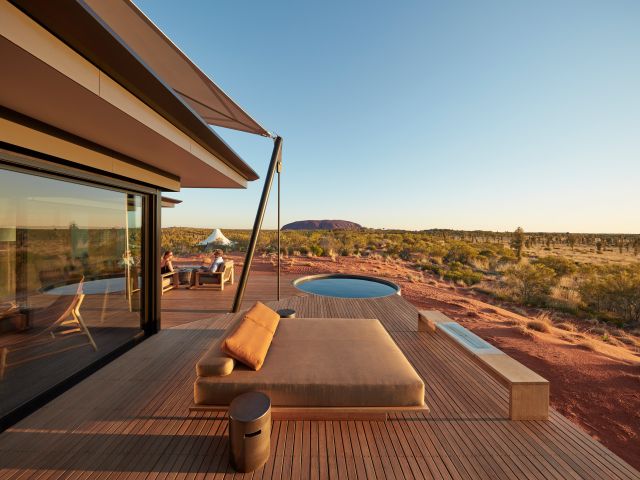
Longitude 131˚ is one of the signature Baillie Lodges properties.
For travellers, the lodge names and beloved guest experience aren’t going anywhere. But the new umbrella brand bids to bring Baillie Lodges’ intimate, eco-luxury philosophy to additional destinations worldwide.Beckons CEO Michael Crawford says the brand will not only pursue new lodge acquisitions in regions such as Africa but enhance its existing lodges, with upgrades spanning new suites and spa facilities to enriching wellness experiences.
Baillie Lodges founders James and Hayley Baillie say they are excited to be an integral part of Beckons. The pair will continue to be involved in the design of existing and future properties – helping steer the vision and fostering relationships with artists and operators – as well as continuing to own Capella Lodge under the Beckons masterbrand.
“We’ve always been so personally identified with the legacy, especially that of Southern Ocean Lodge, Capella Lodge and Longitude 131°, and of course Silky Oaks Lodge and Huka Lodge in more recent years, with the refurbishment and relaunch of those properties," says James. “But now, it’s exciting to be part of something bigger with so many more opportunities."
The luxury lodge legacy
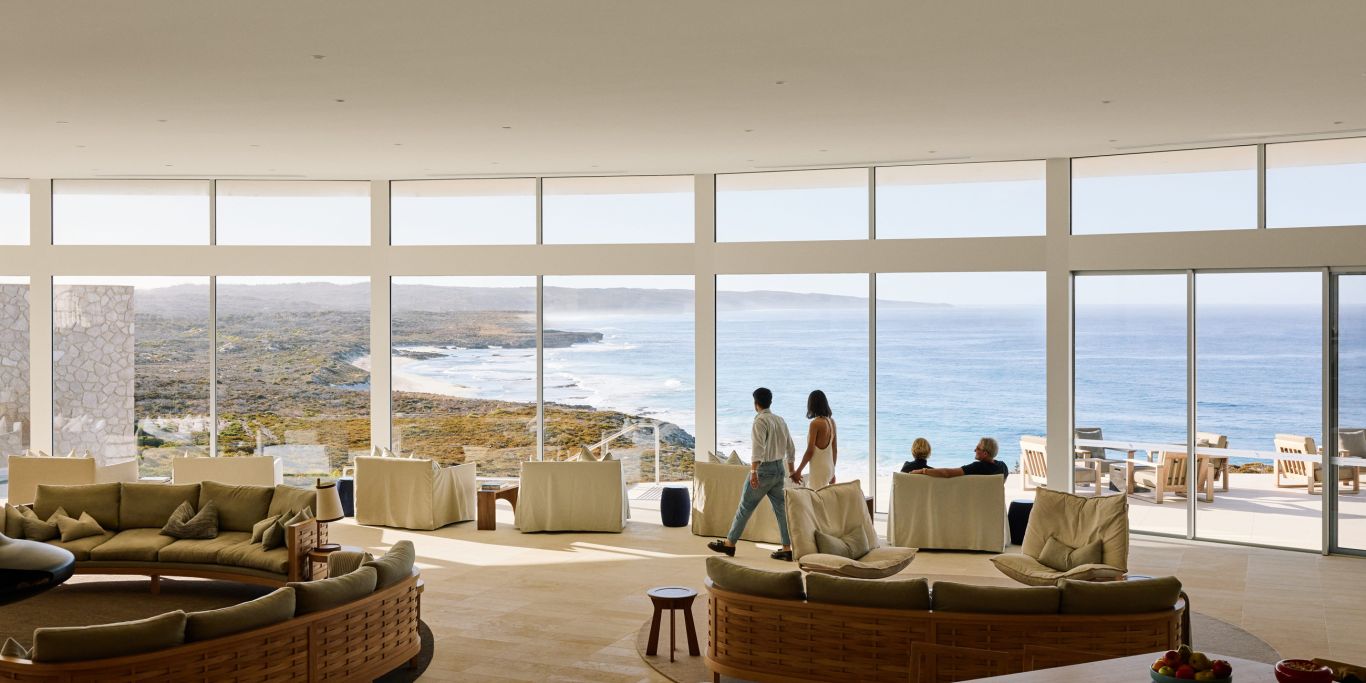
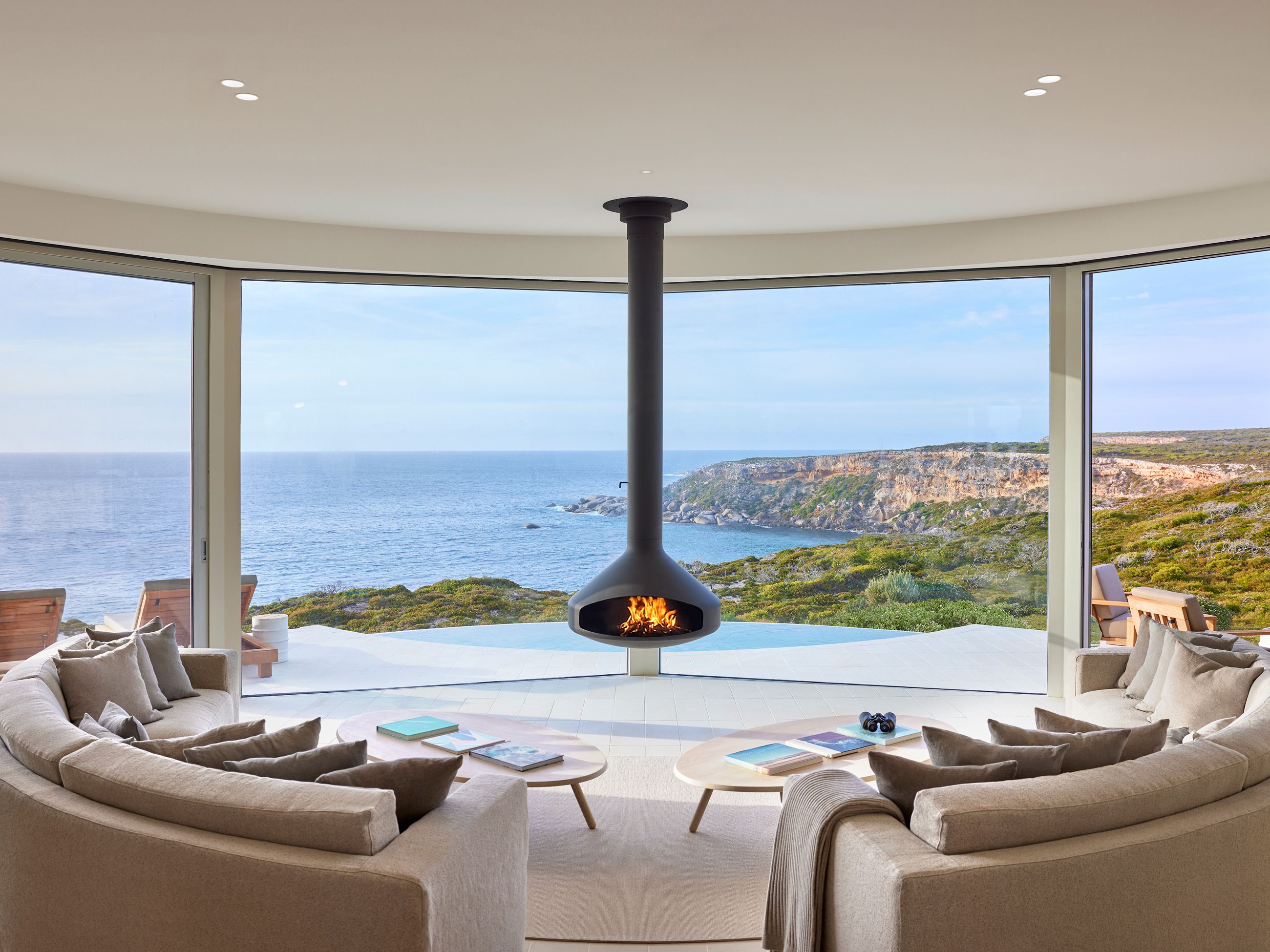
Southern Ocean Lodge was Australia's first true luxury lodge.
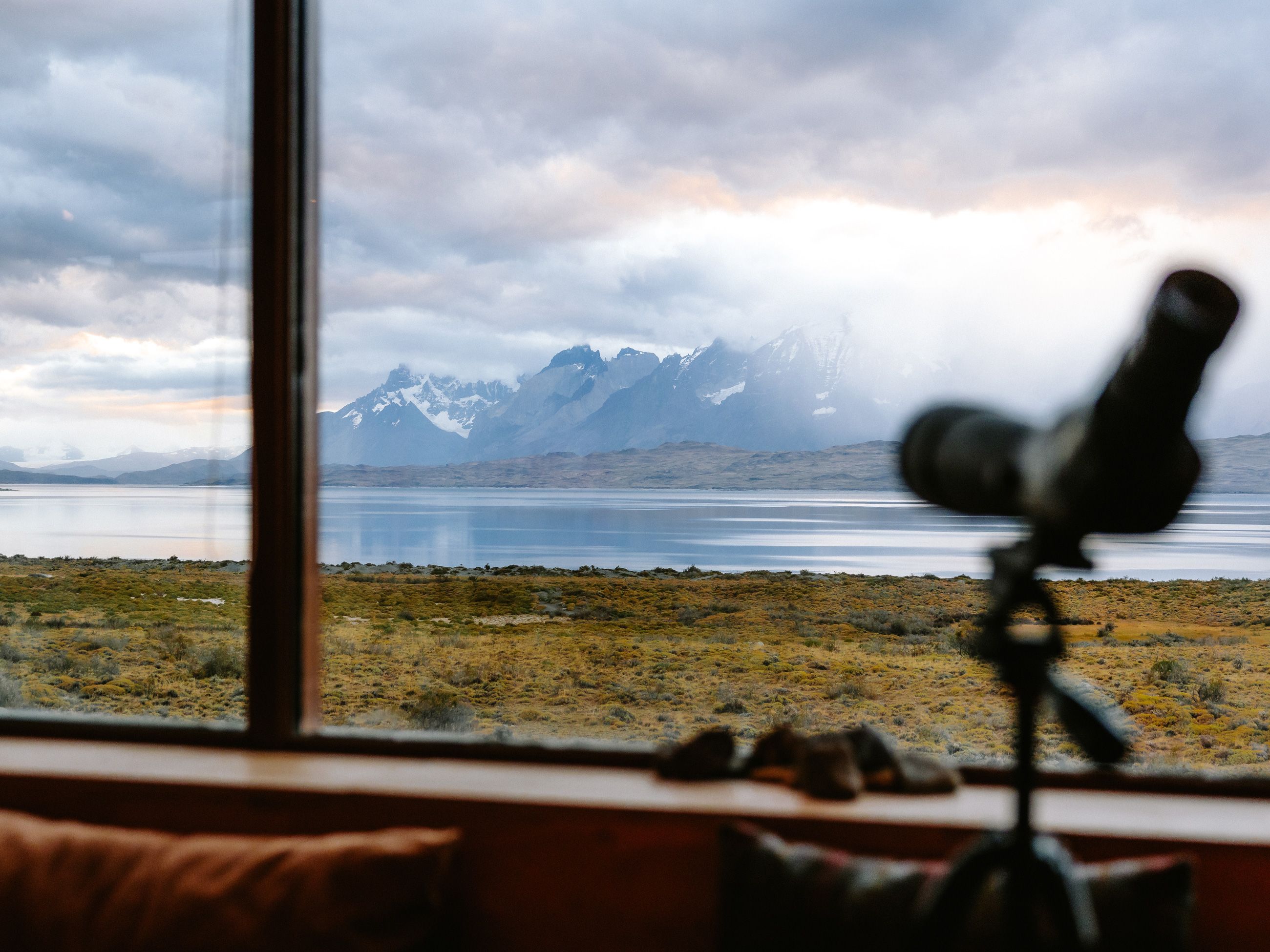
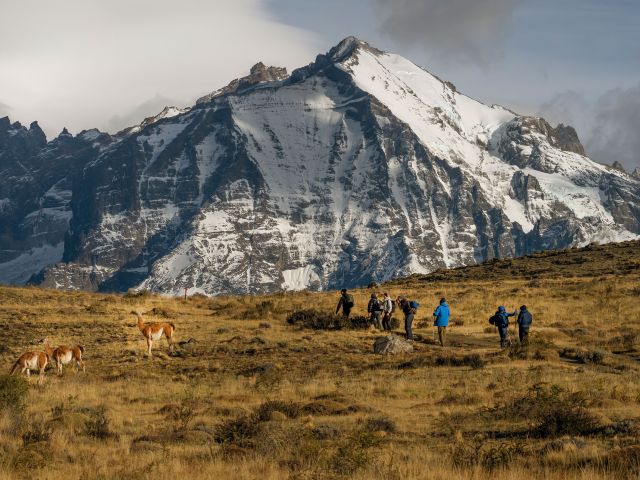
Framed by the Torres del Paine Massif, Tierra Patagonia is located on one of the wildest places on Earth.
The kind of ‘lodge’ that defines a Beckons property is very far from a traditional hotel or resort. It is small-scale – often accommodating only 30 or so guests, and it offers a strong sense of storytelling that connects guests to their environment in meaningful ways.
Crawford explains the difference through analogy: “It’s like a big cruise ship versus a small luxury yacht. You can take that yacht into ports, to places that you can’t get to with that big cruise ship. We give guests the chance to hear their own breath, versus being surrounded by hundreds or even thousands of people."
James adds that Beckons is anything but a homogenised hotel brand. Each lodge is distinct from the next, yet all are situated in locations of remarkable natural beauty or cultural significance. And attentive, first name service takes prominence;“thestaff and people are so important to the product but also to the sense of place," he says.
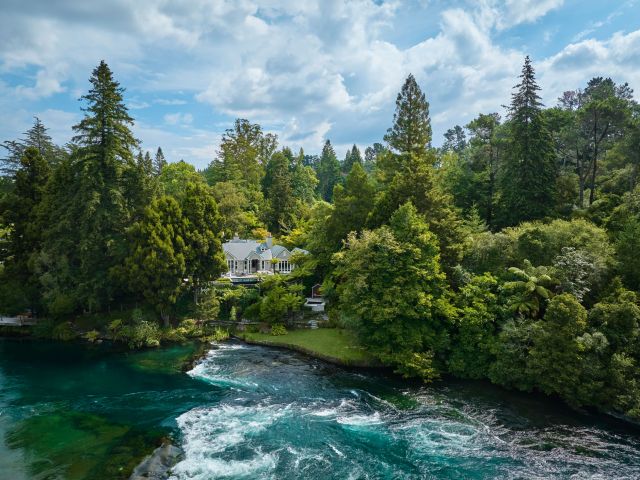
Huka Lodge is located on the forested banks of New Zealand’s Waikato River.
Another integral pillar of the Beckons and Baillie Lodges’ DNA is a genuine commitment to environmental and cultural sustainability, from building solar panel fields to reforestation projects. Before the brand redeveloped Longitude 131°, the property didn’t have “any sort of strong Indigenous presence in its interior and exterior intent when you actually were there," says Hayley. The brand invested heavily in supporting the arts community there to build that presence into the guest experience, but equally to ensure those precious traditions continue to endure.
At Clayoquot Wilderness Lodge on Canada’s Vancouver Island, the company recreated a salmon spawning stream to enhance the wildlife population rather than using the salmon for their own benefit. It is these kinds of regenerative projects that allow Beckons’ guests to engage deeply with the places they are visiting.
Need tips, more detail or itinerary ideas tailored to you? Ask AT.
AI Prompt
Why now?
Tierra Patagonia offers awe-inspiring wildlife encounters.
The decision behind the Tierra Hotels and Baillie Lodges rebrand follows the growing demand for experiential luxury travel that connects guests to their environment. Hayley says she and James always knew there was a market for this, but have been surprised at how much it has grown in recent years, especially since the pandemic.
“It’s interesting how that evolution has come about; people wanting those human experiences," Hayley explains. “People have evolved away from the marble and the gold taps – that traditional luxury hotel – and that storytelling and sense of place has become possibly even more important."
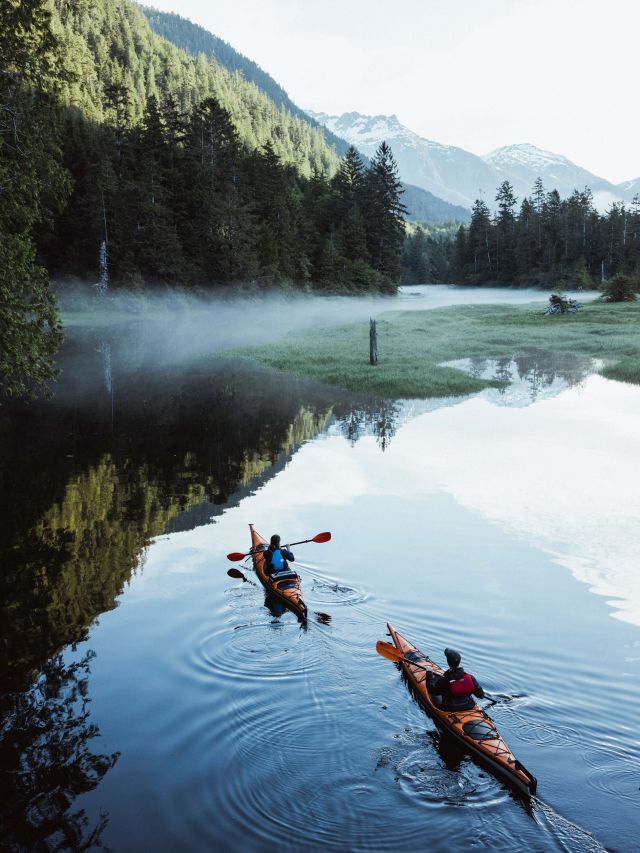
Kayak at Clayoquot Wilderness Lodge.
In 2018, US-based private equity firm KSL Capital Partners purchased a majority stake in Baillie Lodges – a strategic move to help expand its network of luxury accommodations. Crawford says KSL Capital Partners recognised the emerging trend towards luxury experiential lodges and wanted to develop a unique set of assets around the world where they could welcome guests in the same way they do with Baillie.
Importantly, this is not a pivot towards scale for scale’s sake. The focus remains on small-scale luxury and emotional connection rather than large-format resorts.
New international properties
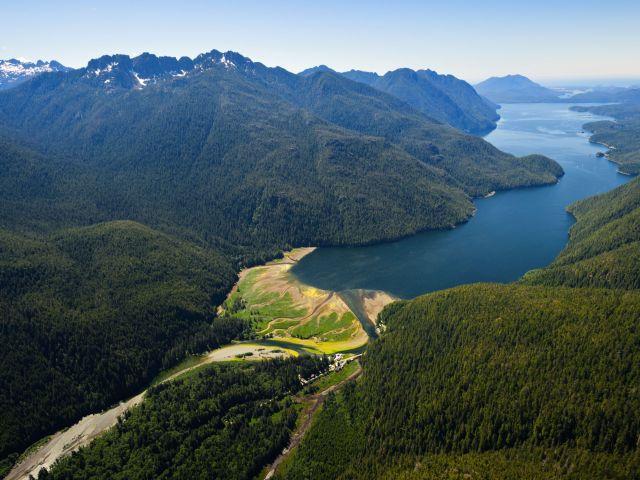
Clayoquot Wilderness Lodge on Vancouver Island embodies the Beckons philosophy.
Part of the Beckons vision is to take the Baillie DNA and bring it to exciting new markets. Crawford says the brand is looking into acquisitions in carefully selected, remote destinations with strong cultural and wildlife drawcards. Africa will be a focus region, with locations such as Fiji also of interest.
“We will continue to curate those journeys in ways that bigger companies can’t and give our guests the opportunity to really connect emotionally with the environments we bring them to," Crawford says.
Weekly travel news, experiences insider tips, offers, and more.
Enhancing existing Beckons properties
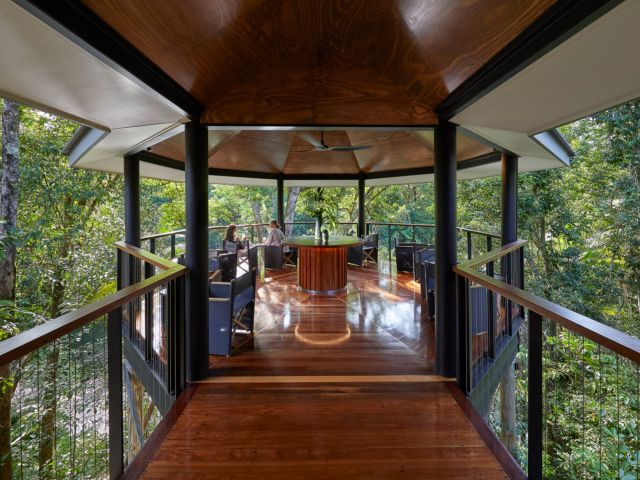
New wellness experiences are coming to Silky Oaks Lodge.
Beckons has already confirmed significant investment planned for three of its existing properties in 2026. Guests can expect exciting new wellness experiences and spa facilities at both Silky Oaks Lodge in Queensland’s Daintree Rainforest and The Louise in the Barossa Valley. Building on the extensive refurbishments of both Huka Lodge in New Zealand and Tierra Atacama in Chile in 2025, Beckons also plans to develop new premium suites at Tierra Patagonia.
“Over the last three years, we’ve invested roughly US $100 million into our existing lodges, and we’re continuing to do that now," says Crawford. “If you look at Silky Oaks Lodge, we’re looking at reframing the entry there and creating a wonderful new spa experience, and maybe even some differentiated type of accommodation. Same with The Louise in the Barossa – taking the product and elevating it in a way that allows us to really service the guests, meet their needs, and just be best in class."
A homegrown success story
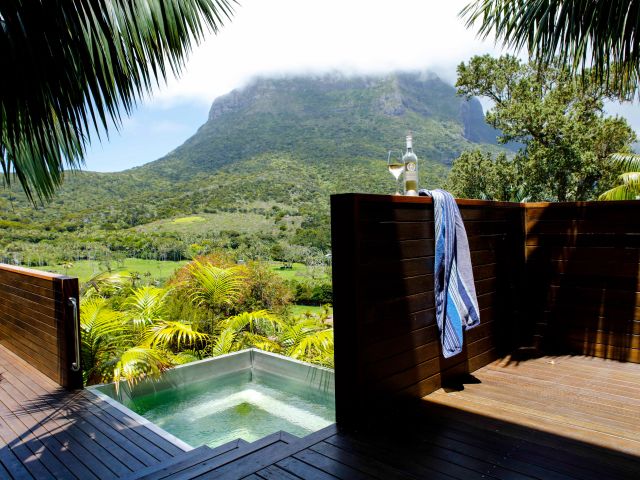
Capella Lodge on Lord Howe Island was the first Baillie Lodges property and is continuing under the Beckons name.
James and Hayley Baillie say seeing Baillie Lodges evolve over the years and into Beckons brings them immense pride. “It’s quite incredible to think about what was a small Australian hospitality business growing into a worldwide brand."
When asked to reflect on their most memorable achievements over the years, the pair say the success of Southern Ocean Lodge stands out.
“[Southern Ocean Lodge] was the turning point for Tourism Australia to actually highlight and get behind an individual property, showing it could have a trickle-down effect, both for the South Australian Tourism Commission and for Tourism Australia," James elaborates.
“It’s a point in time where the name of the business that we started goes, but we’re really excited and proud that it’s become a launching pad for something bigger," says James. “It’s a great Australian success story. Now it’s time to leave the nest and fly away."
Want to see more stories from Australian Traveller in your Google search results?
Tick the box next to "Australian Traveller". That's it.
Eleanor Edström is Australian Traveller’s Associate Editor. Previously a staff writer at Signature Luxury Travel & Style and Vacations & Travel magazines, she's a curious wordsmith with a penchant for conservation, adventure, the arts and design. She discovered her knack for storytelling much earlier, however – penning mermaid sagas in glitter ink at age seven. Proof that her spelling has since improved, she holds an honours degree in English and philosophy, and a French diploma from the University of Sydney. Off duty, you’ll find her pirouetting between Pilates and ballet classes, or hunting down Sydney's cosiest cafes.
This winter, these secret Sydney harbour suites are the staycation we’ve been looking for.
Whether it’s the crisscrossing ferries or the white sails of the Opera House rising out of blue depths, Australia’s biggest city lives for its harbour. But while locals might glance at that watery expanse on their daily commute across the Bridge, it can still be hard to truly connect with Sydney’s maritime soul. The secret: seeing the harbour eye-to-eye, right at water level. And what better place to submerge yourself in that energy than sleeping there? That’s where Pier One Sydney Harbour comes in (and with new all-inclusive bed and breakfast benefits, there’s even more to love).
All-inclusive VIP benefits
Book in for the all-inclusive VIP treatment.
The hard truth is that it will be very difficult to tear yourself away from your ultra-luxurious harbour home-away-from-home to explore the city. If you want to make leaving even harder, opt for Pier One’s all-inclusive VIP treatment.
The Bed and Breakfast with Suite Benefits package turns up the volume on what is already the ultimate staycation, with complimentary valet parking, daily breakfast for two and turndown service. The biggest perk? Enjoy a bottle of French champagne every day during your whole stay
Pier One Sydney Harbour
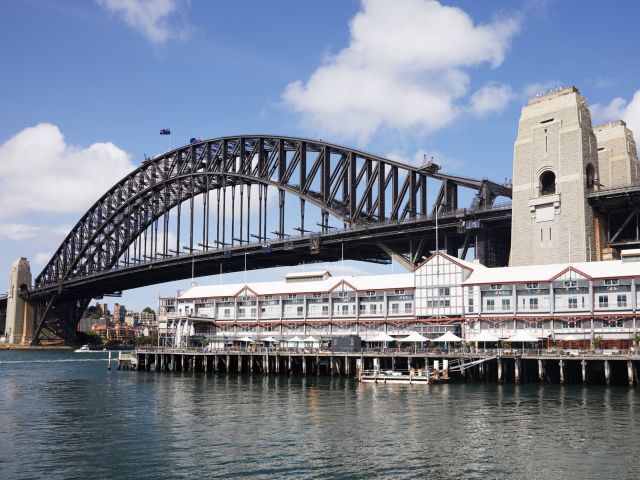
Step into a piece of history with all the modern comforts. (Credit: Dave Wheeler)
The five-star Pier One Sydney Harbour is quite literally old Sydney through and through. Built on what was once a working cargo wharf and the passenger terminal for those heading to the North Shore before the bridge was constructed, the heritage building sits right between the tangle of cobblestones, pubs and alleyways of The Rocks and the historic docking zone of Walsh Bay – at the centre of the city’s old sea trade.
If knowing the hotel’s history isn’t enough to get your sea-longing going, the interior design certainly will. As soon as you step up to the concierge desk in the lobby of the restored building – which underwent a $15 million redevelopment in 2019 – you’re immersed in Sydney’s seafaring tale. Weathered wood panelling and white marble floors surround you, while loop lighting installations hover above the bar island just beyond, ringed with stools ready for intimate, martini-tinted conversations. Steel rivets and timber beams speak to its past, and glass-walled views anchor you firmly in the present-day life on the harbour.
Pier One Suites
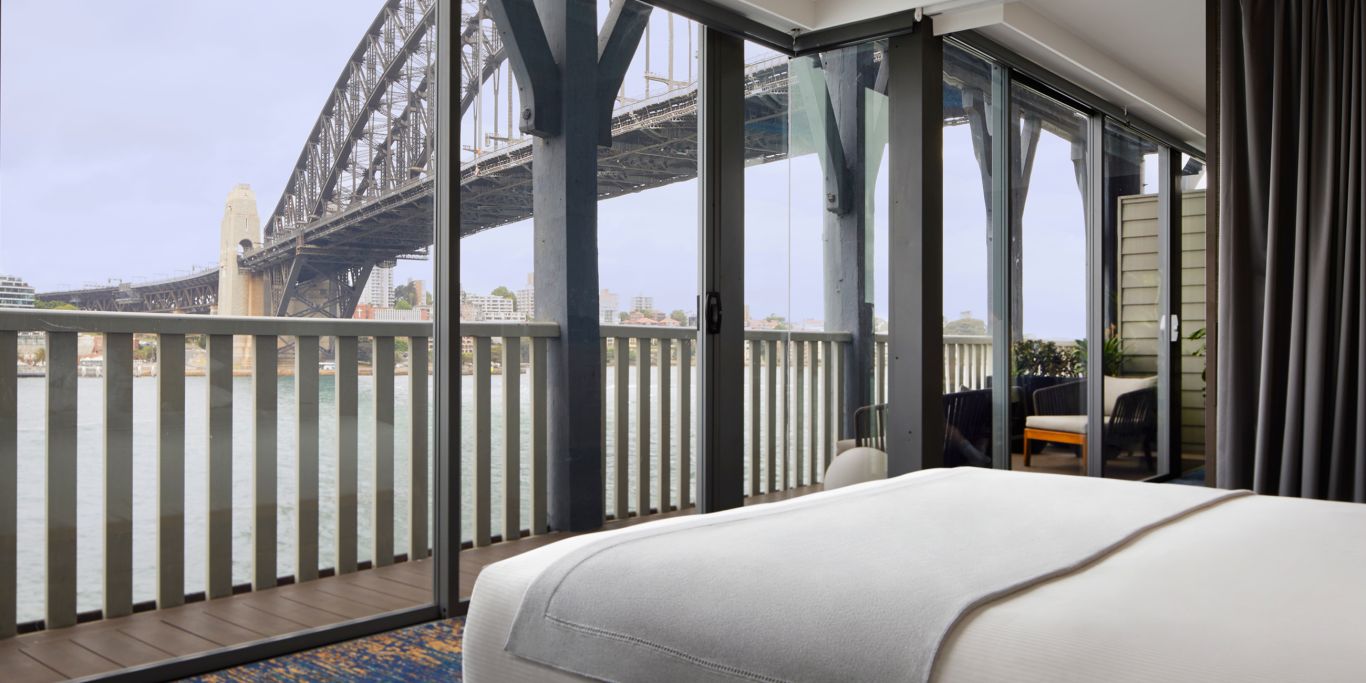
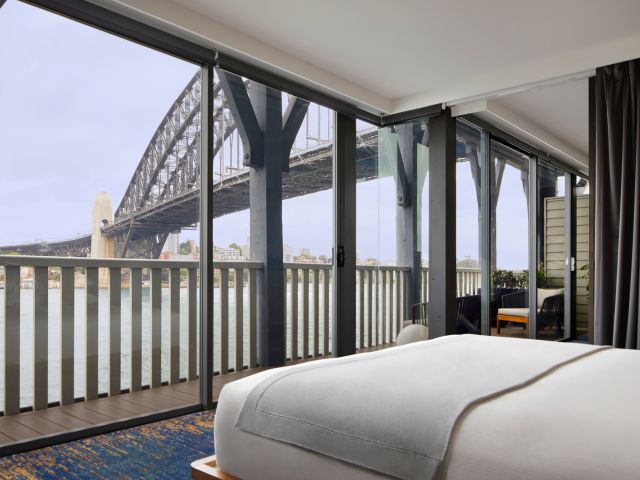
Enjoy incredible views from your suite.
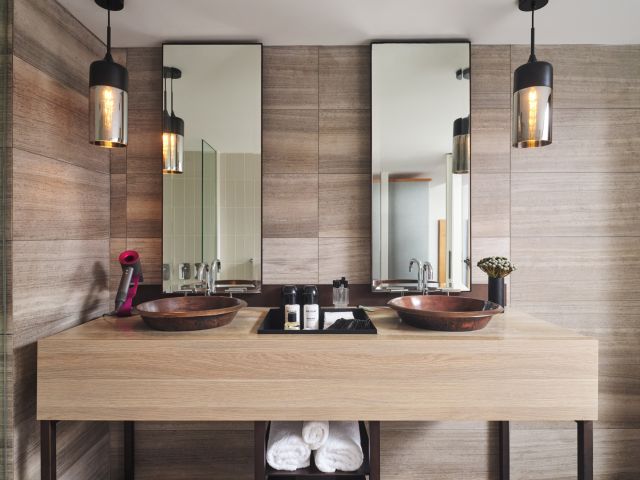
Across the 189 rooms and suites built on and over the water, the maritime theme continues. Sculptural aged brass fittings, exposed girders, colour schemes that evoke shifting currents, and mirrors that reflect ripples that – depending on your booking – sit just metres from your pillow.
United on theme yet unique in set-up, each room or suite is different. On the ground floor, dog-friendly rooms with direct access to the pier are all prepped for pampered pups, while others have views and even balconies overlooking Walsh Bay, the Bridge and the Harbour.
But the 19 suites step things up even more. Gaze out through floor-to-ceiling windows, or get even closer. Your private balcony is made for sipping a Nespresso coffee on as the sun comes up – or soaking in the bathtub of the Admiral Suite on the deck, a drink from the locally stocked mini bar in hand. This mini bar was recently completely transformed, so you have more Aussie favourites to choose from, including alcohol and snacks.
Dining at Pier One
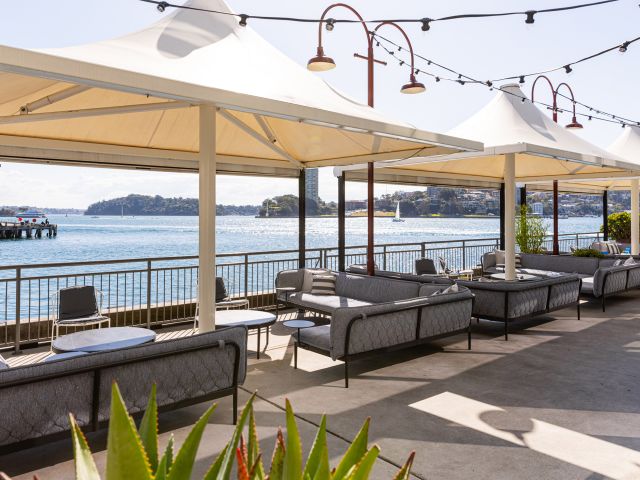
Settle in for an afternoon of good drinks and views.
Once you’re checked in, start your afternoon with a spritz at PIER BAR – or arrive by boat via the private pontoon if the occasion calls for it – and settle into one of the cabanas. Weekdays bring Happy Hour (or ‘sunset hour’ at Pier One); weekends bring the DJs. After an even sweeter experience? The Everyday Creamery and Matcha Kiosk is slinging mango and vanilla soft serve – classic and those spiked with Midori and gin alike.
PIER Dining is an ode to contemporary Australian flavours across the terrace, pier and dining room. On its seafood-leaning menu are Sydney rock oysters from Merimbula, potato scallops with salmon roe and crème fraîche, chicken with melting sundried tomato butter, vodka rigatoni with Shark Bay prawns. And the ‘Pierlova’ – that’s pavlova with chocolate, dulce de leche and banana is worth saving room for. Make sure to ask for the wine list – it’s 100 per cent Australian drops.
Around town
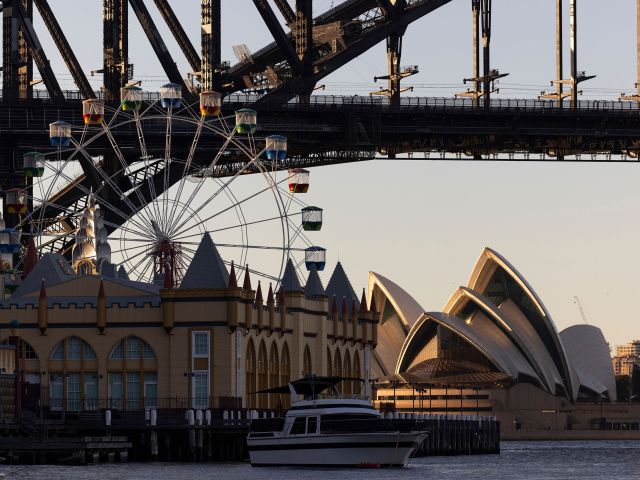
Explore the neighbourhood during your stay. (Credit: Destination NSW)
If you’re strong enough to polish off just one last pastry from the breakfast buffet and walk out the door, we applaud you. Luna Park across the harbour beckons with its wide grin, while a glance upward might spur you to climb the Bridge’s famous iron arches. The Opera House – just across Circular Quay from the Museum of Contemporary Art – sings out for a concert.
You’ll want to book ahead for those hot-ticket performances at Sydney Theatre Company and Sydney Dance Company, just a few minutes’ walk south of the hotel. Ten minutes further brings you to the waterfront bars, restaurants and clubs of Barangaroo, or the karaoke, gardens and dim sum of Chinatown further afield.
Keep the mellow of your weekend getaway going with a stop at Barangaroo Reserve, watching the yachts go by – all before returning for that Sydney sundowner at Pier One.