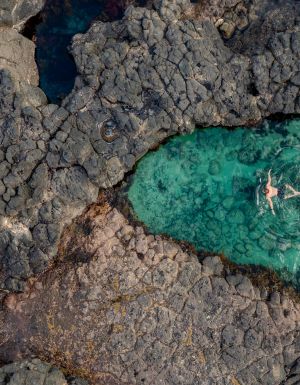
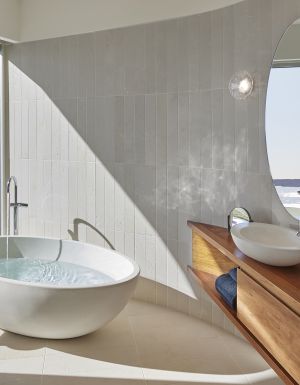
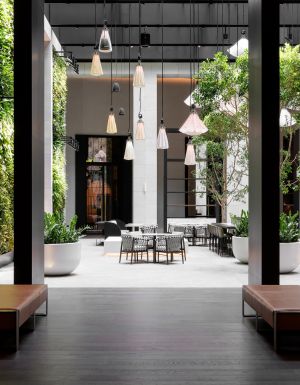
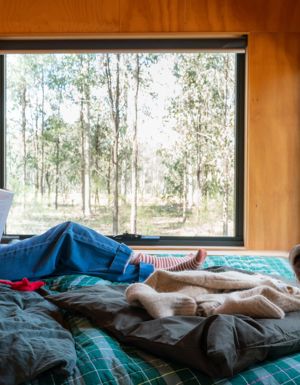
The holiday rental marketplace has just released a sneak peek of its annual Most Wishlisted Homes in Australia list, revealing six of the most desired stays across the country. The common thread? Tiny homes, connection with nature and stays with drawcards such as stargazing and outdoor baths.
Here’s what the data reveals about our travel appetite right now
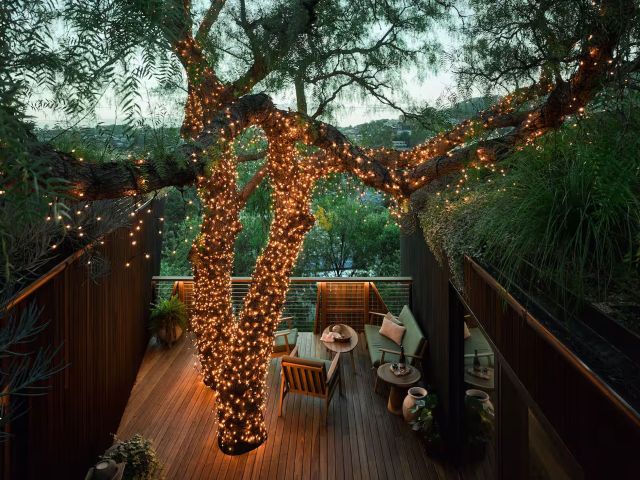
Pepper Tree Passive House was revealed as one of the most wishlisted Airbnbs in Australia. (Credit: Pepper Tree Passive House)
Airbnb’s Most Wishlisted Homes in Australia reveals that travellers are seeking short, low-pressure escapes that provide relief from the hustle and bustle of metropolitan cities.
“The destinations and homes that are featuring on people’s wishlists reflect a desire for digital detox and local travel," says Susan Wheeldon, Country Manager for Airbnb Australia and New Zealand. “As people look for ways to disconnect and reset, the homes featured in the Most Wishlisted Airbnbs for 2026 point to a desire for nature-led stays, from tiny homes to off-grid retreats, that offer various options for those looking for a chance to reset."
The key trends from this year’s list include:
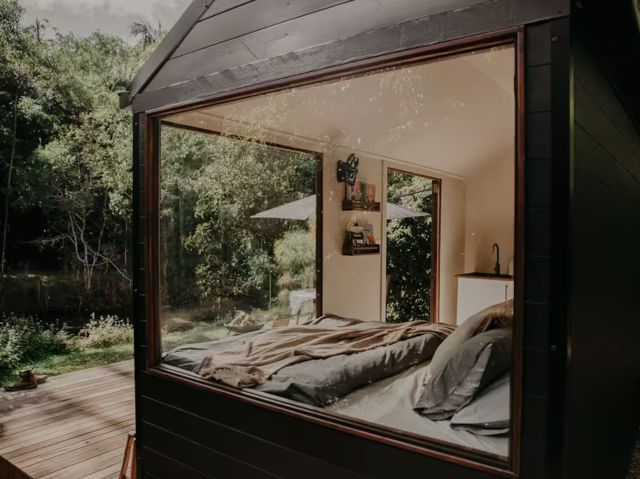
Tiny homes – small, minimalist stays are some of the country’s most wishlisted properties on Airbnb
Nature immersion – frequent search terms on Airbnb’s website include ‘rainforest’ and ‘seclusion’, highlighting the demand for regional, off-grid and quiet escapes
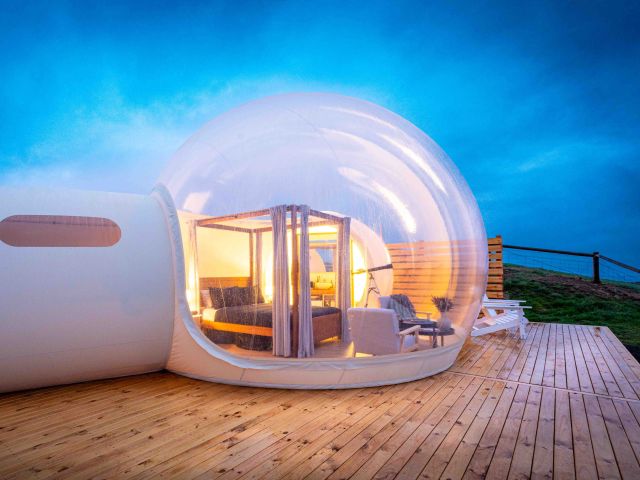
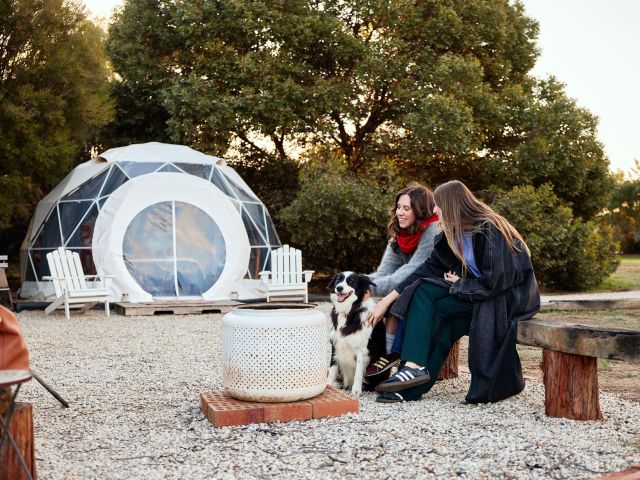
Stargazing and sleeping under the stars – wishlists are increasingly featuring transparent dome and bubble accommodation that allow travellers to watch the night sky
Aesthetic outdoor baths – hot tubs and outdoor baths are a common feature among top Airbnb listings
Need tips, more detail or itinerary ideas tailored to you? Ask AT.
AI Prompt
Here are the six most-wishlisted Airbnbs in Australia for 2026
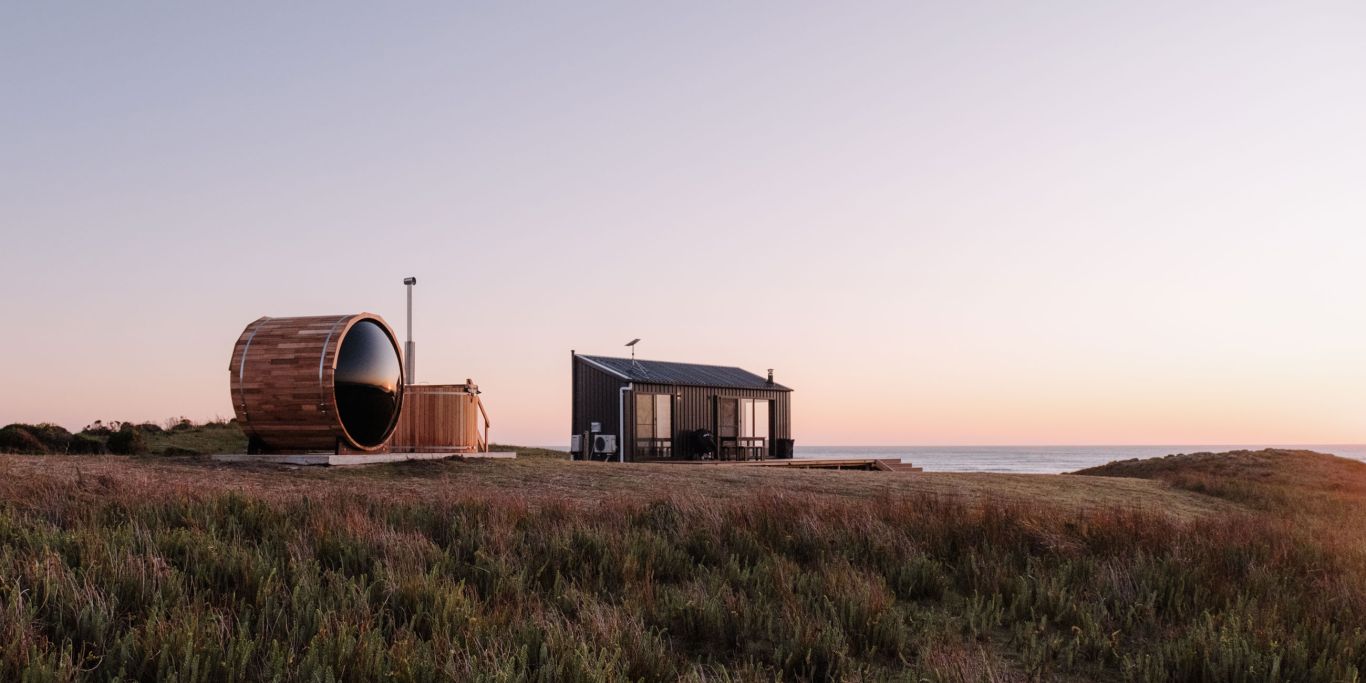
Red Rock Hut, King Island in Bungaree, Tas
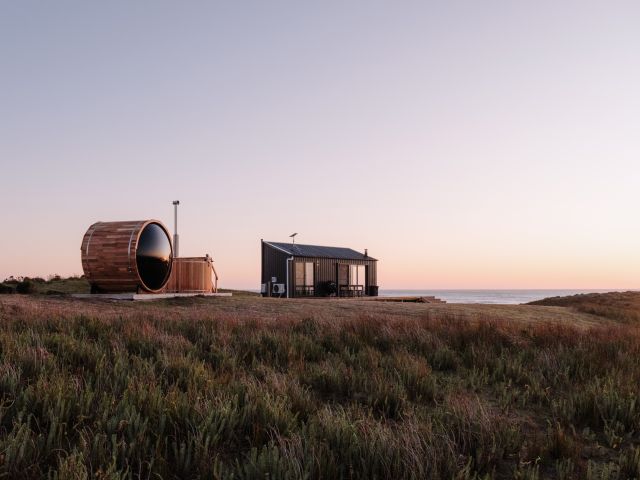
King Island’s Red Rock Hut promises stillness and solace.
Those craving solace and solitude may find no pad more ideal than Red Rock Hut, an ultra-secluded tiny home on the west coast of Tasmania’s remarkable King Island. Replenish your soul in the private, wood-fired hot tub and barrel sauna, then watch mighty waves rise and fall from beneath warm, 1000-thread-count bed linen.
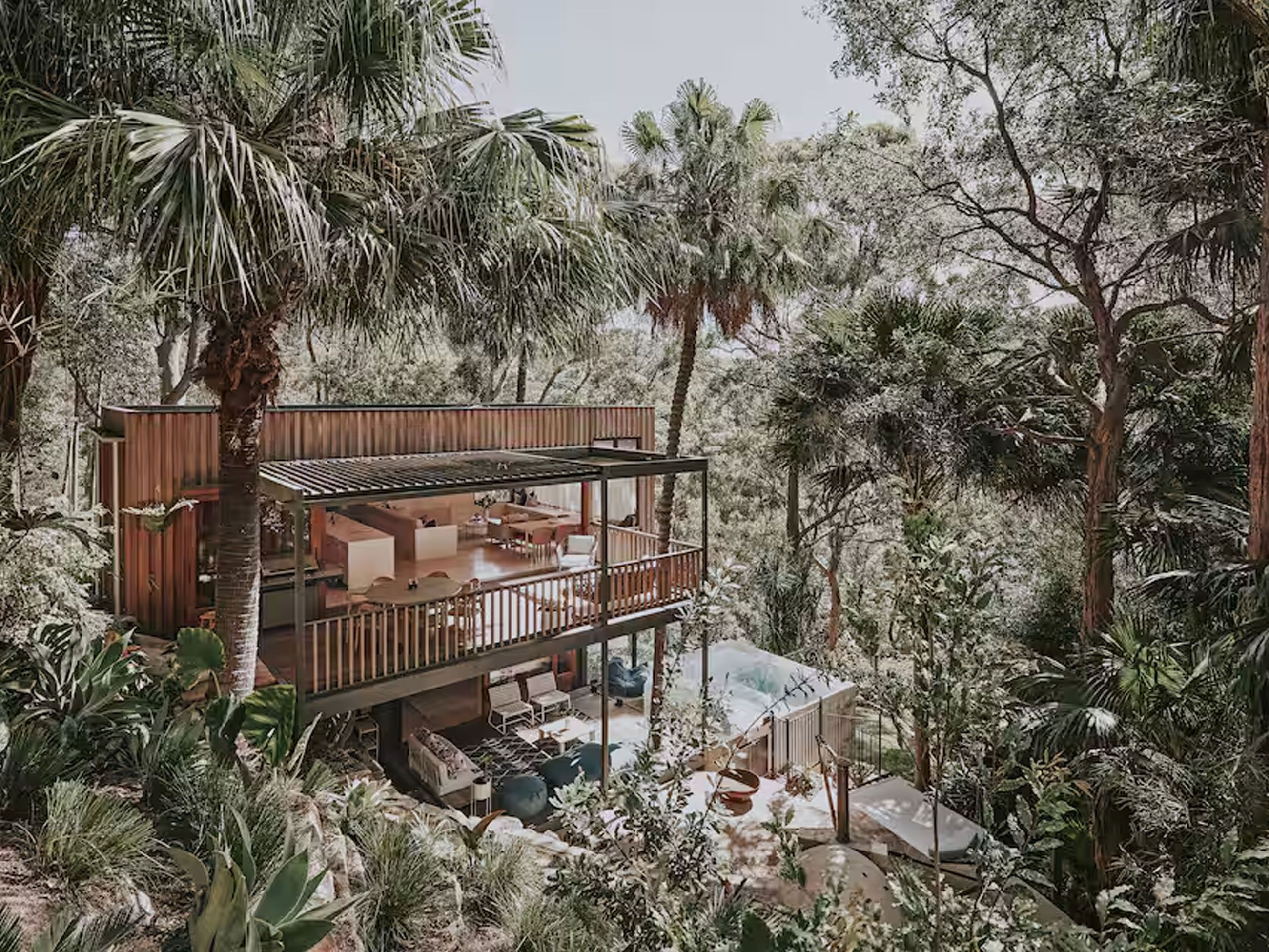
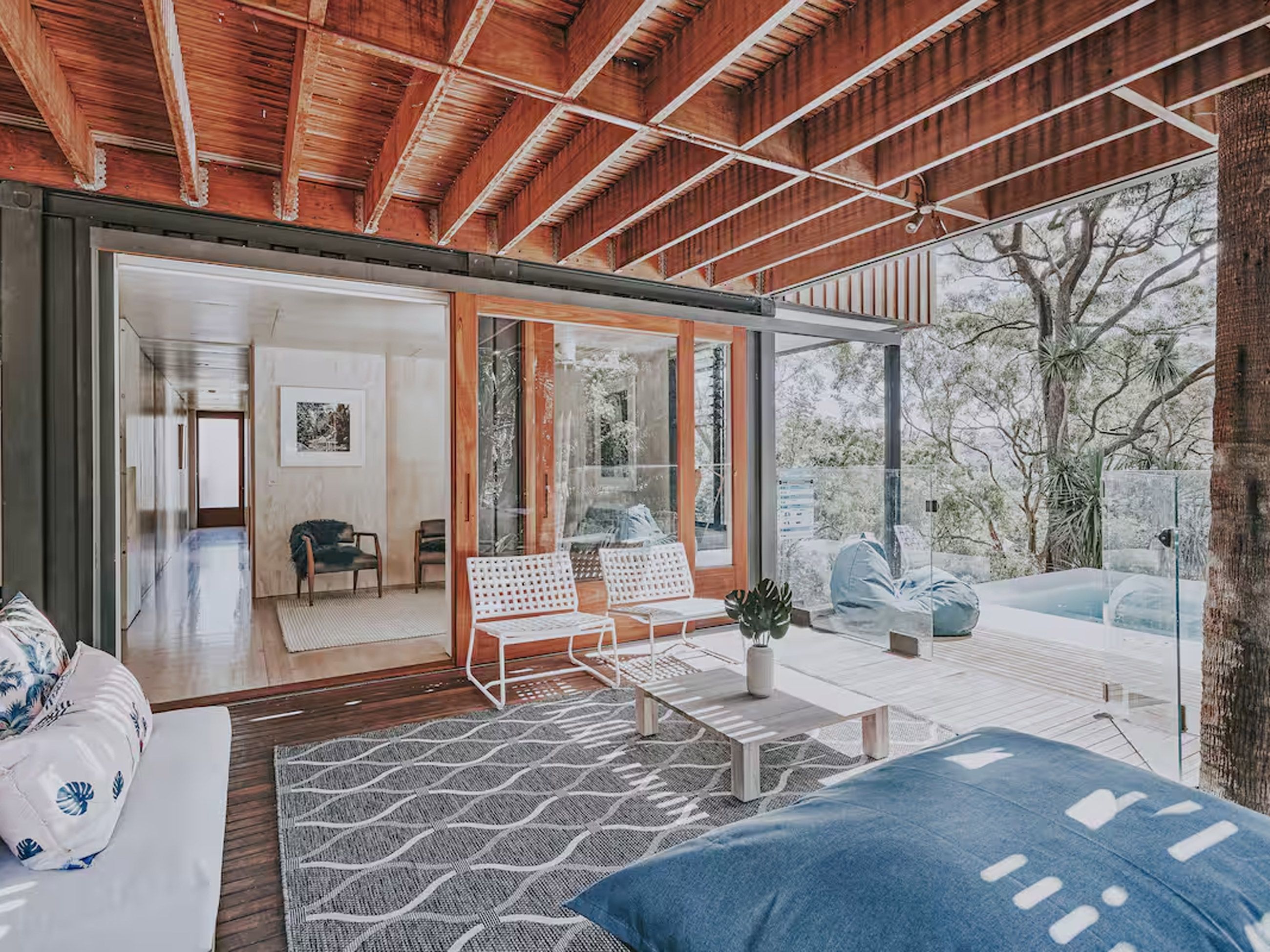
Pepper Tree Passive House in Unanderra, NSW
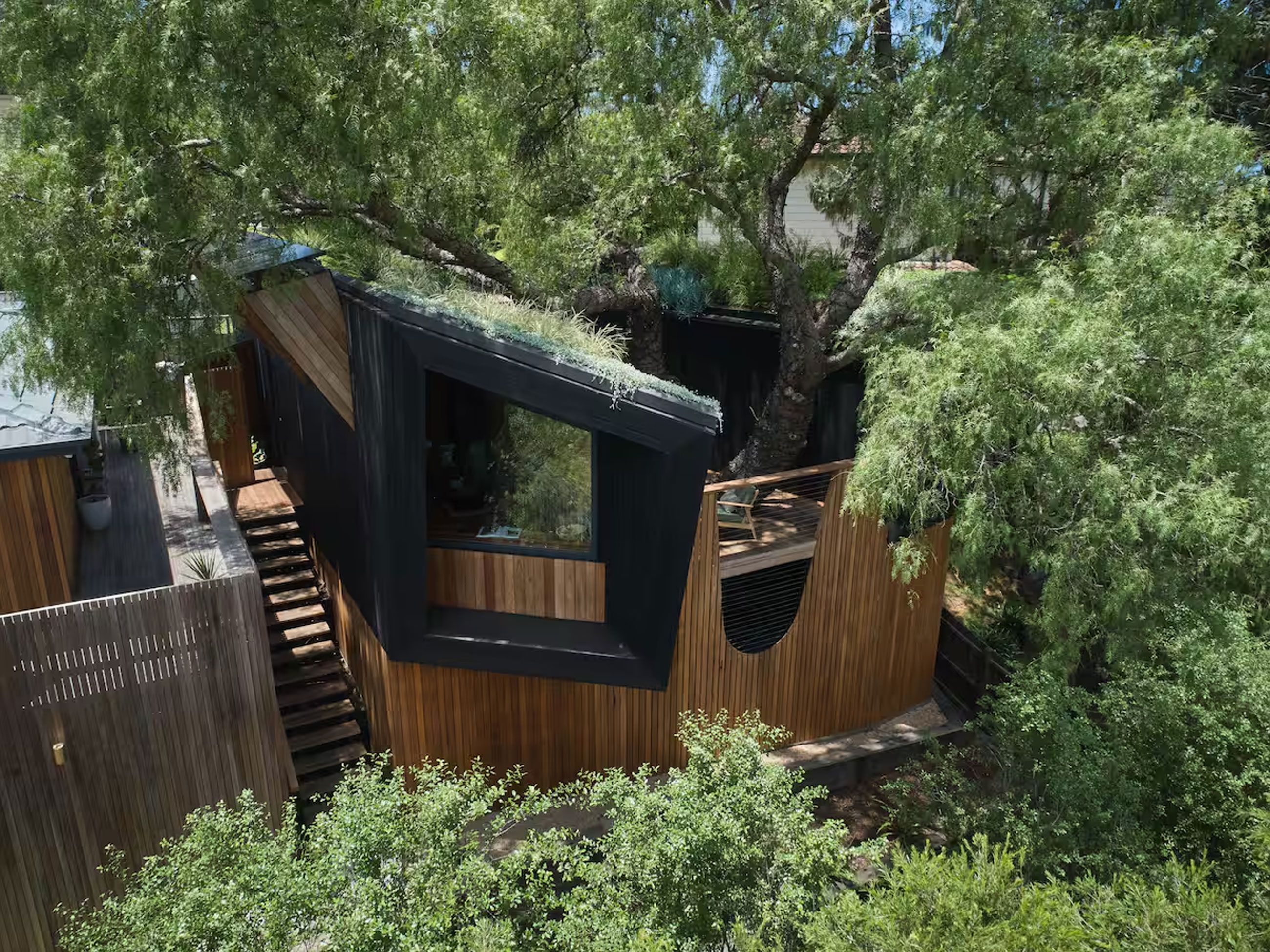
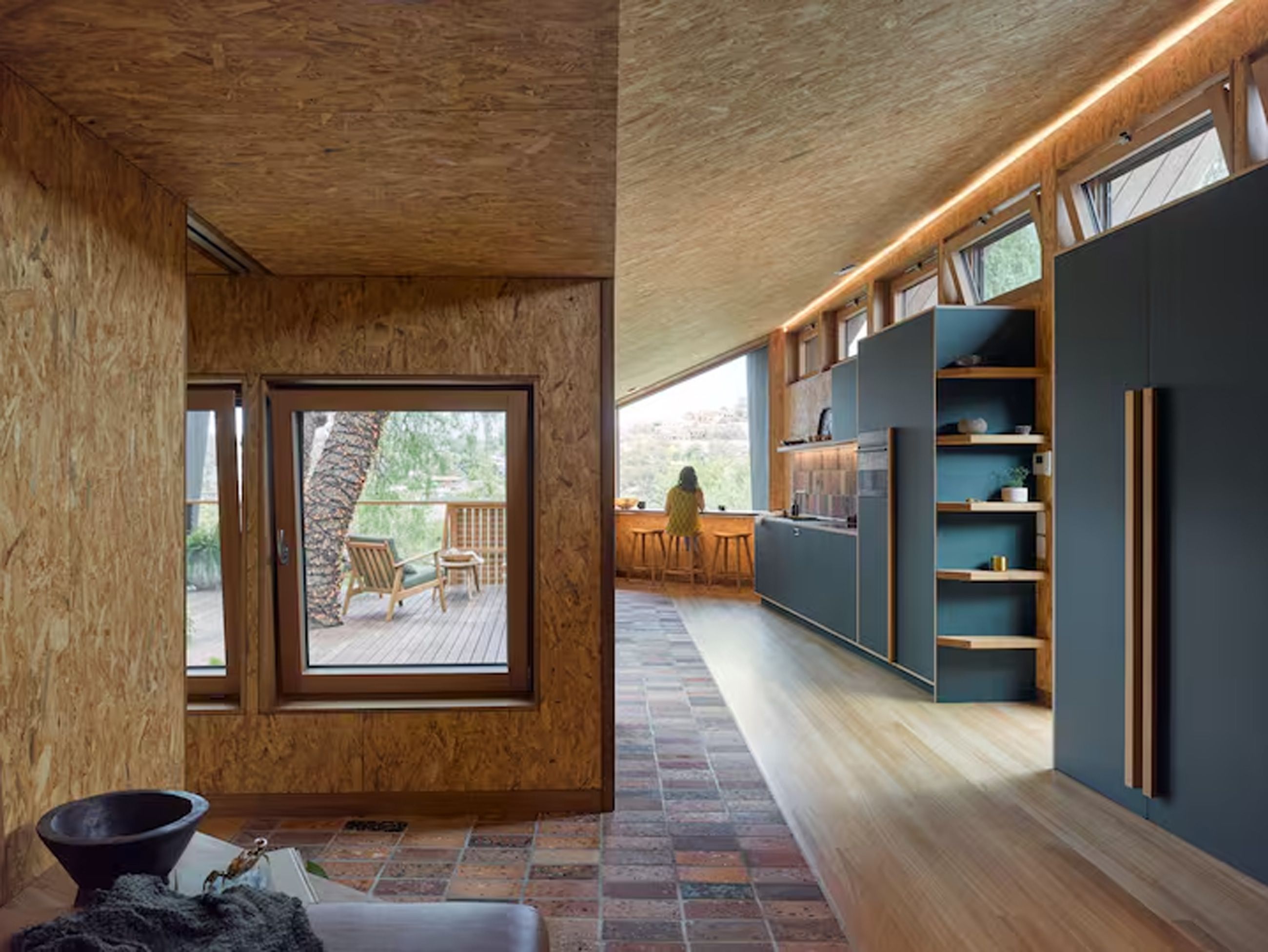
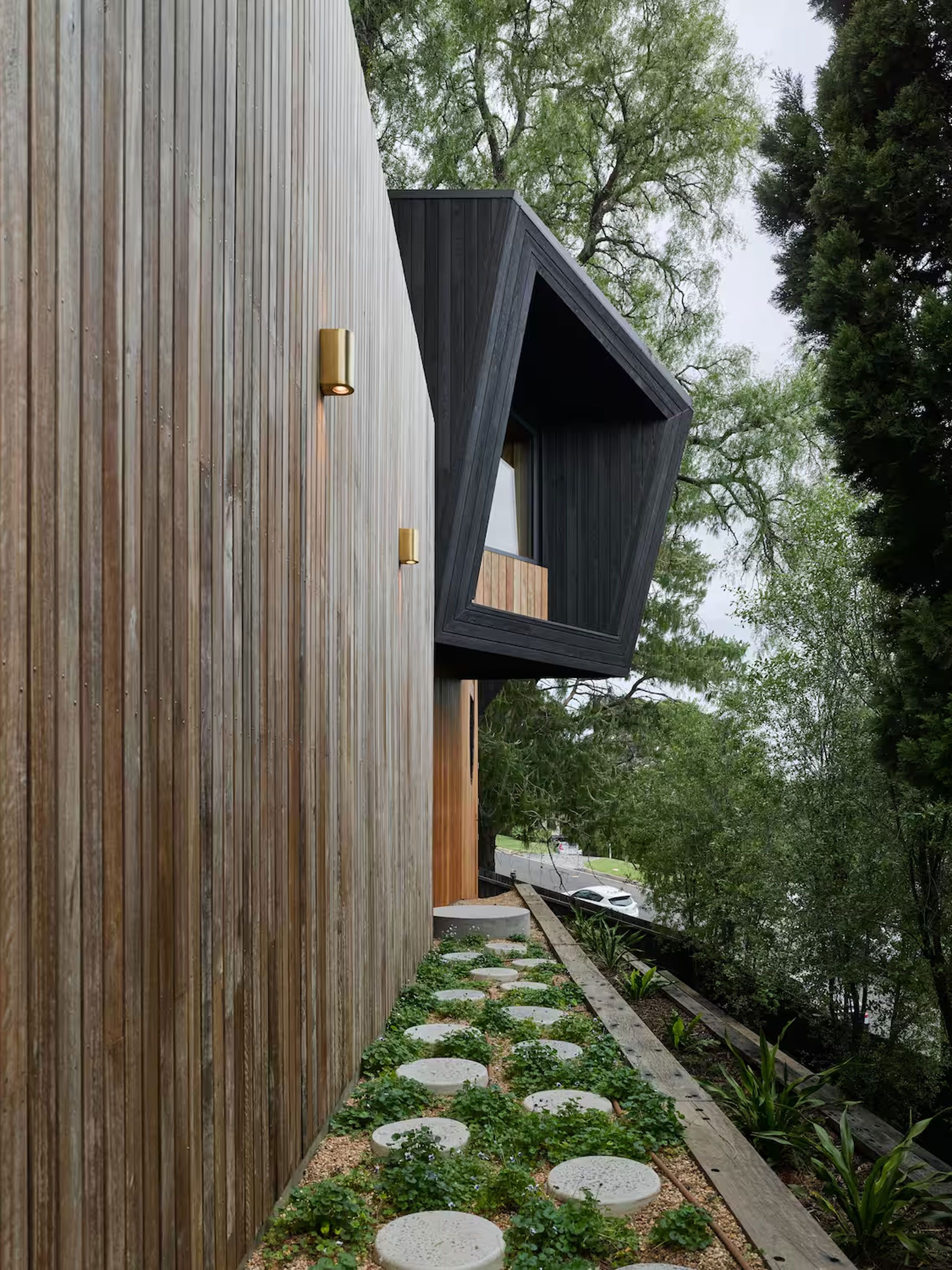
If ‘contemporary chic tree house’ takes your fancy, you’re in good company. This sustainably designed, two-bedroom loft, set against the backdrop of Mount Kembla in the suburbs of Wollongong, ranks among the most wishlisted Airbnbs in Australia for 2026. The pièce de résistance is the 60-year-old, fairylight-draped pepper tree that rises through the elevated terrace, where guests no doubt linger for breakfast and evening tipples. Though Pepper Tree Passive House’s cantilevered wings and beautifully furnished bedrooms make a compelling case, too.
Escape to a modern treehouse. (Credit: Pepper Tree Passive House)
The interiors draw on natural materials. (Credit: Pepper Tree Passive House)
The cabin offers thoughtful architecture surrounded by bush. (Credit: Pepper Tree Passive House)
Magical Rainforest Retreat in Main Arm, NSW
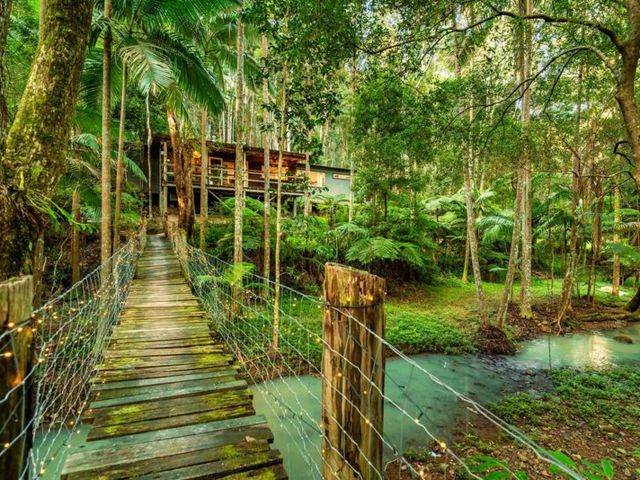
Step into another world at Magical Rainforest Retreat, NSW.
Magical Rainforest Retreat is an apt name for this unique tropical cabin located across a rustic wooden bridge seemingly pulled from a children’s fairytale. Set along a meandering creek amid towering rainforest in the NSW Northern Rivers region, the romantic one-bedder has Balinese-inspired interiors, an open-plan timber terrace and an adorable swinging chair over the creek. It’s one of the most wishlisted Airbnbs in Australia for good reason.
Weekly travel news, experiences insider tips, offers, and more.
Palm Pavilion in Church Point, NSW
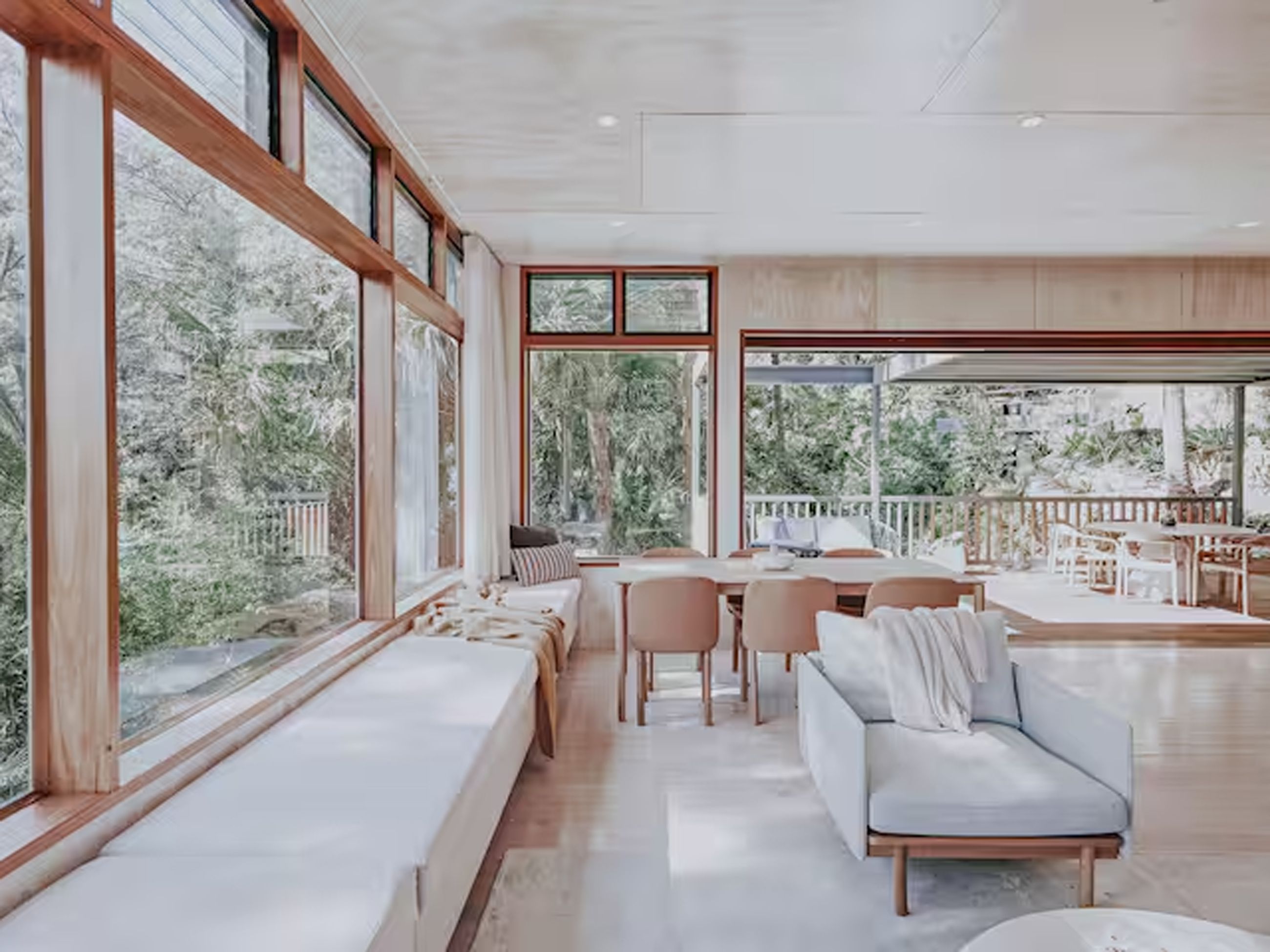
The house blends timber and minimalistic design. (Credit: Palm Pavilion)
Palm Pavilion is hidden with trees in NSW's Church Point. (Credit: Palm Pavilion)
Enjoy a breezy terrace and outdoor pool perfect for groups. (Credit: Palm Pavilion)
This boutique rainforest-encircled home lies just 45 minutes from Sydney’s CBD on the edge of Ku-ring-gai Chase National Park. Architecturally stunning, Palm Pavilion hosts up to eight guests across multiple storeys and features a generous outdoor patio with a private pool, along with wide-open windows that flood the space with natural light. Girls’ long weekend plans sorted.
Star Gazing Bubble ‘Etoile’ in Agnes, Vic
Etoile bubble accommodation is proving that stargazing stays are trending with travellers.
Bubble Retreats’ Etoile dials the wow factor all the way up, thanks to its dreamy transparent ceiling – a front-row seat to one of the country’s premier dark-sky displays. Overlooking Wilsons Promontory National Park, this adults-only retreat sleeps two and comes self-contained with a thoughtfully designed kitchenette, ensuite, private deck primed for barbecue dinners and stargazing nightcaps. Consider it your own little world under the cosmos.
Romantic Lake House Retreat in Hunchy, Qld
Get back to nature at this lakeside tiny home. (Credit: Romantic Lake House Retreat Montville)
Tucked within the Sunshine Coast hinterland, this Romantic Lake House Retreat feels a world away from civilisation yet is located just minutes from restaurants, hiking trails and gorgeous waterfalls. The off-grid, eco-designed home has exclusive access to a private lake, where seasonal baby turtles glide through the water. You won’t have wi-fi –but that’s the point. Here it’s all about slow, intentional living.
Want to see more stories from Australian Traveller in your Google search results?
Tick the box next to "Australian Traveller". That's it.
Eleanor Edström is Australian Traveller’s Associate Editor. Previously a staff writer at Signature Luxury Travel & Style and Vacations & Travel magazines, she's a curious wordsmith with a penchant for conservation, adventure, the arts and design. She discovered her knack for storytelling much earlier, however – penning mermaid sagas in glitter ink at age seven. Proof that her spelling has since improved, she holds an honours degree in English and philosophy, and a French diploma from the University of Sydney. Off duty, you’ll find her pirouetting between Pilates and ballet classes, or hunting down Sydney's cosiest cafes.
No matter your interests, you’re bound to find a unique and utterly memorable experience along the mighty Murray River.
Along the Murray River lies a network of towns that are at once intertwined and wildly diverse. Linked by the legendary waterway yet strikingly distinct, each has its own personality, pace and collection of experiences you won’t soon forget.
1. On the river
Get out onto the pretty Lake Mulwala. (Credit: Visit Victoria)
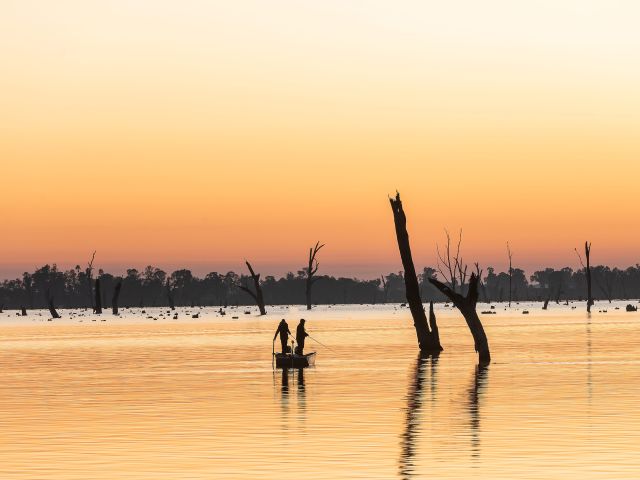
A visit to the region wouldn’t be complete without a jaunt on the iconic river. If you’re something of an adventurer, Lake Mulwala – an inlet on the Murray – is perennially popular for all kinds of watersports. Glide among ghost gums on a kayak or stand up paddleboard, or pick up the pace by waterskiing or windsurfing.
For a more relaxed (but no less immersive) river experience, hop on board one of the famed paddle steamers. Departing from Echuca Moama, Swan Hill and Yarrawonga Mulwala, these historic boats provide a nostalgic view of the Murray.
2. First Nations culture
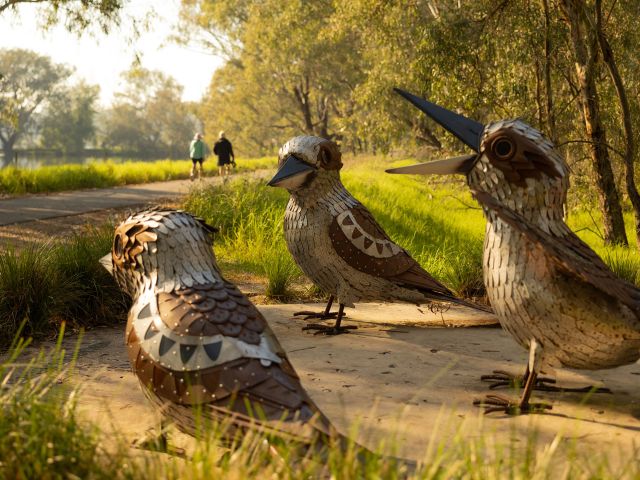
Wander the Yindyamarra Sculpture Walk.
The river is a meeting place of ancient cultures, home to over 50 First Nations clans and an integral part of their communities, storytelling and way of life.
To learn more about the Traditional Owners, take yourself on a guided stroll through the Wagirra Trail. Situated in Albury/Wiradjuri country, the trail passes through red gum forest, riverside wetlands and the Yindyamarra Sculpture Walk.
Alternatively, visit the Dharnya Centre in the heart of Barmah National Park on Yorta Yorta country. The centre tells the history and stories of the Yorta Yorta people, offering guided walking tours and cruises.
3. Delicious eats
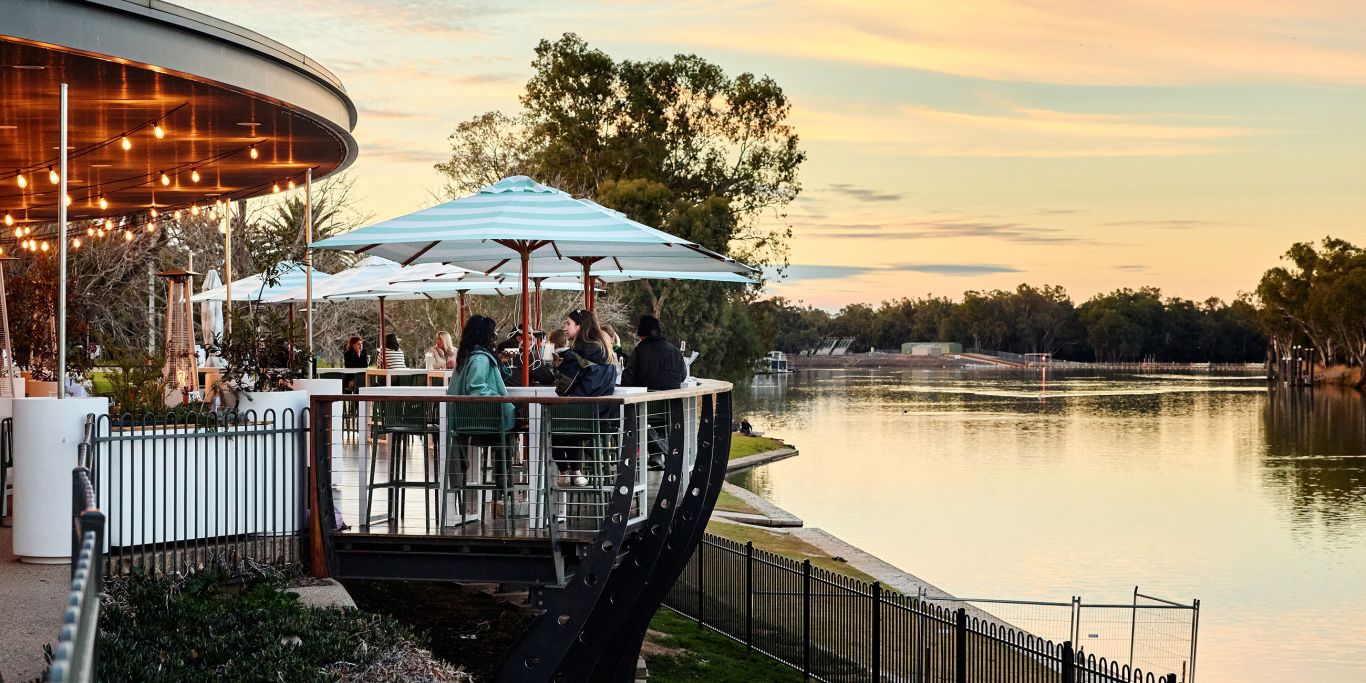
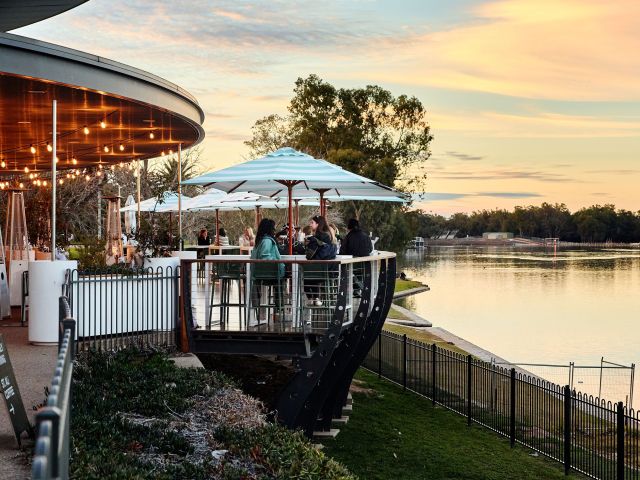
Savour a relaxed riverside meal at Mildura Boat House.
For a representative taste of the Murray’s epicurean highlights, a few destinations are well worth your time (and appetite).
Opa in Echuca is a local staple, serving up authentic and bold Greek dishes in lively surrounds. Greek not your thing? The twin towns of Echuca Moama have numerous top-notch drinking and dining spots to choose from and an ever-evolving food scene.
In Albury, the River Deck Cafe is perched right on the river, delivering scenic vistas and a vibrant daytime menu. Expect lemon meringue waffles or Green Goddess smashed avo for breakfast, or a zippy duck salad with Southeast Asian flavours for lunch. For more waterfront dining options, head to Mildura Boathouse. Enjoy iconic views and a modern Australian menu focused on local producers and wines.
4. Hiking and biking trails
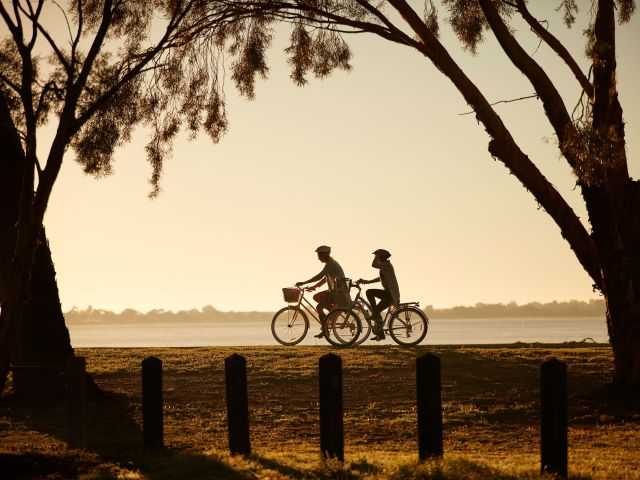
Discover the Murray Region on two wheels. (Credit: Ewen Bell)
The best ways to experience the Murray’s surrounding landscapes are on foot or by bike. Luckily, plenty of well-marked trails take you through the diverse scenery.
The Mildura Riverfront has a shared path for both walkers and cyclists, connecting the town centre with a string of parks and lookouts. The path lets you take in the entire town and its distinctive terrain at a leisurely pace, and is relatively flat throughout.
For a more challenging experience, head to the Huon Hill Parklands or Nail Can Hill Reserve in Albury Wodonga. Both feature a varied network of bushwalking and mountain biking trails through undulating terrain.
5. Best views along The Murray
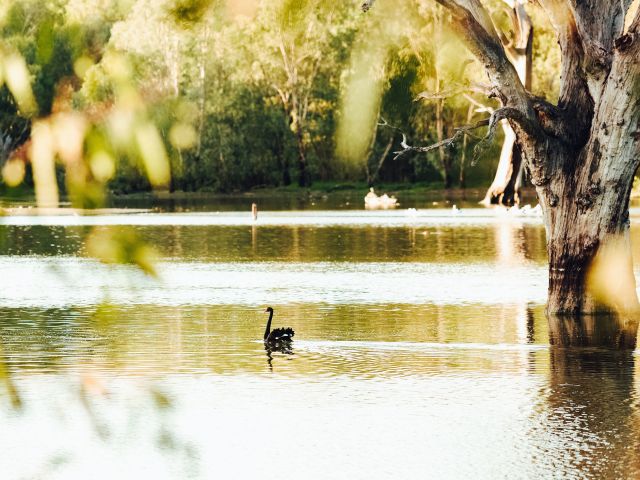
Spot the birdlife at Wonga Wetlands. (Credit: Visit Albury Wodonga)
The Murray region is perhaps unsurprisingly a prime destination for epic vistas. The Wonga Wetlands just outside Albury are an aquatic feast for the eyes, a winding web of billabongs and lagoons. Take a stroll through the tranquil landscape and see if you can spot one of the more than 170 bird species living within.
Stop by Moama Beach at sunset to catch the dazzling display. Vivid hues of pink, amber and gold flare against a backdrop of river red gum trees and are reflected in the river’s glassy waters.
Head away from the Murray itself, 15 mins from Albury Wodonga, for stunning mountain views at Lake Hume. Or head to Gunbower National Park, a picturesque place boasting a diverse wonderland of waterbirds, wildlife and aquatic plants.
6. Art and culture
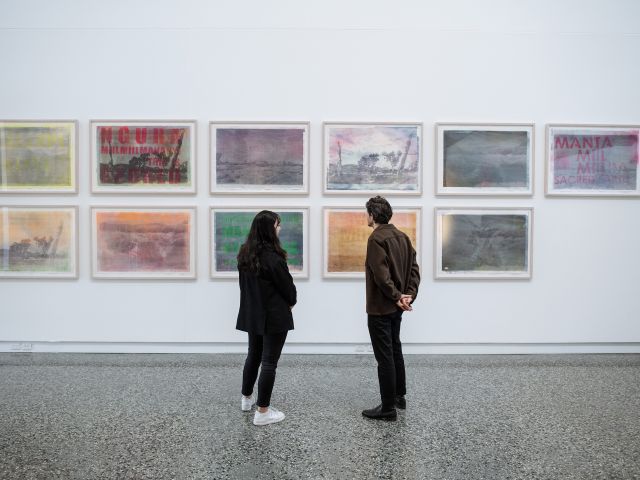
Immerse yourself in art at the MAMA, Albury. (Tourism Australia)
The region’s diverse mix of galleries, museums and cultural hubs provides a window into its past and present.
One of the most prominent is Murray Art Museum Albury (MAMA), which has a rotating roster of contemporary exhibitions. The Burrajara Gallery is another Albury gem, with a powerful collection of works from local First Nations artists.
There are several smaller museums and galleries scattered across Echuca Moama and Mildura reflecting the artistic depth of the Murray. Popular picks include The Foundry Arts Space and Customs House Gallery in Echuca Moama, and the Arts Centre, Riverfront Gallery and NAP Contemporary in Mildura.
7. Murray Region Events
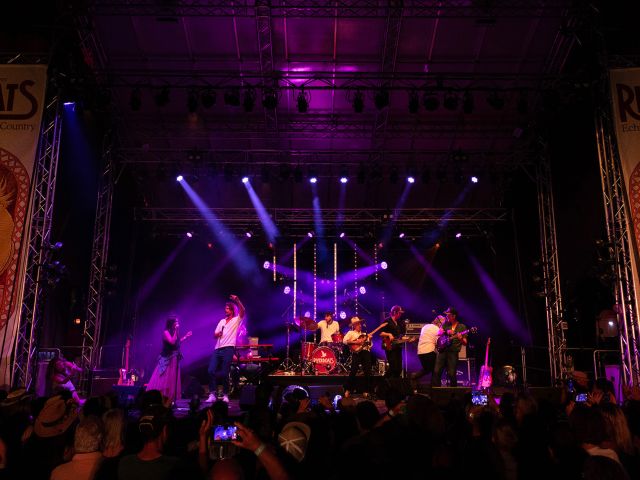
Time your trip around one fo the regions live music events. (Credit: Riverboats Music Festival)
Each year, the Murray hosts events as unique and characterful as the region itself.
The Massive Murray Paddle takes place every November, a 415-kilometre, five-day river paddle raising money for local charities. Whether you take part in a canoe, kayak, stand up paddleboard or boat, or watch from the riverbanks, you’ll be in for a memorable experience.
If you’re a music lover, you’re in luck throughout the year. In summer, plan a trip for Riverboats Music Festival. And in the cooler months, head to the Echuca Moama Winter Blues Festival for four days of performances across different venues.
8. Best stays along The Murray
Find unique stays by the river or in the countryside.
Throughout your busy few days of exploring, you’ll need a comfortable spot to rest.
Echuca Moama Riverside Holiday Park is right on the river and has gorgeous views. Pick from riverfront and pet-friendly lagoon cabins, or set up camp at one of the powered sites set among native bush. Or head into the countryside to stay in the quaint glamping or lodge options of Charm Lodge.
Alternatively, treat yourself to a night or two at The Sebel Yarrawonga Silverwoods, which has stylish modern rooms and luxe amenities. There’s a heated infinity pool, day spa and an on-site restaurant doing elevated fare with local produce.
For a quintessential Murray experience, hire a houseboat from one of the many operators in Mildura. Available for weekend and week-long adventures, these well-appointed boats immerse you in the leisurely rhythm and quiet beauty of the Murray River.