Tourism Australia has revealed its annual list of best beaches.
With over 30,000 kilometres of coastline, Australia is blessed to have what we would argue are the best beaches in the world. Each year, Tourism Australia’s official beach ambassador, Brad Farmer, conducts a study to name the top 10 beaches in the country, judged against a rigorous 130-point criteria covering natural integrity, safety, accessibility, community engagement and environmental management.
And this year, the winner might surprise you. Instead of Whitehaven or Lucky Bay taking the crown, the title of Australia’s best beach for 2026 goes to a vast, quietly spectacular stretch of sand just 30 minutes from Sydney Airport.
Here are the full results.
1. Bate Bay beaches, Sydney, NSW
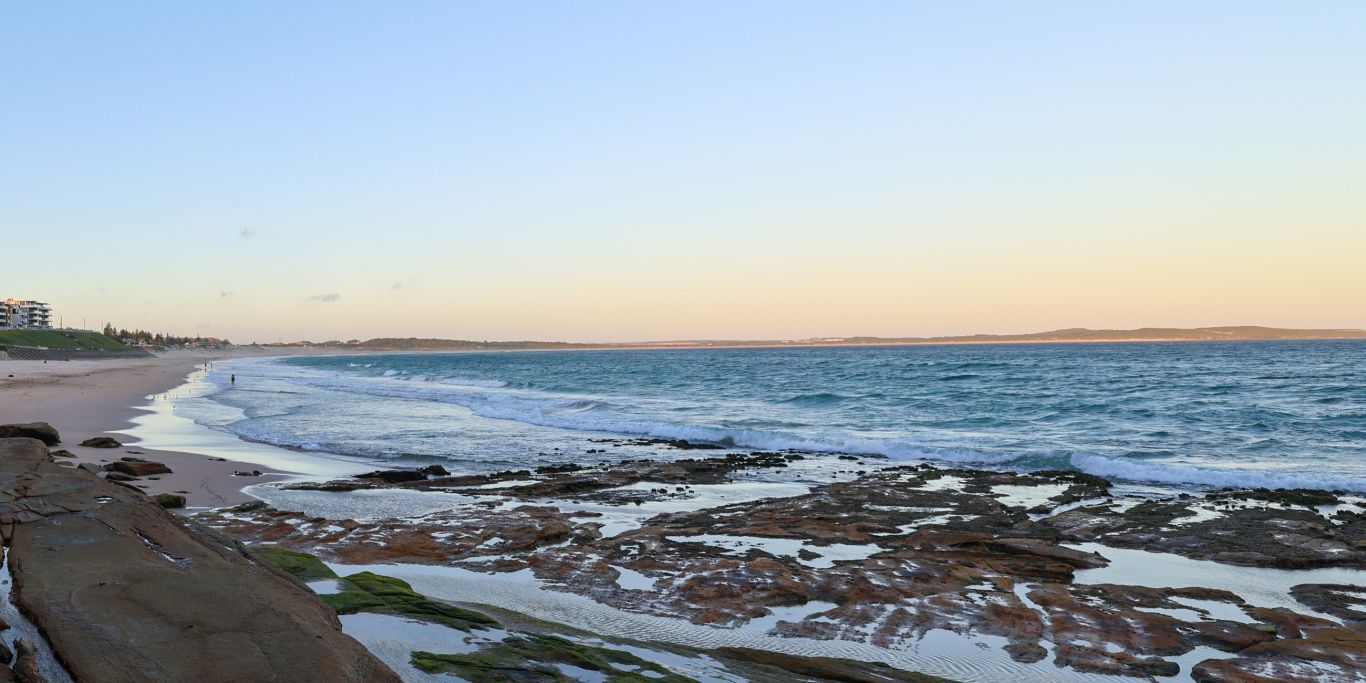
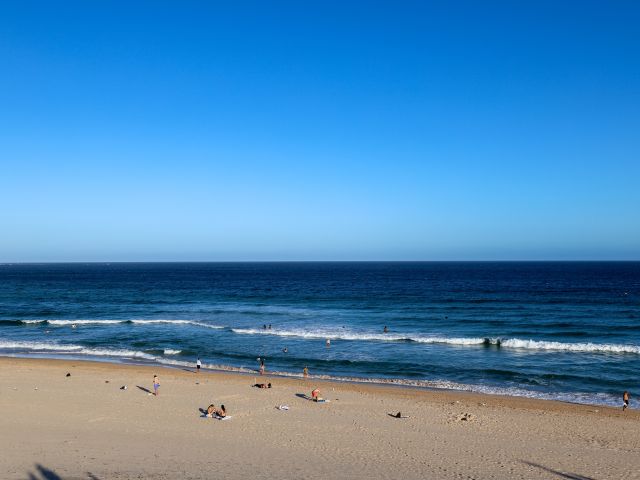
Bate Bay in the Sutherland Shire has been named Australia’s best beach for 2026. (Credit: Taylah Darnell)
Tucked beneath the flight path into Mascot and stretching a remarkable 4.8 kilometres from Boat Harbour through Greenhills, Wanda, Elouera, and North Cronulla, Bate Bay in the Sutherland Shire has been named Australia’s best beach for 2026.
It is officially Sydney’s longest ocean beach and, crucially, one of its least crowded. Free beachside parking, direct train access from the CBD and a strong surf lifesaving culture make it one of the most accessible coastal regions in the country. Yet it still feels underappreciated compared to Sydney’s headline beaches.
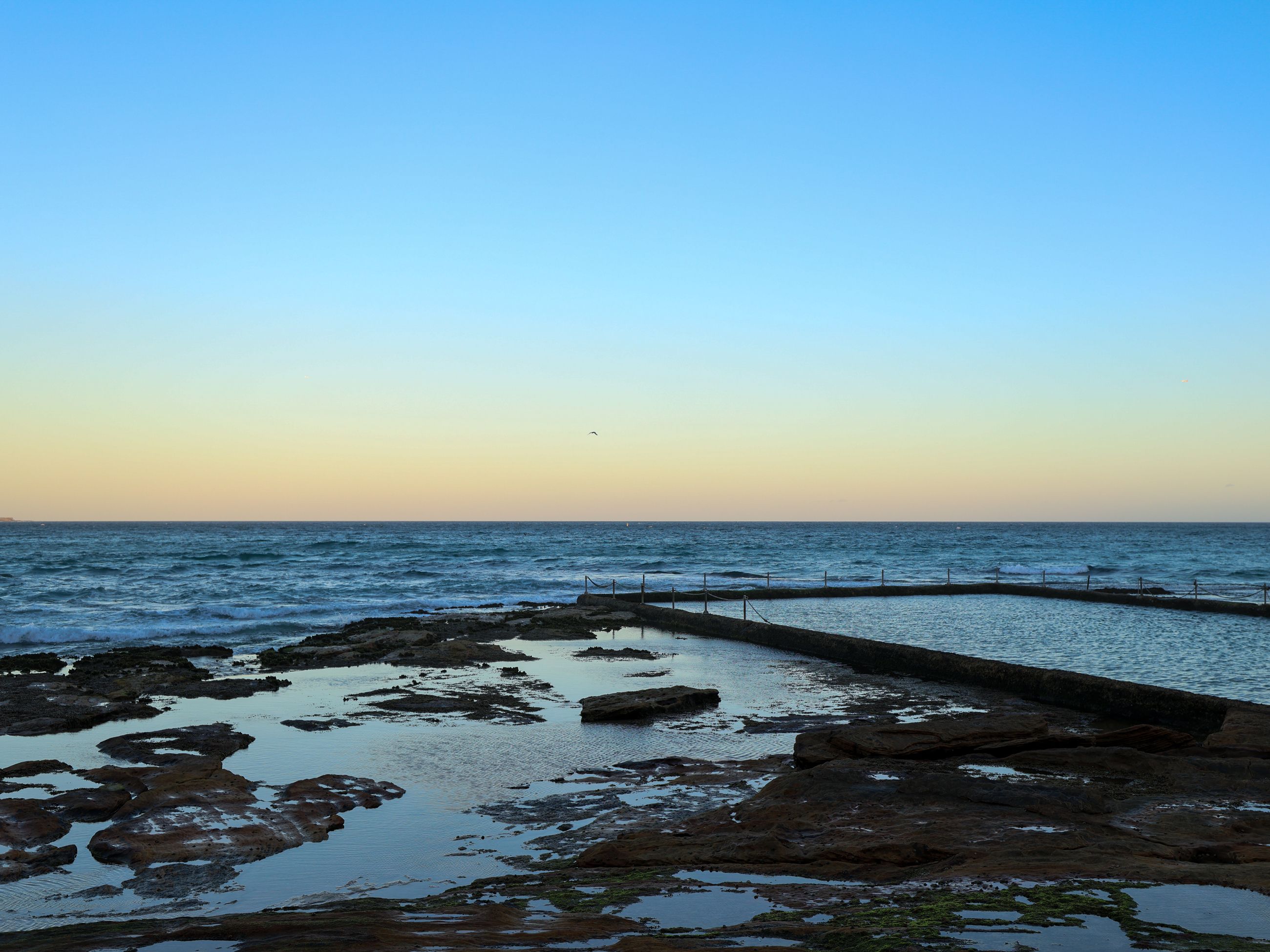
The bay includes nine easily accessible beaches and four ocean baths. (Credit: Taylah Darnell)
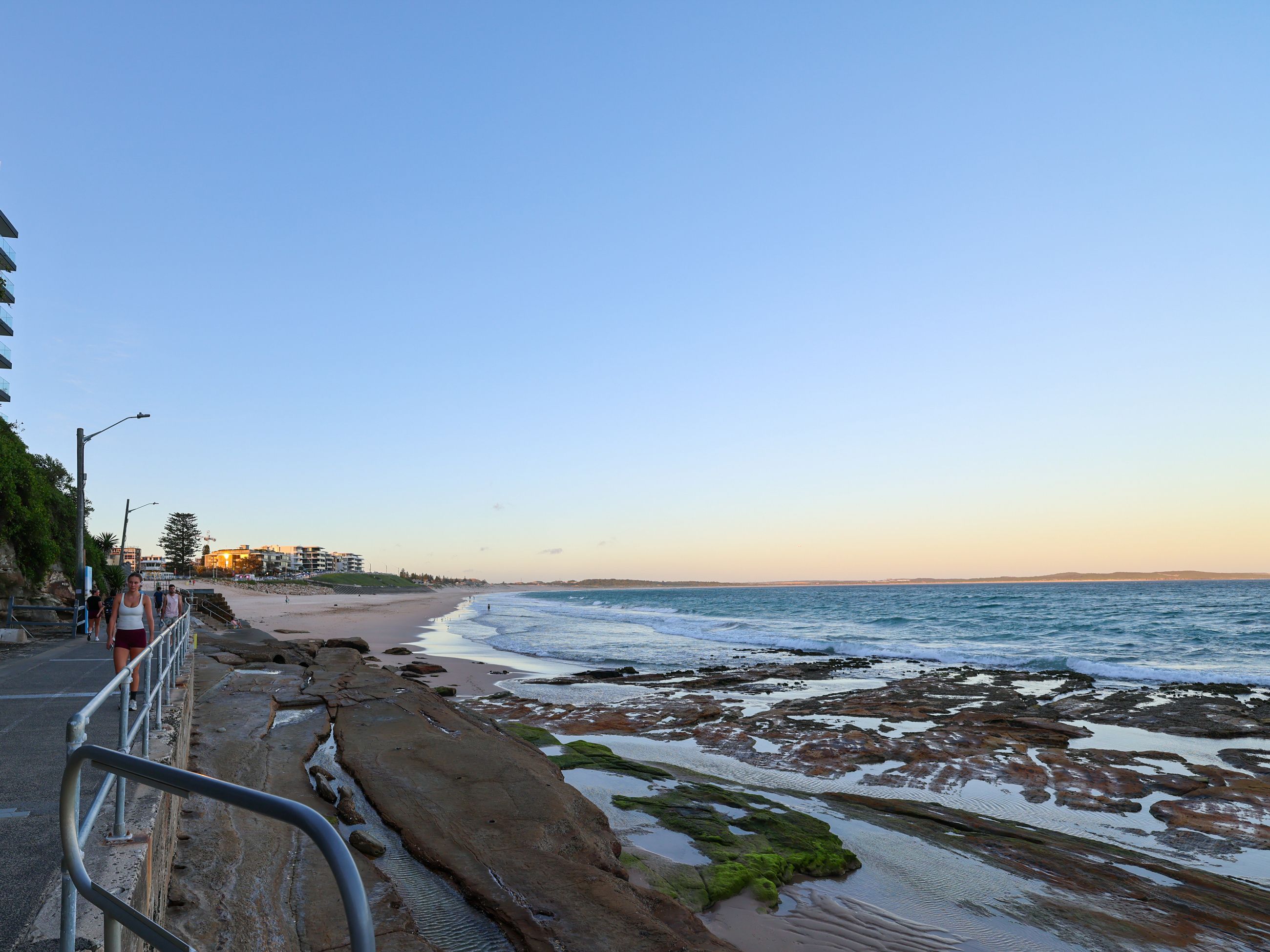
The study highlights beaches that quietly deliver across all 130 judging criteria. (Credit: Taylah Darnell)
Farmer told Australian Traveller the decision was deliberate. Rather than rewarding places that “have had their fair share of love", the study aims to highlight beaches that quietly deliver across all 130 judging criteria. Bate Bay scored highly for diversity, safety, community pride and natural integrity.
The bay includes nine easily accessible beaches and four ocean baths, plus calmer swimming enclosures at Gunnamatta Bay for less confident swimmers. Framed by two national parks and set on Gweagal Country, part of the Dharawal Nation, it’s cosmopolitan but not chaotic. Spacious but not remote. And in 2026, it officially leads the country.
2. Pinky Beach, Rottnest Island (Wadjemup), WA
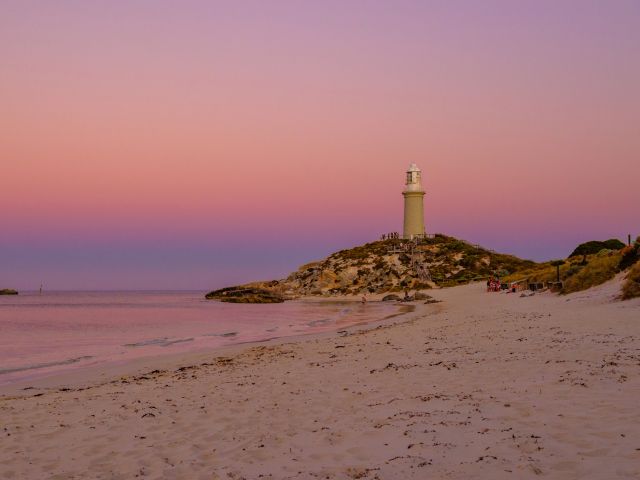
Pinky Beach is Australia’s second best beach. (Credit: Tourism Western Australia)
Rottnest Island (Wadjemup)’s Pinky Beach takes second place, proving that Western Australia’s Indian Ocean coastline continues to dominate the national conversation.
Just a short walk from the ferry terminal at Thomson Bay, Pinky Beach combines calm, shallow snorkelling waters with dazzling white sand and a postcard view towards Bathurst Lighthouse. Behind the dunes, relaxed bars and upmarket accommodation add to its appeal. Farmer praised Rottnest for resisting overdevelopment despite its popularity. With 63 beaches and 20 bays scattered across the island, Pinky Beach stands out for accessibility, clarity of water and family-friendly swimming conditions.
3. Beachcomber Cove, Cape Hillsborough, Qld
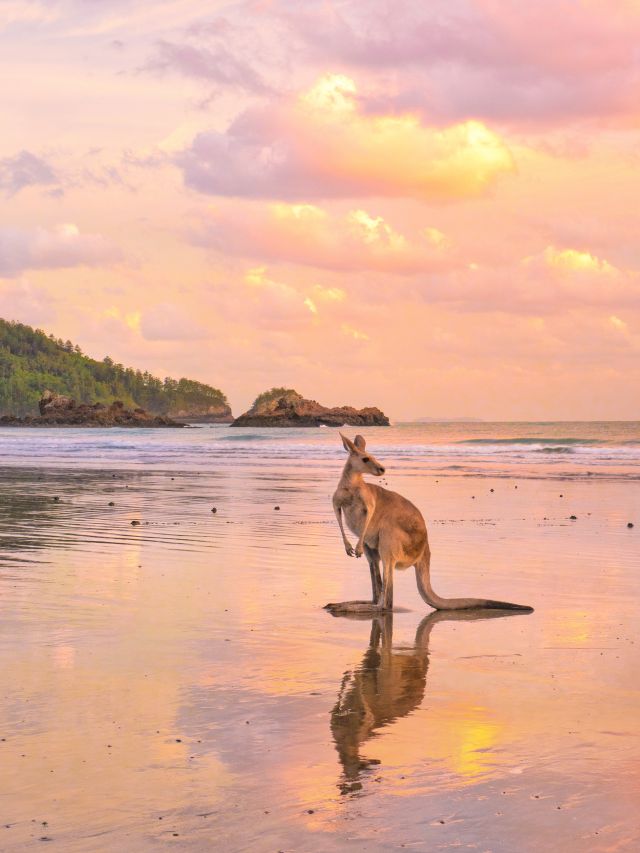
Kangaroos gather on the sand in Cape Hillsborough. (Credit: Mark Fitz)
Cape Hillsborough’s Beachcomber Cove feels like a nature documentary unfolding in real time.
Kangaroos gather on the sand at sunrise, volcanic rock formations frame the shoreline and rainforest-backed walking trails reveal waterfalls and mangrove boardwalks. The adjoining marine park supports remarkable biodiversity, from tropical butterflies to turtles. Despite its modest size, the beach scored strongly for ecological integrity and immersive natural experience. It is Queensland at its most quietly spectacular.
Need tips, more detail or itinerary ideas tailored to you? Ask AT.
AI Prompt
4. Tallow Beach, Byron Bay, NSW
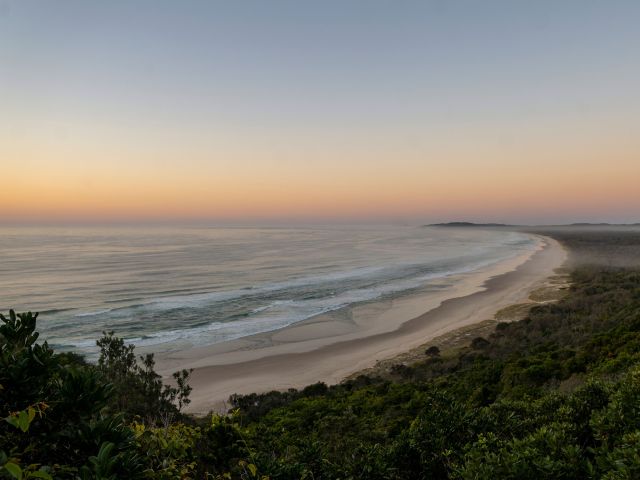
Tallow Beach is a lesser-known Byron beach. (Credit: Destination NSW)
Byron Bay’s “back beach" earns fourth place, offering a wilder, more spacious alternative to Byron’s more well-known beaches.
Stretching seven kilometres from Cape Byron to Broken Head, Tallow Beach remains largely undeveloped, backed by coastal heath and Arakwal National Park. It is unpatrolled, powerful and refreshingly open. Farmer described it as the “flip side of the celebrity experience", rewarding those willing to walk a little further for solitude.
5. Hellfire Bay, Esperance, WA
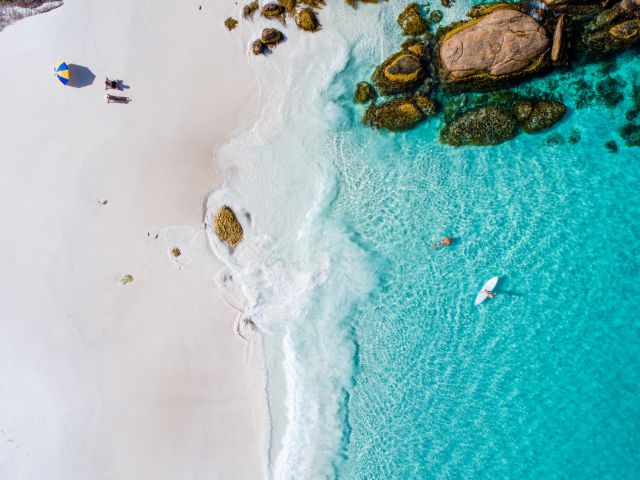
Hellfire Bay is one of Australia’s best white sand beaches. (Credit: Tourism Western Australia)
Set within Cape Le Grand National Park near Esperance, Hellfire Bay is pure Western Australian drama.
Granite headlands shelter a crescent of dazzling white sand and impossibly clear turquoise water. Vehicles are not permitted on the beach, helping preserve its calm, untouched feel. Kangaroos regularly wander along the shoreline and snorkelling conditions are often gentler than neighbouring surf beaches. It is remote, pristine and quietly unforgettable.
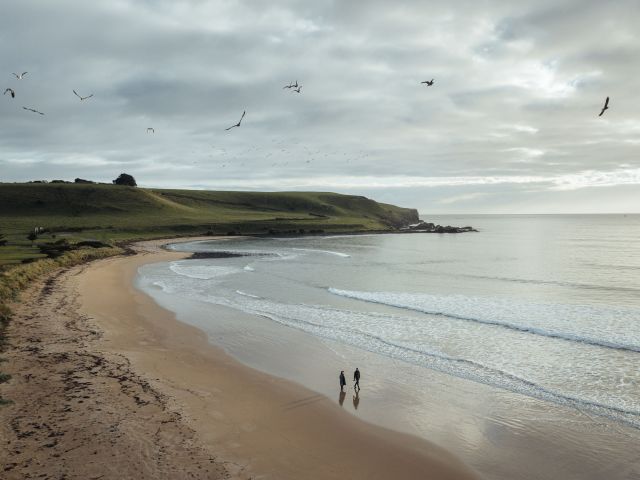
6. Godfreys Beach, Stanley, Tas
Godfreys Beach is in one of Tasmania’s most recognisable spots. (Credit: Jason Charles Hill)
Below the towering volcanic plug known as The Nut in Stanley, Godfreys Beach delivers one of Tasmania’s most recognisable coastal backdrops.
The gently curving, north-east-facing beach offers small, manageable waves and expansive views across Bass Strait. Penguins come ashore along this coast, while historic Highfield House sits watchfully above. Cold water, dramatic geology and strong community pride helped secure its place in the top 10.
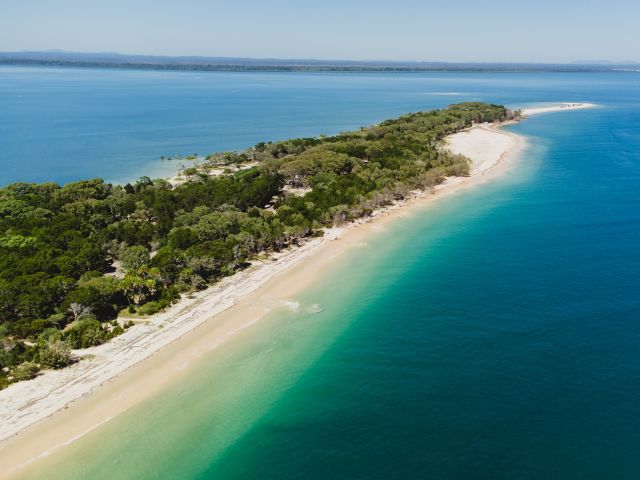
7. Inskip Point, Rainbow Beach, Qld
Inskip Point has expansive views across the Great Sandy Strait. (Credit: Getty Images / Rebecca O’Grady)
Often seen as simply the gateway to K’gari, Inskip Point stands confidently in its own right this year.
The narrow sandy spit offers calm western waters suited to fishing and boating, with expansive views across the Great Sandy Strait. Camping sites are basic but beautiful, and the sense of space is immense. It is unpretentious, open and deeply connected to its landscape.
Weekly travel news, experiences insider tips, offers, and more.
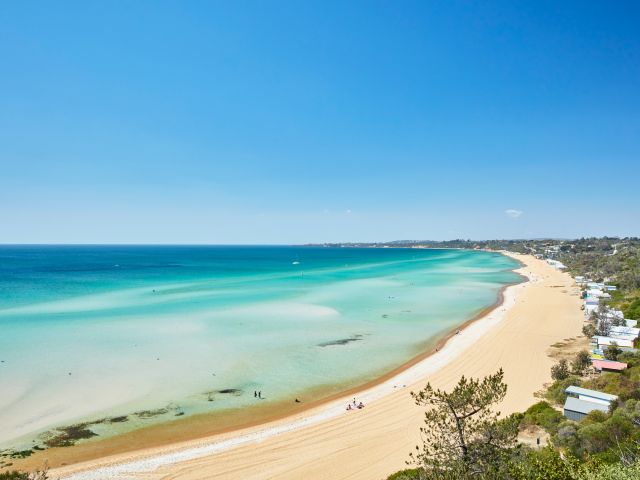
8. Mount Martha, Mornington Peninsula, Vic
Score a colourful beach box at Mount Martha. (Credit: Supplied)
Protected bay conditions, colourful beach boxes and a strong commitment to accessibility make this one of the state’s most inclusive coastal experiences. Volunteer surf lifesaving patrols and visible community care scored highly under the study’s safety and engagement criteria. Just over an hour from Melbourne, it offers calm without feeling remote.
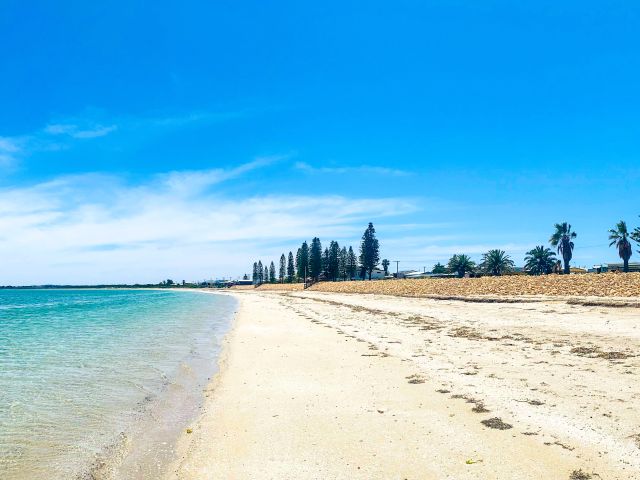
9. Smoky Bay, Eyre Peninsula, SA
Smoky Bay is remote, spacious and deeply local. (Credit: Smoky Bay Progress Association)
Fresh oysters, a shark-free swimming enclosure and vast stretches of quiet coastline define this small coastal village. Low-tide rock pools and secluded headlands offer rewarding exploration, while community pride runs strong. It’s remote, spacious and deeply local.
10. Ellery Creek Big Hole, Red Centre, NT
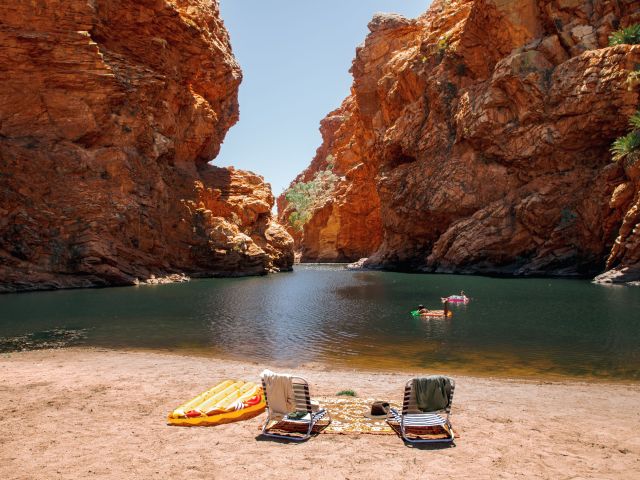
Ellery Creek Big Hole proves that inland Australia deserves a place in the national beach conversation. (Credit: Tourism & Events NT / The Salty Travellers)
Not all beaches are coastal. Ellery Creek Big Hole, around 80 kilometres west of Alice Springs in Tjoritja / West MacDonnell National Park, proves that inland Australia deserves a place in the national beach conversation.
Under a broader definition recognising rivers, lakes and waterholes as beaches, this permanent desert waterhole offers cool relief beneath towering red cliffs and ghost gums. Sacred to Arrernte people and part of traditional Dreaming trails, it stands as one of Australia’s most powerful inland “beach" experiences.
If 2026 proves anything, it is this: Australia’s greatest beaches are not always the ones plastered across postcards. Sometimes, they are right under your nose.
Want to see more stories from Australian Traveller in your Google search results?
Tick the box next to "Australian Traveller". That's it.
Emily Murphy is Australian Traveller's Email & Social Editor, and in her 4+ years at the company she has been instrumental in shaping its social media and email presence, and crafting compelling narratives that inspire others to explore Australia's vast landscapes. Her previous role was a journalist at Prime Creative Media and before that she was freelancing in publishing, content creation and digital marketing. When she's not creating scroll-stopping travel content, Em is a devoted 'bun mum' and enjoys spending her spare time by the sea, reading, binge-watching a good TV show and exploring Sydney's vibrant dining scene. Next on her Aussie travel wish list? South Australia and The Kimberley.
See the Murray region in an entirely different light by exploring its night-time experiences and attractions.
By day, the mighty Murray River is a majestic and ever-changing sight, with river red gums and wetlands stretching along 2500 kilometres. But by night, its cities, towns, villages and landscapes totally transform.
From Albury Wodonga to Mildura, and everywhere in between, you’ll be in for a multi-sensory and memorable treat encompassing mesmerising light shows, guided ghost tours and vibrant celebrations that capture the nocturnal magic of the river.
This is no ordinary nighttime adventure; the region becomes an entirely different world when the sun sets. Discover six must-do activities along the Murray that can only be enjoyed after dark.
1. Share in ghostly tales
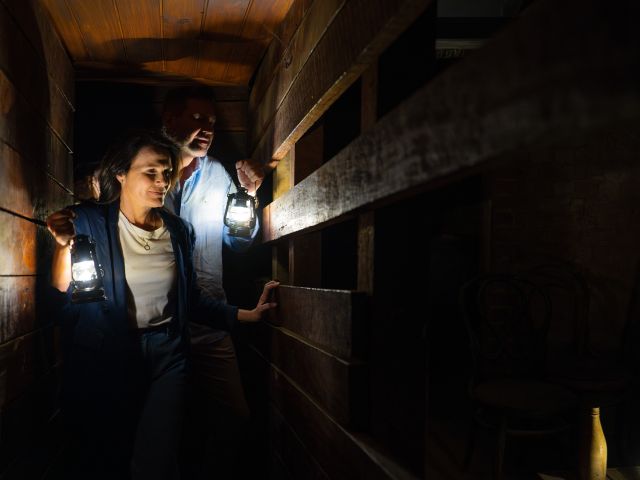
Hold on to your nerve when learning local ghost stories. (Credit: Campaspe Shire Council)
If you’re up for something a little more spine-tingling, Port After Dark in Echuca is your best bet. Rumour has it that the Port of Echuca Wharf and the buildings around it have long been home to lingering ghosts and mysterious events – like the vengeful woman said to haunt an old tramway bridge and spirits searching for stolen money through the town centre.
You can hear all about them on this guided lantern tour, which takes place on Wednesday and Saturday nights after dark. The stories are atmospheric and intriguing – you may even spot a ghost or two yourself. If you’d like a more intimate experience, private tours are also available to groups of 15 or more.
2. Wander art installations
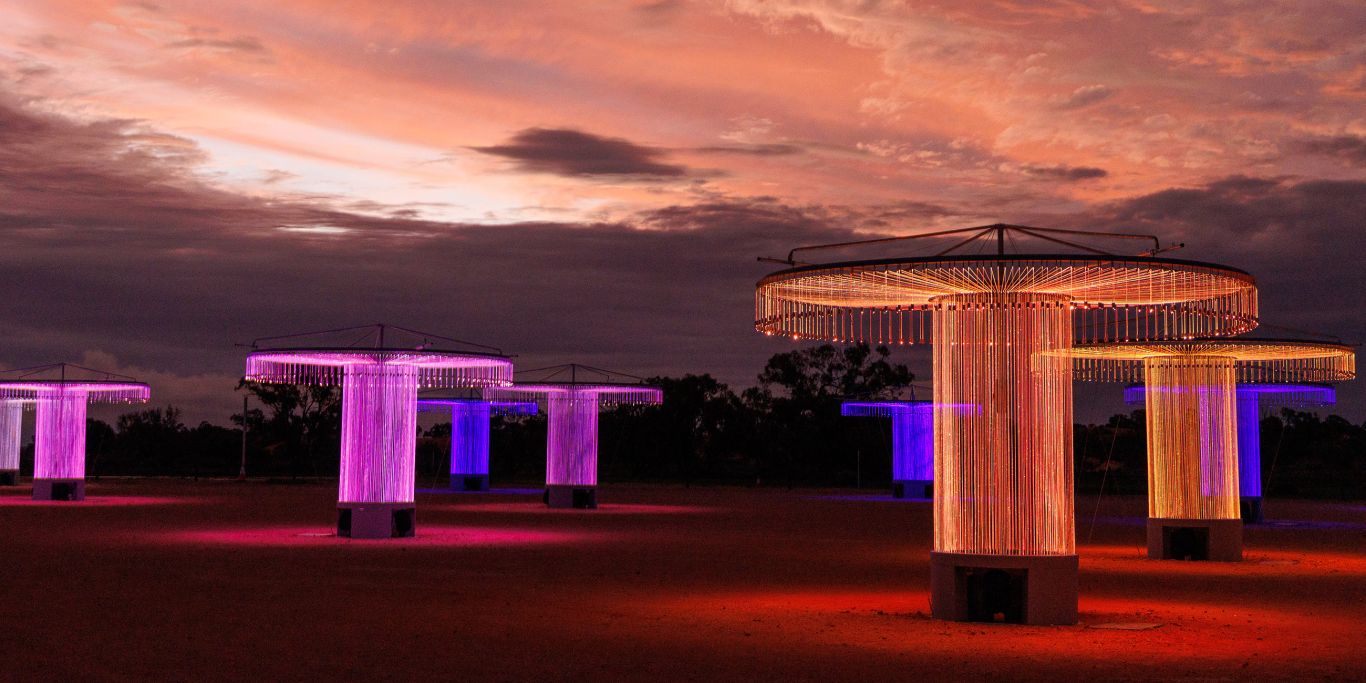
See Bruce Munro’s immersive art installation. (Credit: Serena Munro)
Right near the Perry Sandhills, sits an experience that feels almost otherworldly. Artist Bruce Munro (of Uluru’s Field of Lights fame) has created a Fibre Optic Symphonic Orchestra, a network of 80 Hills Hoists illuminated with fibre optic light combined with the sounds of an orchestra. The clotheslines glow and pulse in time to the specially composed score, immersing you in a dreamscape of light and sound.
For a different light experience, you’ll find stillness at Trail of Lights, also curated by Munro. Located just 30 minutes away on Lock Island in Mildura, thousands of lights stretch over the landscape, spotlighting both the river and a series of Munro’s sculptures. The trail is intended to be a peaceful and meditative setting for wandering and reflecting.
3. Learn through lasers
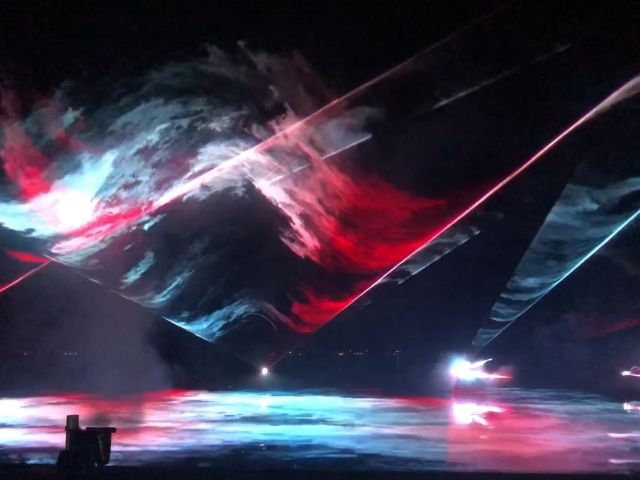
Travel 30 million years into the Murray’s past at Heartbeat of the Murray. (Credit: Ewen Bell)
Discover a fascinating history in this dual act of lights and projections on the banks of the Little Murray River. Legends of the Mallee is a multimedia show in Swan Hill combining lasers and lights, which tells the story of the region’s rich past. Learn about the Wamba Wamba and Wadi Wadi Peoples who first inhabited the area, as well as the figures and events that shaped the Mallee of today.
The river steals the spotlight in the Heartbeat of the Murray, a multimedia spectacle inside the Pioneer Settlement encompassing lights, lasers, sound and special effects against the natural backdrop. Through a sequence of large-scale animated projections, you’ll go back 30 million years to explore the Murray River’s formation before travelling to the present to learn how it supports modern communities.
4. Light up the lake
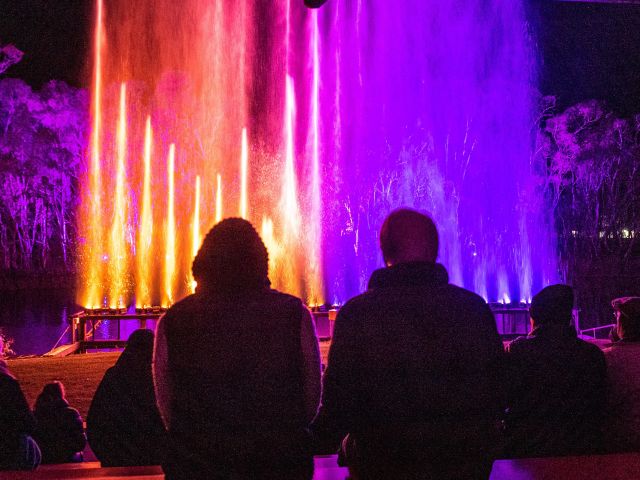
Watch the lights and lasers of Lake Mulwala. (Credit: Mulwala Water Ski Club)
Travelling with kids? Head to Yarrawonga Mulwala and nearby Lake Mulwala for the family-friendly Laser Light & Sound Show. Lights and lasers are projected over the lake and onto curtains of fog, creating a colourful and high-energy visual display. The show suits all ages and tastes, set to a mix of songs that everyone knows and loves.
You can take in the spectacle from either the grassy banks of the lake or book a table at the Mulwala Water Ski Club’s Malibu Deck Cafe, serving pub-style food and refreshing drinks, including excellent classic cocktails. If you’re watching from the foreshore, the show is entirely free, making it a great budget-friendly option.
5. Be captivated by local culture
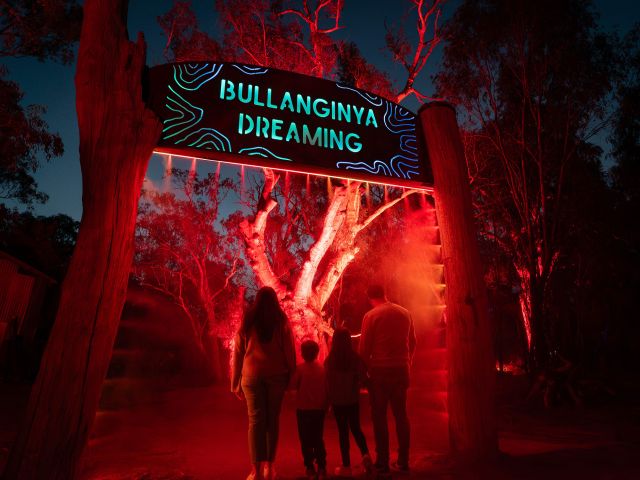
Soak in the culture of the Bangerang People. (Credit: Laser Vision)
Set aside an evening to explore Bullanginya Dreaming in Cobram Barooga – you’ll want ample time to take in the stories and symbolism of this immersive laser light and sound trail. The 1.8-kilometre trail explores the storytelling and culture of the Bangerang People, who have long cared for the lands around Bullanginya Lagoon in Barooga. The trail features 12 activations – each telling a different story – and combines dramatic lights and lasers with water and fire.
Intertwined with the visual displays are Bangerang narratives, giving you meaningful insight into the area’s Indigenous heritage. It’s designed to be explored over 90 or so minutes, encouraging you to move slowly and thoughtfully.
6. Discover a winter glow
See the streets of Albury Wodonga come to life after dark. (Credit: Visit Albury Wodonga)
Albury Wodonga comes alive as the weather drops, with an annual celebration of the season on Saturday, 15 August. WinterGlow takes over the CBD and features a vibrant program of things to see, do, learn, eat and drink.
Take part in hands-on workshops that let you try different art forms and crafts. Feast on street food and winter warmers from local eateries. Browse for artisan wares at the night markets. Watch musical acts on the main stage. Or get involved in different activations, including a silent disco and giant maze. Artificial snow will be falling to add to the festive atmosphere.
Even wandering the streets and laneways and soaking up the late-night energy will leave you feeling enchanted.