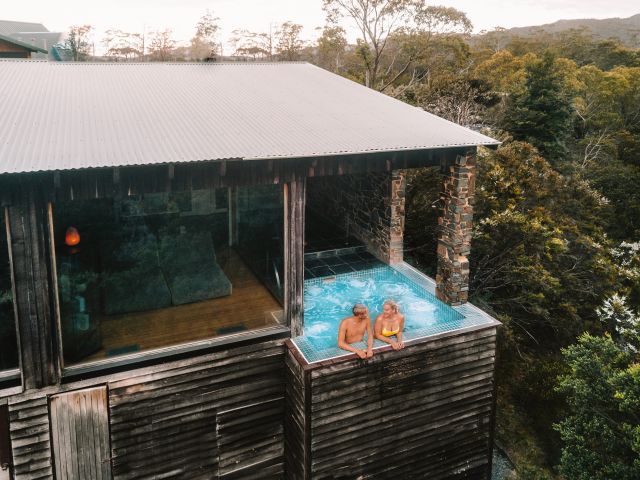
As the weather heats up the open road beckons.
The arrival of summer in Australia brings with it an irresistible invitation to hit the road in search of unfamiliar towns, coastlines and islands to explore. Here are some of the country’s best summer road trips.
NSW | Tas | WA | Qld | SA | Vic
Sydney to Eden, NSW
Why go
With the sweet promise of bohemian beach towns and marine adventures aplenty, driving Australia’s east coast from Sydney to Cairns has long been a rite of passage for 20-something backpackers. But rather than following the well-driven road that leads north of Sydney, trace the coastline southward to Eden and you’ll chance upon something a little less polished and a little more quiet. Explore sun-kissed seaside towns, ramble around quiet national parks and sample the wares of small-scale local producers along the way.
What to do
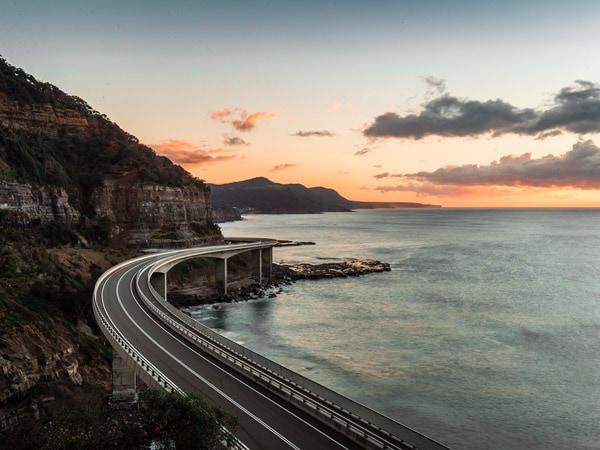
Every other turnoff along this beautiful stretch of coastline seems to lead to another blockbuster national park. Try out the Royal National Park, one of the oldest national parks in the world, for size. There’s a multitude of good walks to be had amid the park’s dense eucalyptus bushland and rugged coastal cliffs, plus 11 beaches to boot. On your way out, be sure to take the exit that leads to Sea Cliff Bridge, Stanwell Park – the preposterously scenic cantilevered road is suspended some 40 metres above the ocean, hugging the craggy cliff faces to the west and allowing for unobstructed sea views to the east. Further south, factor in a visit to Beowa National Park (formerly Ben Boyd National Park). The hero at this little-visited park is The Pinnacles – a spectacular cliff face of white sand capped with a layer of red gravel clay.
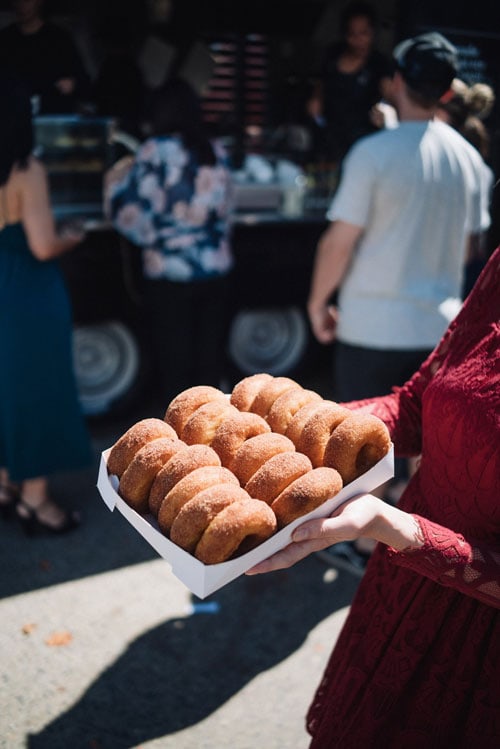
There are plenty of places to sate your hunger and slake your thirst en route. For starters, don’t miss Cupitt’s Estate, a winery-cum-microbrewery-cum-fromagerie-cum-restaurant set atop a resplendently green hillside. The Berry Donut Van is another local institution in this stylish neck of the woods in country NSW, as is the retro milk bar at Bodalla Dairy Shed, where thick shakes, old-fashioned spiders, ice cream and award-winning artisan cheeses are on offer.
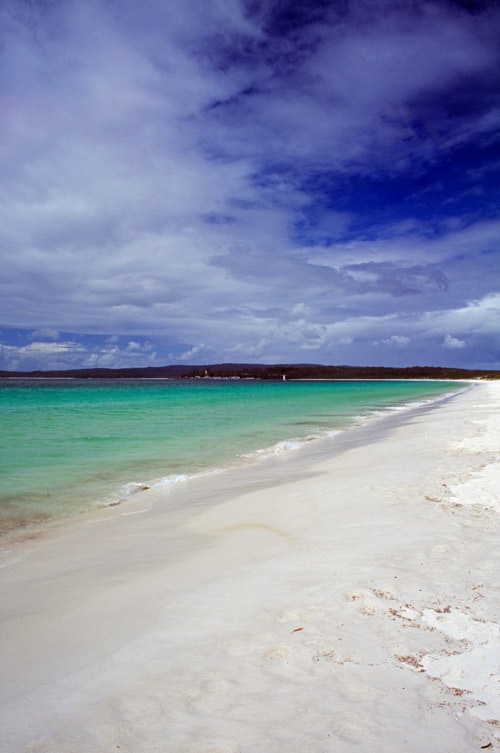
And of course, you can’t visit NSW’s southern coast without planting your bare feet on the famously squeaky white sands of Hyams Beach.
Where to stay
There’s a generous smattering of places to stay in Shoalhaven, from the high-end Bangalay Luxury Villas to mid-range hotels, B&Bs, a caravan park and a ‘tiny house’ named India hidden in the hinterland wine region.
The kitschy village of Merimbula is positively awash with hotels, motels and motor inns, making it a great base for adventures in southern NSW.
The impeccably located (and beautifully designed) Pebbly Beach Escape offers easy access to the eponymous beach where kangaroos congregate when dawn breaks. If your budget is a touch too tight, then try the neighbouring National Park campground instead.
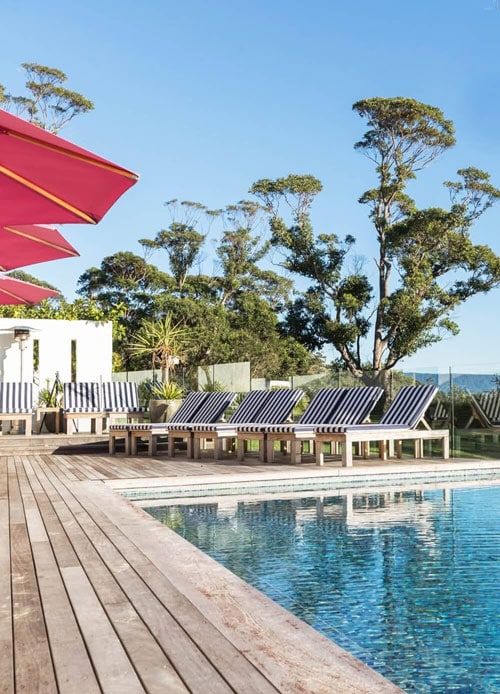
Check into Bannisters’ Mollymook by the Sea for a special summer staycation. This Rick-Stein-owned oceanfront bolthole is the epitome of pared-back beach chic, and the seafood-centric restaurant menu has received many well-deserved plaudits.
Launceston to Hobart, Tas
Why go
The drive along National Highway 1 from Launceston to Hobart (and vice versa) is only about two hours long and flanked by beautiful rolling pastoral landscapes. But you can dial up the adventure by taking the coastal road through the Apple Isle’s northeast corner instead. You’ll find warm country hospitality, cool windswept beaches and oodles of adventure on this eastern escapade.
What to do
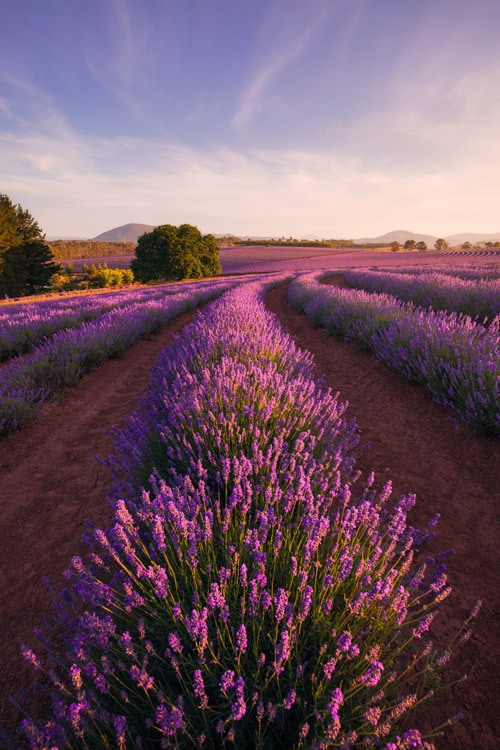
There’s a bounty of small-scale producers in this agricultural pocket. Visit acclaimed boutique wineries such as Apogee (by appointment only) and Delamere in the hilly Pipers River wine region, known by oenophiles for its sparkling. It’s also worth pulling over to pluck some fresh berries for the road at Hillwood Berries Farmgate. At Bridestowe Lavender Estate you’ll marvel at the manicured sea of purple blooms; cool down with a scoop of the house ice cream – a vibrant purple lavender-infused triumph – before hitting the road once again.

Keen, or at least aspiring, mountain bikers must make time for the Blue Derby Mountain Bike Trails. Home to 85 kilometres of tracks that wind through temperate rainforest, this free network has played host to several rounds of the Enduro World Series. Soothe wearied muscles at the town lake’s rather novel floating sauna.
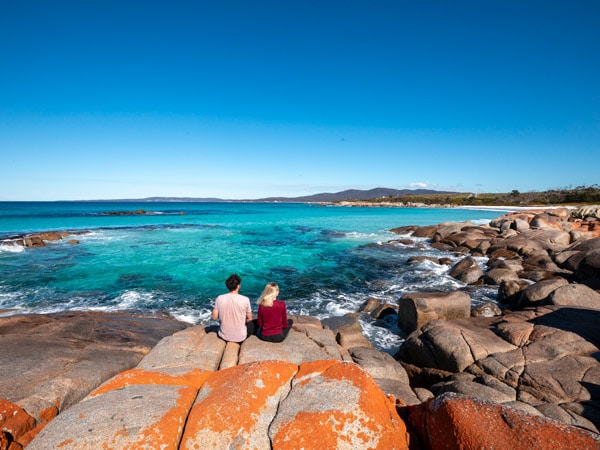
There are several natural wonders to schedule into your Tassie itinerary. Make a pit stop at the Insta-famous Little Blue Lake, enveloped by greenery. The lake’s magnetic cloudy blue hue is the result of the minerals at its base being reflected, which means that as inviting as it may seem, swimming isn’t advised here. It’s little wonder that the Bay of Fires’ beaches have been named among the world’s best. From the electric blue of the sea to the tangerine-coloured splotches of lichen on the boulders, the soft, porcelain-white sand, and the deep green border of forest behind, it’s a wild clash of contrasts. Block out plenty of time to drink in the views here.
Freycinet National Park is a destination that needs little introduction: do the sweeping vistas justice by setting off on one of the many walks, and you may bump into some of the local wildlife, too. Freycinet National Park is a beautiful spot for a sunset picnic. A raw, windswept and seemingly endless landscape that you’ll share with few other souls, the Peron Dunes in Saint Helens Point Conservation Area make for compelling viewing. Capable four-wheel drivers can also go for a drive along the beach and dunes.
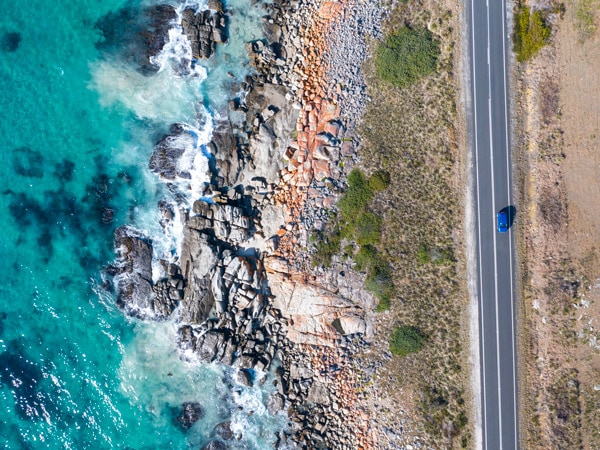
Need tips, more detail or itinerary ideas tailored to you? Ask AT.
AI Prompt
Where to stay
Beyond the obvious lure for MTB enthusiasts, an array of accommodation has taken root in the small former mining town of Derby. It’s a plum spot halfway between the Tamar Valley wineries and the isle’s east coast.
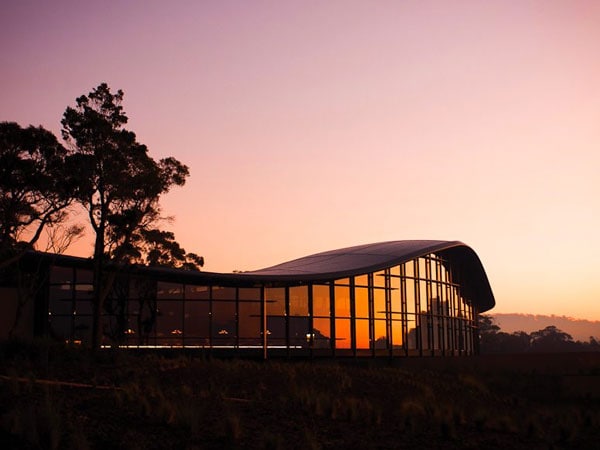
Freycinet has a bounty of self-contained accommodation options, as well as some seriously luxury properties (Saffire Freycinet and Freycinet Lodge to name but two). The national park features some lauded campsites, too, such as Friendly Beaches (Isaacs Point).
Perth to Albany, WA
Why go
Its little secret the Margaret River is an idyllic corner of the continent, home to world-famous wineries, gourmet restaurants and several noteworthy surf beaches. But this region, along with its neighbour, the Great Southern, has more aces up its sleeve. Get lost in dense forests with colossal trees, explore sprawling subterranean lakes and encounter wild creatures on their own turf this summer.
What to do
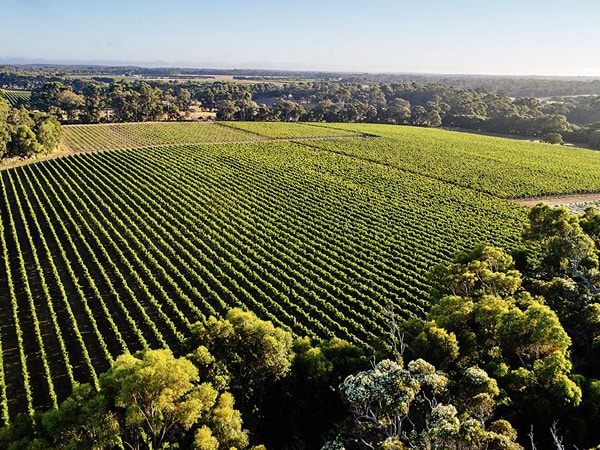
There’s a plethora of premium wineries in this part of the world, most featuring patios and manicured lawns from which to enjoy a top drop while basking in the region’s trademark sunshine. Millbrook Winery in Jarrahdale is a great option en route to the Margaret River. Streamline the whole experience with a provider such as Ultimate Winery Experiences of Australia, which offers exclusive behind-the-scenes experiences in some of the most prestigious local outfits, such as Vasse Felix.
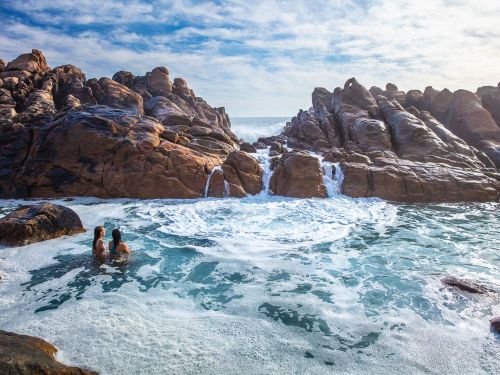
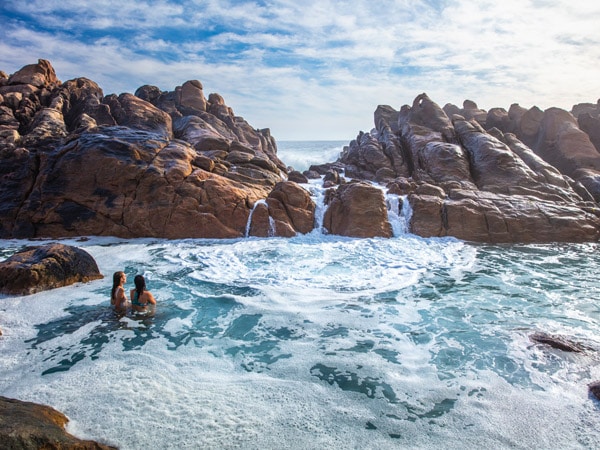
Any surfer worth their salt will have heard of Main Break on Surfers Point, but only the experienced need apply for the solid swells here. For a little less high-octane beach time, venture to Injidup Beach in Yallingup, where you can wallow in the natural rock pools. At Hamelin Bay the crystalline shallow waters aren’t the only draw; watch on as several species of stingray trawl surprisingly close to the shoreline searching for food.
When the heat of summer gets too much, take things underground. There are numerous caves to survey in the Margaret River. Ornately decorated with stalactites, stalagmites and even lakes lurking beneath, Ngiligi, Lake Cave and Jewel are some of the region’s best. Deep in the karri forests of the Great Southern there are other opportunities to commune with nature, from walking through the fire-hollowed interior of a giant red tingle tree in Walpole, to scaling three ‘lookout’ trees in the Pemberton area, and ascending the gargantuan granite outcrop in Porongurup National Park that features a suspended walkway around its crown.
Where to stay
The Margaret River region is speckled with great places to stay, so it’s best to filter out options based on your budget instead. The Pullman Bunker Bay, on the Naturaliste Peninsula, however, deserves special mention as it makes a good base, with plenty to see and do nearby.
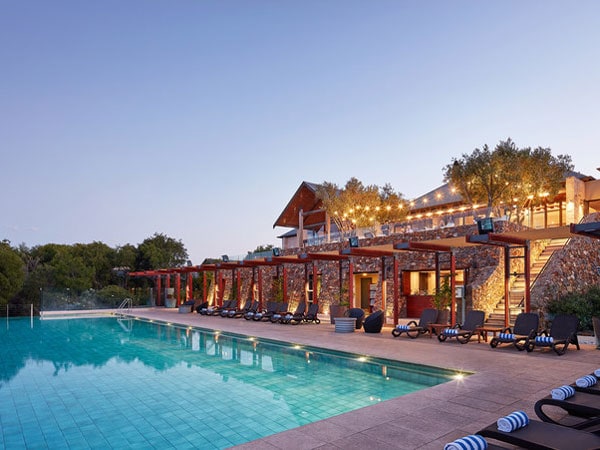
Noosa to K’gari, Qld
Why go
Though it boasts a vast swathe of inviting coastline, this stretch of Queensland isn’t all about the beaches: there’s an array of hidden lakes, lazy rivers and everglades to discover, plus dune bashing and bushwalking to be had. The drive from the Sunshine Coast to K’gari (formerly Fraser Island) is all about enjoying unadulterated nature in its prime.
What to do
Take to the water in every way imaginable. The Noosa Everglades spans more than 60 kilometres of pristine waterways that shelter all kinds of flora and fauna. Kayak, stand-up paddleboard or take a boat trip through this green haven. Bathe in ombré blue lake waters hidden between the folds of sand dunes in the middle of K’gari. This huge sand isle is also home to a naturally formed lazy river – the perfect spot to spend a languorous morning tubing.
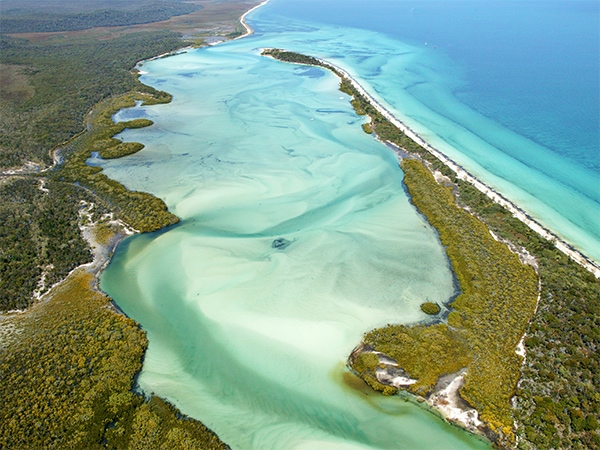
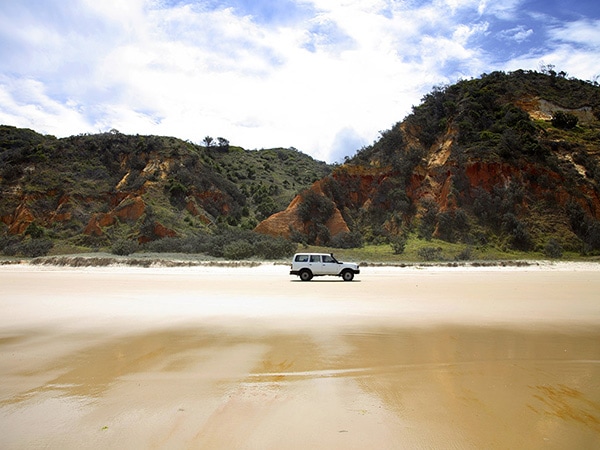
Four-wheel drive enthusiasts will be rapt by the wild sandy expanses of the Cooloola Coast and K’gari. The mainland trails wind through pine plantations, rugged coastal bush and rainforest, while on K’gari you’ll cross creeks, drive along wide beach highways and journey through narrow tracks under a forest canopy.
Weekly travel news, experiences
insider tips, offers, and more.
Where to stay
Rainbow Beach has a fine selection of accommodation for every budget and age group. While not as upmarket as the offerings in Noosa, Rainbow Beach has enough options to choose from for a one-night stay.
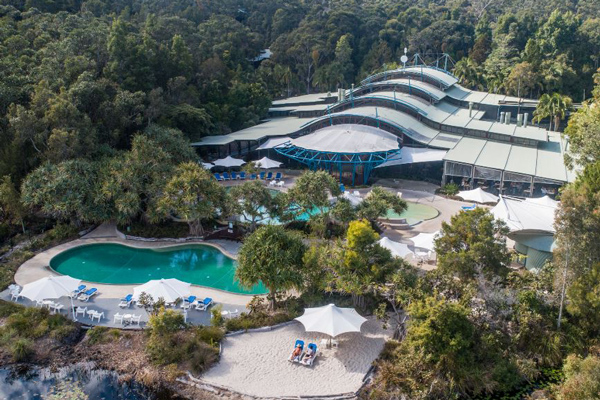
Unless you’re camping, accommodation is limited in the Great Sandy National Park, and on K’gari. For a comfortable stay at an eco-friendly resort in a beautiful green setting, Kingfisher Bay Resort is the pick of the bunch – especially now it has its very own Bruce Ramus light show, Illumina.
The Eyre Peninsula, SA
Why go
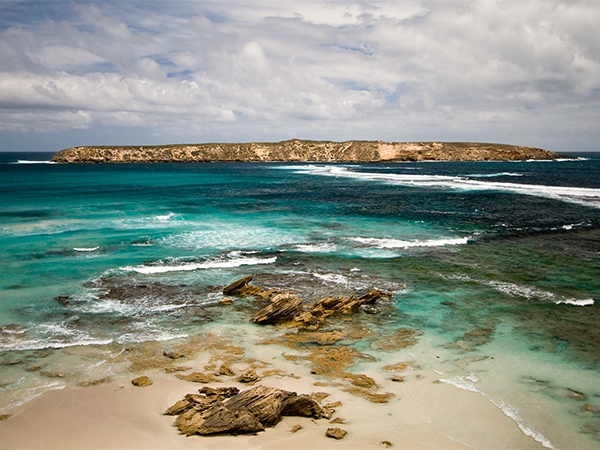
Nothing screams summer louder than freshly caught seafood and a glass of something cold, and, as the self-declared seafood capital of Australia, the Eyre Peninsula should be your new ground zero. Beyond its gastronomic appeal, this slice of South Australia also happens to be lapped by spellbindingly turquoise waters, and visited by all kinds of marine life.
What to do
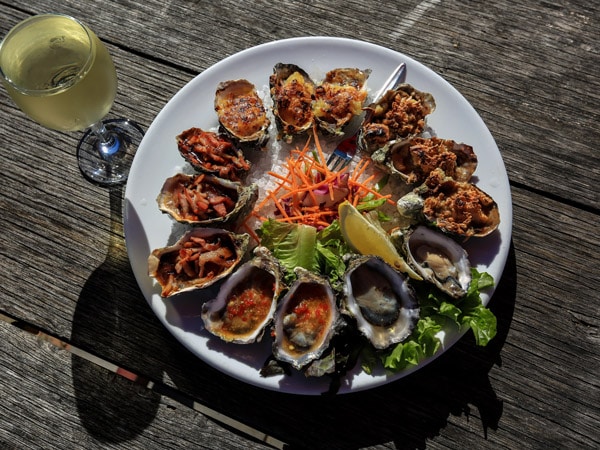
Pluck oysters straight from the water and slurp them down while sitting partly submerged at a picnic table in the sea on a Coffin Bay Oyster Farm Tour. On this visit to a working oyster farm you’ll don waders, learn how to shuck and find out all there is to know about the lifecycle of these bivalve molluscs. For more of where that came from, visit the organisation’s sister bar on land, 1802, where you can sample more than a dozen different types of oysters. Call up Australian Coastal Safaris for a bespoke taste of the best in food and wine that the region has to offer. Owner-operator David Doudle can arrange special ‘hunting and gathering’ tours where you snorkel, collect and fish for your dinner, picking up cockles, oysters and abalone along the way.
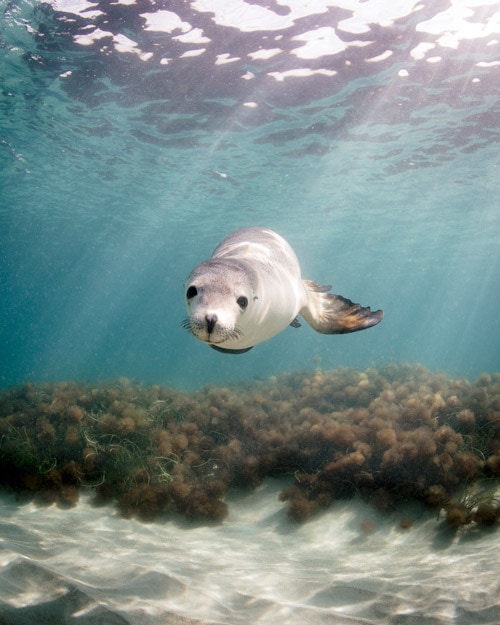
Dip into the glassy waters of Baird Bay and you won’t just feel refreshed: here, under the guidance of a local operator, you can frolic around underwater with playful sea lions and swim with pods of wild bottlenose dolphins. You can also organise cage diving with great whites and even swimming with tuna out of Port Lincoln. When only a day unwinding on the sand will do, head to Greenly or Farm Beach.
Where to stay
As the largest city in the region, Port Lincoln provides a great base with a fairly good smattering of accommodation options. Well-organised road-trippers with a generous budget can also exploit the luxury holiday houses that pepper the region, such as Camel Beach House.
Melbourne to Daylesford, Vic
Why go
Taking a summertime road trip through Daylesford and the Macedon Ranges promises a breath of fresh country air thanks to a constellation of artsy towns strewn across rolling green hills. Though the distances between the townships is small, expect your draft itinerary to quickly balloon: hatted paddock-to-plate restaurants line the route and there’s a litany of superb walking trails to pursue. This is one road trip to take slowly.
What to do
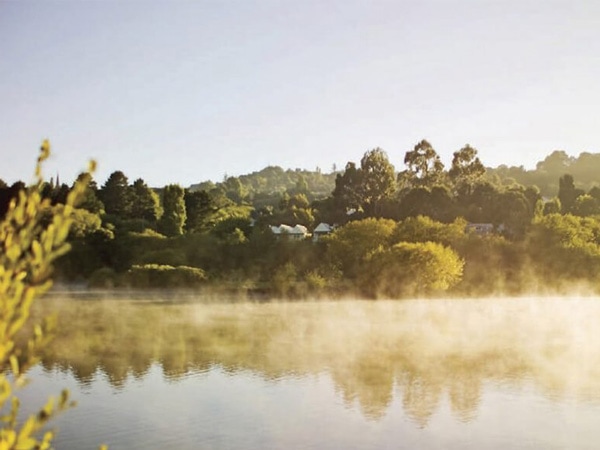
Whether it’s the legacy left by Joan Lindsay’s 1967 novel Picnic at Hanging Rock, the fact that it’s a sacred site for the Wurundjeri people, or simply the volcanic site’s unusual contours, something is magnetising about Hanging Rock. Take at least an hour to traverse this leafy site on foot and pause at the top to take in the view. Other local walks to make a beeline for include the loop around picture-postcard Lake Daylesford, or any number of fine paths on the 30-kilometre-long Macedon Ranges Walking Trail.
Idle away a warm summer afternoon in the gold rush town of Kyneton, calling into one of the many local cafes for a cooling iced latte, exploring local antique stores, picnicking in the Kyneton Botanic Gardens and wandering around independent art galleries. For dinner, try the hatted Midnight Starling or Source Dining. The town is surrounded by great wineries to boot.
Where to stay
There’s no shortage of beautiful properties to rest your head in this pocket of Victoria. The Daylesford region in particular has a glut of good accommodation options, but don’t discount country towns such as Kyneton either.
Want to see more stories from Australian Traveller in your Google search results?
- Click here to set Australian Traveller as a preferred source.
- Tick the box next to "Australian Traveller". That's it.