All the questions you have ever wanted to ask about taking a cruise

hero media
As part of our ‘Everything you need to know about cruising‘ series, we went straight to the experts to get their insider tips on booking and taking a cruising holiday.

When considering a cruise holiday for the first time, the volume of cruise lines, types of cruises, destinations, shore excursions and everything in between can be overwhelming. We’ve answered the most commonly asked questions about cruising to help you book the right cruise for you.

More from our ‘Everything you need to know about cruising’ series:
Cruise vs Resort: the pros and cons of the different types of holidays
Which cruise line? The dummy’s guide to choosing a cruise
Everything a first-time cruiser should know
How to book your first-ever cruise

What size cruise ship is right for me?

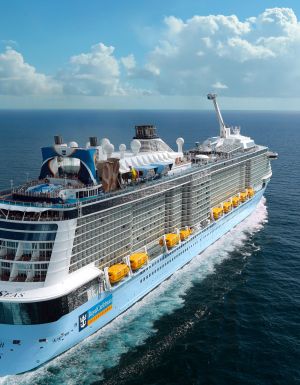
Large cruise ships

Cruise expert Louise Goldsbury says a large cruise ship is 1750 passengers or more.

“These are mega-resorts at sea, with a lot going on," she says.

“Large ships offer a huge variety of dining options, kids’ activities and the most lavish entertainment productions you can get (there’s even a Cirque du Soleil show on-board one international ship).

“Also, they almost always sail well – regardless of bad weather. The catch: their sheer size means service can lean towards one-size-fits-all."
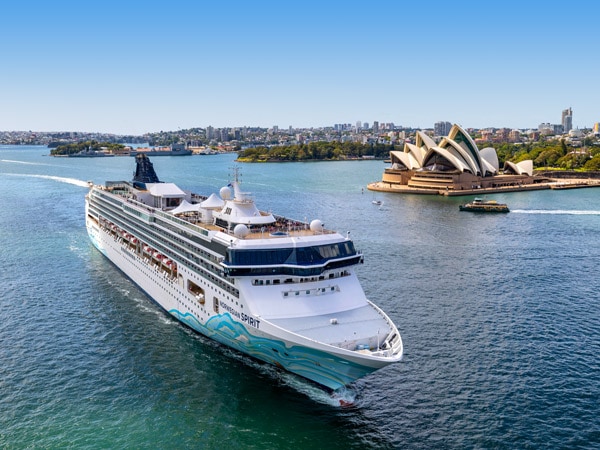
the Norwegian Spirit in Sydney Harbour
NCL’s Norwegian Spirit departs in Sydney.

Mid-sized cruise ships

“A mid-sized cruise ship is approximately 750 – 1749 passengers. A mid-sized ship is a happy medium between the benefits of a large hotel and the intimacy of a smaller one," Goldsbury says.

“Mid-sized ships mightn’t have the huuuuuge entertainment and dining options of their super-sized sisters, but they generally offer a more laidback atmosphere, still with a generous amount of variety (and without the queues)."
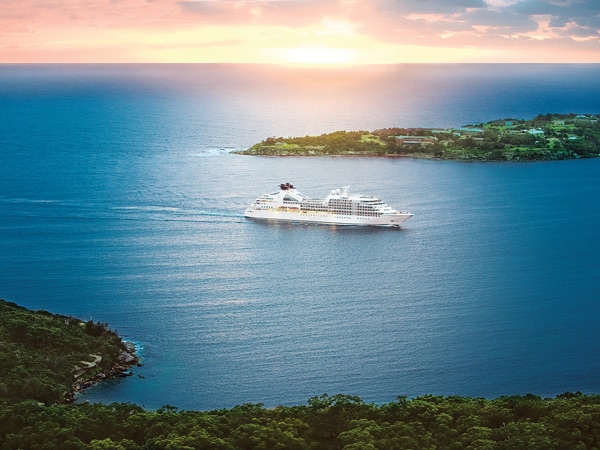
Seabourn Odyssey at sea in Australia
Seabourn Odyssey is a modern yacht-style ship.

Small cruise ships

“A small ship is 749 passengers or less," Goldsbury says.

“Now it is more like a lavish boutique hotel. Internationally, some small ships can be rather downmarket, but in Australia small ships tend to be all about luxury: cooked-to-order cuisine, highly personalised service and a day-to-day structure free from the rigidity of larger ships. They are best in calm seas."
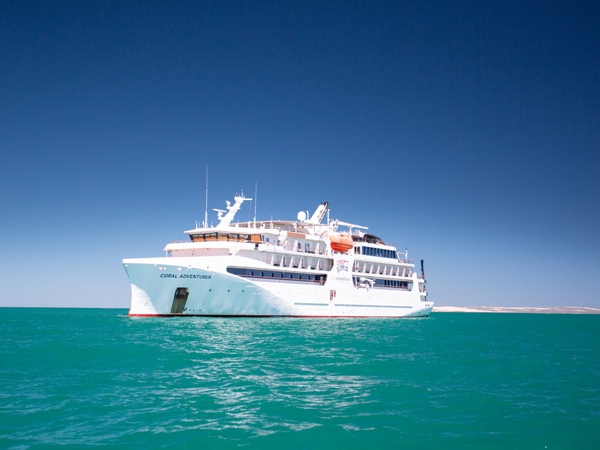
the Coral Adventurer at sea
Coral Adventurer can carry a maximum of 120 passengers.

When’s the best time of year to take a cruise holiday?

Brett Dudley, founder and former owner of ecruising.travel, says the best time to cruise depends on the destination you choose.

“The best time to cruise around Australia is between late October and March," he says.

“However, there are some cruises that operate all year round. Asia and the USA have cruising all year round as well.

“In Alaska, you can cruise between April and August, in Europe the season runs May to September, and in Canada and New England, cruise from September to November."
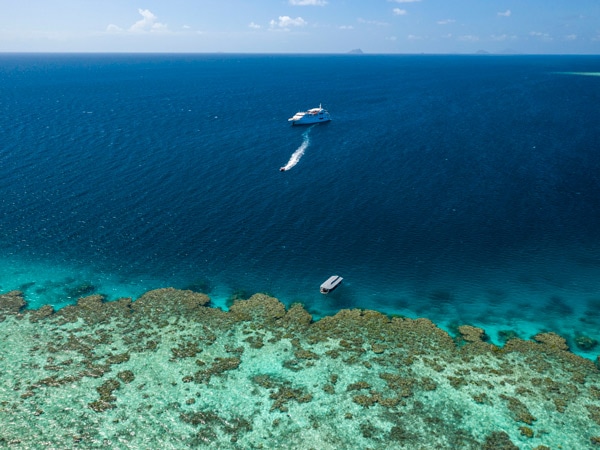
an aerial view of the Great Barrier Reef, Coral Expeditions
Embark on a tropical escapade to the Great Barrier Reef with Coral Expeditions. (Image: Phlipvids)

Need tips, more detail or itinerary ideas tailored to you? Ask AT.

AI Prompt

Is cruising expensive or is it value for money?

Jan Harrington, former general manager of product and business development for Cruise Guru, says cruising offers unbeatable value for money.

“The great thing about taking a cruise is that you have your hotel-style accommodation and transport combined as well as meals and entertainment. In general, you can also choose your style of meal. You will never go hungry," she says.

“Most entertainment such as group activities, classes and theatre shows are included in the cruise fare. And don’t forget the access to the gym and pools. The ship also takes you from port to port, cutting out on the cost of transportation items such as airfares and taxis, so effectively you are saving a lot!"
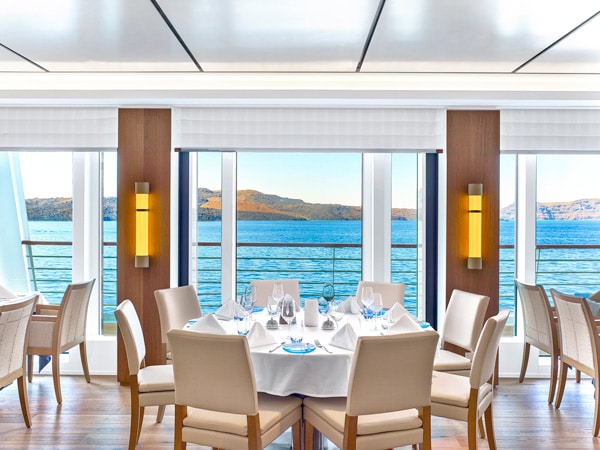
an elegant dining venue onboard Viking Cruises
Viking Cruises offers elegant dining options.

What time of year will I get the best price?

Joel Katz, managing director of Cruise Lines International Association (CLIA) Australasia, says cruise lines release their itineraries at various times throughout the year, often depending on the seasons and the different regions of the world they operate in.

“It’s a good idea to book as far ahead as possible. Booking early also gives you the best chance of securing your preferred cabin options and dates," he says.

“A good CLIA-accredited travel agent will be aware of the best specials available at any particular time."
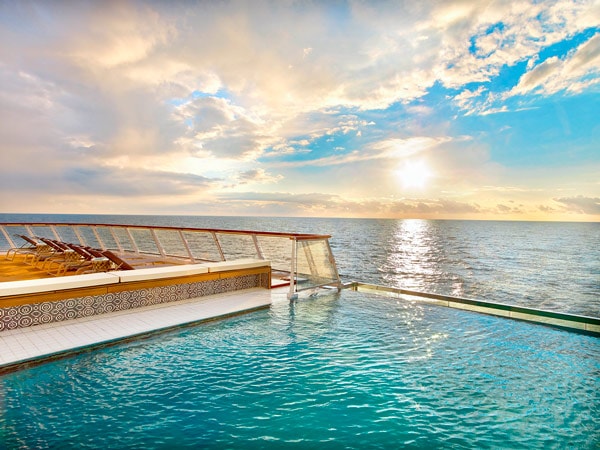
the infinity pool onboard Viking Cruises
Lounge by the edge of the infinity pool onboard Viking Cruises.

Am I going to be the youngest person on board?

“No, cruising is incredibly diverse. There is something out there for everyone, you just need to find what suits you," Breeanna Perez, former groups coordinator of Clean Cruising, says.

“From my experience, you will find many people in the younger generation gravitate to the ships with the bells and whistles such as waterslides, indoor sky diving and dodgem cars where the ship is a destination in itself. These ships have a broad variety of entertainment from the high tech evening shows to nightlife, deck parties and movie theatres to appeal to those audiences.

“The cruising industry is innovative when it comes to technology on board and these generations absolutely love this. You just need to pick your ship."
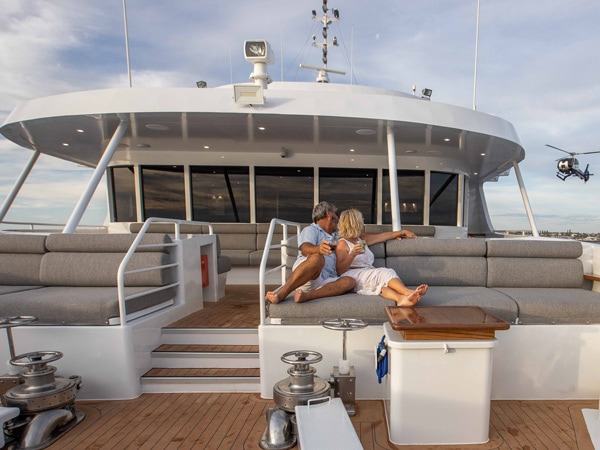
an old couple relaxing onboard True North
Curl up with a drink in hand onboard True North.

Do I need to pack any essentials?

“As well as packing for the weather in your cruise destination, you should also think about the excursions and activities you’ll take part in," Katz says.

“Consider whether you’ll need walking shoes, wet-weather protection or other outdoors gear. It’s also important to check on the on-board dress requirements – are there formal nights that require black tie, or theme nights involving party wear?

“Check to see if you need a passport. If your cruise includes an international port like the Pacific Islands, New Zealand or Bali, even for the day, you will need one – regardless of whether you plan to stay on board. Also, don’t forget at least one power adaptor – some ships only have US sockets."
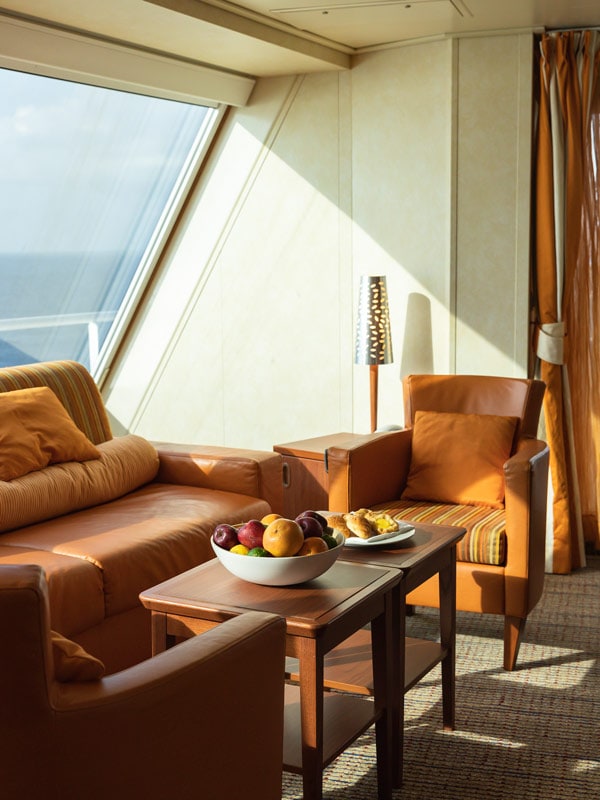
the seating area at Carnival Captain's Suites
Carnival Captains Suites are decked out with premium comforts.

What’s different about expedition cruises?

“Adventure cruising combines an adventure/expedition experience with a leisure cruise," Harrington says.

“You can explore remote regions of the world, often only accessible by the sea and learn about the history and culture of places off the beaten track. Zodiac inflatable rafts are often used to get passengers onshore where you can take part in activities such as hiking, kayaking and bird watching to name a few. The ships are generally smaller and offer a more intimate atmosphere onboard.

“Many adventure or expedition cruises will have lecturers or an expedition team onboard who give presentations on the culture, history and geography of the destinations."
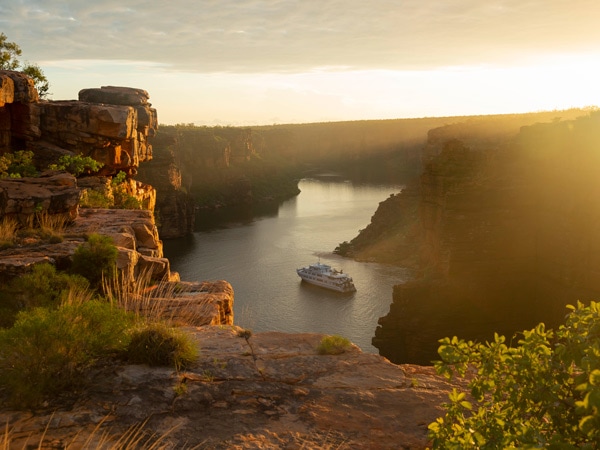
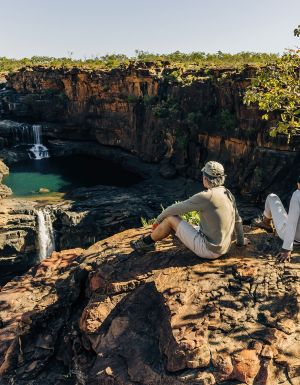
True North cruise ships in the Kimberley
True North takes you right into the Kimberley.

Weekly travel news, experiences
insider tips, offers, and more.

How do I score an upgrade on a cruise?

“The most common way is to book a Guarantee cabin. Guarantee means you book a spot on the ship but the cruise line chooses the cabin number for you," Perez says.

“These fares tend to be the cheapest in the category type, but there are pros and cons to this so depends on the type of sailor you are and whether you get seasick or not.

“For example, people have booked an obstructed ocean view guarantee and when their room is assigned it can be a non-obstructed ocean view, it’s not always the case but if the ship needs to fill a space they will just move you.

“I tell my clients if you don’t get seasick and don’t mind which deck you are on, take the luck of the draw!"
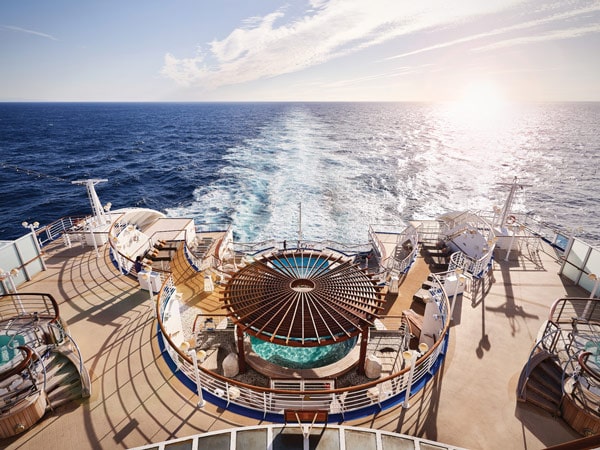
the pool deck onboard Princess Cruises
Cool off in the shimmering pool deck of Princess Cruises.

What is good about river cruising?

“River cruise operators offer a very different style of cruising to their ocean-going counterparts. A river cruise often involves much more time on land – every day is a port day and there are lots of towns and villages to explore along the waterways. A river cruise is often a good option for anyone who isn’t sure about going to sea, or who prefers smaller travelling groups," Katz says.
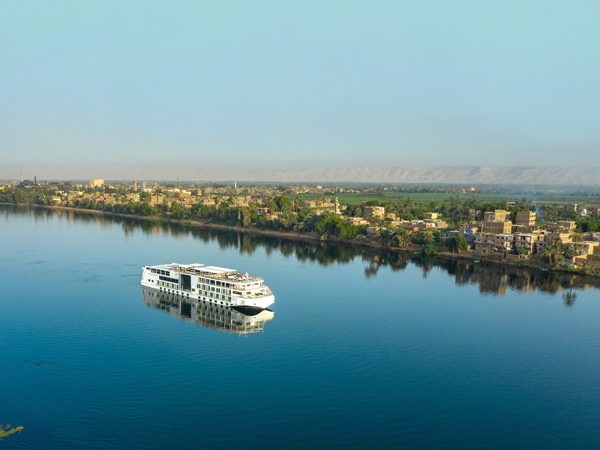
Viking Osiris along the Nile River
Viking Osiris cruises along the Nile River.

What are cruise lines doing to limit their environmental impact?

“The cruise industry worldwide has committed to sustainable practices. Cruise Lines International Association (CLIA) recently announced a historic agreement among cruise lines to reduce emissions by 40 per cent by 2030, through initiatives including new fuels and advanced exhaust cleaning systems," Katz says.

“Cruise lines are also leaders in other initiatives like recycling systems, waste reduction and sewage treatment technologies that protect the oceans. The aim of CLIA cruise lines is not only to meet environmental requirements worldwide, but wherever possible to exceed them."
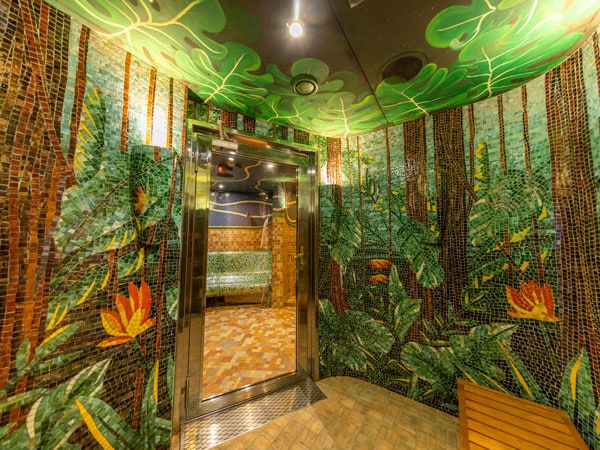
the Cloud 9 Spa at Carnival Cruise Line
Experience next-level indulgence at the Cloud 9 Spa onboard Carnival.

Will I get seasick?

“Every person is different, and some cruisers find their sea legs pretty quickly," Dudley says.

“There are many tips and tricks to help reduce the chances of seasickness like having ginger sweets and drinks, or some cruisers try over-the-counter preventatives suggested by their medical practitioners or even patches or wristbands that are said to work very well.

“When choosing it is important to consider the location of your cabin and the size of the ship as these factors influence your overall experience."
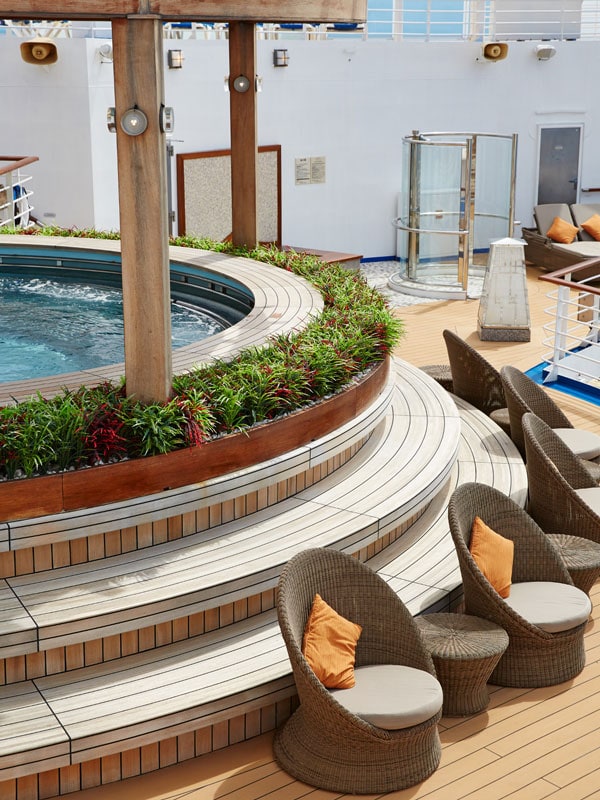
the Izumi Spa at Princess Cruises
Unwind at the Izumi Spa onboard Princess Cruises.
Helen Hayes
Helen Hayes has been a travel writer and editor for decades and has never lost her sense of wonder for discovering a new destination or revisiting an old favourite; whether it be a ski resort, a country town, a Neon-clad city, or a journey by train, car or ship.
View profile and articles
hero media

Unforgettable First Peoples tours and experiences in Victoria

    Angela Saurine Angela Saurine
    From ancient aquaculture systems to sacred rock art shelters, Victoria’s First Peoples cultural experiences offer a powerful connection to one of the world’s oldest living cultures – where every site, story and smoking ceremony invites a deeper understanding of the land beneath your feet. 

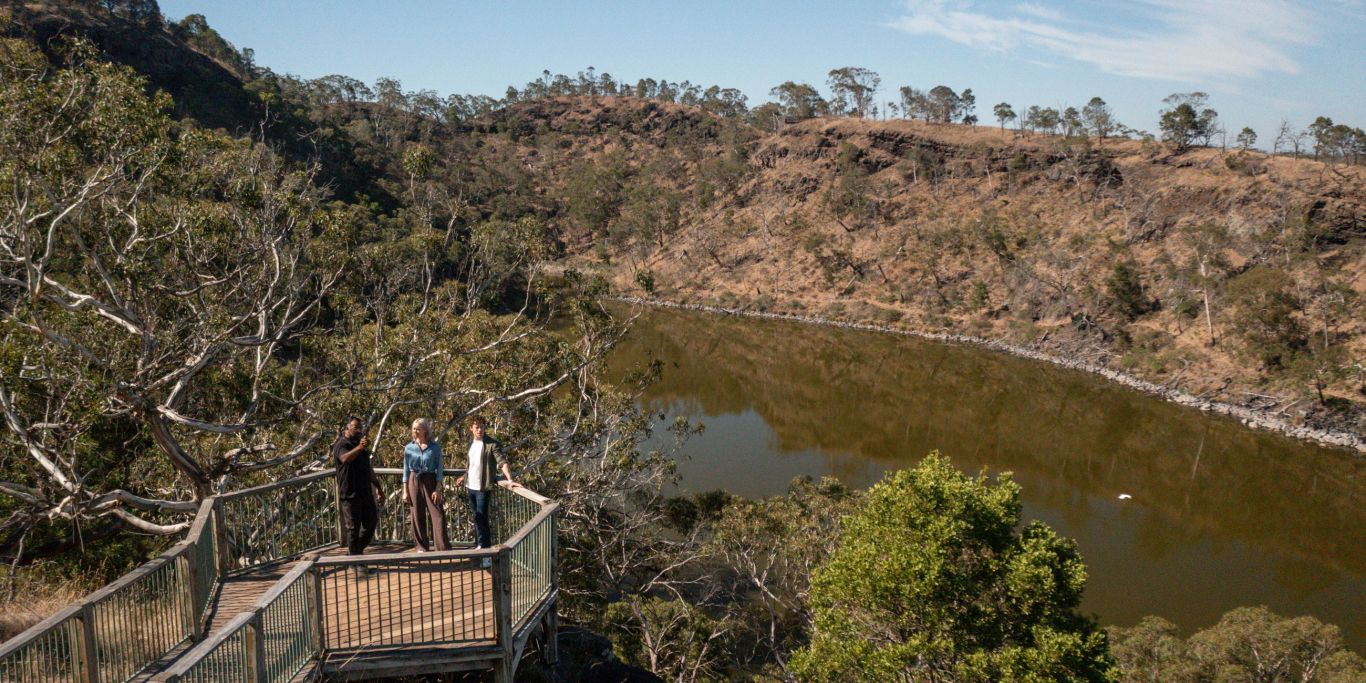
    Victoria’s sweeping landscapes hold stories far older than any road map can trace – stories etched into stone, sung through generations and woven into every bend of river and rise of hill. From the lava flows of Budj Bim to the ancient middens of Moyjil/Point Ritchie and the volcanic crater of Tower Hill, the state is home to some of the most significant First Peoples cultural sites in Australia. These places, along with other immersive experiences, offer not only a window into a 60,000-year legacy, but a profound way of understanding Country itself. As more travellers seek connection over checklists, guided tours by Traditional Owners offer respectful, unforgettable insights into a living culture that continues to shape the land and the people who walk it. 

    Budj Bim cultural landscape  

    Budj Bim Cultural Landscape
    Budj Bim Cultural Landscape is on Gunditjmara Country. (Image: Visit Victoria)

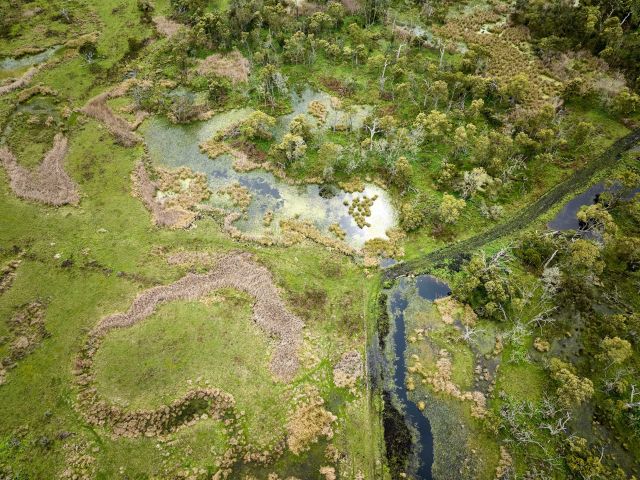
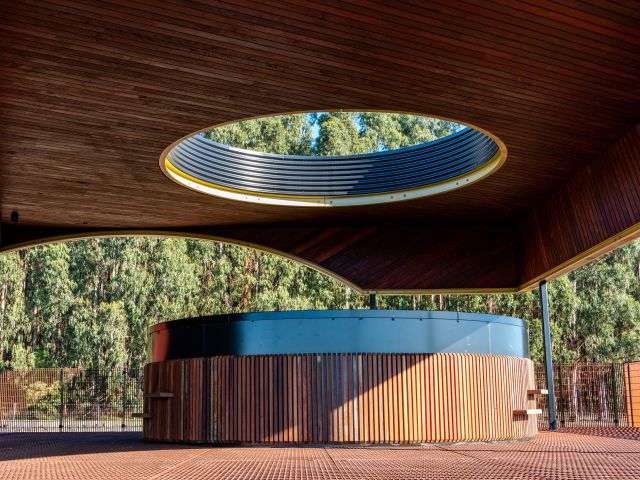
    Venture beyond the surf and sand of the Great Ocean Road to discover a deeper story etched into the volcanic landscape. At Budj Bim, ancient aquaculture channels built by the Gunditjmara people to trap, store and harvest kooyang (short-finned eel) reveal one of the world’s oldest living cultures. While you’re in the area, head over to the state-of-the-art Tae Rak Aquaculture Centre, where you can observe the eels in a special tank, wander the shores of Tae Rak (Lake Condah), and enjoy a bite at the Bush Tucker Cafe. Also nearby is Tower Hill, a dormant volcano reborn as a wildlife reserve, offering trails through bushland teeming with emus and koalas. 

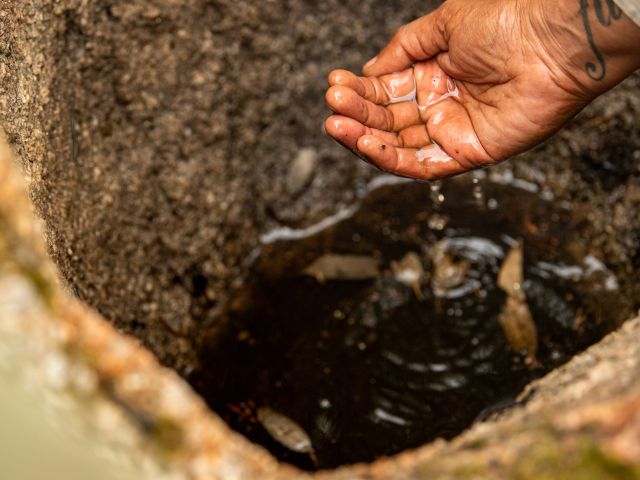
    eel tank
    The kooyang (eel) tank at Tae Rak. (Image: Visit Victoria)

    Dumawul Kooyoora Walking Tour 

    Dumawul walkingtour
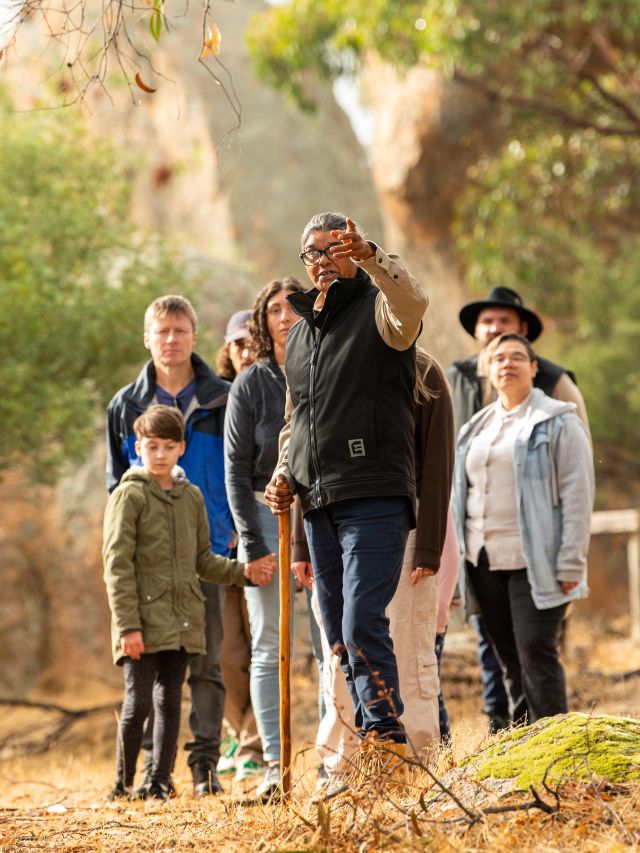
    Guests are guided through Kooyoora State Park on the Dumawul walking tour. (Image: Visit Victoria)

    Step into a timeless landscape with Dumawul’s guided tour through Kooyoora State Park, around an hour’s drive west of Bendigo in north-central Victoria. Led by Djaara guides, this immersive half-day journey breathes life into Country, weaving together stories, bush tucker and ancient rock art. Known to the Dja Dja Wurrung people as Guyura – the ‘mountain of light’ – this dramatic granite range is rich with cultural and spiritual significance.  The adventure begins with a meet-up at the Bridgewater Hotel on the banks of the Loddon River, before guests are welcomed onto Country with a traditional Smoking Ceremony – a powerful ritual that honours ancestors and cleanses those who walk the land. From there, it’s a gentle wander through rugged outcrops and open bushland, with sweeping vistas unfolding at every turn. Along the way, guides share their knowledge of how the Dja Dja Wurrung peoples have cared for and adapted with this land for generations, offering a rare and moving window into an ancient way of life that continues to thrive today.  

    Kooyoora walking tour
    Knowledge of the Dja Dja Wurrung is shared on the trail. (Image: Visit Victoria)

    Kingfisher Cruises  

    Kingfisher Cruises
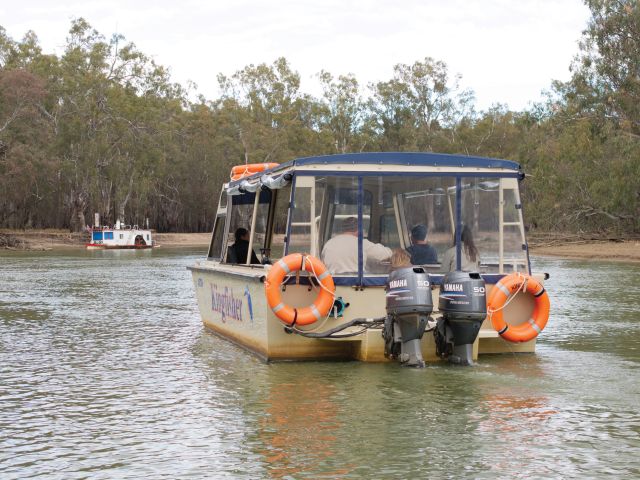
    Cruising the Murray with Kingfisher Cruises. (Image: Visit Victoria)

    Glide quietly through the Barmah-Millewa forest – the nation’s largest river red gum ecosystem – on a scenic journey along the Murray River and into the Barmah Lakes with Kingfisher Cruises. Led by passionate guides who share stories of the cultural significance of this ancient landscape, these cruises reveal the stories, totems and traditional knowledge of the Yorta Yorta people. As you navigate narrow waterways and spot native birds, you’ll gain a richer understanding of how First Peoples have lived in harmony with this floodplain for tens of thousands of years. It’s a gentle, immersive experience that leaves a lasting impression – one where every bend in the river carries echoes of culture, connection and Country.  

    wawa biik 

     Taungurung leaders
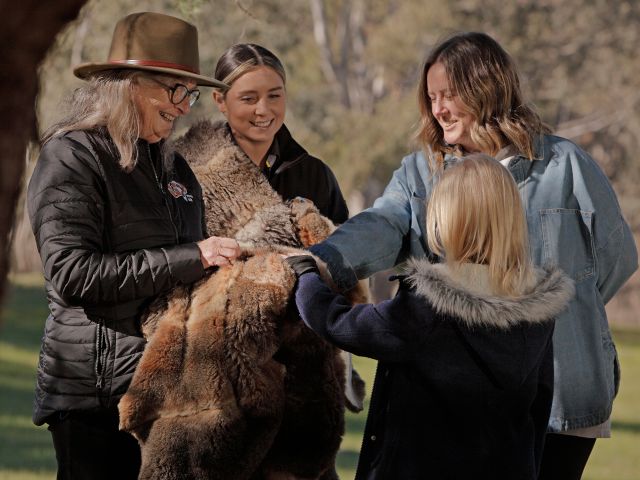
    Exploring Nagambie with Taungurung leaders. (Image: Visit Victoria)

    Translating to ‘hello, Country’ in the language of the First Nations People and Custodians of the rivers and mountains of Taungurung Country in Central Victoria, wawa biik guides a range of authentic and deeply immersive experiences. Leaving from either Nagambie or Euroa, the tours are woven with ancient stories of the Taungurung, telling how a sustained connection and responsibility ensures the continued health of biik – benefitting the people, animals and plants that live in and around the Goulburn River. During the wawa Nagambie experience, guests participate in a Welcome Smoking Ceremony, and enjoy lunch and conversation with two Taungurung leaders as they cruise through the wetlands of tabilk-tabilk (place of many waterholes). The 4.5-hour tour begins at Tahbilk Winery, which is set in the wetlands of Nagambie on Taungurung Country and collaborates with Taungurung Elders to share knowledge of biik. 

    Bataluk Cultural Trail  

    Bataluk Trail
    Cape Conran on the Bataluk Trail. (Image: Visit Victoria)

    The Bataluk Cultural Trail winds through East Gippsland like a thread stitching past to present, tracing the deep connection between the Gunaikurnai people and their land. Starting at the Knob Reserve in Stratford, visitors walk among scarred trees and ancient stone tools once used for survival and ceremony. At the Den of Nargun near Mitchell River, the earth holds stories of women’s sacred spaces, cloaked in myth and legend. Further along, Legend Rock at Metung tells of greed and consequence, its surface etched with ancient lore. At Cape Conran, shell middens lie scattered like breadcrumbs of history – 10,000 years of gatherings, stories and saltwater songs still echoing in the wind.  

    Healesville Sanctuary  

    echidna at Healesville Sanctuary
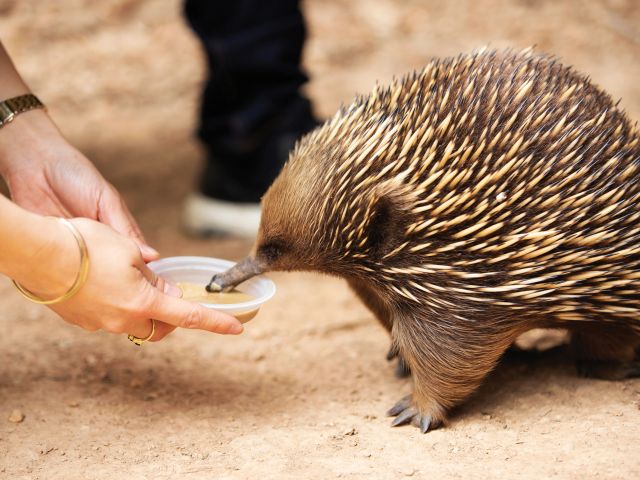
    Get up close with a resident echidna at Healesville Sanctuary. (Image: Visit Victoria)

    Set on the historic grounds of Coranderrk Aboriginal Station, Healesville Sanctuary honours the Wurundjeri people of the Kulin Nation through immersive storytelling and connection to Country. Along Wurundjeri Walk, visitors are invited to reflect on the land’s rich First Peoples history, with native plants revealing their traditional uses. Wurundjeri Elder and educator Murrundindi shares culture in-person with the Wominjeka Aboriginal Cultural Experience every Sunday, and most days during Victorian school holidays. Murrundindi’s smoking ceremonies, storytelling and bush tucker knowledge reveal the sacred relationship between people, animals and the environment. Bird-lovers can’t miss the incredible Spirits of the Sky show featuring native birds daily at 12pm and 3pm. 

    The Grampians 

    Rock art at Bunjil Shelter in The Grampians
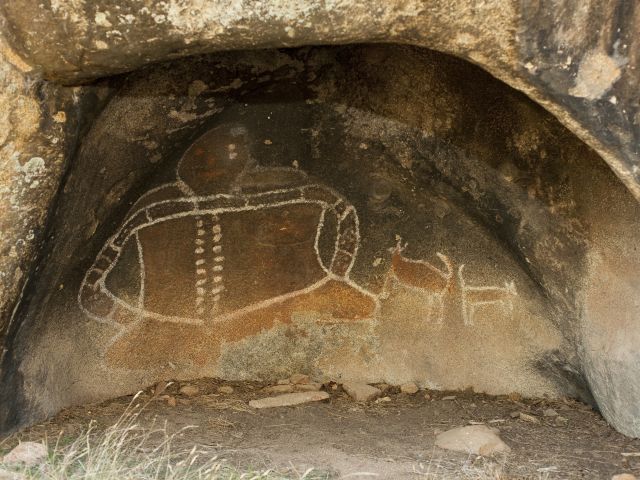
    Rock art at Bunjil Shelter in The Grampians. (Image: Visit Victoria)

    Known as Gariwerd to Traditional Owners, the Grampians is a place of immense cultural and spiritual significance. This rugged landscape holds more than 80 per cent of Victoria’s known First Peoples rock art, offering a powerful window into the region’s deep heritage. Visitors can respectfully explore five remarkable rock art sites: Billimina and Ngamadjidj in the Wartook Valley, Manja Shelter near Hamilton, Gulgurn Manja shelter near Laharum, and the Bunjil Shelter near Stawell, where the creator spirit is depicted. Each site tells a unique story of connection to Country, shared through ancient handprints, dancing figures and Dreaming narratives etched into stone.