While the next long weekend is still months away, one can still explore by taking easy day trips from the city.
Find the best day trip drives for every state from our special 100 Amazing Road Trips around Australia series.
Day trip drives
55. Wildflowers road trip, WA
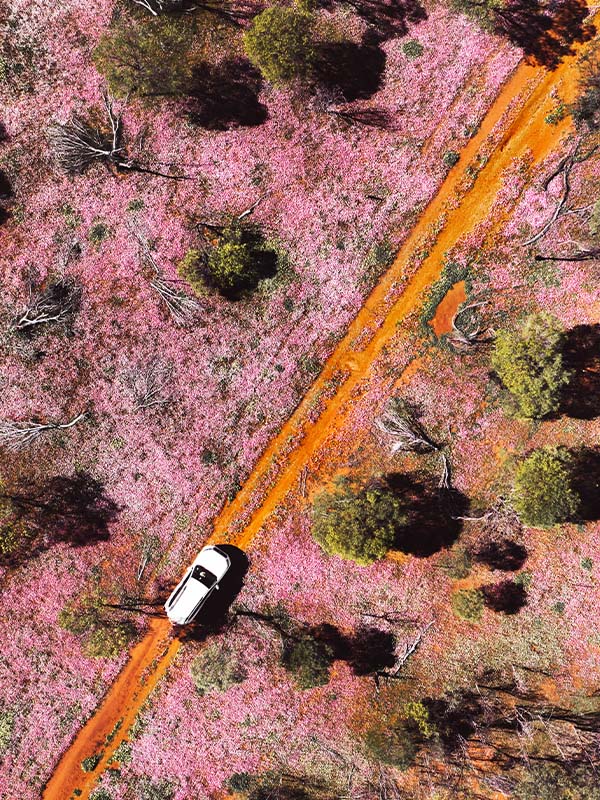
While the best time to visit WA for its wildflowers is between July and October, you’ll also find the landscape blanketed in blooms year-round at Lesueur National Park, Cape Range National Park and the Shark Bay World Heritage Area. Wildflower Country starts about one hour and 45 minutes north of Perth on Australia’s Coral Coast, which is home to more than 12,000 species of wildflowers.
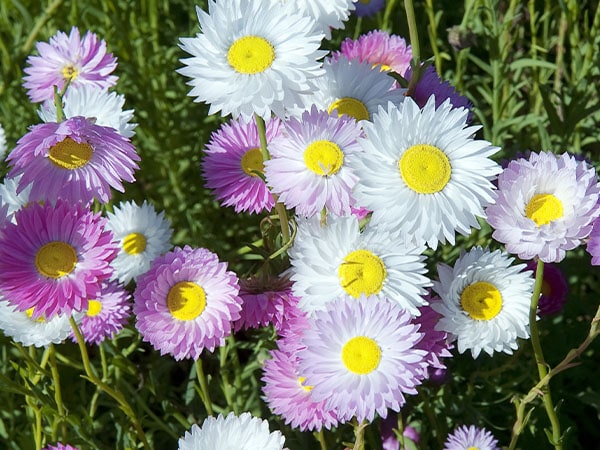
Some of the prettiest fields of flowers can be found in Dandaragan, a charming farming town accessed via the Dandaragan Way, which takes you through the southern end of Wildflower Country. Download the WA Wildflower Tracker to better identify a range of blooms such as donkey orchids, spider orchids, cowslip orchids as well as clematis, sundew and Hardenbergia.
Distance:
182.5 kilometres from Perth.
Words by Carla Grossetti
56. Litchfield Loop, NT
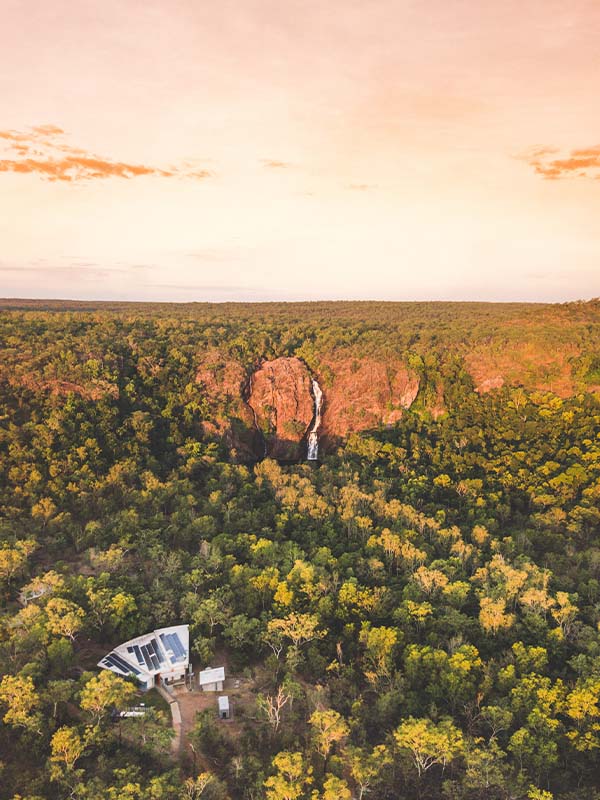
There are myriad reasons that Darwin is an amazing place to live, top among them is having a national park as dramatic and diverse as Litchfield as its backyard. A 90-minute drive from the Northern Territory capital, the sights within this national park of some 1500 square kilometres are enough to fill a month’s worth of day trips. Heading out of the city take National Highway 1 and aim for the town of Batchelor, the gateway to the park and all its wonders. And when you are ready to head back, take the B30 via Tumbling Waters and Berry Springs to complete a scenic loop.
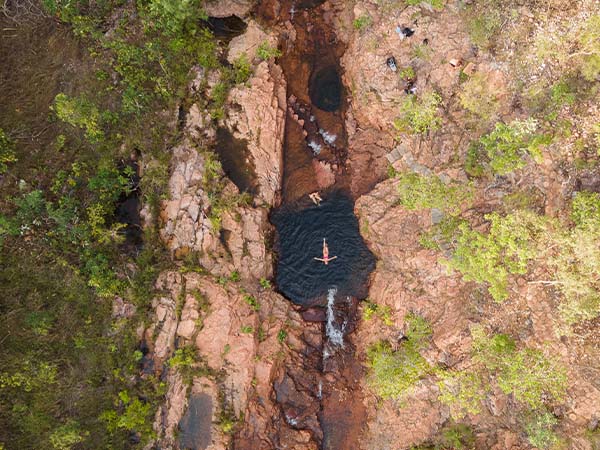
Five falls to fall for at Litchfield (and remember to pack your swimmers)
- Wangi Falls
- Florence Falls
- Tolmer Falls
- Surprise Creek Falls
- Tjaynera Falls
Distance:
293 kilometres
Stay:
Book a tour with Matt Wright’s Top End Safari Camp for bucket-list Litchfield experiences and a night in a luxury glamping tent in the Peninsula Way region, northwest of the park.
57. Swan Valley, WA
The Western Australian capital of Perth is just 18 kilometres away from the Swan Valley and a hub for travellers who love good food and drinks. The growing gourmand scene is one of the hottest in the country, with great winery restaurants, craft breweries and distilleries and ample opportunities to enjoy artisan produce.
Food and drink experiences
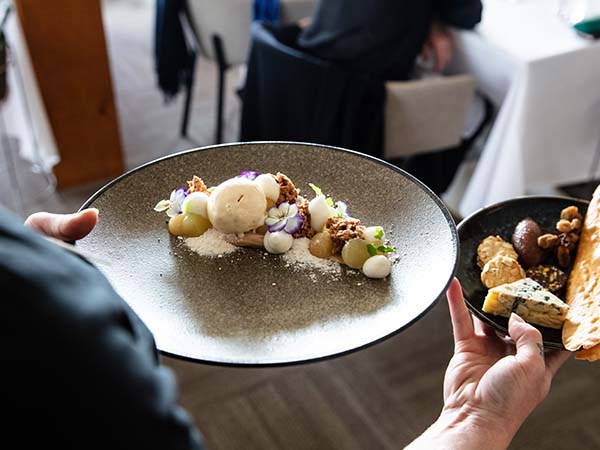
It’s an excellent day trip from Perth and a testament to the region’s bounty. Bordered by the Perth Hills, the Swan Valley is relatively flat, which means you can hire an e-bike to visit cellar doors and take your palate on an adventure. Start your feasting at Alfred’s Kitchen, which was established in a caravan after the Second World War and has expanded to a 1906 train carriage. Food-focused travellers should make time for a tasting at Olive Farm Wines, a bush tucker tour with a Noongar Elder at Mandoon Estate and a flavoursome pint of preservative-free cider at Funk Cider.
Swan Valley distilleries
You can also sample hand-crafted spirits at Old Young’s Distillery, Swan Valley Gin Company, Harris Organic Wine & Spirits, Sin Gin Distillery and Great Northern Distillery. You’ll find cool cafes such as Yahava Koffeeworks dispensing specialty coffee and the craft beer scene on show at some of the region’s charming pubs and tap rooms. You’ll also get an understanding of what local and sustainable ingredients are available at the Stirling Square Market, held on the third Sunday of every month (from February to November).
Distance:
18 kilometres from Perth.
Stay:
Want to stretch out the day trip to an overnighter? There’s accommodation overlooking the Swan River at The Colony at Mandoon Estate.
Words by Carla Grossetti
58. Great Beach Drive, Qld
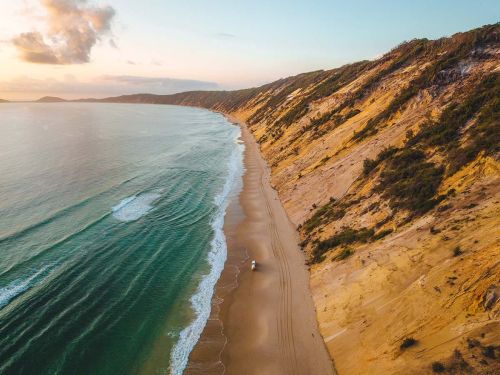
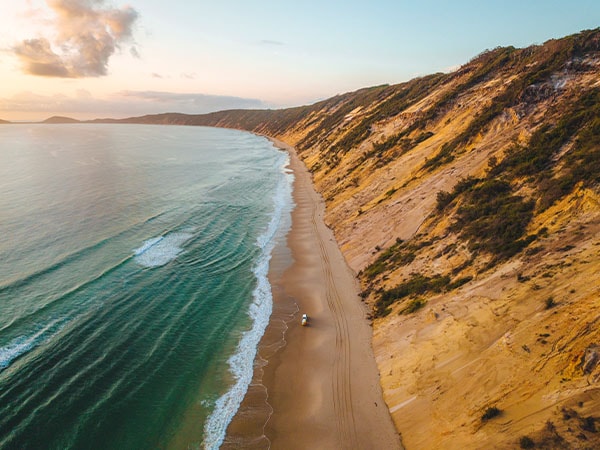
Get the wheels sandy on a trip up the beach from Noosa to Rainbow Beach – part of the Great Beach Drive, which stretches all the way to K’gari (Fraser Island) – and marvel at the coloured sands of Teewah Beach. You don’t even need a 4WD – head off in a private LandCruiser with Discovery Fraser Island and you’ll be escorted to the foot of the lighthouse at Double Island Point, with a picnic laid out to boot. Prefer to go completely carbon neutral? Tackle the five-day hike that runs the same route and will have new off-grid CABN accommodation come 2023/24.
Distance:
60 kilometres
Words by Celeste Mitchell
Need tips, more detail or itinerary ideas tailored to you? Ask AT.
AI Prompt
59. Melbourne to Marysville, Vic
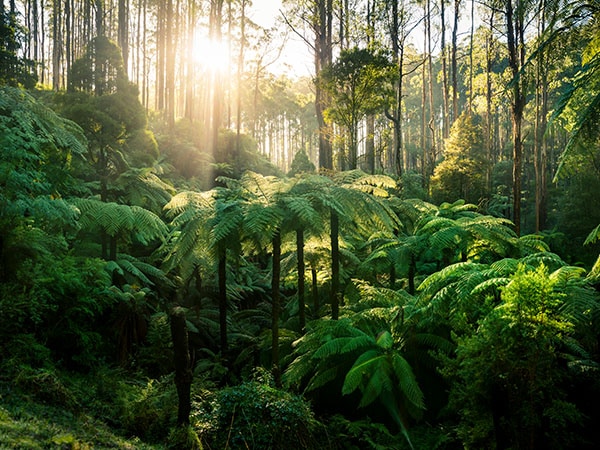
Hedged by hundred-metre-high mountain ash trees and tremendous tree ferns, the Black Spur is the kind of road you see in German car commercials promising you a better life. Starting at Healesville, the twisty tarmac is arguably the most exhilarating drive from an Australian capital city. Resilient, enchanting Marysville (horrendously affected by 2009’s Black Saturday bushfires) is worth a lingering lunchtime browse. Check out proudly kooky Bruno’s Art and Sculpture Garden and take in some splendour on the short walk to 84-metre Steavenson Falls. Extend the thrill and chill by winding up the hill to Lake Mountain Alpine Resort (20 kilometres east) and stop by your choice of Yarra Valley winery on the way back to Melbourne.
Distance:
200 kilometres return from Melbourne.
Words by Steve Madgwick
60. Kenilworth, Qld
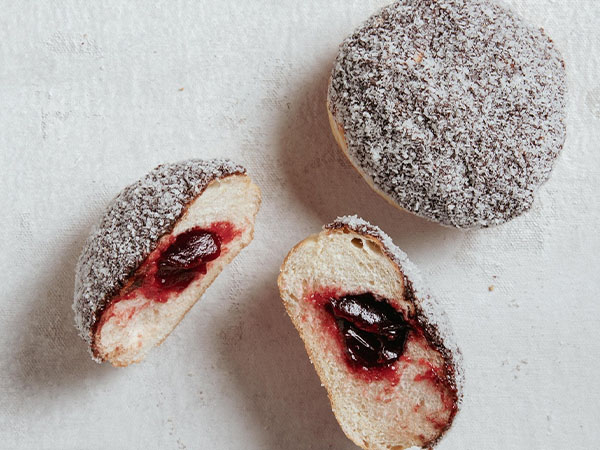
Put Mooloolaba’s golden sands in your rear-view mirror as you drive through the arcadian Obi Obi Valley towards Kenilworth. Nestled into a bend of the Mary River, the Sunshine Coast Hinterland township holds much appeal, but what it’s perhaps most famous for is six inches long, stuffed with 300 grams of cream and drizzled with jam, Nutella or custard. If a one-kilogram doughnut challenge is not for you, it’s still worth stopping at Kenilworth Country Bakery for a coffee and a doughnut.
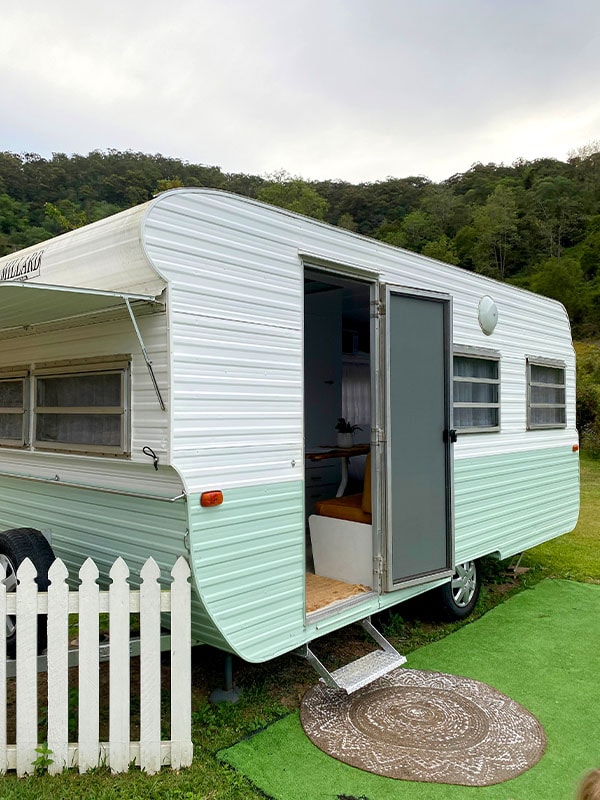
After a stroll under Moreton Bay figs or a dip in Booloumba Creek (you’ll need a 4WD), make your way back via Conondale’s toffee-toned fields, backed by the emerald Blackall Range. Families who want to make a weekend of it should bunk in a vintage caravan at Kookaburra Park where guinea pig cuddles are part of the deal.
Distance:
140 kilometres
Words by Celeste Mitchell
61. Adelaide Hills, SA
Adelaide Central Market is the city’s most-visited attraction. After visiting the sprawling undercover market, head for the Adelaide Hills via the South Eastern Freeway to sample the produce in situ. You can also explore the city’s bordering foothills via the Torrens Valley Scenic Drive, which starts in Tea Tree Gully, winds its way past the Chain of Ponds to Gumeracha and Birdwood, or via the Onkaparinga Valley Scenic Drive, where you can bounce along quiet country roads that stretch between the charming German village of Hahndorf to Birdwood in the north.
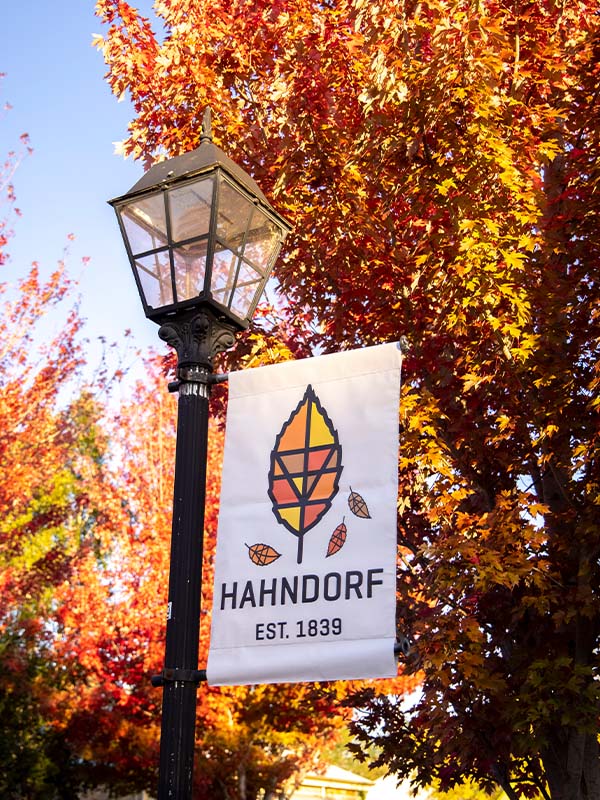
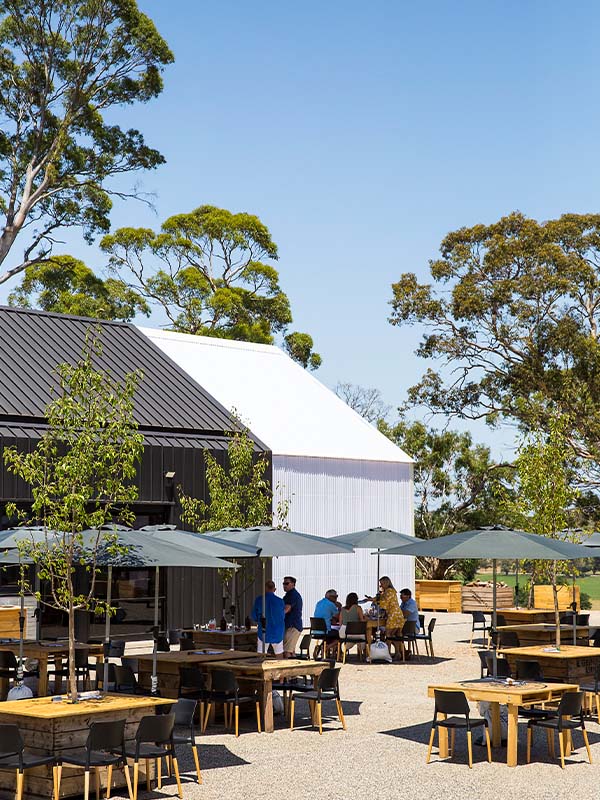
Download the Epicurean Way road trip map to plot your course between artisan growers and producers, much-lauded wineries, berry farms, microdistilleries, farmers markets, cheesemongers and restaurants showcasing the region’s bounty. Darlings of the Adelaide Hills include Woodside Cheese Wrights, Penfolds Magill Estate and cool collective Lot 100 (home to a paddock-to-plate eatery, 78° Distillery, Hills Cider Company, Mismatch Brewing Co and more). Sign up with Ultimate Winery Experiences Australia if you want a designated driver.
Distance:
56-kilometre round trip along the South Eastern Freeway.
Stay:
Return to Adelaide to stay and play at The Playford.
Words by Carla Grossetti
62. Tasman Peninsula, Tas
For the time-poor who don’t have weeks to get lost on Tassie’s wonderfully winding B-roads, the Tasman Peninsula offers a concentrated, scrumptious bite of Apple-Isle richness. Far from just the ‘way to Port Arthur’, there is plenty to see and do. Nature-wise, sample one of the handful of spectacular short strolls – head for Tasman Arch – or explore the ferocious coast from the sea-side on a Tasman Island Cruise from Port Arthur.
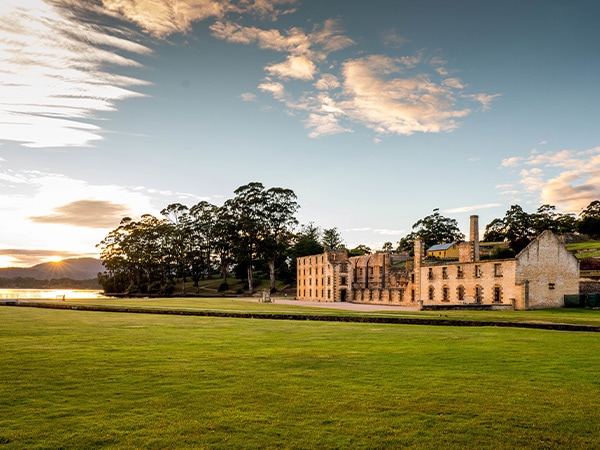
Get a refined sugar-high at Tasmanian Chocolate Foundry, Taranna, sate the kids’ critter urges at nearby Tasmanian Devil Unzoo, then regain your centre at Port Arthur Lavender Farm. Loop towards Nubeena to drive your own ‘dirt-road distillery’ adventure (tick off McHenry, Impression Bay and Hellfire Bluff distilleries). Late lunch on homemade lamb meatballs and homegrown cool-climate pinot noir at Bangor Vineyard Shed (book ahead).
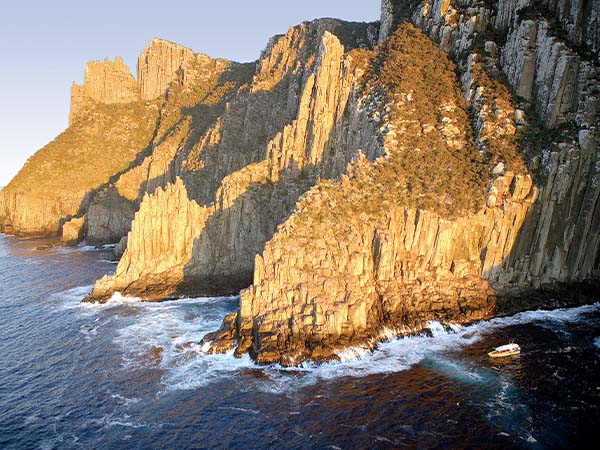
Distance:
210 kilometres (Hobart to Port Arthur return).
Words by Steve Madgwick
63. Mary River Valley, Qld
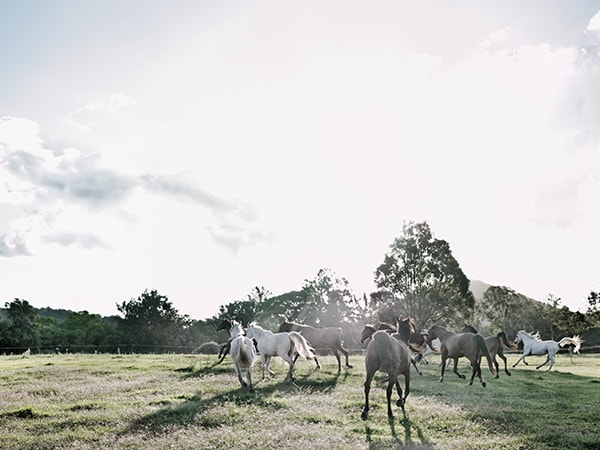
Queensland’s slow-burn Mary River Valley is perhaps one of the only valid reasons to leave Noosa’s comely shores for a day. Wind 45 kilometres west of the Sunshine Coast to start absorbing the small-town allure of places such as Amamoor and Imbil (with a procrastinative couple of hours in the cafes and curio shops of Kenilworth en route, see #60). Active think-ahead-ers should plan in nature immersions like early morning platypus spotting by kayak on Yabba Creek (Ride on Mary) and cantering through the Imbil State Forest’s hoop pines (Mary River Adventure Trails). Trainspotters should double-check the vintage Mary River Rattler’s timetable (departs Gympie Wednesdays and Saturdays).
Distance:
130 kilometres (route dependent)
Words by Steve Madgwick
Weekly travel news, experiences
insider tips, offers, and more.
64. Northern Beaches, NSW
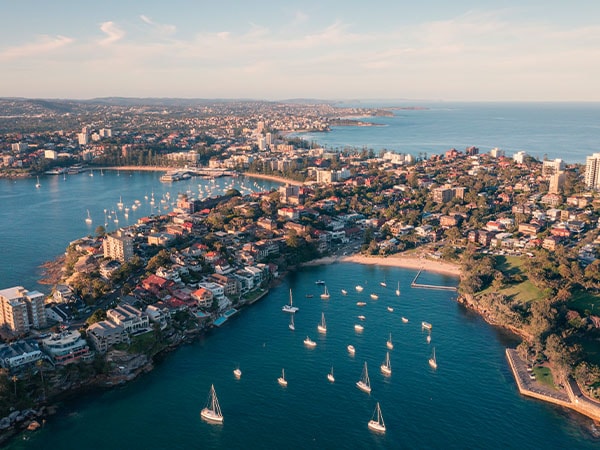
Here in Australia we’re spoilt for choice when it comes to ‘oh wow’ beaches, but there are still some (relatively) secret gems to be discovered. Case in point: Sydney’s Northern Beaches, which interstate visitors should be putting on their to-do list alongside (or, dare we say, instead of) Bondi. The drive to get there can be a bit snarly if you hit Sydney’s notorious peak-hour gridlock, but once past Mona Vale the traffic seems to thin and the pace slows. From there the drive along Barrenjoey Road presents plenty of opportunity to get some sand between your toes, including Newport, Bilgola, Avalon and Whale beaches, before coming to a full stop in ultra-glam Palm Beach.
Distance:
30 kilometres (Manly to Palm Beach)
Stay:
Can’t face the traffic again? Spend the night at Crane Lodge amongst trees and birdsong.
65. The Royal National Park, NSW
From its beautiful laid-back beaches, to its soaring coastal cliffs, groves of gums, stunning waterfalls and Instagrammable swimming holes, Royal National Park on Dharawal Country in Sydney’s Sutherland Shire is an accessible escape from the city. The Nasho, as it is affectionately known, covers more than 15,000 hectares and hugs Australia’s east coastline from the Port Hacking River to its southernmost tip in Otford, one of Wollongong’s northern suburbs. As the country’s first official national park (second only to Yellowstone in the world), it offers up opportunities for surfing, fishing, barbecuing, hiking and bushwalking.
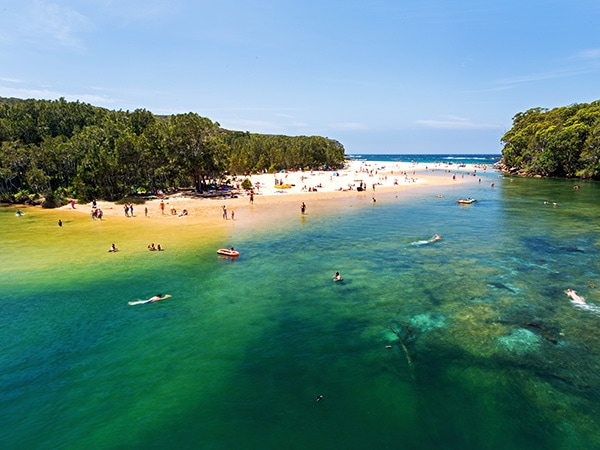
While you can access the park via a scenic route that corkscrews through the park from Loftus to the Audley Weir, you can also drive to Cronulla and board the historic Tom Thumb ferry bound for Bundeena-Maianbar to visit the community of artists who live on the fringes of the national park. Once ensconced in the park, you can explore Cabbage Tree Basin with Bundeena Kayaks, hire a rowboat and explore the river, see Indigenous rock art near Jibbon Beach and enjoy coffee and cake at Audley Dance Hall Cafe, all just a step away from full-blown wilderness. Download your digital NSW National Park pass before your visit.

Distance:
It’s about 42 kilometres from Sydney’s CBD to the Royal National Park.
Stay:
Skip back to Sydney or make a night of it; you can stay in the Royal National Park in one of three historic homesteads: Weemalah Cottage, Hilltop Cottage and Reids Flat Cottage. Or lush it up in The Periscope House.
Words by Carla Grossetti
66. Mornington Peninsula, Vic
Victoria’s Mornington Peninsula really does have something for everyone. There’s beachside hamlets ranging in style from boho Rosebud to glam Sorrento, a vibrant hinterland food scene (head to Red Hill for olive farms, wineries and pick-your-own strawberries) and artful inclusions, such as the world-class sculpture park at Pt. Leo Estate in Merricks and Jackalope’s behemoth black rabbit/antelope hybrid sculpture at Merricks North. It’s all very Mediterranean really (well, in summer at least).
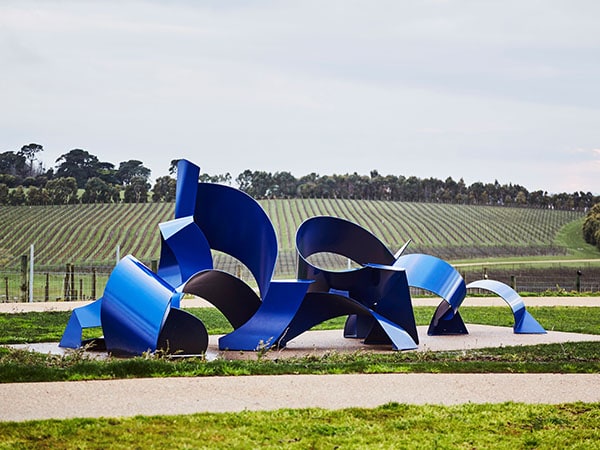
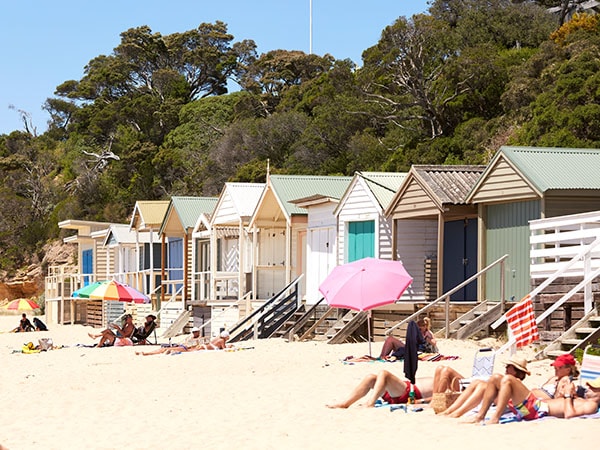
Take the M1 and the Mornington Peninsula Freeway from Melbourne to get there – watching out for giant roadside sculptures along the way including a quizzical bird and huge silver garden gnome. Then just pootle around from Main Ridge (another foodie hotspot for wine at Main Ridge Estate and goats’ cheese at Main Ridge Dairy) to Mount Martha (cameras ready for the sorbet-hued bathing sheds) to well-heeled Portsea to take it all in.
Where to stay:
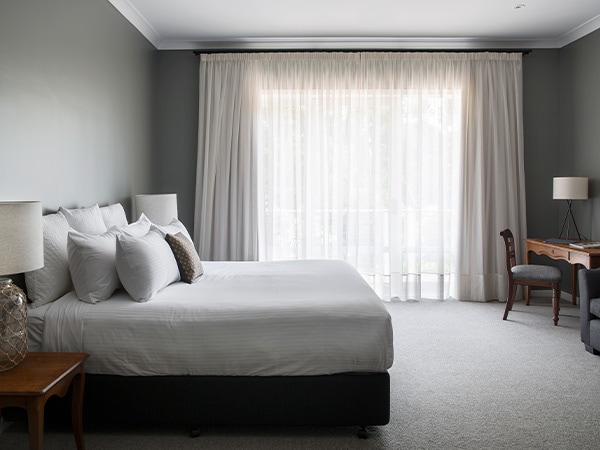
If you fancy hanging out a little longer, Mornington Peninsula has lots of choice when it comes to stylish stays.
InterContinental Sorrento Mornington Peninsula
Part of the sophisticated new offering at landmark redevelopment The Continental, which includes restaurants, bars and a chic bathhouse, the InterContinental Sorrento Mornington Peninsula has been lovingly and lavishly reimagined complete with a glamorous Mediterranean aesthetic.
Lancemore Lindenderry Red Hill
Situated within nearly 14 hectares of gardens and grape vines in the heart of Red Hill, this boutique hotel of 40 rooms has benefited from the signature sophisticated aesthetic of award-winning design studio Hecker Guthrie. It boasts a convivial cellar door and a destination dining experience at the one-hatted (in the 2022 Australian Good Food Guide) Dining Room, with its considered farm-to-plate menu.
Hart’s Farm
Located in Shoreham, this rural retreat, blissfully situated within a working olive farm, offers two chic accommodation options – The Retreat and The Studio – both of which are perfect for a relaxed couple’s weekend away.
Port Phillip Estate
A dramatic modernist concrete facade gives way to a collection of six luxury suites that boast expansive vineyard and coastal views (as well as luxury touches such as Missoni bathrobes and Aesop amenities).
Peppers Moonah Links Resort Mornington Peninsula
Adjacent to two championship golf courses, Peppers Moonah Links’ Open Rooms overlook the 1st Fairway from their expansive terraces and present like funky crash pads complete with retro modernist furniture and shots of orange and brown.
Distance:
110 kilometres (to Portsea)
Keep reading our special Top 100 Road Trips in Australia editorial series.
Want to see more stories from Australian Traveller in your Google search results?
- Click here to set Australian Traveller as a preferred source.
- Tick the box next to "Australian Traveller". That's it.

Australian Traveller
View profile and articles