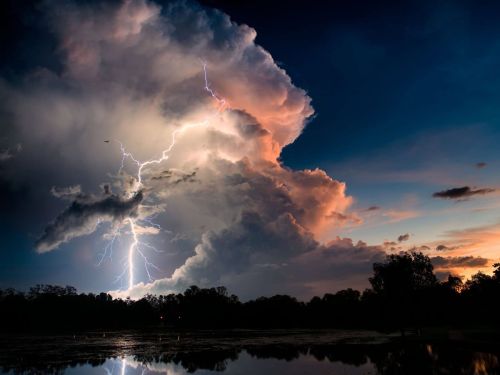
When it rains, it shines: 12 places that are extraordinary in the rain

hero media
Are you over the rain? At these other-worldly Australian locations water transforms the entire landscape – with phenomenal results.

It’s hard at times to think of anything positive when it’s drizzling outside. But as one of the world’s driest continents, a bit of rain casts a real-life magic spell over our deserts, swamps and cities.

It’s time to gaze upon these drenched destinations.

1. Uluru, NT

Conjure up in your mind’s eye the sandstone monolith that has become emblematic of Australia. Can you see it glowing red, surrounded by the dust of the Red Centre? It’s not always like this.

Once or twice a year, Uluṟu is transformed by heavy downpours. You’ll see waterfalls and rivulets cascade down channels of sandstone leaving you awestruck.

the Uluru Waterfalls cascading down the purple rocks
See the breathtaking waterfalls cascading down Uluṟu. (Image: Voyages Indigenous Tourism Australia)

2. Kati Thanda-Lake Eyre, SA

A trip to Australia’s largest salt lake should be on everyone’s travel to-see list – and the best way to appreciate it is from above.
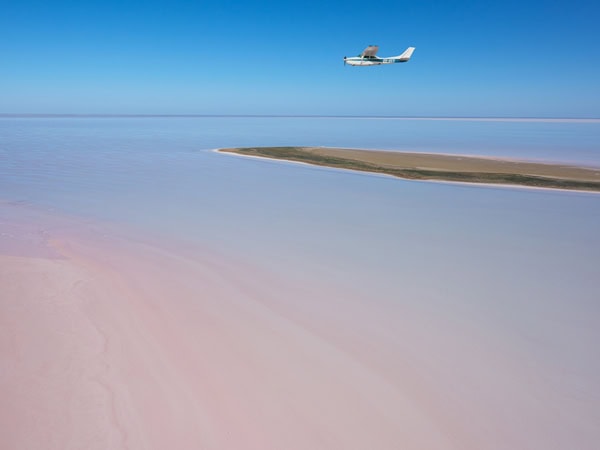
a plane flying over Kati Thanda-Lake Eyre, SA
Admire Kati Thanda-Lake Eyre from above. (Image: South Australian Tourism Commission)

When Kati Thanda is dry (which is most of the time), stripes of moon-like shades of grey and sandy orange are at the country’s lowest point below sea level.
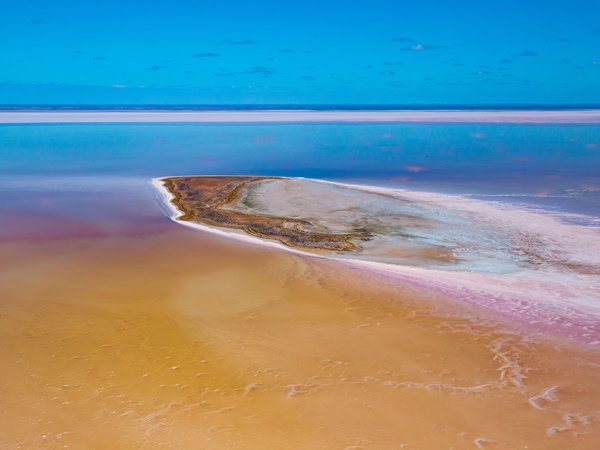
an aerial view of Kati Thanda-Lake Eyre, SA
Kati Thanda-Lake Eyre is Australia’s largest salt lake. (Image: South Australian Tourism Commission)

But come here after outback rain? A surge of water causes the expanse to turn pink, and it teems with breeding migratory birds.
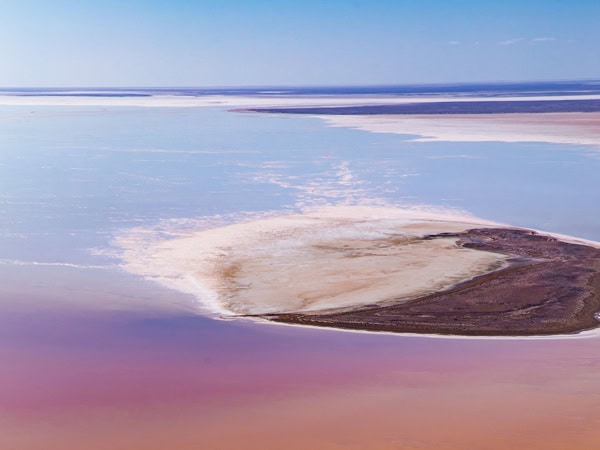
a bird's-eye view of Kati Thanda-Lake Eyre, SA
Rain transforms Kati Thanda-Lake Eyre. (Image: South Australian Tourism Commission)

3. Darwin, NT

Sure, the Top End is more popular in the winter dry season. But in monsoon season? It becomes truly electrifying.
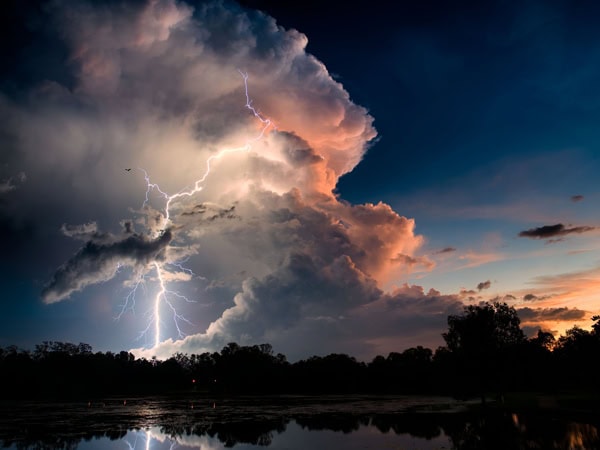
thunderstorm in Darwin
Monsoon season in Darwin is truly electrifying. (Image: Tourism NT/Paul Thomsen)

Starting by sitting on a Darwin balcony with a cold drink, soon your skin will pimple as the humidity drops. Ominous rumbles turn into outright roars and lines of white-purple crack across the sky. It’s a truly humbling experience.
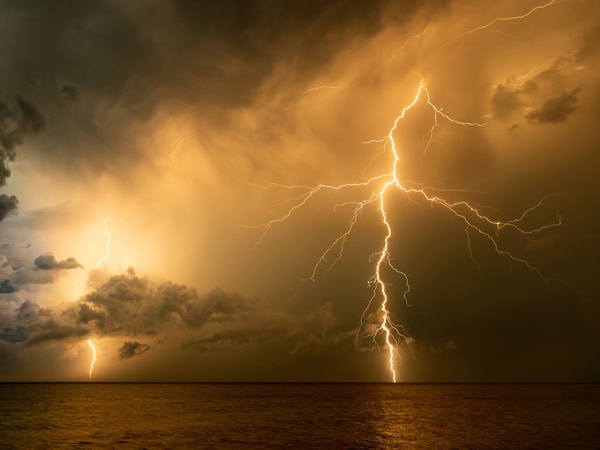
thunderstorm in Darwin
Darwin has a different kind of glow during the wet season. (Image: Tourism NT/Paul Thomsen)

4. Daintree Rainforest, Qld

The rainy Tropical North Queensland summer gets a bad rap. It’s true that the reef isn’t as clear, humidity hits hard when the sun is at its peak, and some walking tracks are bound to be inaccessible due to rain.

But these rainstorms contribute to what makes the Daintree so unique in the world. The emerald green leaves of the rainforest drip with vital moisture, waterfalls come to life and the happy hum of its wild residents intensifies.
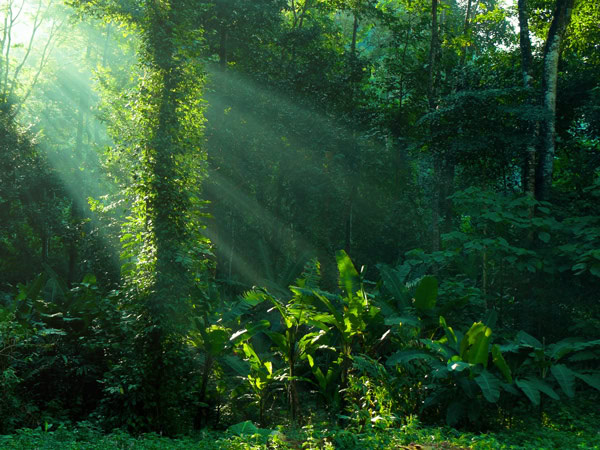
rainforest and sunbeam morning
The Daintree Rainforest gets greener when it rains. (Image: kritdarat Atsadayuttmetee via Getty Images)

Need tips, more detail or itinerary ideas tailored to you? Ask AT.

AI Prompt

5. Tasmanian temperate rainforests

Over 3000 kilometres south you will find a very different type of rainforest. The remote, temperate rainforests of Western Tasmania are alive with ancient Gondwanan flora, Huon pines, climbing tree ferns, the beloved platypus, Tasmanian devils and pademelons.
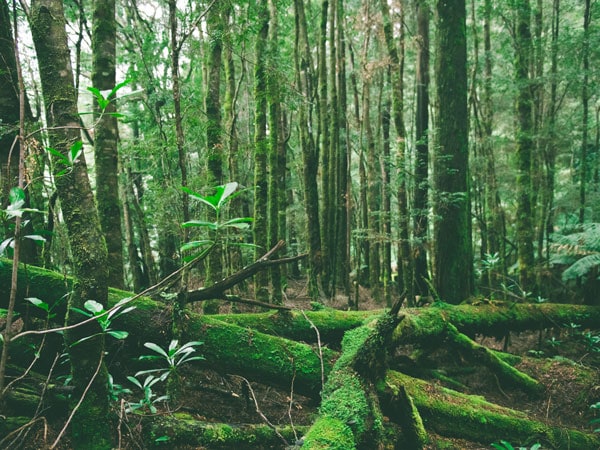
the Huon pines in Western Tasmania Rainforest, Tas 
The temperate rainforest of Western Tasmania is dotted with Huon pines. (Image: Stu Gibson)

No wonder hikers from all over the world come here to trek in this cool, damp wonderland.
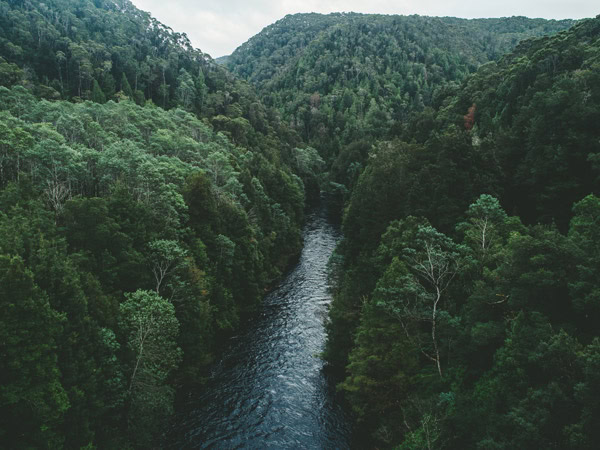
King River in Tasmania
Get lost in the Tassie wilderness. (Image: Flow Mountain Bike)

6. Lorne waterfalls, Vic

On one hand, it’s extremely annoying that when the sun is out in summer, the Great Ocean Road becomes a nightmarish melee of cars and campervans (hello stress-induced mental breakdowns).
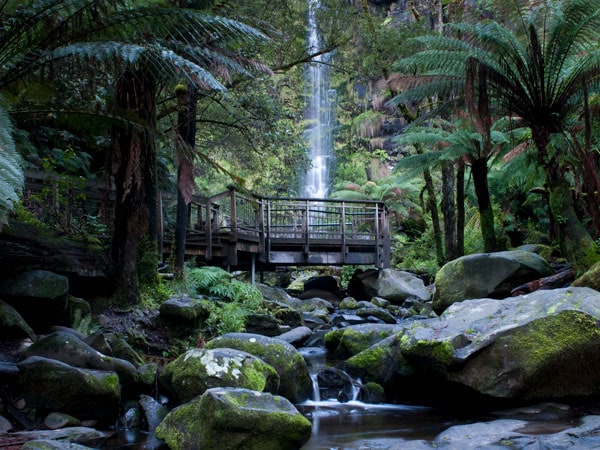
the Sheoak Falls in Lorne
Stop by Sheoak Falls in Lorne to break from your Great Ocean Road drive. (Image: Parks Victoria)

On the other hand, it’s a good excuse to come here for a winter trip instead and see the raging waterfalls of Lorne. The autumn and winter rains make the already impressive falls even more so. And with the thinned-out crowds, you might even spot a koala in the nearby eucalyptus trees.
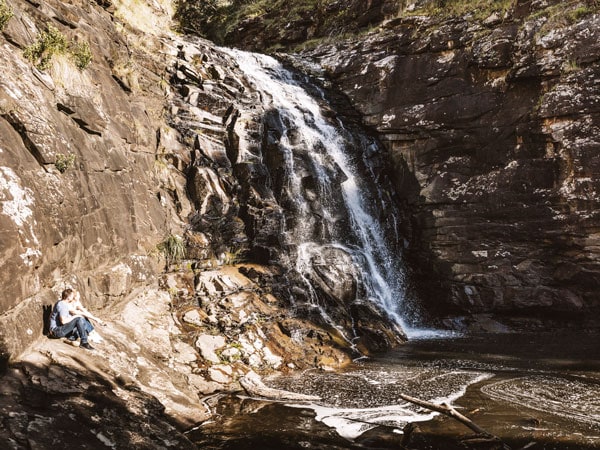
a man sitting on the rocky edge of Lorne Waterfalls, Vic
See the raging waterfalls of Lorne. (Image: Visit Victoria)

7. Glow Worm Tunnel, Wollemi National Park, NSW

You can see these unearthly, bioluminescent larvae at any time of the year. But there is something special about passing from rain to the cool darkness of the old railway tunnel in Wollemi National Park in the Blue Mountains.

Smaller foot traffic to the Glow Worm Tunnel walking track in wet weather means you can hear the drips falling into the puddles on the floor, with the unearthly blue glow providing your very own light show.
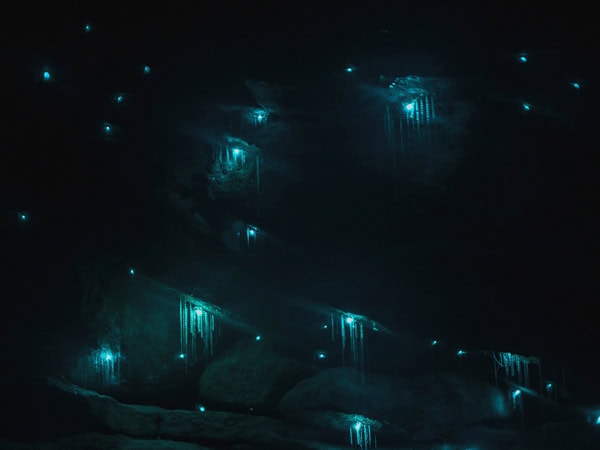
the Glow Worm Tunnel, Wollemi National Park, NSW 
Glow worms glisten with a mystical blue glow. (Image: Destination NSW)

8. Coalseam Conservation Park, WA

In the summer, Western Australia’s first mined coal deposit is hot and quiet. When the winter rains pass though? It bursts into life with colourful spring flowers.
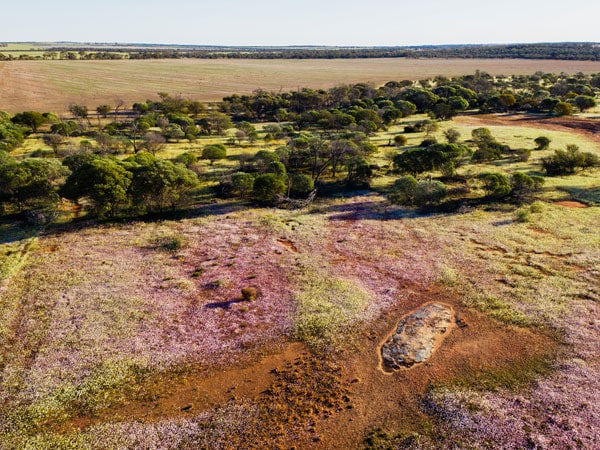
the Coalseam Conservation Park in WA
Coalseam Conservation Park bursts to life with the rain. (Image: Tourism Western Australia)

People travel to this part of the Wheatbelt region for a tranquil day: wandering through the yellows and pinks of the everlastings, grevilleas and banksias, snapping photos as they go.
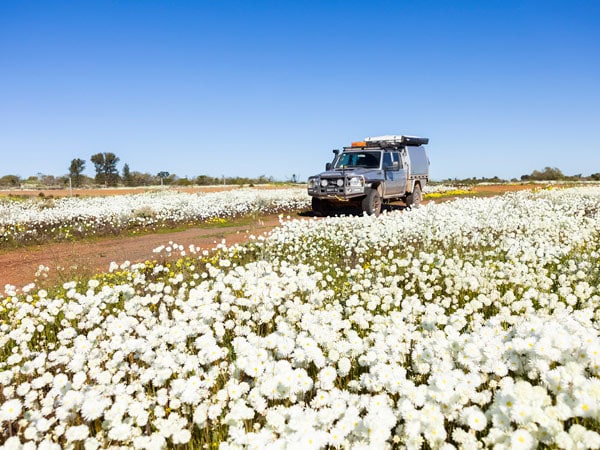
a 4WD driving along the wildflowers in Coalseam Conservation Park
Drive along the white wildflowers in Coalseam Conservation Park. (Image: Tourism Western Australia)

Weekly travel news, experiences
insider tips, offers, and more.

9. Gurruwiling (Arafura Swamp), NT

Have you heard of the Gurruwiling (Arafura Swamp) in Arnhem Land? It is a remote water system, and the largest freshwater ecosystem and paperbark swamp in Australia.

Gurruwiling is also the home to the Yolŋu and Bi peoples, who work hard to mitigate the impact of climate change through their land management. If you want to see its ethereal beauty but can’t access it in person, the swamp played the starring role in the 2006 film, ‘Ten Canoes’.
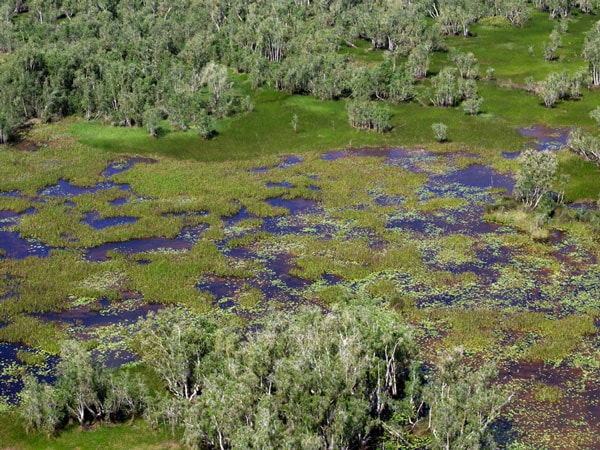
the Arafura Swamp in Arnhem Land
Gurruwiling, also known as the Arafura Swamp, is a pristine wetland in Arnhem Land.

10. Bungle Bungles, WA

Fly to Purnululu National Park in the East Kimberley and it’s impossible to miss the hive-like rock hills of the Bungle Bungles.
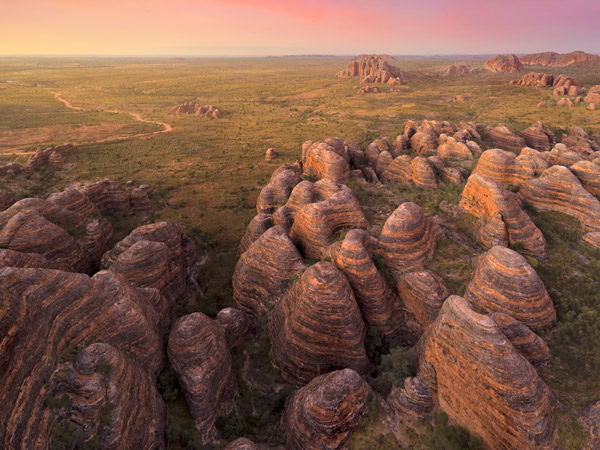
the Bungle Bungles ancient sandstone formations within Purnululu National Park
Walk among ancient sandstone formations within Purnululu National Park. (Image: Tourism Western Australia)

Exploring the cluster of red-orange and plum-dark striped stacks is heightened by the rainfall. We’re talking pools between the rocks, and springtime blooms of acacia flowers and grevilleas.
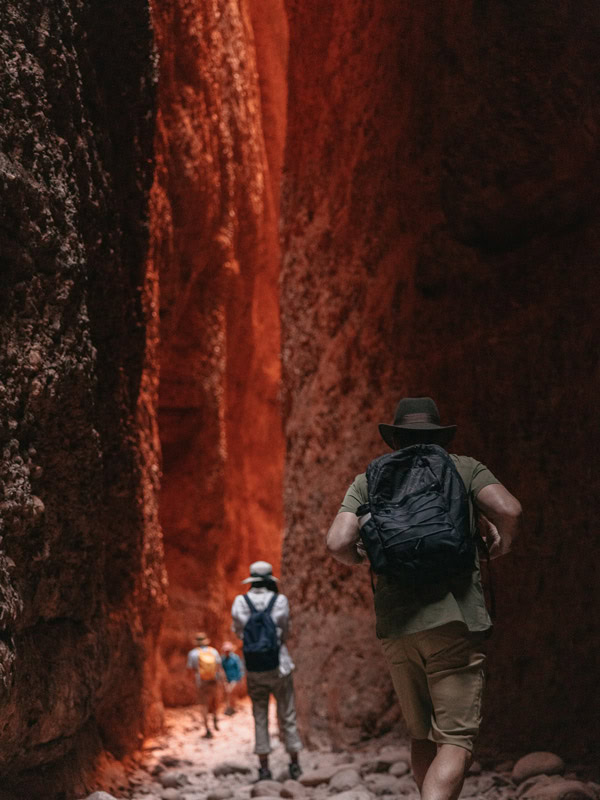
hikers navigating the Bungle Bungles, WA
Exploring the cluster of red-orange and plum-dark striped stacks is heightened by the rainfall. (Image: Tourism Western Australia)

11. Wentworth Falls, NSW

The downside of it raining when you go to see Wentworth Falls is that you might need to eat lunch in the car in the picnic area. But brave the weather and step outside (we promise it’s worth it).
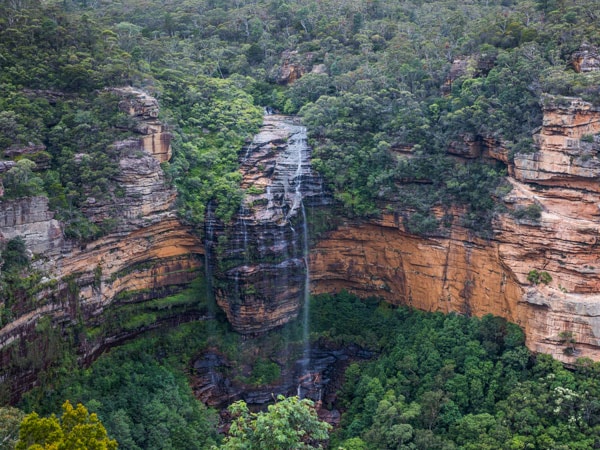
an aerial view of the Wentworth Falls, NSW 
The short hike to Wentworth Falls is incredibly worth it. (Image: Destination NSW)

Make it to the nearby lookout and look across the misty Jamison’s Valley. It’s there you will see the jaw-dropping site of a pounding Wentworth Falls, courtesy of the rain-swollen creeks of the Blue Mountains.
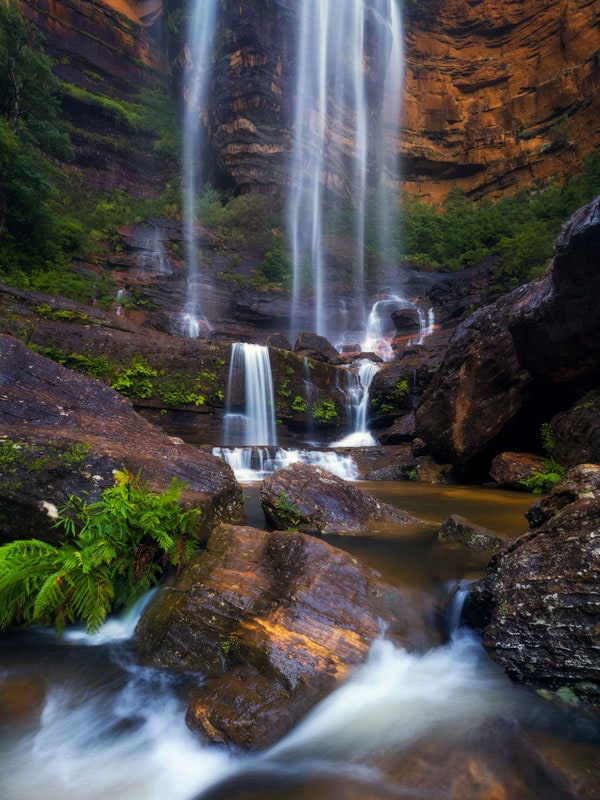
the three-tiered Wentworth Falls, NSW 
Be enchanted by the sight of the three-tiered Wentworth Falls. (Image: Destination NSW)

12. Barmah-Millewa Forest, Vic

Close to the Murray River, the Barmah-Millewa Forest is a seriously underrated destination for the average traveller.
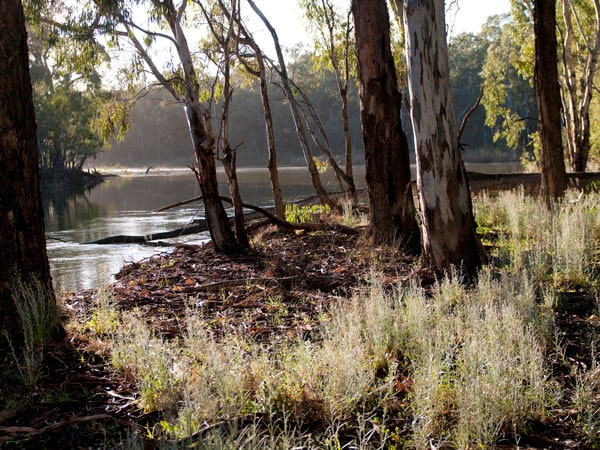
the Barmah-Millewa Forest near Murray River
Barmah-Millewa Forest is on Yorta Yorta land. (Image: Parks Victoria)

The traditional lands of the Yorta Yorta have river red gum floodplains, freshwater marshes, and birdlife as diverse as waterbirds, galahs, cockatoos and cockatiels. Floods that occur from winter into spring contribute to its title as wetlands of international significance.
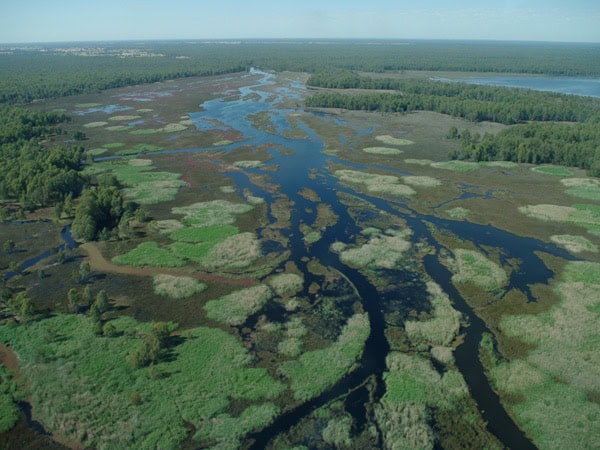
an aerial view of Barmah-Millewa Forest, Vic
The wetlands have provided a constant source of nutrition for the Yorta Yorta People. (Image: Parks Victoria)

Want to see more stories from Australian Traveller in your Google search results?

  1. Click here to set Australian Traveller as a preferred source.
  2. Tick the box next to "Australian Traveller". That's it.
Kate Bettes
Kate Bettes is a freelance travel writer. Whether having a picnic in Vietnamese jungle with new friends, or partying in the back of a limousine in Hollywood, Kate’s experiences have left her with the sneaking suspicion that the best travel memories happen when you least expect. It’s this feeling - and how to get it - that she loves to write about.
View profile and articles
hero media

Your guide to feeling rested and reconnected after your holiday

The wild, otherworldly beauty of The Grampians offers a perfect place to unwind, slow down and relax.

Not all holidays yield the same result; some are bustling, with endless things to do, events to book and places to see. All great things, but they leave you feeling more tired than before. Then, there are destinations that help you slow down, making real connections and participating in self-care.

Destinations like The Grampians: surrounded by untouched nature, allowing a chance to reconnect with yourself and loved ones at a slower pace.

Discover six science-backed ways to enjoy a holiday and feel restored at the end of it.

1. Practice mindfulness

Hamilton Gallery, the grampians
Be present at Hamilton Gallery. (Image: Visit Victoria)

Mindfulness – the practice of tuning into the present moment – has been found to help in reducing stress, anxiety and depression. One way to practice this art is by immersing yourself in art.

Hamilton Gallery has been in operation for over 60 years, and is not only home to many significant art pieces but also runs workshops and events for all ages to expand their awareness and understanding of art. The gallery is also the custodian of the largest collection of Gunditjmara artefacts held on country.

If you prefer to practice mindfulness through movement, visit Halls Gap Zoo to feed the meerkats – who wouldn’t feel better after focusing on these little guys? Or visit The Grampians Horse Riding Centre for an unforgettable morning ride through 10 kilometres of bushland. Enjoy the soothing movement of the horse and experience the bush anew.

2. Indulge in self-care

two people swimming in the Venus Baths, the grampains
Take an immersive bath in nature on the Venus Baths loop walk. (Image: Visit Victoria)

While the term self-care might conjure up images of indulgent bubble baths or a soothing massage, there’s more to it than pampering. Self-care is any action that protects your physical, emotional and mental well-being.

Like taking an immersive ‘bath’ in nature. Do just that on the Venus Baths loop walk – ideal for less experienced hikers or those walking with kids – stopping at freshwater-filled rockpools to cool down along the way.

Serious hikers (we’re talking some rock hopping and traversing slippery tracks) can tackle the Wurgarri, or Mount Sturgeon walk, which rewards the effort with panoramic views from the summit.

For those whose idea of self-care leans more towards arts and culture, a visit to WAMA is a must. Australia’s first national centre for environmental art is home to exhibitions that explore the natural world through film, installation, painting, performance and more.

3. Embrace nature

Boroka Lookout, the grampians
Soak in incredible views over Halls Gap at Boroka Lookout. (Image: Visit Victoria)

Spending time in nature is the ultimate way to soothe your body and mind. It’s been proven to help with all manner of things, from reducing stress to boosting cognitive function. And there’s no better place to enjoy it than among the raw sandstone, wildflowers and native creatures of The Grampians.

Rocklands Reservoir, spanning 6700 hectares, is an ideal spot. Breathe in the fresh air and enjoy the view over Grampians National Park. Cast a line, hire a canoe or follow nature trails along the water’s perimeter. How’s the serenity?

To appreciate nature’s imposing power, head to Splitters Falls. Here, find unrivalled tranquillity. Spring is the best time to visit, when bouquets of native spring flowers greet visitors.

Those with limited mobility will appreciate Boroka Lookout, a viewing platform surrounded by breathtaking views over Halls Gap and the eastern Grampians. Come early to witness a sunrise you’ll never forget.

4. Prioritise Rest

outdoor bathtub at Nook On The Hill
Recharge at Nook on the Hill. (Image: Visit Victoria)

Above all else, a holiday should be an opportunity to recharge, and there’s no better way to do it than to get a good night’s sleep. We don’t need to tell you how essential sleep is, for everything from mental health to strengthening the immune system.

Try Wanderlust Glamping, where guests fall asleep to the soothing sounds of nature after an evening relaxing around the fire pit and wake to your very own green oasis.

For pure luxury in the foothills of the Grampians National Park, look no further than Nook on the Hill – a handcrafted tiny house surrounded by rewilded, lush native Australian bush. It might be small, but Nook on the Hill has everything needed to unwind in style, including an outdoor bath for balmy nights.

For a modern farm stay, book at Mount William Station in the foothills of The Grampians. The station combines old-world charm with modern amenities and easy access to everything this region has to offer.

5. Engage Your Senses

Salingers Cafe, destinations that help you slow down
Indulge in a meal at Salingers. (Image: Visit Victoria)

Few human senses are as fun to indulge in as taste. A meal at Salingers in Great Western is the ultimate treat, and not only for the taste buds. The food is excellent, but Salingers’ really unique attraction is the bustling beehive that lives within the walls of the historic building.

For an expertly smoked burger, ribs, or beef brisket, head to Flame Brothers in Halls Gap. Tuck into delicious food while you enjoy the view.

If you prefer your senses heightened by the pump of adrenaline, Grampians Soaring Club offers an eagle-eye view of the Grampians National Park and Pyrenees Ranges from a glider. Take in the sights with a cross-country flight, ridge soar, or altitude wave flight.

6. Connect and reconnect

The Dimboola Imaginarium, Wimmera Mallee victoria
Step into the whacky Dimboola Imaginarium. (Image: Denis Bin)

Making shared memories is a wonderful way to reconnect with old friends or make new ones. These unexpected finds make it easy to discover something new in The Grampians.

Amateur geologists will delight at the Kanawinka geotrail, which covers 60 sites over Australia’s most extensive volcanic province. Visit the Penshurst Volcano Discovery Centre to learn more about volcanic activity in The Grampians, or head to nearby Mount Napier State Park for a trip into the Byaduk lava caves.

Pop in to the Ros McArthur Art Studio to peruse the gardens full of native and exotic plants and flowers that serve as the subjects of Ros’s still life paintings.

For a shopping experience like no other, head to the Dimboola Imaginarium. Far more than a shop, the Dimboola Imaginarium is an immersive experience where you’ll find all manner of quirky bits and pieces. Expect the unexpected.

Put these science-backed holiday benefits to the test during a trip to The Grampians. Plan your peaceful getaway at visitgrampians.com.au.