From natural beauty and cultural experiences to new accommodation offerings and dining hotspots, these entire regions are stepping into the spotlight.
Journey with our writers as they take you into Australia’s top 10 emerging regions from our 100 Emerging Destinations and Experiences series.
1. Queensland’s best-kept secret: The Scenic Rim
Travelling with: Craig Tansley
When Queensland’s Scenic Rim became the only Australian destination to make Lonely Planet’s Best in Travel 2022 list, many Australians wondered where it even was. Perhaps Mount Tamborine – the biggest town on the Rim – has a following. But Boonah, another well-populated town? Even people in Brisbane hadn’t heard of it – and it’s only an hour’s drive away.
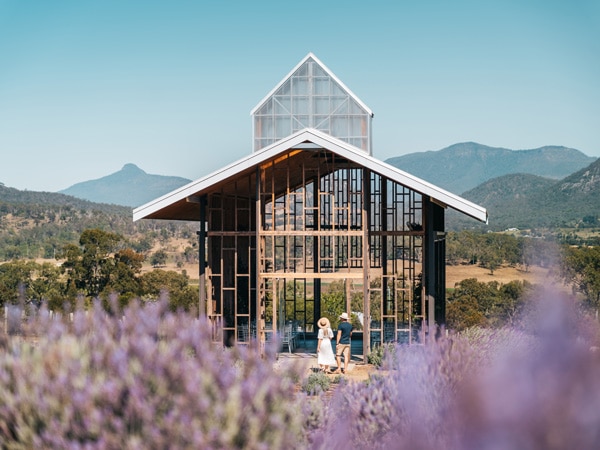
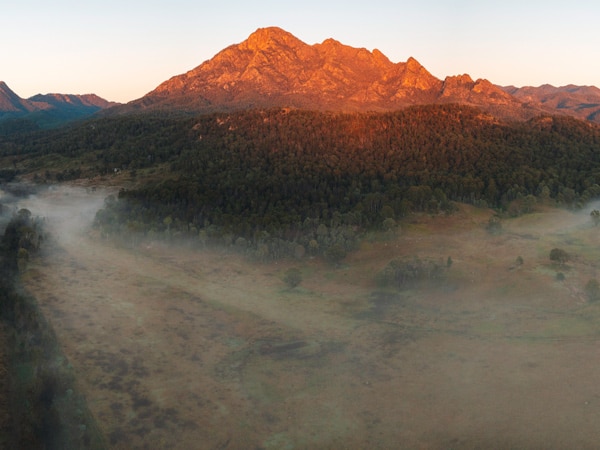
Much of the Scenic Rim is covered in rainforest, but Boonah and its surrounds are part of south-east Queensland’s biggest food bowl, all bordered by mountain ranges that look like they belong in a Western.
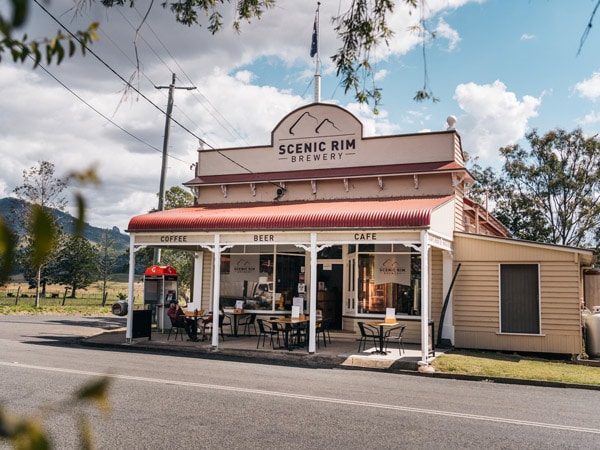
You’re more likely to share roads with farmers on tractors than cars, but don’t go thinking you can’t get a fancy feed. Country pubs round here, such as The Roadvale Hotel, boast chefs including Dan Groneberg, who has spent more than 20 years honing his skills in both Australia and Europe. And Jack Stuart – who worked in the UK’s Michelin-starred institution The Forest Side – opened an intimate 20-seater, Blume, in Boonah’s main street that’s become an acclaimed regional destination diner.
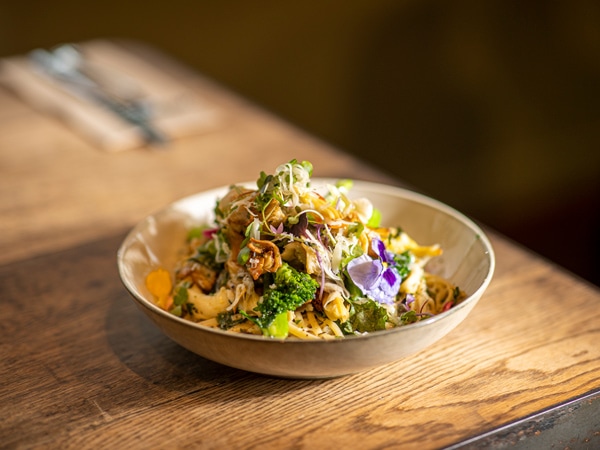
There are also wineries, craft breweries and farm gates. It’s easy to find them – just drive. Go during the week and you’ll have them to yourselves. There’s also Eat Local Month, which features a program of events, culinary experiences and mini food festivals in June if you fancy company.
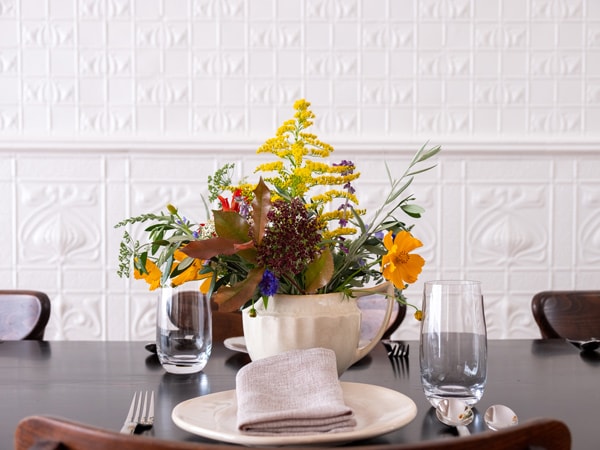
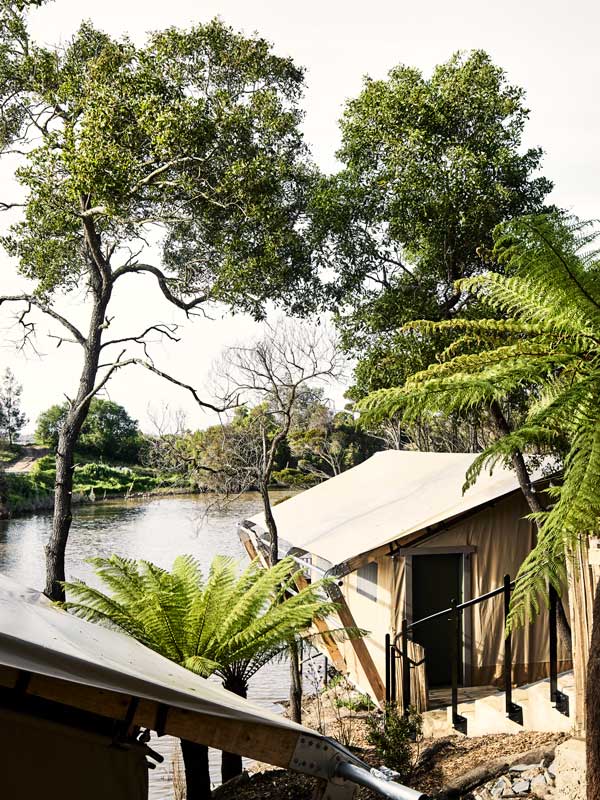
There are luxe accommodation options too, set in big, old homesteads, within working farms and in eco retreats built on the edge of mountains, such as Ketchup’s Bank Glamping. Like everywhere rural post-Covid, Boonah is changing as city folk still look to flee. But for now – especially if you go midweek – this place is still the best secret Queensland has managed to keep.
2. Trailblazing in the Southern Flinders Ranges
Travelling with: Taylah Darnell
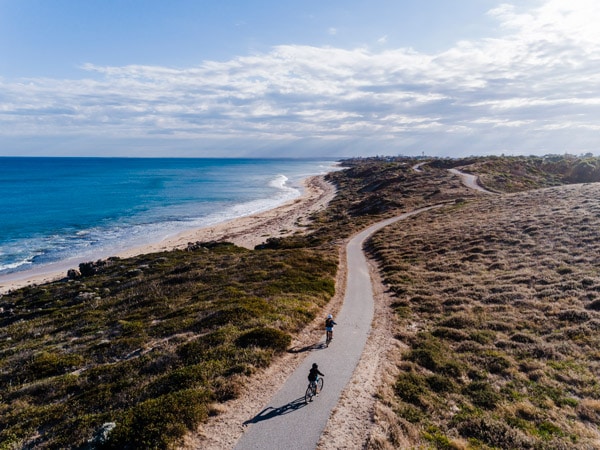
Spanning from the ocean in Port Pirie to the red-dirt plains of Peterborough, South Australia’s Southern Flinders Ranges are bursting at the seams with prospect. New mountain-biking trails will open later this year in Mount Remarkable National Park, designed by TrailScapes using machinery with minimal environmental impact and in consultation with the Nukunu Wapma Thura (Aboriginal Corporation).
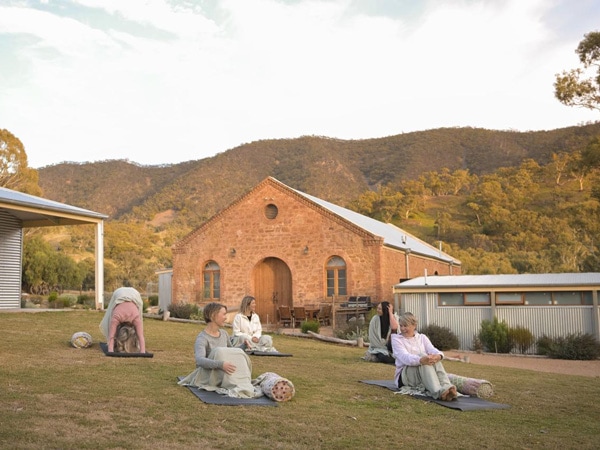
The project has been years in the making and includes the 42-kilometre Epic Mountain Bike Trail. Experience Melrose is taking advantage of the expansion, combining mountain biking with wellness retreats. Stay and play at Jacka Brothers Brewery in Melrose, a redeveloped heritage-listed site turned brewhouse that doubles as cosy accommodation, offering panoramic views of the Southern Flinders Ranges.
3. Find the magic of the Mid West
Travelling with: Fleur Bainger
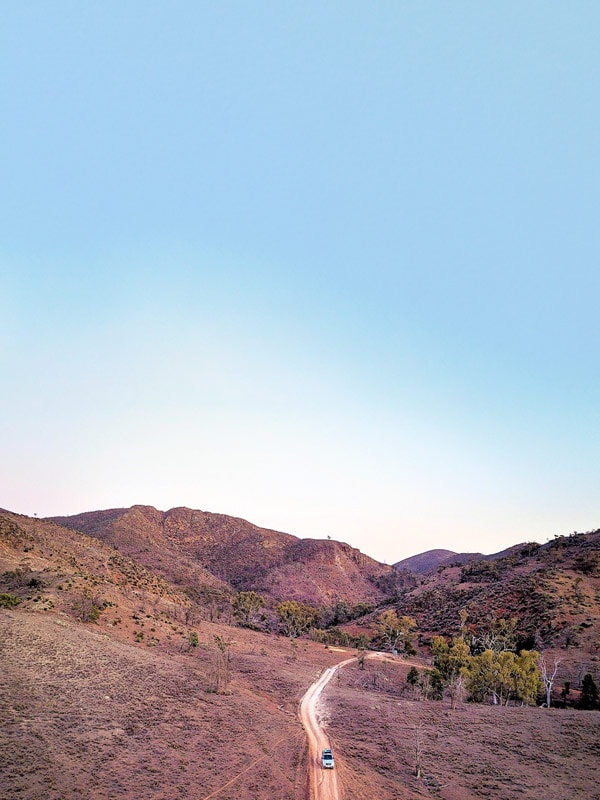
It’s hard to get a look-in when you count the whale shark-flecked Ningaloo Coast and the forest-meets-sea Margaret River wine region among your siblings. Yet Western Australia’s Mid West region is starting to poke its face into the light. With the rock lobsterfishing city of Geraldton as its hook, and the coast-meets-river holiday hamlet of Kalbarri as its lure, the region is emerging as a worthy line to get tangled in.
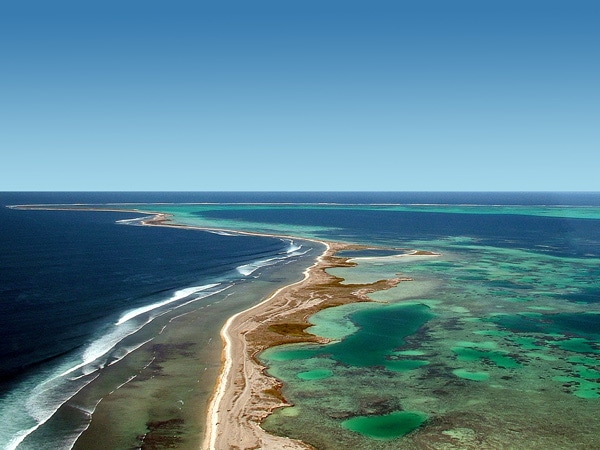
Take the Barbie-pink lake at Hutt Lagoon, so transfixing that Australia’s 2023 Eurovision hopefuls, Voyager, filmed its latest film clip on its salt and betacarotene-encrusted surface in February. Add the spellbinding Abrolhos Islands, rugged slabs of rock looming from the ocean.
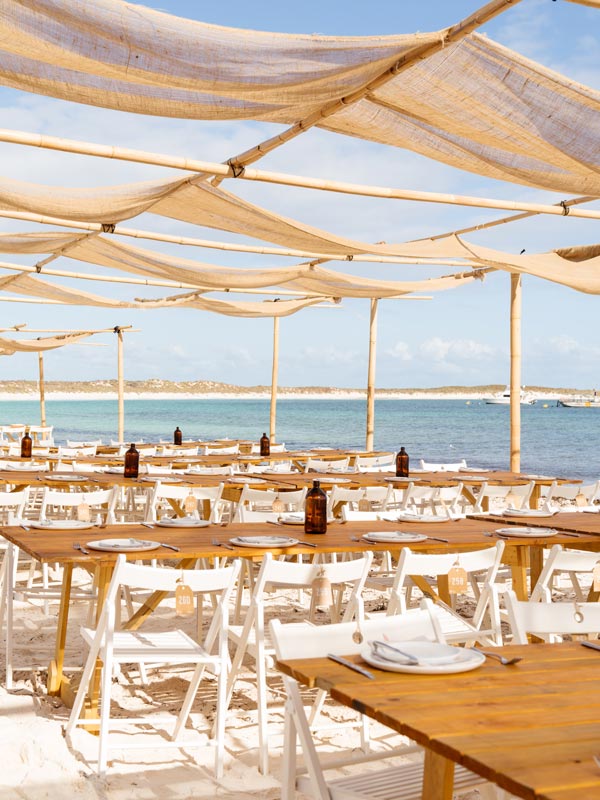
Though now less-populated, fibro fishing huts and finger-like jetties remain on several of the isles, visited by day flights, eco cruises and the annual Shore Leave Festival, which holds a seafood-centric long table lunch there each April.
Need tips, more detail or itinerary ideas tailored to you? Ask AT.
AI Prompt
4. The Murray River comes to light
Travelling with: Emily Murphy
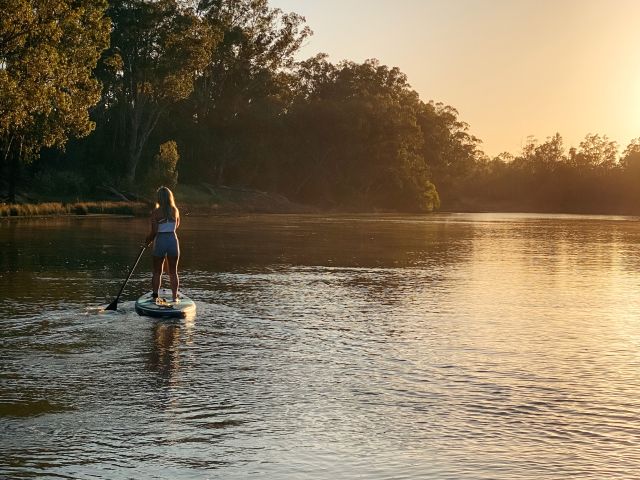
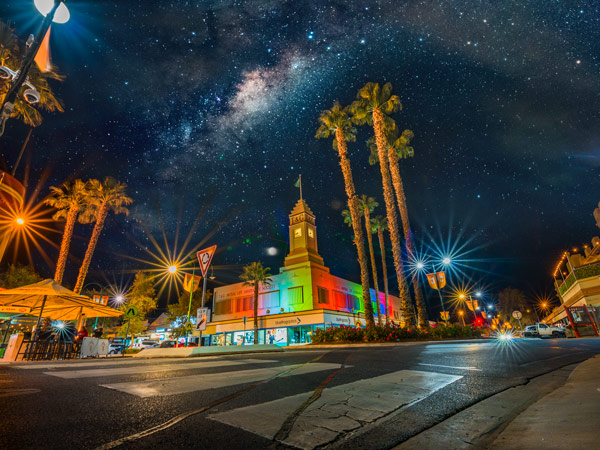
The Mildura–Wentworth region will soon hit the spotlight as renowned artist Bruce Munro, of Field of Light Uluru acclaim, develops Light/State, two incredible outdoor light installations across the NSW–Victoria border.
On either side of the Murray River, the Trail of Light and Fibre Optic Symphonic Orchestra installations will connect the communities and inspire visitors to reflect and engage with the stories, culture, history, landscape and individuality of this thriving border region from summer 2023.
If Munro’s previous art successes are anything to go by, Light/State is about to put this region firmly on the map.
5. Walk on Darkinjung Country
Travelling with: Megan Arkinstall
The Central Coast of NSW has, in recent years, cemented its status as a rich, multifaceted destination for languid escapes.
It’s where beachside days can culminate in evenings dining on an artfully plated degustation or sipping molecular cocktails in a hip bolthole. Add to that a strong sustainable ethos in this officially labelled ECO Destination and you’ve got yourself a feel-good stay in more ways than one. Visitors who scratch beneath the surface will be surprised to discover the Central Coast/Darkinjung Country has one of the highest densities of culturally significant sites in Australia.
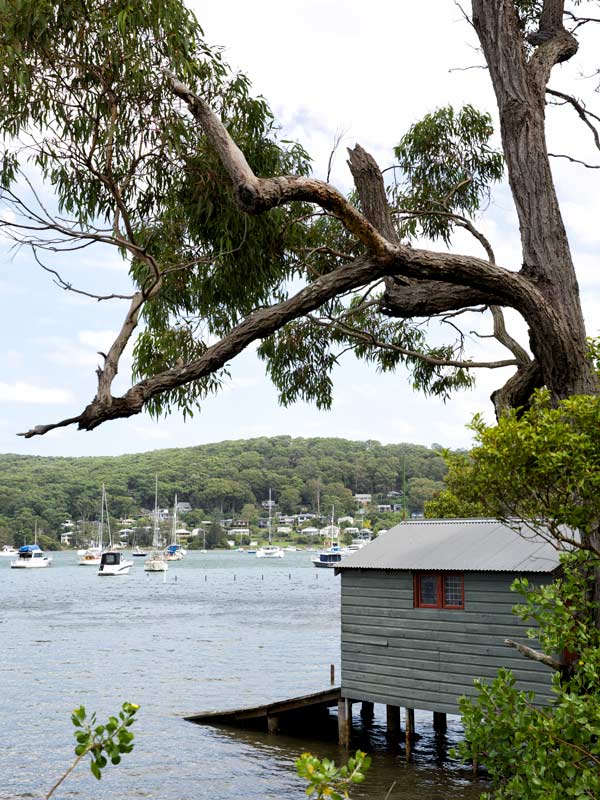
In fact, there are almost 3000 registered sites dotted across the region – stretching from the Hawkesbury River to Lake Macquarie, and from the Pacific Ocean to the Watagan Mountains. Witness 1000-year-old rock art sites in Bulgandry Art Site Aboriginal Place that tell the Creation Dreaming story of Baiyami; discover middens along the shoreline of placid Pearl Beach; or visit a sacred cultural site and ancient camping ground, only accessible with Darkinjung Cultural Tours.
Girra Girra is another Aboriginal-owned operator who can lead you in the footsteps of the Central Coast’s First Nations people, guiding visitors to staggering cultural sites and offering an unforgettable camp-out option for groups. The experience includes a smoking ceremony, traditional ochre body painting, and dancing and storytelling under a blanket of stars.
Meanwhile, Firescreek Botanical Winery, a small regenerative organic vineyard in the leafy suburb of Holgate, has a host of curated experiences including Aboriginal Storytelling and Wine Tasting. Led by a local Aboriginal Elder and a Firescreek winemaker, guests listen to Indigenous stories and learn about native bush foods while lingering over some of the unique botanical-infused wines made on site.
6. Evolution in an ancient landscape
Travelling with: Imogen Eveson
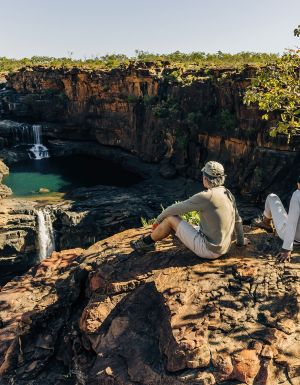
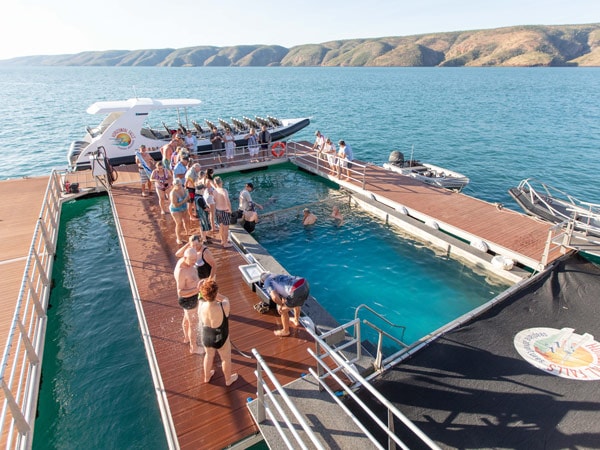
The Kimberley is a timeless destination, its ancient red rocks impervious to passing trends, but a suite of new developments is putting the vast WA region on the top of the agenda. Horizontal Falls Seaplane Adventures has launched a new luxury overnight experience aboard its boutique houseboat Jetwave Pearl for an immersive 24-hour tour of this natural phenomenon.
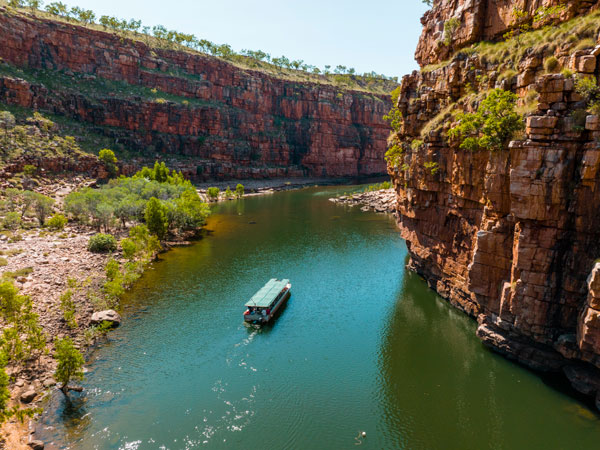
Over east, a new hotel, The Cambridge, is polishing up the accommodation offering in Kununurra, and an Indigenous Land Use Agreement struck between Wilinggin Aboriginal Corporation and the West Australian government will see the famous Kimberley tourism precinct at El Questro returned to Traditional Owners. With tourism continuing under a 99-year lease with G’day Group, it’s a watershed moment for the region.
7. A giant discovery in Peel
Travelling with: Fleur Bainger
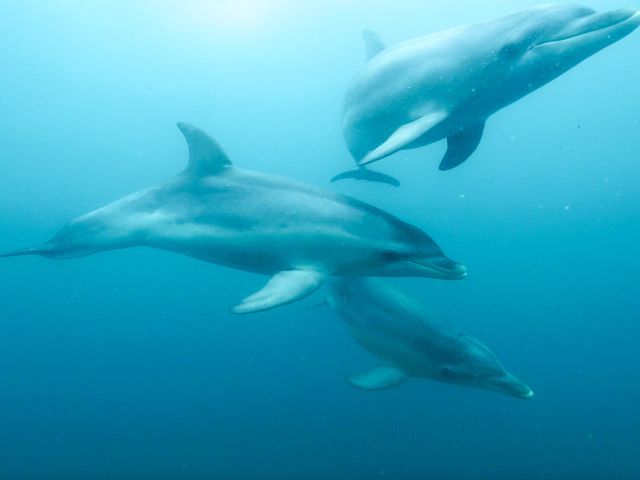
For years, if someone suggested a trip to Mandurah I’d look at them as though they’d just invited me to eat at McDonalds. The coastal city, one hour’s drive straight down the freeway from Perth, has a reputation for manmade canals, dolphins and retirees, and not even one of those things was enough to stir my enthusiasm. But lately, much to my surprise, it – and the surrounding Peel region – has emerged into somewhere I’d willingly spend time.
My turning point came in the form of curiously lifelike wooden creatures, their huge forms crafted into existence by international recycle artist, Thomas Dambo. The Giants, as they’re known, are fashioned from upcycled beer pallets, salvaged timber furniture and scavenged twigs and branches; each one takes at least 750 hours to make.
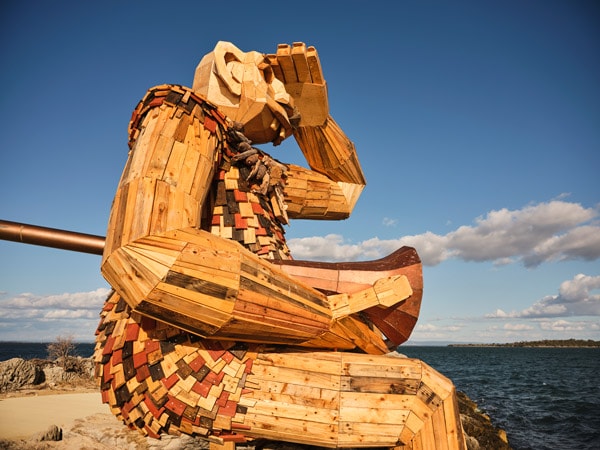
The free-to-view outdoor exhibition opened in November 2022, marking the first time Dambo has extended his global trail to Australia. A handful of them have been placed in the crackling bush, Ramsar-listed wetlands and waterside parks of Mandurah, or Mandjoogoordap, acting as an invitation to explore rarely visited nature spaces, while learning the stories of the region’s Bindjareb people.
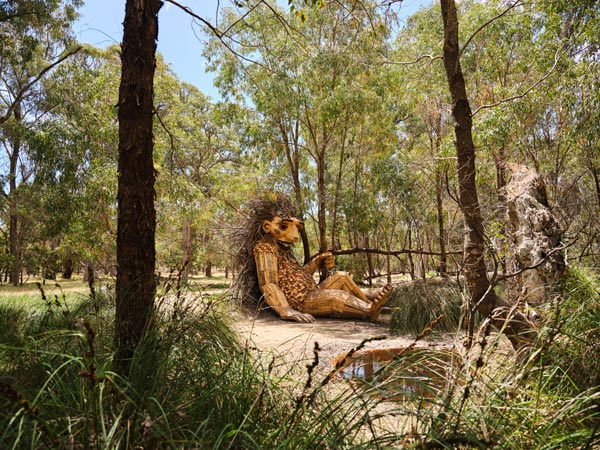
Finding them is like a game of hide and seek, with clues collected on the journey: each giant wears an amulet with a symbol that forms a code. When cracked, it reveals the whereabouts of a secret giant (and no, I’m not spilling it). Fittingly, the giants will remain until they degrade back into nature.
The artist’s intention is that giant hunters connect with the environment with every footstep and hopefully, leave with a new passion for the preservation of undervalued things: nature, ‘waste’, imagination, and our own backyards. For me – already an avid recycler – it created a wonder that I’d never thought possible around Mandurah.
After the thrill of discovering one giant on a hilltop overlooking a ream of white sand and highlighter blue ocean (I pin-drop Halls Head for a return visit), climbing over another with a BFG-style dream trumpet (near the fantastic Boundary Island Brewery), and being surprised by one concealed by a five-metre-tall, uprooted tuart tree (in a park I didn’t know existed), I find more things to value. As I leave Mandurah, I consider myself humbly re-educated.
Weekly travel news, experiences
insider tips, offers, and more.
8. Gippsland: an outdoor region for all seasons
Travelling with: Megan Arkinstall
Victoria’s immense Gippsland region encompasses a multiplicity of natural landscapes stretching from Melbourne’s eastern outskirts to the NSW border. You’ll find squeaky-clean beaches, windswept dunes and lichen-covered boulders in the region’s southernmost reaches at Wilsons Promontory – also farm-gate and winegrowing country.
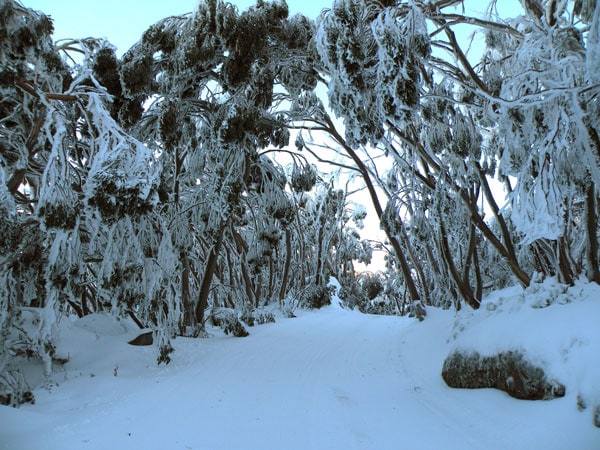
East Gippsland, a region in the process of ECO Destination certification, is flush with rugged panoramas of gorges, rivers and waterfalls. You can double up on adventure at Mt Baw Baw: a mountain biking mecca in the warm months and a ski resort when it’s blanketed white. Or take a slower pace in geothermal waters at the newly opened Metung Hot Springs overlooking Gippsland Lakes, a network of sparkling waterways.
9. Townsville reinvented
Travelling with: Kassia Byrnes
Nowhere in Australia in the last few years has been updating and revamping itself with as much style as Townsville North Queensland. From being a gateway to the Great Barrier Reef, to the blossoming food scene to luxury stays – this city has lots to offer.
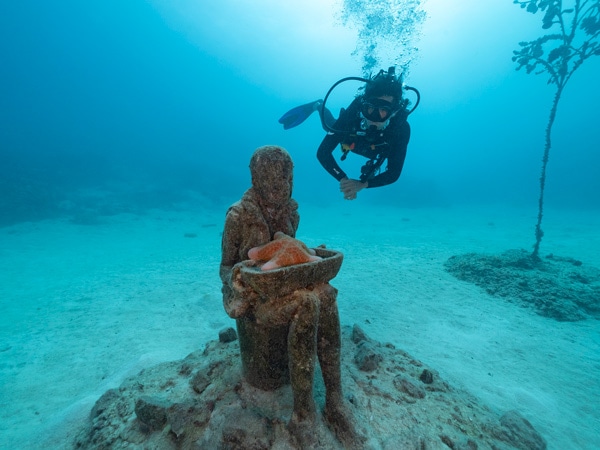
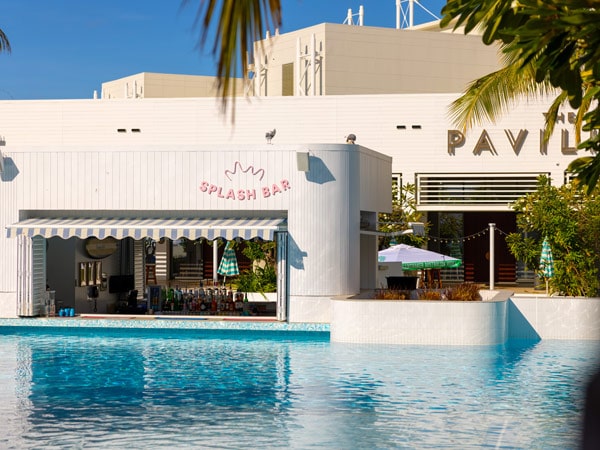
Snorkel through the Museum of Underwater Art, experience fine-dining precinct The Ville or keep it casual with plenty of incredible cafes and food trucks, such as Wagtails. Visitors are also spoilt for accommodation choice, with Orpheus Island Lodge offering a more under-the-radar GBR stay and Pelorus Private Island joining its ranks before the end of the year, alongside Ardo, a new $88 million luxury hotel in town.
10. Food, wine and adventure in Northern Tassie
Travelling with: Elizabeth Whitehead
With Hobart now firmly on the map as one of Australia’s premier cultural destinations, it’s all eyes north for what’s next in the southernmost state.
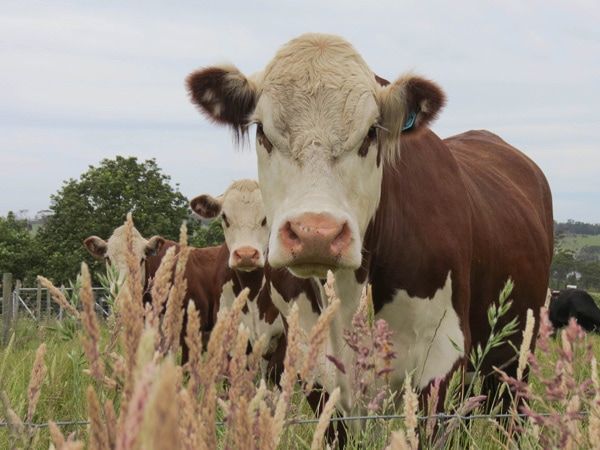
Launceston is an unsung foodie paradise – named a UNESCO City of Gastronomy in 2021 thanks to a slew of culinary talents that pull together bounty from the region in hatted establishments such as Stillwater Restaurant and Geronimo Aperitivo Bar.
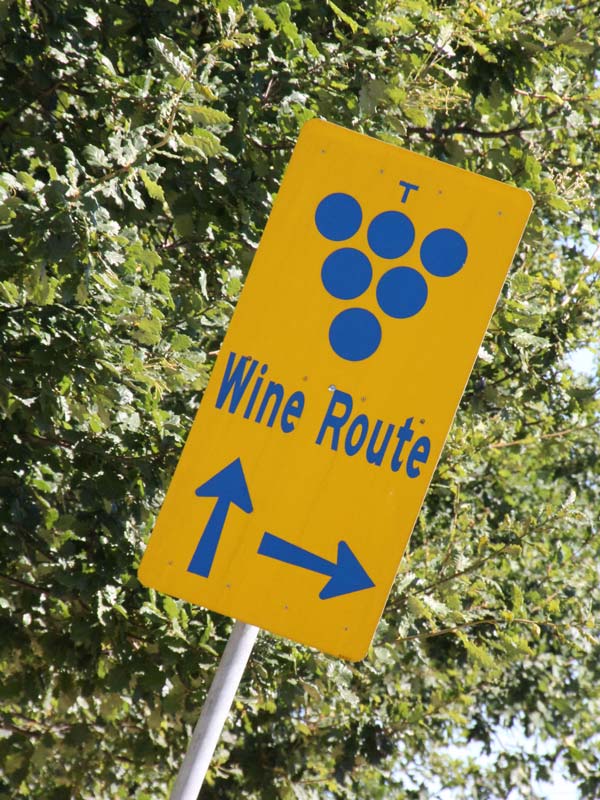
And the Tamar Valley, on either side of kanamaluka/River Tamar, is also making a name for itself for its fruity pinot noirs, buttery chardonnays and other cool-climate varietals. But cellar-door hopping isn’t the only way to get around – hit the bike trails near historic George Town; following the success of Blue Derby, it’s slated to become another major mountain biking destination after the opening of a trail network in Tippogoree Hills Conservation Area last year.
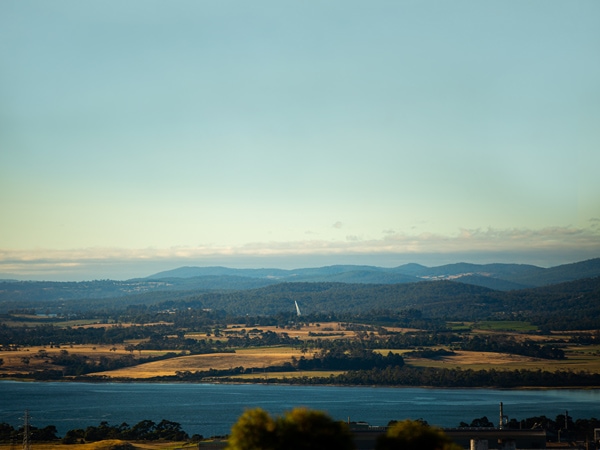
Keep reading our 100 Emerging Destinations and Experiences series for more.
Want to see more stories from Australian Traveller in your Google search results?
- Click here to set Australian Traveller as a preferred source.
- Tick the box next to "Australian Traveller". That's it.

Editor
View profile and articles