Tasmania and Victoria have confirmed they will help alleviate financial pressure amid increasing fuel prices.
As demand for fuel increases, more of us than ever are looking for alternative, more affordable ways to get around. Public transport patronage has increased, but only two Australian state governments are offering locals financial relief amid soaring petrol prices: Victoria and Tasmania.
The Victorian and Tasmanian governments are encouraging people to switch from driving to public transport by fully subsidising fares. The Tasmanian government announced it would make public transport across buses and ferries free (Metro, Redline, and Tassielink services) from Monday 30 March until 1 July, with the ABC reporting a 20 per cent increase in the use of public transport in the past week.
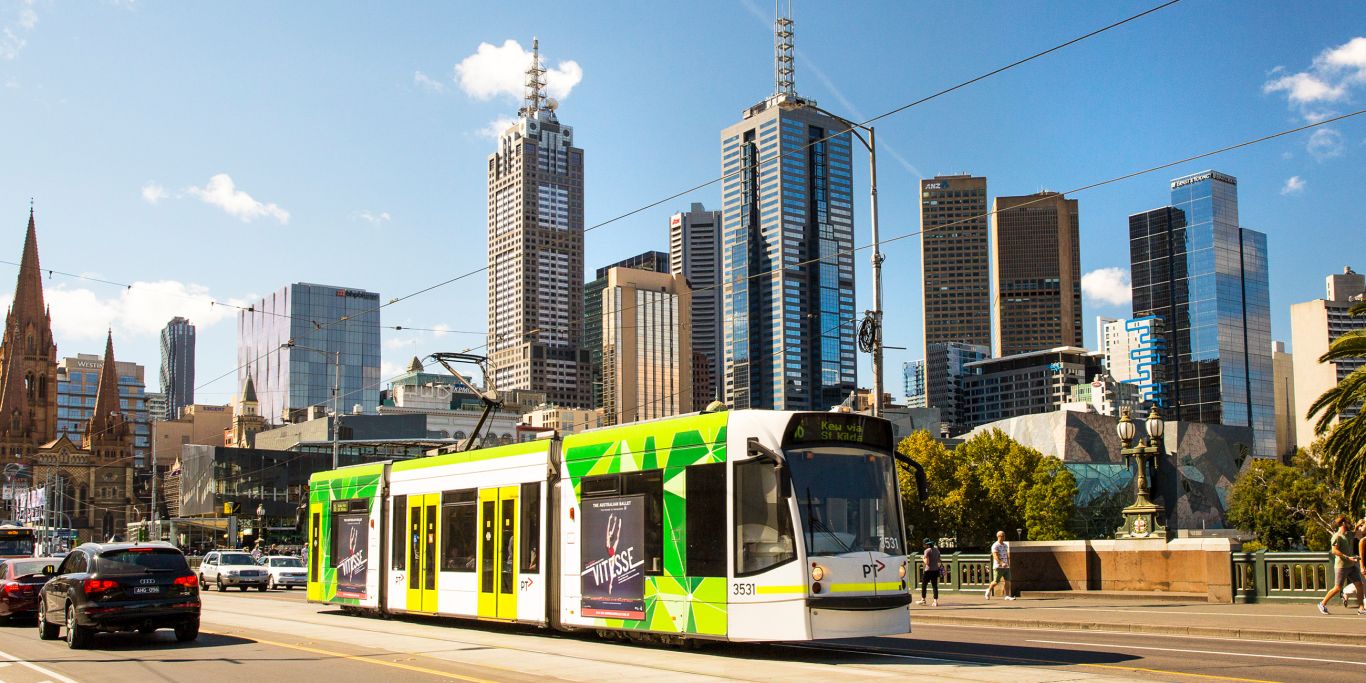
In Victoria, Melbourne trains, trams and buses, and regional trains, coaches and buses (including intertown and regional town bus services) will be free from Tuesday 31 March to Thursday 30 April, costing an estimated $71 million in foregone fares. Airport buses, ferries and privately run services will not be subsidised.
What about the other states and territories?
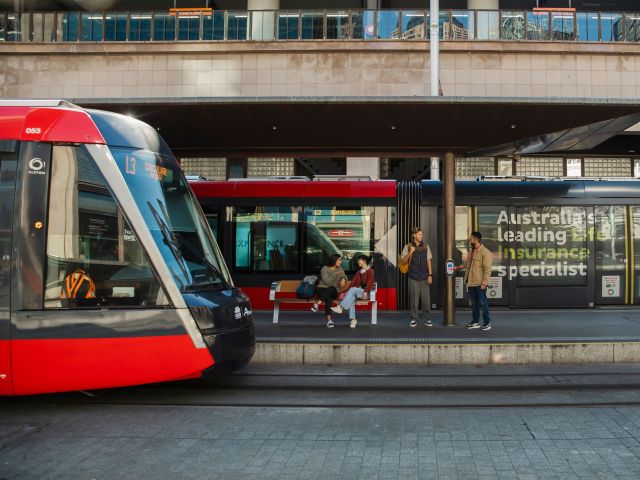
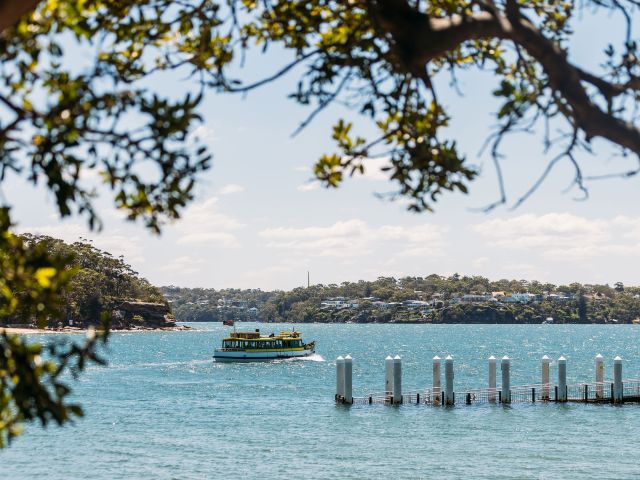
NSW will not subsidise public transport fees. (Credit: Destination NSW)
Despite the cost of Ethanol 94/Unleaded 91 (E10-U91) reaching a record 235.9–277.9 cents per litre, the Minns government has ruled out free public transport for Sydneysiders. The spikes in fuel prices have prompted more commuters to switch to public transport.
Queensland will not be offering free public transport; however, it does currently offer some of the world’s lowest public transport fares with its flat 50-cent fare. Public transport fares in Canberra increased by 2.75 per cent in January 2026, with no confirmation of fares being subsidised in the near future due to rising petrol prices. Western Australia and South Australia will also not be offering free public transport statewide. The Northern Territory has offered free bus services across the Greater Darwin Region and Alice Springs since 1 July 2024.
Want to see more stories from Australian Traveller in your Google search results?
Tick the box next to "Australian Traveller". That's it.
Rachael Thompson is a freelance travel journalist. With a background in design and travel media, Rachael is dedicated to curating content that is as much informational as it is beautiful. She began her career at Belle magazine, before taking up editorial roles at Homes to Love, Bed Threads and Australian Traveller/International Traveller. When she's not writing, editing or optimising content, Rachael enjoys exploring the city's newest restaurants, bars and hotels. Next on her Aussie travel wish list is Lord Howe Island.
Bate Bay’s sweep of beaches has been crowned Australia’s best for 2026, placing Sutherland Shire in the spotlight as a top coastal destination just south of Sydney’s CBD.
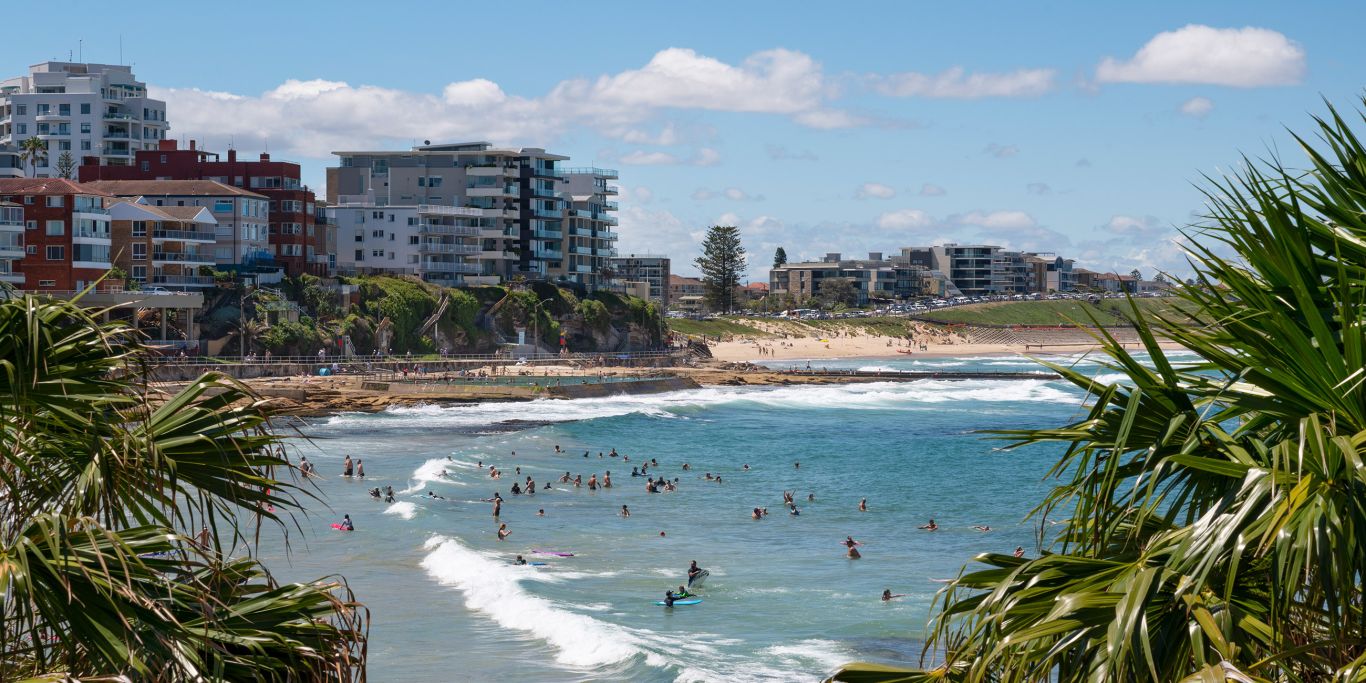
The beaches fringing Bate Bay – Cronulla, North Cronulla, Wanda, Elouera and Greenhills – have topped Tourism Australia’s 2026 list of best Australian beaches (as curated by Beach Ambassador Brad Farmer). For locals, it’s less revelation, more recognition.
The mood shifts from the moment you step off the T4 train service from Central to Cronulla and catch a glimpse of the ocean. At dawn, the Esplanade is already buzzing with regulars, and by mid-morning, parents have staked out a toasty spot on Cronulla Beach where excited toddlers clamber over rocks, and the Jellybean swim squad at Oak Park have donned their bright pink caps while singing Oh, What a Beautiful Mornin’.
By the afternoon, towels are being collected from across the sand as visitors wander back to Cronulla in loose formation.
Dive into the world’s best beaches.
That’s the thing about Bate Bay beaches. This isn’t a story about a single beach. This long, uninterrupted sweep of sand and sea, where you can walk for kilometres without breaking stride, is not just enjoyed over summer; it’s a year-round destination. Here, Cronulla’s buzz gives way to Wanda’s wild edges, before stretching out to the quieter reaches of Greenhills.
But while Bate Bay’s beaches may have taken top honours in the 2026 Best Australian Beaches list, they’re only part of the drawcard. Sutherland Shire stacks up as a full-spectrum coastal escape, where good food, national park adventures and on-the-water experiences sit within easy reach of the shoreline. Whether you’re planning a long weekend or stretching out a stay, here’s how to make the most of Cronulla beyond the sand, sea and surf.
Beyond the beaches
Dining
Enjoy a sundowner by the sea at Pippis Cronulla.
The Sutherland Shire dining scene delivers from early morning to late at night with a mix of vibrant cafes, bars and pubs. Start your day at Grind Espresso, where the coffee comes strong and fast. From there, drift towards HAM for pastries, best eaten buttery warm.
By midday, locals linger across sun-lit tables. Loaf and Next Door appeal to the surfers who come in for snacks after chasing waves. Blackwood’s Pantry and The Press are also popular for breakfast and lunch, while Pilgrim’s continues to hold a special place in the hearts of vegans.
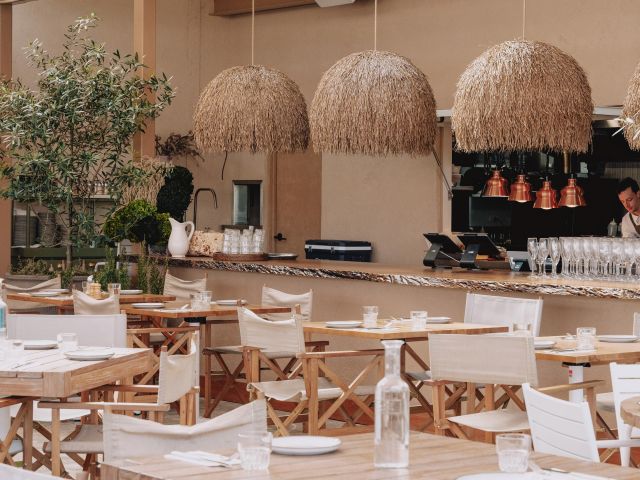
Newer arrivals signal where Cronulla is heading: Homer Rogue Taverna is being hailed as one of the best restaurants in Cronulla, with the confidence that comes from understanding what locals want. Ask a local to reveal their favourite restaurant for a special occasion, and it’ll likely be Pino’s Vino e Cucina al Mare, Yalla Sawa or Alphabet Street. Summer Salt, Sealevel, Benny’s, Bobbys and Pippis are a few of the best waterfront restaurants in the Shire.
A short ferry ride from Cronulla, Bundeena offers a counterpoint to Cronulla’s mighty surf beaches. If Cronulla is the Shire’s social heart, Bundeena – or Bundenesia, as it’s affectionately known – is the place to go to exhale and unwind.
Hop on the ferry from Cronulla, and within 30 minutes, you’ll be inhaling the eucalyptus-scented air. Check the creative pulse of the local community by timing your visit with the Bundeena Maianbar Art Trail on the first Sunday of every month.
One of the best things to do in Bundeena is paddle into Cabbage Tree Basin with Bundeena Kayaks. Follow the five-kilometre Jibbon Beach Loop Track that leads past quiet coves to ancient Indigenous rock art, or simply find a stretch of pearl-white sand to relax on.
Pristine walking trails
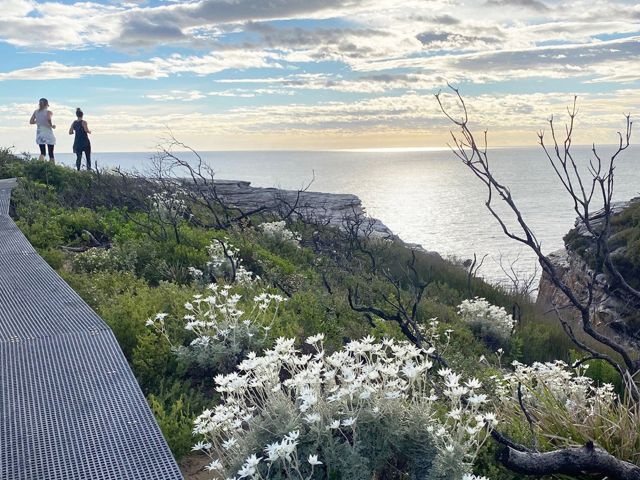
Cool off with a coastal stroll.
Beyond the coastline, Sutherland Shire offers myriad ways to shift gears. Royal National Park – the oldest national park in Australia – sits just minutes from the surf. Clifftop walks trace the edge of the continent, the rugged bushland is threaded with creeks and hidden waterfalls, and a network of tracks rewards those willing to go a little further.
Take the Coast Track, where the land drops cleanly into the ocean over sheer cliffs that have been stacked together like giant Jenga. Or veer inland, where pockets of forest cool the air and filter the light. It’s a reminder of how close nature sits to the bustle of suburbs in the Sutherland Shire.
Enjoy whale watching
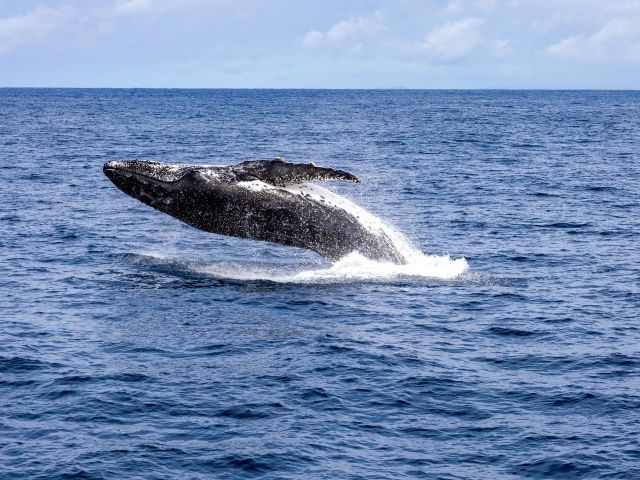
Spot whales from May to October. (Credit: The Edit Suite)
Twist your binoculars until the ocean is in focus, stretched like a creased blue sheet all around.Come May, the East Coast becomes the humpback highway. Thousands of whales migrate along this stretch of coastline each year, their movements tracked by keen eyes from vantage points like the Cape Solander platform in Kamay Botany Bay National Park, one of the best places for whale watching in Australia. There’s something quietly thrilling about seeing that first telltale spout or the arc of a breaching body against the vastness of the sea. From June to October, whale-watching cruises depart from Cronulla, offering a closer look at the migration.
Awards come and go. But places like Cronulla endure because they belong as much to the visitors as they do the early-morning swimmers, walkers and surfers.