Look up for the last (and best) meteor shower of the year.
There’s something magical about meteor showers, a sky of shooting stars twinkling across the sky. It seems a fitting way to end 2025, so luckily, Australia will be treated to one last show: The Geminid meteor shower.
What is the Geminid meteor shower?
The Geminds meteor shower hike is the ultimate nighttime event. (Image: Getty Images / Craig Taylor)
Several night sky organisations rank the Geminids at the top of their lists, like the International Meteor Organization, which calls the meteor shower the “best and most reliable of the major annual showers presently observable". The shower originates from the asteroid 3200 Phaethon, which NASA has stated orbits the Earth in approximately 1.4 years.
Not only is it one of the brightest celestial displays, but the Geminid meteor shower is occasionally the colour of fireworks: yellow, green, blue and red. This is thanks to the various metallic elements in the debris from the asteroid – think sodium, magnesium and calcium. These elements burn in different colours as they vaporise in Earth’s atmosphere.
When to watch
The shower can flash yellow, blue, red and green. (Image: Getty/ bjdlzx)
While the shower has already started, and will continue until 24 December, its peak performance is coming up. The predicted peak (aka when the meteors will be shining brightest in the night sky) is between 14-15 December.
This is thanks to a waning crescent moon that won’t interfere with a dark sky backdrop for the Geminids to put on their show.
Where to watch
Thredo’s summer hike series takes in the best of the night skies – from meteors to super full moons.
As with all night sky events, a clear, dark sky is the dream. According to EarthSky, when the conditions are just right – ie, you’re under a dark sky with no moon – you might catch 120 Geminid meteors per hour. So yes, you probably want to head out of the city, with all its light pollution. In Australia, you’ll also need a clear view of the eastern sky.
A pollution solution? Join Thredbo’s Geminids Meteor Shower Hike. This unique adventure takes hikers on a guided journey to the summit of Mt Kosciuszko, climbing steadily as day turns to night, until stopping to watch the natural light show in astonishing clarity at the peak. The 13-kilometre Grade 3 round-trip is challenging but rewarding.
Rather go it alone? Try designated Dark Sky Parks like Warrumbungle National Park in NSW, or head to as remote a location as you can get to.
Want to see more stories from Australian Traveller in your Google search results?
Tick the box next to "Australian Traveller". That's it.
Kassia Byrnes is the Native Content Editor for Australian Traveller and International Traveller. She's come a long way since writing in her diary about family trips to Grandma's. After graduating a BA of Communication from University of Technology Sydney, she has been writing about her travels (and more) professionally for over 10 years for titles like AWOL, News.com.au, Pedestrian.TV, Body + Soul and Punkee. She's addicted to travel but has a terrible sense of direction, so you can usually find her getting lost somewhere new around the world. Luckily, she loves to explore and have new adventures – whether that’s exploring the backstreets, bungee jumping off a bridge or hiking for days. You can follow her adventures on Instagram @probably_kassia.
Wellness travel is no longer just green juices and massages. Here’s what to look for in a hotel that helps you truly recharge.
Wellness means different things to different people. For some, it’s nourishing the body (and soul) with healthy food. Others find balance in movement, while for many, sleep is the elixir of life.
The right hotel now needs to be more than just a place to drop your bags. It needs to be a destination in itself. A place to calm your nervous system and support your wellness from check-in to check-out.
1. Easy access to good food
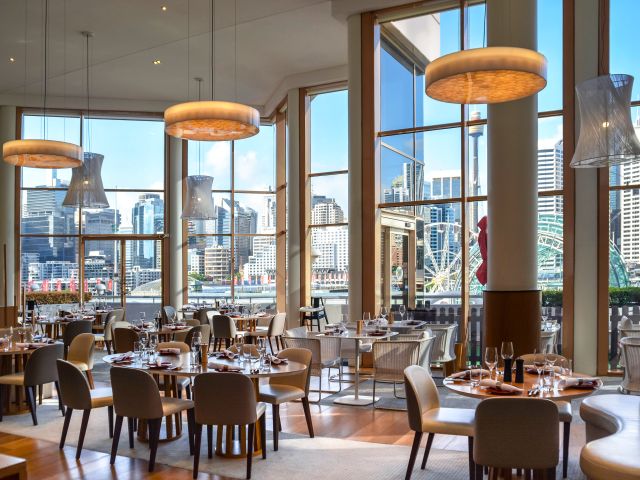
Enjoy waterfront dining at The Ternary.
Rethinking hotel dining, Novotel is focusing on food that supports how people travel. Created in collaboration with chef and recipe creator Alfie Steiner, its new menu offers thoughtfully sourced, plant-forward dishes that balance taste, freshness and nutrition.
Experience seasonal produce among the skyscrapers at The Ternary inside Novotel Sydney Darling Harbour. Overlooking the waterfront, this popular restaurant serves up sustainable ingredients across their grill, Asian and dessert kitchens. Chilled mixed cocktails from the bar can finish the night.
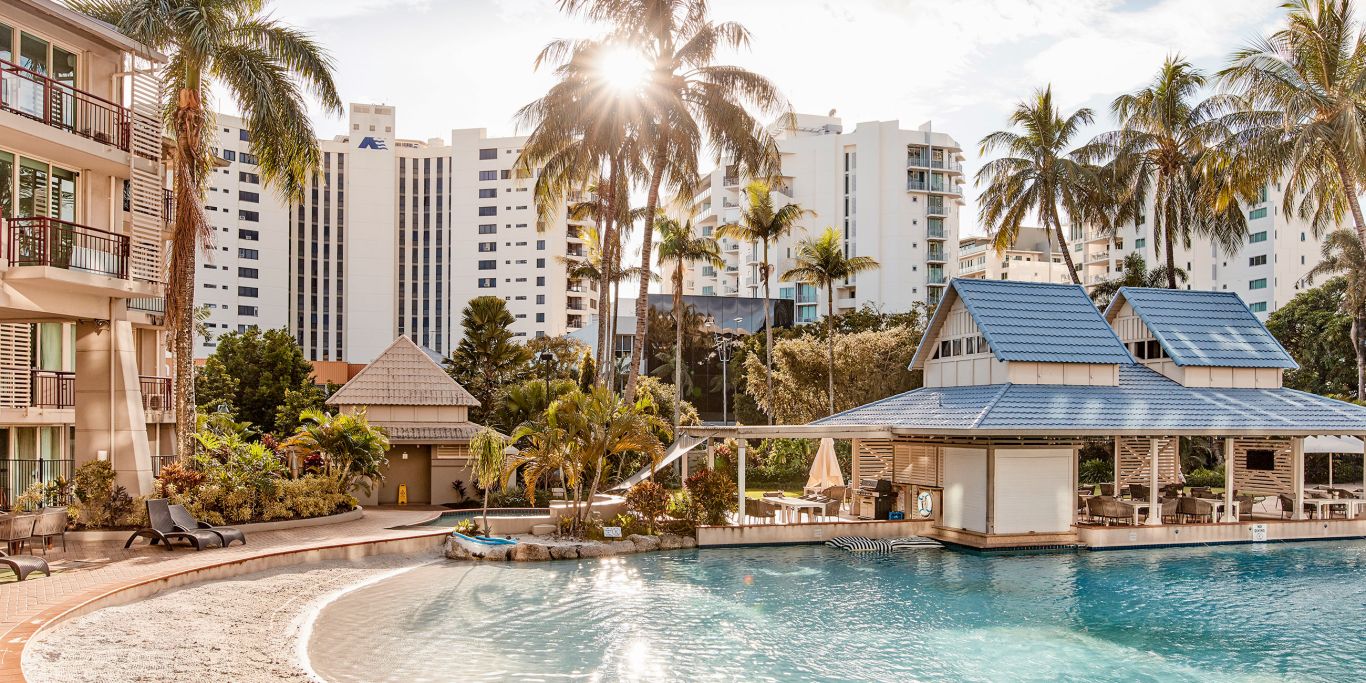
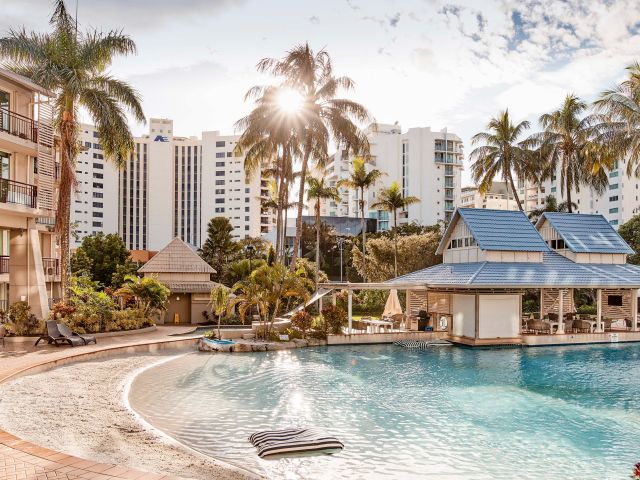
For something more relaxed (and much further north) MOKU Bar & Grill at Novotel Cairns Oasis Resort is set alongside the lagoon-style pool, complete with Cairns’ only swim-up bar. Fresh, tropical flavours complement the warm breeze and lush gardens.
2. Better sleep options
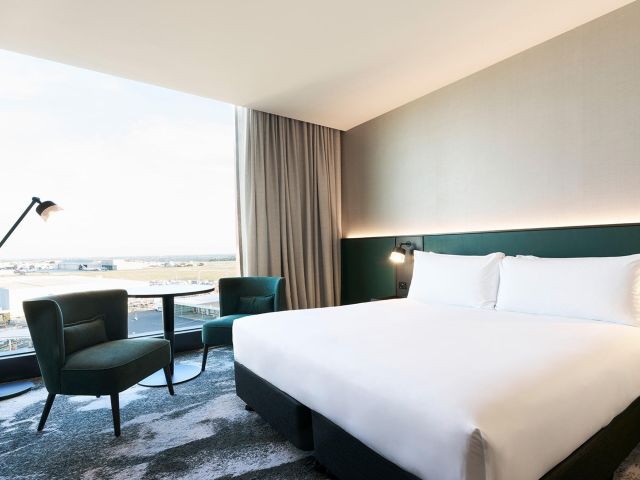
Recharge before your next flight.
There’s nothing quite like the crisp white sheets of a well-made hotel bed. Beyond fresh linen and perfectly made beds, Novotel works with sleep experts, including Australia’s Olivia Arezzolo, to create a better-designed sleep environment for its guests. Things like pillow menus, in-room yoga channels and advice for getting over jet lag make spending a night in selected hotels more of a luxury.
Novotel Melbourne Airport takes it one step further by also offering soundproofed rooms, a 24-hour health club, a heated indoor pool and an infrared sauna. Stopovers, day trips and early mornings come a little easier after a good night’s sleep.
3. More ways to move
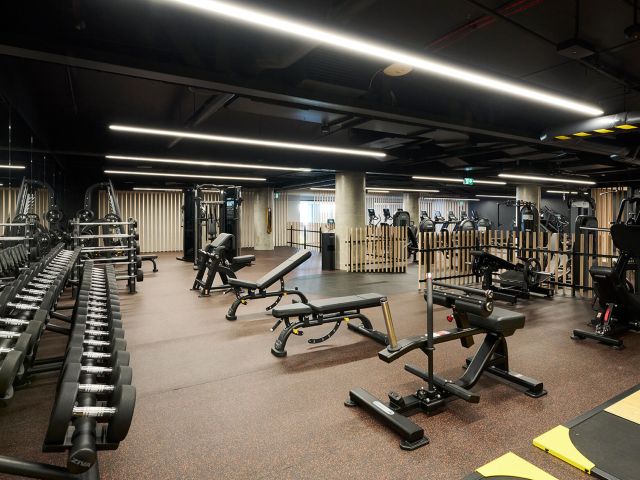
Prioritise wellness while you travel.
Feeling rested makes it easier to move your body, both for relaxation and fitness. Novotel’s spa and fitness centres not only have fully equipped gyms, saunas and steam rooms. But they also offer luxurious spas to massage worries away.
Nowhere is this more useful than the 24/7 gym, sauna and wellness facilities at Higher State Health & Wellness Club, accessible for Novotel Melbourne Airport guests. Need to stretch after a long flight? Try the gym or one of the 25-metre indoor swimming pools. Need to unwind a little? A session in the infrared sauna may help.
4. Building family memories
Make family holidays effortless.
The right hotel can make or break a family holiday, so choosing one that caters to both adults and small humans is key.
With kids’ activities daily, including movie nights and sandcastle-building competitions, Novotel Cairns Oasis Resort always keeps kids in mind. The real sand beach at the end of their large, outdoor pool provides hours of digging and building space for younger kids, while older kids will love the craft and trivia sessions.
For nature-loving families, Novotel Sunshine Coast Resort is set on 36 hectares of natural bushland around a private freshwater lagoon. Kangaroos roam freely, and local birdlife creates a calming soundtrack to your holidays. Kayak on the lagoon, swim in the refurbished pool and spa, or take part in some of the creative kids’ activities. Plus, children aged 15 and under eat breakfast for free when dining with a paying adult.
5. Location is key
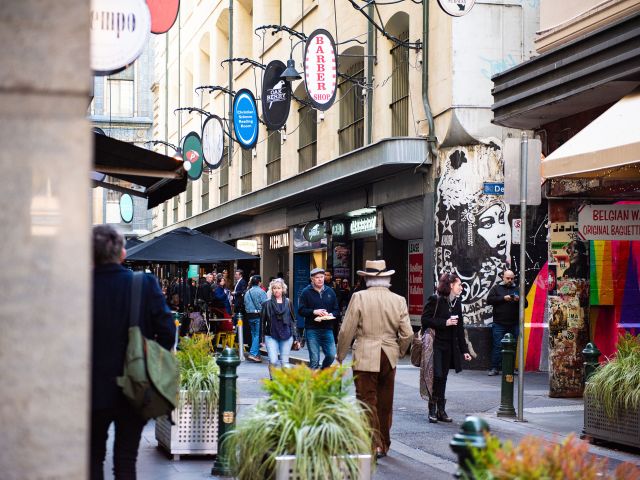
Wander the city’s iconic laneways. (Image: Visit Victoria)
Staying close to where you want to be can reduce stress as well as taxi costs. However, finding a hotel that’s both central and comfortable can be challenging. Novotel has over 600 hotels across more than 65 countries, from major city centres to tourist destinations. In Australia, Novotel has a knack for offering central locations and convenience.
Novotel Perth Murray Street is in the heart of Perth, surrounded by cafes and restaurants and only a short walk from the shops and dining options of Elizabeth Quay. However, the heated rooftop pool and hotel restaurant, Miss Mi Perth, will keep guests busy too.
Novotel Melbourne on Collins couldn’t be closer to the action, with Federation Square, the Melbourne Cricket Ground and the arts centre only minutes away. Window shoppers can browse Bourke Street Mall, Royal Arcade and the historic Block Arcade. Or, grab a coffee in the famous Degraves Street and Centre Place. While venturing out is easy, leaving the heated pool, gym and in-room dining won’t be.
6. Giving back
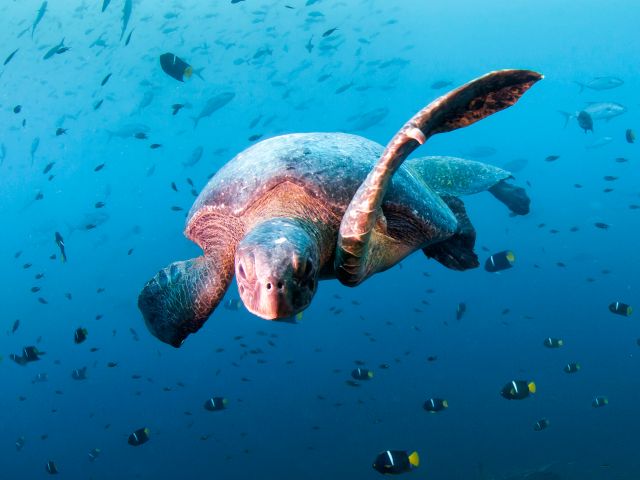
Protect our oceans as you explore.
Holidays tend to connect us with beaches, coastlines and waterways, making ocean conservation something travellers can appreciate. Through its partnership with the World Wide Fund for Nature (WWF), Novotel supports conservation projects around the world, such as protecting seagrass meadows in the Mediterranean, tackling discarded fishing nets in the Baltic Sea and whale conservation in Australia.
Novotel has also been championing sustainable seafood across its restaurants and has moved towards a more plant-focused menu. In fact, at least 25 per cent of dishes are now plant-forward. They have been phasing out single-use plastics, reducing water and energy usage and cutting down on food wastage where possible.
Staying at a Novotel is one way to support these global conservation and sustainability efforts. It’s feel-good tourism at its best.