From solar power to beeswax wraps, here’s our ultimate guide to becoming an eco-camper.
1. Solar panels
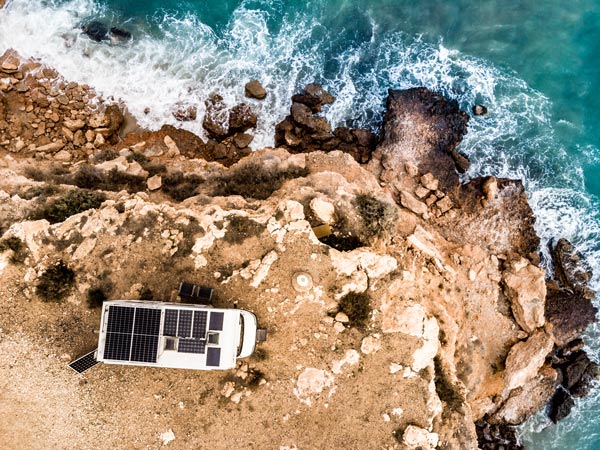
Let’s start with one of the best decisions you could make for a more environmentally-friendly camping experience: solar panels. Whether you’re towing a caravan or driving a van, installing solar panels is a no-brainer. Keep in mind that in case of bad weather you will have to recharge your battery or else contact a tow truck to take you to a place where you can either replace or change your vehicle battery.
Not only do they mean you’re not drawing on a town’s electricity supply, but they’ll give you the freedom to go anywhere. Relying on the sun to power a 12-volt fridge, lights, camera, laptops and your phone means you can camp in remote locations, and that means more money in your pocket for tours and eating out when you return to civilisation. You don’t have to permanently attach solar panels to your vehicle either, with plenty of collapsible set-ups on the market. Folding solar panels and solar blankets are great because they can be moved during the day to capture the best sunlight and then packed away easily at night.
Check out… 4WD SupaCentre and REDARC to familiarise yourself with the options.
2. Mozzie spray
Those nostril-burning mosquito repellents certainly do their job, but one sniff and it’s obvious they’re not doing the environment – or your skin – any good. Thankfully, there are natural alternatives, mostly in the form of creams.
Keep an eye out for the term “DEET-free" and look for child-friendly options. Essential oils such as citronella, tea tree, lemongrass and eucalyptus are said to keep mozzies at bay, so get yourself a designated camping diffuser. If nights are cool, light a campfire as the smoke is also believed to be a deterrent.
Check out… Australian-made Nature’s Botanical or any repellent made from essential oils.

3. DIY washing machine
Forget saving up coins for caravan park laundries, which can be stocked with dated (read: power-zapping) washing machines, and let your caravan or car wash your clothes for you. Yes, you heard right. Buy a tub with a lid from a hardware store, fill it with water and soap, and then stuff it with your red-dirt-stained camp clothes before you head to your next destination.
As the car or caravan moves, the water and clothing will agitate, knocking that dirt out of your favourite sundress. Once you arrive at the next campsite, rinse the clothing under a tap, hang it in the sun to dry and Bob’s your uncle.
Check out… Bunnings Warehouse for a cheap, hardy bucket.
Need tips, more detail or itinerary ideas tailored to you? Ask AT.
AI Prompt
4. Beeswax wraps
Tupperware was so last century and using plastic wrap is a wasteful, bad habit. Stay ahead of the crowds by replacing both products with beeswax wraps. At $30 a pop for a three-pack, they’re expensive but worth the coin.
Not only do they take up less room in your caravan kitchen, but they’re better for the environment and your long-term health. Simply made out of cloth and beeswax, the wraps can be used as a lid for ceramic and glass crockery, and can be wrapped around cheese and cut vegetables to keep them fresh. You’ll find a lot of small businesses producing them, too, so you know your money is going directly into the pocket of the creator.
Check out… @bumblebeewraps on Instagram. The 100 per cent cotton wraps are handmade in the NSW Riverina and the business is part of the #buyfromthebush social media movement supporting communities in drought.

5. Shop local
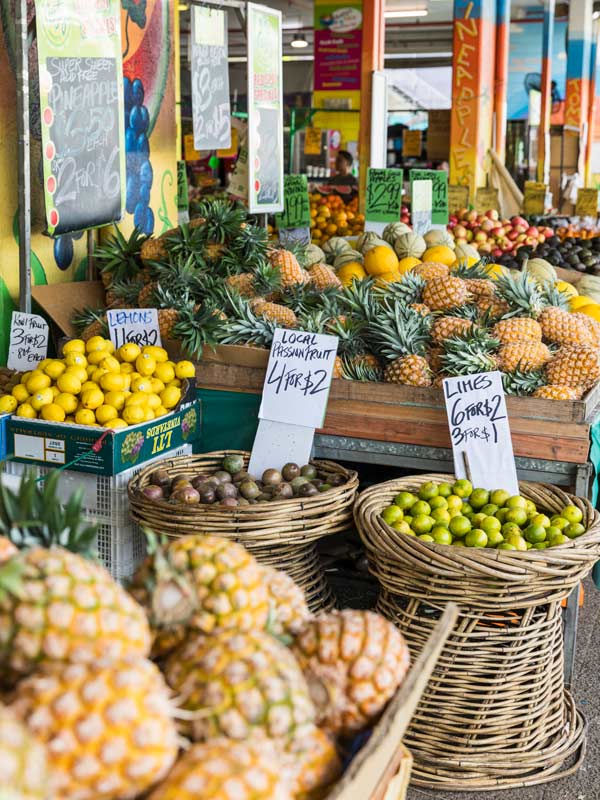
The lure of big supermarkets for both convenience and low prices can be strong when you’re travelling but, wherever possible, you should also head along to produce markets to stock up on your camping food and beverages.
While it might mean you are paying a bit more, this is offset by the fact you will be reducing your food miles, buying in-season fruit and veg, and supporting local farmers, which in turn boosts the economy of the tourist town you’re enjoying so much. If you’re travelling through Queensland, you’ll likely come across a tonne of roadside stalls selling bananas, passionfruit and other delicious produce for reasonable prices. Make sure you pull over and stock up.
Check out… some of our favourite markets, such as Albany Farmers’ Market and Albany Boat Shed Markets in WA; Rusty’s Markets in Queensland; and Mudgee Farmers’ Markets in NSW.
6. Wood fires
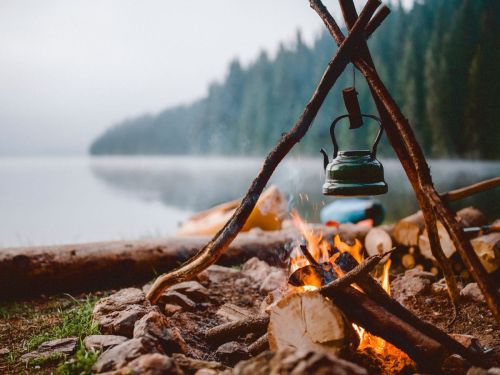
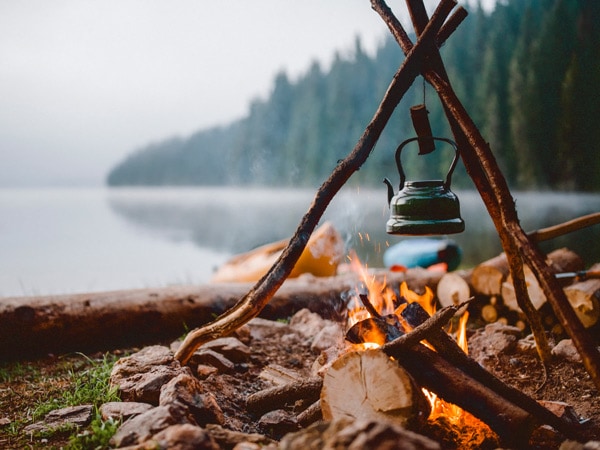
It may be harder, but relying on old-fashioned newspapers and matches to light a campfire is far gentler on the environment than quick-to-ignite fire starters made from kerosene (paraffin). If you’re determined to stick with fire-starters, look for products that are labelled “no kerosene".
Recycle any newspapers and cardboard by using them in the fire, and follow national park rules about only burning fallen branches. Get the kids to collect any sticks around the campsite for kindling (it’ll keep them busy and they’ll love helping).
Weekly travel news, experiences
insider tips, offers, and more.
7. Your location
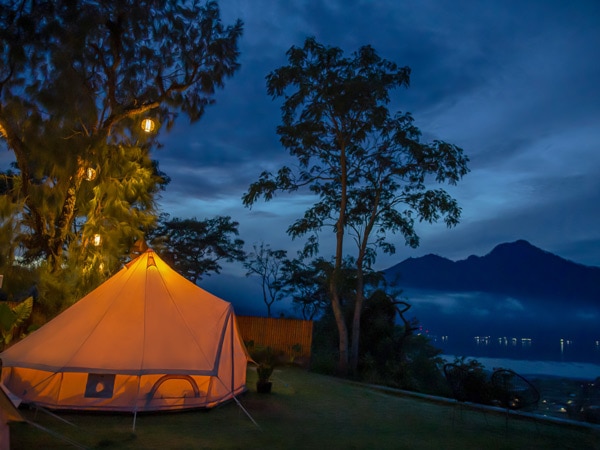
Camping on the beach can be controversial due to fragile dunes and unruly 4WDers who ignore signs about protecting the vegetation. Then there’s the issue of inexperienced campers incorrectly disposing of human waste (carry a shovel, people).
That’s why it’s important to pick an appropriate campsite for your style of travel. If you’re not willing to obey local council rules about where you can pitch a tent or you couldn’t be bothered to take your rubbish home, it’s best you stick to holiday parks. Also, while rinsing off in a free beach shower is fine, it’s not acceptable to use soap in the ocean or fragile river ecosystems.
8. Take 3 for the Sea
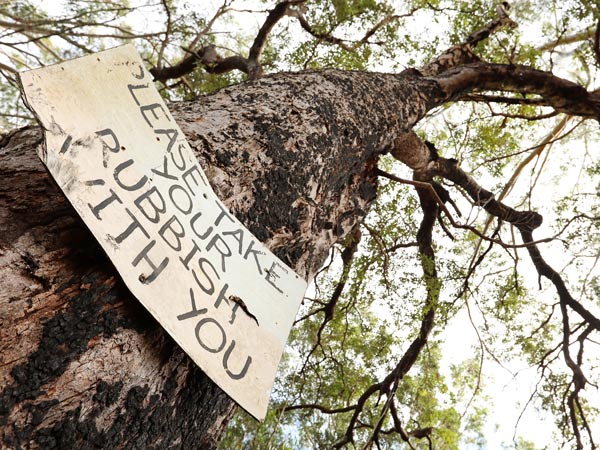
You’d be surprised by how many campers leave their rubbish behind, sometimes unwittingly, after a weekend away with mates. Throwing your beer bottle tops in the campfire doesn’t make them disappear and, if you head to the beach for a morning coffee, carry a reusable mug.
If camping and fishing go hand in hand for you, be sure to bin any cut fishing line and hooks, and avoid casting a line where it’s likely to get snagged on rocks and end up in the ocean.
Check out… Instagram account @take3forthesea for inspiration on doing the right thing.
Want to see more stories from Australian Traveller in your Google search results?
- Click here to set Australian Traveller as a preferred source.
- Tick the box next to "Australian Traveller". That's it.