Guide to choosing the best bag for your next adventure

hero media
When you’re planning an adventure, you need to be prepared. You need to pack the right clothes, ensure your phone and other electronics are taken care of, and include food and drink where necessary.

But before you can do any of that, you need a bag. And let’s be honest, with so many different options on the market, finding the right bag for your adventure can be a little daunting.


Before you start shopping, we recommend you write down details of the adventure you’re planning, the expected weather and if it might impact your journey, and the items you need to carry. This will help you determine the type of bag you’re after.
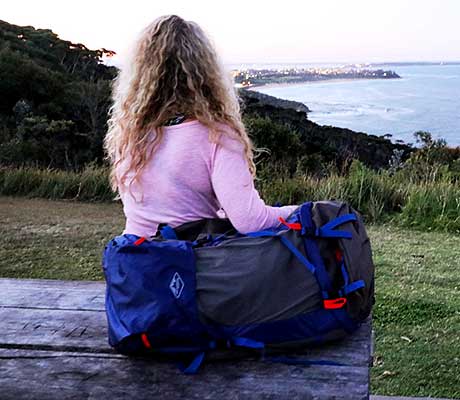
Mountain Design travel pack
Mountain Design travel pack. Image courtesy Mountain Designs

When choosing a bag, there are a few other things you should also consider, starting with the brand.


Choose a good-quality brand with a superior reputation for bag manufacturing.


Mountain Designs has been around since the 1970s and has continually improved on the quality and functionality of its products, including bags.

Now we have the quality sorted, other things to look for include:

  • water resistance – imperative if you’re heading out in the rain or snow;
  • different compartments – the more pockets you have, the easier it will be to store and find everything you need;
  • size – you might only want something as small as 20L for a simple trip, or you could be looking at 120L for longer journeys;
  • padding – if you’re spending a lot of time wearing a backpack, or you’re planning a hike or climb with a bag on your back, you want to make sure it’s comfortable; and
  • durability – depending on the activity, you may need a bag that can withstand any inclement weather and the constant scratching and scraping against nature.

Need tips, more detail or itinerary ideas tailored to you? Ask AT.

AI Prompt

Which bag is best?

There are many bag types available and the bag you choose really depends on why you want it, and what you need to put into it.

Bags for short day trips

If you’re planning short day trips, you might prefer to use a bag that is small and lightweight.
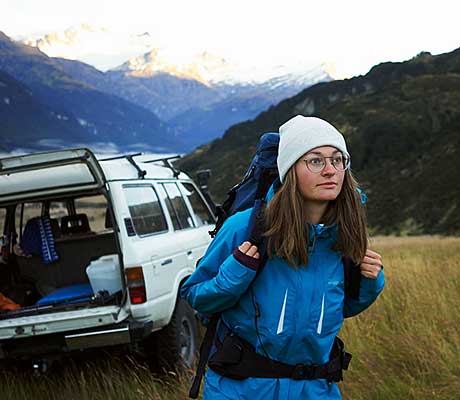
Mountain Design travel pack
Mountain Design travel pack. Image courtesy Mountain Design

Day packs (20L to 40L) and hiking bags (45L to 75L) are ideal for day trips, or if you’re simply heading out on a hike, paddle or bike ride, you might go even smaller with a hydration pack – inclusive of a reservoir.


These are great for catering to your thirst, no matter where you’re headed, and generally also include extra pockets where you can hide your keys and wallet.

Bags for big adventures

Travel packs will protect your gear while also providing you plenty of storage space when you’re off on a big adventure or you need to bulk up your bag with snow gear.
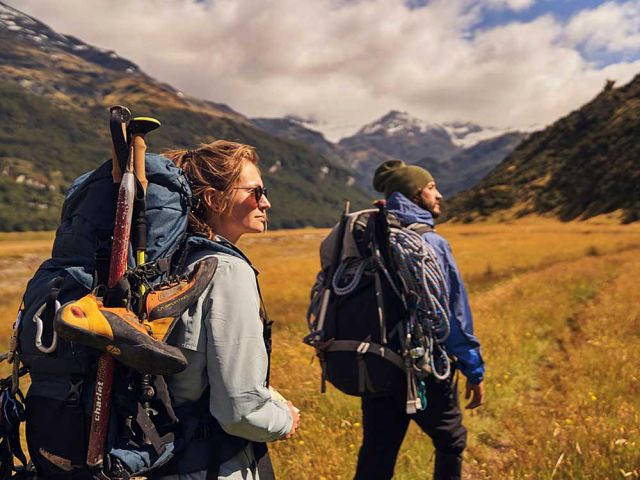
Mountain Design travel pack
The right bag makes travel that much easier and more enjoyable. Image courtesy Mountain Design.

They’re available in a range of sizes, up to 80L, and can come with an added daypack attached for convenience.

Weekly travel news, experiences
insider tips, offers, and more.

Casual bags

Backpacking around the world or hiking the mountains might not be on your to-do list at the moment, but if you’re in need of a casual bag for an overnight hotel stay, or something to fill with your sports gear, duffle bags are a great casual use option.


From a compact 30L, right up to 120L, they’re highly durable and can often even be converted into a backpack.

Storage bags

Whether you’re travelling for a day or a year, if you want to keep your gear safe, storage bags are the way to go.


From packing cells that have dual compartments so you can keep your underwear and socks separate; to toiletry bags and dry bags – storage bags are designed to protect all your important belongings from getting wet.


It doesn’t matter what level of adventure you’re planning, finding the right bag is easy with the right advice. Mountain Designs offers a full range of bags and packs, so you’re sure to find something to suit every occasion.

Quentin Long
Quentin Long is the Co-Founder and Managing Director of Australian Traveller Media. Quentin is a sought-after travel media commentator. He is Australia’s most trusted source for travel news and insights, having held weekly radio segments across the country since 2006, and regularly appearing on Channel 9’s Today and A Current Affair programs from 2010. Don't ask him his favourite travel experience as that's like asking him to choose a favourite child. However he does say that Garma Festival is the one travel experience that changed him the most.
View profile and articles
hero media

Slowing down in Moree: a guide to the Artesian Spa Capital of Australia

(Credit: Destination NSW)

    Kassia Byrnes Kassia Byrnes
    The Artesian Spa Capital of Australia offers the perfect destination to escape the grind and reset.

    The world moves more slowly in Moree, and that’s how it should be. Here, country charm and heritage buildings fill the town’s wide streets. While the surrounding farmland mixes with lush riverways to create a fascinating landscape.

    But the biggest pull? Moree is known as the Artesian Spa Capital of Australia. It’s truly a place to slow down and disconnect, all an easy train ride from Sydney.

    Soak in Moree’s artesian water

    kids at Moree Artesian Aquatic Centre
    Dive in to Moree’s artesian waters.

    Moree is not your typical wellness retreat, replacing pretence with casual and easy. Blessed to be sitting above the Great Artesian Basin, it feeds the town (and surrounding villages) with hot, mineral-rich water. Loaded with minerals like calcium, magnesium, potassium and sulphur, this water is believed to help with skin health, joint function and tissue repair.

    And the town’s crown jewel, Moree Artesian Aquatic Centre, has reopened after extensive upgrades. This state-of-the-art aquatic centre offers accessible facilities with multiple artesian baths of varying temperatures between 38 and 41°C.

    Feel like exploring a little further? About an hour’s drive from Moree, the village of Boomi also offers public access to this same artesian water. Pop into Boomi Artesian Pool to make the most of a 25-metre cold pool, a wading pool and a hot artesian spa pool.

    Just an hour west of Boomi, you’ll also find Mungindi Hot Artesian Pool, another relaxing place to rejuvenate for the afternoon in the mineral-rich water.

    Moree’s best stays

    woman swimming ta Moree Artesian Aquatic Centre
    Stay right by Moree Artesian Aquatic Centre.

    There are several motels within walking distance of the aquatic centre, so you linger longer in its therapeutic waters. A day pass not enough? Really soak in the benefits of Moree at three local stays with their own artesian baths.

    Gwydir Thermal Pools Resort boasts five artesian pools for motel and caravan park guests, ranging in soothing temperatures from 34 to 39 degrees. And that includes a 25-metre lap pool.

    The Phoenix, Artesian Spa Resort & Accommodation features outdoor artesian thermal pools and six indoor artesian spas, all 34 to 42°C, plus regular pools for guests staying in their accommodations.

    While the Artesian Spa Motel matches 46 comfortable budget rooms set across five acres of landscaped grounds, with direct access (for guests) to its own natural artesian hot thermal pool.

    Moree’s location at the crossroads of the Newell and Gwydir Highways makes it the ideal resting place for those road tripping through country NSW. With plenty of accommodation options, including farm stays, quaint bed and breakfasts and affordable motels.

    Delving into nature around Moree

    aerial of moree
    Find plenty of natural beauty in and around Moree. (Credit: Destination NSW)

    Beyond the baths, find calm in Moree’s nature. Soak up the impressive Gwydir River from the peaceful Tareelaroi Weir Recreation Area. Popular with locals, this scenic spot is perfect for fishing, kayaking and picnics. Delve into local history at the Terry Hie Hie Picnic Area – a significant Gamilaroi cultural site. The picnic area is still used today as a ceremonial gathering ground, with educational signage sharing the history of the Gamilaroi People and the mission which used to reside here in the early 20th Century. Follow the Yana-y Warruwi Walking Track to explore the area’s box pine forest.

    Combine nature and culture at the Jellicoe Park Open Spaces Aboriginal Art Trail along the scenic Mehi River Walk. Find artworks from local Indigenous artists across a range of different mediums, like carved logs, engraved and painted sandstone and scar tree paintings.

    A taste of Moree

    meal at Moree Country Club
    Sit down for a tasty meal after a game of golf. (Credit: Destination NSW)

    Taste the best of local cafes as you wander past the Art Deco architecture of Moree’s tree-lined main streets. Join the locals each morning at Brooker Trading Co as they line up for their morning java. Stay for classic breakfast dishes like eggs benedict and Dutch pancakes, or arrive later in the day for a hearty lunch menu. Inside a gorgeous Art Deco building, 61 Balo is another tasty breakfast option, with pet-friendly service. The recently renovated Cafe Omega is another popular stop for fresh, hearty meals – the chicken burger is a particular crowd pleaser – all served with a smile.

    Get inspired as you wander the CBD’s Mural Trail, stopping at some of Moree’s six art galleries along the way. Bank Art Museum is a must-see, housed in the town’s heritage bank building and home to a collection of First Nations art, plus a changing calendar of touring exhibitions.

    Bank Art Museum Moree
    Step inside the gorgeous Bank Art Museum Moree. (Credit: Destination NSW)

    Get active with a round on the beautiful riverside course at Moree Golf Club (and refuel afterwards at the delicious onsite restaurant) or a game of bowls at Moree Services Club’s state-of-the-art facility. Visit on the last weekend of September to join (or watch) Run the Plains, Moree’s annual two-day running festival.

    Known as ‘white gold’ country, Moree is Australia’s most productive agricultural region. Visit from April to September to join a cotton farm tour and get to know one of Moree’s major exports.

    However long you choose to stay, there’s plenty to soak in around Moree.

    Start planning the ultimate escape at visitmoreeplains.com.au.