When it comes to scoring Australia’s sustainable report card, the travel and tourism industry has the opportunity to become a high achiever; let us explain.
Is it any wonder we’re yearning for the pure escapism of travel? The sobering realities of life in 2022 – from catastrophic floods to coral bleaching to the ongoing spectre of COVID-19 – are enough to send even diehard optimists scurrying for their suitcase. But when the act of escaping can also contribute to the very problems causing our hopelessness – particularly when it comes to the health of our planet – future-minded travellers are right to be asking: is travel in Australia sustainable? How does our country measure up?
Australia needs to do more to fight climate change
To be frank, in general, Australia needs to pull up its socks. The country’s embarrassing (lack of) progress on the United Nation’s Sustainable Development Goals saw it ranked dead last in an assessment of 60 countries for its policy response to the climate crisis. (And who can forget the dubious honour of winning the Colossal Fossil Award at COP26 in October 2021?) But when it comes to sustainability in travel specifically, Australia’s report card shows far more promise. In fact, the travel and tourism industry is shaping up as a key driver in the push for change.
As Tourism Australia’s head of sustainability, Penny Rafferty, puts it, the impetus for sustainability is baked right onto the very things the industry is built on. “The reasons people come here are our nature and wildlife. Our aquatic and coastal beauty. Our clean cities, and our incredible food and beverage scene, which is only made possible because we have clean air, water, soil, and vast, relatively unspoilt lands," she explains.
It makes sense. Why be in the game of taking visitors to see the Great Barrier Reef, for example, if you’re not doing everything in your power to protect it?
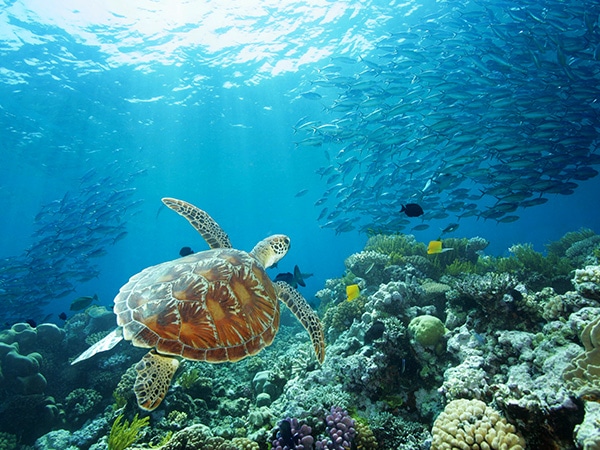
Sustainability a core motivator for tourism operators
For many tourism operators (especially ECO-certified operators), sustainability has been the modus operandi from day one. For the rest of us, it may have taken a pandemic for us to recognise the impact of our jet-setting ways – brought home, no doubt, by images of Venice’s pristine waterways and Barcelona’s surreal crowd-free streets, transformed due to the sudden absence of the tens of thousands of tourists who’d usually flock to these cities on a daily basis. But it’s a positive side effect of COVID-19 we’re glad to be afflicted with, and one backed by data: research commissioned by Booking.com in the midst of the 2021 lockdowns found 61 per cent of travellers credit the pandemic for making them want to travel more sustainably in the future.
Sustainability needs to be about more than just the environment
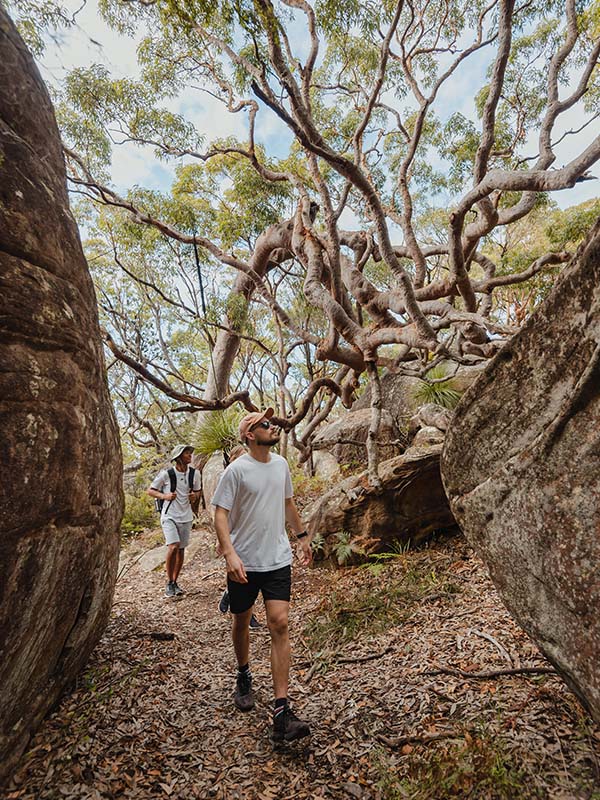
Indeed, the pendulum has now swung so far that sustainable travel is ‘trendy’. Happily, clickbait headlines and earth-toned Instagram accounts are not the extent of the movement. The real changes are happening on the ground, and are being shaped by a fast-growing realisation that a truly sustainable travel industry can’t limit its focus to environmental concerns, but must also consider the sustainability of economies, communities and cultures.

Examples that have earned big ticks on our report card include national parks being handed back to Traditional Owners, destinations receiving eco-certification, and companies heeding the call from their customers and seeking accreditation with organisations like Ecotourism Australia or B Corp. We’ve never had so much awareness and so much choice when it comes to voting with our tourism dollar.
Need tips, more detail or itinerary ideas tailored to you? Ask AT.
AI Prompt
How to make your tourism dollars count
As you’d expect, those very dollars are also key drivers of industry change – attracting sustainable travellers means big bickies. The latest findings from Tourism Australia’s Consumer Demand Project showed sustainability was ‘very’ or ‘extremely’ important to almost 50 per cent of travellers when organising a holiday, and crucially, that travellers continue to seek experiences that are not only good for them, but good for people and places they love.
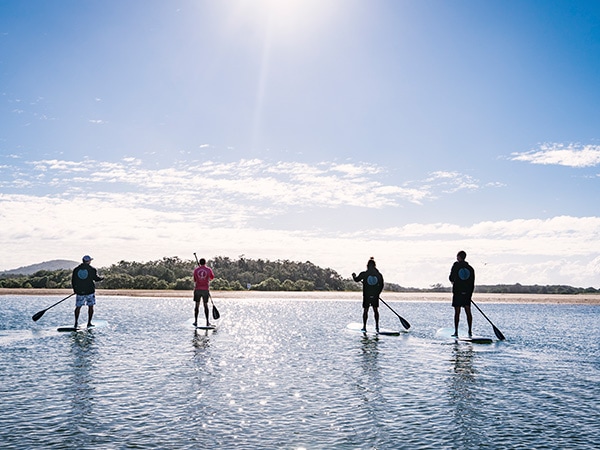
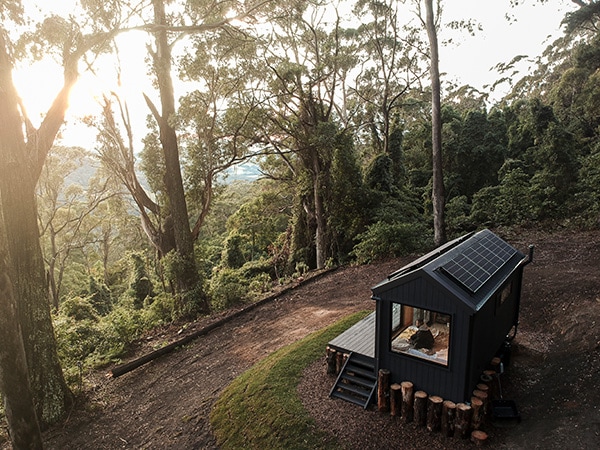
Now that the conversation around sustainability has moved from the ‘Why?’ to the ‘How?’, we’re planning our itineraries accordingly. We’re actively seeking out nature-based getaways and Indigenous led tourism experiences. We’ve realised the appeal of isolated, off-grid cabins and agritourism-style farm stays over cookie-cutter hotels. And we feel empowered to ask questions, and to expect sustainability to be part of any experience we’re considering.
A holistic approach to sustainable travel
For Rafferty, the only (ahem) sustainable approach to sustainability is a holistic one. “What I ask operators… is, ‘How does a product or experience have incremental positive impact on the environment that it operates in, the community that it engages with… and the culture, or cultures in our case, that it represents?’ "
This holistic viewpoint can also serve as a lens to place over all of our travel plans. How do we get there? Where do we stay? What do we do while we’re there? And how can we leave it better than we found it?
If we look at transport as the first step in the process, big providers such as Qantas have clear strategies and, as Rafferty puts it, “The airline has got some pretty audacious goals".
Qantas moves towards net-zero emissions
With a commitment to achieving net-zero emissions by 2050, tackling single-use plastics was first in the firing line. In the past three years, Qantas has cleared more than 80 million single-use plastic items out of operation, but it will take about five more years to phase them out completely. More pressing are the momentous carbon emissions created by flying, especially when aviation is predicted to grow by up to 300 per cent by 2050.
It’s why Qantas has committed $50 million towards the development of Sustainable Fuels (SAF) in Australia, setting a target of 10 per cent SAF in fuel uptake by 2030, and about 60 per cent by 2050. Its flights from London have been using a blend of sustainable fuel since the start of the year but, domestically, Australians need to look at options beyond flying, where possible, or at least ensure we fly direct and offset, which could include taking advantage of reward programs such as Qantas’s Green Tier.
Weekly travel news, experiences
insider tips, offers, and more.
Getting around sustainably on the ground
On the ground, Australia’s long-distance rail options score a C minus at best, which means road trips have remained an attractive option when it comes to domestic travel. But drivers are starting to think about sustainability – astronomical petrol prices fuelling the conversation – with electric vehicle sales tripling in Australia in 2021.
It’s still in its infancy, but Gold Coast start-up Outbound is putting the focus on ‘shared mobility’, placing electric vehicles and e-bikes into hotels, which can be hired through its app. Its first Tesla is now available for guests at Mantra at Sharks in Southport to book for $30 an hour and co-founder and CEO Luke Rust says they plan to be in 10 more hotels by the end of the year.
This hourly hire concept has been embraced by both hotels and consumers. “People are realising… they need to use a car while they’re visiting somewhere rather than renting a car for two weeks and using it three times," Rust says.
“There is this incredible collaboration between businesses and individuals who are driving sustainability in a very positive way," Rafferty reflects. “There’s an understanding that we either all win or we all lose basically. And so collaboration is an absolute hallmark of travel as a force for good."
Sustainable accommodation options
In Australia, it’s our younger generations leading the charge when it comes to sleeping sustainably, with research by IHG Hotels finding the average young Aussie adult would be prepared to pay up to 34 per cent more for green accommodation. Catering to demand, its newest hotel brand, voco, is introducing a fleet of handcrafted bamboo bicycles for guests to use free of charge across five Australian and New Zealand locations.

Other hotel groups – large and small – are making similar moves to sex up sustainability efforts. After trialling the concept for a year, Ovolo converted all of the restaurants in its hotels across Australia to plant-based menus in February. The Ovolo team has even created a white paper to help out other companies looking to move to a vegetarian-led philosophy in the hope it will encourage more industry collaboration.
For Rafferty, what makes considered initiatives like these score an A plus is they don’t just make for better sustainability outcomes and a better future, but also for better travel. “Knowing that you are enjoying it, but your kids and grandkids are going to enjoy it too… isn’t that a richer experience?"
For more tips and advice visit our guilt-free guide to sustainable travel.
Want to see more stories from Australian Traveller in your Google search results?
- Click here to set Australian Traveller as a preferred source.
- Tick the box next to "Australian Traveller". That's it.