How to be a better campfire cook

hero media
Seasoned camp cook Rachel Bartholomeusz shares her tips on making light work of good meals in the great outdoors.

I have never understood why camping is synonymous with bad food.Growing up, my favourite meal was the one my family always ate on the first night of our annual camping trip. A few days before we set off, Mum would prepare the smore.


Not s’more, the North American marshmallow dessert, but the Sri Lankan slow-cooked beef variety, which is equally at home around a campfire. A local take on the European beef pot roast, this pickled and curried hunk of meat is perfect for taking on long trips. The marinade acts as a preservative, and the dish improves with a few days’ rest.


After setting up our tent we would warm the smore, the smell of spices wafting over the other campers. The ubiquitous campground kids on BMX bikes would turn up their noses at its pungency while our mouths watered in anticipation of the fall-apart meat, of mopping up that gravy with fresh bread bought from a small town bakery. Needless to say, no one eats trail mix for dinner on my watch.


Holidays usually revolve around eating good food, and camping doesn’t have to be an exception. I like to approach a camping meal like a MasterChef mystery box challenge, but instead of a ticking clock and George Calombaris breathing down your neck, there’s a quickly setting sun.


Necessity forces creativity; new flavours come together simply because they’re swimming in the bottom of your esky. And the break from a kitchen full of gadgets is a reminder of just how little you need to cook a great dinner. Here are my tips for being a better camp cook.

Need tips, more detail or itinerary ideas tailored to you? Ask AT.

AI Prompt

Bring the basics

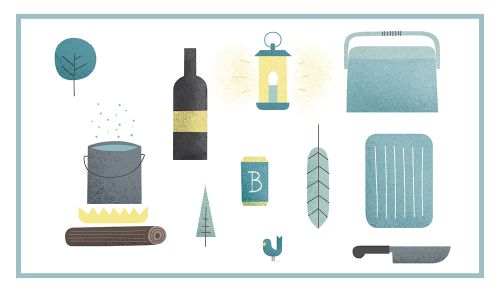
You don’t need a whole lot of equipment, but if you’re camping with a car then an esky, a portable gas cooker, a saucepan, a frying pan, a sharp knife, a wooden spoon, a chopping board and a can opener are a good place to start. A steamer basket that doubles as a strainer is really useful, and a stovetop coffee pot is a wonderful luxury. Ziplock bags are also incredibly handy for bringing small amounts of ingredients, and storing leftovers.

The pantry

Olive oil, salt and pepper, fresh garlic and ginger, dried chilli flakes, soy sauce, balsamic vinegar and a small selection of dried spices are my essentials. Beyond that, consider what you like to cook and pack ingredients that can be used in multiple ways, across cuisines, and are hardy – carrots, for instance. Space is usually at a premium, so think smart – buy a fresh chilli, rather than carrying a bottle of chilli sauce. Wraps can be eaten for lunch, used as tortillas, to substitute naan and mop up curry sauce, or used as pita for Middle Eastern and Mediterranean dishes.

Look to other cultures

Every culture has its own camping foods, so if you’re stuck for inspiration, look beyond your own backyard. Korean campers take over public barbecues to grill meats they then dip in sauces and wrap in lettuce leaves with kimchi. Middle Eastern families will often arrive with a container filled with marinated meat to cook over coals and eat with salad and flatbreads. Taiwanese friends take sticky rice parcels wrapped in lotus leaves on hikes, and we have Americans to thank for ‘cooler corn’ – cobs of corn cooked in an esky by pouring boiling water over the top, and closing the lid for half an hour.

Plan ahead (if you can be bothered)

Sauces, stews or curries made ahead of time and frozen in ziplock bags can double as ice bricks, and make excellent reheats. If that all sounds too ‘soccer mum’ for your liking, a simple curry paste or a pesto, a spice mix or a pickle made at home can have multiple uses and will make light work of impressive camping meals.

Pack a salami

A salami and a large wedge of hard cheese such as parmesan are indispensable. Both keep well, and can be eaten as a snack, sliced on sandwiches, or added to pastas, sauces or any dish that needs a savoury boost. The salami can also be fried and rendered for its fat.

Weekly travel news, experiences
insider tips, offers, and more.

Keep it simple

With limited burners at your disposal, one-pot dishes will often form the bulk of your camping repertoire – a pot of spicy mussels, for instance, is no harder to make indoors or out. Pasta is another camping classic, but getting it al dente can be hard on a camping stove. Opt for short pastas such as penne that are easier to cook in a smaller saucepan of water.

Get inspired by local produce

The secret to good, simple food, whether camping or otherwise, is to use good produce. Find the regional speciality, and eat it. If you’re driving through a wine region, you’re obliged to drink good wine from a tin mug and eat cheese for dinner. Buy roadside fruit for breakfast, or learn how to shuck fresh oysters.

A tinnie a day

Cooking with a drink in hand is a crucial element of camping, and a tinnie will prove your best friend: add a splash of beer whenever you’d normally use wine in a dish, such as deglazing a pan for a stir-fry, or in a pasta sauce. And there’s no reason you should feel limited to a tinnie: bring the makings of a negroni cocktail or a bottle of whisky if you really want to up the ante.


Love camping with the family? Check out Top 6 ‘camping with children’ commandments

Want to see more stories from Australian Traveller in your Google search results?

  1. Click here to set Australian Traveller as a preferred source.
  2. Tick the box next to "Australian Traveller". That's it.
Rachel Bartholomeusz

Rachel Bartholomeusz

View profile and articles

hero media

Wine, dine and vintage gems: 8 things you didn’t know about Toowoomba

    Kassia Byrnes Kassia Byrnes
    There’s more to Australia’s Garden City than meets the eye.

    With Victorian-era and traditional Queenslander buildings, an abundance of manicured gardens and the famous Carnival of Flowers painting the streets in vibrant colours each spring, Toowoomba is one of the most charming regional cities in Queensland Country.

    While its beauty alone is reason enough to visit, there are lesser-known sides to Toowoomba that locals love most, from its burgeoning culinary scene to its artistic flair. Located just a 90-minute drive from Brisbane (or a direct flight from Sydney), it’s all too easy to discover on a long weekend away.

    1. There’s an awesome local arts scene

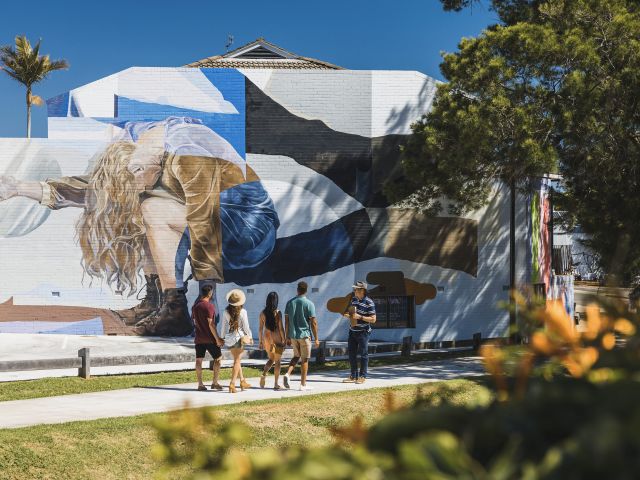
    tour group walking in front of toowoomba street art
    Find incredible works of art around Toowoomba’s streets. (Credit: Nathan McNeil)

    Australia’s second largest inland city is a flourishing arts and culture hub waiting to be discovered. Over 100 vibrant street art murals and graffiti works decorate the city, and they’re best viewed along Bank Lane and Searles Walk.

    Regional Queensland’s oldest public art gallery can also be found in Toowoomba – it’s home to 20th-century Australian works created by Queensland artists and those connected to the Toowoomba region.

    2. It has world-class farm-to-table dining

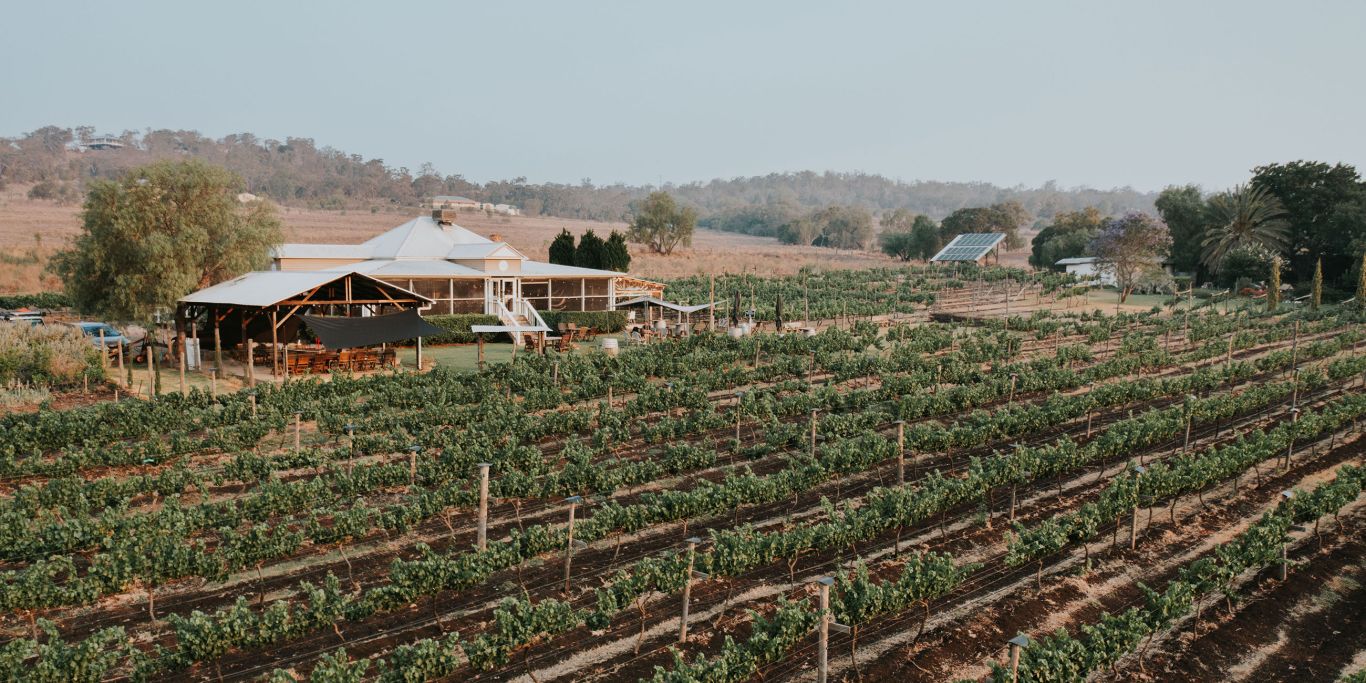
    rosalie house aerial toowoomba secrets
    Stop into Rosalie House to wine and dine.

    As a regional city, Toowoomba has direct access to incredibly fresh produce that’s shaping its culinary scene. At sunset, head to the verandah at Rosalie House Cellar Door Restaurant for a grazing-style dining experience and to discover Queensland’s underrated wine scene. Indulge in dishes such as Warilba lamb rump and roasted pumpkin with ginger-roasted potatoes and lime yoghurt, paired with their delicious cool-climate wines.

    For a more relaxed affair, sweet tooths should make a beeline for award-winning The Baker’s Duck. Be sure to try their cult favourite strawberry cheesecake danish; you’ll learn why 35,000 of these treats are sold annually.

    3. Small bars are doing big work

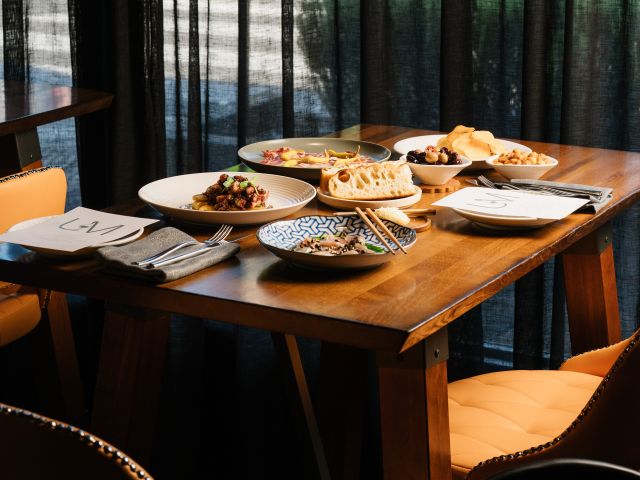
    table spread at Uno Más small bar in toowoomba secrets
    Pop into small bars like Uno Más.

    Toowoomba doesn’t disappoint with fantastic pubs, but discerning drinkers can take happy hour to the next level at one of the city’s impressive small bars. Savour Spanish-style bites paired with a thoughtful line-up of wines at the newly opened Uno Más Tapas & Wine Bar. On Thursdays, head to Cork & Lever to tap your feet to live music over creative cocktails made with their all-Australian gin collection. And enjoy elevated toasties and premium drops at the cosy Press’d Coffee & Wine. Or try newly opened The Book Pour.

    4. There’s no shortage of fabulous stays

    Bunnyconnellen
    Chill out in beautiful surrounds at Bunnyconnellen. (Credit: Salt Media)

    Whether you prefer the buzz of the city centre or retreating to the hinterland, there are stylish stays aplenty to settle into in this idyllic corner of the world. Apartment-style living can be found at Quest Toowoomba; partly housed in a heritage church building in the city, it’s a comfortable and convenient base. And at The Arbour Boutique Apartments, spacious rooms are injected with old-world charm.

    In the hinterland, enjoy bucolic bliss at the boutique Bunnyconnellen, where an 1880s farmhouse and self-contained cottage are backdropped by rolling hills. And at the secluded Ravensbourne Escape, one-bedroom studios, two-bedroom chalets and three-bedroom holiday homes overlook Ravensbourne National Park and the Brisbane and Lockyer Valleys.

    5. It’s a nature-lovers paradise

    extinct volcanic peak Table Top Mountain
    Tackle Table Top Mountain. (Credit: Ariana Potamianakis)

    Toowoomba is hugged by national parks, making it a haven for nature lovers. On its doorstep you’ll find the extinct volcanic peak Table Top Mountain, where keen hikers can tackle the challenging two-kilometre return trail which rewards them with 360° views of the Lockyer Valley and surrounds.

    For a more gentle experience, Ravensbourne National Park offers peaceful walking trails within lush rainforest. It’s a top spot for bird watching as there are over 110 bird species that call the area home, including the paradise riflebird. Crows Nest National Park is home to platypus and koalas, and its refreshing natural swimming spots, like Kauyoo Pool, are a great place to beat the heat.

    6. Wellness enthusiasts are well looked after

    Toowoomba’s cool and calm energy lends itself to a wellness-focused getaway. Slated to open in August 2026, soak in the serenity at Vikasati Toowoomba, a bathhouse oasis with outdoor hot and cold magnesium pools, ice baths and Finnish saunas. Rest and recharge at City Cave Toowoomba, which offers float therapy, infrared sauna and massage services, or visit Kalm Springs for LED therapy, cryotherapy and float therapy.

    7. It’s preserved its 19th-century charm

    inside Queensland Museum Cobb + Co
    Learn all about the history of Cobb+Co.

    History buffs can step back in time at Toowoomba’s fascinating cultural and historical museums.

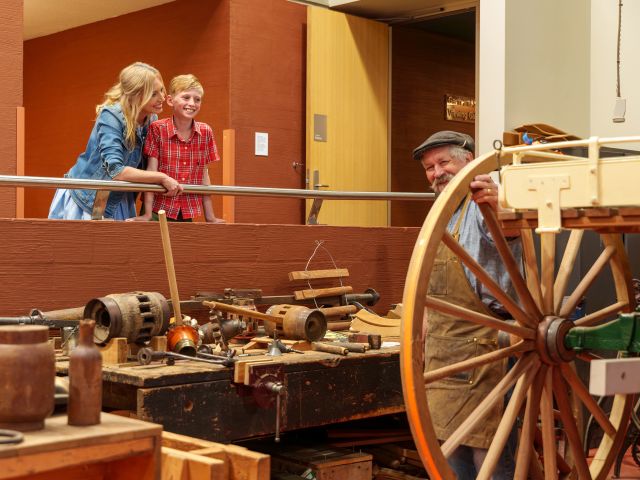
    Explore 50,000 years of Darling Downs and Toowoomba history at the Queensland Museum Cobb+Co; it’s known for its impressive National Carriage Collection of 47 restored horse-drawn vehicles, which were put to use for Queensland’s urban expansion. Visitors can also try their hand at blacksmithing or leadlighting in heritage workshops, refuelling with traditional scones at the onsite cafe.

    Train enthusiasts can celebrate the golden era of rail travel on a heritage steam locomotive thanks to the volunteer-driven, community-led organisation DownsSteam Toowoomba. Vintage train rides range from a two-hour journey between Toowoomba Station and DownsSteam Railway Museum to an overnight adventure from Toowoomba to the Southern Downs and Granite Belt

    8. There are vintage gems waiting to be found

    Whether it’s to pick up a unique piece for your home or a one-of-a-kind accessory for a loved one, you’re guaranteed to find something special in one of Toowoomba’s antique and vintage stores. Range Antiques sells everything from furniture, rugs and lamps to fine porcelain, jewellery and art, while Toowoomba Antiques & Collectables is a treasure trove of Art Deco, farmhouse, retro and mid-century modern pieces.

    Start planning your weekender of a lifetime in Queensland Country region at queenslandcountrytourism.com.au.

    How to prepare campfire cuisine | Australian Traveller