Australians are placed to just catch this rare celestial event.
The blood moon, or total lunar eclipse, has captivated humans for millennia. The ancient Mesopotamians believed it meant demons were attacking the moon. The Chinese understood it to be a dragon biting it. Even today, new-age astrologers have their own myriad interpretations surrounding eclipses (a great love about to enter your life? An unexpected revelation?).
The Blood Moon is a rare celestial event that occurs roughly every 1.5 years, but its timing varies. For instance, there hasn’t been a total blood moon since late 2022. But the stars have aligned (so to speak), and we are in for a celestial treat in 2025 with not just one, but two blood moons set to occur. And the first took place on Friday, 14 March. Here’s what to know.
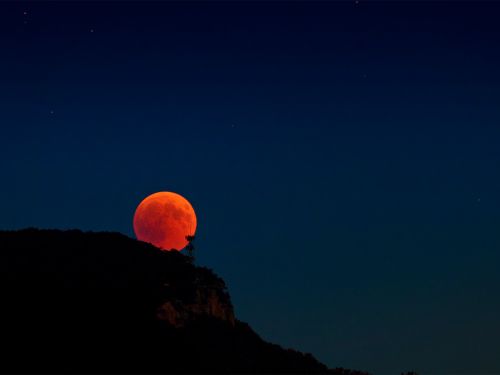
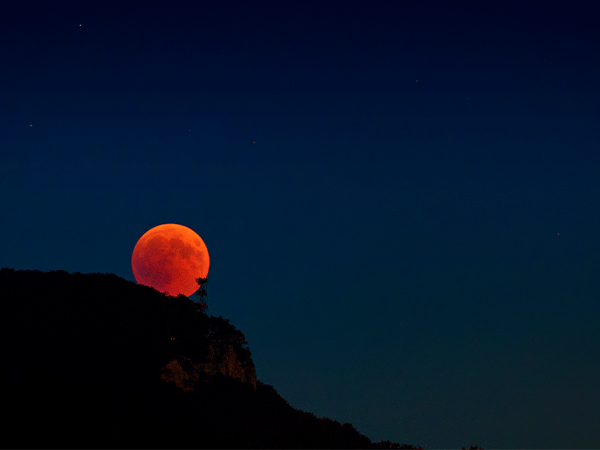
The blood moon is a rare celestial event that happens on average once every 18 months. (Image: Flickr/PiConsti)
What is a ‘blood moon’?
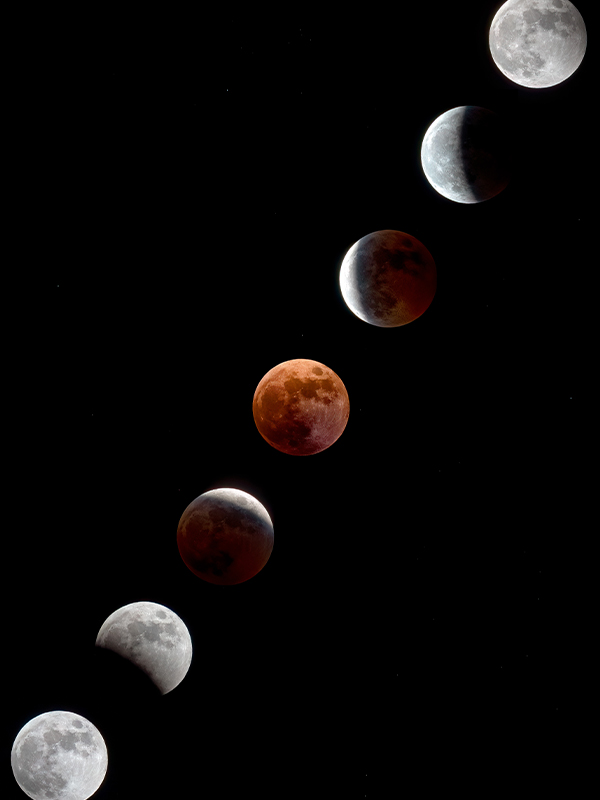
A lunar eclipse occurs under very specific conditions, when the Sun, Earth and Moon are in close alignment and when the Moon is in full phase. This happens, on average, about three times per year. But a blood moon is a special kind of lunar eclipse that happens when the alignment on the Sun, Moon and Earth is exact, occurring on average every 1.5 years.
A blood moon happens under special conditions, when the Earth, Sun and Moon are perfectly aligned. (Image: Getty/PhilVisualHK)
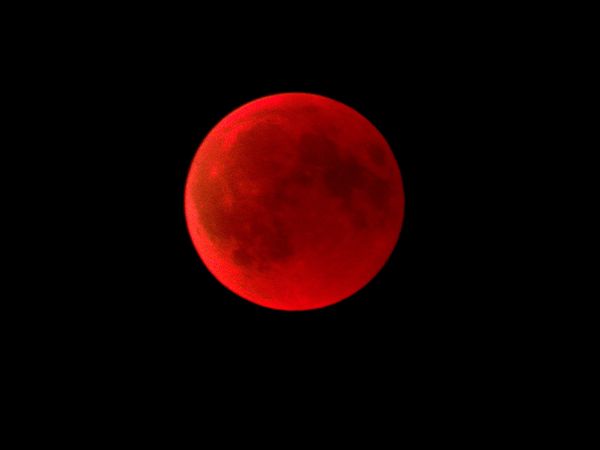
The Earth blocks the sun, meaning that the light can only pass through the Earth’s atmosphere causing it to scatter, with longer-wavelength red and orange to refracting onto the moon and giving it a stunning red tint.
When to see it
Parts of Australia will be able to see a partial blood moon, but will get a better view of the next event later in the year. (Image: Wikimedia Commons)
The further east you are in Australia, the more of the eclipse you’ll see. Australia is right at the edge of the eclipse’s path, so unfortunately it will only be partially visible, and Western Australians will miss out completely. (If you’re in WA though, don’t fear – you’ll be perfectly placed to see the next blood moon, set to take place on September 7, 2025).
Australians in the east can start observing the eclipse from the time the moon rises, as it will already be in progress. Here’s when to set your alarm for:
If your city isn’t on this list, just head out whenever the moon starts to rise.
The eclipse will last between 10 and 42 minutes, depending on where you are. Aussies further east will experience the eclipse for longer. Happy moongazing!
Want to see more stories from Australian Traveller in your Google search results?
Tick the box next to "Australian Traveller". That's it.
Elizabeth Whitehead is a writer obsessed with all things culture; doesn't matter if it's pop culture or cultures of the world. She graduated with a degree in History from the University of Sydney (after dropping out from Maths). Her bylines span AFAR, Lonely Planet, ELLE, Harper's BAZAAR and Refinery 29. Her work for Australian Traveller was shortlisted for single article of the year at the Mumbrella Publishing Awards 2024. She is very lucky in thrifting, very unlucky in UNO.
Here’s how to turn your next work trip into a Melbourne city break, with market lunches, rooftop bars and gallery visits fitting neatly around the odd meeting or two.
A long weekend in Melbourne is an easy sell. Begin with a coffee prepared with the precision of a laboratory experiment, before disappearing down the rabbit warren of graffiti-covered laneways. Explore the cutting edge of Australian art and culture in museums, and spend sunsets with a rooftop cocktail in hand.
Make the short stroll from Melbourne Central Station towards Queen Victoria Market to arrive at lyf on Elizabeth Melbourne, a 90-room hotel whose communal spaces are a siren call for remote workers and travellers alike. Parked in the free tram zone and right beside Queen Victoria Market, it’s as central as it gets.
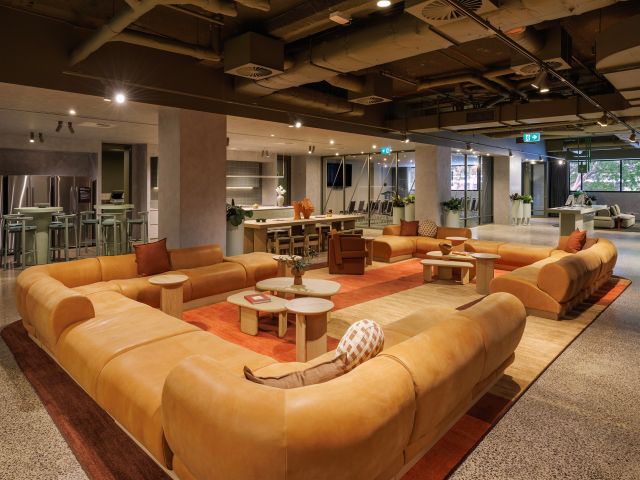
Designed by DKO Architects inside a heritage 1975 building, lyf’s interiors lean into warm Japandi-like styling, colourful art and flexible shared spaces. Whether you’re settling into the Collab workspaces, cooking in the Bond communal kitchen, squeezing in a workout at Burn gym or catching up on laundry at Wash & Hang, the hotel is built around sharing and spontaneous connections.
Where to eat
Bonnibel
Power your day with Melbourne’s best flavours.
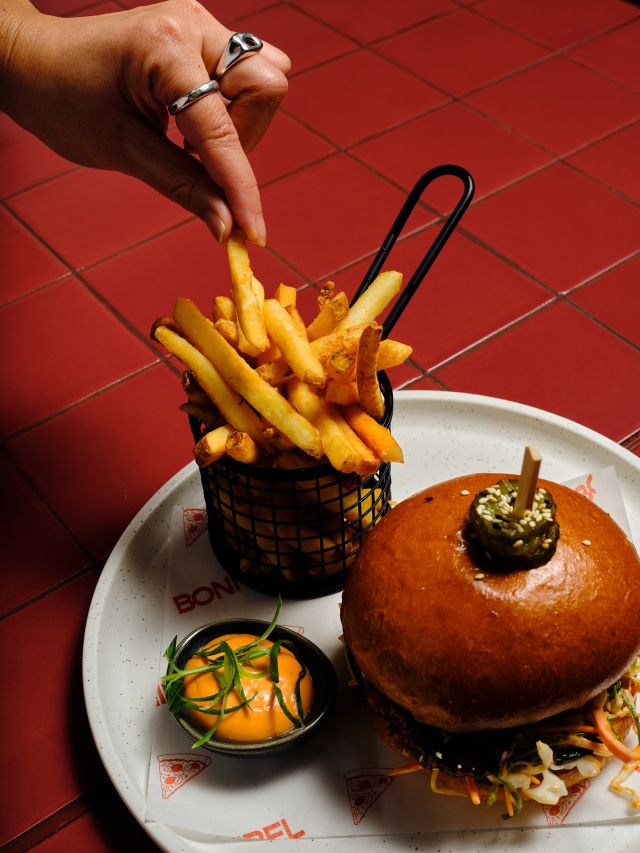
First stop is lyf on Elizabeth Melbourne’s neighbourhood kitchen and bar, Bonnibel. Like any Melbourne spot worth its truffle salt, Bonnibel serves a cracking coffee alongside an all-day menu that runs the gamut from barbecue beef brisket benedict with jalapeño salsa and gochujang hollandaise to coconut chia nourish bowls.
Bond
Take your Queen Vic finds from market to plate.
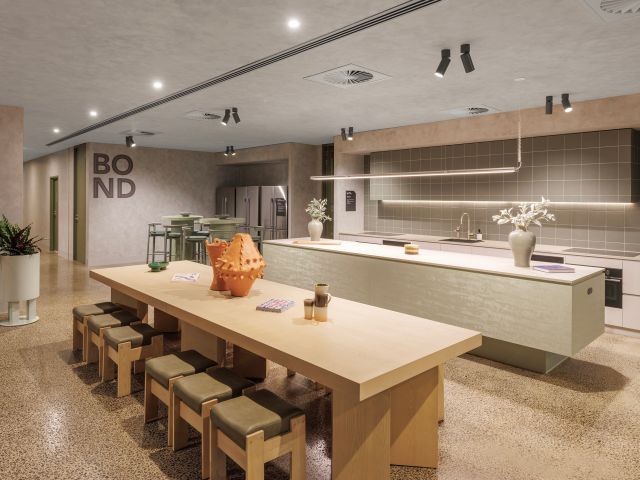
If the freshly baked sourdough, local produce and fresh fruit on offer at Queen Victoria Market have your fingers twitching towards your wallet, no need to hold back. Pick up, then head back to lyf’s Bond communal kitchen to cook it yourself. Fully equipped, it’s designed for guests to prepare meals together – and if you forget that dukkah for your avo and eggs, Queen Vic is only next door.
Soi38
Stretch your legs and make your way to Soi 38, one of Melbourne’s favourite Thai lunch spots. Specialising in street food-style dishes, the sprawling menu can feel as busy as a Bangkok market. Just know that the boat noodles are a must, alongside the Crying Tiger with marinated Black Angus brisket, crispy pork belly with house dipping sauce and a glass of sweet pink nom yen.
Shanghai Street
Stop by for Melbourne’s famous dumplings. (Credit: Alpha)
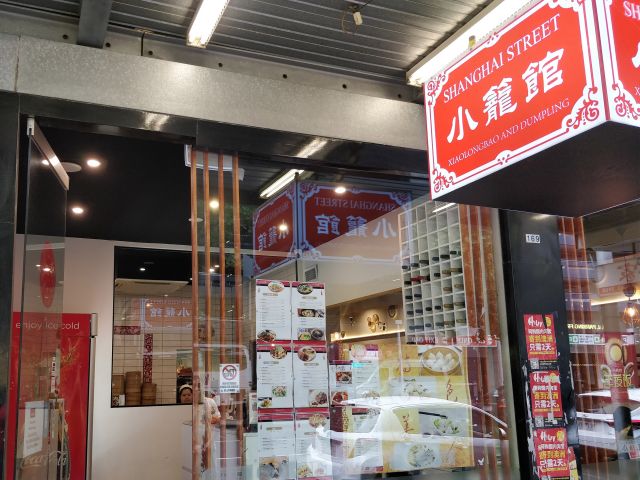
At Shanghai Street, order the xiao long bao as soon as you sit down at this cult restaurant; the delicate-skinned soup dumplings remain its signature. Don’t overlook the crispy-bottomed pan-fried pork buns or the homemade dumplings, served boiled, pan-fried or coated in chilli oil.
Where to drink
Fleet Rooftop Bar
Sitting 22 floors above Flinders Street, Fleet Rooftop Bar pairs Southbank views with one of the city’s best rum selections. Thanks to its retractable roof and glass panelling, the terrace works in Melbourne’s famously unpredictable weather. If rum isn’t your thing, flag down the martini trolley for a classic, oyster shell or olive leaf martini, then settle in with snacks like torched salmon caviar.
Goldilocks Rooftop Bar
Raise a glass above the city.
Hidden above the Denyers Building, Goldilocks Rooftop Bar is one of the CBD’s favourite spots for bottomless brunch. Expect shared plates of spinach and mushroom bao, fried chicken ribs and xiao long bao alongside free-flowing mimosas, peach and yuzu spritzes, Aperol spritzes and Bloody Shiraz jugs. It’s just right for a long afternoon in the city.
Fifty-five Bar
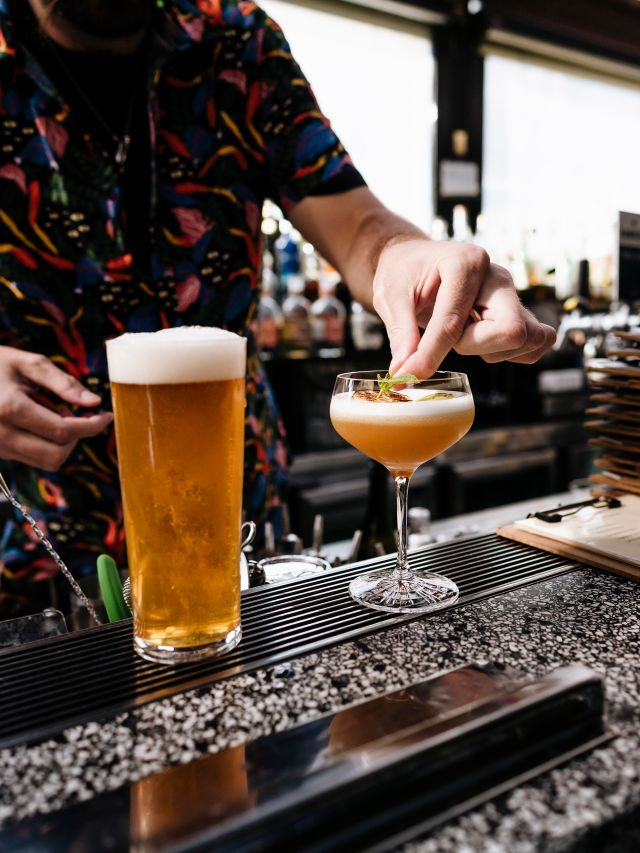
Swap rooftop views for basement vibes at Fifty-five Bar, where dim lighting, rotating craft beers and DJs create one of the CBD’s cosiest late-night hangouts. The cocktail list is just as fun, with drinks like the Silk Road Sour, made with pomegranate molasses and sumac, and frozen white peach cosmos.
Things to do
Free City Circle Tram
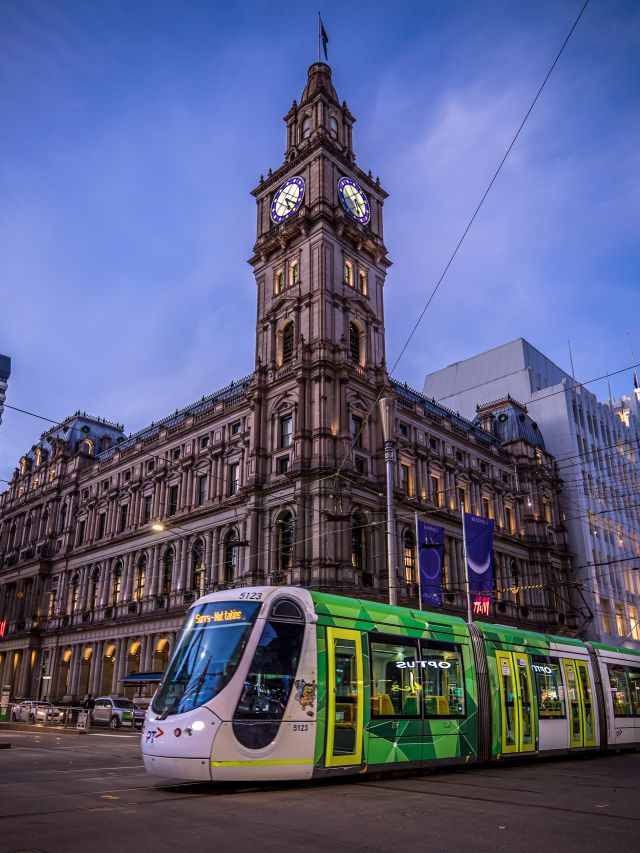
Travel between landmarks for free. (Credit: Visit Vic)
Say hello to every Melbourne traveller’s new best friend, the free City Circle Tram. This magic carpet of Melbourne transport loops around the CBD and Docklands, getting you from landmark to landmark without dropping a cent.
Melbourne Central
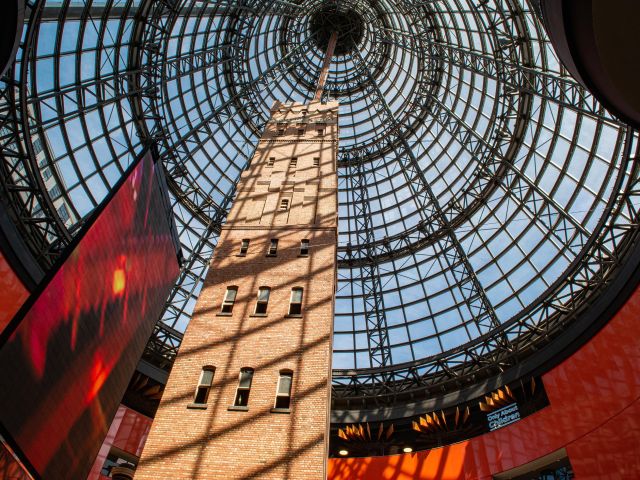
Shop until your drop. (Credit: Visit Vic)
Carve a chunk of time out of your schedule because all work and no play makes anyone a dull Melburnian. Instead, visit Melbourne Central to crack on with vintage shopping, duck into colourful laneways, wander through the grand 19th-century arcades and get to know its many museums. The architecture and people-watching aren’t too shabby either, whether you’re watching the crowds spill out of Flinders Street Station or gathering in Federation Square.
National Gallery of Victoria (NGV) – new Cartier exhibition
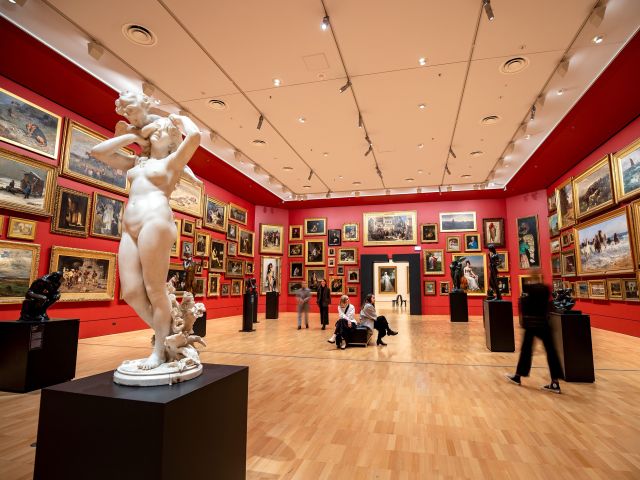
Explore one of Melbourne’s must-see exhibitions. (Credit: Visit Victoria)
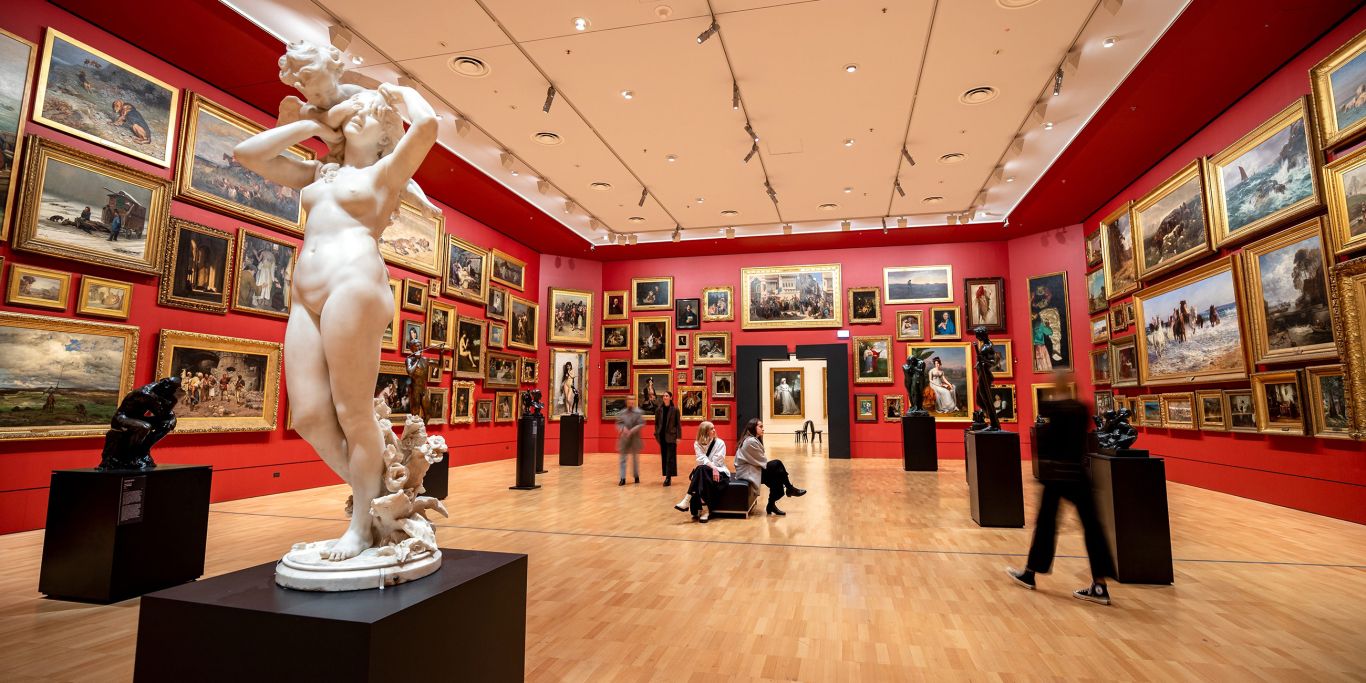
The jewel in Melbourne’s art scene, the NGV has welcomed one of its most glittering exhibitions yet: Cartier. Created by London’s V&A, it showcases jewels worn by some of history’s greatest divas, from Elizabeth Taylor and Rihanna to Princess Margaret and the Duchess of Windsor. Sketchbooks, photographs and original designs from the Cartier archives reveal the skill behind the sparkle.
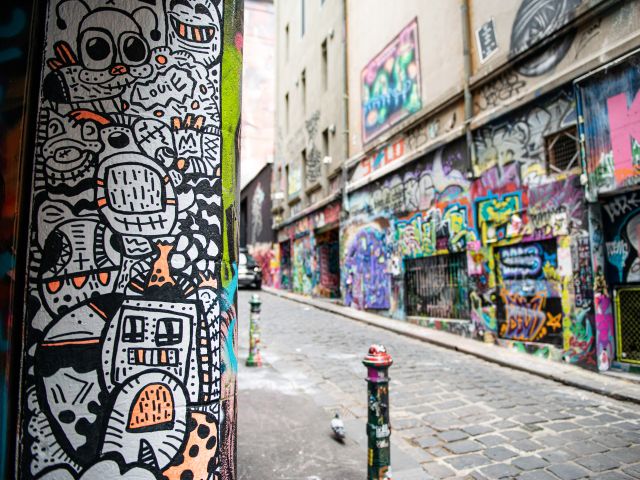
Explore Melbourne’s arty laneways
Follow the city’s vibrant street art trail. (Credit: Visit Victoria)
Start at Hosier Lane, the undisputed heart of Melbourne’s laneway art scene, where fresh murals appear thick and fast. From there, wander over to the music-themed AC/DC Lane, then duck into Union Lane, where independent artists constantly layer new works over old.