hero media

The best natural swimming spots around Australia

Float away the long, summer days in some of the best natural swimming spots around the country.

Australia is extraordinarily lucky with its thousands of kilometres of beaches. They’re easy to find and practically begging us to dive in. But if you are after some freshwater pools or even off-the-beaten-path swim locations, things can get a little trickier. Luckily, we’re here to help.

From pristine waterfalls to remote watering holes, we’ve lined up some of the best wild swimming locations Australia has to offer. And remember, these areas are unsupervised by lifeguards, so exercise a higher degree of caution.

Dangar Falls, Dorrigo National Park, NSW
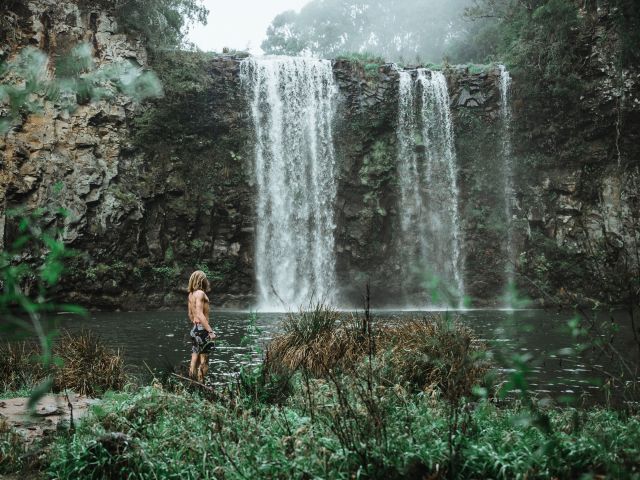
A man standing at Dangar Falls, Dorrigo National Park, NSW
Plunge into the cold waters of Dangar Falls. (Image: Destination NSW)

Drive inland from Coffs Harbour onto the Waterfall Way for this dramatic swimming spot on the Northern Tablelands in NSW. Underneath the cascading waterfall that stretches 30 metres up, you can take the narrow track down from the picnic area to take a dip in the pool at the bottom. Located in the Oxley Wild Rivers National Park.

Collins Flat Beach, Manly

Manly is popular for swimmers, but many of us haven’t heard of the hidden gem, Collins Flat Beach, which sits between  North Head and Little Manly Cove. Boasting scenic harbour views and a waterfall, this stunning spot is a slice of heaven in the city. Parking is scarce, but you can start your walk from Manly Beach, around North Head, and past Shelly Beach. Park entry fees apply.

Yarrangobilly Caves Thermal Pool, Yarrangobilly, NSW
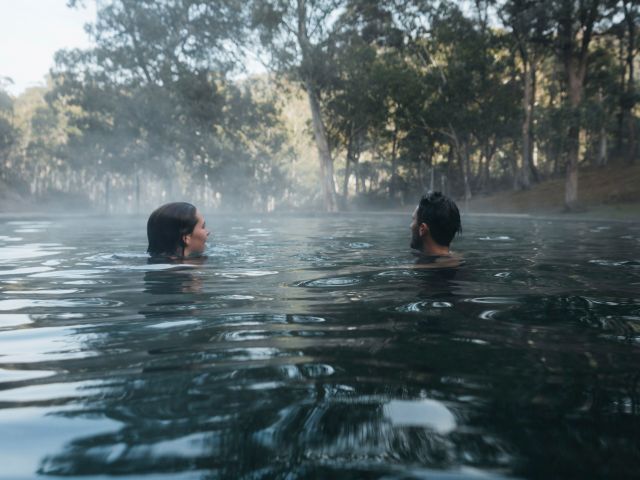
A couple swimming at Yarrangobilly Caves Thermal Pool.
Unwind in the rejuvenating Yarrangobilly Caves Thermal Pool. (Image: Destination NSW)

While it’s reachable by a short, easy walk, the Yarrangobilly Caves Thermal Pool is perfect for relaxing those sore muscles. Fed by a natural spring, the pool is a constant 27 degrees Celsius throughout the year – meaning you can even make a trip here in the winter months. Best paired with a visit to the impressive Yarrangobilly Caves nearby. Located in the Kosciuszko National Park.

Erskine Falls, Lorne, Vic
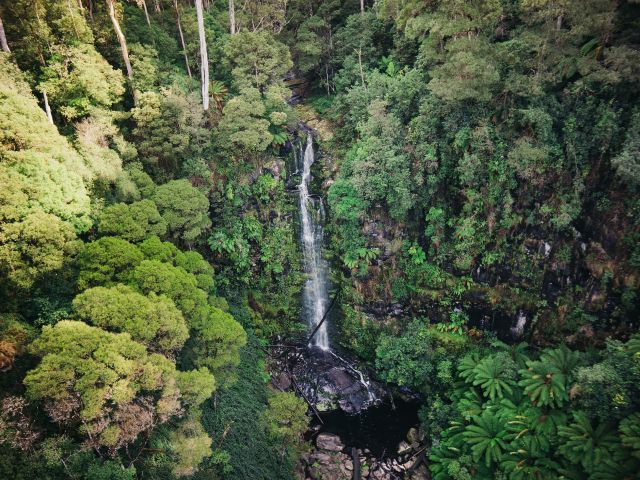
Erskine Falls in Victoria
Beat the Australian heat at Erskine Falls. (Image: Visit Victoria)

Driving down the Great Ocean Road can be a sticky business in the sweaty summertime. Take a break from the tarmac and stop by for a swim at the Erskine Falls in the coastal town of Lorne. It’s 230 steps down to the tree fern gully, where you can take a swim in its deep pool. Located in the Great Otway National Park.

Ladies Bath Falls, Mount Buffalo National Park, Vic
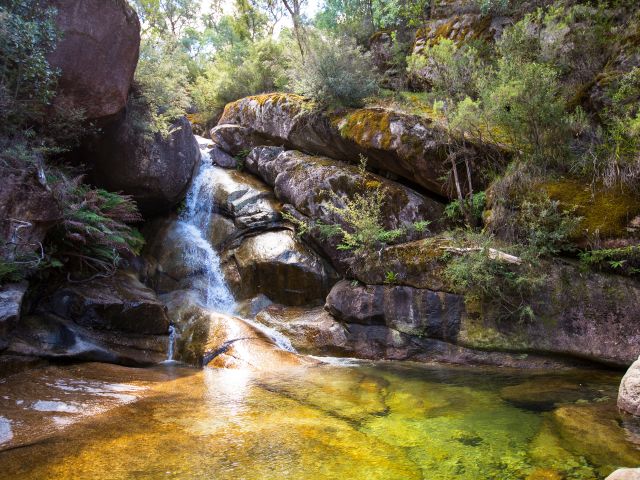
Ladies Bath Falls in Victoria
Take a soothing dip in the granite pools of Ladies Bath Falls. (Image: Visit Victoria)

So-named for the old tradition where men and women would separate to take a dip, the cool waters in the granite pools of the Ladies Bath Falls can now be enjoyed by everyone. Nearby, you can also find jaw-dropping views at the Upper and Lower Eurobin Falls.

Cardwell Spa Pools, Cardwell, Qld
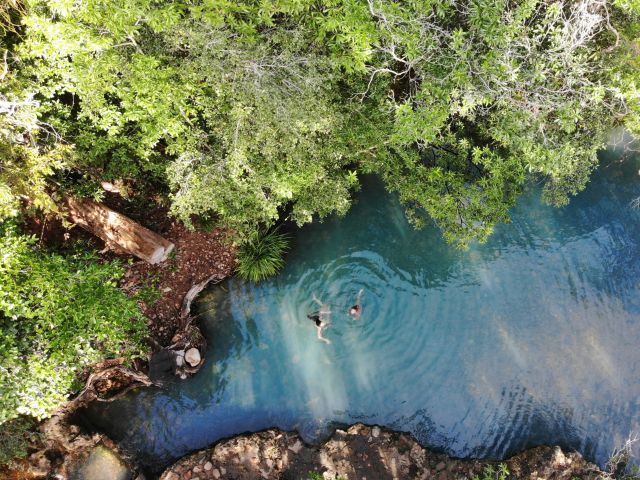
People swimming in Cardwell Spa Pools.
Enjoy a dip in the milky blue waters of Cardwell Spa Pools. (Image: Tourism and Events Queensland)

A series of natural pools with a difference, this geological marvel is smack bang between Cairns and Townsville, on the Cassowary Coast. Once you arrive you can splash around in its pale, milky blue waters that change shades during the day as a result of the chemistry between the rocks and water. As a seasonal creek, it is best visited in the wet season.

Need tips, more detail or itinerary ideas tailored to you? Ask AT.

AI Prompt

Champagne Pools, K’gari, Qld
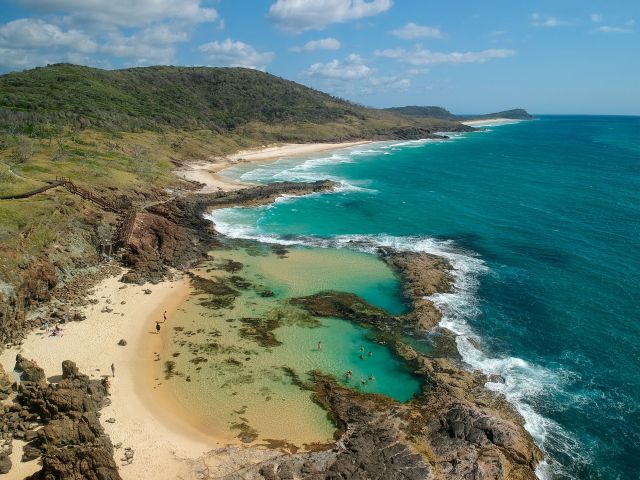
Champagne Pools on K'gari
Champagne Pools is a natural saltwater pool. (Image: Tourism and Events Queensland)

A very special natural saltwater pool, the Champagne Pools on K’gari is so-named because of the fizzing effect the crashing waves have on the water. In fact, it’s one of the safest saltwater places to swim on the island. Get here by travelling to 75 Mile Beach on the island’s northeastern coast.

Millaa Millaa Falls, Millaa Millaa, Qld
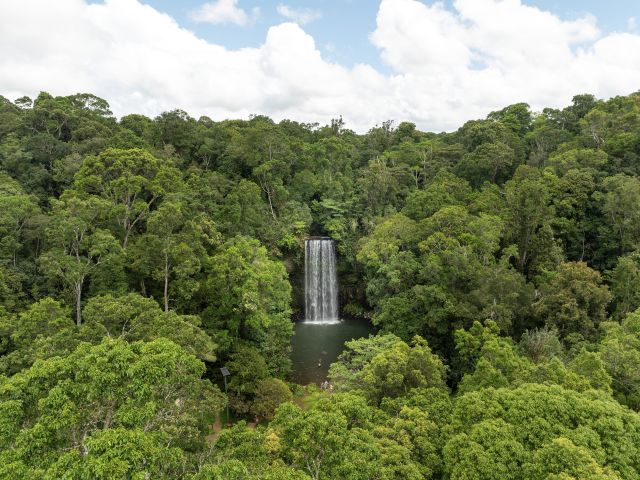
Millaa Millaa Falls surrounded by rainforest
The heritage-listed Millaa Millaa Falls is a sight to behold. (Image: Narelle Bouveng)

Enveloped by lush rainforest, Millaa Millaa Falls really is heaven on Earth. With a cascading 20-metre high waterfall and refreshing pool below that maintains a consistent cool temperature, this heritage-listed spot is one of the most idyllic hideouts to beat Far North Queensland’s heat.

The Basin, Wadjemup (Rottnest Island), WA
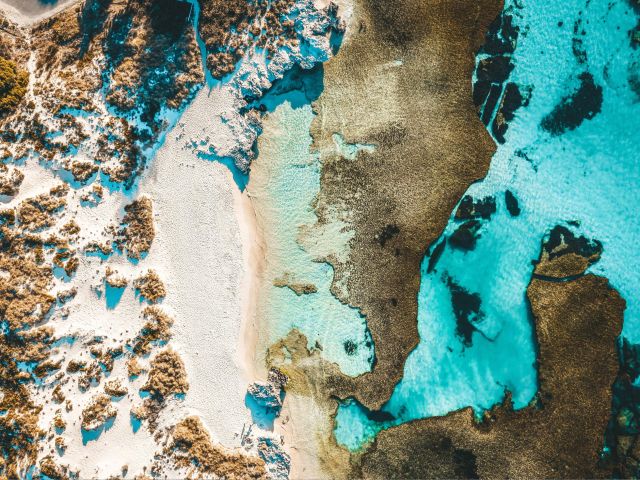
The Basin at Rottnest Island
The Basin is fringed by a naturally hollowed-out reef. (Image: Tourism Western Australia)

Another one of Australia’s favourite saltwater pools, but this time on what is, quite possibly, its cutest island – courtesy of its adorable resident quokkas. Head to Wadjemup (also known as Rottnest Island) off the West Australian coast, where you’ll find this naturally hollowed-out reef between Pinky Beach and Longreach Bay.

Zebedee Springs, El Questro Wilderness Park, WA
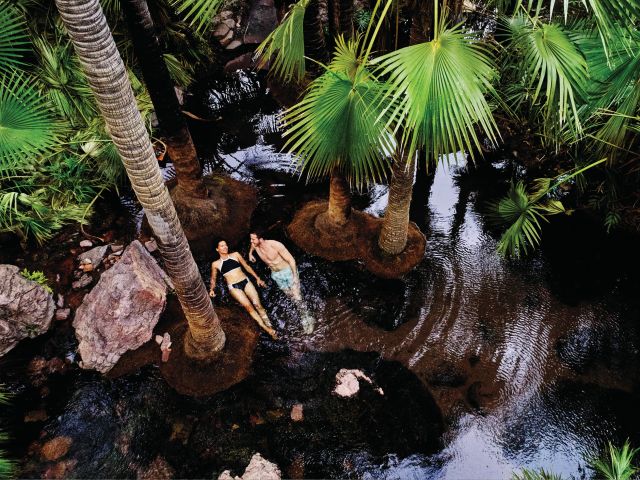
A couple swimming at Zebedee Springs, El Questro Wilderness Park, WA
Swim under palm trees at Zebedee Springs. (Image: Tourism Western Australia)

You will find plenty of pools in the far north of the state in its enormous El Questro Wilderness Park. Zebedee Springs consists of spectacular thermal pools and falls, set among tropical vegetation and prehistoric palms.

Be warned – it’s no easy afternoon trip. To get here it needs to be the dry season, and you will have to take the Gibb River Road by a 4WD route from Kununurra or fly in. But the overall experience? Unforgettable.

Ewens Pond, Ewens Ponds Conservation Park, SA
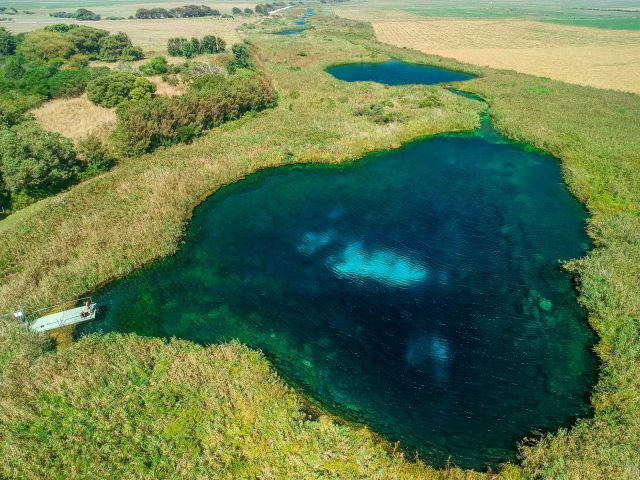
Ewens Pond, Ewens Ponds Conservation Park, SA
Dive into the depths of Ewens Pond. (Image: Mark Fitzpatrick)

Created by fresh springwater erosion of the limestone at the southern end of the state, the otherworldly Ewens Pond can be found 36 kilometres south of Mount Gam­bier. Underwater plants that have not been found anywhere else can be seen clearly here, thanks to the clarity of the water in the pools. If you wish to snorkel or dive, you will need a permit (which you can apply for here).

Pool of Siloam, Beachport, SA
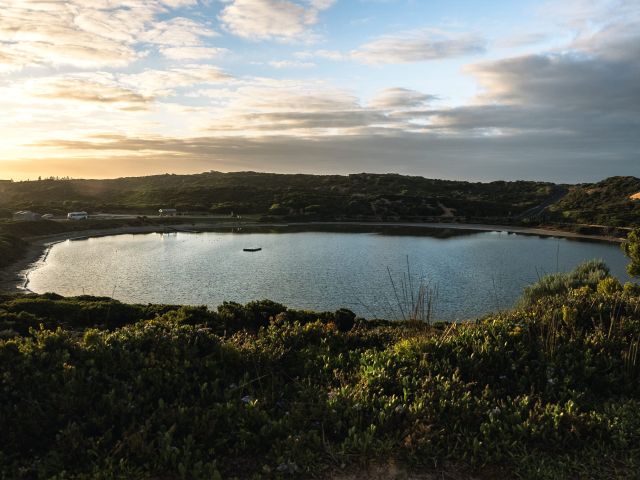
 Pool of Siloam at sunset
Bask in the magical sunrise over the Pool of Siloam. (Image: South Australian Tourism Commission)

For a trip to Australia’s very own Dead Sea (albeit, in miniature) on the South Australian Limestone Coast. It is thought to be seven times saltier than the sea itself, and as such, it is thought to have therapeutic properties. Find out for yourself when you test out the water’s natural buoyancy.

Weekly travel news, experiences
insider tips, offers, and more.

Greenly Beach Rock Pools, Coulta, SA
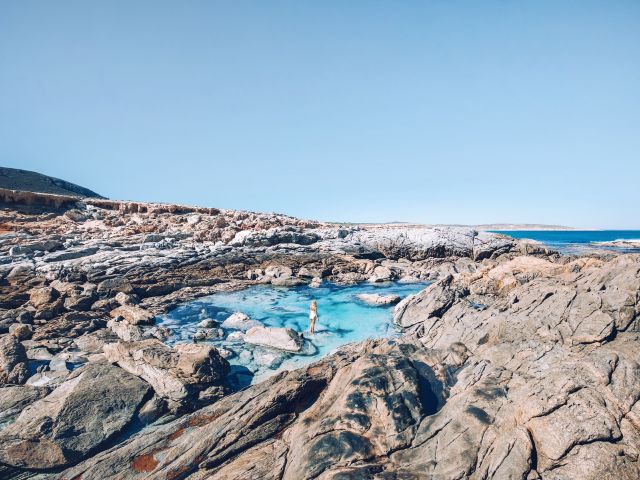
A woman standing in Greenly Beach Rock Pools
Dip your toes into the clear blue waters. (South Australian Tourism Commission/Elise Cook)

Located in Coulta on the Eyre Peninsula, these naturally formed ocean pools boast crystal clear water and dramatic rocks. The pools are best enjoyed during low tide when they offer a safer alternative to the open ocean. Keep your eyes peeled for ocean creatures such as starfish and crabs!

Bitter Springs, Elsey National Park, NT
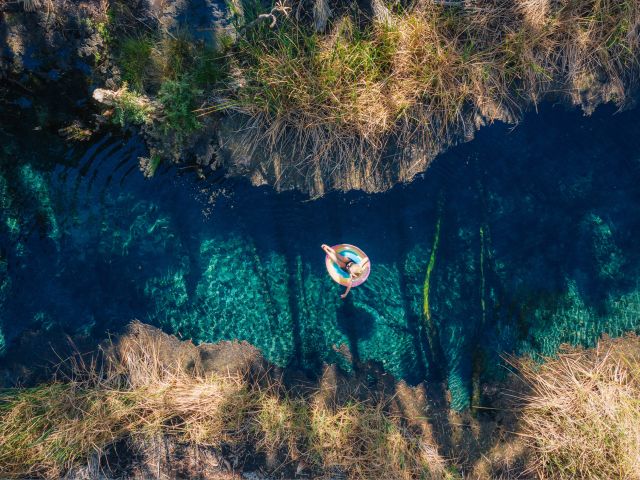
A woman floating on a donut in Bitter Springs, Elsey National Park, NT
Float in the cobalt waters at Bitter Springs. (Image: Tourism NT/Backyard Bandits)

Another thermal pool to add to your list. For the beguilingly blue waters and tropical vibes of Bitter Springs, head to the Top End and outside of Mataranka. But take note – you won’t be able to visit during the wet season. Not ready to let go of that spa life? You can also visit the nearby Mataranka Thermal Pool.

Kwartatuma (Ormiston Gorge) Water Hole, Tjorita / West MacDonnell National Park, NT
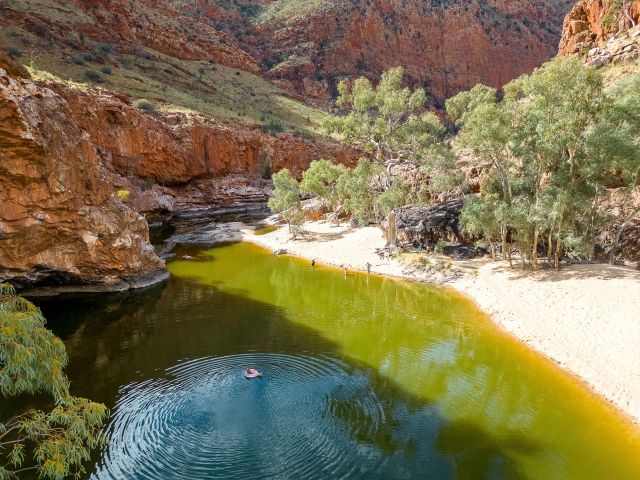
Kwartatuma (Ormiston Gorge) Water Hole, Tjorita / West MacDonnell National Park, NT
Ormiston Gorge is surrounded by sandy beaches and towering red walls. (Image: Tourism NT)

For secluded swims in the Northern Territory, it doesn’t get much better than the Kwartatuma swimming hole, 135 kilometres from Alice Springs. This outback pool is cold all year round, and is surrounded by sandy beaches and towering red walls and is best experienced after rainfall. If you feel up to it, you can also set out on the three-hour Ormiston Pound Walk nearby.

Dove Lake, Cradle Mountain-Lake St Clair National Park, Tas
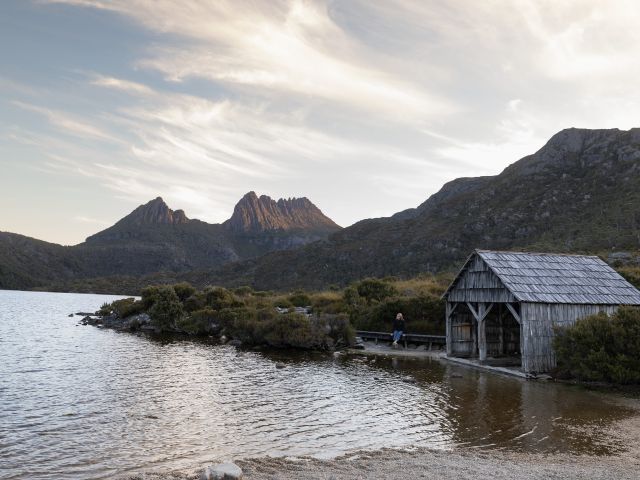
A woman at Dove Lake at Cradle Mountain
Misty mornings at Cradle Mountain are divine. (Image: Sean Scott Photography)

Along with Cradle Mountain, Dove Lake has played the main star in thousands of photos over the years, thanks to the dramatic wilderness landscape and mirror-like appearance. And while it is beautiful at any time of the year, come summertime, it becomes warm enough to enter without shrieking.

It should go without saying that this wild swim is near perfect after a vigorous hike in the Cradle Mountain-Lake St Clair National Park.

Apsley River Waterhole, Douglas-Apsley National Park, Tas
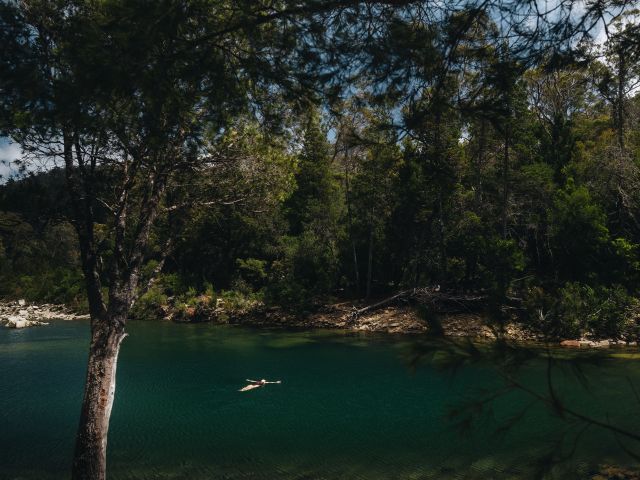
A woman swimming in Apsley River Waterhole
Apsley River Waterhole is one of Tasmania’s top swimming holes. (Image: Harrison Candlin – Vagary)

Deep in the state’s dry eucalypt forests, Apsley Gorge is home to several watering holes and plunge pools. One of them – the Apsley River Waterhole – is considered one of Tasmania’s top swimming holes. If you find yourself exploring the East Coast and longing to cool off in a freshwater pool, it is only a 15-minute walk to get here from the car park.

Casuarina Sands, Stromlo, ACT

On the Murrumbidgee River, Casuarina Sands offers a welcome respite with riverside swimming on those scorching Canberra days. Shaded picnic spots dot the banks, while swimmers splash in the water. Feel like doing something different? It’s also a great spot to test out your canoeing skills and is the starting point for the 27.6-kilometre Murrumbidgee Discovery Track.

Want to see more stories from Australian Traveller in your Google search results?

  1. Click here to set Australian Traveller as a preferred source.
  2. Tick the box next to "Australian Traveller". That's it.
Kate Bettes
Kate Bettes is a freelance travel writer. Whether having a picnic in Vietnamese jungle with new friends, or partying in the back of a limousine in Hollywood, Kate’s experiences have left her with the sneaking suspicion that the best travel memories happen when you least expect. It’s this feeling - and how to get it - that she loves to write about.
View profile and articles
hero media

The road trips and trails you need to experience in Victoria now

    Kellie Floyd Kellie Floyd
    Wind through fern tunnels, stop for a wine in a tram bar, or chase giant murals across the wheatbelt. These drives and rides prove Victoria’s best stories are found off the straight and narrow. 

    There’s something unmistakably Australian about a road trip: car packed, playlist on, landscapes shifting. Travelling down the highway toward Healesville, in Victoria’s Yarra Valley, the mountains rise, flanking me on both sides. I feel its embrace, a silent invitation to explore what lies beyond.  

    Moss-covered embankments rise on either side, and towering mountain ash trees form a green tunnel overhead. Road signs warn of wombats and cyclists but with giant ferns lining the roadside, the landscape feels prehistoric, as if a dinosaur might suddenly emerge. This, the Black Spur, is one of my favourite road trips. 

    The Black Spur 

    The Black Spur drive
    Through the forested canopy of The Black Spur drive that winds from Healesville to Narbethong. (Image: Neisha Breen)

    Location: Yarra Ranges
    Duration: 30 kilometres / 30 minutes 

    The Black Spur is short compared to other Victorian road trips, just 30 kilometres, stretching from Healesville to Narbethong. But what it lacks in distance, it makes up for in scenery. Just outside Healesville, Maroondah Dam offers bushwalks and scenic views. However, if pressed for time, Selover’s Lookout is an easy roadside stop offering uninterrupted views of the dam.  

    In Narbethong, close to the Marysville’s snowfield, is the Black Spur Inn, a charming double-storey brick hotel that’s been welcoming travellers since 1863. Here, diners cosy up by the roaring fire or gaze through the floor-to-ceiling windows, imagining horse-drawn coaches carrying hopeful gold seekers to the eastern goldfields.   

    Victoria’s Silo Art Trail 

    Silo Art Trail
    The Silo Art Trail in the Wimmera Mallee region. (Image: Visit Victoria/Anne Morely)

    Location: Various towns across the Wimmera Mallee region
    Duration: More than 200 kilometres / 4–5 hours but best over a minimum of three days  

    What began as a way to draw travellers back into town bypassed by highways – places such as Nullawil, Sea Lake and Patchewollock – has grown into a celebrated outdoor art movement. The Silo Art Trail now includes 23 silos, each transformed with large-scale mural portraits sharing local stories, celebrating community heroes, Indigenous history, farming life, or regional identity.  

    The Nullawil silo, for example, is a portrait of a local farmer in a chequered flannelette shirt alongside his loyal kelpie, painted by artist Sam Bates (AKA Smug). And the silos at Albacutya in the Grampians, painted by artist Kitt Bennett, depict her joyful memories of growing up in the countryside. Many of the murals sit right in the heart of small towns, such as Rochester and St Arnaud, making them perfect spots to pause for a country pub meal or something sweet from a local bakery.   

    Metung to Mallacoota  

    Gippsland lakes
    Gippsland Lakes. (Image: Visit Victoria/Josie Withers)

    Location: Gippsland
    Duration: Approximately 220 kilometres / 4 hours  

    The Gippsland Lakes are a much-loved holiday spot in Victoria, but road-tripping further east reveals much more. Begin in Metung and time your visit with the monthly farmers’ market, or simply linger over lunch on the lawn of the Metung Hotel. Twenty minutes away is Lakes Entrance, where you can watch the fishing boats return with their catch. 

    Lakes Entrance
    Lakes Entrance. (Image: Visit Victoria/Iluminaire Pictures)

    Continue to Marlo, where the Snowy River spills into the sea, and Cape Conran for its many beaches and walks. If needing to stretch your legs, Croajingolong National Park is home to the historic Point Hicks Lighthouse and the Wilderness Coast Walk. Birdwatching and rainforest trails near Bemm River are worth a pit stop before arriving in Mallacoota, where the forest meets the sea. 

    Great Ocean Road 

    12 Apostles on the Great Ocean Road
    The 12 Apostles on the Great Ocean Road. (Image: Tourism Australia/Two Palms/Harry Pope)

    Location: South-west Victoria, from Torquay to Allansford
    Duration: Approximately 250 kilometres / 4–5 hours but best over a minimum of three days  

    Victoria’s most famous road trip delivers it all: world-class surf breaks, rainforest walks, clifftop lookouts and wildlife encounters. The journey begins in Torquay, the state’s surf capital, then hugs the coast past Anglesea and Lorne to Apollo Bay, before curving inland through the lush rainforest of the Otways. Stop at Cape Otway Lightstation or take to the treetops at Otway Fly.  

    Between Cape Otway and Port Campbell lies the most photographed stretch – seven of the Twelve Apostles still standing, alongside the golden cliffs of Loch Ard Gorge. Further west, Warrnambool is a winter whale-watching hotspot, before the road winds to Port Fairy, a charming fishing village of whalers’ cottages, walking trails and offshore seal colonies further along the coast. 

    Bellarine Taste Trail 

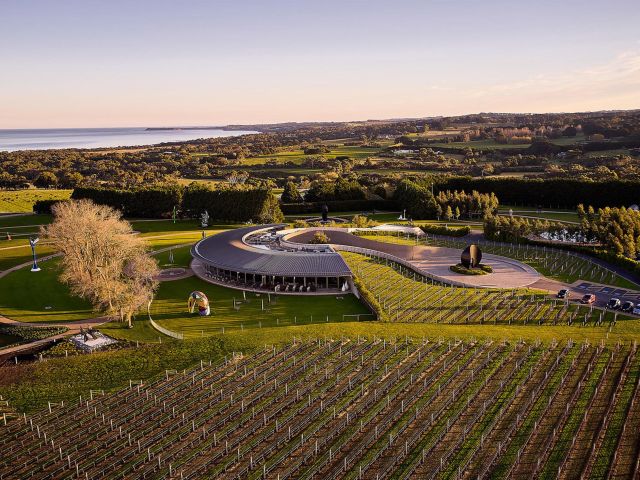
    Terindah Estate
    Terindah Estate. (Image: Visit Victoria/Emily Godfrey)

    Location: Bellarine Peninsula
    Duration: Approximately 80 kilometres / 2–3 hours  

    The Bellarine Taste Trail is a feast for the senses, winding through coastal towns, past boutique wineries and artisan producers. It’s a choose-your-own-adventure style trail – simply grab a map and build your own delicious journey.  

    You might wander historic, seafront Queenscliff, sip wine in a converted tram bar at Terindah Estate, sample a locally distilled whisky at The Whiskery in Drydale or pick up a jar of honey at Wattle Grove in Wallington. Seafood lovers can head to Portarlington, famous for its mussels. Eat them fresh at local restaurants or head out on the water with Portarlington Mussel Tours. 

    O’Keefe Rail Trail – Bendigo to Heathcote 

    Pink Cliffs Reserve
    Pink Cliffs Reserve in Heathcote can be seen on the O’Keefe Rail Trail. (Image: Visit Victoria/Emily Godfrey)

    Location: Central Victoria
    Duration: Approximately 50 kilometres / 4 hours cycling 

    Travellers first journeyed between Heathcote and Bendigo in 1888, when the railway line was built to link the towns. Trains stopped running in 1956, but today the route has a new life as the O’Keefe Rail Trail. The path is mostly level for easy riding, and along the way you’ll cycle past bushland, waterways and reserves. There are plenty of places to picnic, birdwatch, and if you’re lucky, spot a platypus.  

    The trail is well supported with water stations, bike repair points, shelters, and signage. Axedale makes a great halfway stop, with the pretty Campaspe River Reserve for a rest and local cafes for refuelling. Begin in Heathcote, known for its wineries and cafes, or in Bendigo, which is easily reached by train from Melbourne/Naarm. Shorter sections, such as Heathcote to Axedale, are also popular. 

    Goldfields Track – Ballarat to Bendigo 

    Location: Central Victoria
    Duration: Approximately 210 kilometres / 2–3 days cycling  

    The Goldfields Track traces a route once so rich in gold it made Melbourne one of the wealthiest cities in the world. Starting at Mt Buninyong, south of Ballarat, the trail leads mountain cyclists and walkers north through Creswick, Daylesford and Castlemaine before finishing in Bendigo. Along the way, you’ll encounter granite outcrops, eucalypt forests, rolling farmland and remnants of the region’s mining past.  

    As it passes through the lands of the Dja Dja Wurrung and Wadawurrung people, the track shares gold rush history and Indigenous stories brought to life by interpretive signs. Walk or ride the full trail or choose from one of its three distinct sections. With cosy stays, cafes and pubs, it’s easy to mix wilderness with comfort.